If bloating, sluggish digestion, or that heavy feeling after meals keeps showing up, a fresh glass of juice can sound like an easy fix. The good news is that gut health juices can help you add more hydration, vitamins, plant compounds, and a few prebiotic-rich fruits and vegetables to your day, especially ingredients like ginger, cabbage, cucumber, lemon, and green apple.
Still, it’s smart to keep your expectations realistic. Juicing removes much of the fiber, so it won’t do the same job as eating whole produce, and fruit-heavy blends can push the sugar up fast. That’s why balance matters, and why it helps to know a few blood sugar-friendly food choices if you want your juice to support digestion without leaving you feeling worse later.
What makes a juice good for gut health
A gut-friendly juice usually does a few simple things well. First, it adds hydrating produce like cucumber and celery. Next, it uses a small amount of fruit for taste without turning the drink into a sugar bomb. It can also include herbs, roots, and greens that make the juice feel lighter and more balanced.
Still, juice works best as one part of a gut-friendly routine. It can support hydration and help you get more produce in, but it shouldn’t replace whole fruits, vegetables, or regular meals. If you’re also trying to build a more balanced plate, these anti-inflammatory meal ideas can help.
Ingredients that may help with bloating, digestion, and gut balance
The best gut-health juices often reuse the same ingredients for a reason. Each one brings something useful, whether that’s water, a fresh taste, or plant compounds that fit well in digestion-friendly recipes.
- Ginger adds a warm, sharp flavor that many people find soothing after heavy meals.
- Turmeric brings earthy flavor and pairs well with citrus and carrot in mellow juice blends.
- Celery is high in water, so it helps create a light, crisp base.
- Cucumber makes juice extra refreshing and keeps the flavor clean and mild.
- Green apple adds tart sweetness and blends well with greens, lemon, and ginger.
- Fennel has a mild licorice taste that many people enjoy in juices for a less heavy feel.
- Beets add color, earthiness, and natural sweetness to support more savory blends.
- Carrots make juice smoother, slightly sweet, and easy to pair with roots and citrus.
- Lemon brightens the flavor and helps balance stronger ingredients.
- Pineapple adds sweetness and contains natural enzymes, which is why it’s common in digestion-focused juices.
- Papaya has a soft, tropical flavor and natural enzymes that fit well in gentle juice recipes.
- Spinach is mild enough for beginners and an easy way to add greens.
- Kale has a stronger taste, so it works best with apple, lemon, or cucumber.
- Mint gives juice a cool finish that can make it taste lighter.
- Aloe vera is sometimes added in small amounts for a smooth texture and mild, fresh taste.
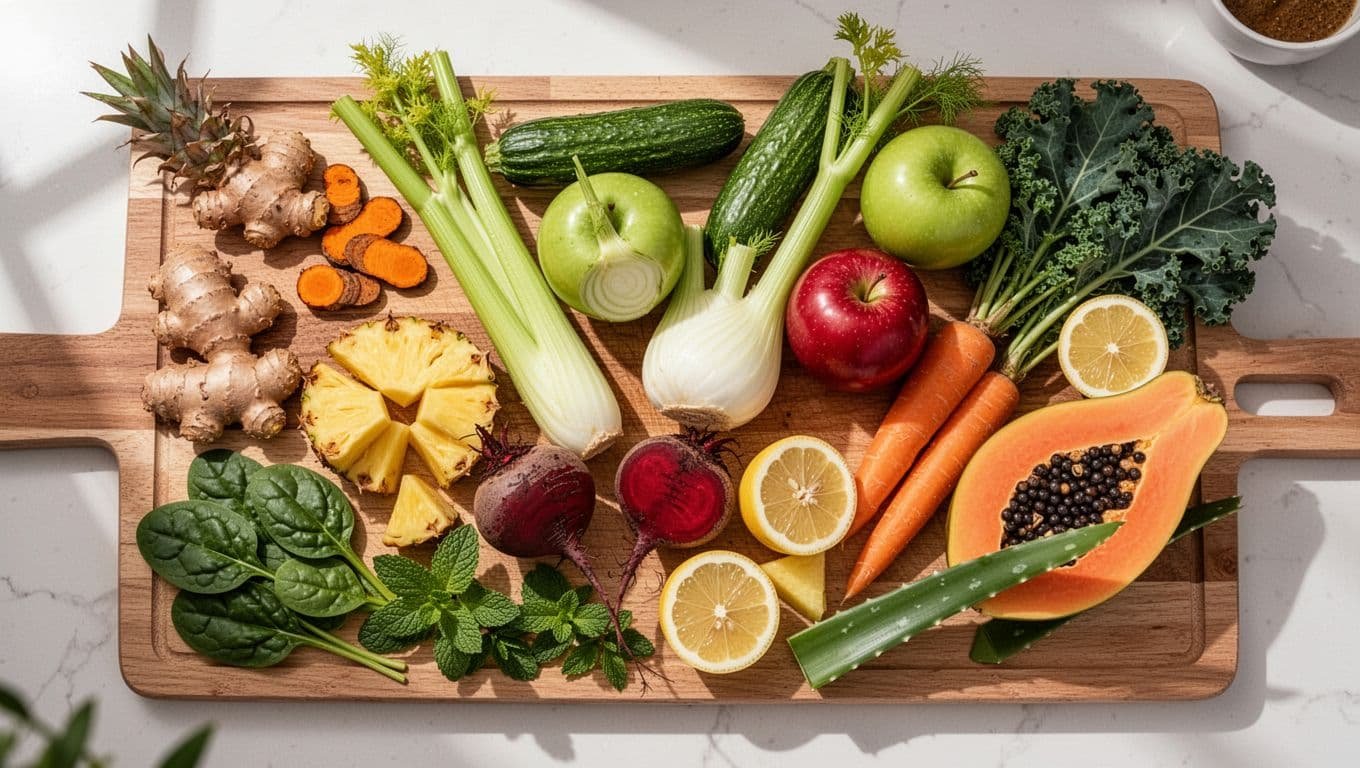
A practical rule helps here: build your juice around water-rich vegetables, then add one or two bold ingredients for flavor. For example, cucumber and celery keep things light, while ginger, mint, and lemon wake the whole glass up. Apples, beets, greens, and fennel can also fit well because they add depth before juicing, and they are common picks in digestion-focused recipes. If you want more examples of ingredient pairings, this guide on juices for bloating relief shows similar combinations.
A good gut-health juice is usually simple, produce-heavy, and easy to drink, not overloaded with sweet fruit.
A quick note on juicing vs blending for gut support
Juicing and blending are not the same, and that matters for gut support. Juicing removes most of the fiber, while smoothies keep it. That means juice can be lighter and easier to sip, but smoothies usually do more to help you stay full.
Because fiber matters for digestion and for feeding beneficial gut bacteria, it helps to keep juice in perspective. Juice can be a nice add-on, especially when you want hydration or a quick way to use fresh produce. However, it shouldn’t crowd out whole produce from the rest of your day.
A simple fix is to pair your juice with something that adds fiber and staying power. You might have it with:
- Greek yogurt and chia seeds
- Oatmeal with fruit
- Eggs and whole-grain toast
- A handful of nuts and an apple
That small step can make your juice feel more balanced. It can also help you avoid the quick hunger that sometimes comes after a fruit-heavy drink. For busy days, pairing juice with one of these 5 healthy work lunch ideas can make the whole meal more satisfying.
Save the pin for later

15 best juicing recipes for gut health to try at home
These gut-friendly juices are easy to make, use common produce, and usually yield about 1 to 2 servings. Keep in mind that flavor can shift based on your apples, cucumbers, or greens, so taste and adjust as you go.
Green juices that are gentle and refreshing
Green juices are a smart place to start because they feel light, crisp, and easy to drink. They also work well when you want more hydration without a heavy, overly sweet finish.
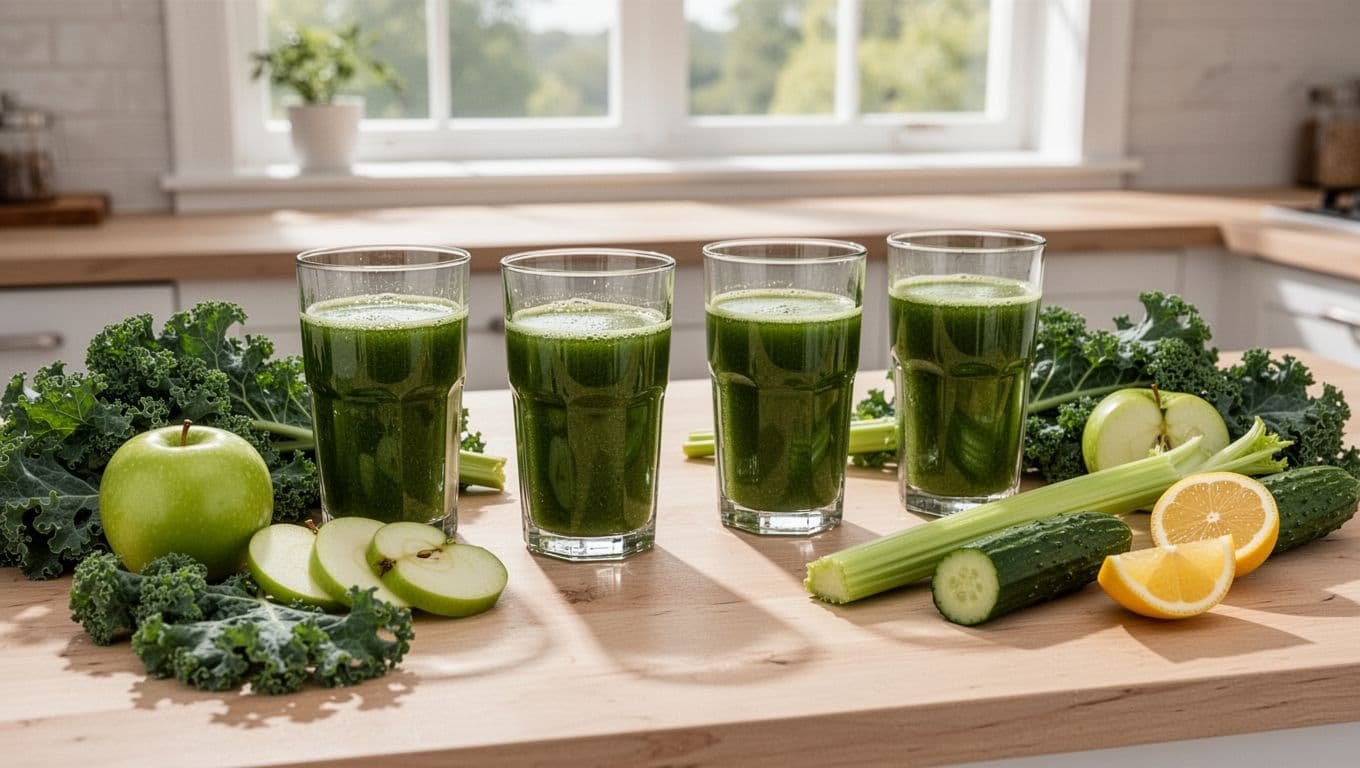
Anti-Inflammatory Green
Use kale, green apple, celery, cucumber, and lemon. Juice everything, then stir and serve cold.
This one tastes clean and slightly tart, with enough apple to soften the kale. It supports hydration from cucumber and celery, while lemon and greens help the blend feel fresh after a heavy meal.
Apple Fennel Detoxer
Use fennel, apple, cucumber, spinach, lemon, and a few mint leaves. Run the cucumber and apple through first, then add the rest.
The flavor is cool, slightly sweet, and a little herbal because fennel and mint stand out. If you often feel puffy after salty meals, this light blend can fit nicely into your routine.
Celery Gut Healer
Use celery only, or add a small squeeze of lemon after juicing if you want brightness. Juice the celery and drink it right away.
It tastes grassy, crisp, and very simple. Because it’s almost all water-rich produce, it can be a nice option when your stomach feels off and you want something plain.
If straight celery juice tastes too sharp at first, chill it well and start with a smaller glass.
Cucumber Cooler
Use cucumber, cantaloupe, celery, lemon, and optional mint. Juice, stir, and pour over ice if you like.
This one is mellow and extra refreshing, with a soft sweetness from cantaloupe. It helps with hydration, and the cucumber-celery base keeps the drink from feeling too rich.
If you want more everyday food ideas that pair well with lighter juices, these stress-relieving foods such as berries and leafy greens can help round out the rest of your day.
Root-based juices that calm and warm the stomach
Root-based juices bring more body and natural sweetness. They also pair well with ginger and turmeric, though those two can get strong fast, so start small and build up.
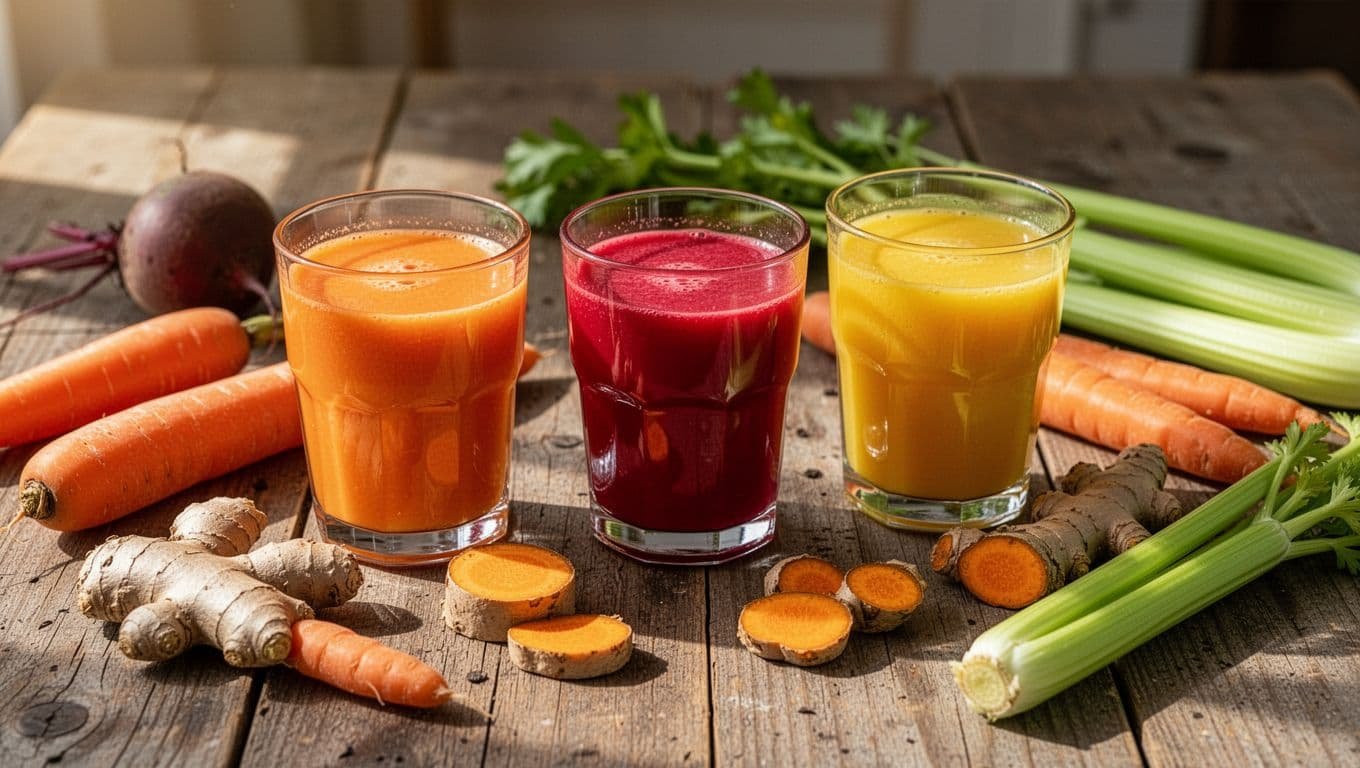
Carrot Apple Ginger
Use carrots, apple, and a small piece of ginger. Juice the carrots and apple first, then add ginger.
The taste is sweet, earthy, and gently spicy. Carrots make it smooth and easy for beginners, while a little ginger gives warmth that many people enjoy after meals.
Classic Beet
Use beet, carrot, apple, and lemon. Juice in that order, then stir well.
This blend is earthy but balanced, with apple and lemon keeping it bright. It gives you a stronger juice without tasting harsh, and the lemon helps cut the beet’s heaviness.
Ginger Beet Zinger
Use beet, carrot, apple, lemon, and a small piece of ginger. Juice and serve cold.
It has a bolder kick than the classic version, so go easy on the ginger at first. This is a good pick when you want a deeper, more energizing flavor with a little warmth.
Turmeric Ginger Celery
Use celery, cucumber, lemon, fresh turmeric, and a small piece of ginger. Juice the celery and cucumber first to mellow the roots.
The flavor is savory, bright, and slightly peppery. Because turmeric and ginger can take over quickly, a modest amount usually tastes best and is easier on your stomach.
Lemon Ginger Turmeric Shot
Use lemon, ginger, turmeric, and a little apple or cucumber if needed to soften it. Juice and pour into small shot glasses.
This shot is sharp and intense, so a little goes a long way. It can fit into a morning routine, but keep portions small if strong roots tend to bother your stomach.
For a broader look at foods that support the gut, Healthline’s guide to gut-healthy foods gives useful context beyond juice alone.
Tropical juice blends for digestion support
Tropical juices usually taste brighter and sweeter, which makes them easy to enjoy. Still, because pineapple, orange, and papaya bring more natural sugar, smaller servings often work best.
Carrot Pineapple Orange
Use carrots, pineapple, and orange. Juice the carrots first, then pineapple and orange.
This blend is sunny and naturally sweet, with enough carrot to keep it grounded. Pineapple and orange add enzymes and acidity that many people find helpful when digestion feels slow.
Spicy Pineapple Zinger
Use pineapple, cucumber, lemon, and a small piece of ginger. Juice and chill before serving.
It tastes juicy and bright, with a mild kick at the end. Because pineapple contains bromelain, this is one of the more popular digestion-focused blends, as seen in this pineapple ginger juice guide.
Pineapple Ginger Mint Detox
Use pineapple, cucumber, mint, lemon, and a small piece of ginger. Juice the cucumber and pineapple first, then add the rest.
The mint cools the ginger nicely, so the whole glass feels lighter than you might expect. It’s a refreshing choice on hot days or after a heavy lunch.
Papaya Gut-Soothing Juice
Use papaya, pineapple, cucumber, and lime. Juice if your machine can handle papaya well, or blend and strain if needed.
The flavor is soft, tropical, and less acidic than orange-heavy blends. Papaya contains papain, and pineapple contains bromelain, which are natural enzymes linked with easier digestion in many recipes and wellness guides. Based on current recipe trends, this pairing is one of the simplest ways to make papaya more refreshing and easier to sip.
If you enjoy making drinks as part of your self-care routine, you may also like ideas to make a healthy smoothie or juice at home.
Save the pin for later

Simple wellness shots and specialty juices
These last two are more concentrated, so keep the servings small. They work best when you want a quick, focused drink instead of a full glass.
Metabolic Bomb Shot
Use apple, lemon, turmeric, ginger, and a pinch of cayenne. Juice, stir well, and pour into a small glass.
It tastes hot, tart, and punchy. Since both ginger and cayenne can feel intense, start with a small amount if your stomach is sensitive.
Aloe Vera Renew
Use food-safe aloe vera juice or gel, cucumber, apple, and spinach. Juice or blend until smooth, then serve in a modest portion.
This one tastes clean and mild, with apple helping the greens go down easier. Aloe vera is sometimes used for digestive comfort, but it should be food-safe and used in small amounts rather than large glasses.
How to make gut-friendly juices without adding too much sugar
A gut-friendly juice should taste fresh, not like dessert in a glass. The easiest way to keep sugar in check is to use mostly vegetables, add just one lower-sugar fruit for flavor, and keep portions sensible. For most people, 8 to 12 ounces is enough for a regular juice, while ginger or turmeric shots work better in much smaller servings.
Because juicing removes most of the fiber, it’s smart to treat juice as a support tool, not a meal replacement. Drink it fresh when you can, and pair it with real food if you want better staying power.
An easy formula for building balanced juices
A simple formula makes low-sugar juicing much easier to repeat. Use 2 to 3 vegetables, 1 fruit, 1 digestive booster, and 1 bright add-in. That gives you flavor without letting sweet ingredients take over.
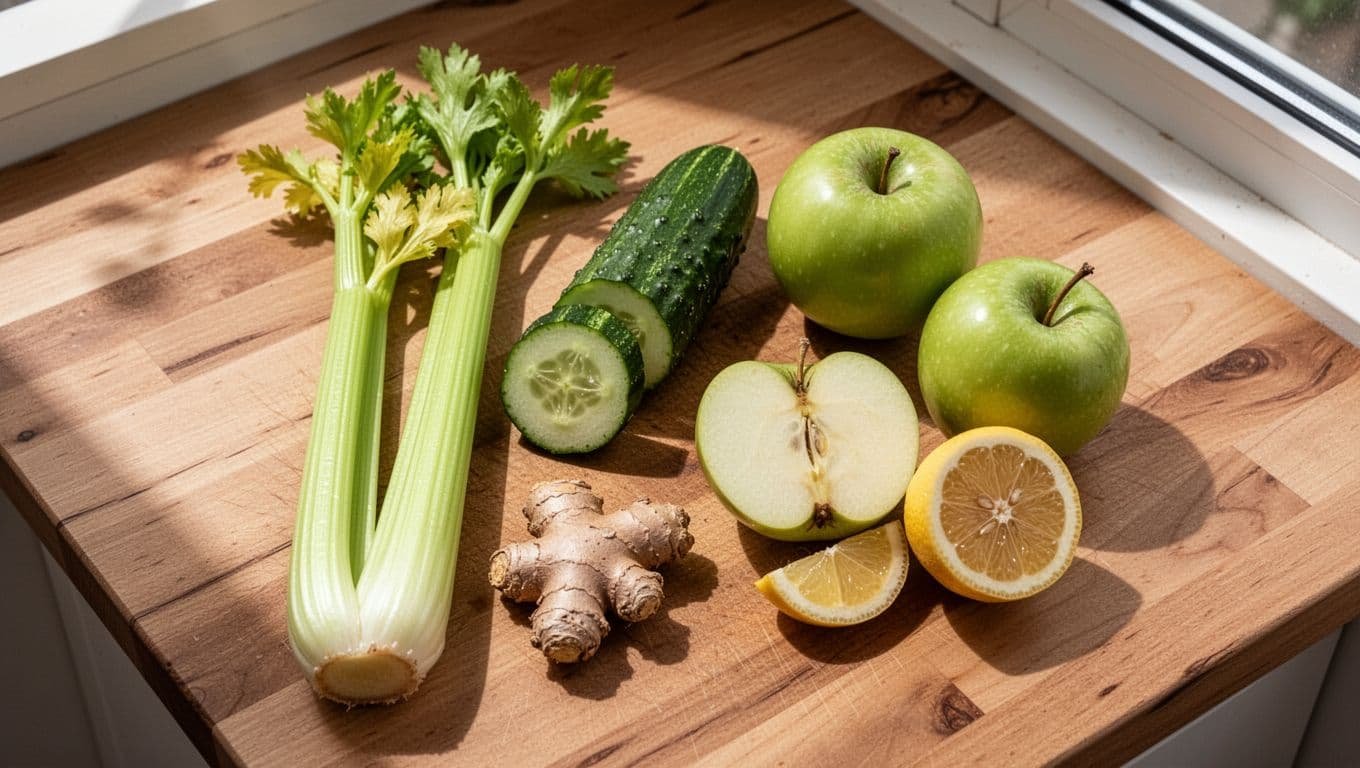
A good mix might look like this:
- Start with vegetables such as cucumber, celery, spinach, kale, or fennel.
- Add one fruit, such as green apple, a small piece of grapefruit, or a little berry if your juicer allows it.
- Pick a booster like ginger, mint, or a small piece of turmeric.
- Finish with lemon or lime to brighten the whole glass.
That 80/20 produce balance, mostly vegetables and a little fruit, is a helpful rule if you want a lighter juice. If you need more ideas for keeping juice sugar lower, this low-sugar juice guide offers similar combinations. Also, if bloating is a concern, some low-FODMAP juicing ideas may give you gentler options.
Very sweet fruits, such as mango, grapes, and lots of pineapple, can push the sugar up fast. Use them more like accents than the base.
Best times to drink juice for digestion support
Timing matters less than consistency and comfort. Many people like juice with breakfast because it feels light and hydrating, especially after waking up. Others do better with it between meals, when it won’t compete with a large meal.
If juice leaves you hungry, have it alongside a protein-rich snack such as Greek yogurt, eggs, or a handful of nuts. That often feels more balanced, especially since juice on its own doesn’t keep most people full for long. For readers watching blood sugar more closely, this prediabetes juicing guide has practical tips on pairing juice with steadier choices.
Some people also prefer stronger juices, especially ginger-forward or celery-based blends, earlier in the day. The sharper taste can feel like a wake-up call in the morning, while later hours may call for something softer, such as cucumber, mint, or fennel. Drink it fresh, notice how your stomach responds, and adjust from there.
Common mistakes to avoid when juicing for gut health
Juicing can support digestion, but a few easy mistakes can make your stomach feel worse instead of better. The biggest ones are simple: using too much fruit, pouring in strong ingredients too fast, drinking large glasses in a hurry, and treating juice like a fix for long-term gut issues. A better approach is to keep recipes simple, portions modest, and expectations realistic.
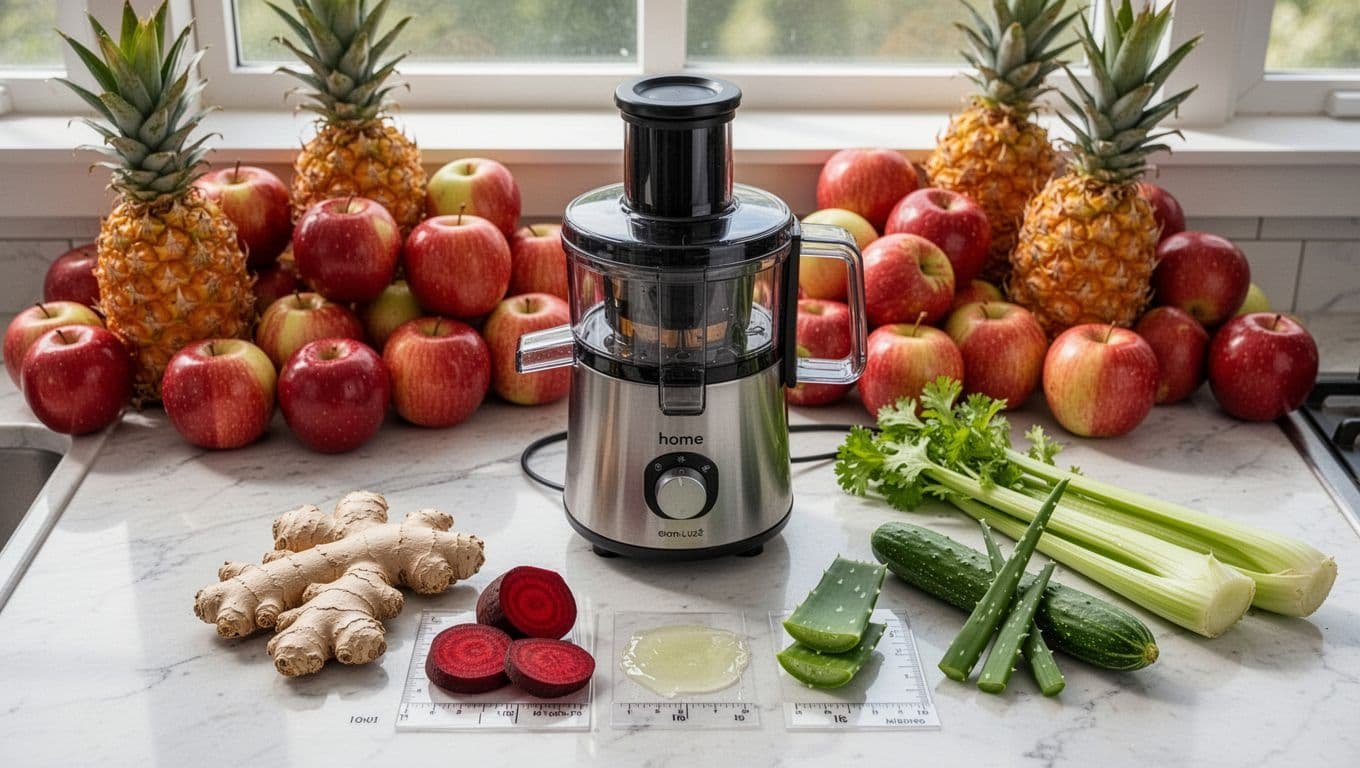
Another common slip is forgetting that juice still needs basic food safety. Wash produce well, trim rough or damaged spots, and drink juice soon after making it. Also, skip the all-juice mindset. Juice can be helpful, but it won’t fix chronic constipation, reflux, ongoing bloating, or a poor overall diet by itself. For a balanced view, Health.com’s guide to juice cleanse side effects explains why more is not always better.
Why starting slow matters, especially with ginger, beets, and aloe
Strong ingredients can hit hard when you use too much right away. Ginger may feel soothing for one person, but too much can feel hot or irritating. Beets are naturally sweet and earthy, yet large amounts may feel heavy for some stomachs. Aloe can also be tricky, so small amounts are the safer place to start.
Keep your first blends boring on purpose. Use a simple base like cucumber or celery, then add just a small piece of ginger, a little beet, or a spoonful of food-safe aloe. Sip slowly and notice how you feel later that day.
A good rule is to test one strong ingredient at a time. That way, if your stomach pushes back, you’ll know what caused it. Verywell Health’s overview of juicing with diabetes also reinforces the value of smaller, more balanced juices.
Start with a gentle base, add bold ingredients in small amounts, and let your body set the pace.
When juice may not be the right choice
Juice is not the best fit for everyone. If you have diabetes, IBS with trigger foods, kidney issues, acid reflux, or a medically restricted diet, even healthy ingredients can cause problems. For example, fruit-heavy juices may raise blood sugar fast, while acidic or high-oxalate ingredients may not work well for reflux or kidney concerns.
If that sounds like you, keep portions small and check ingredients carefully. When in doubt, talk with a doctor or registered dietitian before adding juice to your routine.
Simple tips to get more gut benefits from every juice
A good juice is more useful when it fits into a smart routine. Since juice loses most of its fiber, the easiest win is to pair it with foods that help feed your gut and keep you full longer. Small habits also matter, especially how you prep, store, and serve each batch.
Pair your juice with foods that feed good gut bacteria
Juice works better when you drink it with fiber-rich or live-culture foods. That way, you are not relying on juice alone to support digestion. You’re giving your gut bacteria something to eat, which matters because fiber is one of their main fuel sources.
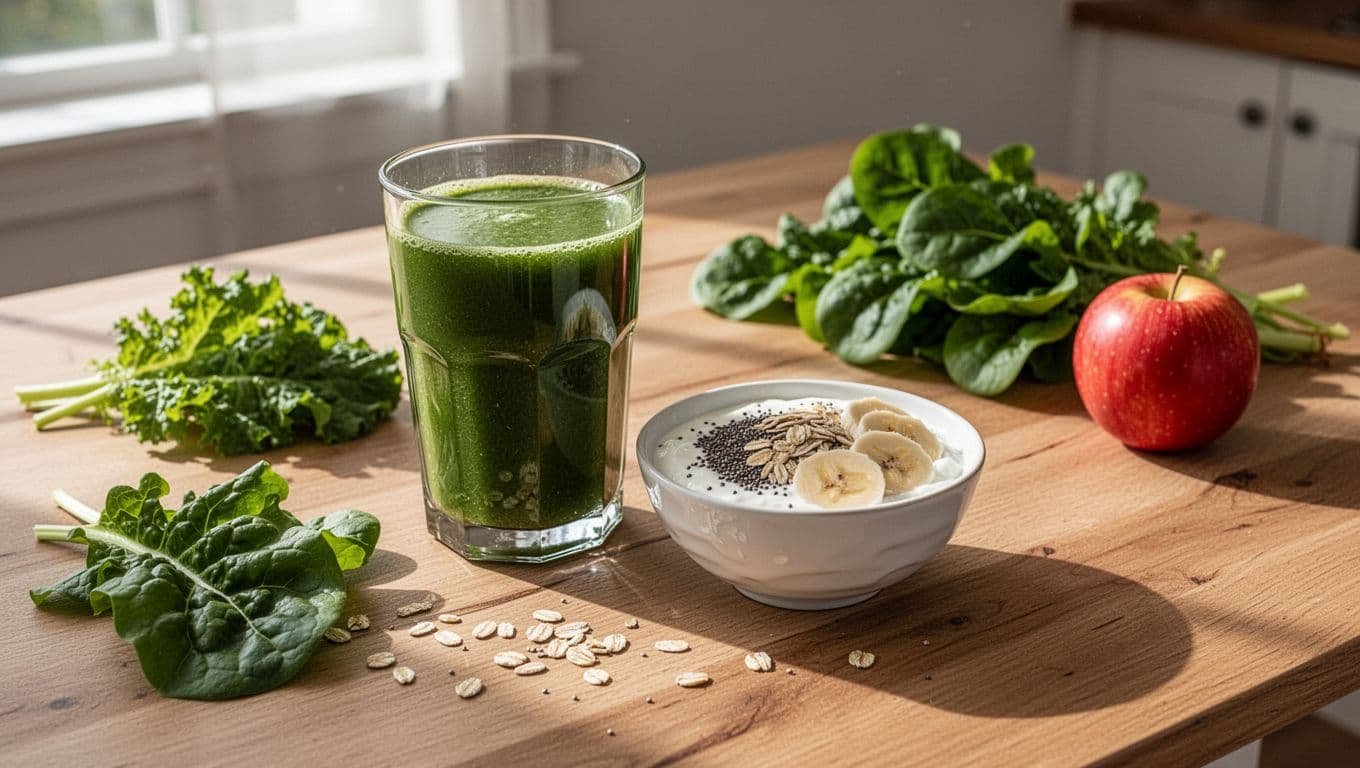
Simple pairings work best. For example, have your juice with oatmeal, chia pudding, plain yogurt, kefir, beans in a lunch bowl, a leafy salad, or a piece of whole fruit. A green juice next to oats and yogurt is much more balanced than juice by itself. If you want more ideas on combining prebiotic and probiotic foods, this guide to synbiotic meals for gut health is a helpful read.
Store, serve, and prep your juices the smart way
Fresh juice is best right after you make it. The flavor is brighter, and it tends to taste cleaner. If you need to save it, pour it into an airtight glass jar, fill it close to the top, and refrigerate it right away for a short time.
Also, keep food safety simple. Wash produce well, cut away bruised spots, and keep your cutting board and juicer clean. To make the habit easier, prep ingredients ahead in containers or freezer packs, so your morning juice takes minutes, not effort.
If you can, use cold-pressed or slow juicing to keep more pulp and freshness. Rotate ingredients through the week, pair juice with real fiber-rich foods, and stay consistent. That helps more than any harsh cleanse ever will.
Conclusion
The best juicing recipes for gut health are usually the simplest ones. A produce-first mix, modest fruit, and a few ingredients you actually enjoy will be easier to repeat, and that’s what makes the habit sustainable.
So start small and keep it practical. Pick 2 or 3 recipes that match your taste and digestion needs, then rotate them through the week instead of changing everything at once.
For example, you might try one green juice, one root-based blend, and one tropical option this week. That gives you a simple way to find what feels good, without overdoing sugar, strong roots, or big portions.
Save the pin for later


- Healthy Air Fryer Recipes for Beginners - 21/09/2026
- Healthy Snacks for Late Night Cravings - 21/09/2026
- High Protein Meal Prep Ideas for Easy Weekly Meals - 21/09/2026

