Your lymphatic system helps move extra fluid, waste, and immune cells through your body, but it doesn’t have its own pump like the heart. That means lymph drainage exercises and deep breathing can help keep that fluid moving, especially when you’ve been sitting a lot, feeling stressed, or dealing with water retention.
When lymph flow slows down, you may notice puffiness, a bloated belly, or heavy legs that make you feel sluggish by the end of the day. Gentle movement can support healthy fluid flow and waste removal, which is why many people feel lighter after a short routine. It can also help to pair these moves with anti-inflammatory meals to reduce bloating.
These exercises aren’t a cure for chronic digestive issues or medical swelling, so ongoing symptoms deserve a check-in with your doctor. Still, if you want a simple way to de-bloat and feel less puffy, the 10 easy moves below can help. You’ll also learn how to do them, how to use them safely, and how to turn them into a short daily routine. For a quick visual guide, this lymphatic drainage video is a helpful place to start.
What to know before you start lymph drainage exercises
Before you begin, set the right goal. Lymph drainage exercises work best when they are gentle, steady, and easy to repeat. Hard training can leave you more tense, while simple movement, calm breathing, and a few position changes often help fluid move better. Also, keep in mind that hydration, walking, and regular bowel habits can affect how bloated you feel.
How these moves support lymph flow and reduce fluid buildup
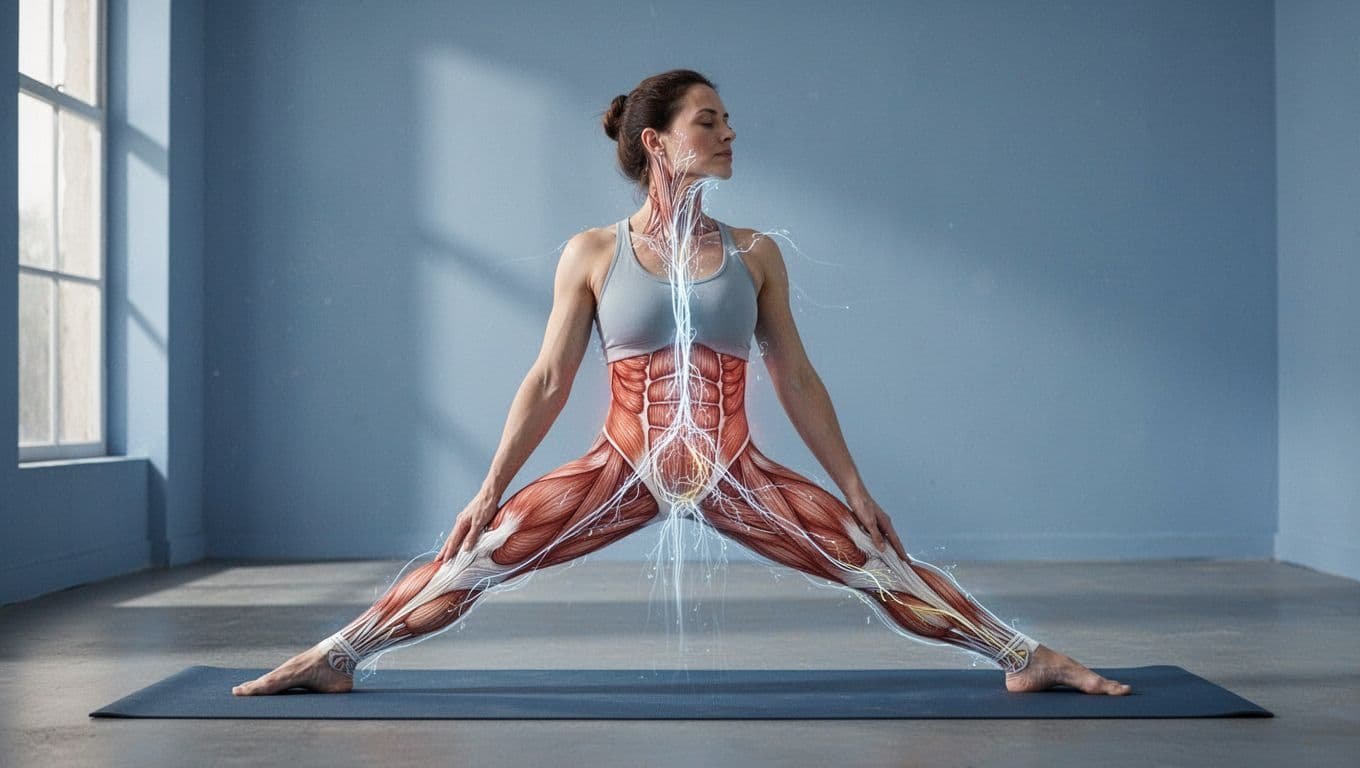
Your lymph system does not have a pump like your heart. So, it relies on muscle contractions, deep breathing, and body movement to help push fluid along. When you tighten and relax muscles in your legs, belly, and hips, you give that fluid a small push toward nearby lymph nodes. Then your body can return it to circulation, which may help reduce puffiness and that swollen, heavy feeling.
Deep breathing helps too. As your belly and rib cage expand, pressure changes inside your body help move fluid upward. Changing positions, such as lying down, elevating your legs, or moving from sitting to standing, can also help fluid stop pooling. That is why light routines often feel better than intense workouts for temporary bloating relief. For a medical overview, UHealth’s explanation of swelling and bloating gives helpful context.
Who should be careful and when to stop
Use these moves with care. Wear loose clothing, breathe normally, and stop right away if you feel pain, dizziness, or sudden discomfort. If you have heart failure, kidney disease, an active infection, unexplained swelling, a blood clot, cancer treatment concerns, or ongoing severe bloating, get medical advice first. Cleveland Clinic’s guidance on lymphatic drainage also notes that some health conditions need professional input.
Get medical help instead of trying to exercise through symptoms if you notice:
- Sudden swelling in one leg
- Shortness of breath
- Chest pain
- Fever
- Severe belly pain
- Red, hot, or painful swelling
- Bloating that keeps coming back or gets worse
These signs need medical attention, not a de-bloating routine.
The best time and setup for a lymph drainage routine
Lymph drainage exercises work best when you treat them like a calm reset, not a workout. Most people feel the biggest relief in the morning, after travel, after long periods of sitting, or anytime they feel puffy and heavy. Keep the routine short, about 10 to 15 minutes, and move at a slow, easy pace. You can do all 10 moves as one flow, or choose 4 to 6 exercises based on where you feel bloated or swollen that day.
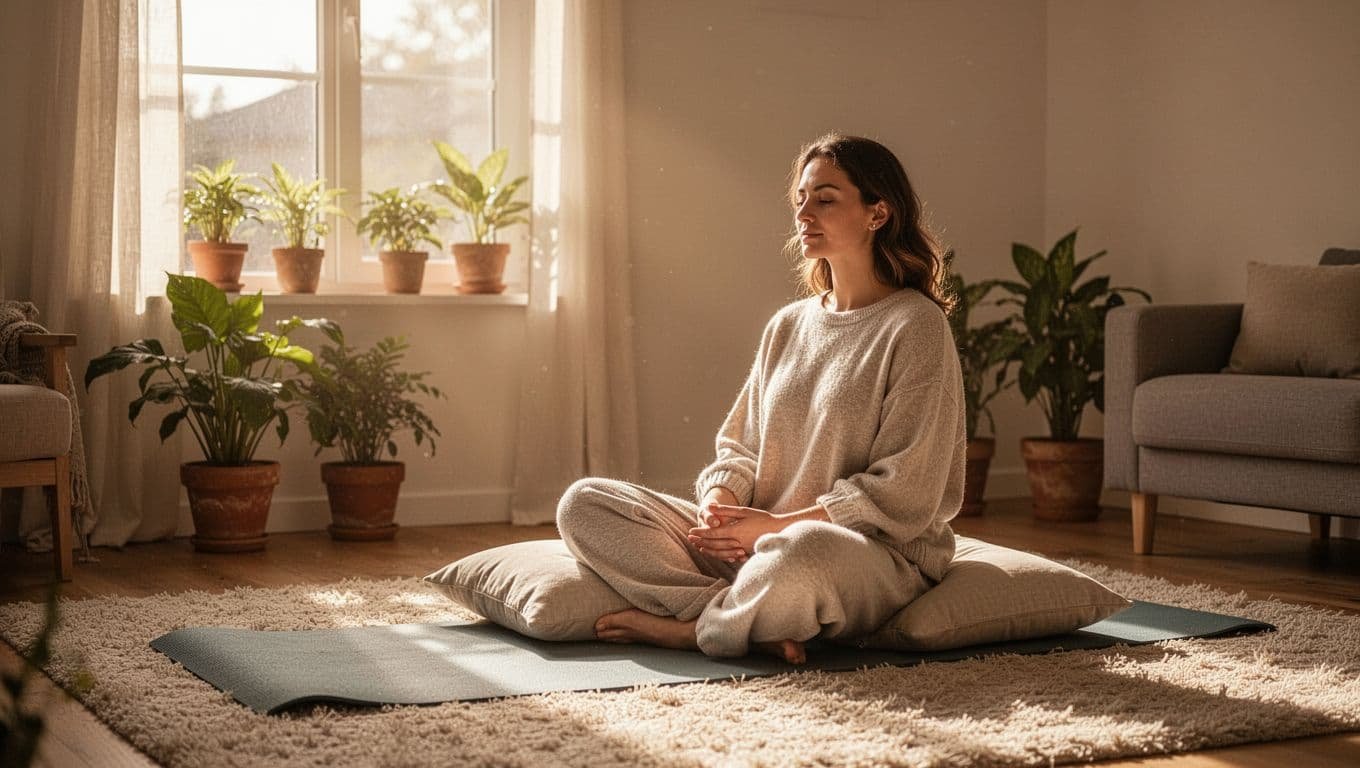
A quiet spot helps. Sit upright or lie down with your knees bent and a pillow under your legs if that feels better. Wear loose clothes, give yourself room to breathe, and stay consistent. Gentle practice done often usually helps more than doing too much once in a while.
Simple tips that make each movement more effective
Start with good posture. Keep your spine tall, your jaw loose, and your shoulders relaxed, because tension can make the whole routine feel stiff. Then use nasal breathing if possible, with slow inhales and longer exhales to help your body settle.
Use a smooth pace and light effort. These moves should feel easy, almost like you’re guiding fluid rather than forcing it. Cleveland Clinic’s self-massage guide also stresses that light pressure matters more than intensity.
For many gentle drainage routines, begin at the neck and upper chest before moving to the belly, hips, or legs. That order can help open the upper pathways first, so lower body movement has somewhere to go.
10 lymph drainage exercises to reduce bloating and boost detox
These lymph drainage exercises are simple, low-stress moves that help your body shift extra fluid. The goal is not to force anything. Instead, you want steady breathing, light muscle action, and smooth position changes that support circulation and ease that full, puffy feeling.
Move slowly and keep the effort light. If one exercise feels awkward, skip it and move to the next. A short routine done often usually works better than a hard session once a week.
1. Deep belly breathing with arm sweeps
Start here because your breath helps move fluid through the chest and belly. It also helps your body relax, which can make the whole routine feel easier.
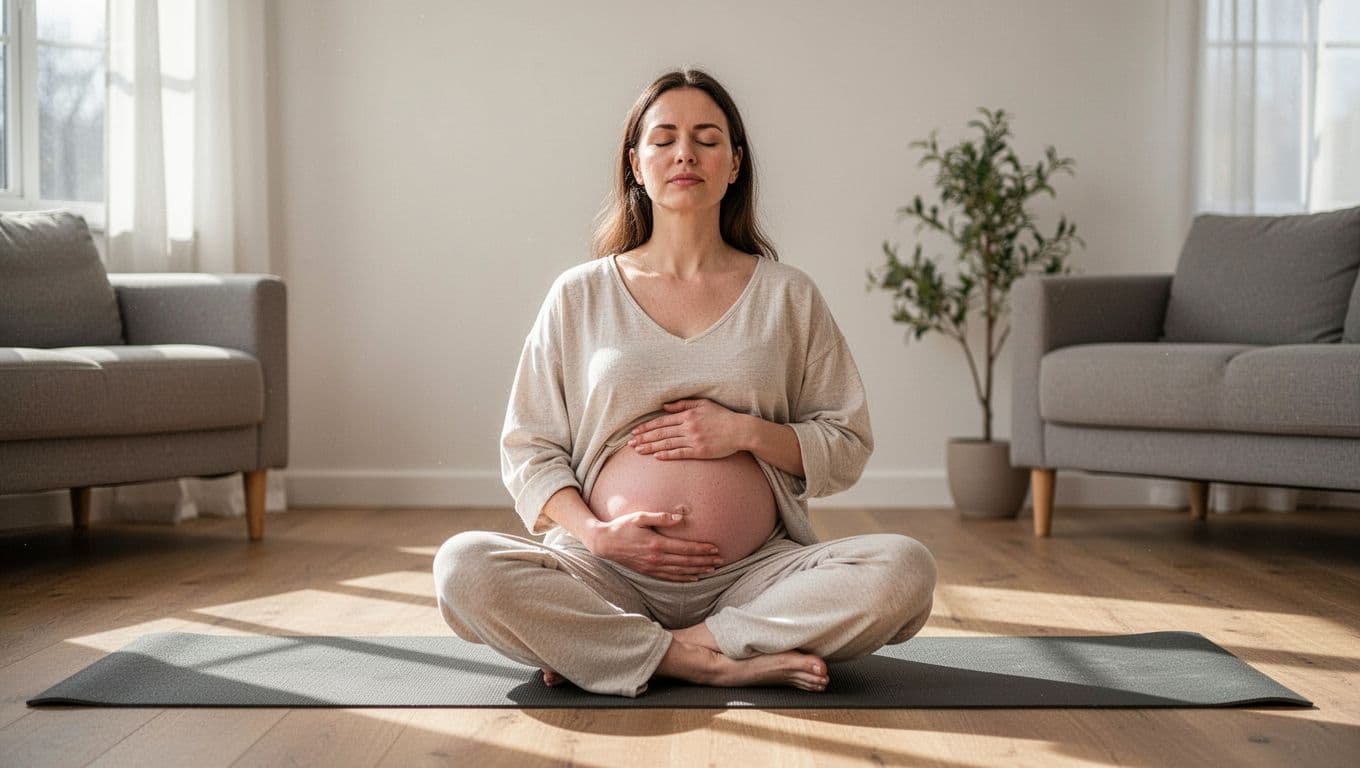
Sit tall or stand with soft knees. Put one hand on your belly. Inhale through your nose and let your belly rise. As you inhale, sweep both arms out and up. Exhale slowly through your mouth or nose, then lower your arms.
Do this for 5 to 8 slow breaths. If it feels good, add 4 arm circles in each direction after the breaths.
Your main benefit here is better pressure change through the torso, which can support lymph flow and reduce that tight, heavy feeling in your midsection. Recent home routines also keep this move near the top because it is gentle and easy to repeat daily. For more on bloating support, this guide on stomach lymphatic massage for bloating explains why light pressure and breath can help.
2. Gentle neck turns and shoulder rolls
The neck and upper chest are common starting points in lymph drainage routines. Opening that area first may help fluid move more freely from lower regions.
Sit or stand tall. Turn your head slowly to the right, then back to center. Turn left, then return to center. Next, lift your shoulders up, roll them back, and let them drop.
Repeat 5 neck turns per side and 8 to 10 shoulder rolls. Keep your jaw loose and your movements small.
This move mainly targets the neck and collarbone area. The key benefit is that it can help reduce upper-body tension, which often makes the rest of the routine feel smoother.
3. Heel raises with overhead reach
Your calves act like a natural pump when you walk and rise onto your toes. That is why this move is so useful after sitting, driving, or flying.
Stand with your feet hip-width apart. Hold a wall or chair if needed. Rise onto your toes as you reach both arms overhead. Lower your heels and arms with control. Keep the motion easy and steady.
Do 10 to 15 reps. Rest, then repeat for 1 or 2 rounds if you want more.
This exercise targets the lower legs and feet, where fluid often pools. The key benefit is supporting lower-body circulation and easing ankle or leg puffiness.
4. March in place with relaxed arms
Marching adds rhythm, and rhythm helps. This move uses the legs, hips, and core without straining your body.
Stand tall and begin marching in place. Let your arms swing naturally. Lift each knee only as high as feels comfortable. Breathe evenly and stay loose through the ribs and shoulders.
Continue for 45 to 60 seconds. If you feel stable, go for 90 seconds at a calm pace.
This move targets the legs, hips, and lower belly. Its key benefit is whole-body fluid movement, especially when you feel stiff and swollen after too much sitting.
5. Seated or standing side bends
Side bending creates a light stretch through the ribs and waist. That can help you breathe deeper while waking up the side body.
Sit on a chair or stand with feet under your hips. Raise your right arm overhead and lean slightly to the left. Come back to center. Switch sides and repeat. Keep both sit bones grounded if seated, or both feet planted if standing.
Do 6 to 8 bends per side, moving with your breath. Inhale to lift, exhale to bend.
This exercise targets the rib cage, waist, and upper belly. The key benefit is better rib movement, which can support deeper breathing and ease that tight, stuffed feeling around the middle.
6. Knee-to-chest presses
This one is simple, but it can feel great when your lower belly feels swollen. It combines a gentle abdominal squeeze with a position that many people find calming.
Lie on your back with knees bent. Bring one knee toward your chest and hold it with both hands. Exhale as you draw it in. Return your foot to the floor, then switch sides. If it feels comfortable, bring both knees in together for a few breaths.
Do 5 reps per leg, then hold both knees in for 3 slow breaths.
This move targets the lower abdomen and hips. The key benefit is relief from abdominal tension and trapped heaviness, especially later in the day.
7. Supine leg pumps
Leg pumps are great when your feet, calves, or thighs feel full and heavy. Because you’re lying down, gravity works with you instead of against you.
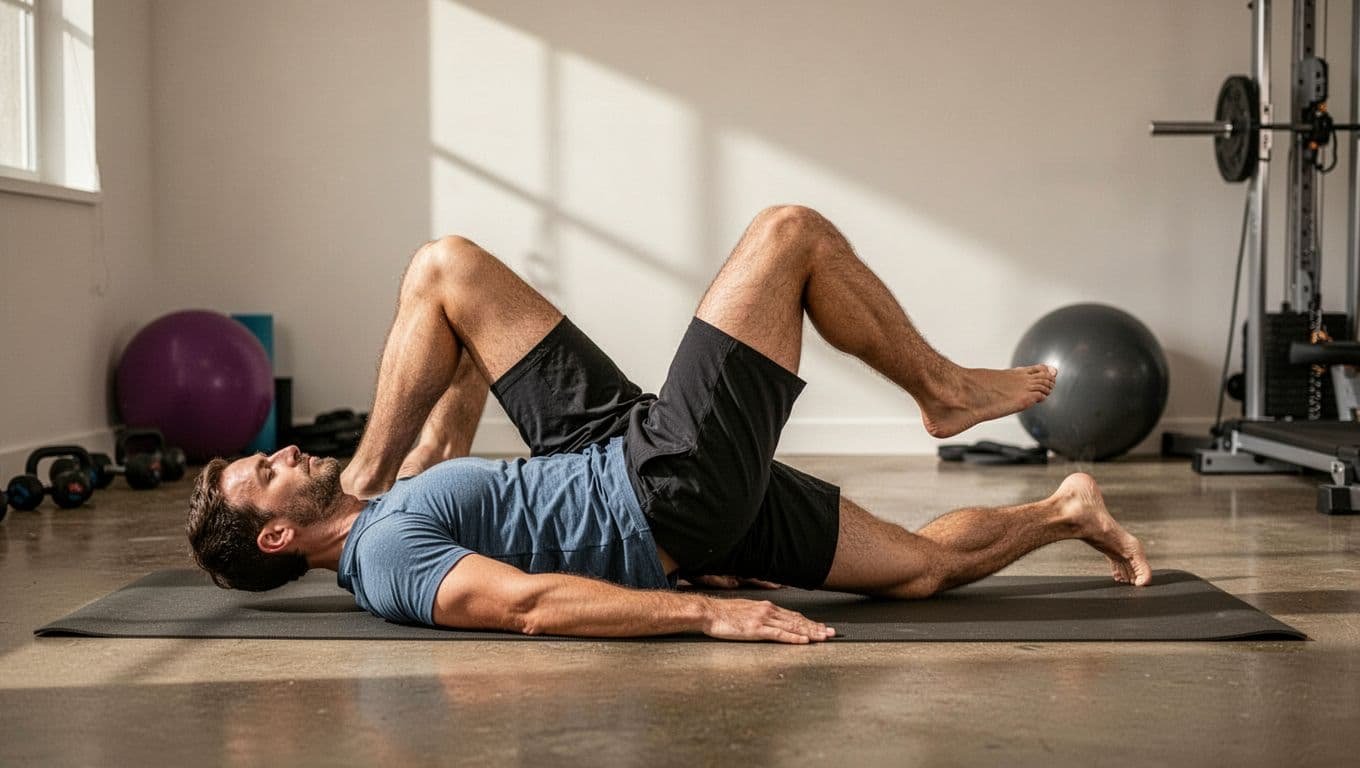
Lie on your back with knees bent and feet flat. Press one heel into the floor and gently lift that side of your hips a little. Lower it, then switch sides. You are not trying to bridge high. Keep it small and smooth.
Do 8 to 10 reps per side. Breathe out as you press, then inhale as you return.
This exercise targets the legs, hips, and groin area, where many lower-body drainage pathways meet. The key benefit is helping fluid move upward from the legs without a hard workout.
8. Ankle pumps and circles
If your lower legs swell easily, do not skip this one. It is small, but it often helps a lot.
Sit in a chair or lie down with your legs extended. Flex your feet so your toes point toward you, then point them away. After that, make slow ankle circles in each direction.
Do 15 ankle pumps and 8 circles each way per foot. Move with control instead of speed.
This targets the feet, ankles, and calves. The key benefit is reducing fluid buildup in the lower legs, especially after long hours at a desk or on a plane. Memorial Sloan Kettering includes similar lower-body moves in its exercise guide for lymph drainage.
9. Cat-cow stretch
Cat-cow gently moves the spine, ribs, and belly. That mix can help when your whole torso feels stiff and compressed.
Come onto your hands and knees. Place your hands under your shoulders and knees under your hips. Inhale as you lift your chest and tailbone slightly. Exhale as you round your spine and draw your belly in softly. Keep the motion comfortable, not dramatic.
Repeat for 8 to 10 slow rounds.
This exercise targets the spine, abdomen, and chest. The key benefit is better mobility through the trunk, which may help your breath and body fluid move more freely.
Keep the pace gentle. If you rush through lymph drainage exercises, you lose the calm muscle pump that makes them useful.
10. Legs up the wall or elevated legs
This is one of the easiest ways to finish your routine. If your legs feel heavy by evening, this position can be a real relief.
Lie on your back near a wall and place your legs up the wall. If that feels too intense, rest your calves on a couch or chair instead. Keep your arms relaxed at your sides and take slow belly breaths.
Stay here for 3 to 5 minutes. If your legs tingle or your low back feels strained, come out sooner and bend your knees.
This move targets the feet, ankles, and lower legs. The key benefit is reducing pooling in the legs by giving fluid a better path back upward.
How to combine these moves into one simple routine
You do not need to do all 10 every time. When you’re bloated, a short flow is often enough. Use this order because it follows the body well and stays easy to remember:
- Deep belly breathing with arm sweeps
- Neck turns and shoulder rolls
- Heel raises
- March in place
- Side bends
- Knee-to-chest presses
- Leg pumps
- Ankle pumps
- Cat-cow
- Legs up the wall
Spend about 30 to 60 seconds on each move, except the last one, which can be longer. If you want more ideas for a gentle daily reset, this round-up of lymphatic drainage exercise examples offers similar low-impact options.
A few habits can make these exercises work better:
- Drink water through the day, because hydration helps fluid move.
- Wear loose clothes when you feel puffy.
- Take a short walk after your routine if you can.
- Avoid doing these right after a heavy meal.
If your belly feels bloated often, it also helps to look at food triggers, stress, and digestion patterns, not just movement alone.
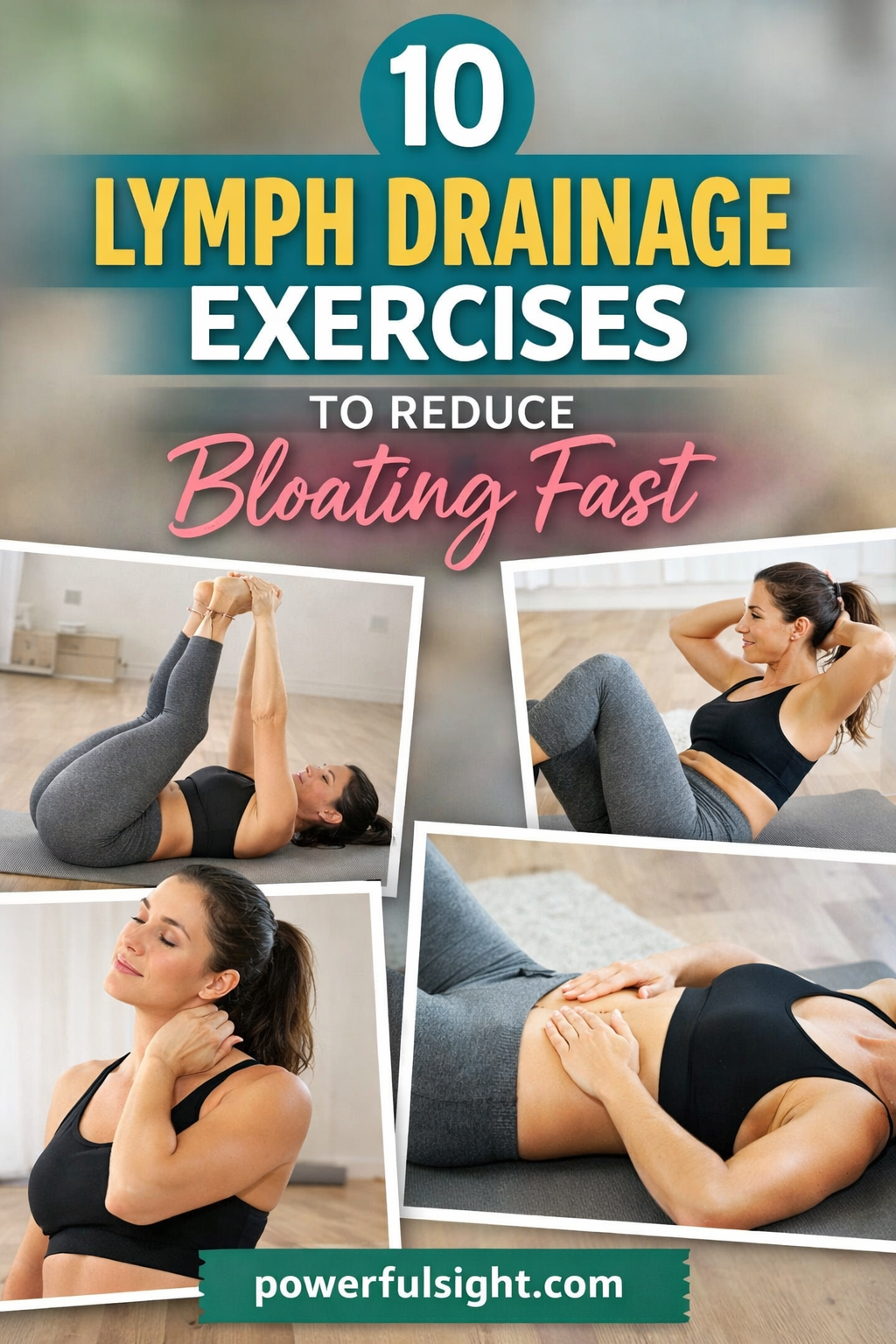
Save the pin for later

- Healthy Air Fryer Recipes for Beginners - 21/09/2026
- Healthy Snacks for Late Night Cravings - 21/09/2026
- High Protein Meal Prep Ideas for Easy Weekly Meals - 21/09/2026

