When guests text that they’re on the way, you need food that feels thoughtful without eating up the whole evening. That’s where make-ahead appetizers come in, because the best ones save time, lower stress, and still taste fresh after they’ve been sitting in the fridge.
A good appetizer for last-minute guests can be made earlier in the day, or even the day before, so you’re not stuck chopping, baking, and plating while the doorbell rings. It should hold up well, taste good cold or at room temperature, and come together with ingredients you probably already have.
The right snacks let you greet people with a smile instead of a mess in the kitchen. Next, we’ll look at the best options that are easy to prep ahead and easy to serve when time is tight.
What makes a make-ahead appetizer truly guest-ready?
A make-ahead appetizer works when it still looks good, tastes fresh, and takes almost no effort at serving time. That means you want recipes that hold their texture, keep their flavor, and fit the timing of real life, not a perfect kitchen schedule.
The best options are simple on purpose. They use ingredients that stay stable in the fridge, need little to no finishing work, and give you room to breathe when guests arrive.
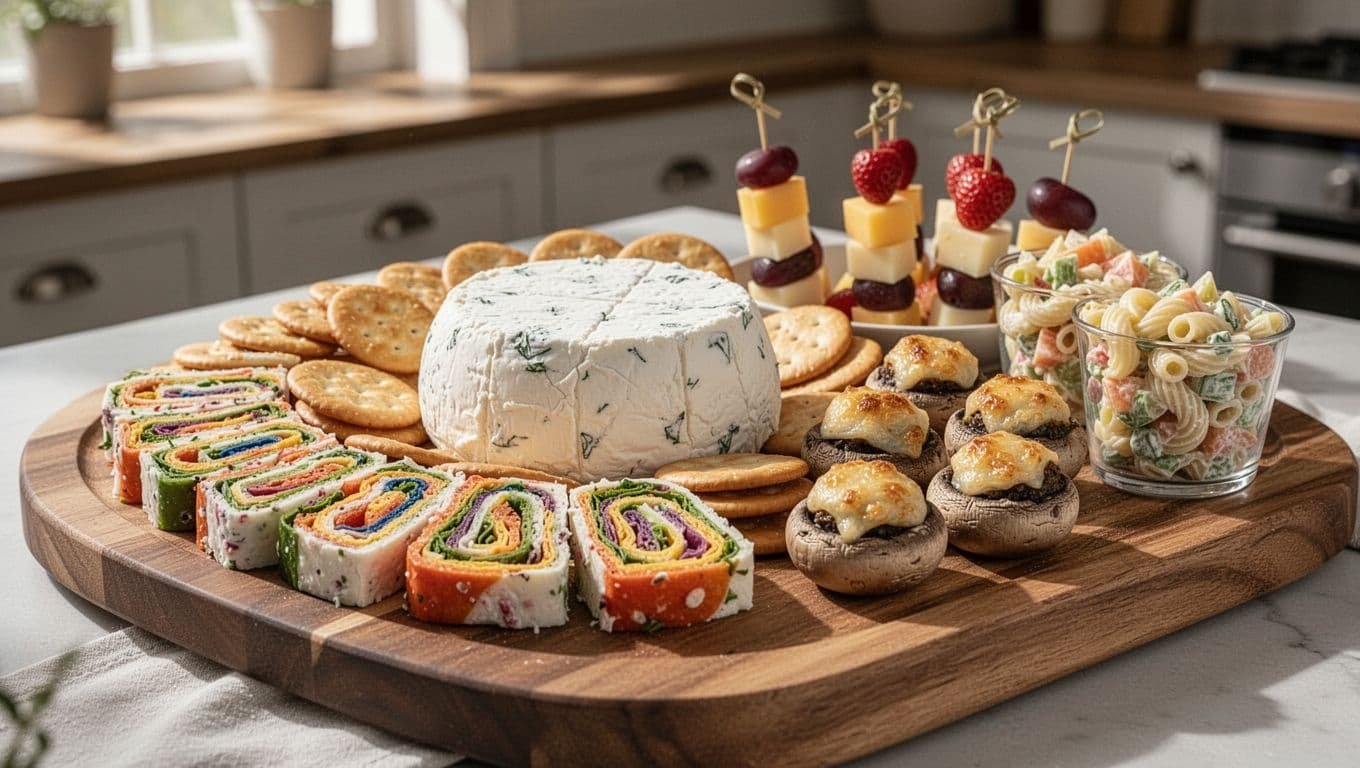
Choose recipes that stay fresh, not soggy
Texture is the first test. A good make-ahead appetizer still has some bite, some structure, and some contrast when it hits the table.
That is why dips, pinwheels, stuffed mushrooms, skewers, cheese balls, and cold salads in small portions work so well. They hold up in the fridge, and they don’t collapse after an hour on the counter. Small portions matter too, because they stay neat and are easier for guests to grab.
A few foods lose quality fast, even if they taste great right after cooking. Fried items turn soft, toasted bread goes stale, and anything topped with watery salsa, juicy tomatoes, or loose dressings can break down quickly.
Use this quick filter when you plan ahead:
- Good choices: thick dips, rolled wraps, cheese-based bites, marinated skewers, and sturdy vegetables.
- Risky choices: fried snacks, crackers under wet toppings, and anything that needs to stay crisp for a long time.
- Best serving style: items that can sit cold or at room temperature without falling apart.
If the recipe still looks tidy after chilling, it has a much better chance of feeling guest-ready.
Look for easy last-step finishes
A strong make-ahead appetizer should feel finished with just one small touch before serving. That could be a sprinkle of fresh herbs, a bowl of crackers, a tray of toasted bread, or a quick garnish of citrus zest.
This matters because the heavy work happens early. You chop, mix, roll, stuff, or chill ahead of time, then save only a few fast moves for the last minute. That keeps you out of the kitchen when people walk in.
The best make-ahead recipes leave you with a clean counter and a short to-do list.
For example, a cheese ball can wait in the fridge until you roll it in nuts or herbs. A dip can be made earlier in the day, then topped with chives just before guests arrive. Those final touches make the food look intentional without adding stress.
Balance flavor so the food tastes good cold or room temp
Some appetizers need heat to taste right. Others taste even better after they sit for a while. Salty, creamy, tangy, and well-seasoned recipes usually do best when they are not piping hot.
That is why cold or room-temperature appetizers are so useful for hosting. They are easier on you, since you do not have to time a bake or warm-up window. They also give guests something good to eat right away, even if the oven is busy.
Flavor should hold up after chilling. Acid from lemon or vinegar, salt from cheese or cured meats, and creaminess from spreads or dips all help keep the bite interesting. If a recipe tastes flat straight from the fridge, it probably needs more seasoning or a better finish.
A few good signs of a guest-ready appetizer:
- It still tastes balanced after chilling.
- It does not depend on steam or crunch to work.
- It can sit out briefly without turning dull.
When you choose recipes with those traits, serving gets easier and the food still feels thoughtful. That is the sweet spot for last-minute guests, simple prep earlier, a few fresh touches later, and appetizers that hold their own on the table.
The best make-ahead appetizers to keep in your back pocket
The smartest appetizer lineup gives you options. Some dishes can chill for hours, some only need slicing, and some look impressive with barely any cooking. That mix matters when guests arrive early, late, or with extra people in tow.
A strong make-ahead spread also keeps your kitchen calm. You can pull a few things from the fridge, add a quick garnish, and set out a platter that feels planned. If you want a reliable backup, start with dishes that hold well and serve easily.
Cold dips that taste even better after chilling
Cold dips are one of the easiest make-ahead choices because the fridge does part of the work for you. Flavors blend, seasonings settle, and the texture often gets better after a little rest. That makes hummus, whipped feta, salsa, and bean dip especially useful when time is short.
Spinach artichoke dip also belongs here. You can serve it cold for a softer, spreadable appetizer, or reheat it if you have a few extra minutes. Either way, it stays flexible, which is exactly what you want on a busy day.
A few dependable options work well with almost no fuss:
- Hummus with olive oil, paprika, or herbs
- Whipped feta with lemon or honey
- Salsa with chips or toasted pita
- Bean dip with crackers or cut vegetables
- Spinach artichoke dip served chilled or warm
Serve any of them with crackers, pita wedges, carrot sticks, celery, cucumbers, or bell pepper strips. That turns a simple dip into a full appetizer with very little last-minute effort.
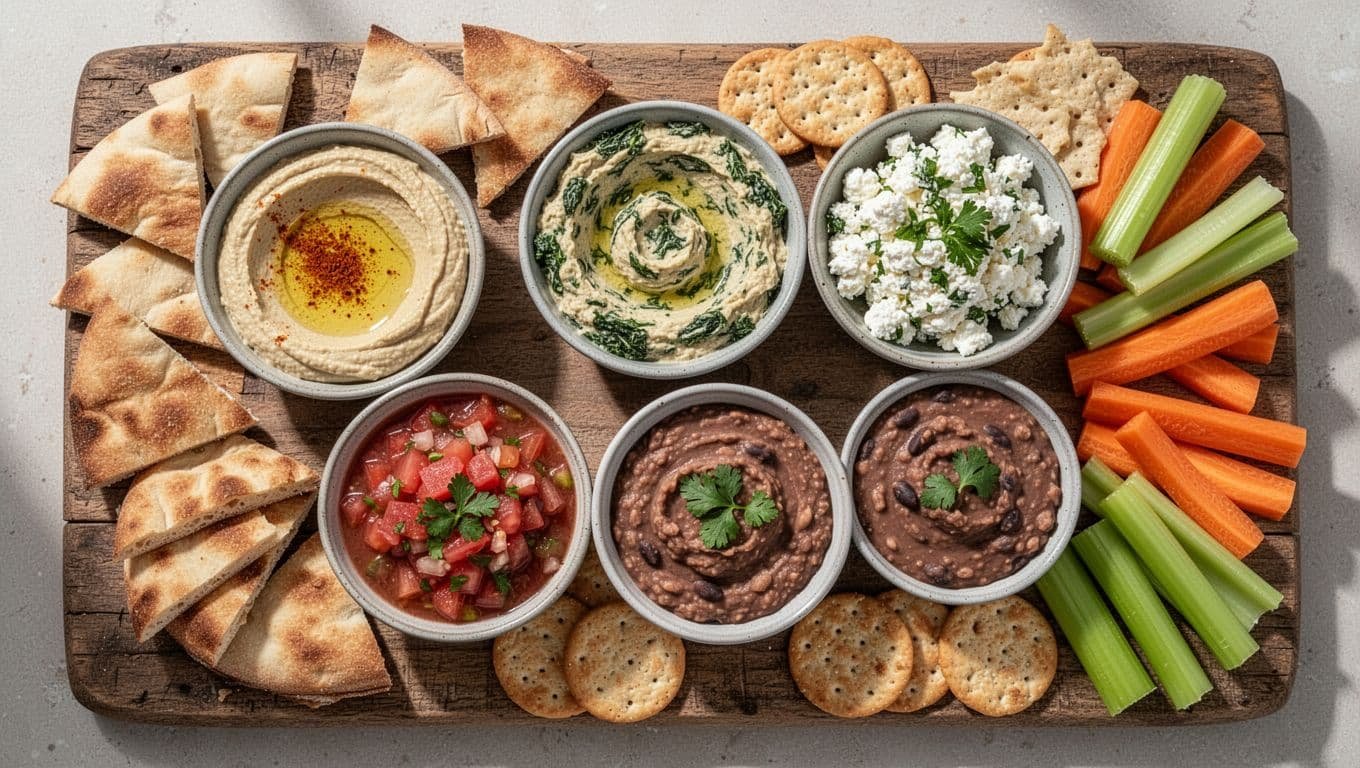
Cold dips are especially useful because they can sit out, look fresh, and still taste good after chilling.
Pinwheels, roll-ups, and tea sandwiches for fast serving
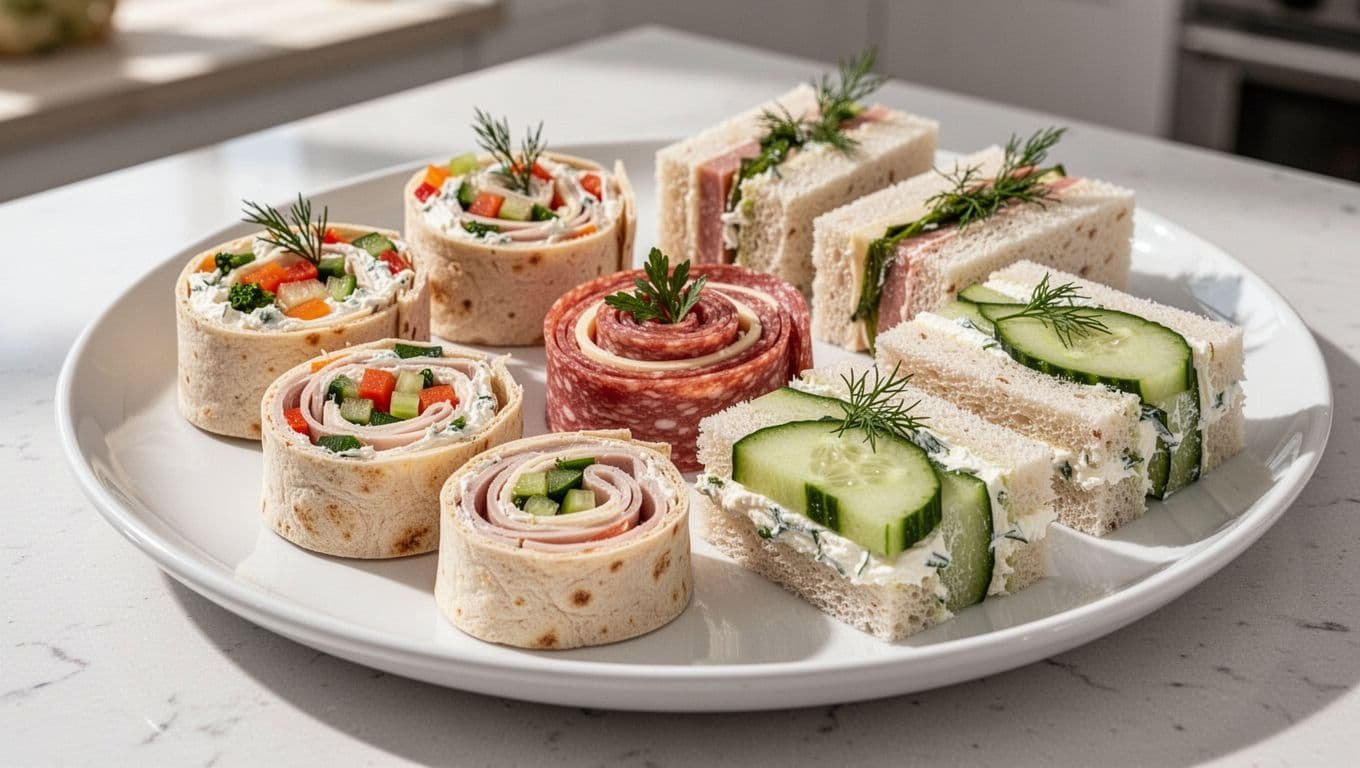
Bite-size rolled appetizers are a host’s best friend. You can make them earlier in the day, keep them wrapped in the fridge, then slice them right before guests arrive. That tiny last step makes them look neat and polished without any real stress.
Tortilla roll-ups are an easy place to start. Fill them with cream cheese, herbs, turkey, or vegetables, then cut them into pinwheels. Crescent roll pinwheels work the same way and give you a softer, richer bite.
Cucumber tea sandwiches are another smart choice when you want something light. They feel a little more refined, yet they still come together quickly. If you want a similar option with a stronger flavor, try easy no-cook pinwheel recipe, since the same prep style works well for appetizers too.
The real advantage is speed at serving time. Once they’re sliced, you can arrange them on a platter and be done in minutes. No reheating, no complicated plating, just clean little bites ready to go.
Cheese boards and snack platters with almost no cooking
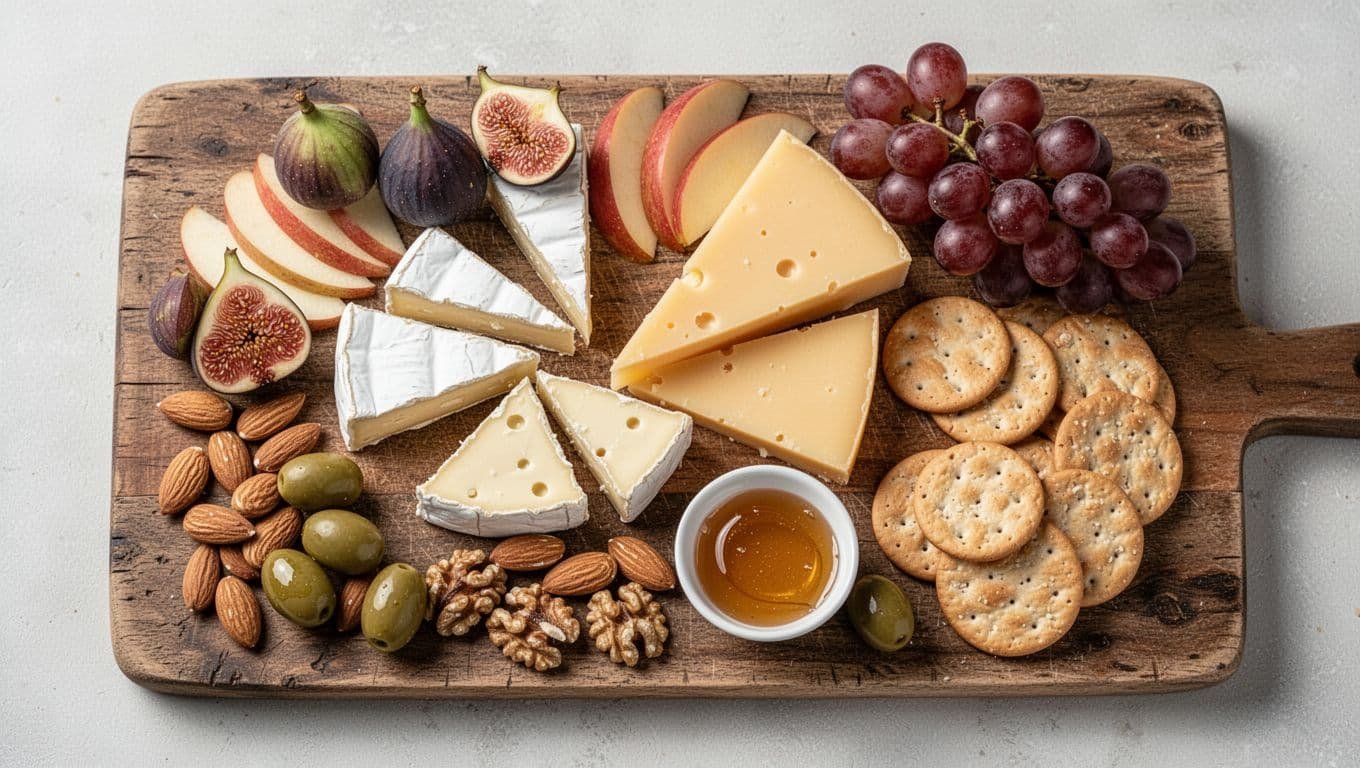
When you don’t have time to cook, a good board saves the evening. It gives guests variety, looks intentional, and needs almost no heating or timing. A simple spread can feel generous when it’s built with care.
Start with cheese, then add texture and color. Fruit, nuts, olives, crackers, and one sweet element make the board feel complete. Try grapes, apple slices, dried apricots, fig jam, or a small dish of honey for balance.
A basic formula makes this easy to remember:
- Pick two or three cheeses.
- Add fresh fruit and something salty.
- Fill the gaps with crackers, nuts, and olives.
- Finish with one sweet bite, like honey or chocolate.
That mix gives people plenty to choose from without making the board feel crowded. It also works well as a fallback when you meant to cook and ran out of time. If you need extra inspiration for a relaxed spread, a wine paired cheese board style setup can be adapted for any guest list.
Stuffed bites and mini skewers that feel special
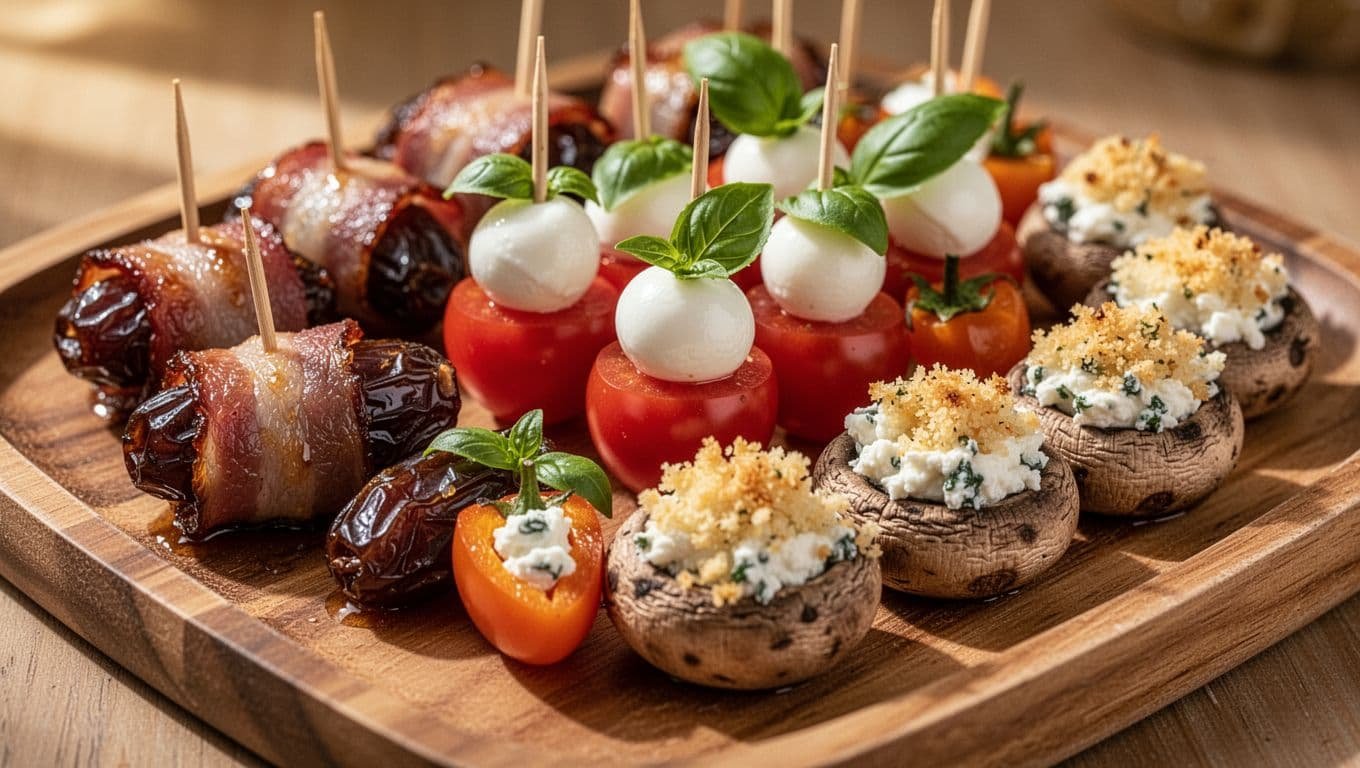
Some appetizers do more than fill a plate, they make the whole menu feel more polished. Stuffed mushrooms, bacon-wrapped dates, caprese skewers, and stuffed mini peppers all fit that role. They look like you spent more time than you did.
These are great make-ahead picks because much of the prep happens before the guests show up. You can stuff, wrap, assemble, or skewer them early, then chill them until you’re ready to bake or finish. That keeps the final step short and manageable.
A few reliable choices stand out:
- Stuffed mushrooms for a warm, savory bite
- Bacon-wrapped dates for sweet and salty flavor
- Caprese skewers for something fresh and light
- Stuffed mini peppers for color and crunch
These appetizers also scale well. You can make a small tray for a casual visit or double the batch for a bigger group. Either way, they bring a finished look without tying you to the stove.
How to prep the day before so serving takes minutes
The easiest hosting setup starts before guests arrive. When you batch the work the day before, serving becomes a short list of small jobs, not a kitchen scramble.
The goal is simple, keep every component ready, then finish only what needs to look fresh. That way, you can open the fridge, grab what you need, and put food out fast.
Prep ingredients in parts instead of making everything at once
Split the work into small jobs, then store each piece on its own. Chop vegetables, mix spreads, cook proteins, and make sauces ahead of time so you are not trying to do everything at once when people arrive.
This approach saves time and keeps textures in better shape. Tomatoes stay separate from crackers, cucumbers stay crisp, and creamy fillings do not soak into bread before serving.
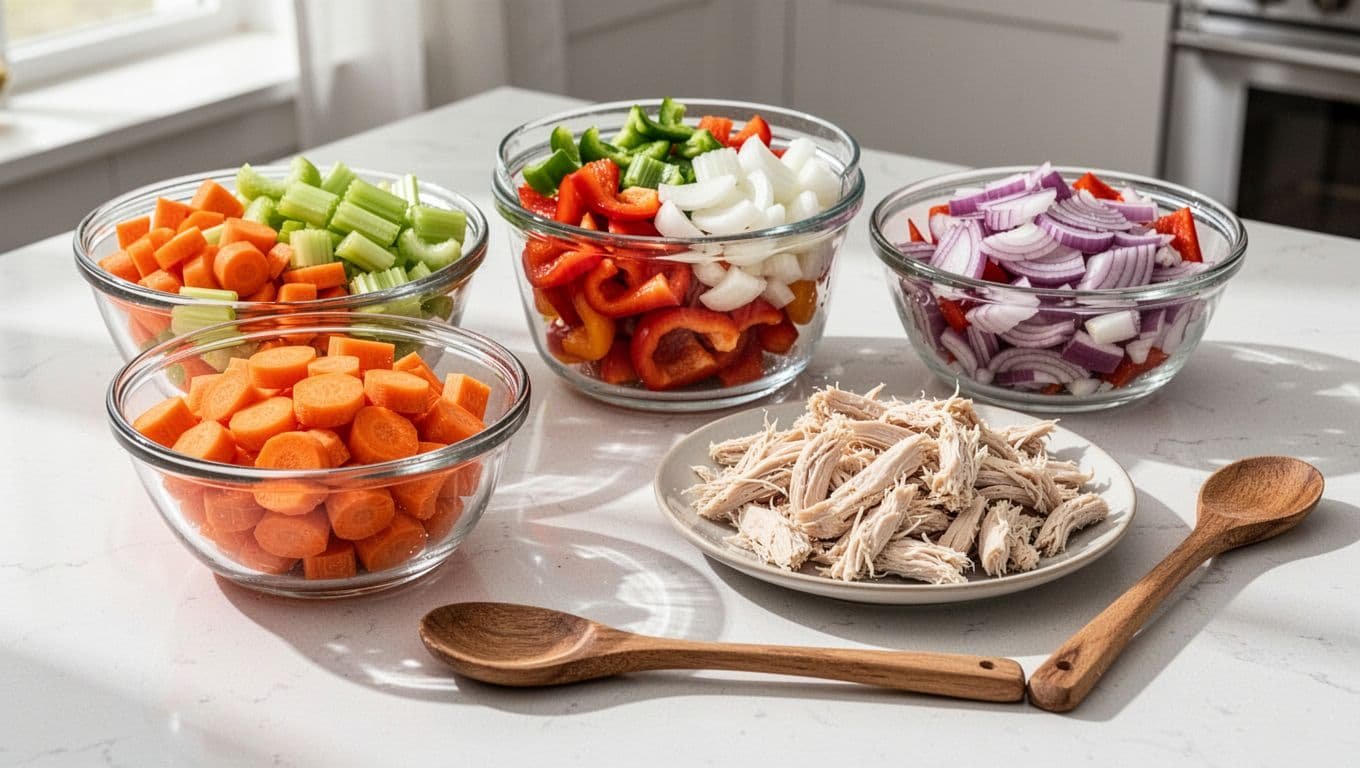
A simple prep flow keeps things calm:
- Wash and chop vegetables first.
- Mix dips, spreads, or fillings next.
- Cook proteins and let them cool.
- Stir sauces or dressings into small containers.
- Keep crunchy toppings and bread items separate.
That setup works well for make-ahead protein bowls with storage tips, too, because the same idea keeps each part fresh until the last minute. Instead of one crowded container, you get neat pieces that are easy to assemble.
Use the fridge in a smart way
Your fridge should work like an assistant, not a mess. Seal everything well, stack containers in a way that makes sense, and label each dish so nothing gets buried behind a milk carton or a takeout box.
Clear containers help most. You can see what is ready, what still needs a garnish, and what should come out first. If you are making several dishes, group them by type, then stack the sturdier ones on the bottom.
A little organization saves a lot of time later. Put dips together, keep sliced vegetables in one area, and set aside a small shelf for items that need a final touch.
Labeling containers by dish and serving step makes setup faster, because you don’t have to guess what needs finishing.
This is also where fridge-friendly lunch hacks ideas can help. The same habit, clear containers, smart stacking, and easy access, works for appetizers and weekday meals alike.
Pick garnishes and toppings that wait until the last minute
The best finishing touches are the ones that stay fresh until the end. Fresh herbs, citrus zest, crunchy nuts, chopped scallions, and flaky salt all add color and flavor without much work.
Hold these items back until you are ready to serve. A dip looks brighter with herbs on top, a cheese board feels sharper with a bit of zest, and roasted bites get more texture from nuts added at the last second. That small step makes the platter look polished instead of flat.
Keep these quick finishing items in a small container or separate bowl:
- Fresh herbs like parsley, dill, or chives
- Citrus zest for dip, cheese, or seafood bites
- Crunchy nuts for cheese balls and spreads
- Chopped scallions for savory appetizers
- Flaky salt for a clean, finished look
For a simple schedule, do the heavy work the day before, then leave only garnishing, arranging, and setting out serving tools for the day of the party. If you follow that plan, guests will think you spent hours on the spread, even though most of the work was already done.
Simple serving tricks that make store-bought or homemade appetizers look polished
A few small presentation choices can make even the simplest appetizers feel party-ready. You do not need a complicated spread, you just need structure, balance, and a little attention to timing. That applies to store-bought snacks and homemade bites alike.
The goal is to make the table look full and intentional. When you group food by color, height, or shape, the whole spread feels more thoughtful, and guests notice that right away.
Serve on trays, boards, and small plates
A tray or board gives appetizers a home, which instantly makes them look more finished. Instead of scattered containers or random bowls, you get one clear surface that pulls everything together.
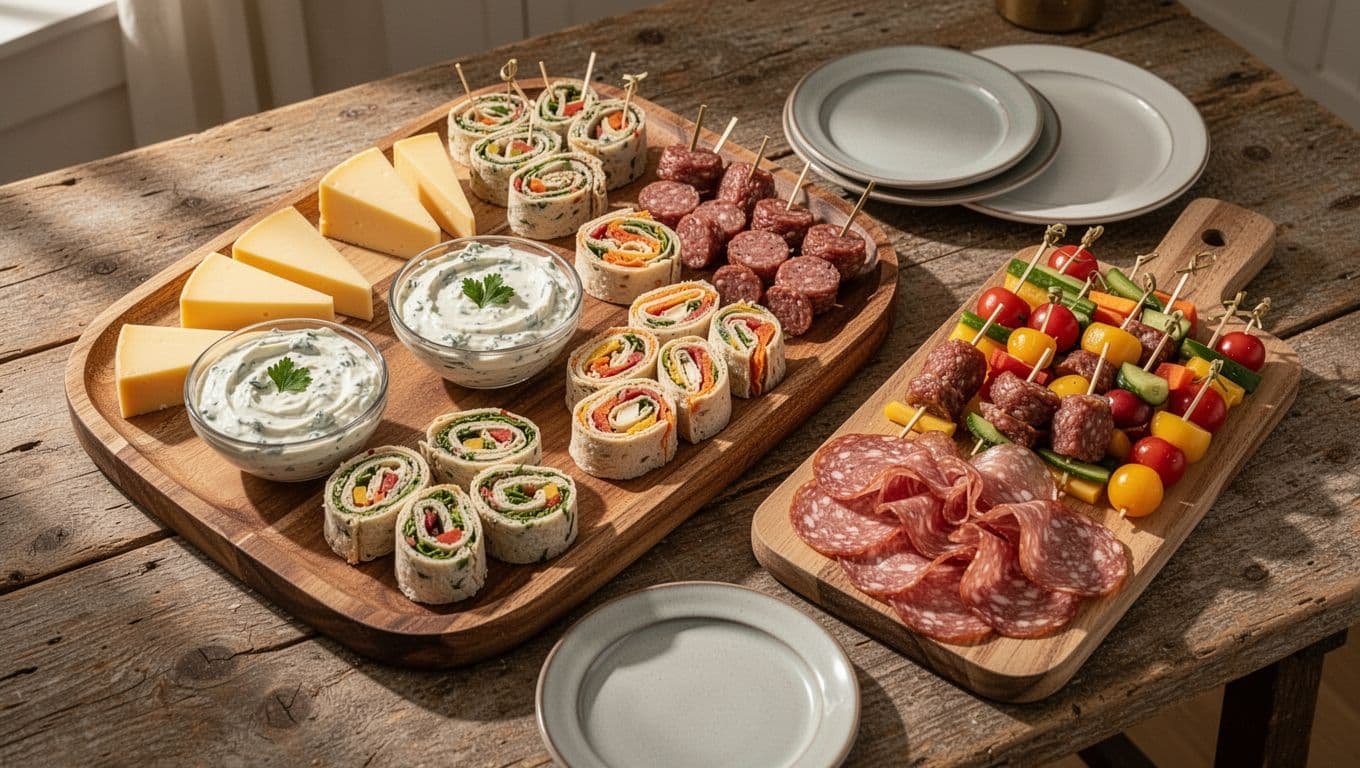
Small plates help too. They make it easier for guests to serve themselves neatly, and they make even simple foods feel more personal. A stack of small plates beside the food also signals that the spread is ready to eat.
Try to vary the layout a little:
- Place taller items, like skewers or stuffed mushrooms, toward the back.
- Keep flatter foods, like crackers or sliced pinwheels, near the front.
- Use color to break up the tray, such as red peppers, green herbs, and pale cheeses.
That mix creates a fuller look without extra food. A few well-placed pieces can make a modest spread look generous.
Keep hot and cold foods separate
Temperature matters for both safety and texture. Cold dips should stay cold, and hot appetizers should stay warm until serving time. When those foods mix too soon, the texture gets soft and the spread looks less fresh.
Use chilled bowls for cold dips so they hold up longer on the table. You can also nest the bowl in a larger dish filled with ice if the party runs long. For hot items, warming trays, low ovens, or covered pans help keep them ready without drying them out.
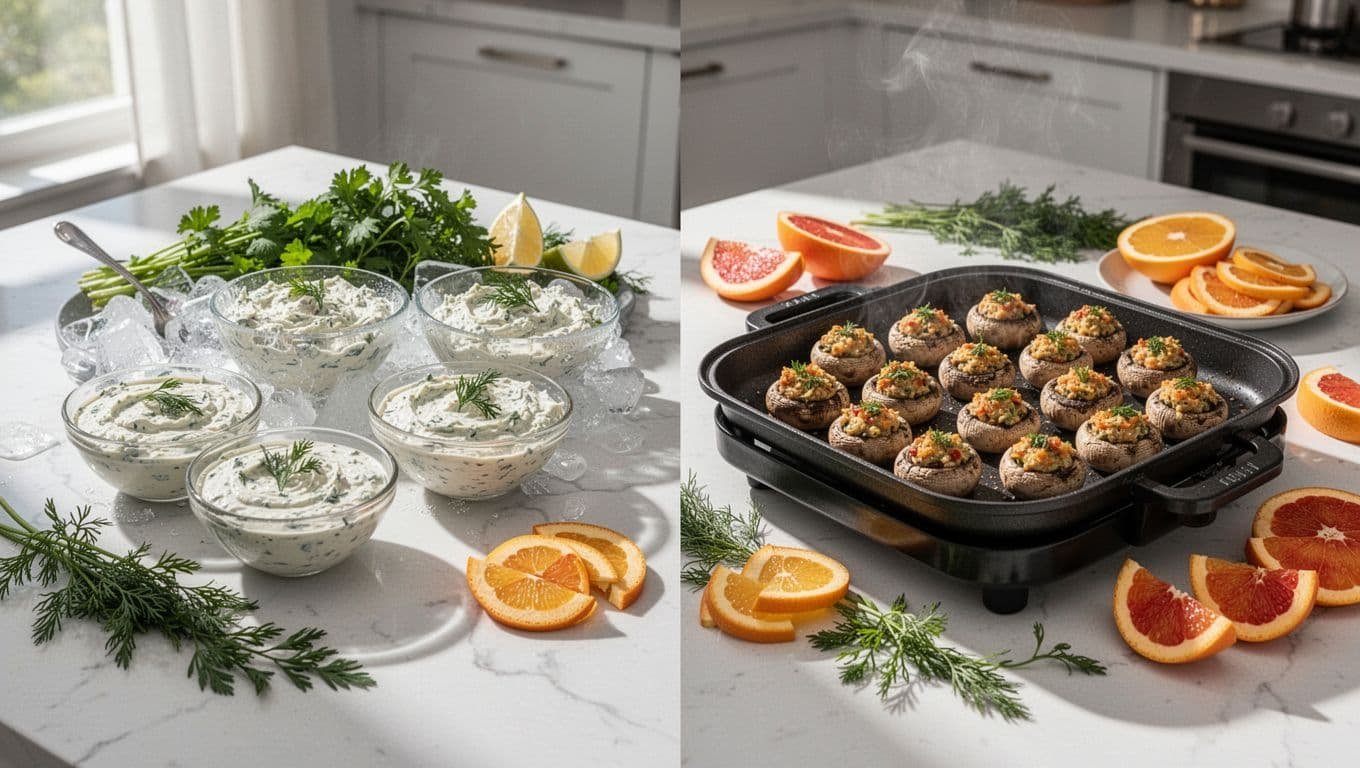
A simple setup keeps everything working better:
- Put cold foods in shallow, chilled dishes.
- Keep hot foods on a warming tray or in a low oven.
- Bring both out only when guests are close to arriving.
- Refill in small batches so the table stays neat.
Separate zones make the table look cleaner and help each appetizer keep its best texture.
Add one fresh element to every appetizer spread
Fresh ingredients give the whole table a brighter look. A bowl of grapes, a handful of herbs, or a few sliced cucumbers can keep heavy appetizers from feeling too rich.
This works with store-bought food, too. A packaged dip looks better with parsley on top. Frozen bites feel more thoughtful when they sit next to fresh fruit or crisp vegetables. Even one bright element changes the tone of the spread.
Good options are easy to find and easy to use:
- Fresh fruit like grapes, berries, orange slices, or apple wedges
- Herbs like basil, dill, parsley, or chives
- Vegetables like cucumber rounds, celery sticks, cherry tomatoes, or radish slices
That little touch helps the table feel balanced. It also gives guests a fresh bite between richer foods, which makes the whole spread easier to enjoy.
Avoid the appetizers that fall apart when guests are running late
Some appetizers look great for five minutes, then turn into a mess when plans shift. If your guests are late, you need foods that can wait without losing shape, turning limp, or leaving you with a soggy tray and extra cleanup.
The safest move is to skip recipes that depend on perfect timing. Crisp texture, fresh color, and a clean finish matter more when the food has to sit around for a while. That means choosing snacks that still feel good after chilling or resting at room temperature, not ones that only work the moment they leave the stove.
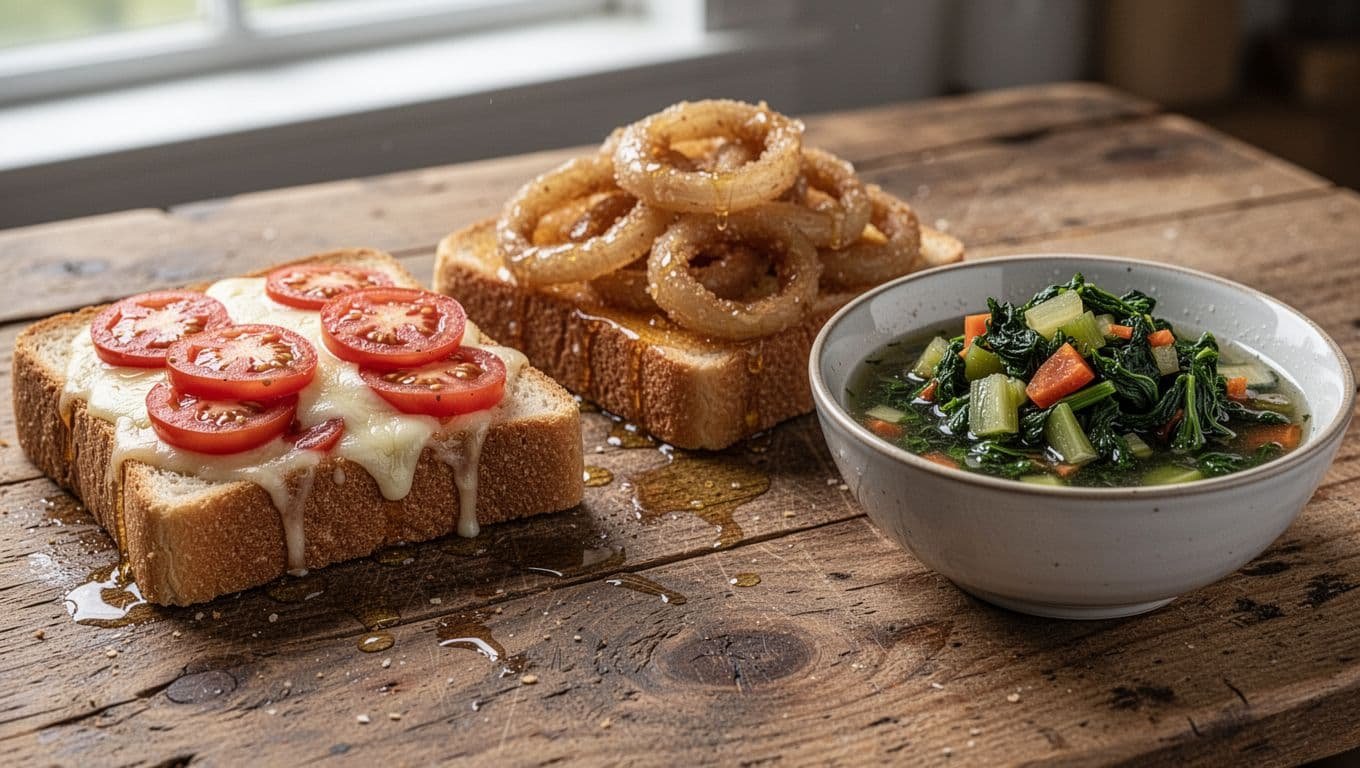
Skip anything that gets soggy fast
Wet toppings and crisp bases do not mix well when guests are delayed. Toast topped with tomatoes, bruschetta, crackers under dip, fried snacks, and watery vegetable mixes all lose their best texture fast. Once the crunch is gone, the whole appetizer feels tired.
That is what makes these foods frustrating. You spend time making them look nice, then the clock works against you. Bread softens, fried coating turns greasy, and juicy vegetables leave puddles on the tray.
A better plan is to keep the wet and dry parts separate until serving. If a recipe needs tomato, salsa, or dressing, set it out beside the base instead of on top of it. That one change protects the texture and saves the appetizer from collapsing before it reaches the table.
Be careful with recipes that need exact timing
Some foods only work when they are baked, fried, or assembled right before serving. Hot sliders, fresh fries, crispy wontons, and warm puff pastry bites can taste great, but they create stress when guests are late. You end up watching the oven instead of greeting people.
That pressure is easy to avoid. Choose appetizers that stay good without a strict finish line, like cheese balls, marinated olives, pinwheels, or sturdy dips. These options give you breathing room, so a delayed arrival doesn’t throw off the whole plan.
If a recipe has a narrow window, save it for another day. Make-ahead hosting works best when the food is calm, too. You want a platter that waits on you, not the other way around.
Watch out for ingredients that brown or dry out
Avocado, cut apples, some soft cheeses, and fresh herbs can change fast once they are sliced. Avocado turns dark, apples lose their fresh look, and herbs wilt or dry out if they sit too long. Even a pretty tray can start to look worn when those ingredients are left out.
Choose sturdier versions when you can. Lemon-tossed apples hold better than plain slices, and firmer cheeses stay neat longer than very soft ones. For herbs, save them for the final garnish instead of mixing them in early.
That small swap makes a big difference. Your appetizers keep their color, their texture, and their appeal, even if the guests show up later than planned.
Conclusion
The best make-ahead appetizers do more than feed people, they give you breathing room when plans change. Cold dips, pinwheels, cheese boards, and stuffed bites all work because they hold well, taste good after chilling, and need very little attention at the last minute.
That is the real win here, simple food can still feel warm and thoughtful. When you keep a few reliable appetizers on hand, surprise guests stop feeling like a problem and start feeling easy to handle.
Choose recipes that stay fresh, finish fast, and look neat on the table. With that kind of prep, you’re ready before the doorbell even rings.
Save the pin for later


- Healthy Air Fryer Recipes for Beginners - 21/09/2026
- Healthy Snacks for Late Night Cravings - 21/09/2026
- High Protein Meal Prep Ideas for Easy Weekly Meals - 21/09/2026

