A dinner party menu feels effortless when every dish has a clear job. The goal is to serve food that tastes polished, looks inviting, and keeps you out of the kitchen once guests arrive.
The secret is planning smarter, not cooking more. A good dinner party menu balances make-ahead dishes, simple sides, and one or two flavors that feel special without adding stress, so you can host with calm confidence. If you want ideas that work in real life, the best place to start is with a menu structure that supports you, not one that piles on extra work.
Start with the kind of evening you want to create
Before you think about recipes, picture the night itself. A dinner party menu feels easier to plan when it matches the mood, because the food, timing, and service all work toward the same goal. A slow, candlelit meal needs a different menu than a lively Friday night with close friends.
The guest list matters too. A small group can handle a plated dinner with a few polished courses, while a bigger crowd usually feels more relaxed with family-style dishes or a buffet. Time of year also shapes the menu, since spring calls for lighter produce and brighter flavors, while cooler months invite richer, cozier food.

Choose a simple menu style that fits your table
Start by picking a format that lets you stay present with your guests. Family-style often feels the most relaxed, since dishes can sit in the middle of the table and people help themselves. It also keeps the flow casual, which works well for friends who want to linger.
A plated dinner is a smart choice for smaller groups or a more formal birthday meal. It looks polished and gives the evening a cleaner pace. Meanwhile, a buffet works well when you want guests to move around and serve themselves, especially for larger gatherings.
A mix of small plates can also work if you want a lighter, more social feel. The best format is the one that keeps you out of the kitchen and in the conversation.
Build around one clear food story
A menu feels more thoughtful when the dishes connect. Instead of mixing random recipes, choose one idea and let every course support it. That might be cozy Italian food, spring produce, or a sweet-and-spicy swicy profile with chili, honey, and bright greens.
Recent menu trends show that comfort food with a twist is especially strong right now, and it works well for home entertaining. You can pair familiar dishes with a sharper accent, like roasted chicken with hot honey or pasta with lemony greens. For a menu that feels effortless, keep the story simple and clear. One theme gives the whole table a sense of purpose.
Use a simple menu formula that always works
The easiest dinner party menus follow a clear pattern. When you limit the number of dishes, you can plan faster, shop smarter, and cook with less pressure. A strong formula also keeps the meal balanced, so the table feels complete without becoming crowded.
A good starting point is one starter, one main, two sides, and one dessert. That gives you enough variety for a polished meal, but not so much that prep takes over your day. If you want a few more menu ideas in this style, BBC Good Food’s dinner party menu ideas offer a useful range of simple starters and mains.
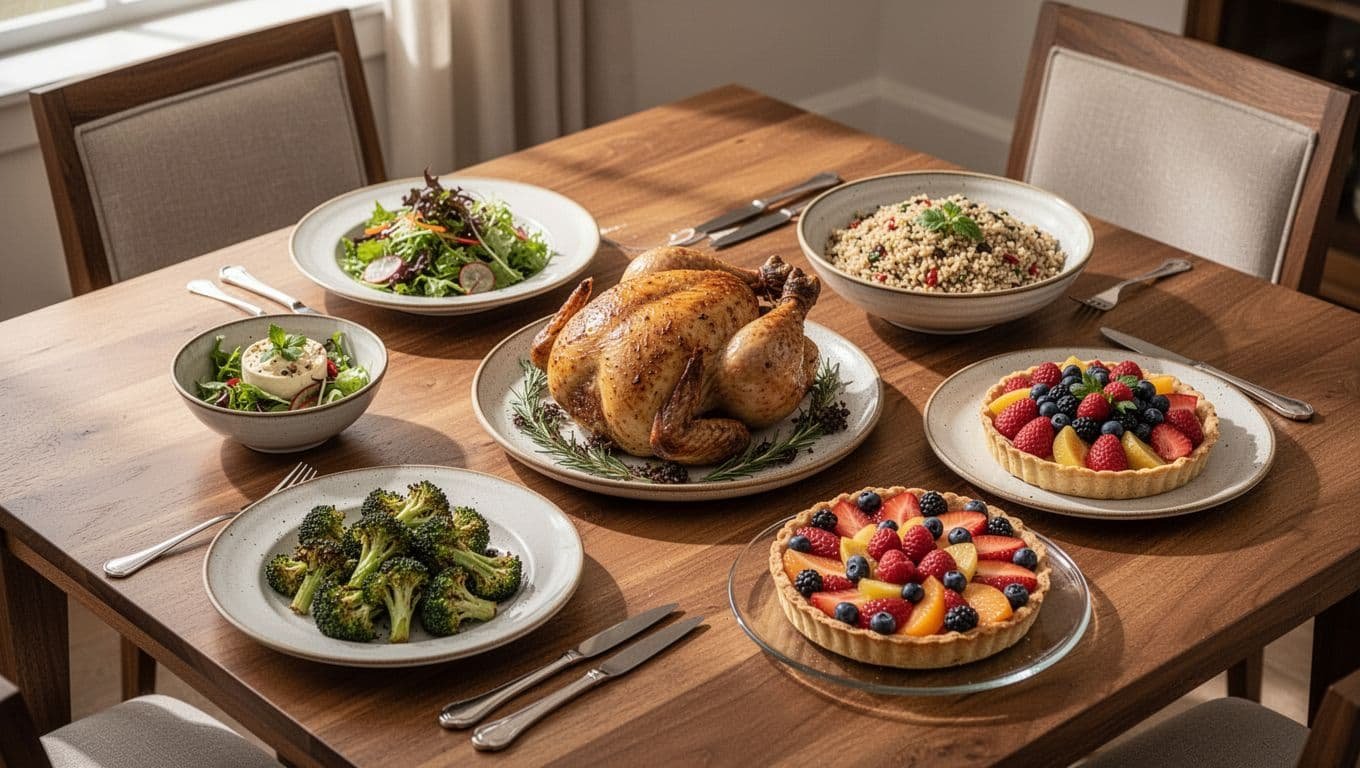
Make the main dish the easiest part to serve
The main dish should be dependable, forgiving, and mostly done before guests arrive. That means less last-minute juggling and fewer chances for stress to creep in right before dinner.
Braises, roasted chicken, baked pasta, grain bowls, and taco-style builds all work well because they hold their shape and flavor. Many of the best mains can sit for a bit without losing their appeal, which is exactly what you want when people are arriving, talking, and pouring drinks.
Choose something that finishes cleanly. If the oven does most of the work, you get to stay out of the heat and keep your focus on the room, not the stove.
Balance rich, fresh, and bright flavors
A menu feels heavy when every dish pulls in the same direction. Creamy pasta, roasted meat, and buttery dessert can all be delicious, but they need a fresh counterweight.
Add one side with crisp vegetables, citrus, herbs, pickles, or bitter greens. A simple salad or bright vegetable dish can lift the whole meal and make everything else taste sharper.
One bright side does a lot of work. It makes the plate look more polished, too, because the colors and textures break up the richer dishes around them.
Limit the number of moving parts
Effortless menus are built on restraint. The smartest dinner party menus reuse ingredients, cooking methods, or sauces, so shopping and prep stay under control.
For example, you might repeat one herb across the starter, side, and main. Or you can build the meal around one vegetable and one flavor thread, like lemon, dill, or chili oil. That small repetition makes the menu feel connected without adding extra work.
A simple formula helps you make decisions faster:
- Pick one starter that can be made ahead.
- Choose one main that holds well.
- Add two sides with different textures and colors.
- Finish with one dessert that needs little attention.
That structure gives you a dinner party menu that feels calm, coherent, and easy to serve.
Pick dishes that taste great after the guests arrive
Once the menu is set, the next move is choosing dishes that hold up after a little waiting. That means recipes with flavor that settles in, textures that stay pleasant, and steps you can finish before the first knock at the door. If you can keep the stove quiet during the party, you get to stay relaxed and present.
The best choices are foods that reheat well, can sit safely for a bit, or need only a final assembly at the table. Braises, baked pastas, roasted vegetables, and composed salads all fit that pattern. For more examples of dishes that work this way, BBC Food’s make-ahead dinner party recipes are a helpful place to start.
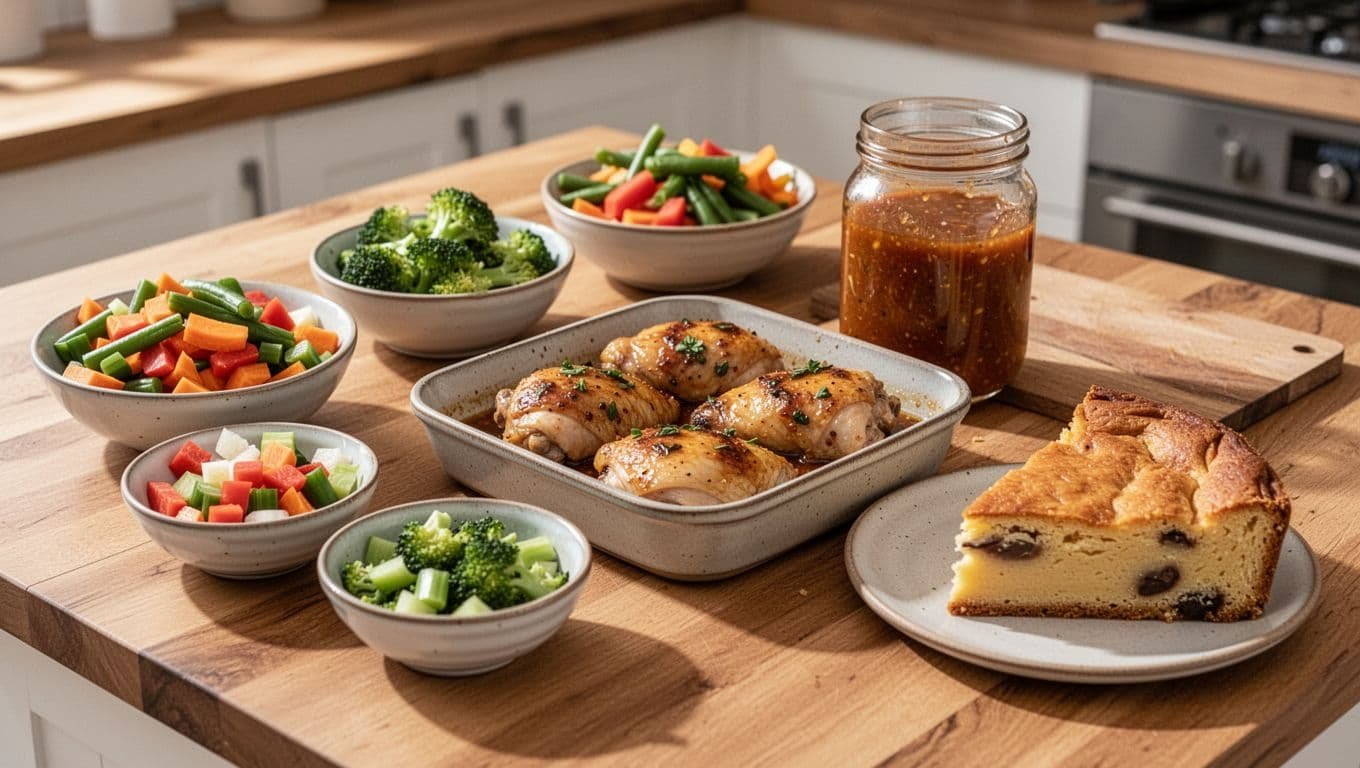
Lean on recipes you can prep ahead
A strong dinner party menu gives you jobs to finish early. Sauces can be whisked the day before, vegetables can be chopped in advance, dressings can wait in jars, and proteins can marinate overnight. Desserts are also easy wins, since many cakes, custards, and chilled sweets taste better after a rest.
That kind of prep does more than save time. It lowers stress, leaves space for cleanup, and gives you room to do the parts of hosting that matter most, like setting music and greeting guests without rushing. If you want a dessert that works beautifully ahead of time, this make-ahead carrot cake for parties is a smart example.
Use serving dishes that make food look finished
Simple serving pieces can make easy food look thoughtful. A platter, shallow bowl, or sheet-pan-style presentation gives the meal a clear shape, even if the cooking was simple.
Pay attention to color, height, and garnish. A roast on a board, greens in a wide bowl, and herbs or citrus on top can make the table feel styled without adding real work.
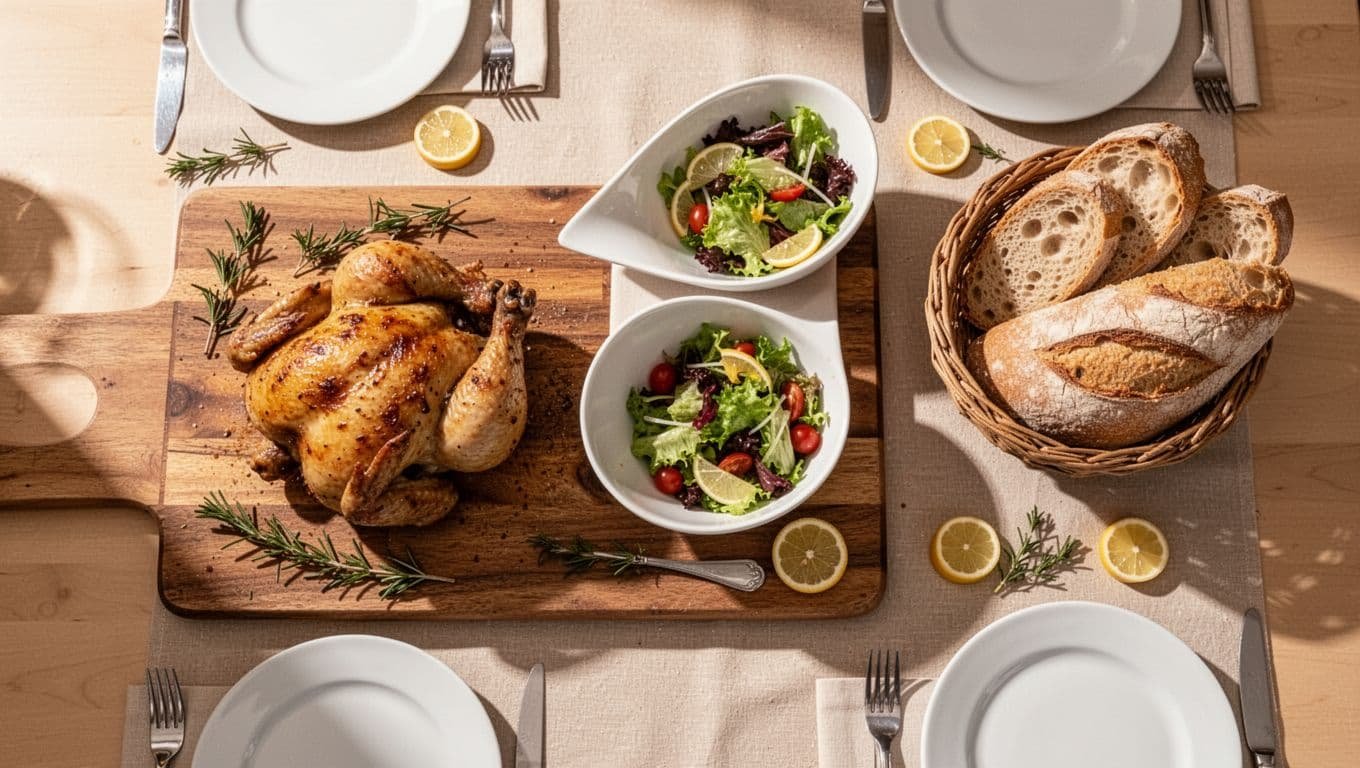
Choose one signature item that feels special
One standout dish can carry the whole menu. It might be homemade bread, a bright herb sauce, a seasonal cocktail, or a dessert with a sharp finish. That single detail tells guests you planned the meal with care.
Keep the rest of the menu simple so the signature item gets room to shine. A table with one memorable touch feels more polished than a table full of dishes that all ask for attention at once.
Plan shopping and prep so the day feels calm
The smoothest dinner parties start before anyone arrives. When your shopping is organized and your prep is mapped out, the day feels lighter, and your menu is easier to pull off without last-minute scrambling.
A calm host usually has one thing in common, a plan that cuts down decision fatigue. You already know what you’re cooking, what you need, and what can wait until tomorrow.
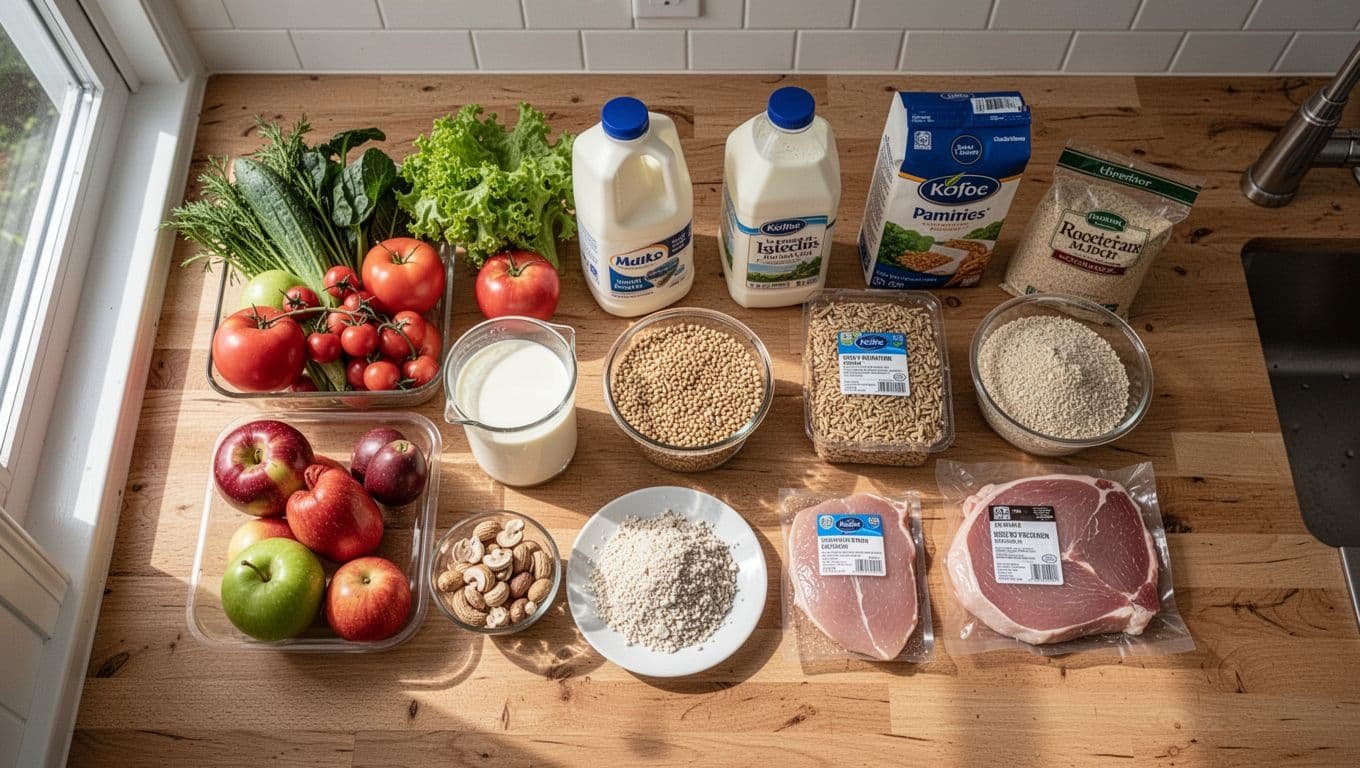
Write the menu before you write the grocery list
A finished menu makes shopping faster because you stop guessing in the aisles. It also keeps you from tossing in random extras that sound good in the moment but don’t fit the meal.
Once the menu is set, group everything into clear buckets: produce, dairy, dry goods, and proteins. That simple structure helps you see what overlaps, so you can buy one herb, one cheese, or one staple that works across multiple dishes.
This is also the best time to spot recipes that ask for too many steps. If one dish needs three sauces, two garnishes, and a special pan, it may be better saved for another night. A strong menu should feel balanced, not busy.
You can even do a quick pantry check before you shop. Salt, olive oil, vinegar, flour, and spices are easy to forget, and running out for one missing item adds stress no one needs.
Do the hardest work one day early
A good rhythm keeps the actual party day open and relaxed. Shop two days ahead if you can, then use the day before for chopping, marinating, and anything else that holds well.
That means the day of the dinner is mostly about final assembly, reheating, and plating. In other words, you’re finishing the meal, not building it from scratch while guests wait.
Here’s a simple order that works well:
- Shop early enough to avoid a rush.
- Chop vegetables, herbs, and aromatics the day before.
- Marinate proteins overnight if the recipe allows it.
- Make sauces, dressings, and desserts ahead of time.
- Save final baking, tossing, and garnishing for the last stretch.
The more you finish early, the easier it is to stay present when people arrive. If you want a deeper planning model, a detailed prep timeline can help you map each task before party day.
Keep a backup plan for one key dish
Menus feel fragile when every dish has to go perfectly. A better plan gives you one easy substitute if guests change, timing runs late, or a recipe falls apart.
Keep something simple in reserve, like extra salad, frozen dessert, good bread, or a plain pasta. Those backups protect the meal without forcing you to rebuild the whole menu.
That flexibility matters most for the dish that feels hardest to replace. If your main course takes longer than expected, a loaf of bread and a sharp salad can buy you time. If dessert gets messy, a frozen option can save the finish.
A good backup plan is like insurance for your menu. You hope you don’t need it, but you’re glad it’s there.
The goal is a menu that can bend a little without breaking. That way, the evening stays calm even if the clock does not.
Set the table and timing to match the menu
A dinner party feels effortless when the table and the menu move at the same pace. If the food is simple but the timing is rushed, the night still feels tense. If the table is set for the kind of meal you’re serving, everything flows with less effort.
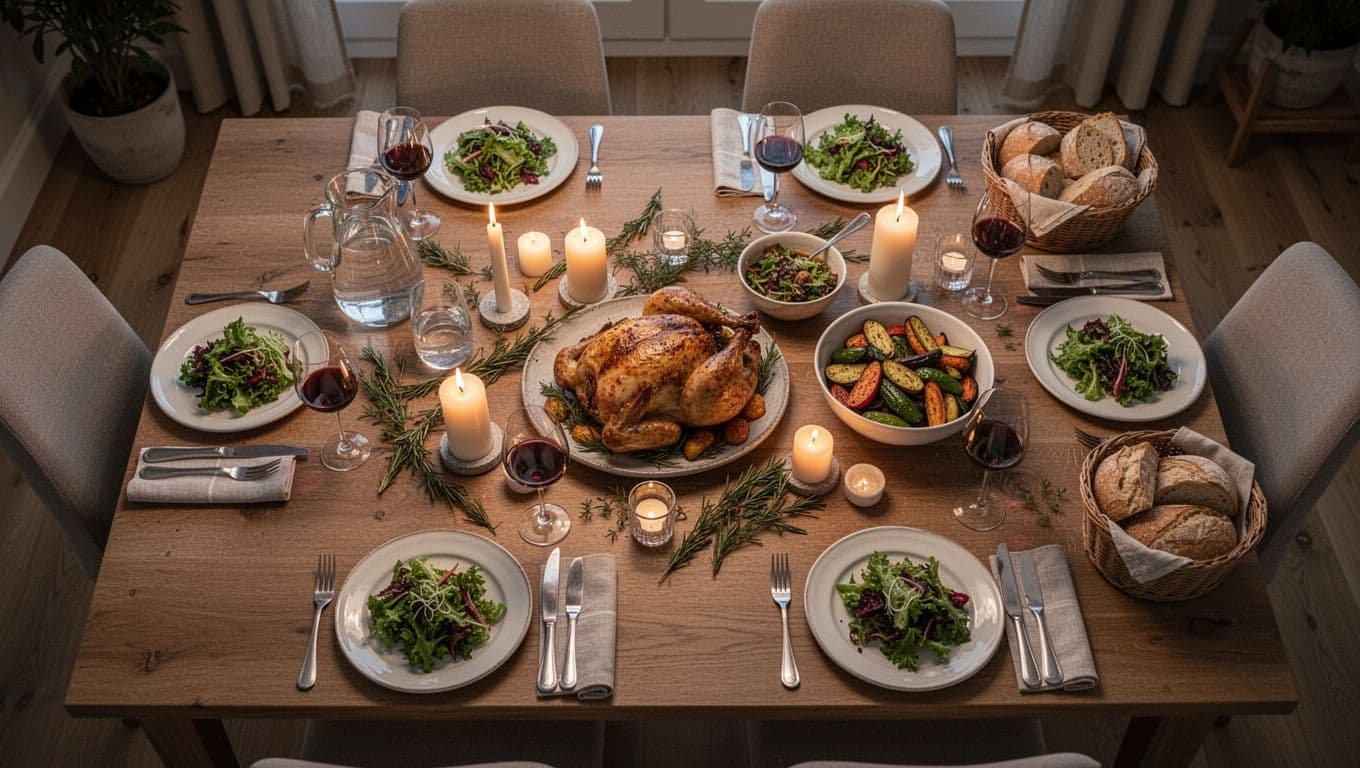
Start by thinking about what guests eat first, what can wait, and what needs to arrive hot. A starter should be easy to pass or plate, then the main course can follow after a short break that gives everyone time to talk. Dessert should land when the room feels relaxed, not when people are still halfway through the main.
Serve courses at a pace that feels easy
You don’t need to rush from one dish to the next. A short pause between courses gives you time to clear plates, reset the table, and breathe before the next round comes out. It also gives guests space to keep talking, which is half the point of the night.
A relaxed pace works best when the menu supports it. Choose dishes that hold well, reheat cleanly, or need only a final garnish. If you want a more detailed service plan, a dinner party hosting timeline can help you map the evening step by step.
Use simple drinks and desserts to finish strong
Keep drinks easy so you stay with your guests. One batched cocktail, a good bottle of wine, sparkling water, and one no-alcohol option are enough. That mix covers most tastes without turning the night into a bar shift.
Dessert should feel generous, but low-effort. A cake made ahead, a fruit tart, or a chilled sweet all work well because they need little attention at the end of the meal. The finish matters, so make it feel abundant without asking for more work.
Make the room do some of the work
Lighting, music, napkins, and serving pieces all shape how easy the night feels. Warm light softens the room, while simple music keeps silence from feeling stiff. Cloth napkins, well-spaced plates, and a few candles can make even a plain menu look thoughtful.
A table doesn’t need to be fussy to feel polished. It just needs room to breathe, a few clean details, and serving pieces that match the way the food will move across it.
Conclusion
An effortless dinner party menu starts with smart choices, not a longer shopping list. Pick one clear food story, keep the structure simple, and let prep-ahead dishes do the heavy lifting.
That approach gives you food that feels thoughtful without tying you to the stove. It also leaves room for the small details that matter, like a relaxed pace and a table that feels welcoming. A well-planned menu does the work before guests arrive, so you can stay present once they do.
When the night is over, people usually remember how easy it felt to be there. They remember the conversation, the warmth, and the sense that everything came together naturally, even if every detail was not perfect.
Save the pin for later

- 60 Color Tattoos That Healed Beautifully - 25/09/2026
- 40 Most Painful Tattoo Spots - 24/09/2026
- 20 Tattoo Aftercare Mistakes That Ruin Fresh Ink - 23/09/2026

