Picture Sarah, buried under work deadlines and family demands. She snapped at loved ones, lost sleep over every setback, and felt stress take over her days. Then she tried simple daily habits, and everything shifted; she handled tough days with calm and bounced back faster.
Emotional strength is your ability to face hard feelings head on, recover from knocks, and keep steady when pressure hits. It is not about ignoring emotions. Instead, it means processing them so they do not control you. Big life overhauls often flop because they overwhelm us. However, short micro-habits, like 1-5 minute routines, build real resilience over time.
Recent 2026 trends from WellPower and UCLA Health show these tiny practices rewire your brain for calm, cut anxiety, and boost optimism without burnout. For example, they help you stay present instead of spiraling. Sources confirm consistency in small steps creates lasting mental toughness.
You will discover six easy ones here: mindfulness check-ins, quick movement, gratitude moments, sleep setups, social connections, and journaling. They fit anywhere in your day. Start one today, and watch your emotional strength grow.
Ready for the first habit?
Start Strong with a Morning Emotional Check-In
You wake up, and your mind races with yesterday’s worries or today’s to-do list. Pause for two minutes. This simple sit-quiet check-in builds self-awareness so you respond to stress with calm, not chaos.
First, find a quiet spot, like your bed or kitchen chair. Breathe deeply three times. Notice your feelings without judgment; say to yourself, “I feel tense because of work.” Then ask, “What do I need today?” Maybe rest or focus. That’s it.
Wellness guides from 2026, like UCLA Health’s tips, show these check-ins lower anxiety by spotting stress early. They reset your nervous system faster than ignoring emotions. Pair it with intention-setting, like “Today, I choose patience.” This sets a positive tone.
Take Sarah from our story. Mornings overwhelmed her until she tried this. After a week, she noticed fewer snap reactions at home. Beginners, start with a phone timer. Sit still even if thoughts wander; progress comes with practice. Consistency turns it into a shield for your day. Check our habits of mentally strong people for more resilience boosts.

Why This Quick Habit Resets Your Nervous System
Science backs this habit. Check-ins cut overwhelm by naming emotions, which eases your nervous system. A 2026 guide from Hearts4Minds notes they boost focus and control, similar to meditation but quicker.
Studies on mood tracking, like one in Current Psychology, show university students gained clarity from daily logs. They reduced anxiety because awareness prevents buildup. Unlike 20-minute meditation sessions that demand stillness, a two-minute check-in fits anywhere and releases tension fast.
Track your mood for a week in a notes app. Rate energy from 1-10 before and after. Most see patterns, like low mornings from poor sleep, and adjust. Result? Less reactivity, more steady focus all day.
Make It Stick: Easy Ways to Fit It In
Life gets busy, but excuses like “no time” fade with tweaks. Do it over coffee; sip while breathing. Or right in bed before feet hit the floor.
Link it to brushing teeth or waiting for toast. “Too scattered?” Start with one deep breath if two minutes feels long. Forgot yesterday? No guilt; restart today.
These anchors build the habit without force. After a week, it feels natural, not forced.
Use Quick Breath Pauses and Grounding to Tame Daily Stress
Stress sneaks up fast, like during a tense meeting or family argument. You feel your heart race and thoughts spin. Quick breath pauses and grounding pull you back to now. These DBT skills, popular in 2026 trends for nervous system balance, take seconds. They reset your body, cut reactivity, and free energy for real fixes. No big time commitment needed. Just practice in micro-moments.
Grounding Tricks That Work in Seconds
Start with three deep breaths when tension builds. Inhale for four counts through your nose. Hold briefly. Exhale slow for six counts. Repeat three times. Your nervous system calms because slower breaths signal safety. At work, under deadline pressure, this stops the panic loop so you think clear.
Next, try the doorframe reset. Step to a doorway. Press your back firm against the frame. Feel the solid support. Close eyes. Breathe deep. Push gently to sense your body’s strength. It anchors you physically, great for office stress when you need a quick break.

For stronger overwhelm, use 5-4-3-2-1 grounding. Name five things you see. Four you touch. Three you hear. Two you smell. One you taste. This sensory scan, rooted in DBT, interrupts spirals fast, as Verywell Mind explains. Recent somatic trends pair it with body focus for daily calm.
Finally, add radical acceptance. See facts without fight: “This sucks, but it is what it is.” No “should not happen.” It drops extra pain, saves strength for action. Sarah used these mid-day. Work calls lost their grip; she stayed steady. Pair with mindful breathing to clear mental clutter. Practice once daily; reactivity fades over time.
Move Your Body Daily to Unlock Mood-Boosting Resilience
Your body craves motion, especially on tough days. A quick 10-minute walk, stretch, yoga pose, or stair climb releases endorphins that lift your mood right away. These moves also drop stress hormones like cortisol, so you sleep better and handle emotions with more ease. No gym required. Gentle daily activity builds steady emotional strength because it resets your system without exhaustion.
Recent 2026 studies back this up. For example, Healthline reports that regular exercise cuts anxiety and boosts resilience. A Harvard review found yoga and walking improve balance, lower depression, and enhance sleep through mind-body calm. FitOn highlights how walks ease overwhelm fast. Variety matters too; mix it up for bigger gains.
Take Sarah. After a heated work call, she climbed stairs for 10 minutes. Endorphins kicked in. Stress faded. She returned calmer, ready to focus. You can do the same. Start small today.

Pick Movements That Fit Your Life and Lift Your Spirits
Choose fun options that match your routine. Dance to your favorite song in the kitchen. Park farther away and walk the extra distance. Climb stairs at lunch. Stretch during TV breaks. Or try yoga flows from free apps.
These spark energy gains you notice fast. Track them in a notes app: rate mood and pep from 1 to 10 before and after. Most see quick lifts. Combine with mindfulness, like a grateful walk where you note three good things around you. It doubles the mood boost.
For lasting results, check workout routines that stick for busy adults. Small steps add up to real stability.
Build a Gratitude Practice for a Positive Emotional Shield
Each morning, take five minutes to journal thanks or joyful plans. Note one small joy, like fresh air on your walk. This habit shifts your mindset. It creates buffers against stress. You spot positives instead of dwelling on negatives.
UCLA Health shows gratitude boosts mental wellness. Studies find it cuts anxiety and rewires your brain for calm. Compass Recovery backs it for emotional strength. Cortisol drops, moods lift, and you handle tough days better. Sarah added this after her walks. Bad news lost its sting. She felt steady.
Start simple. Grab a notebook or app. Sit quietly. Write three things you appreciate, like a warm bed or family chat. Plan one joy, such as coffee outside. End with a deep breath. Do it daily over coffee. For beginners, check this beginner’s guide to starting a journal.

Example entry: “Today, I thank my cozy blanket, hot coffee, and yesterday’s laugh with friends. My joy? A quick park stroll. This grounds me before work chaos.”
Journal Prompts That Spark Real Joy
Use these research-backed prompts. They fight negativity by countering your brain’s bias toward bad news. Studies show daily use grows positive focus. It lowers stress hormones and builds resilience.
- What three specifics made yesterday good? (Names details to deepen thanks.)
- How did a small kindness help you today? (Boosts optimism, per UCLA data.)
- What joy awaits, like sunlight or music? (Plans positives to offset worries.)
- Who deserves your thanks, and why? (Strengthens bonds, cuts isolation.)
Write freely for one minute each. Over time, negativity fades. You gain a positive shield.
Prioritize Sleep Routines to Steady Your Emotions
Sleep keeps your emotions on an even keel. A steady bedtime helps your brain process feelings overnight. It regulates mood so you wake up less irritable. Poor sleep ramps up crankiness, even if anxiety stays low. One study found bad rest directly boosts frustration because it disrupts emotional control.
Set a fixed bedtime each night. Your body thrives on rhythm. Pair it with earlier habits, like breath pauses from our stress section. Those calm your system before lights out. In the morning, ease in with quiet time. No rush. Let natural light guide you.
Simple Evening Rituals for Deeper Rest
Ditch screens an hour before bed. Blue light tricks your brain into stay-awake mode. Instead, dim the room. Blackout curtains block street glow. They signal rest time fast.
Breathe deep next. Sit on your bed. Inhale slow for four counts. Hold. Exhale longer. Do five rounds. This quiets racing thoughts. Add a wind-down list: herbal tea, light stretch, quick thanks for the day.
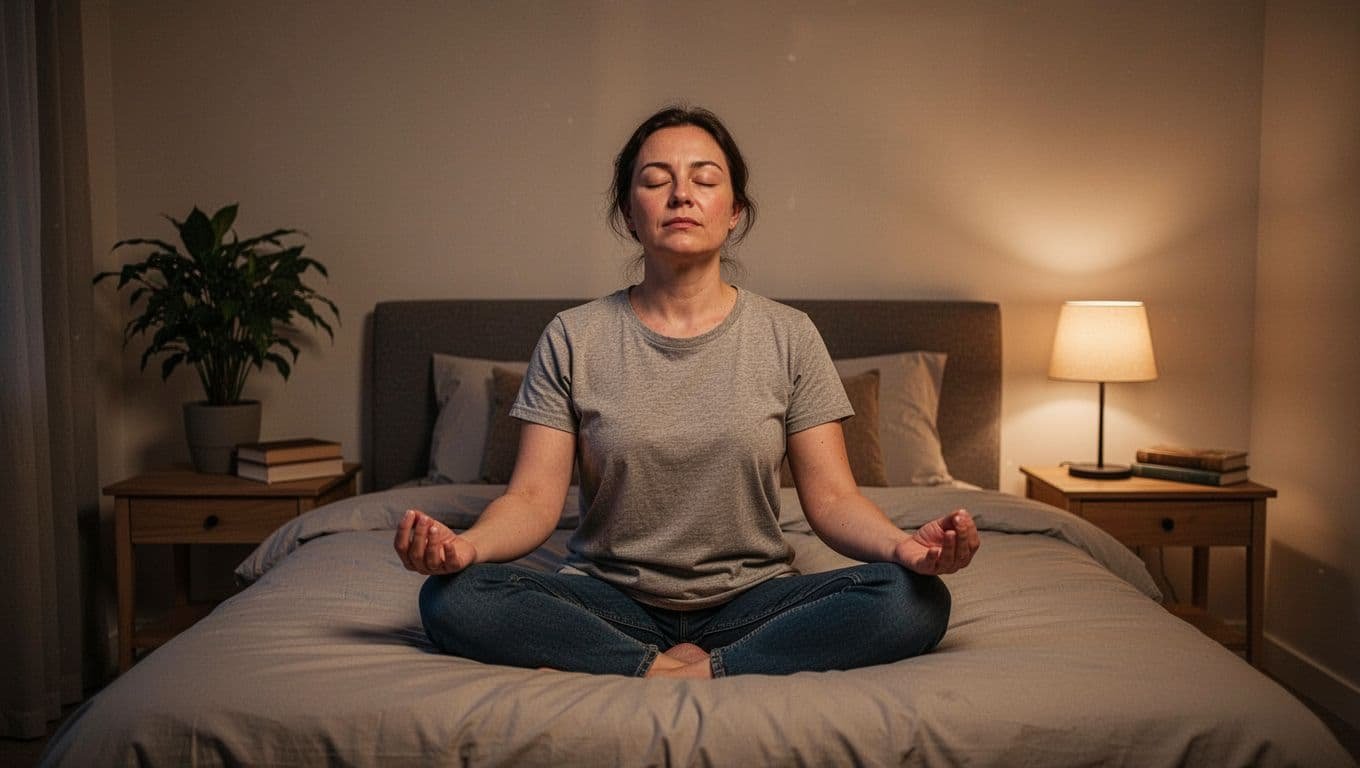
Start calm mornings too. Skip the phone alarm scroll. Open curtains first. Sip water. These bookend your sleep. Check reasons you wake up tired to spot hidden drags. After a week, you snap less. Emotions stay steady. For more, see how to make new habits stick.
Connect with Others and Journal to Process Tough Feelings
Tough feelings hit hard when you face them alone. Daily short calls or chats build a sense of belonging and fight loneliness. They boost emotional strength because real connections spark problem-solving and calm. For example, send a quick voice note to a friend during your walk; it pairs movement with support. Recent studies show these brief talks cut isolation better than texts, as Greater Good reports.
Journaling helps too. It lets you fact-check anxious thoughts and set clear boundaries. Write down worries, then ask: “What evidence supports this?” Or note boundary phrases like “I need space right now” before tough talks. This combo steadies you fast. Sarah tried it after bad days; chats eased her load, and notes cleared her head.

Reflection Tools That Protect Your Peace
Journaling eases stress in minutes. Grab a notebook or app daily. Follow these steps for relief:
- Breathe deep three times to settle.
- Write the raw feeling, like “I feel overwhelmed by work.”
- Fact-check: List proof for and against the worry.
- Set a boundary: Note one action, such as “I’ll say no to extra tasks.”
This process drops anxiety, per a 2022 meta-analysis on NCBI. It rewires rumination into clarity. WebMD notes even short sessions match therapy gains. After a week, tough feelings lose power; you respond with facts, not fear.

Conclusion
Small daily habits transform emotional strength. You spot stress with morning check-ins. Breath pauses tame reactions. Quick moves boost endorphins. Gratitude builds positivity. Sleep routines steady moods. Connections and journaling clear the mind.
Consistency matters more than perfection. 2026 trends confirm micro-habits rewire your brain for calm and less anxiety. They stack up fast without overwhelming you.
Pick two or three today. Start one right now, then share your progress below.
Save the pin for later

- 60 Color Tattoos That Healed Beautifully - 25/09/2026
- 40 Most Painful Tattoo Spots - 24/09/2026
- 20 Tattoo Aftercare Mistakes That Ruin Fresh Ink - 23/09/2026

