Polished coats, rich earth tones, sharp tailoring, and a few bold color surprises are giving the new fall wardrobe its first impression. Fall 2026 fashion trends bring structure without stiffness, pairing practical dressing with romance, body-skimming shapes, and heritage details that feel easy to wear beyond the runway.
Pantone’s forecast points to grounded shades such as Arabian Spice, Red Mahogany, and Burnt Olive, balanced by bright fuchsia, aquatic green, and clear blue. As you plan your outfits, expect drop waists, peplums, sheer layers, leopard print, and statement accessories, with styling ideas that work across different budgets, body types, and personal aesthetics. You can also use signature accessories for personal style to make a trend feel like your own.
Next, we’ll translate these Fall 2026 runway ideas into realistic outfits you can wear with confidence.
Key Takeaways
- Fall 2026 fashion favors slimmer tailoring, defined shoulders, skirt suits, and body-skimming silhouettes over oversized proportions.
- Grounded shades such as Arabian Spice, Red Mahogany, Burnt Olive, and brown pair well with expressive fuchsia, clear blue, and aquatic green.
- Velvet, leather, shearling, faux fur, lace, and rich brocade add depth to practical cold-weather outfits.
- Drop waists, peplums, sheer layers, ruffles, trains, and leopard print bring romance and drama to everyday dressing.
- Check Pantone’s Fall 2026 color report before choosing accent pieces, then make each trend feel personal.
Fall 2026 Fashion Trends Blend Sharp Tailoring With Soft Romance
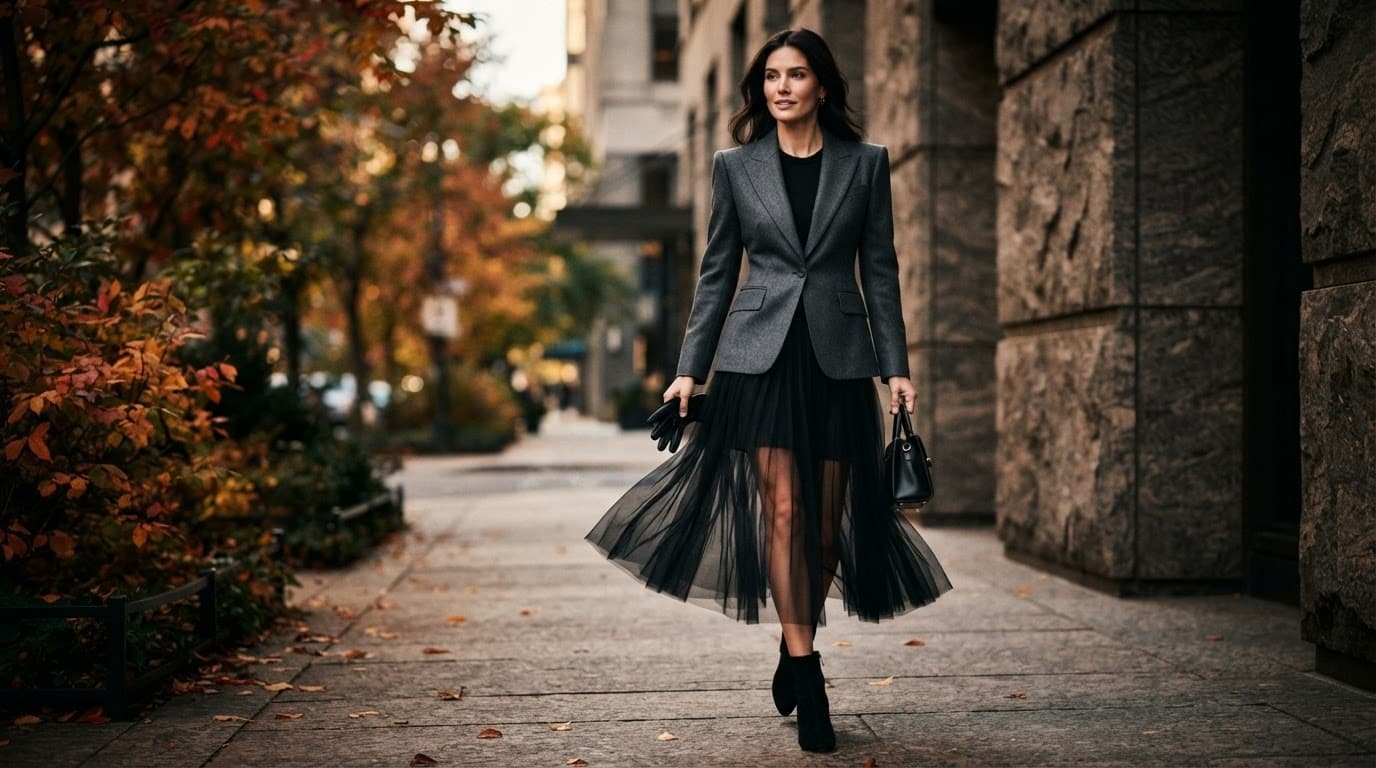
Fall 2026 fashion trends are bringing precision and ease into the same outfit. Sharp suits, sculpted coats, corsetry, weightless fabrics, soft knitwear, and tactile evening pieces create a wardrobe that feels polished without looking rigid.
Current runway reporting points to clearer house identities, stronger craft, and clothes designed for real wardrobes. Coverage from ELLE’s Fall 2026 trend report highlights modern tailoring and romantic dressing as two major directions, while W Magazine describes a renewed interest in practical “wardrobe dressing.” These are likely to be useful signals for shoppers, not rules that every outfit must follow.
### Why polished practicality is shaping the new fall wardrobe
The strongest pieces look refined enough for the office but comfortable enough for a long travel day. A well-cut blazer can sharpen jeans, tailored trousers can move from meetings to dinner, and a long coat can pull together nearly any outfit when the weather turns cold.
Refined knitwear adds warmth without losing shape. Look for fine-gauge sweaters, polished cardigans, cable-knit crewnecks, and structured knit jackets that sit neatly under coats. Sculpted outerwear also brings authority to simple clothing, especially when a coat has a defined shoulder, a clean lapel, a belt, or a funnel neckline.
Strong construction matters because these pieces need to work hard. Before buying, check four details:
- The fabric should suit the garment’s purpose and feel comfortable against your skin.
- The lining should sit smoothly without pulling or bunching.
- The fit should allow natural movement across your shoulders, waist, and hips.
- The care instructions should match the time and budget you can realistically give the piece.
Buying fewer, better-made items can make your fall wardrobe easier to use. One dependable blazer, coat, or pair of trousers may create more outfits than several trend-led purchases that lose their shape after a few wears.
How to mix structure and softness without looking overdone
The easiest formula is one structured item with one relaxed or fluid piece. A fitted blazer over a sheer or satin midi skirt creates contrast, while simple loafers or slim boots keep the look grounded. For more coverage, layer a fine knit beneath the blazer and choose an opaque skirt.
A corset-inspired top can also work under a relaxed coat. Let the coat provide room through the shoulders and body, then keep the rest of the outfit calm with straight-leg trousers and understated shoes. The result feels shaped without requiring uncomfortable compression.
For a sharper option, wear a slim suit with a fine knit instead of a crisp button-down. A soft turtleneck, lightweight crewneck, or fitted cardigan can take the edge off the tailoring. Simple shoes, such as ballet flats, loafers, or low heels, keep the outfit suitable for work, travel, and dinner.
Choose one main statement, then give it space. If the blazer has strong shoulders, let the skirt, shoes, and accessories stay quiet.
Proportion should follow your comfort, not a runway rule. Try a longer blazer with a shorter skirt, a cropped jacket with wide-leg trousers, or a relaxed coat over a body-skimming dress. You can also develop your own personal style by repeating the shapes and textures that make you feel confident.
The Fall 2026 Color Palette Makes Neutrals Feel Fresh
Fall 2026 color trends balance familiar wardrobe staples with expressive shades that bring energy to everyday outfits. Pantone’s reported New York Fashion Week palette includes 10 standout colors and five seasonless foundation shades, so you can refresh your closet without abandoning the pieces you already wear.
The color names below come from Pantone’s fashion palette, but retailers may use different names for similar shades. Use them as visual guides rather than exact shopping requirements. See the official Fall 2026 Pantone report when you want to compare the full palette.
The best neutral colors for coats, suits, and knitwear
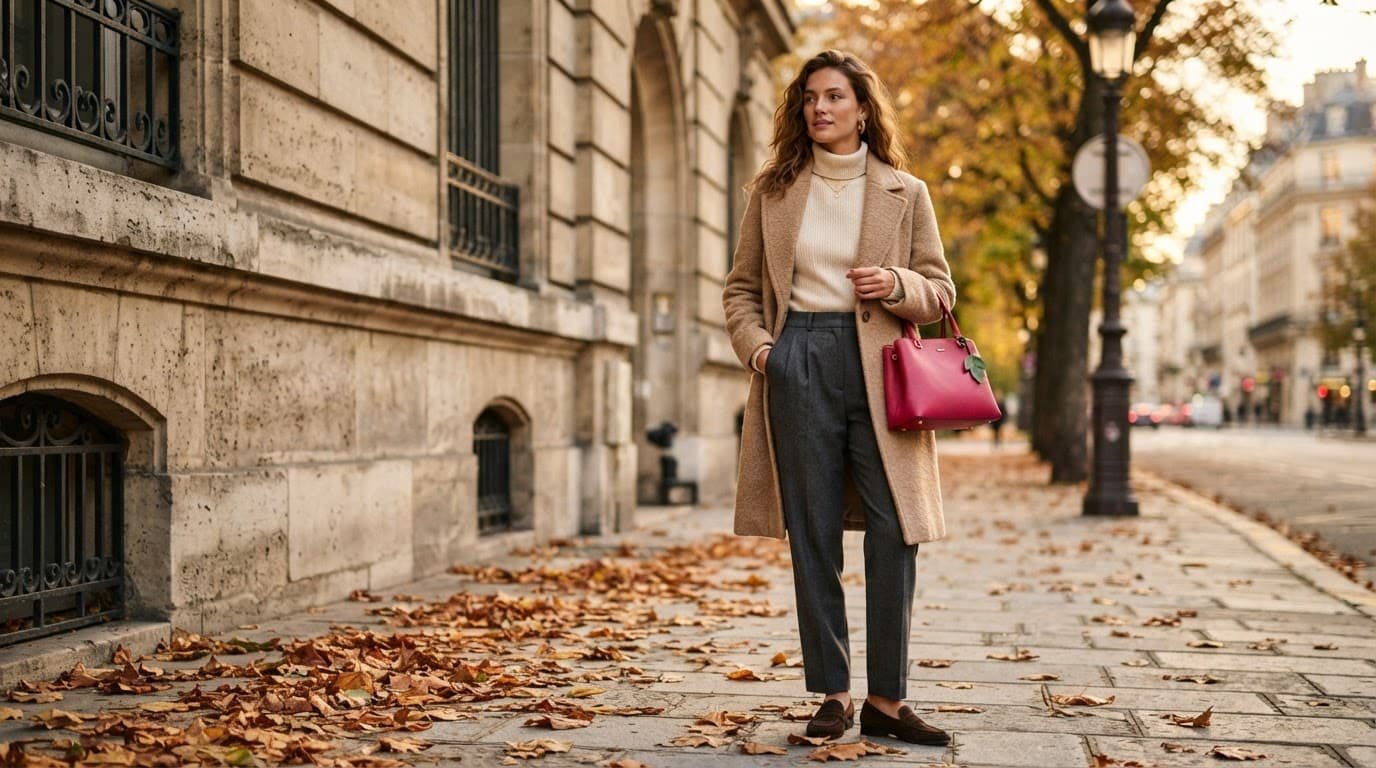
Warm browns give fall clothing a grounded, polished base. Toffee works well on wool coats, suede jackets, leather bags, and tailored trousers, while Red Mahogany adds deeper red-brown warmth to knitwear and evening layers. Arabian Spice brings a clay-like spice tone that feels richer than ordinary tan.
For a softer wardrobe, choose Egret, cream, warm beige, or a gentle gray such as Underworld. These shades brighten dark fall outfits without looking stark. Navy offers the same easy usefulness as black, while olive and Burnt Olive work naturally with denim, brown leather, cream, and gray.
Choose the neutral that already suits your closet instead of replacing everything for one season. A Toffee coat is a smart buy if you own denim and cream knitwear; navy may work better if your wardrobe centers on black, white, and tailored separates.
Texture keeps neutral dressing from feeling flat. A brushed wool coat, ribbed knit, suede shoe, smooth leather belt, or softly structured bag can give one-color outfits depth. For more practical wardrobe confidence and daily style, start with pieces that fit well and repeat easily.
Easy ways to wear bold fall colors in small doses
Expressive shades work best when you control their scale. Try a Festival Fuchsia handbag with a Toffee coat, Neptune Green gloves with an Egret sweater, or Green Envy tights under a charcoal skirt. Arabian Spice also looks natural as a scarf or knit top, while All Aboard adds clarity through loafers, a shoulder bag, or a slim sweater.
A simple balance rule keeps bright colors wearable: pair one vivid accent with two quiet neutrals. Cream trousers and a gray coat can support a fuchsia shoe; navy jeans and a beige jacket can make Neptune Green feel easy.
If you prefer subtle dressing, begin with nails, socks, a scarf, or a small handbag. Those details cost less than a full outfit and let you test a shade before committing. If head-to-toe color feels more natural, choose one shade in varied textures, such as an All Aboard suit with a satin blouse and wool coat in a similar blue family. Keep the accessories simple so the color remains the focus.
The Silhouettes That Will Define Fall 2026 Outfits
Fall 2026 fashion trends favor clothing that gives the body a clear outline. Drop waists lengthen the torso, peplums shape the hips, and slim tailoring brings more precision after several seasons of oversized dressing. Sculpted coats also become statement pieces, while sheer layers add softness without hiding the outfit underneath.
You don’t need to adopt every shape. Choose the proportion that feels comfortable, then balance it with familiar pieces from your closet.
Drop waists bring a relaxed, flapper-inspired line
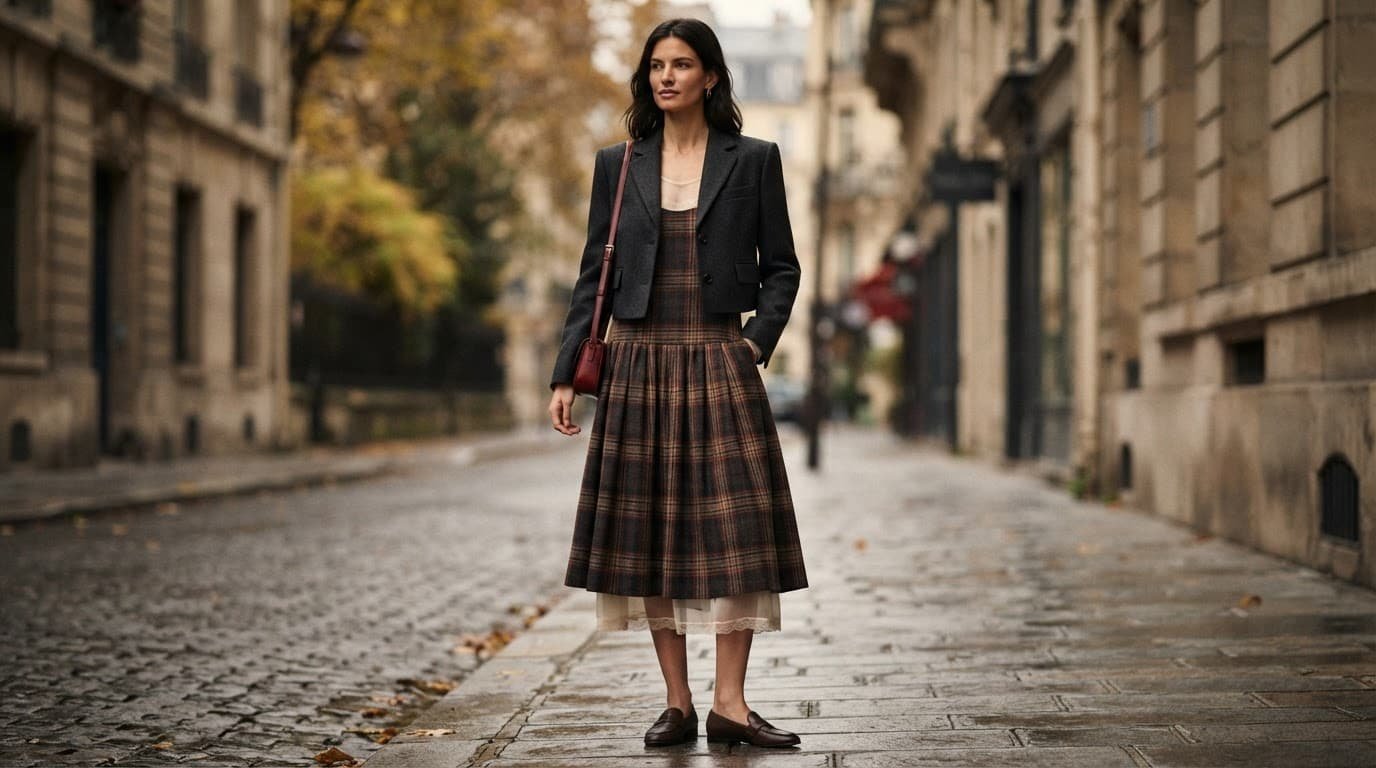
A drop waist places the seam or visual waistline below your natural waist, often near the hips. A high-waisted shape does the opposite, raising the waist and making the legs appear longer. The lower seam creates a longer torso line with a relaxed, flapper-inspired feel, a direction seen across Fall 2026 runway coverage from Chanel, Marni, Tory Burch, and other houses.
Try the trend through a midi dress with a dropped seam, a long top that falls past the waist, or a low-slung skirt. A belt worn over the hips can create the same effect without requiring a new dress. Since the shape lengthens the upper body, simple flats, low-profile boots, or sleek loafers keep the outfit balanced.
Cropped outerwear can also restore definition near the natural waist. For a longer look, add a clean vertical layer, such as an open coat or straight cardigan, and keep the rest of the outfit free from busy details. If you want more cold-weather inspiration, these cozy outfits for a winter date offer useful ideas for balancing warmth and personal style.
Peplums return with a more polished shape
A peplum is a flared section attached at the waist or hip. Earlier versions often relied on heavy ruffles or exaggerated volume, but the Fall 2026 direction looks sharper. Structured peplum jackets, boned tailoring, and clean flares give the waist definition without making the outfit feel fussy.
Wear a peplum jacket with straight trousers so the lower half stays sleek. A fitted knit top with a simple skirt creates a similar balance, while a structured peplum over a long column dress gives the hips shape against a narrow vertical line. The key is to let one area provide volume.
Avoid combining ruffles, bows, a full skirt, oversized sleeves, and a dramatic shoe in one outfit. Too many competing proportions can hide the clean shape that makes a peplum appealing.
Body-skimming and sheer layers make dressing more personal
Body-skimming clothing follows your shape without needing to squeeze or restrict it. Slim suits, pencil skirts, fitted knits, and close-fitting dresses all fit this direction, but comfort remains part of good styling. You should be able to sit, walk, breathe, and move naturally.
Sheer fabric offers another way to join the trend. Wear a transparent blouse over a tank, bodysuit, or long-sleeve base layer. A slip beneath a sheer dress adds coverage, while a tailored vest can make a translucent skirt feel more polished. You can also use lace at the sleeves, neckline, or hem instead of wearing a fully sheer outfit.
Exposure should always be your choice. If a piece feels too revealing, add another layer, choose a denser fabric, or leave it behind. Sharp tailoring and sculpted outerwear provide easy coverage, especially through a fitted coat with defined shoulders or a belted long jacket.
Fall 2026 Outerwear and Prints Put the Focus on One Strong Piece
Outerwear is becoming the practical centerpiece of Fall 2026 fashion. Long tailored coats, sculpted jackets, heritage-inspired layers, and rich brown or olive palettes can carry an entire outfit while the clothing underneath stays simple. For a closer look at the season’s standout silhouettes, 2026 coat trend coverage also points to bold patterns and animal-print outerwear.
Leopard print works best as a controlled statement
Leopard print is especially visible in Fall 2026 coats, trenches, faux-fur layers, and cropped jackets. The print has enough contrast to make a simple outfit feel intentional, so you don’t need much else competing for attention. Wear it as a neutral-like accent, then let black, denim, brown, cream, or gray create a calm backdrop.
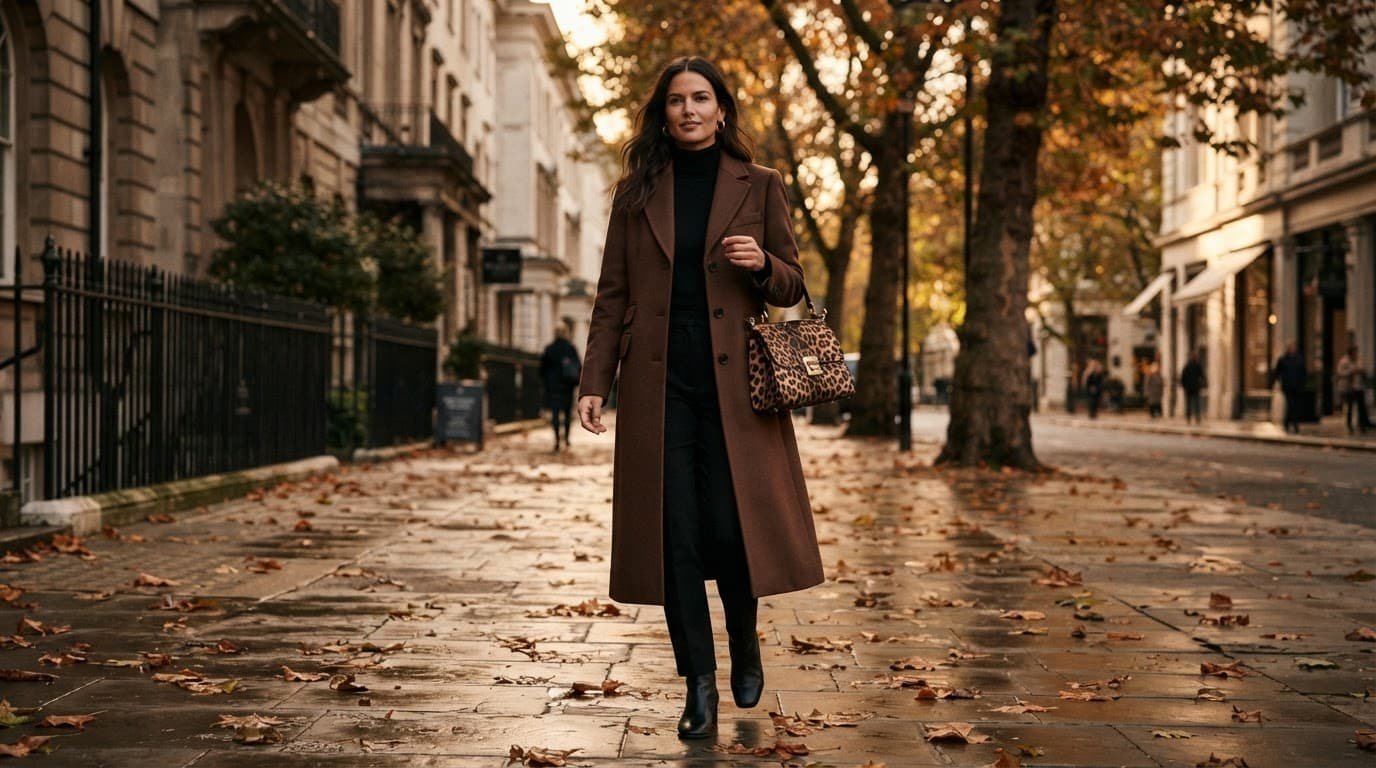
A full leopard coat creates the strongest street-style effect, but smaller pieces offer an easier entry point. Try leopard loafers, a belt, handbag, scarf, or small-print top when you want the pattern without making it the first thing people notice.
Three simple outfit formulas make the trend easier to wear:
- Pair a leopard coat with a black turtleneck, straight black trousers, and simple boots.
- Wear a leopard-print top with relaxed blue denim, a brown belt, and cream sneakers or loafers.
- Style a gray sweater and tailored trousers with a leopard handbag or ballet flats.
Avoid mixing leopard with several loud patterns at once. One animal-print piece can add texture and personality; leopard, plaid, bright florals, and graphic stripes together can make the outfit feel unsettled.
How to choose a fall coat that lasts beyond one trend cycle
Start with your climate. A lightweight trench-inspired layer suits wet, mild weather, while a wool coat provides more warmth in cold, dry conditions. Leather or suede jackets work well for transitional days, and quilted coats offer practical insulation without the bulk of a heavy overcoat.
Before buying, check these details:
- The fabric should feel dense, durable, and suitable for your usual fall temperatures.
- A smooth lining should allow sweaters to slide underneath without pulling.
- Buttons, snaps, and zippers should close securely and feel easy to operate.
- Pockets need enough depth for your phone, keys, or gloves without distorting the coat.
- Sleeves should leave room for a knit layer, while the shoulders should sit cleanly.
- Walk, sit, and raise your arms before purchasing. A beautiful coat still needs to move with you.
A classic wool coat gives the most long-term polish. A trench adds weather-friendly versatility, leather or suede brings texture, and a quilted option handles casual weekends and colder commutes. Choose a length that fits your daily life, too. A long coat gives drama and warmth, while a hip-length jacket may work better if you drive often or walk through crowded spaces.
Secondhand shops can uncover excellent wool, leather, and heritage coats at lower prices. Tailoring can improve sleeve length or the body shape, and proper storage keeps the piece useful. Hang coats on broad, sturdy hangers, empty the pockets, brush away surface dust, and store them in a breathable garment bag when the season ends. For more practical advice on fit, see these everyday style tips.
Accessories and Shoes Turn Fall 2026 Trends Into Wearable Outfits
Accessories let you try Fall 2026 fashion trends without replacing your entire wardrobe. A saturated handbag, sculptural shoe, or warm knit accessory can bring new color and shape to familiar coats, denim, tailoring, and dresses.
Runway accessories also show a mix of restraint and drama, with compact top-handle bags, east-west shapes, textured finishes, gloves, and statement shoes appearing alongside practical classics. The broader State of Fashion 2026 report also points to continued attention on leather, knitwear, and more thoughtful wardrobe choices.
Use handbags and knit accessories for a quick color update
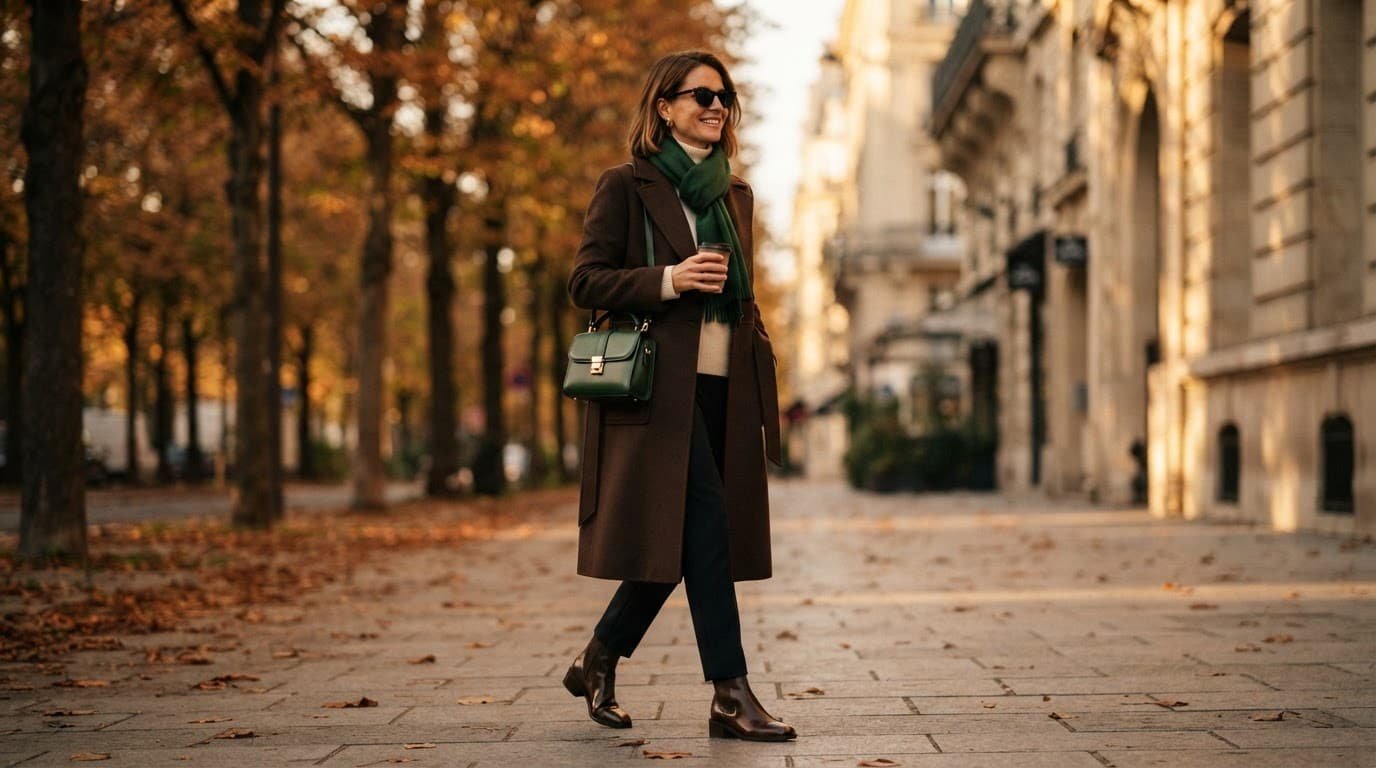
A bright accessory is often the easiest way to wear Fall 2026’s stronger shades. Try a green structured handbag with a brown coat, then repeat the green in a scarf, sweater stripe, earrings, or socks. That second appearance makes the color feel intentional rather than random.
Other combinations work just as well. A fuchsia scarf adds life to gray tailoring, while a blue shoe gives cream and navy layers a crisp finish. Burgundy, aquatic green, clear blue, and rich red can also appear through compact bags, belts, gloves, hats, or knitted collars.
Structured top-handle bags feel polished with peplum jackets and tailored trousers. Soft or fuzzy bags add contrast to a sleek coat, while a narrow belt can define a drop-waist dress without adding bulk. Jewelry should follow the outfit’s scale, so choose sculptural earrings or a substantial cuff when the clothing has clean lines.
You don’t need five new accessories to change your wardrobe. Begin with one piece that works with at least three outfits you already own. A green bag might pair with a brown coat, navy suit, and cream sweater dress. That repeat use gives a trend piece a place in your real life.
Choose footwear that balances drama with real-life comfort
Shoes can change the mood of the same silhouette. Sleek ankle boots make a drop-waist dress look modern and grounded, while pointed flats keep the elongated line graceful without adding height. Polished loafers bring an academic edge to sheer skirts and tailored trousers, and low heels make peplum jackets feel refined rather than overly formal.
Statement shoes can add color or shape to a quiet outfit. A blue pointed shoe works with cream and navy layers, while a sculptural heel can sharpen a simple column dress. Practical boots, including weather-resistant Chelsea, riding, or lug-soled styles, give sheer layers and lightweight tailoring enough protection for cold sidewalks.
Before copying a runway shoe, check the details that determine whether you’ll wear it:
- Look for reliable traction if rain, leaves, or ice are part of your commute.
- Check cushioning and arch support before planning a full day of walking.
- Choose weather-resistant materials or confirm whether the shoe needs protective treatment.
- Walk, sit, and climb stairs in the shoes before wearing them outside.
A dramatic shoe only earns its place when it can carry you through the day. Pair fashion-forward footwear with outfits you already understand, then let the color, toe shape, or heel provide the season’s statement.
How to Wear Fall 2026 Fashion Trends on a Realistic Budget
You don’t need a new wardrobe to wear Fall 2026 fashion trends. Start with the clothes you own, identify one genuine gap, and spend only where the new piece will earn regular outfit rotations. A thoughtful plan keeps runway inspiration from turning into expensive clutter.
Build a small fall capsule around three anchor pieces
Begin by shopping your closet. Pull out your most-worn jeans, trousers, skirts, knitwear, shoes, and outerwear, then notice what your outfits lack. Maybe you need a polished coat for work, a refined sweater for layering, or trousers that balance your fitted knits.
A flexible capsule can start with three anchors:
- A tailored coat in camel, navy, brown, gray, or another color that suits your climate.
- A refined knit that works under jackets and over shirts.
- A strong trouser or skirt shape, such as straight trousers, a slim midi skirt, or a polished drop-waist style.
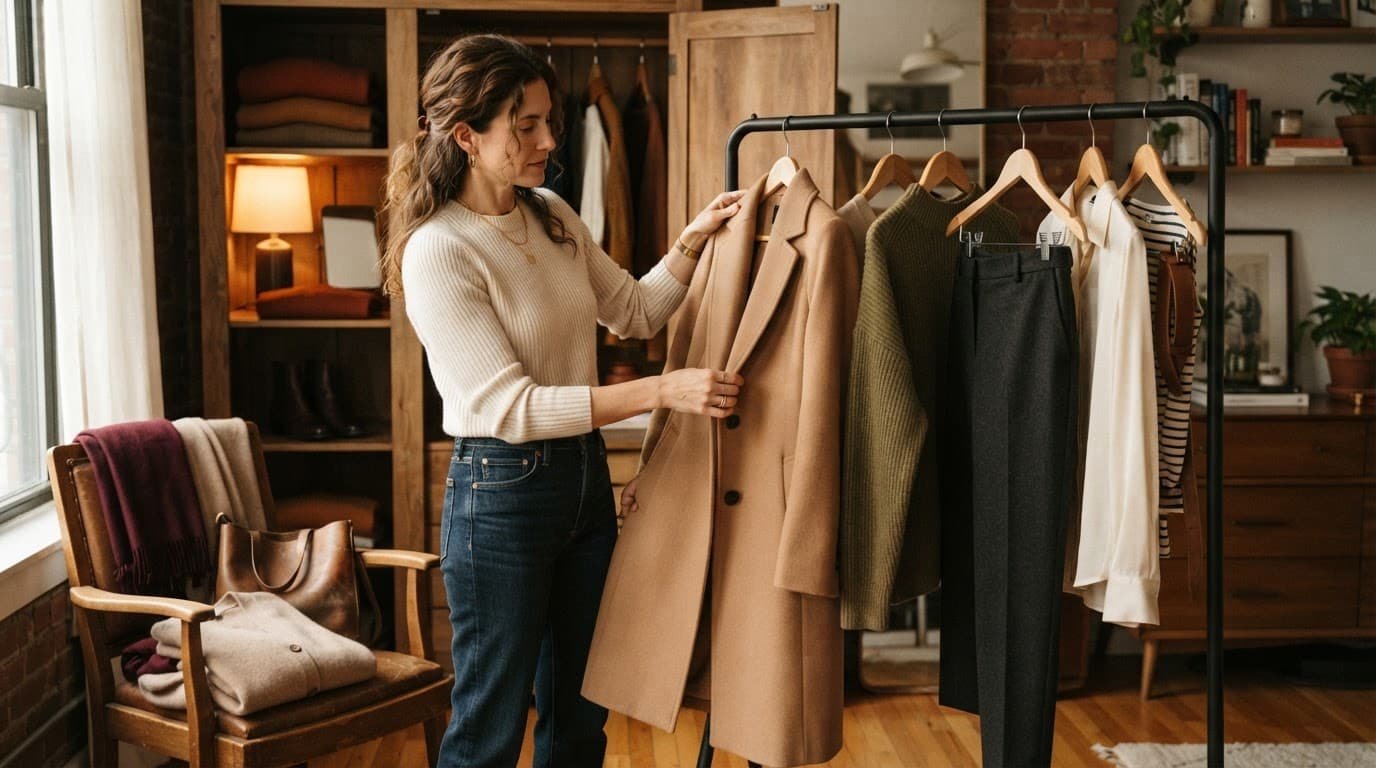
Wear each anchor with at least three pieces you already own. A tailored coat can finish jeans for the weekend, trousers for work, and a knit dress for dinner. Meanwhile, a refined sweater can sit beneath a peplum jacket, soften a suit, or pair with a statement skirt.
Choose colors that fit your actual life. A bright fuchsia coat may look beautiful in a forecast, but brown, olive, cream, or navy could serve you better if they match your existing shoes and bags. Add trend pieces only after the foundation works together.
Try trends without sacrificing comfort or personal style
Every trend has a lower-key version. Test a drop waist with a belt worn lower on the hips, or choose a jacket with a subtle peplum instead of a dramatic dress. A fitted knit brings in the body-skimming look, while a sheer sleeve or translucent overlay offers coverage with a lighter touch.
Leopard print can begin with a belt, scarf, handbag, or pair of flats. These smaller purchases also work well for date nights, when one expressive detail can change a familiar black dress or tailored outfit.
For workwear, combine one trend with dependable pieces, such as a peplum jacket and straight trousers. On weekends, try a leopard accessory with denim and a soft sweater. During transitional weather, layer a sheer blouse under a vest or wear a fitted knit beneath an open coat.
Your clothes should let you sit, walk, breathe, and add layers. Body autonomy matters more than copying a runway proportion. If a trend feels restrictive, revealing, or unlike you, adjust it or leave it behind. You can also use a simple go-to outfit formula to make daily dressing easier.
Shop more thoughtfully through quality, resale, and repair
Separate investment purchases from inexpensive trend tests. Spend more carefully on coats, tailoring, boots, and knitwear because these pieces can carry many outfits. Save on scarves, belts, tights, costume jewelry, and statement prints until you know you’ll wear them often.
Check fiber content, seams, lining, closures, and care instructions before buying. The FTC’s textile labeling guidance explains what fiber and care information clothing labels should provide. A garment that requires frequent expensive cleaning may cost more than its price suggests.
Resale and vintage shops are useful for wool coats, leather accessories, tailored jackets, and leopard prints. Still, secondhand doesn’t automatically mean better quality. Inspect the fabric, look for odors or damage, and ask whether repairs are possible.
A tailor can often improve an imperfect fit through hemming, sleeve adjustments, or waist alterations. Care for the pieces you keep, repair small problems early, and pass unwanted clothing to a responsible resale, donation, or textile-recycling option. Before buying, ask one practical question: Can I picture wearing this at least 10 times?
Conclusion
Fall 2026 fashion trends bring grounded color, clean tailoring, soft romance, expressive prints, and useful accessories into the same wardrobe. Rich browns, olive, maroon, and spice tones give outfits warmth, while slimmer suits, sculpted coats, sheer layers, peplums, lace, and leopard print add shape and personality. The season feels polished yet practical, with pieces that can move through workdays, weekends, and evenings.
The strongest wardrobe isn’t the one that follows every runway signal. It’s the one that respects your comfort, budget, lifestyle, and personality while helping you feel like yourself. Choose one neutral anchor, add one seasonal shape, and finish with one bold accent. That simple formula gives Fall 2026 fashion a place in your closet without letting trends take over it.
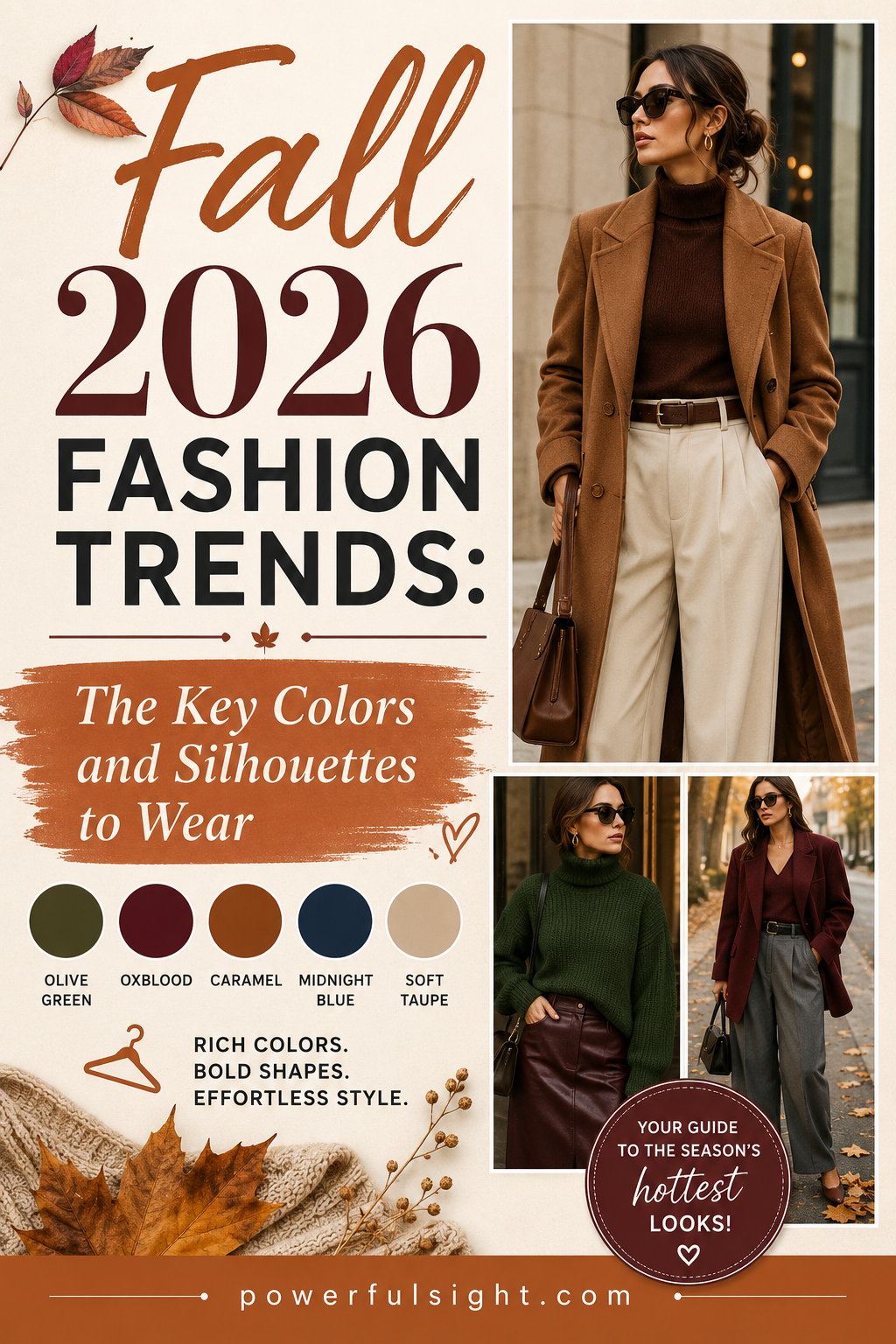
Save the pin for later

- 25 Gothic Tattoo Ideas for a Bold, Dark Look - 21/09/2026
- 34 Black Fine Line Tattoo Ideas for a Delicate Look - 21/09/2026
- 23 Micro Tattoo Ideas for Women With Meaning - 21/09/2026

