Up to 20-30 percent of breastfed babies show sensitivity to foods to avoid while breastfeeding, based on recent studies. These can pass through breast milk, causing fussiness, gas, rashes, or reflux. But don’t worry; simple changes help most moms.
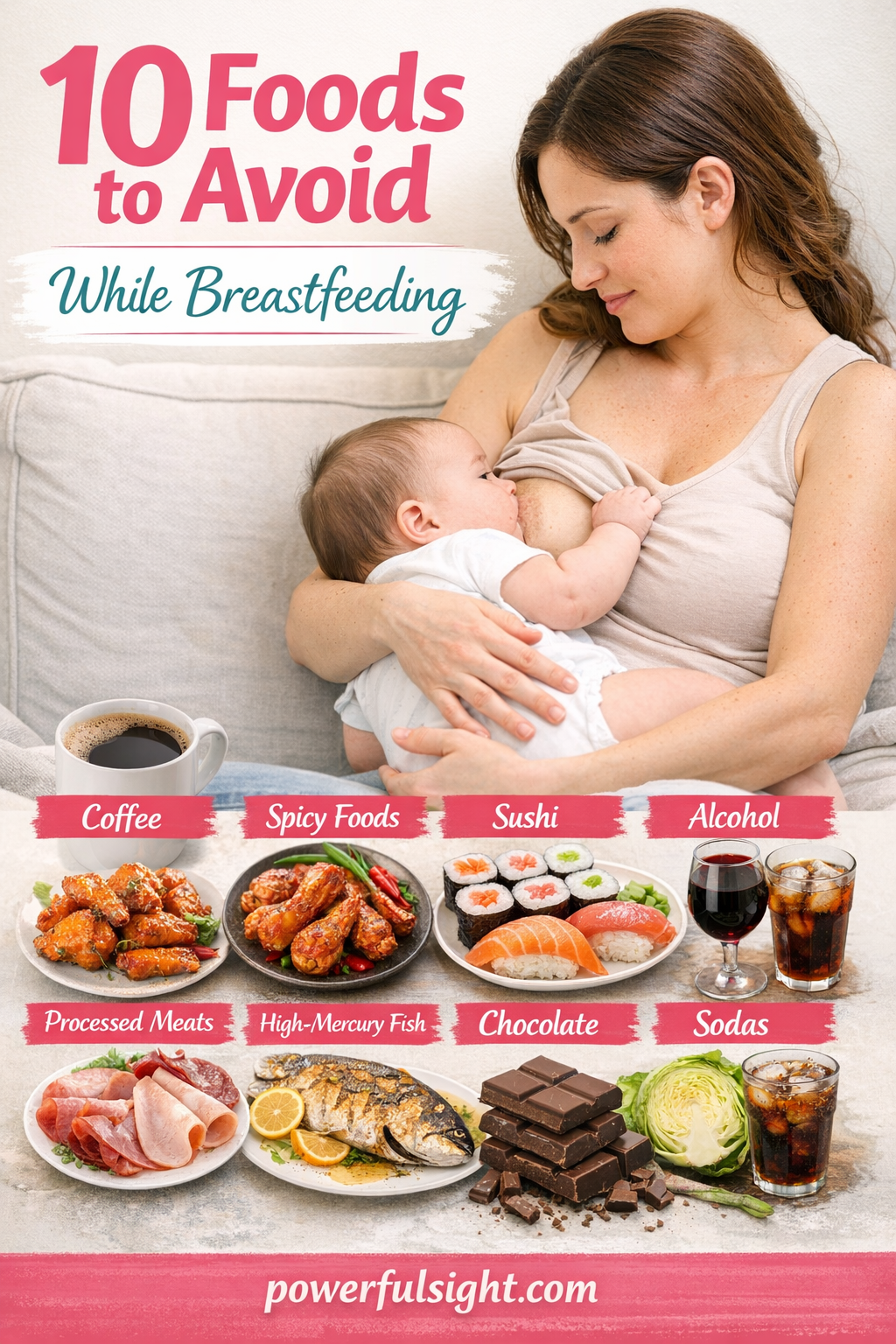
Drawing from 2026 guidelines by Cleveland Clinic, WebMD, and pediatric experts, here are the top 10 foods to avoid while breastfeeding:
- Dairy products
- Eggs
- Peanuts and tree nuts
- Soy
- Wheat
- Caffeine
- Alcohol
- High-mercury fish (shark, swordfish)
- Cruciferous veggies (broccoli, cabbage)
- Chocolate
This post breaks down why each impacts your baby, common symptoms to spot, safe limits or tasty alternatives, plus easy testing tips. You’ll nurse with confidence and enjoy calmer, happier days ahead.
For quick insights, check out this video: Breastfeeding and Diet – What I Should (And Shouldn’t) Be Eating.
How What You Eat Shows Up in Breast Milk and Affects Your Baby
Your diet shapes breast milk more than you might think. Flavors from garlic or curry, proteins from dairy or eggs, caffeine from coffee, alcohol, and even toxins like mercury from certain fish slip into your milk within 2 to 24 hours. So, babies taste what you eat. Not every infant reacts, yet many show fussiness to common foods to avoid while breastfeeding.
Your afternoon latte, for example, can leave your little one wired and restless by evening. Reactions vary widely; one baby handles spice fine, while another gets gassy from broccoli. A balanced diet fuels you both, but small tweaks often calm issues fast. Recent Cleveland Clinic guidelines back this: focus on variety, but watch for sensitivities.

Key Signs Your Baby Might Be Reacting to Something in Your Diet
Spot reactions early to ease discomfort. Symptoms often match your meals, popping up 2 to 24 hours later. Keep a food diary; patterns emerge quick.
Common signs include:
- Extra gas or bloating: Baby squirms, pulls legs up, or passes loud farts more than usual.
- Colic-style crying: Long, intense cries in the evening, hard to soothe.
- Skin rashes or eczema: Red, itchy patches on cheeks, arms, or torso flare suddenly.
- Spit-up or reflux: More frequent or forceful vomiting after feeds.
- Poor sleep: Wakes often, arches back, or seems unsettled.
- Nursing refusal: Turns away or acts fussy at the breast.
- Mucus or blood in stool: Slimy, frothy, or streaked diapers signal gut upset.
- Diarrhea: Loose, watery stools beyond normal newborn patterns.
Always see your pediatrician first. Rule out infections, reflux, or allergies. Then, test one food at a time; cut dairy for two weeks, note changes, reintroduce slowly. Most babies improve fast.
Toxins, Stimulants, and Strong Flavors That Can Pass to Your Baby
Your baby relies on breast milk for everything, so toxins or stimulants from your plate can sneak in too. High-mercury fish risk brain harm. Caffeine and alcohol disrupt sleep. Spicy foods or fake sweeteners change taste or cause tummy woes. Recent 2026 guidelines from the CDC and FDA urge caution on these foods to avoid while breastfeeding. You feel the worry, but smart swaps keep nursing smooth. Let’s break down each one.
High-Mercury Fish Like Shark, Swordfish, and Tilefish
Big predator fish soak up mercury from polluted waters. It builds in their flesh and passes into your milk. There, it harms your baby’s developing brain and nerves. Even low exposure over time raises risks for delays in speech or motor skills.
Skip these completely: shark, swordfish, tilefish, king mackerel, bigeye tuna. The FDA’s fish advice chart marks them highest risk.
Instead, enjoy 8-12 ounces weekly of safer picks. Salmon, shrimp, pollock, catfish, tilapia, trout, cod, or canned light tuna deliver omega-3s for baby’s growth.
Signs stay rare but serious. Watch for developmental lags. Test by cutting them out for 2-3 weeks. Note changes, then talk to your doctor.

Caffeine in Coffee, Tea, Chocolate, and Sodas
Caffeine crosses into milk fast and easy. Babies process it slower, so it builds up. Over 300 mg daily, about 2-3 cups of coffee, leads to irritability, poor sleep, colic, or extra gas.
Common sources hit hard. Coffee packs 95 mg per cup. Tea adds 47 mg. Sodas and energy drinks pile on 30-80 mg. Chocolate sneaks in 20-40 mg per bar.
Limit to 1-2 cups daily. Track your baby’s cues closely. Switch to decaf or herbal teas. Reactions show in hours, like wakeful nights or fussing.
Most moms notice calm returns quick after cuts.

Alcohol and Its Effects on Nursing Time
Alcohol enters milk fast, peaks in 30-60 minutes, then fades. Even small amounts slow baby’s breathing, deepen sleep too much, or stall development.
One standard drink means one beer, glass of wine, or shot. Wait 2-3 hours per drink before nursing. That lets levels drop safe.
Best choice stays avoidance. Pump and dump if needed, but skip feeding that milk. Try non-alcoholic beers or mocktails for flavor.
Drowsiness or weak sucking signal issues. Your baby deserves clear-headed feeds, so plan around nursing times.
Spicy Foods Such as Chilies, Curry, and Garlic
Strong spices tweak milk’s flavor fast. Your baby tastes them and may refuse the breast, pull away gassy, or cry more.
They pop up in ethnic dishes like curry or garlic-heavy stir-fries. Not every baby minds, but sensitive ones react in 12-24 hours.
Limit if fussiness spikes. Mild spices work for some. Swap with herbs like basil or ginger. Bland meals test the change.
Keep a diary. Cut back 2 weeks, watch for less gas or better latch. Comfort returns soon.
Artificial Sweeteners in Diet Drinks and Snacks
These slip into milk and stir gut concerns. Aspartame or sucralose link to later obesity risks, per ongoing studies. 2026 research calls for limits.
Diet sodas or sugar-free gums add up quick. Heavy use may upset baby’s digestion.
Skip them mostly. Sweeten with honey, fresh fruit, or stevia in small doses. Watch for loose stools or colic.
Whole fruits satisfy better. Your choices shape baby’s start right.
Allergens, Gas Makers, and Supply Dippers to Watch Closely
Certain foods to avoid while breastfeeding spark allergies, gas, or even dips in milk supply. Your baby might fuss from tummy pain or rashes, but reactions differ for each infant. Recent advice from Cleveland Clinic stresses testing one food group at a time for two weeks. Track symptoms like extra gas or poor sleep. Spot hidden sources in processed items, then swap for gentle options. Most moms see quick relief.
Dairy Products Including Milk, Cheese, and Yogurt
Cow’s milk proteins often upset breastfed babies. They pass through your milk and trigger gas, rashes, reflux, or bloody stools. You might notice your little one pulling legs up or crying after feeds.
These proteins hide in many spots. Think cheese on pizza, yogurt in smoothies, butter in baked goods, or whey in snacks. Even ice cream sneaks them in.
Cut all dairy for two weeks. Watch for calmer nights and cleaner diapers. Then try reintroducing slowly.
Switch to plant-based picks instead. Almond milk, oat milk, or coconut yogurt work well. Get calcium from leafy greens or fortified juices too.
Hypoallergenic formulas help if needed, but nursing stays best. Your pediatrician guides the plan.

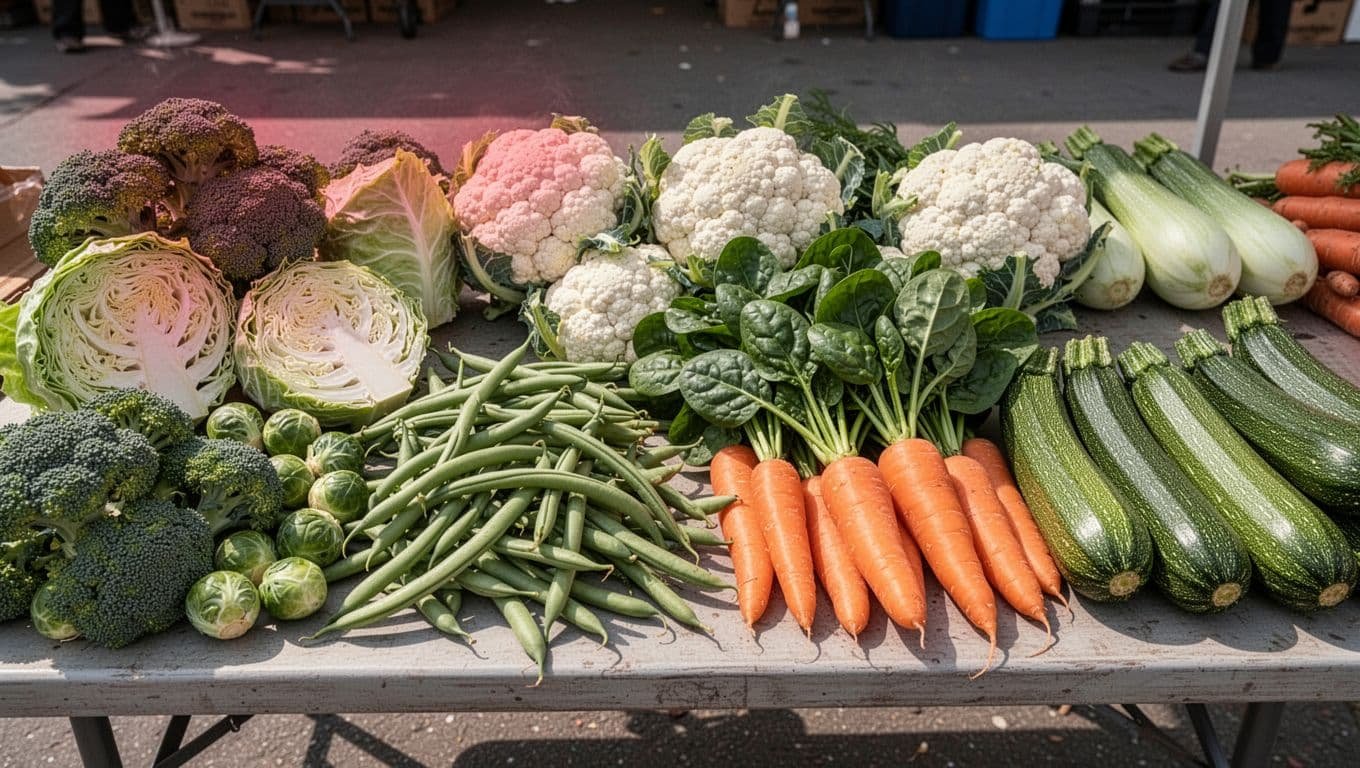
Gassy Vegetables Like Broccoli, Cabbage, and Beans
Broccoli, cabbage, and beans ferment in your gut. The gases travel to your milk, leaving baby bloated, burpy, or uncomfortable. Fussiness peaks hours after your meal.
Add cauliflower, onions, and Brussels sprouts to the watch list. They share those tough fibers.
Cook them thoroughly or eat small amounts first. Still, skip if your baby squirms often.
Gentler veggies fill the gap nicely. Spinach, carrots, zucchini, or sweet potatoes digest easier. You keep nutrients without the drama.
Test by dropping them for two weeks. Note fewer cries or easier burps. Most babies tolerate small servings fine later.
Citrus Fruits and Acidic Picks Like Oranges and Strawberries
Citrus acids irritate sensitive tummies. They lead to diaper rash, diarrhea, or extra spit-up in some babies. Your infant might arch back during feeds.
Watch oranges, strawberries, kiwi, pineapple, and grapefruit too. Juices pack the same punch.
Limit them if rashes flare post-meal. Fresh bites count, so track intake.
Bananas, pears, apples, or melons soothe better. Bell peppers supply vitamin C without sting.
After two weeks off, retest gently. Symptoms often fade fast for most.
Soy Foods from Tofu to Hidden Additives
Soy proteins mimic dairy woes. Babies with milk sensitivity get gas or reflux from them too. Colic cries or mucus stools signal trouble.
Spot soy in tofu, edamame, cereals, baked goods, or soy sauce. Lecithin hides in chocolates and breads.
Eliminate after a dairy trial. Check labels closely for two weeks.
Pea protein, rice milk, or lean meats swap in easy. Coconut options add variety.
Your food diary reveals patterns quick. Consult your doctor before big cuts.
Herbs Like Peppermint, Parsley, and Sage
Large doses act as anti-galactagogues. They might drop your milk supply or alter taste, so baby refuses feeds. Fewer wet diapers warn you.
Teas, supplements, or candies deliver the hit. Small cooking amounts stay safe usually.
Cut back if supply lags. Ginger or fennel teas boost flow instead.
Monitor diapers and baby’s latch daily. Basil or oregano season meals fine.
Two weeks clarifies effects. Supply rebounds with pro-lactation swaps.
Simple Ways to Test and Adjust Your Diet for Better Results
You suspect certain foods to avoid while breastfeeding bother your baby. Start an elimination diet to confirm it. Cut one food group, like dairy, for 2-3 weeks. Note improvements in gas or fussiness. Then reintroduce it slowly and watch reactions. Consult your doctor or lactation expert first. They guide safe steps. Boost calories by 500 daily with nuts, avocados, or oats to stay nourished and keep milk flowing. Most moms see changes fast. This method pinpoints triggers without guesswork.
Tracking Meals and Baby’s Responses Effectively
Log every bite in an app or journal. Note what you eat, when, and your baby’s symptoms like cries or rashes. Time matters because reactions hit 2-24 hours later. Patterns show up quick, often in days.
Apps make it simple. Try mySymptoms Food Diary for easy tracking. Or use Tummy Tamer to spot gut trends.
Share logs with your doctor. They spot links you miss.

For details, see this Elimination Diet guide. Your records turn chaos into calm feeds.
Baby-Safe Foods That Keep You Nourished and Satisfied
You cut out the triggers, so now fuel up right. Safe foods keep your energy high, boost milk supply, and nourish your baby without upset. Add about 500 extra calories daily from nutrient-packed picks. Variety matters because it flavors milk gently and covers all bases.
Whole Grains and Oats to Support Milk Flow
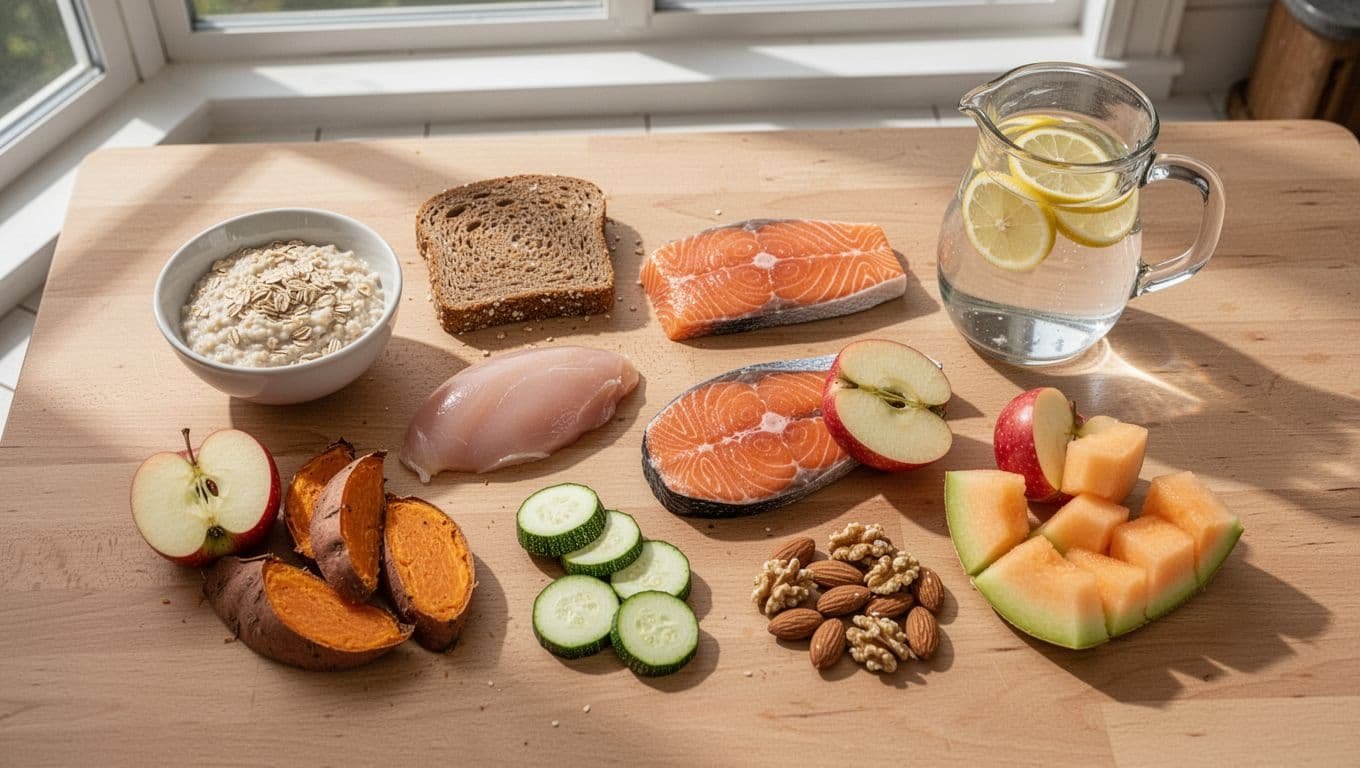
Oats top the list because they help milk production. Start your day with oatmeal topped with apples or bananas. Whole grain bread or brown rice adds fiber for steady energy. These choices prevent constipation too.
Lean Proteins and Low-Mercury Fish for Growth
Lean chicken, turkey, or eggs build strength fast. Low-mercury salmon, shrimp, or canned light tuna offer omega-3s for baby’s brain. Grill chicken with zucchini for a quick meal. The CDC on maternal diet recommends these often.
Gentle Veggies, Fruits, and Nuts for Vitamins
Zucchini, sweet potatoes, apples, and melons digest easy. They supply vitamins without gas. Nuts like almonds provide healthy fats. Toss sweet potato in a salad or blend melon smoothies.
Drink plenty of water, at least 13 cups daily. Herbal teas count too. Try overnight oats with nuts and fruit, or baked salmon with veggies. These keep you full and your baby happy.
Conclusion
Most moms breastfeed just fine on a normal diet. These 10 foods to avoid while breastfeeding only matter if your baby shows clear signs like extra gas or fussiness.
Always chat with your pediatrician before big changes. They help spot real issues and guide safe tests. In addition, track meals for patterns that match your little one’s responses.
Try cutting one suspect food today and note the difference. Share your story in the comments below; other moms love the tips. Above all, these steps build stronger bonds through peaceful nursing.
Save the pin for later

- Healthy Air Fryer Recipes for Beginners - 21/09/2026
- Healthy Snacks for Late Night Cravings - 21/09/2026
- High Protein Meal Prep Ideas for Easy Weekly Meals - 21/09/2026

