Being vulnerable in a relationship can feel scary. Most of us are used to protecting ourselves (hiding the parts we think are “too much” or “not enough,” just to avoid getting hurt). It’s easier to stay guarded than to risk being fully seen.
But the truth is, real connection doesn’t grow behind walls. It grows in those honest moments, when you share what you’re actually feeling, when you admit you’re unsure, when you let someone see the real you (not just the polished version).
Vulnerability isn’t about oversharing or being perfect with your emotions. It’s simply about being real. Researcher Brené Brown calls it uncertainty, risk, and emotional exposure. You show up anyway, because that’s courage. And while it might feel uncomfortable at first, it’s often the thing that brings you and your partner closer.
Think about it. When you hide your fears or needs, resentment builds. Your partner senses the distance, even if they can’t name it. Over time, that gap widens. Small arguments turn big. Intimacy fades. You both end up lonely, side by side.
Studies back this up. Couples who practice vulnerability report stronger trust and satisfaction. They fight less about the same old stuff. They feel safer together. Brown points out that without it, you miss out on love, belonging, and joy.
So why hold back? Past hurts might make you cautious (and that’s okay). But staying closed off keeps you stuck. The good news is you can learn how to be vulnerable in a relationship without losing yourself.
Ready to let your walls down? Let’s walk through these steps together.
What Being Vulnerable in a Relationship Actually Means
You might think vulnerability means spilling every secret right away. It doesn’t. Being vulnerable in a relationship means you share your real feelings, fears, or needs with your partner. You risk a bit, because you trust them to handle it kindly. This openness creates deeper bonds. But first, spot if you’re still holding back. Then, see why it’s brave, not weak.
Signs You’re Holding Back Emotionally
Do you notice patterns that keep talks surface-level? These habits protect your heart short-term. Yet they stop true connection long-term. Here are four common ones:
- You skip deep conversations. Ask about their day? Sure. Share your worries about work or family? Not so much. This shields you from judgment. But your partner feels shut out, like they can’t reach you.
- Humor deflects tough topics. They ask how you feel about a fight. You crack a joke instead. Laughter eases tension fast. Still, it leaves issues unsolved, building quiet resentment.
- You change the subject quick. Talk turns personal, so you pivot to plans or chores. Avoidance feels safe. Over time, though, it signals emotional walls, making intimacy fade. Check how to respond when your partner shuts down for related tips.
- Short answers replace sharing. “Fine” or “Okay” ends questions. You guard pain from past hurts. Partners sense the distance and pull back too.

These signs show self-protection. They block the closeness vulnerability brings. Notice them? Time to shift.
The Difference Between Vulnerability and Weakness
People mix up vulnerability with weakness. They aren’t the same. Vulnerability takes real courage. You face uncertainty and share anyway. Weakness hides or fakes strength. Pretending you’re fine when scared? That’s the weak move.
Vulnerability builds trust instead. Brené Brown’s research shows it in small moments. When you share something key and your partner responds with care, bonds grow. One study tracked couples for weeks. Days with honest shares led to more closeness. Hiding kept them flat.
Take this example. You feel scared about money troubles. Admitting “I’m scared we won’t make it” invites support. Pretending “Everything’s fine” breeds doubt. Your partner wonders what’s hidden. Over time, trust erodes.
Recent data agrees. Men who open up feel more intimate right away. It signals self-trust too. For deeper insight, read Brené Brown’s “Anatomy of Trust”.

Strength shows when you drop the armor. Your relationship gets stronger for it.
Why Opening Up Feels So Scary and How Your Brain Plays a Role
Opening up triggers a deep fear response. Your brain sees vulnerability as a threat. It kicks into survival mode to protect you. That’s why being vulnerable in a relationship often feels like stepping into danger.
Your amygdala, the brain’s fear center, plays the main role here. It spots emotional risk fast. Past hurts make it extra sensitive. When you share feelings, it fires alarms. Heart races. Thoughts spin to worst-case scenarios. You freeze or pull back. This reaction kept our ancestors safe from predators. Now it blocks closeness.
Research shows the amygdala lights up for both love and fear. It struggles to tell them apart. So you hesitate to share, even with a safe partner. But you can rewire this over time. Small shares met with care calm the alarm. Trust grows. Your brain learns safety exists.

How Past Heartbreaks Shape Your Guarded Side
Past heartbreaks build thick walls around your heart. Betrayal or rejection wires your brain for caution. You expect pain, so you stay guarded. Each letdown strengthens that reflex.
Corrective emotional experiences change this pattern. They happen when a partner responds with consistent care. You share a fear. They listen without judgment. Safety registers. Trust rebuilds bit by bit. Psychology Today explains how these moments heal relational trauma through new neural paths.
Studies support it. One experiment found trust recovers faster in longer relationships after a breach. The brain shifts from controlled fear to automatic forgiveness. Another on couples post-infidelity showed open talks and support deepen bonds over time.
Your current partner offers these chances. Start small. Share a worry. Note their response. Positive ones stack up. Old guards crack. See how to overcome trust issues for more steps. Healing takes repetition, but it works.
The Real Benefits of Vulnerability for You and Your Partner
Vulnerability pays off in ways you can feel right away. You and your partner grow closer. Trust deepens. Intimacy sparks. It shifts your relationship from polite distance to real partnership. Both of you benefit because openness invites care in return.
When you share a true feeling, your partner sees you fully. They respond with understanding. That moment sticks. You feel safer next time. Over weeks, these exchanges stack up. Your bond strengthens. Studies confirm it. Couples who share daily personal thoughts report more trust and satisfaction. One recent analysis found that warm responses to vulnerability boost closeness that same day.

How to be vulnerable in a relationship starts here. You gain self-trust too. Opening up proves you can handle the risk. Your partner feels chosen. They open more. Everyone wins.
How It Strengthens Trust Over Time
Trust builds through repeated safe experiences. You share a small fear, like worry over a work deadline. Your partner listens. They offer support, no judgment. That response registers as safe. You note it. Next time, you share a bit more.
These moments add up. Early on, you test the waters. A kind reply calms your nerves. Your brain learns this partner handles your real self well. Over months, vulnerability becomes habit. Trust turns solid because proof piles high.
Research shows the pattern. In one six-week study, daily shares followed by empathy led to steady trust gains. Without them, couples drifted. Another found men felt closer instantly after opening up. It signals reliability both ways.
Past hurts fade as new positives overwrite them. Check fostering vulnerability for intimacy for practical ways. Consistency matters most. Small shares create the safety net. Your relationship thrives on it.
Practical Ways to Start Being Vulnerable Right Now
You know the steps to how to be vulnerable in a relationship. Now put them into action. These practical moves help you share without overwhelm. Start today. Pick one. Notice how your partner responds. Small habits build big trust over time.

Step 1: Check Your Emotional Heat Before Sharing
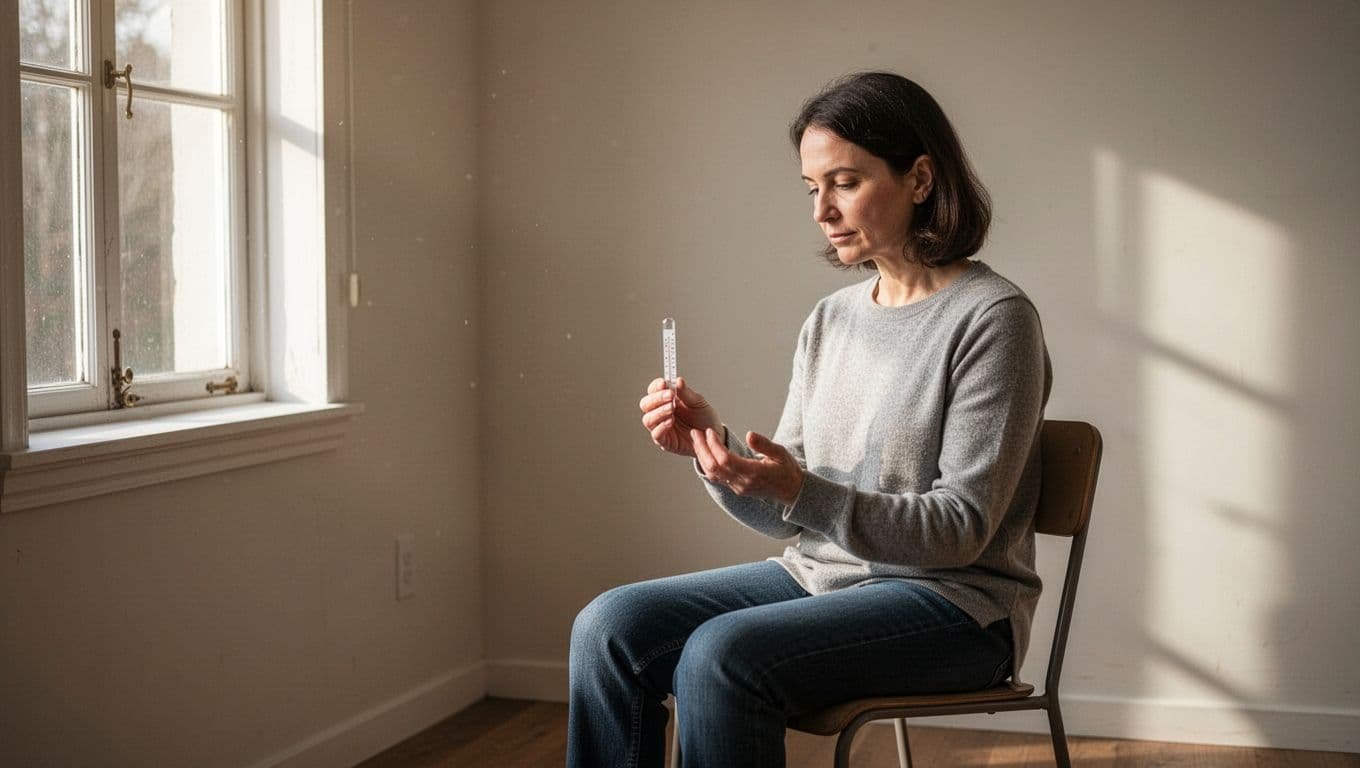
Pause first. Rate your feelings on a scale of 1 to 10. Low heat, like 3 or 4? Go ahead and share. High, say 8? Wait. Your brain floods with stress. Words come out sharp. Instead, breathe deep for two minutes. Name the emotion: mad, scared, sad. This cools you down.
Why does it work? High activation hijacks clear thought. Recent tips stress staying in your “window of tolerance,” around 5 to 7. Below that, you numb out. Above, you explode. Manage it, and shares land soft.
Try these scripts next time tension rises:
- “I’m at an 8 right now. Give me 10 minutes to settle, then I’ll explain.”
- “My chest feels tight. I’m scared, not angry. Let me breathe first.”
After calming, say the truth: “I felt hurt when plans changed.” Partners respond better. You stay connected. Practice alone daily. Journal your heat levels. It trains you fast.
Step 2: Share the Feeling Under Your Frustration
Frustration masks softer stuff. Peel it back. Ask yourself: What’s really there? Hurt? Fear? Loneliness? Defenses hide the truth. Share the core instead.
For example, your partner forgets date night. First reaction: “You’re always late!” Stop. Dig deeper. The real feeling? “I feel unimportant.” Say that. It shifts everything.
Layers go like this: Anger guards hurt. Hurt covers fear. Fear points to need. Use “I” statements. They own your part.
Here are real swaps:
- Instead of “You never listen,” try “I feel alone when I talk and you check your phone.”
- Skip “You’re selfish.” Go with “I’m scared we’ll drift apart without time together.”
This invites care, not fights. One study shows these shifts boost empathy same day. Your partner sees your heart. They step closer. Start with one layer today. Notice the difference.

Step 3: Build with Small Shares and Safe Replies
Consistency matters. Share small daily. “I felt proud today at work.” Or “This song reminds me of us.” Low risk builds the habit.
Watch your partner’s reply. Do they lean in? Ask more? That’s safe. Nod and move on? Neutral. Dismiss or attack? Red flag. Safe replies grow trust. Unsafe ones signal pause.
Make it routine. Share one truth over coffee. Note their words. Positive? Share bigger next time. Research says repeated kind responses rewire your brain for safety.
Try questions to improve emotional intimacy for prompts. They spark easy shares. After a week, you’ll crave these moments. Your bond deepens. Fights drop. Keep going.
Pitfalls to Avoid When Trying to Open Up
You start how to be vulnerable in a relationship with good intentions. Yet common mistakes trip people up. These errors turn small risks into bigger problems. They push partners away instead of pulling them close. Spot them early. Then you stay on track for real connection.
Avoid these traps to keep your shares safe and effective. Each one stems from fear or habit. But you can fix them with awareness.

Oversharing or Emotional Dumping All at Once
You feel ready to open up. So you spill years of pain in one night. It overwhelms your partner. They freeze or pull back. That’s emotional dumping. It feels honest to you. But it lands like a flood.
Start small instead. Share one feeling at a time. Let your partner catch up. Research shows gradual shares build trust faster. Big dumps trigger their defenses. Wait for safe replies before going deeper. Your bond grows steady.
Ignoring Your Emotional Temperature
Heat rises fast during talks. You push through anyway. Words turn sharp or desperate. Your partner hears attack, not vulnerability. Check your level first. At a 7 or higher? Pause and breathe.
This keeps shares clear. Partners respond with care when you stay calm. High heat hijacks your message. Practice alone. Name the feeling. Then speak. It changes everything.
Blaming Instead of Naming Your Feelings
Hurt hits. You point fingers. “You always ignore me.” Blame shuts doors. It sparks fights, not empathy. Peel back to the truth. “I feel alone right now.” That invites support.
Defenses like criticism block closeness. Studies confirm “I” statements boost understanding same day. Own your part. Watch resentment fade. For more on habits that harm bonds over time, see 15 things that destroy relationships slowly.
Expecting Instant Fixes or Change
You share a fear. Now fix it, partner. That’s the trap. Vulnerability seeks connection, not solutions. Your partner can’t erase old wounds overnight. They just need to hear you.
Pressure backfires. Give space for empathy first. Change comes slow, with practice. Brené Brown notes true openness risks discomfort for belonging. Patience strengthens trust. Rushing weakens it.
Skipping Safety Checks with Your Partner
No trust base? Shares feel risky. Past betrayals make you scan for red flags. Jump in blind, and rejection stings double. Build safety first through small, consistent moments.
Test waters daily. Note kind replies. Unsafe patterns? Address them. One source outlines vulnerability capacity after hurt. It stresses neurobiology over quick tries. Safety lets vulnerability thrive.
Conclusion
Vulnerability means sharing real feelings and fears, not weakness. Barriers like brain-wired fear and past hurts block it. Yet benefits such as deeper trust and intimacy make it essential. The steps cover it all: check your emotional heat first, name the true feeling under frustration, build habits with small shares, and dodge common traps like dumping or blaming.
Small, consistent steps create safety over time. Your partner responds with care. Bonds grow stronger because you both feel seen.
Save the pin for later

- 60 Color Tattoos That Healed Beautifully - 25/09/2026
- 40 Most Painful Tattoo Spots - 24/09/2026
- 20 Tattoo Aftercare Mistakes That Ruin Fresh Ink - 23/09/2026

