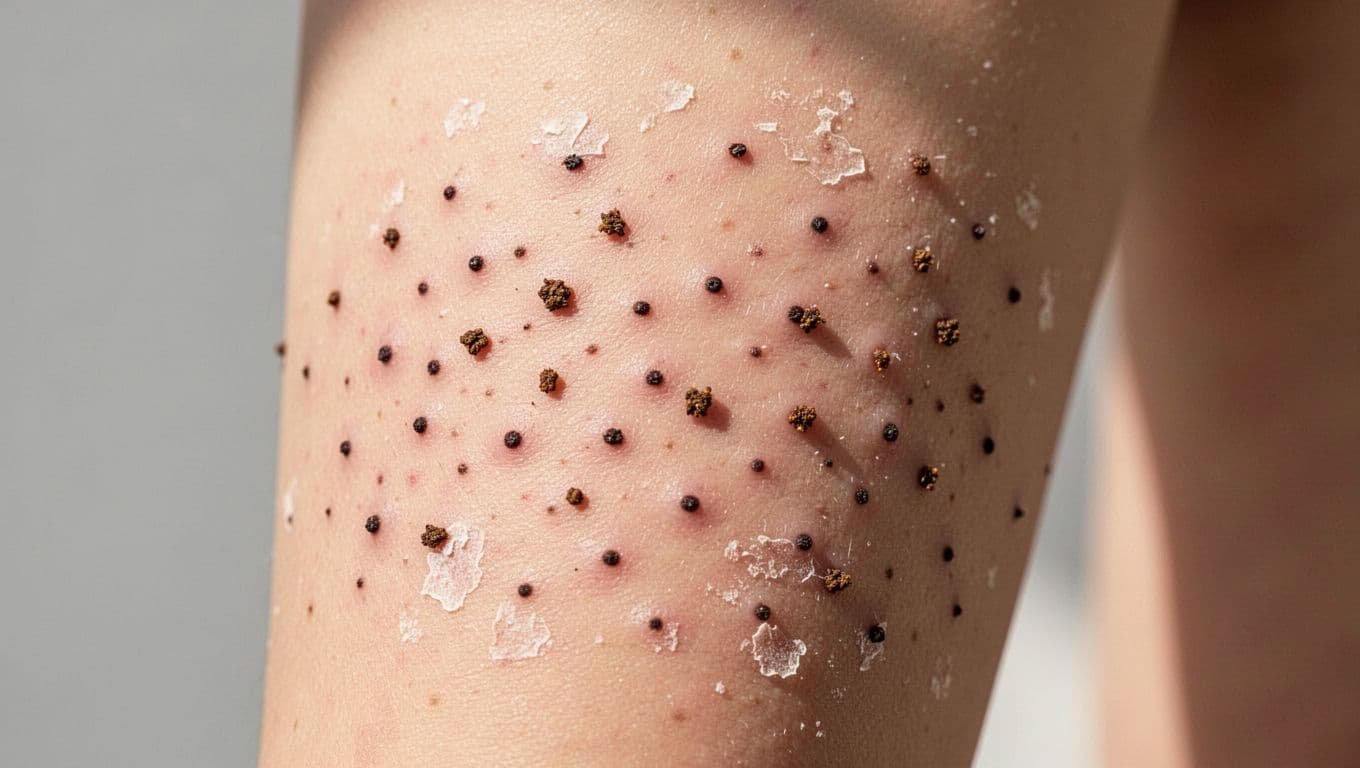
Strawberry legs look like small dark dots on the skin, much like strawberry seeds. They usually show up when pores get clogged with dead skin, trapped hair, oil, or shaving irritation, and while they can look stubborn, they’re common and usually harmless.
If you want to know How to Get Rid of Strawberry Legs fast, the short answer is this: gentle exfoliation, better shaving habits, and daily moisture tend to work the quickest. Some changes, like smoother skin and fewer visible dots, can show up in a few days, while more stubborn cases may take a few weeks to fade.
It also helps to know when it may not be strawberry legs at all. If you have red, painful, itchy, or rough bumps, you could be dealing with folliculitis or keratosis pilaris instead, and that can change what works best. Next, you’ll see the fastest safe fixes, what to expect in days versus weeks, and when it’s time to treat it as something else.
What strawberry legs really are, and why they show up after shaving
Strawberry legs are those tiny dark dots that show up where your hair follicles sit. They often stand out after shaving because the hair is cut at the surface, the pores are more open, and anything left inside that opening becomes easier to see. In many cases, the dots are just clogged follicles with oil, dead skin, shaving residue, or a short trapped hair that looks darker once it hits the air.
That dark look can seem more obvious on lighter skin or if you have darker, thicker hair, but anyone can get it. If you’re trying to figure out How to Get Rid of Strawberry Legs, it helps to know whether you’re dealing with harmless dotted pores or something more irritated.
The most common causes, clogged pores, dry skin, and trapped hair
The most common trigger is a clogged follicle. After shaving, each follicle is like a tiny open cup. Oil, dead skin, dirt, leftover shaving cream, and bits of cut hair can settle in there. Once that debris is exposed to air, it can oxidize and turn darker, which is why the dots can look almost black.
Dry skin makes the whole thing easier to notice. When skin is rough or flaky, it traps more dead cells around the follicle opening. It also reflects light unevenly, so the dark dots stand out more. That’s one reason strawberry legs can look worse in winter or after long, hot showers.
Your shaving habits matter, too. A dull razor can drag instead of glide, which leaves more irritation and can push debris into the follicle. Shaving without cream or gel adds friction, strips moisture, and raises the chance of tiny nicks and trapped hairs. According to Healthline’s overview of strawberry legs, clogged pores and oxidized material in the follicle are common reasons those dots appear after shaving.
A short hair can also curl back or stay tucked under the skin. When that happens, the follicle may look like a dark plug instead of a smooth pore. Tight clothes, sweat, and skipped exfoliation can make this more likely because they keep the area warm, rubbed, and blocked.
When it may be razor bumps, folliculitis, or keratosis pilaris instead
Plain strawberry legs usually look flat and dotted. They may be annoying to see, but they often don’t hurt, sting, or itch much. If the area starts to feel tender or inflamed, you’re likely dealing with more than clogged pores.
A few signs point to something else:
- Redness that spreads around each follicle
- Itching or burning after shaving
- Pain when you touch the area
- Pus-filled bumps
- Rough, raised bumps that feel dry or sandpapery
Razor bumps tend to be raised and sore because the hair is growing back into the skin. Folliculitis often looks more inflamed and can come with red bumps or whiteheads because the follicle is irritated or infected. Keratosis pilaris usually feels rough, not smooth, and the bumps are often flesh-colored, pink, or red instead of dark dots. Health.com’s guide to strawberry legs and keratosis pilaris notes that rough, persistent bumps may need a different approach than standard shaving fixes.
If the spots are flat and dark, strawberry legs are more likely. If they’re red, itchy, painful, or filled with pus, treat it as a different skin issue.
If you notice swelling, warmth, spreading redness, or bumps that keep coming back, it may be time to see a doctor. That’s especially true if home care for How to Get Rid of Strawberry Legs isn’t helping, because the right fix depends on what the bumps really are.
The fastest way to get rid of strawberry legs at home
If you want the quickest safe fix, use a simple combo and stick with it: gentle chemical exfoliation, a better shave, and daily moisturizing. That routine clears buildup, cuts down irritation, and helps follicles look smoother instead of dotted.
You may notice softer skin in a few days. The dark dots usually take a bit longer, and many people see visible improvement in 1 to 2 weeks with steady care. If you’re wondering How to Get Rid of Strawberry Legs without making your skin angrier, this is the fastest at-home route that makes sense.
Start with gentle exfoliation to clear the dark dots faster
Exfoliation helps because those dots often come from dead skin, oil, and trapped debris sitting in the follicle opening. The goal is to loosen that buildup, not scrape your legs raw. For most people, 2 to 3 times a week is enough.
A salicylic acid body wash or lotion is a smart place to start if your pores look clogged. It gets into the follicle and helps clear out oil and debris. If your skin feels rough or flaky, glycolic acid or lactic acid can help lift dead skin from the surface so the dots look less obvious.

Keep it practical:
- Use your exfoliant on clean, damp skin.
- Apply a thin layer, then let it work.
- Don’t pair it with rough scrubs on the same day.
- If your legs sting, burn, or get very red, cut back.
Harsh scrubbing often makes strawberry legs worse because it adds friction and irritation. That can leave your skin looking more inflamed, even if the pores are cleaner. Cleveland Clinic’s guide to strawberry legs also points to exfoliation as one of the main home treatments, especially when clogged follicles are part of the problem.
If your skin is on the dry side, you can also borrow a few ideas from this fall skincare routine with gentle exfoliation, since dry, flaky skin tends to make the dots stand out more.
Gentle exfoliation helps speed up results. Rough scrubs usually do the opposite.
Fix your shaving routine so you stop making it worse
A bad shave can undo all your progress. Dry shaving, pressing too hard, or using an old razor can leave more irritation, more trapped hairs, and darker-looking dots. A few small changes make a big difference.
Use this order every time you shave:
- Shave after a warm shower. Warm water softens the hair and loosens buildup around the follicles.
- Apply shaving cream or gel. This gives the razor slip, so it glides instead of drags.
- Use a sharp, clean razor. Dull blades tug at the hair and irritate the skin.
- Shave in the direction of hair growth. You may not get the closest shave, but you lower the risk of ingrown hairs and dark pores.
- Use light pressure. Let the razor do the work.
- Rinse the blade often. A clogged razor spreads debris back across your skin.

This routine may feel slower, but it usually gets you better results faster because your skin has less to recover from. In other words, clean technique saves time later. Health.com’s treatment guide also notes that exfoliating and moisturizing after shaving can help reduce the look of strawberry legs.
If you shave often, replace your razor sooner than you think you need to. Once it starts dragging, it’s already working against you.
Moisturize right away to soften skin and reduce clogged follicles
Moisturizer is easy to skip, but it’s one of the fastest ways to make strawberry legs look better. When skin is dry, the surface gets rough and dull, and every dark follicle shows more. When skin is hydrated, it looks smoother, feels softer, and the dots usually stand out less.
Apply lotion right after showering or shaving, while your skin is still slightly damp. That helps trap water in the skin instead of letting it evaporate. Then keep moisturizing daily, even on days you don’t shave.
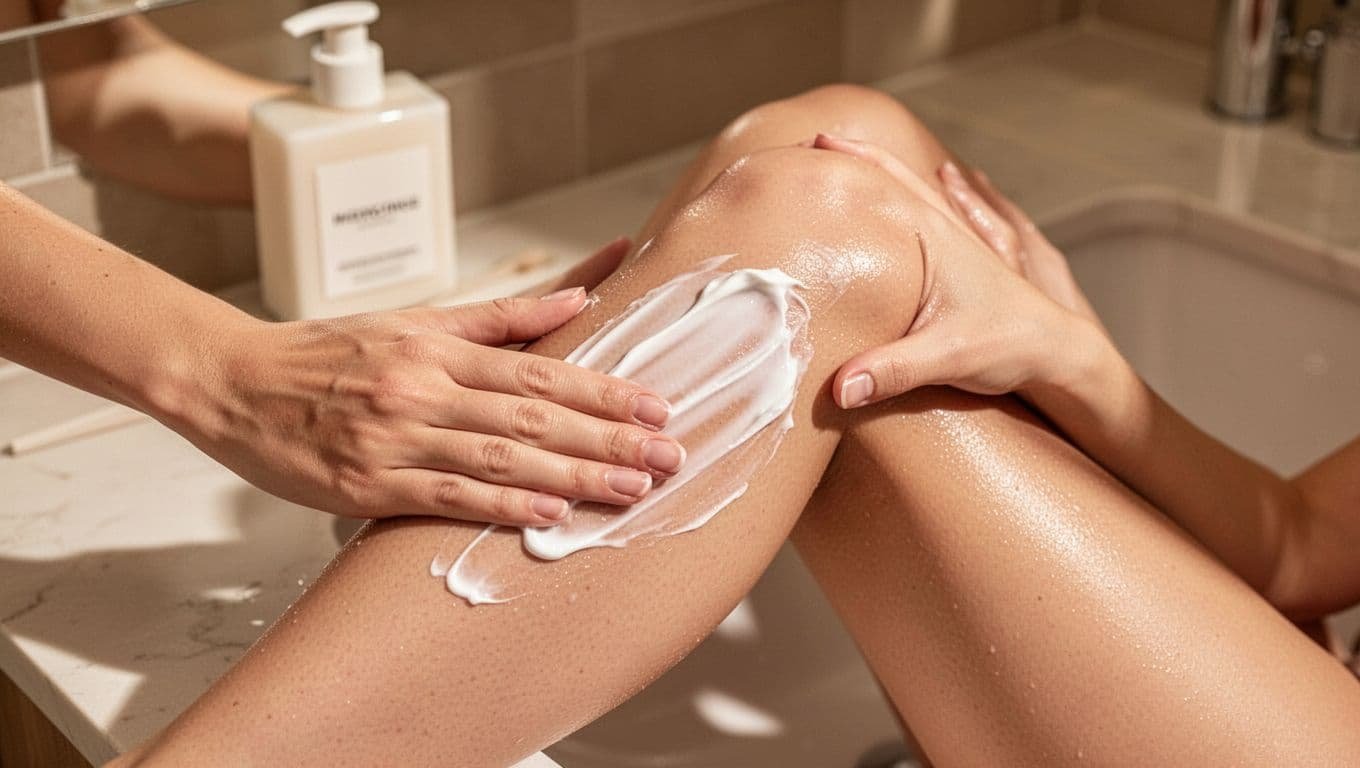
Look for formulas with ingredients like:
- Urea, which helps soften rough buildup
- Ceramides, which support the skin barrier
- Glycerin, which pulls in moisture
- Fragrance-free formulas, which are less likely to sting or irritate
This step matters even more if you’re using acids. Exfoliation clears the path, but moisturizer keeps the skin calm and flexible afterward. That can help reduce future buildup around follicles and make new dots less likely to show up.
If you want extra at-home skin care ideas, this guide to at-home pampering for better skin care has a few easy ways to keep your routine consistent without making it complicated.
A simple 7 day routine for faster results
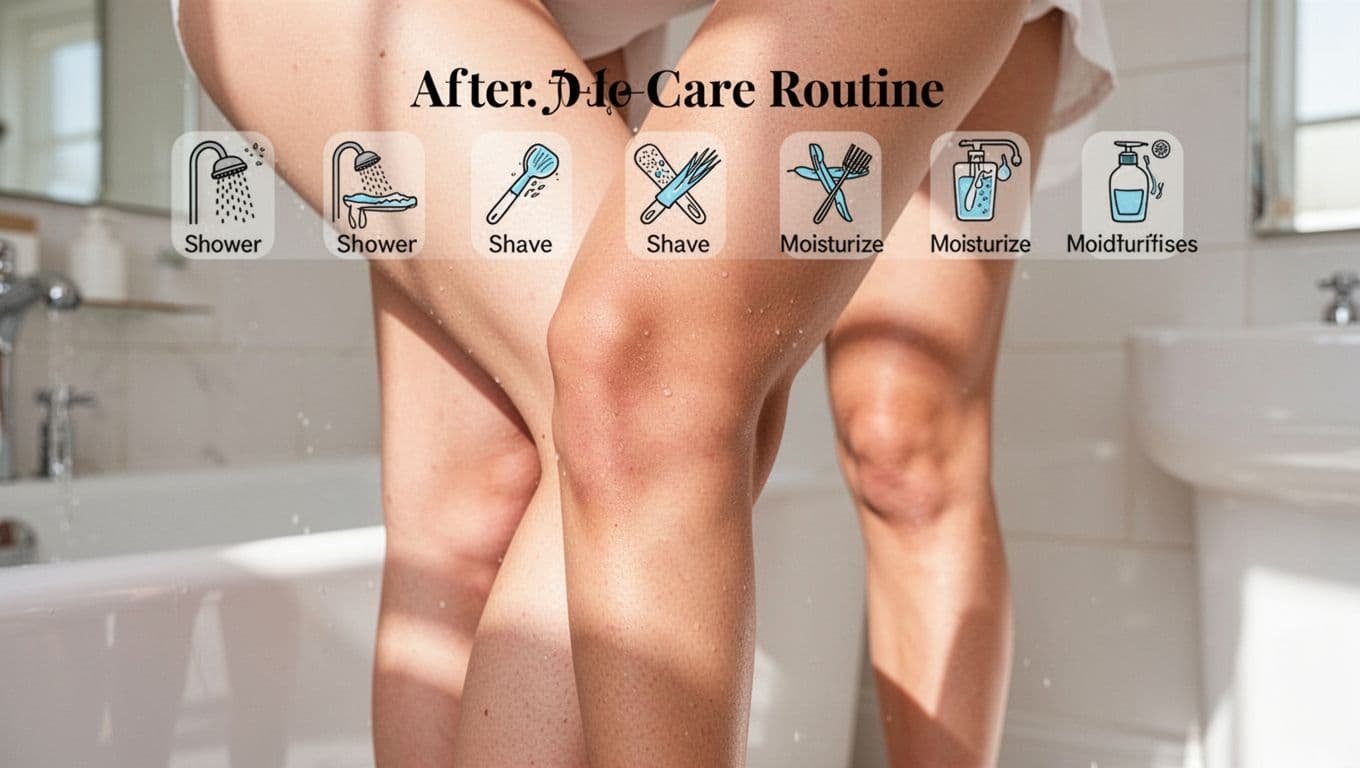
If you want to know How to Get Rid of Strawberry Legs without turning your bathroom into a science lab, keep the plan simple. For one week, focus on the basics in the right order: shave gently, exfoliate a few times, and moisturize every day.
This works best because it cuts down the two main problems at once, clogged follicles and dry skin. At the same time, it helps you avoid the biggest mistake people make, which is doing too much too fast. More scrubbing does not mean faster results. In fact, overdoing it can leave your legs more irritated and more dotted.
What to do on shaving days
On shaving days, the order matters. A good shave should feel more like skin care and less like sanding wood.
Use this routine:
- Start with a warm shower for a few minutes. This softens the hair and loosens buildup around the follicles.
- Wash your legs with a gentle cleanser. You want clean skin, not squeaky-dry skin.
- Shave carefully with a sharp, clean razor and shaving cream or gel. Use light pressure and go with the direction of hair growth if you can.
- Pat your skin dry with a soft towel. Rubbing can stir up more irritation.
- Apply a moisturizer right away while your skin still feels a little damp.
That last step helps more than people think. When your skin stays soft, the dots often look less obvious, and new buildup is less likely to stick around.
If your skin is sensitive, skip strong acids right after shaving. Salicylic acid, glycolic acid, or lactic acid can help on other days, but freshly shaved skin may sting or flare up. If your legs burn after shaving, that’s your sign to keep the routine gentler.
What to do on non shaving days
Non-shaving days are where a lot of the progress happens. This is when you clear buildup without adding razor friction.
A realistic weekly plan looks like this:
- Use a gentle exfoliant on 2 to 3 non-shaving days
- Moisturize every day, even if your legs already feel fine
- Wear looser clothes if tight leggings or jeans seem to cause rubbing
Chemical exfoliants are usually the easiest choice because they loosen dead skin without harsh scrubbing. If your pores look clogged, salicylic acid often helps. If your skin feels dry and rough, lactic acid or glycolic acid may be a better fit. A practical guide on body exfoliation for strawberry legs also points to keeping exfoliation limited to a few times a week, not every day.
Still, slow and steady wins here. If your legs start to sting, turn red, or feel tight, cut back. Using exfoliants too often can weaken your skin barrier, and then everything starts to look worse before it gets better.
If your skin feels raw, shiny, or extra sensitive, pull back on exfoliation and focus on moisture for a few days.
Friction matters, too. Tight clothing can trap sweat and rub the follicles, especially after shaving or workouts. If you notice more dots after wearing snug pants, give your skin a break and switch to softer, looser fabrics when you can.
By the end of the week, the goal is not perfect skin. The goal is calmer, softer skin with fewer clogged-looking pores.
How soon you can expect to see smoother legs
It’s smart to keep your expectations honest. Strawberry legs usually improve in stages, not overnight.
Dryness and rough texture can look better within a few days, especially if you start moisturizing daily and stop over-scrubbing. Your legs may feel smoother before the dots visibly fade.
Clogged pores and dark dots often start looking better in 1 to 2 weeks when you follow a steady routine. That timeline matches the usual advice in current at-home care guidance, which stresses consistent shaving habits, regular exfoliation, and daily moisture instead of quick fixes.
Some cases take longer. If you have thicker hair, frequent ingrown hairs, very dry skin, or a lot of shaving irritation, visible improvement may be slower. A dermatologist-style routine for strawberry legs notes the same basic point: steady care works, but stubborn cases need more time.
Long-term smoothness depends on preventing the cause, not just treating the dots once. In other words, if you clear the pores but keep dry shaving with a dull razor, the dots will likely come back. But if you keep the cycle under control, less buildup, less friction, more moisture, your legs usually stay smoother for longer.
What to avoid if you want strawberry legs to go away quickly
If you want faster results, your “don’t do” list matters almost as much as your routine. A lot of people make strawberry legs worse by trying to force quick progress, and the skin pushes back with more redness, more clogged-looking dots, and more dryness.
That is why How to Get Rid of Strawberry Legs is not just about what to use. It’s also about avoiding the habits that keep your follicles irritated in the first place. When your skin is calm, the dark dots usually fade more easily.
Why harsh scrubs and picking can leave your legs more irritated
Rough scrubbing can feel productive, but it often does the opposite. When you scrub too hard, you create tiny irritation on the surface of the skin. As a result, the area can look redder, rougher, and more inflamed, which makes each dark follicle stand out even more.
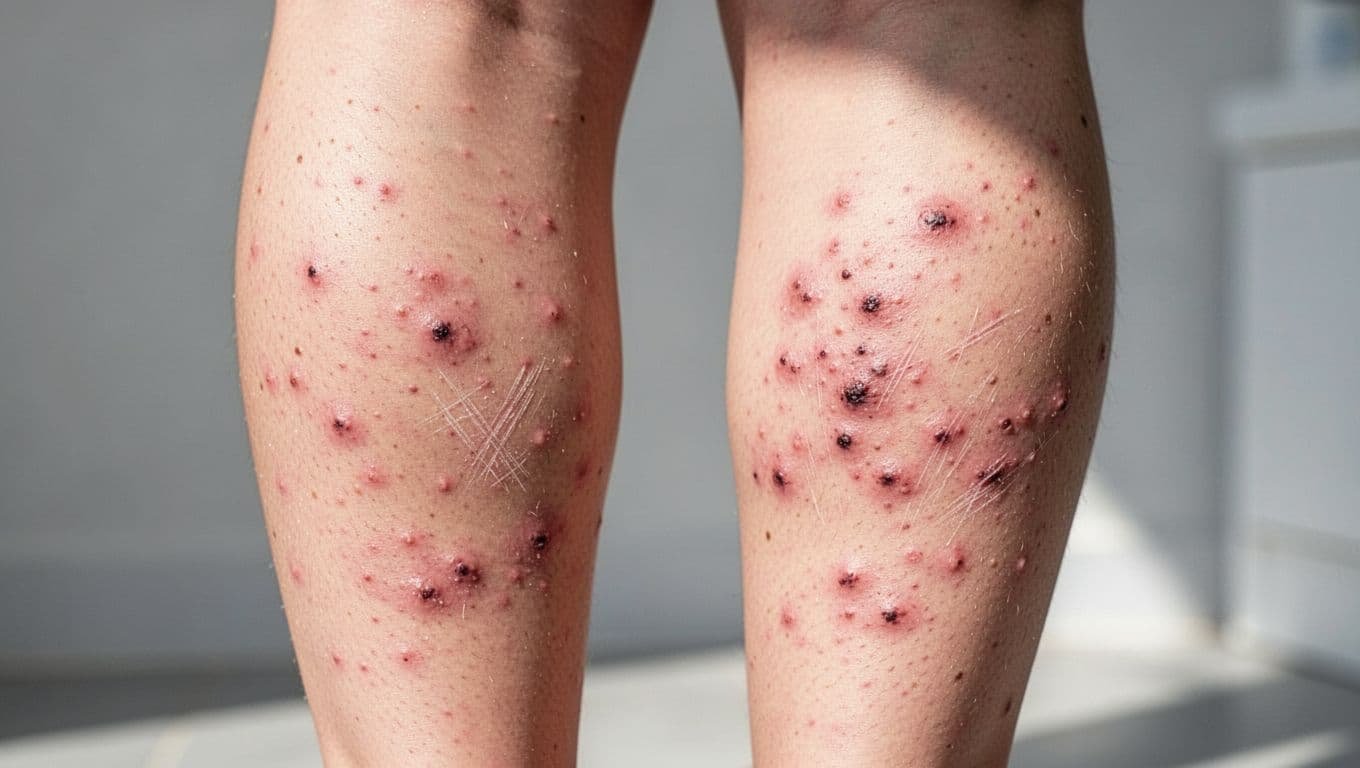
Picking and squeezing those little dots is another common mistake. It is tempting, especially when a pore looks plugged. Still, pressing at follicles can break the skin, push irritation deeper, and leave behind darker marks that last longer than the original spot.
Using too many strong products at once can cause the same problem. For example, layering a scrub, salicylic acid, glycolic acid, and a harsh soap on the same day can wear down your skin barrier. Then your legs may sting, burn, or look shinier and angrier instead of smoother. Current skin care guidance also warns against over-exfoliating and picking because both can worsen irritation and ingrown hairs, as noted in Prevention’s overview of strawberry legs.
If your legs feel raw after your routine, you are not speeding things up. You are setting your skin back.
A gentler approach wins here. Use one exfoliating method at a time, keep your hands off the dots, and give your skin room to heal.
Products and habits that often make strawberry legs worse
Some of the biggest setbacks come from everyday habits that seem harmless. A dull razor drags across the skin instead of cutting cleanly, so it creates more friction and raises the chance of trapped hairs. Dry shaving does the same thing, because there is no cushion between the blade and your skin.

Water temperature matters too. Very hot water can strip away moisture and leave your skin tight and dry. Then the surface gets rougher, and the dots tend to look more obvious. The same goes for heavily fragranced products, which can irritate freshly shaved skin and stir up more redness.
After shaving, tight clothes can rub the follicles and trap sweat right when your skin is most sensitive. That extra friction can make clogged pores and ingrown hairs more likely. If stress seems to make your skin slower to calm down, it may help to look at high cortisol and skin breakouts, since stressed skin often heals less smoothly.
One more mistake is easy to miss: skipping moisturizer. Without it, your skin stays dry, rough, and less able to recover from shaving or exfoliation. If you want dark dots to fade faster, keep the routine simple and avoid these common triggers:
- Use a clean, sharp razor, not one that pulls.
- Never shave dry skin.
- Keep showers warm, not very hot.
- Skip strongly fragranced lotions right after shaving.
- Wear loose, breathable clothes for a while after hair removal.
- Moisturize while your skin is still slightly damp.
Small mistakes add up fast. Small fixes do too.
When home care is not enough, and the fastest professional options
Sometimes the dots don’t budge, even when your routine is solid. If your skin still looks clogged after a few weeks, or the bumps keep coming back, it may be time to see a dermatologist. That matters even more if you have pain, itching, redness, swelling, or pus, because those signs can point to folliculitis, ingrown hairs, or keratosis pilaris instead of simple strawberry legs.
Professional treatment can move things along faster because it targets the cause more directly. If you’re still trying to figure out How to Get Rid of Strawberry Legs after home care stalls, this is usually the next step.
Prescription creams and in office exfoliation treatments
A dermatologist may start with prescription creams if your skin is clogged, rough, or prone to ingrown hairs. Retinoids help speed up skin cell turnover, so dead skin doesn’t pile up around the follicle as easily. They’re often a good fit if you get trapped hairs, rough texture, or repeated flare-ups.
Azelaic acid can help if your legs look blotchy or stay discolored after irritation. It may also calm mild inflammation, so it’s useful when dark marks and redness linger after shaving. In some cases, a doctor may also suggest stronger salicylic acid treatments than you can get over the counter, especially if the follicles stay plugged.
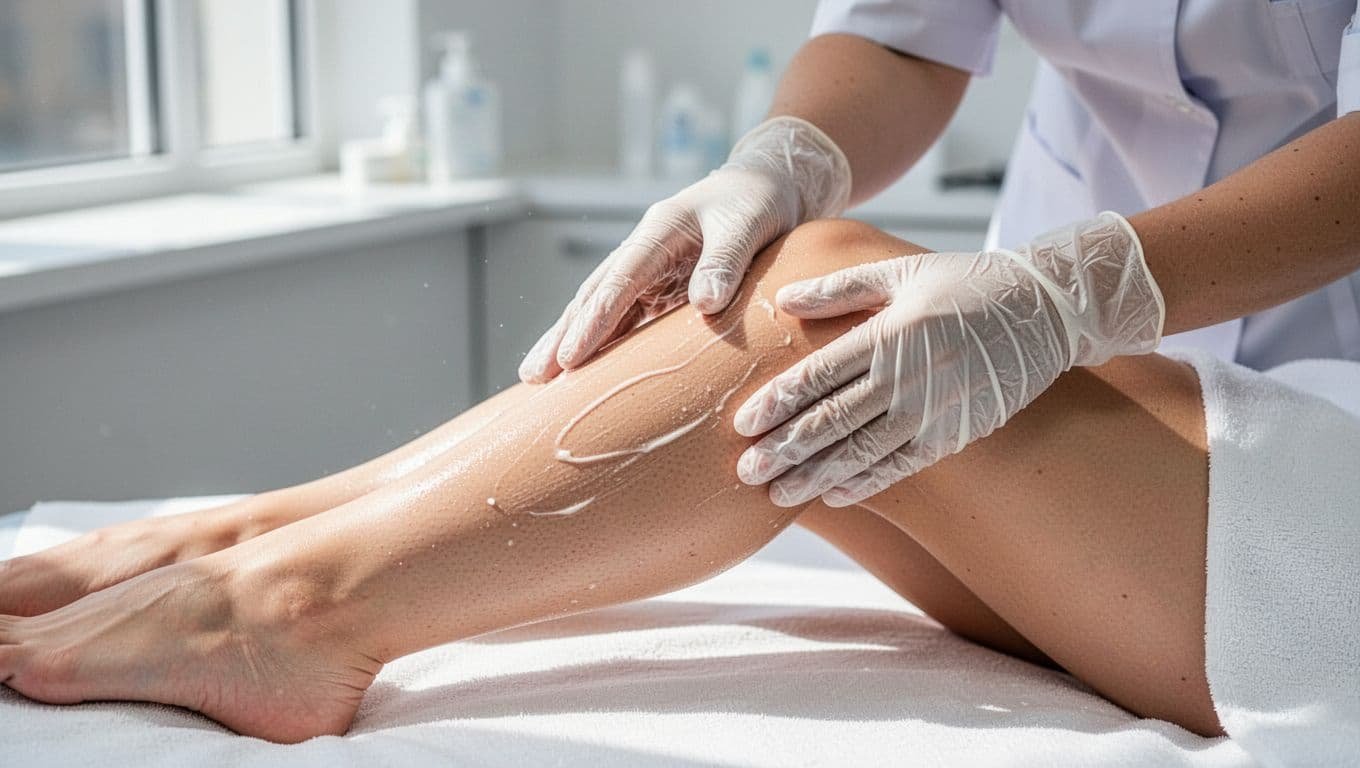
In the office, salicylic acid peels can clear buildup faster because they exfoliate deeper and help unclog pores. These can work well for oily skin, visible dark follicles, and frequent ingrowns. Microdermabrasion is another option when the main problem is rough surface texture and dull, stubborn buildup. It buffs away dead skin from the top layer, so it tends to help people with a coarse feel more than people with inflamed bumps.
Current guidance from Cleveland Clinic’s strawberry legs overview supports exfoliation and targeted treatment when clogged follicles keep returning. If irritation is part of the picture, a doctor may also adjust your routine so you stop treating the wrong problem.
If your legs sting, itch, or develop pus-filled bumps, book a skin check instead of adding stronger products on your own.
Why laser hair removal is often the fastest long term fix
For many people, laser hair removal is the fastest route to lasting improvement. That’s because it cuts down hair growth at the root, which means fewer trapped hairs, less shaving, and fewer clogged follicles. When shaving is your main trigger, reducing the need to shave can make a huge difference.

Some clinics also offer IPL, which uses broad-spectrum light rather than a true laser. It can help reduce regrowth and improve the look of dark dots for the right skin and hair types, though laser treatment is often the more targeted option. According to laser hair removal for strawberry legs, this approach can be especially helpful when strawberry legs are tied to repeated shaving irritation and ingrown hairs.
Still, it’s not an overnight fix. Most people need 3 to 6 sessions, sometimes more, spaced out over several weeks. So you won’t walk in with dotted legs and walk out done forever. But if you want the best shot at long-term change, and you’re tired of the same cycle coming back, laser treatment is often the most efficient next move.
Conclusion
If you want to know How to Get Rid of Strawberry Legs fast, the clearest takeaway is simple: stick with gentle exfoliation, smarter shaving, and daily moisture. That combo helps clear clogged follicles, cuts down irritation, and makes dry skin look smoother, so the dark dots stand out less.
Still, give your skin a little time before you judge the routine. Most people see the first changes in texture within days, while the more visible dots often need 1 to 2 weeks of steady care. Consistency matters more than doing too much, because harsh scrubs, dull razors, and skipped moisturizer usually slow progress.
If your spots are red, painful, itchy, swollen, or filled with pus, get medical advice instead of treating them like regular strawberry legs. That’s the best way to avoid making another skin condition worse.
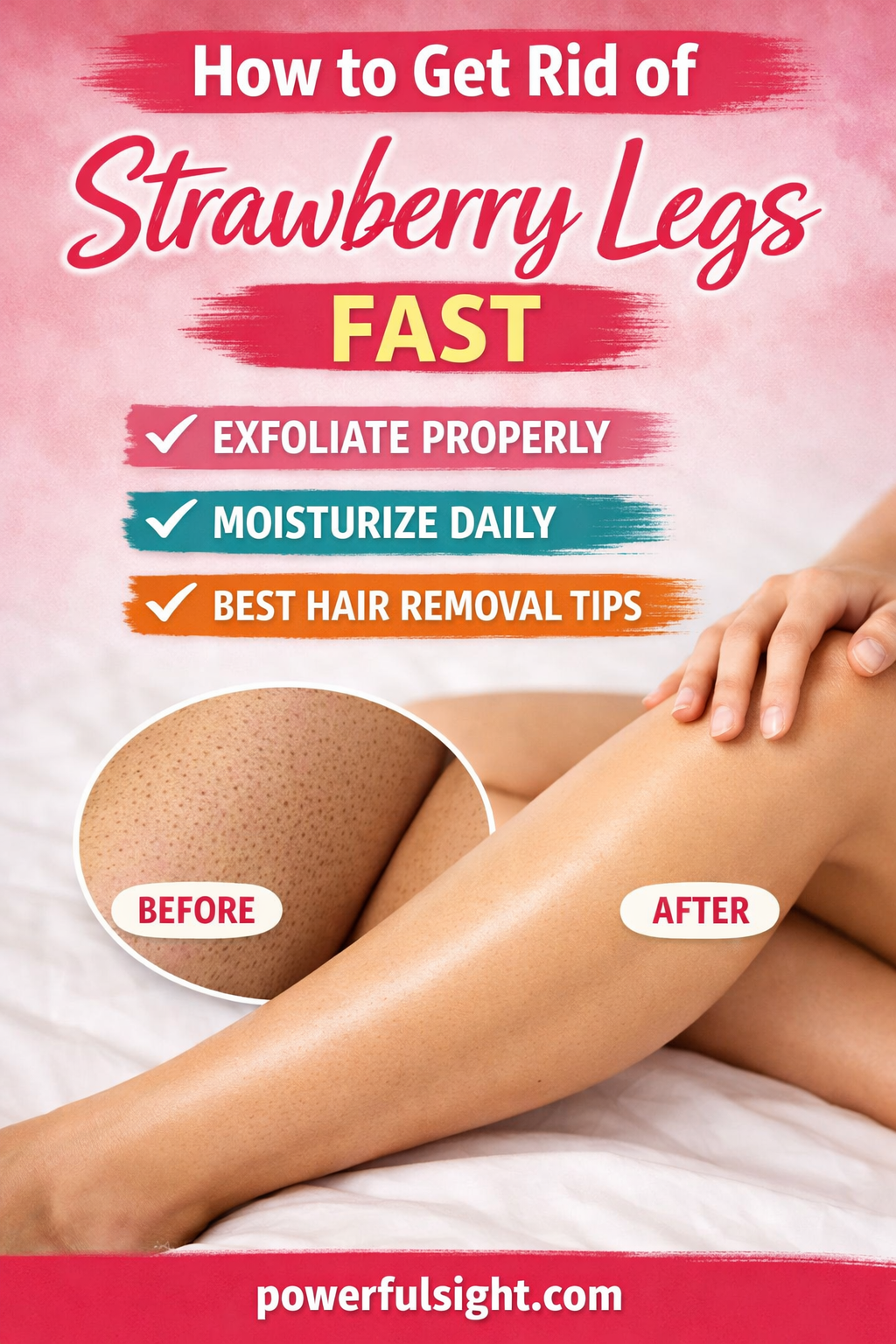
Save the pin for later

- Healthy Air Fryer Recipes for Beginners - 21/09/2026
- Healthy Snacks for Late Night Cravings - 21/09/2026
- High Protein Meal Prep Ideas for Easy Weekly Meals - 21/09/2026

