Breakfast still matters for many people because busy mornings ask a lot from you, fast. A good morning breakfast can help you feel more steady, more focused, and less likely to hit that mid-morning slump, especially when it includes protein, carbs, and a little healthy fat.
In 2026, breakfast trends are leaning toward high-protein picks like Greek yogurt bowls, cottage cheese bowls, protein pancakes, overnight oats, and quick grab-and-go wraps. At the same time, simple fresh ingredients like fruit, eggs, nuts, seeds, and whole grains are still what many people reach for when they want something easy that tastes good and keeps them full.
You don’t need a big breakfast or a perfect routine every day. If you need more help building a smoother start, these tips for a morning routine before work pair well with simple breakfast habits. Up next, you’ll find practical ideas that make breakfast easier, faster, and more satisfying, plus a helpful video for extra inspiration, healthy high-protein breakfast ideas.
What makes a good morning breakfast worth eating?
A good morning breakfast should do more than just fill space. It should help you feel full, steady, and ready for the next few hours. In simple terms, the best breakfasts usually mix protein, fiber, healthy fat, and easy carbs so your energy doesn’t spike and crash right away.
That balance doesn’t need to be fancy. It can be as simple as eggs with toast and fruit, or yogurt with oats and nuts. If you’re trying to build a stronger start to the day, a brain-boosting breakfast in morning routines can also support focus and consistency.
The simple formula for a filling breakfast
A breakfast that works is easy to remember: protein + fiber + color + a drink.
Protein helps you stay satisfied. Fiber helps slow digestion and keeps your energy more even. Color usually means fruit or other whole foods that add nutrients. Then a drink, like water, milk, coffee, tea, or a smoothie, rounds it out.
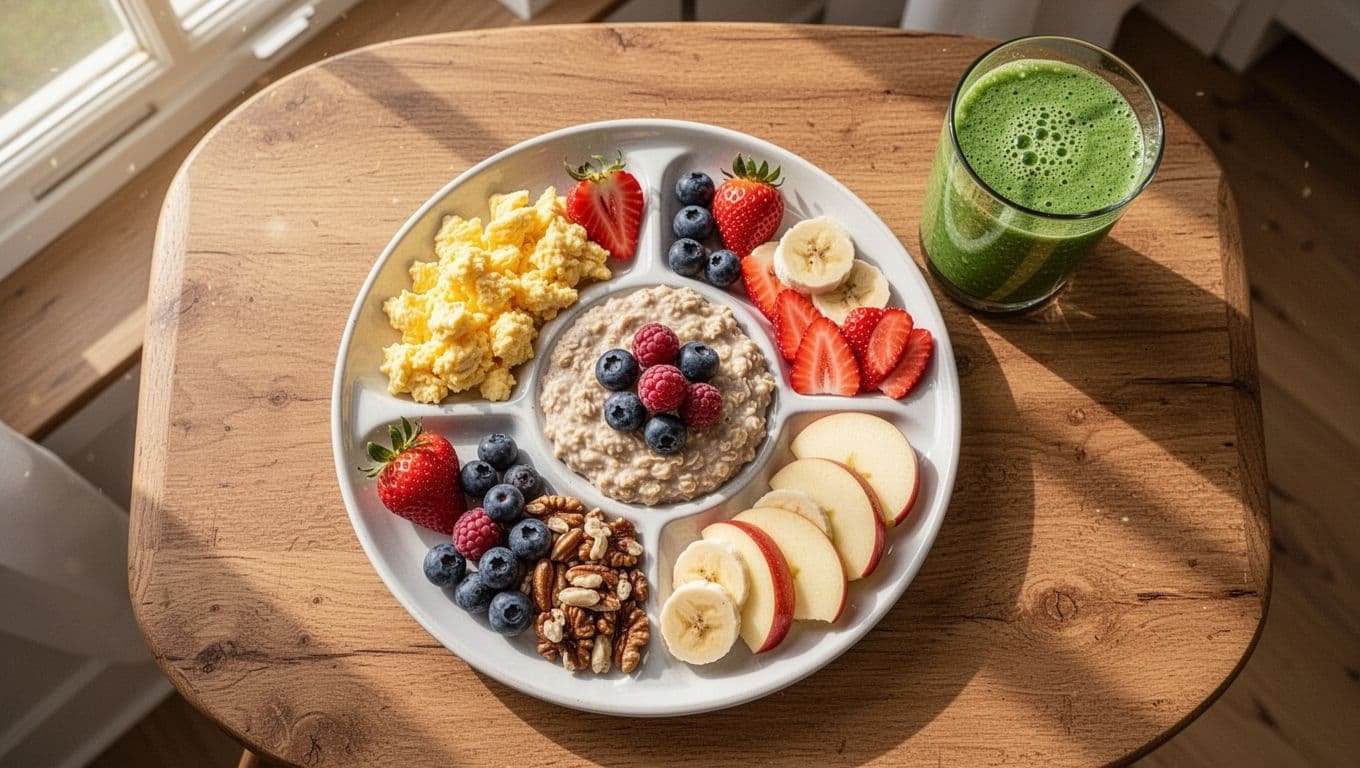
You can build that formula with familiar foods:
- Eggs with whole grain toast and berries
- Greek yogurt with oats, banana, and nuts
- Oatmeal with peanut butter and fruit
- A smoothie with yogurt, oats, and frozen berries
If your breakfast has one food from each of those basic groups, it’s usually worth eating.
Why protein and fiber matter in the morning
Protein and fiber do a lot of the heavy lifting at breakfast. Protein helps you feel full sooner, while fiber helps that full feeling last longer. Together, they can make it easier to avoid the 10 a.m. snack raid.
Recent reporting on new research points in the same direction: breakfast protein may help curb appetite, while fiber may offer even stronger gut health benefits. A helpful summary from mindbodygreen on new breakfast research and a plain-language breakdown from Health.com on protein and carbs at breakfast both support the idea that balance works better than extremes.
That is why foods like Greek yogurt, cottage cheese, eggs, oats, berries, and whole grain toast show up so often in healthy breakfast ideas. They are simple, easy to find, and they help keep your morning on a more even track.
Does breakfast timing make a difference?
For some people, yes, timing can help. Newer research suggests that eating earlier in the day may support appetite control and fit better with the body’s natural rhythm. One recent paper in Diabetologia on high-protein breakfast timing adds to that growing interest.
Still, breakfast timing shouldn’t become another hard rule. Some people feel great eating soon after waking up, while others need a little time first. What matters most is finding a routine you can keep, then pairing it with a breakfast that actually satisfies you.
If your mornings start early and need focus, this guide on a healthy breakfast for energized morning study fits well with the same idea. A solid breakfast, eaten at a time that feels realistic, is usually better than chasing the perfect schedule.
Easy good morning breakfast ideas for every kind of morning
Some mornings give you five quiet minutes. Others feel like a fire drill. That is why the best good morning breakfast ideas match your schedule, appetite, and energy, not some perfect routine from the internet.
In 2026, portable breakfasts and breakfast bowls are especially popular because they travel well and still feel filling. So whether you want something cold, warm, light, or made ahead, you have plenty of realistic weekday options.
Fast breakfasts you can make in 5 minutes or less
When time is tight, keep breakfast simple and build around protein first. A Greek yogurt bowl with berries, granola, and nuts takes almost no effort, yet it keeps you full longer than a pastry. A cottage cheese bowl works the same way, especially with fruit, cinnamon, and a spoonful of seeds.
Smoothies are another easy win because you can drink them on the move. Blend milk, Greek yogurt, frozen fruit, and oats, then you have protein, fiber, and carbs in one cup. If you want more quick ideas, this roundup of easy healthy breakfasts from NYT Cooking shows how fast simple breakfasts can be.
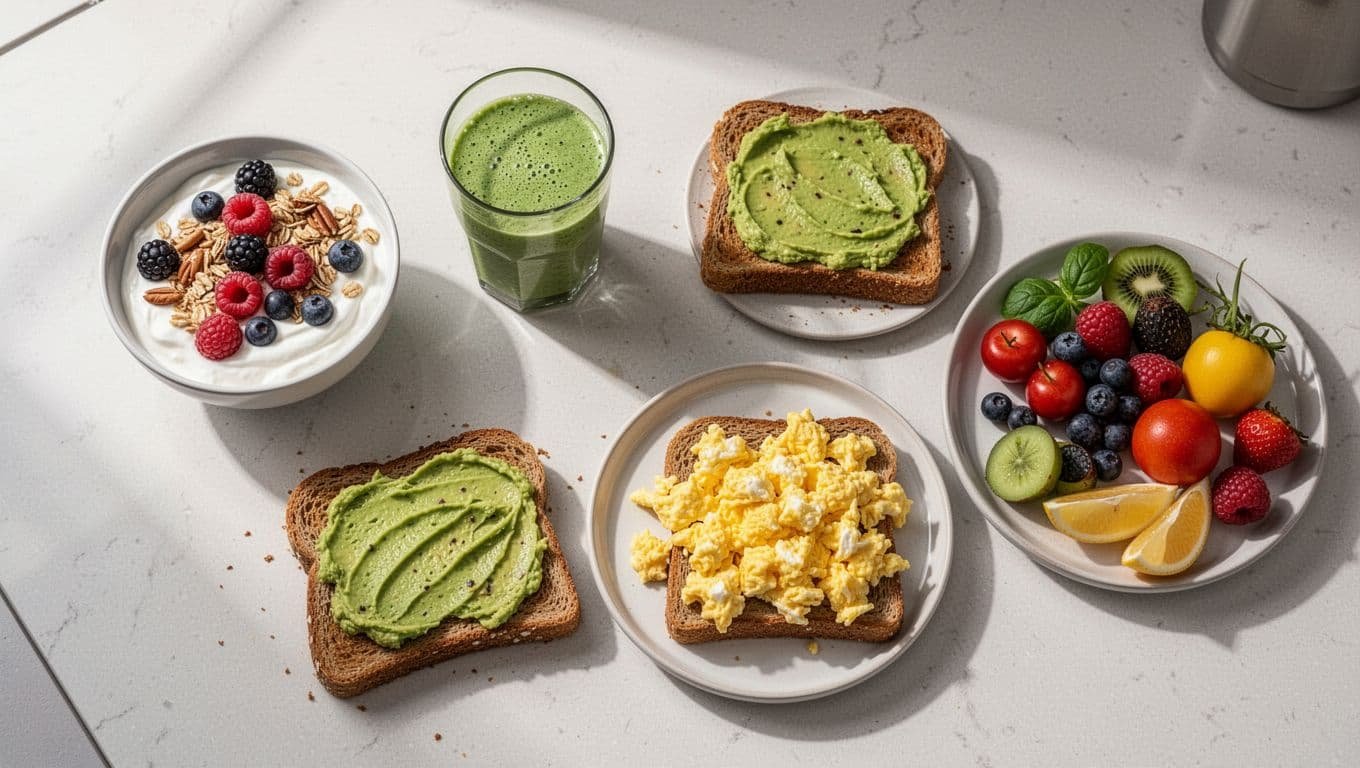
If you want something savory, avocado toast is still one of the easiest choices for busy mornings. Add chili flakes, hemp seeds, or a fried egg if you have another minute. Scrambled eggs with toast also stay popular because they cook fast and feel more complete than grabbing a bar on the way out.
A quick breakfast does not need to be fancy. It just needs enough substance to carry you through the morning.
A fast breakfast works best when it includes protein and fiber, not just quick sugar.
Make-ahead breakfasts for stress-free mornings
A little prep at night can make weekday mornings feel much lighter. Overnight oats are one of the easiest examples. Stir oats, milk, chia seeds, and Greek yogurt in a jar, then add fruit in the morning. You get a portable breakfast bowl that is ready before you even open the fridge twice.
Baked oatmeal bars are another smart option because they are easy to portion and easy to carry. Egg muffins also help when you want more protein without cooking each morning. Just bake eggs with spinach, peppers, or cheese in a muffin tin, then reheat a few during the week.
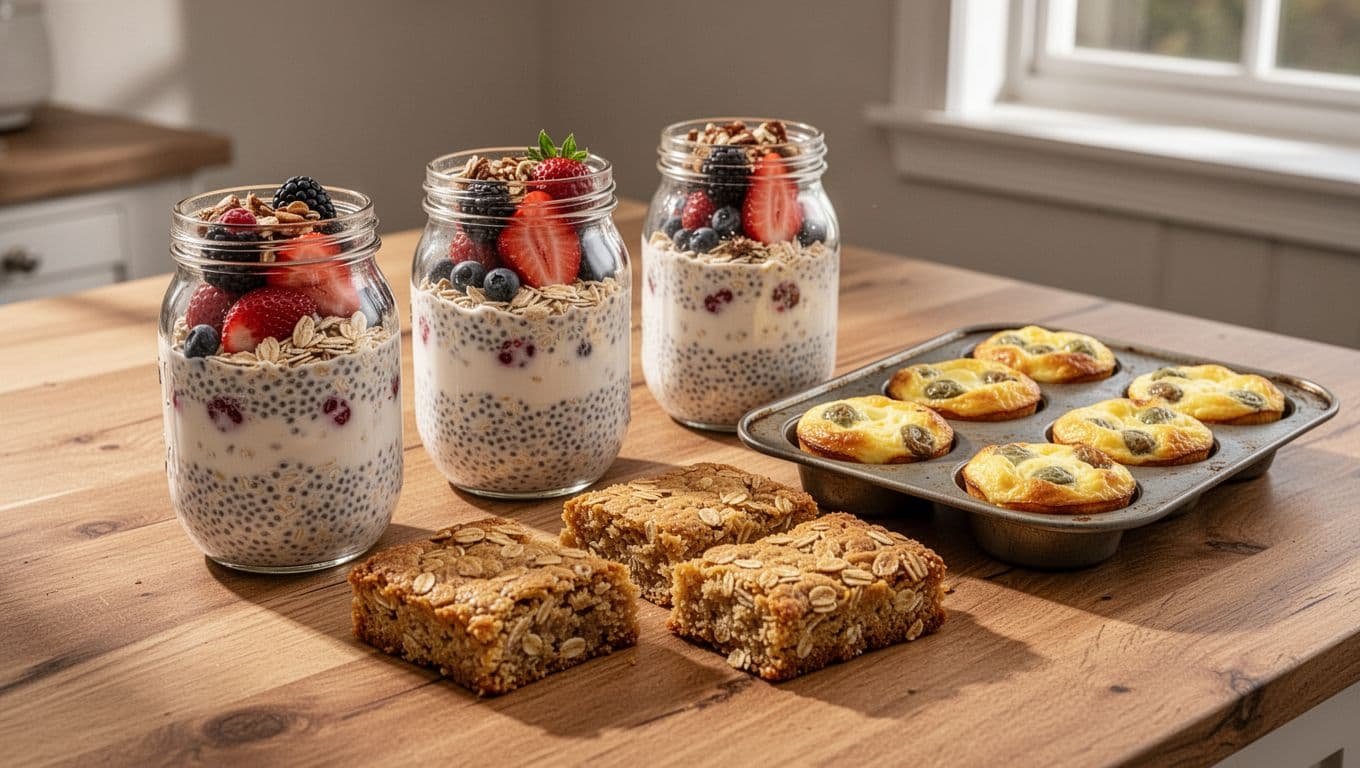
Chia pudding fits the same low-effort pattern. Mix it before bed, let it thicken overnight, and top it with berries or sliced banana. If you prefer something savory, make breakfast sandwiches or wraps ahead with eggs, cheese, and turkey sausage or veggies. Then freeze or chill them for grab-and-go mornings. For more prep-friendly inspiration, Bon Appetit’s make-ahead breakfast ideas can help you batch a few options at once.
If you are trying to stick with better routines, these simple morning habits for self-discipline can make breakfast prep easier to repeat.
Warm breakfast ideas when you want something comforting
Some mornings call for a warm breakfast, especially when you want something steady and cozy. Oatmeal with fruit is still one of the easiest comfort foods around. Add banana, berries, peanut butter, walnuts, or chia seeds, and it becomes much more filling.
Veggie eggs are another good pick when you want real food without much effort. Scramble eggs with spinach, onions, or bell peppers, then serve them with toast. Toast with nut butter and banana also works well when you want warmth without cooking much at all.
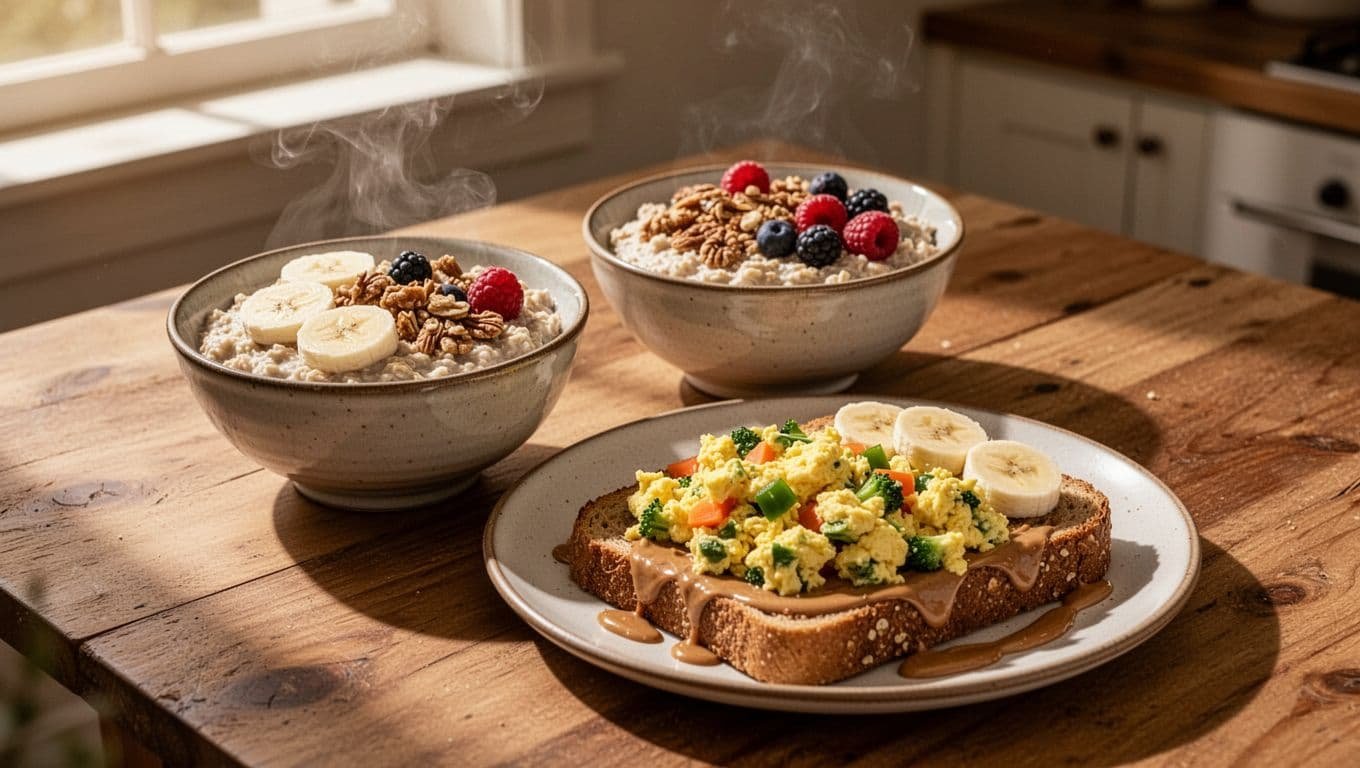
If you have a little prep time on the weekend, mini quiches make warm breakfasts easier during the week. Reheat one or two with fruit on the side and breakfast is done. Shakshuka-inspired eggs are also more approachable than they sound. Warm jarred tomato sauce in a pan, crack in a few eggs, and cook until the whites set. Serve with toast for a simple, comforting breakfast that feels a bit special.
Light breakfast options for people who do not like heavy meals early
Not everyone wants a full plate right after waking up, and that is completely fine. A good breakfast can be small and still helpful. You may feel better with fruit and yogurt, a basic smoothie, or one slice of toast with peanut butter than a large meal that sits too heavy.
A cottage cheese bowl is a strong choice here because it is light but still high in protein. Add pineapple, berries, cucumber, or a sprinkle of nuts, depending on whether you want sweet or savory. A smoothie with milk, fruit, and yogurt is another easy option when chewing feels like too much work first thing in the morning.
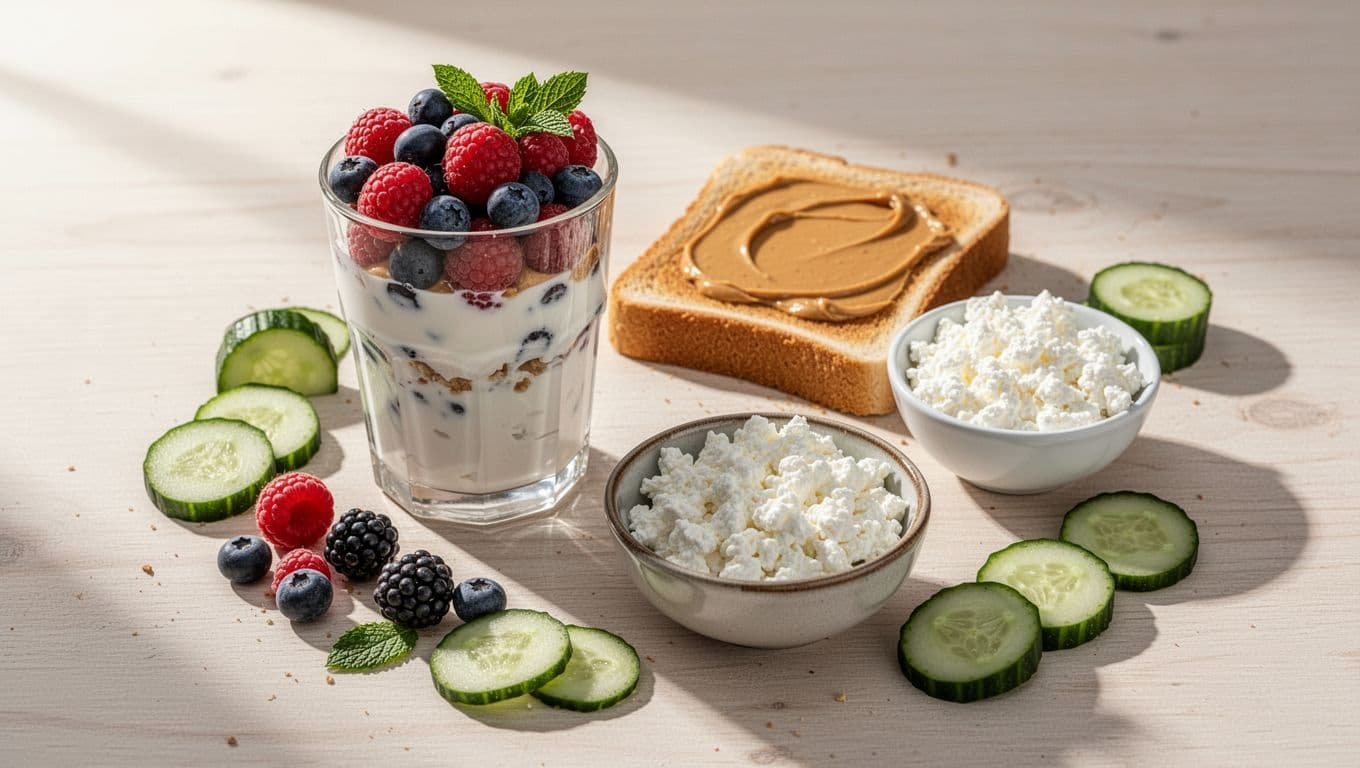
The goal is not to eat a huge breakfast. The goal is to give your body a useful start. Even a lighter meal can help with focus and energy, especially if it includes a little protein and fiber. If your schedule stays packed all morning, a smaller breakfast can also pair well with these morning routine tips before work so you start the day with less stress.
How to build a healthy breakfast without overthinking it
A healthy breakfast does not need a meal plan, a long recipe, or a full fridge. In most cases, you can make a better breakfast by using what you already have and building around a few simple basics: protein, fiber-rich carbs, fruit, and a little fat.
That means you do not need to eat perfectly. You just need a breakfast that feels steady, satisfying, and easy to repeat. If a food is high in added sugar, pair it with something that slows things down, like yogurt, eggs, nuts, or toast with peanut butter.
Smart breakfast staples to keep in your kitchen
The easiest way to stop overthinking breakfast is to keep a short list of reliable foods on hand.
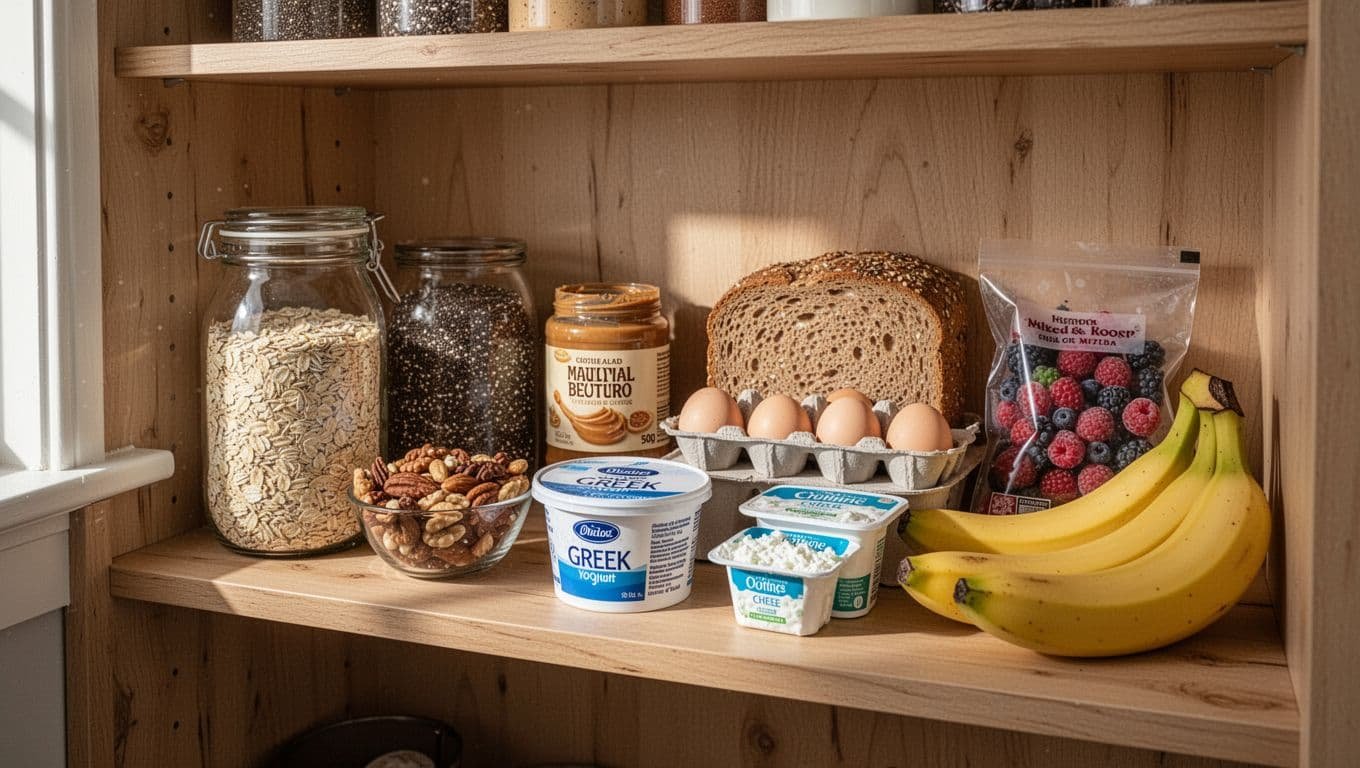
A few staples go a long way:
- Oats keep well in the pantry for months and work for oatmeal, overnight oats, or smoothie add-ins.
- Eggs are affordable, quick to cook, and usually last a few weeks in the fridge.
- Plain Greek yogurt gives you protein fast, and it’s easy to dress up with fruit or oats.
- Cottage cheese is another high-protein option that works in sweet or savory bowls.
- Whole grain bread makes breakfast feel more complete, and you can freeze extra slices.
- Peanut butter adds healthy fat and staying power, plus it keeps well once opened.
- Frozen berries are convenient, budget-friendly, and often cheaper than fresh out of season.
- Bananas are easy to grab, easy to slice, and great in oats, toast, or smoothies.
- Nuts and seeds add crunch, fat, and fiber, so a small handful can improve a light meal.
If you stock even half of these, breakfast gets much easier. For readers who also want meals with whole-food ingredients later in the day, these healthy anti-inflammatory recipes fit the same simple approach.
Common breakfast mistakes that lead to energy crashes
Most breakfast crashes come from meals that are too light or too sugary. The problem is not one single food. It is the lack of balance.
A common mistake is eating only quick carbs, like pastries or sweet cereal, and calling it breakfast. Those foods can taste great, but they often burn fast. As Real Simple’s breakfast energy crash roundup points out, heavily processed breakfast foods can leave you dragging before lunch.
Another issue is skipping protein. Toast alone, fruit alone, or a smoothie made with only fruit may not hold you for long. Even adding one egg, a scoop of yogurt, or a spoonful of peanut butter can make a real difference.
Coffee on an empty stomach can also backfire if you are already hungry. For some people, it feels fine. For others, it leads to shakiness, irritation, or a harder crash later. Also, very small breakfasts often leave you hunting for snacks by 10 a.m.
If breakfast leaves you hungry an hour later, it probably needed more protein, fiber, or both.
A simple mix-and-match guide for better meals
You do not need new recipes every week. You just need a few combinations you can repeat without getting bored.
Use this simple formula: pick one protein, one carb, and one produce item, then add a little fat if needed.
Here are easy breakfasts you can copy:
- Eggs + whole grain toast + fruit
Quick, warm, and balanced. Add avocado or peanut butter if you want more staying power. - Greek yogurt + berries + nuts or seeds
This works well on rushed mornings. Choose plain yogurt when you can, then sweeten it with fruit. - Oats + peanut butter + banana
Cheap, filling, and easy to adjust. Add chia or flax if you want more fiber. - Cottage cheese + banana or berries + seeds
A good pick when you want something light that still has protein. - Toast + peanut butter + sliced banana
Simple, fast, and much steadier than a pastry alone.
If you like prep-ahead ideas, EatingWell’s make-ahead breakfast list has plenty of realistic options. The main goal is simple: use what you have, watch added sugar, and make breakfast just strong enough to carry you through the morning.
Fresh good morning breakfast ideas for spring 2026
April 2026 is a great time to freshen up your breakfast routine. Spring produce makes morning meals feel lighter, brighter, and easier to enjoy, especially when you want something quick before work or school. Right now, simple foods like strawberries, spinach, asparagus, apples, and rhubarb fit perfectly into easy breakfasts you can make at home.
Best spring ingredients to add to breakfast right now
Spring ingredients can wake up a basic breakfast fast. They add color, natural sweetness, and a cleaner taste, so meals feel less heavy than winter comfort food. In April, that matters because many people want breakfast that still fills them up without feeling too rich.
A short, practical list works best. Start with strawberries and mixed berries for yogurt bowls, oats, and toast. Add spinach for eggs, wraps, or smoothies. Use asparagus and spring onions when you want a savory breakfast that feels fresh instead of dense. Then keep apples and rhubarb around for oatmeal, baked oats, or make-ahead breakfasts with a little tart bite.
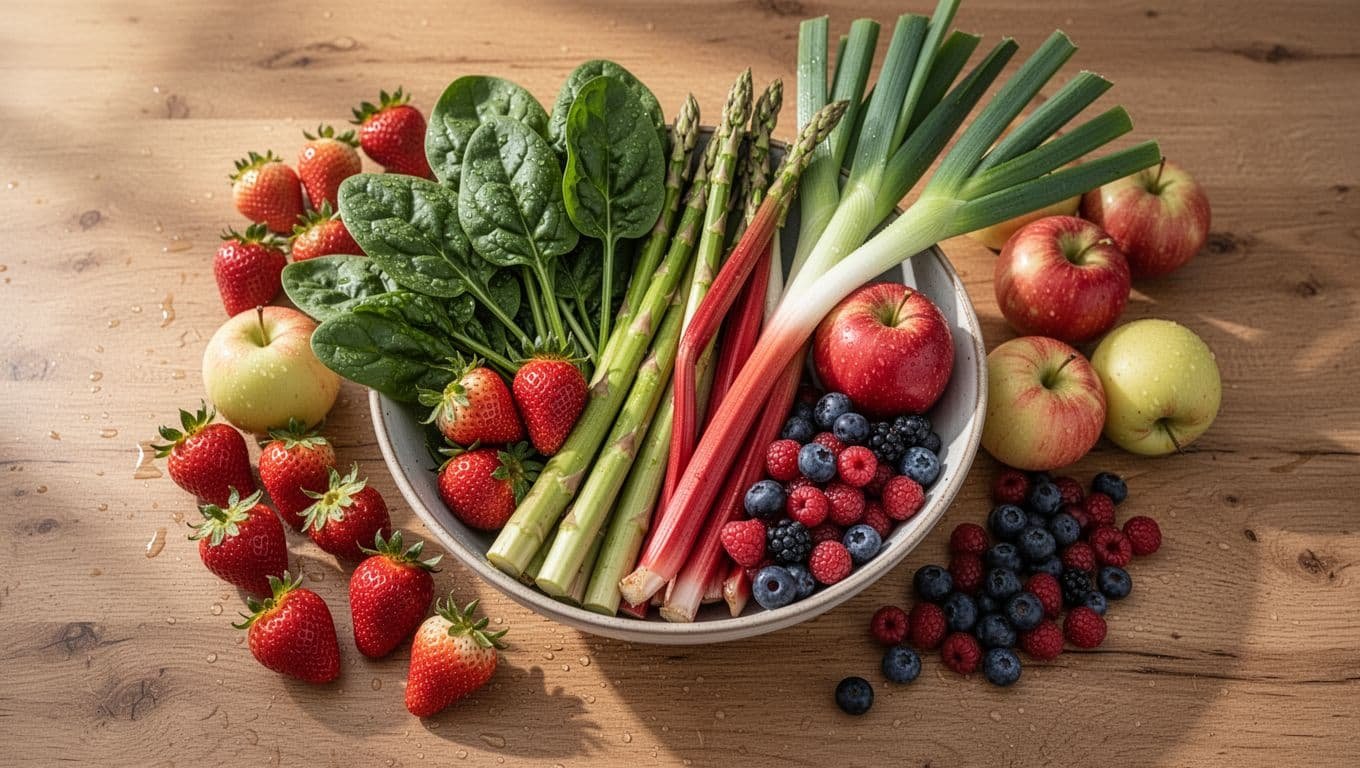
Current US breakfast trends also lean toward easy, high-fiber foods like oats, fruit, yogurt, and vegetables, which makes these spring picks even more useful. If you want ingredients that support steadier energy through the morning, these healthy foods for steady morning energy pair well with the same breakfast approach.
Simple ways to use strawberries, spinach, and other seasonal picks
You do not need brand-new recipes to eat more spring produce. A few easy swaps can make the breakfasts you already like taste more current for April.
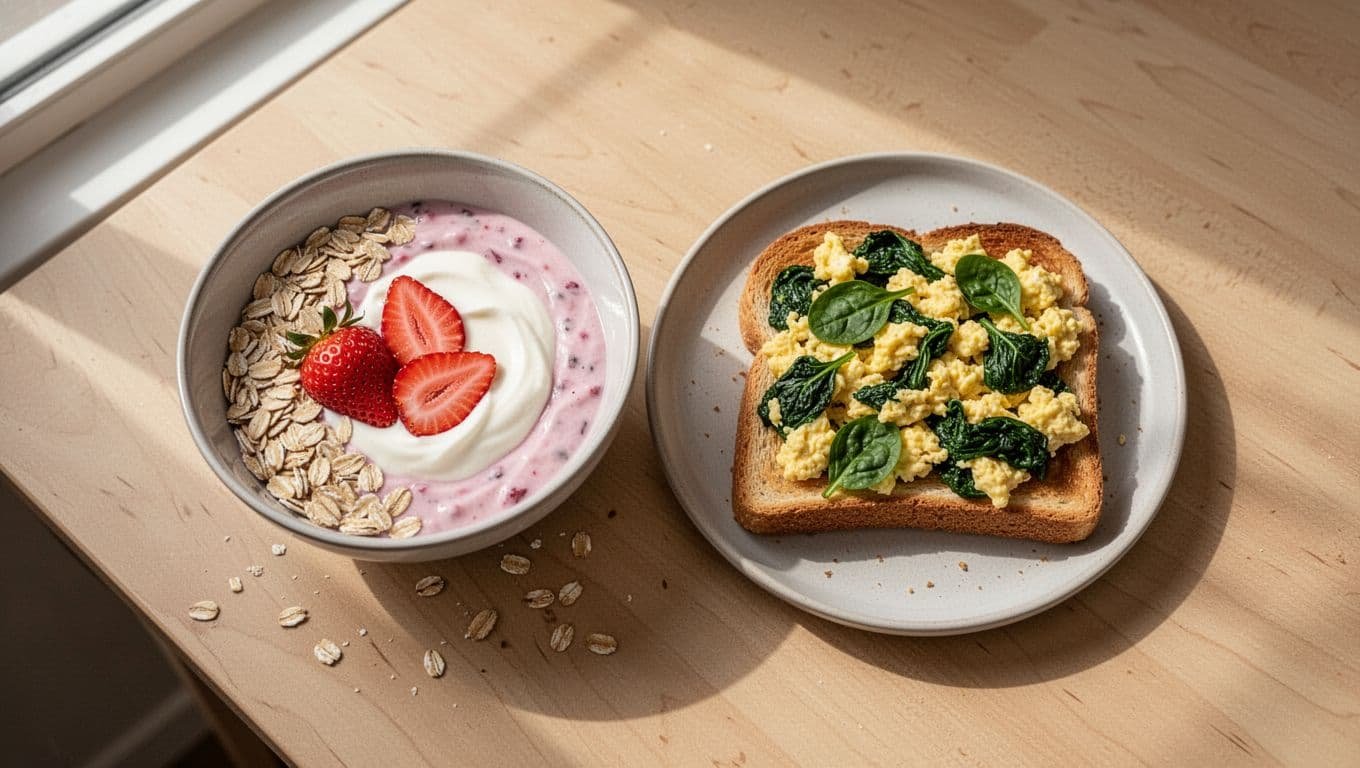
Here are a few simple ideas worth repeating:
- Strawberry yogurt bowls work well with plain Greek yogurt, oats, and chopped nuts. The berries add sweetness, so you often need less honey.
- Spinach eggs are one of the easiest savory upgrades. Toss a handful of spinach into scrambled eggs or an omelet, then add toast.
- Berry overnight oats are perfect for busy mornings. Use strawberries, blueberries, or raspberries, then let the fruit soften overnight.
- Asparagus frittata is a good weekend prep option. Cook chopped asparagus and spring onions with eggs, then slice and reheat during the week. If you want another version, this asparagus breakfast casserole idea shows how well spring vegetables fit into egg-based breakfasts.
- Rhubarb oatmeal sounds old-school, but it still works. Simmer chopped rhubarb with a little cinnamon and maple syrup, then spoon it over oats for a tart, jam-like topping.
These ideas keep breakfast fresh without making your morning harder. That is the sweet spot for spring: simple food, better flavor, and enough staying power to carry you to lunch.
How to make breakfast a habit that actually sticks
A breakfast habit lasts when it fits your real mornings, not your ideal ones. The goal is simple: make breakfast easy enough to happen on busy days, late days, and low-energy days too.
That usually means lowering the bar a little. A repeatable breakfast beats a perfect one you only make twice a month. The American Heart Association’s breakfast habit tips also support this simple approach, especially for rushed mornings.
Match your breakfast to your morning routine
Your best breakfast depends on what your mornings actually look like. If you leave early for work, a portable option often works better than a sit-down meal. If you’re doing school drop-off, you may need something you can finish in the car line or right after you get back home.
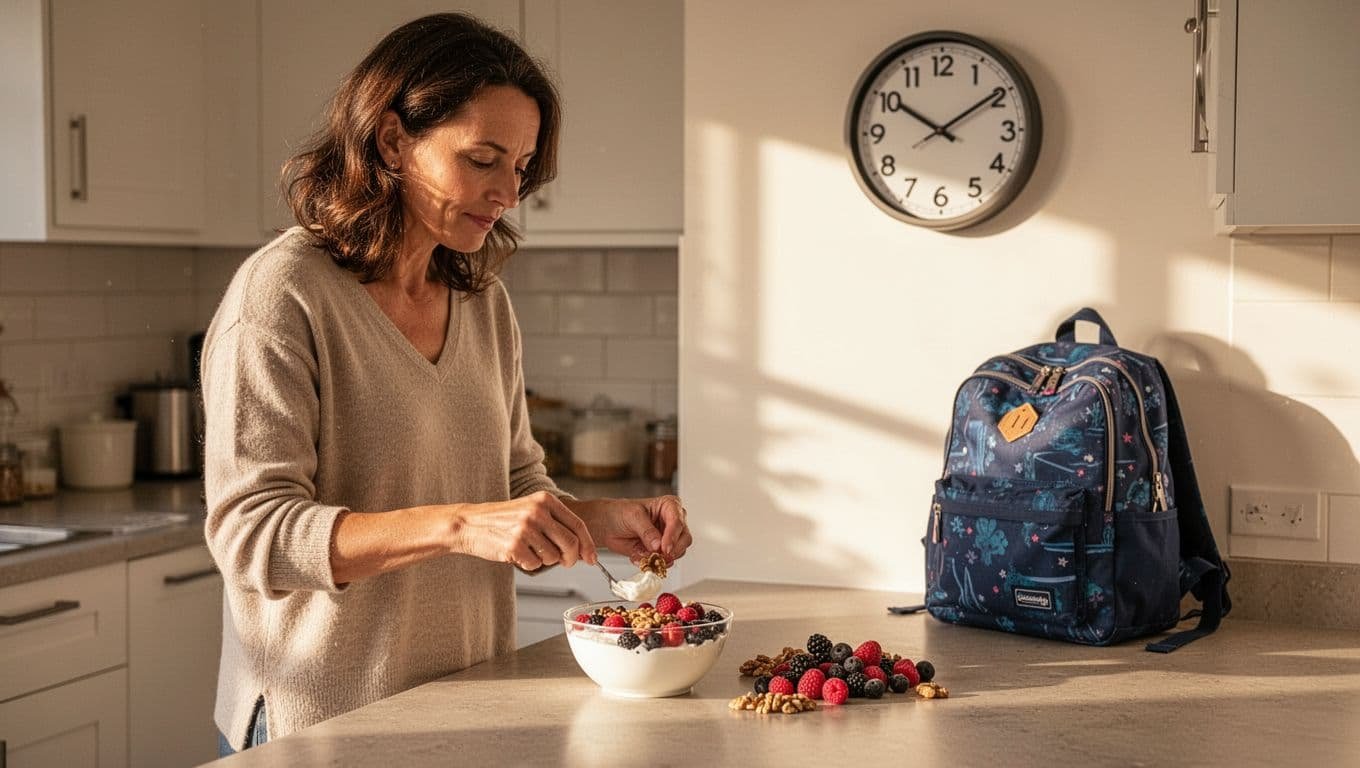
Workout mornings can shift things too. Before exercise, many people do better with something light and easy to digest, like toast with peanut butter, a banana with yogurt, or a small smoothie. Afterward, a more filling meal with protein and carbs may feel better.
Low morning appetite matters just as much. If a full breakfast feels like too much at 6:30 a.m., don’t force a heavy plate. Start smaller with a “bridge” breakfast, such as drinkable yogurt, fruit, or half a piece of toast, then eat more later if needed. That kind of flexible plan is often what helps a habit last.
A few patterns usually work best:
- For early work starts, keep grab-and-go foods at eye level.
- For school-run mornings, prep breakfast the night before.
- For workout days, keep one light pre-workout option and one stronger post-workout option.
- For low appetite, begin with something small and easy to chew or sip.
If you want the habit to feel more automatic, it helps to anchor habits to your daily routine. Put breakfast right after coffee, after getting dressed, or after packing lunches. That cue matters because it removes one more decision.
The easier breakfast fits into your current routine, the more likely you’ll keep doing it.
Keep it simple enough to repeat
Most people don’t need seven weekday breakfasts. They need two or three easy ones they can make half-asleep. Repeating simple meals cuts stress, saves time, and keeps mornings from turning into a daily food debate.
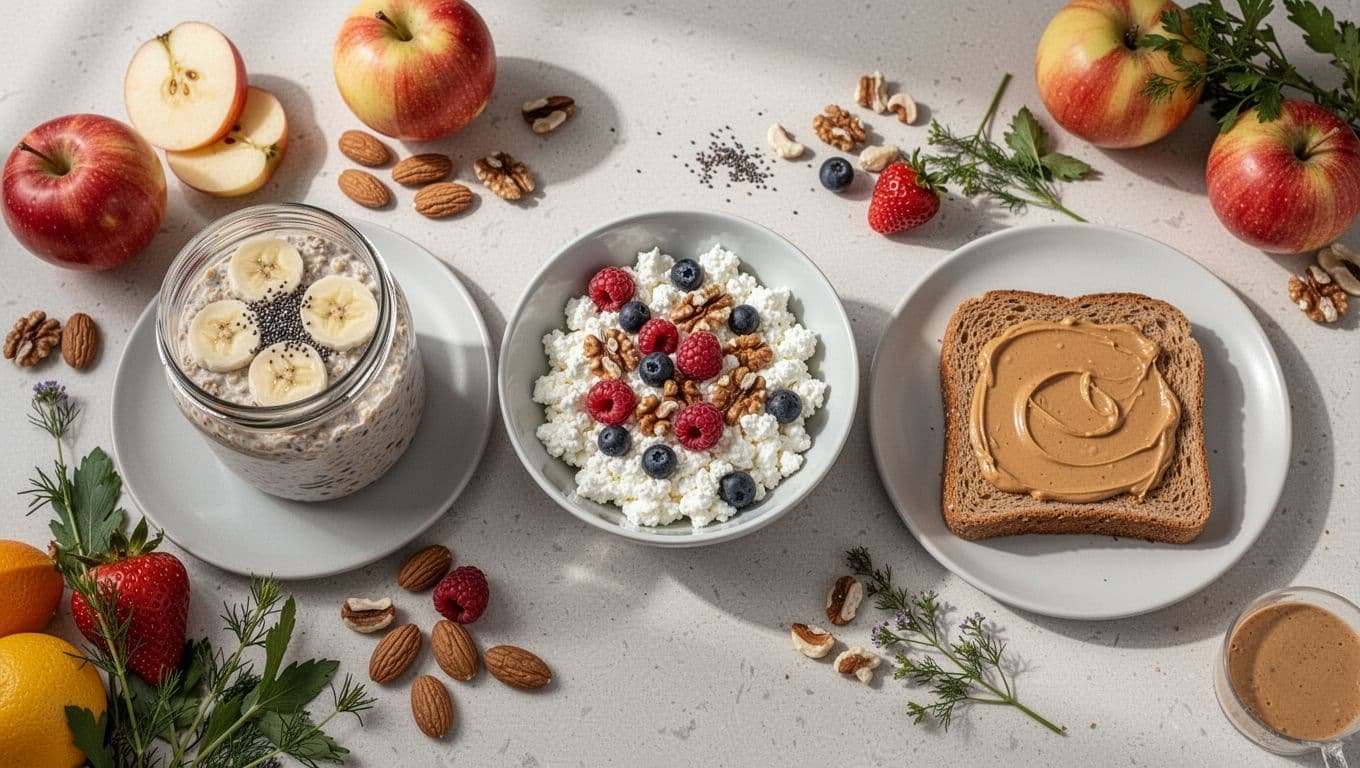
A short weekday rotation works well for most busy schedules. For example, you might keep overnight oats for Mondays and Tuesdays, eggs and toast for midweek, and Greek yogurt bowls for your fastest mornings. Then save pancakes, breakfast sandwiches, or bigger cooked meals for weekends when you have more time.
That kind of repetition is not boring, it’s useful. It lowers decision fatigue, and it gives you a default plan when your brain is still waking up. One helpful idea from go-to breakfast planning for busy mornings is to keep a short list of favorites visible on your phone or fridge, so breakfast never feels like a fresh problem to solve.
Keep your weekday options easy to shop for and easy to restock. Good go-to picks include:
- Overnight oats
- Greek yogurt with fruit and nuts
- Cottage cheese bowls
- Eggs with toast
- Peanut butter toast with banana
- Simple smoothies
If you tend to overcomplicate routines, try to simplify your mornings sustainably. Breakfast habits stick when they feel ordinary. That’s the win.
Conclusion
A good morning breakfast doesn’t need to be perfect, pricey, or time-heavy to help. What matters most is balance. When you pair protein with fiber, you give yourself a steadier start and a better shot at staying full, focused, and less drained before lunch.
So, whether your breakfast is eggs and toast, Greek yogurt with fruit, overnight oats, or peanut butter on whole grain bread, choose the option that fits your real morning. A simple meal you can repeat will always beat a big plan you never use. Small choices, made often, are usually what turn breakfast into a habit that lasts.
Start where you are, use what you have, and keep it easy enough to do again tomorrow. A better morning can begin with one simple plate.
Save the pin for later

- Healthy Air Fryer Recipes for Beginners - 21/09/2026
- Healthy Snacks for Late Night Cravings - 21/09/2026
- High Protein Meal Prep Ideas for Easy Weekly Meals - 21/09/2026

