Cool air brushes your cheeks as golden leaves skitter along the sidewalk, while a warm cup of coffee sends cinnamon and steam into the quiet morning. Fall gives ordinary moments a softer glow, but you don’t need a perfect life, a big budget, or a house filled with seasonal decor to enjoy it.
To romanticize your life in fall means paying closer attention to what you’re already doing and treating everyday moments as worth experiencing, whether that’s lighting a candle while you journal, taking a slow walk after work, or serving tea in your favorite mug.
You can find more inspiration in these simple rituals for romanticizing everyday life and choose ideas that fit your real schedule, budget, energy, and personality.
Next, you’ll find practical ways to create a cozy fall mood at home, outside, on your own, and with the people you love.
Key Takeaways
- Romanticizing fall starts with noticing ordinary pleasures, such as warm drinks, soft lighting, seasonal music, and slower mornings.
- Simple rituals, including journaling, candlelight, outdoor walks, and favorite meals, can make daily routines feel more personal.
- Morning sunlight and regular movement support your energy as fall days grow shorter.
- A calming evening routine, reduced screen time, and consistent sleep schedule can help you rest better.
- If seasonal sadness affects daily life, review the National Institute of Mental Health’s SAD guidance and try these cozy fall self-care ideas.
How to Romanticize Your Life in Fall Without Making It Complicated
Romanticizing your life in fall means bringing intention, attention, and sensory pleasure to moments that already exist. You don’t need a new wardrobe, a spotless apartment, or a schedule filled with picturesque activities. You only need to notice what is already around you and give yourself permission to enjoy it.
The season can turn an ordinary morning into something memorable. Open the curtains before checking your phone, listen to rain against the window, or serve breakfast on a plate you usually save for guests. These small choices help you become more present in your own life. For more ideas, explore these ways to make everyday life feel cinematic.
Choose Mindful Enjoyment Over a Perfect Aesthetic
Social media often presents fall as matching sweaters, polished kitchens, expensive candles, and elaborate weekend plans. That version can look lovely, but it isn’t a requirement. A romanticized life can also include laundry on the chair, unanswered emails, a difficult conversation, and a dinner eaten alone.
The difference is how you relate to the moment. Chasing an aesthetic asks you to make life look beautiful for someone else. Mindful enjoyment asks you to experience one small part of your life with care.
You might light a candle while answering work messages, wear your softest socks during a stressful day, or play an autumn playlist while cleaning. The room doesn’t have to look perfect. Your energy can change, and your plans can fall apart. Fall still offers beauty in a single warm drink, a cool breeze, or the first yellow leaf on the pavement.

Try the One-Moment Fall Ritual
Pick one ordinary activity you already do each day. It could be showering, commuting, making coffee, folding clothes, or preparing dinner. Then make that moment feel a little more special without adding a complicated task.
Try one or two of these changes:
- Play music that matches the mood you want to create.
- Turn on a lamp or light a candle instead of using harsh overhead lighting.
- Wear a comfortable outfit that makes staying home feel intentional.
- Add a favorite scent, such as cinnamon, cedar, vanilla, or orange.
- Slow down enough to notice the warmth, texture, sound, or taste of what you’re doing.
For example, make your morning coffee in your favorite mug, put on a cardigan, and sit near a bright window for five minutes. You don’t need to photograph the moment or share it online. Let it belong only to you.
Seasonal routines can also support your emotional well-being. Since reduced daylight can affect mood for some people, pay attention to persistent sadness, low energy, or changes in sleep. The Mayo Clinic’s SAD treatment guidance includes regular outdoor light, movement, and consistent sleep habits. If fall feels heavy, seek support instead of forcing yourself to perform happiness.
Create Cozy Fall Routines That Make Ordinary Days Feel Special
Cozy fall routines work best when they fit into habits you already have. Attach one small pleasure to your morning coffee, evening cleanup, or weekly grocery trip, and the ritual becomes easier to repeat without feeling like another task.
Start Your Morning With a Gentle Fall Ritual
Give yourself 10 to 20 minutes before the day becomes noisy. Make chai, coffee, or tea in your favorite mug, then open the curtains and watch the morning light reach across the room. Turn on a soft lamp if the sky is still gray, and play a mellow seasonal playlist at low volume.

Use the next few minutes for a short journal entry. Write three sentences about how you feel, what you need today, and one small moment you want to enjoy. Then sit without your phone for two or three minutes. Let the drink warm your hands while you listen to the music or notice the sounds outside.
If your morning is packed, make the ritual smaller:
- Play one favorite song while you get dressed.
- Step outside for fresh air before leaving for work.
- Drink water, open the curtains, and take five slow breaths.
- Write one line in your journal instead of filling a page.
The National Heart, Lung, and Blood Institute’s sleep guidance supports regular sleep timing and daytime light exposure, so a morning ritual can feel comforting while also giving your day a steady starting point. For more ideas, try these gentle morning self-care practices.
Turn Chores and Self-Care Into Cozy Evening Moments
Evening chores can feel less draining when you give them a pleasant setting. Put on a fall playlist while you cook, fold laundry, or tidy one corner of the room. Change into comfortable clothes, lower the overhead lights, and light a candle while you clear the kitchen.
Prepare a nourishing dinner that feels warm and manageable, such as soup, roasted vegetables, pasta, or a baked potato with your favorite toppings. Afterward, take a warm bath or shower, apply lotion, and leave your phone outside the bathroom. A tidy corner, clean pajamas, and fresh sheets can make bedtime feel cared for without costing much money.
Replace part of your usual scrolling with a few pages of a book, gentle stretching, music, or journaling. The NHLBI recommends reading or listening to music as part of a relaxing bedtime ritual. You can also use these evening habits for a less cluttered mind when your thoughts keep circling.
Build a Weekly Rhythm You Can Look Forward To
Daily rituals create comfort, while weekly traditions give your calendar something pleasant to hold. Choose one repeatable activity and keep it simple enough to maintain during busy weeks.
Try a soup-and-movie Sunday, a library visit after work, a candlelit dinner on Friday, or a weekly nature walk. You might also plan a fall baking night, write one handwritten letter each week, or visit a farmers market before your regular grocery trip.
These traditions create structure and anticipation. You begin to notice that Thursday means fresh bread, Saturday means a crisp-air walk, or Sunday means soup simmering on the stove. Choose rituals that add warmth to your life, then let them change when your energy or schedule changes.
Bring the Beauty of Fall Into Your Home on Any Budget
Fall atmosphere comes from small details, not a room filled with new decorations. Before you shop, look around your home and reuse what already feels warm, familiar, or comforting. A rearranged chair, a favorite mug, or one clean surface can change the mood.
Use the Five Senses to Make Your Space Feel Like Fall
Your home feels more seasonal when your senses receive gentle reminders of the time of year. Start with one or two changes in each category, then stop before the room feels crowded.
- Sight: Turn on warm lamps instead of bright overhead lights. Add autumn colors with a rust-colored pillow, brown cardigan, amber glass, or a blanket you already own. Place fallen leaves or small branches in a jar, dry orange slices in the oven, or make a simple paper garland from old craft supplies.
- Smell: Simmer apple peels, cinnamon sticks, and orange slices in water, or bake something using ingredients already in your pantry. Vanilla, cedar, clove, and coffee can also give a room a comforting fall scent without a new candle.
- Sound: Put on a free seasonal playlist, soft jazz, acoustic music, or a vinyl record you already have. Rain sounds, a crackling fireplace recording, or the natural sounds from an open window can make a quiet evening feel more intentional.
- Taste: Cook a soup, roast vegetables, prepare oatmeal with cinnamon, or bake muffins from a familiar recipe. A warm drink served in your favorite mug can turn an ordinary break into a personal fall ritual.
- Touch: Bring out soft layers, such as thick socks, flannel pajamas, a knitted throw, or a cushion from another room. Texture matters because comfort should be something you can feel, not only something you can see.
If you light a candle, place it on a sturdy, uncluttered surface away from fabric, books, curtains, children, and pets. Never leave a burning candle unattended, and blow it out before leaving the room or going to sleep. The National Candle Association’s safety tips offer additional guidance. Battery-operated candles are a practical choice for bedrooms and shared spaces.
Make a Cozy Corner for Reading, Journaling, or Rest
Choose one small spot and give it one clear purpose. A chair beside a window can become your reading place, while the end of a bed might work better for journaling or drinking tea.
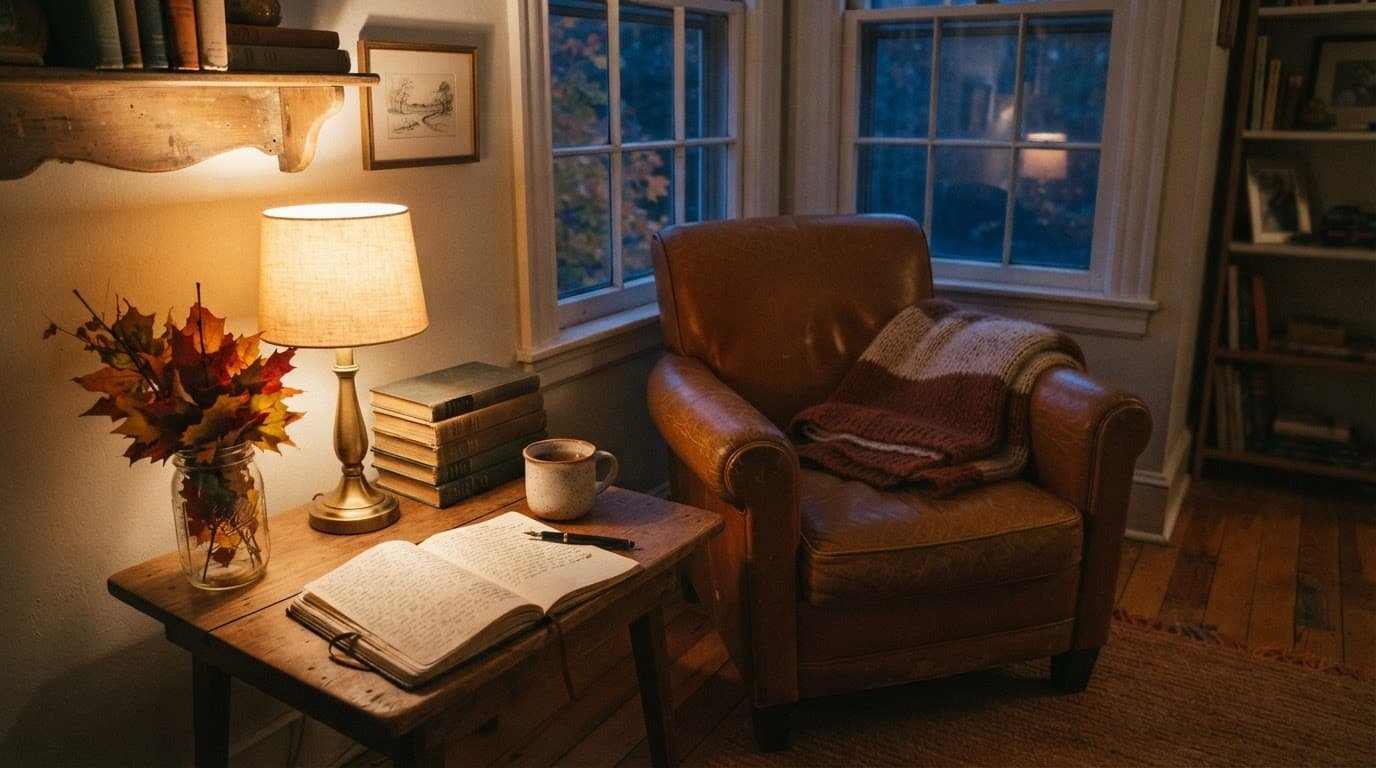
You only need a comfortable seat, a blanket, one book or notebook, water, and soft light. Borrow books from the library, use a free playlist, and move a lamp from another room rather than buying a complete furniture set. Cleaning one small area can make the corner feel new.
In a dorm room, use the space beside your bed. In a shared home, place a basket under the chair so your supplies stay contained. Apartment dwellers can use a windowsill, a floor cushion, or one end of the sofa. When you sit there, choose the activity that matches its purpose, then let the corner become a familiar cue for rest. These tips for building an effective reading environment can help you make the spot easier to use.
Your corner doesn’t need to match a trend. It only needs to hold something meaningful to you, whether that’s a beloved novel, a private journal, or ten peaceful minutes before bed.
Romanticize Fall by Spending More Time Outside
Fall feels more vivid when you leave the house and give your attention to the season. A leaf walk, outdoor market, scenic drive, or few minutes beside an open window can make an ordinary day feel more personal.
Choose an outing that fits your budget, mobility, weather, and energy. Research has found associations between time in nature and better mental health, although outdoor time isn’t a substitute for professional support when your mood stays low.

Plan a Solo Fall Date That Feels Thoughtful
Solitude can be a choice that gives you room to hear your own thoughts. Plan a solo date as carefully as you would plan an outing with someone else.
- Start at a bookstore or library and browse without rushing. Choose a novel based on its cover, read a few pages, or borrow something you’ve wanted to try.
- Buy a warm drink, or make coffee, tea, or cider at home and pour it into a travel mug.
- Walk through a park, neighborhood, or accessible garden. Notice crunchy leaves, cool air, distant traffic, birdsong, and the texture of tree bark.
- End with a favorite meal, whether you cook soup at home, pick up takeout, or enjoy a sandwich at a park table.
- Finish with a comforting movie, a bath, or a few pages of the book you chose.
Give the date a theme, such as “golden leaves,” “quiet corners,” or “everything orange.” Bring a notebook for observations, take a few photographs, and keep your phone in your pocket for part of the outing. You can find more fall solo date inspiration when you want to change the plan.
A tight budget doesn’t cancel the experience. Visit a library instead of buying a book, bring a homemade drink, pack leftovers for a picnic, and choose a free park or neighborhood route. Even sitting near an open window while listening to rain can become a gentle seasonal date.
Share Seasonal Experiences With People You Love
Shared attention matters more than an expensive reservation. Invite a friend, partner, or family member to a potluck, game night, candlelit dinner, baking session, or leaf walk. A thermos and homemade sandwiches can turn a park picnic into an occasion, while a scenic drive costs little if you choose a nearby route.
You could visit a pumpkin patch, go apple picking, browse an outdoor market, or walk through a fall craft fair. Stargazing also works well on a clear evening. Bring blankets, check the forecast, and let conversation move at its own pace.
For rainy or cold days, shorten the plan rather than abandoning it. Take a brief neighborhood walk, visit a library or bookstore, or watch the weather from a covered porch. Dress for comfort and safety with warm layers, water-resistant shoes, and gloves. If conditions are icy, very windy, or painfully cold, stay inside.
Ask what works for everyone before making plans. Friends may have different budgets, mobility needs, schedules, and social energy. Offer a shorter route, a low-cost option, or permission to leave early so the outing feels welcoming instead of demanding.
Use Fall for Journaling, Reflection, and a Fresh Start
As daylight shifts and leaves loosen from the trees, fall offers a natural pause. You don’t have to reinvent yourself before winter arrives. Instead, use a few minutes with a notebook to notice what is working, name what feels heavy, and decide what deserves space in the months ahead.
Journaling can turn a passing moment into something you remember. A warm mug between your hands, the sound of rain against the window, or a thoughtful text from a friend may seem ordinary, yet these details often reveal what helps you feel present and cared for.

Journal Prompts for Noticing What You Already Have
Start with details instead of forcing yourself to feel positive. Describe one ordinary moment from this week as if you were writing a scene in a short story. What did you see, hear, smell, taste, and feel? Where were you, and what made you notice that moment?
Use these prompts when you want to practice gratitude without making your entry sound polished:
- What small moment made me feel present this week?
- Which everyday comfort did I almost overlook today?
- What meal, scent, sound, or texture made me feel at home?
- Which person makes ordinary life feel safe or joyful?
- When did someone show me care recently, even in a small way?
- What part of my current routine is working better than I expected?
- What did my body need today, and how did I respond?
- What tradition would I like to begin this fall?
You can also keep a short list of three specific details, such as “my neighbor held the door,” “the soup tasted better the next day,” or “sunlight reached my desk at 4 p.m.” For more ideas, try these weekly self-reflection prompts when you want more structure.
Journal Prompts for Releasing and Welcoming
Falling leaves can remind you that releasing something doesn’t always mean ending it forever. You might change a plan, ask for help, rest without earning it, set a boundary, or step back from a relationship that continually drains you.
Write honestly about what you want to carry into winter and what you want to set down:
- What am I ready to let go of, even if I can’t change it all at once?
- Which expectation has been making my life feel smaller?
- What commitment no longer fits my time, energy, or values?
- Where do I need a clearer boundary?
- What kind of rest do I need right now?
- What support would make this season easier?
- Which habit helps me feel steady, and which habit leaves me depleted?
- What hope feels realistic for the next few months?
Traditional journaling isn’t the only option. Record a voice note while walking, make a photo diary of ordinary comforts, write a letter you don’t send, or keep a one-line gratitude list. Choose the format you can return to without pressure.
Reflection can support self-awareness, but it shouldn’t replace professional care. If persistent sadness, anxiety, or isolation lasts for two weeks or more, review the National Institute of Mental Health’s mental health guidance and contact a qualified health care provider. If you are in immediate danger or thinking about suicide, call or text 988 in the United States.
Romanticize Your Life in Fall Without Overspending or Performing Happiness
Fall content can make ordinary life look like a shopping list. New sweaters, amber candles, specialty drinks, pumpkin events, and carefully styled rooms appear on every feed. Before long, you may feel pressure to buy a version of autumn you can’t afford or don’t even want.
Romanticizing your life should bring you closer to the present, not push you into debt or exhaustion. Use this decision filter before adding a seasonal ritual:
- Does this help me feel more present?
- Is it affordable without creating stress?
- Does it fit my current energy and abilities?
- Am I choosing it for myself rather than for approval?
Choose Experiences Over Seasonal Shopping
An autumn aesthetic comes from attention, not a pile of new products. Before purchasing anything seasonal, try a borrow, repurpose, or wait rule. Borrow a book or sweater, repurpose something you already own, and wait several days before buying an item that still seems useful.
A library book can replace a new release. Your everyday mug can hold homemade cider. A brown cardigan, old blanket, or lamp from another room can change the mood without adding clutter. Swap clothes with a friend, trade books, or visit a free public space such as a library, park, museum day, or community garden.
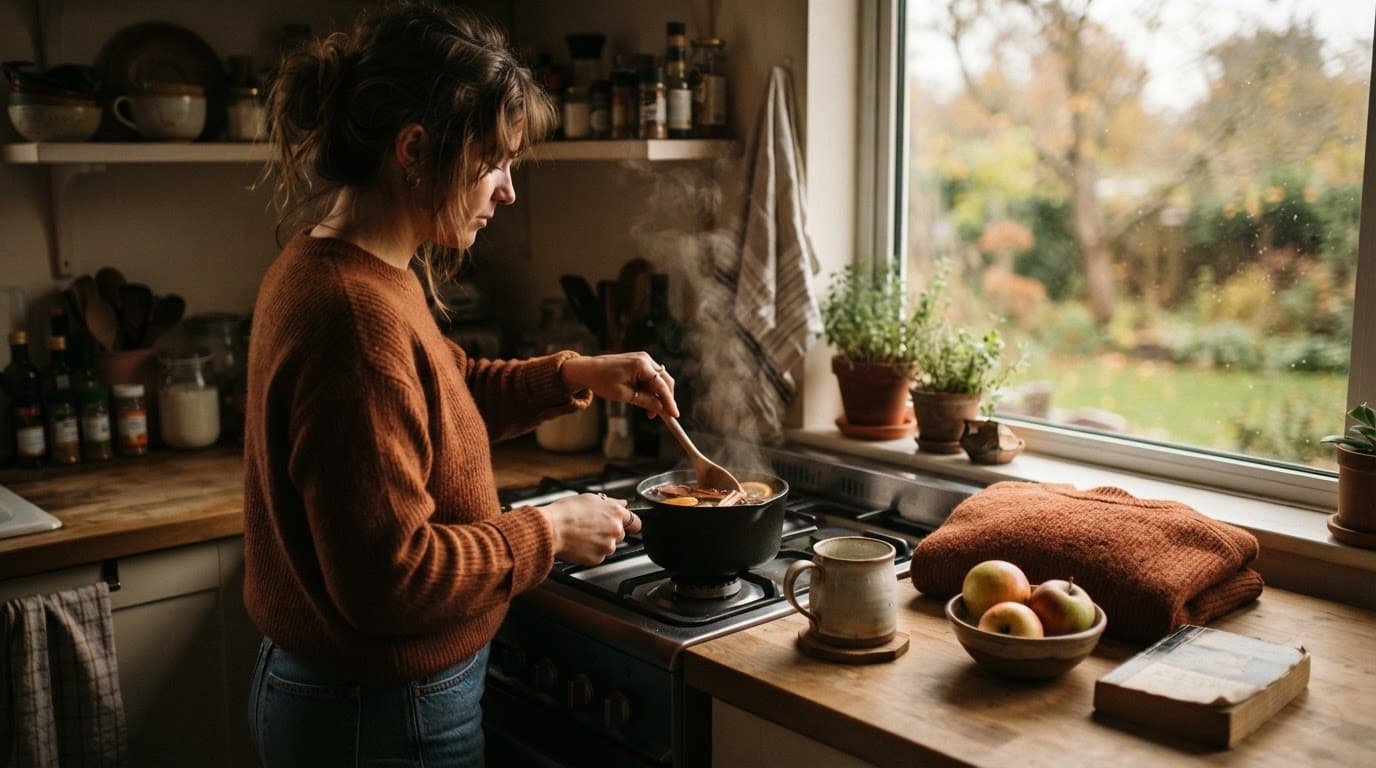
Free and low-cost comforts can still feel special:
- Make cider, soup, oatmeal, or baked apples at home.
- Take a walk and notice the changing trees, air, and sounds.
- Build a fall playlist from music you already enjoy.
- Read a borrowed book under a blanket.
- Take a warm bath with products already in your bathroom.
- Share a simple meal with someone you trust.
Seasonal shopping can also become emotional spending when an attractive post promises a quick mood lift. The Money and Mental Health social media research offers useful context for noticing how online content can affect both spending and well-being. A pause gives you room to choose comfort instead of reacting to pressure.
Let Your Real Life Belong in the Season
Some fall days will be rainy, expensive, lonely, painful, or completely ordinary. You may miss your morning walk, work late, care for a family member, manage chronic illness, feel socially drained, or move through grief. A disability, depression, cultural tradition, or limited budget may also change which seasonal ideas feel possible.
Romanticizing life doesn’t mean denying pain or forcing gratitude. You can enjoy crisp air while feeling sad. You can make tea and still admit that the day has been hard. The CDC’s mental health guidance for people with disabilities supports adapting routines and seeking help when stress interferes with daily activities.
When plans change, make one tiny adjustment instead of abandoning the whole idea. Shorten the walk, listen to the playlist in bed, open a window for two minutes, or eat a favorite meal from a regular plate. Every fall day doesn’t need to be cozy, productive, social, or photogenic. Your real life, including its limits and mixed emotions, belongs in the season.
Conclusion
Fall becomes more meaningful when you stop waiting for perfect plans and start noticing the beauty already within reach. A warm drink, a crisp walk, soft evening light, and a few honest journal lines can help you slow down and feel more connected to your days. Cozy routines work best when they are personal, affordable, and easy to repeat. You can also find more inspiration in these simple ways to make everyday moments count.
This week, choose three ideas that fit your real life: one free idea, such as noticing changing leaves on a walk; one restful idea, such as reading with a warm drink before bed; and one connection-based idea, such as sharing a meal or calling someone you love. Let those choices include sensory details, outdoor time, reflection, and companionship without turning joy into another performance.
The most meaningful fall rituals are often small enough to repeat and personal enough to feel like yours. One ordinary evening can become a lasting memory when you pause beside the window, hear rain against the glass, feel warmth in your hands, and give the moment your full attention.
Save the pin for later


- 60 Color Tattoos That Healed Beautifully - 25/09/2026
- 40 Most Painful Tattoo Spots - 24/09/2026
- 20 Tattoo Aftercare Mistakes That Ruin Fresh Ink - 23/09/2026

