Kidney-friendly recipes are meals made to help reduce extra stress on the kidneys, often by keeping a close eye on sodium, potassium, phosphorus, and protein. That matters because chronic kidney disease affects about 1 in 7 adults in the US, so for many people, food choices can play a real role in day-to-day health.
At the same time, eating for kidney health can feel confusing because the “right” foods aren’t the same for everyone. Your needs can change based on your CKD stage, lab results, other health issues, and whether you’re on dialysis, so it’s smart to use this as a starting point and follow your care team’s advice, especially a renal dietitian if you have one.
The good news is that kidney-friendly meals don’t have to be bland, strict, or hard to make. With a few simple ingredient swaps, a basic way to build balanced meals, and easy ideas for breakfast, lunch, dinner, snacks, and dessert, you can put together food that fits your plan and still tastes good. Keep reading for practical recipe ideas that make kidney-friendly eating feel more doable every day.
Start with the kidney diet basics before you cook
Before you pick a recipe, it helps to know what your kidneys may need from your plate. In simple terms, kidney-friendly cooking usually means keeping sodium lower, watching potassium and phosphorus when your labs call for it, and being careful with protein if you have CKD and are not on dialysis.
For many people with non-dialysis CKD, a common starting point is sodium at or below 2,300 mg a day, phosphorus around 800 to 1,000 mg a day when restricted, and protein near 0.8 grams per kilogram of body weight when a clinician advises it. Protein needs can rise on dialysis, so your best plan depends on your lab results, CKD stage, and medical team. For a solid overview, see healthy eating for adults with CKD.
The ingredients that often make a meal less kidney friendly
A meal can look harmless and still pack a lot of hidden sodium and phosphorus. That is why the biggest trouble spots are often packaged and highly processed foods, not just the salt shaker.
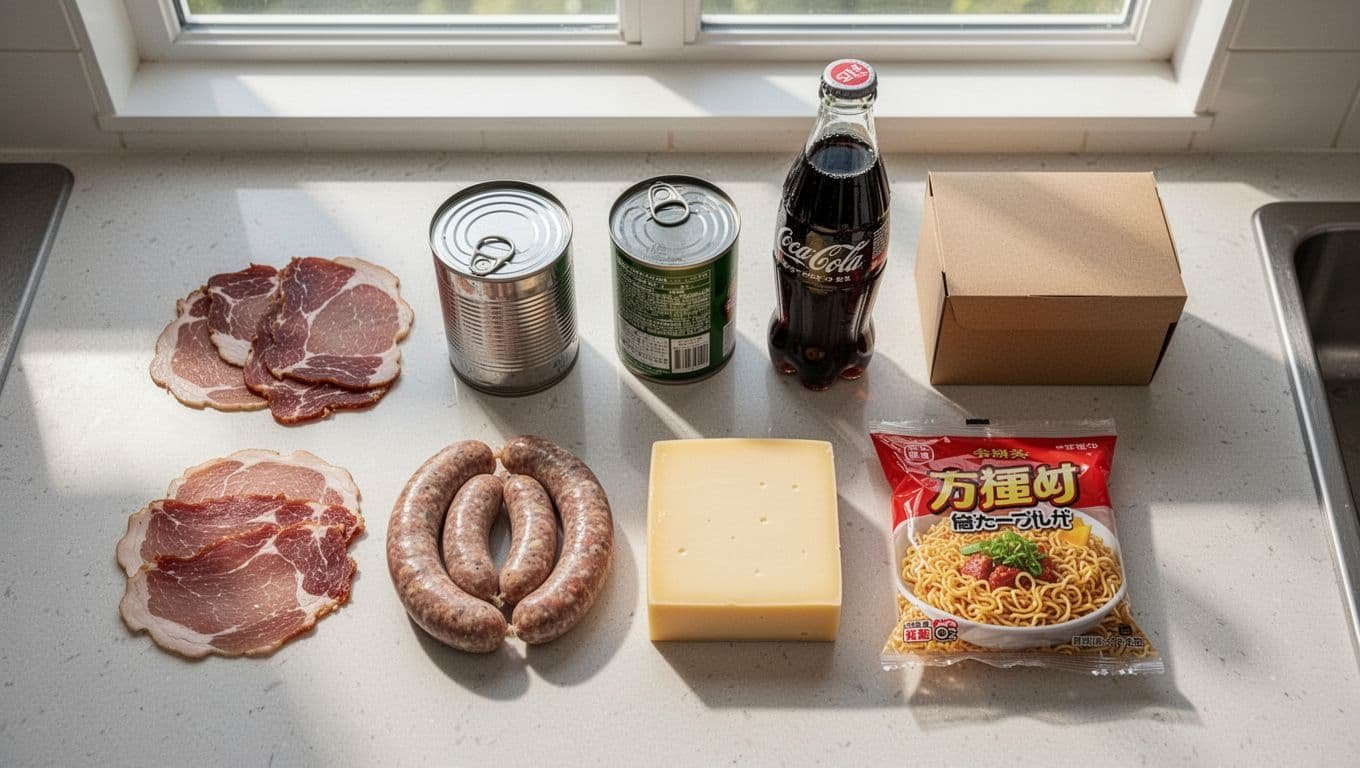
Watch these foods first:
- Processed meats like bacon, sausage, deli turkey, ham, and hot dogs
- Canned soups and boxed broth-heavy meals
- Salty sauces, including soy sauce, teriyaki sauce, bottled marinades, and many spice blends
- Dark sodas, especially colas
- Cheese-heavy meals, cheese sauces, and processed cheese slices
- Instant noodles, flavored rice packets, and frozen convenience meals
- Packaged snacks and fast foods with long ingredient lists
The label often tells the real story. Sodium can build up fast in canned soups, frozen meals, and restaurant sauces, which matters because too much sodium can raise blood pressure and make your body hold extra fluid. Phosphorus can be just as sneaky, especially in packaged foods with additives.
Scan ingredient lists for words with “phos”, such as phosphoric acid, disodium phosphate, or calcium phosphate.
That one habit can save you time at the store. According to the National Kidney Foundation diet and meal planning resources, phosphate additives are absorbed very well by the body, so they can add up quickly. Also remember that some foods high in potassium, such as tomato-heavy sauces or certain convenience foods, may need limits for some people.
Simple food choices that are often easier on the kidneys
Cooking from scratch gives you more control, and that usually makes meals more kidney-friendly right away. Fresh ingredients tend to have less sodium than boxed or canned foods, so you can season food for flavor without loading it with salt.
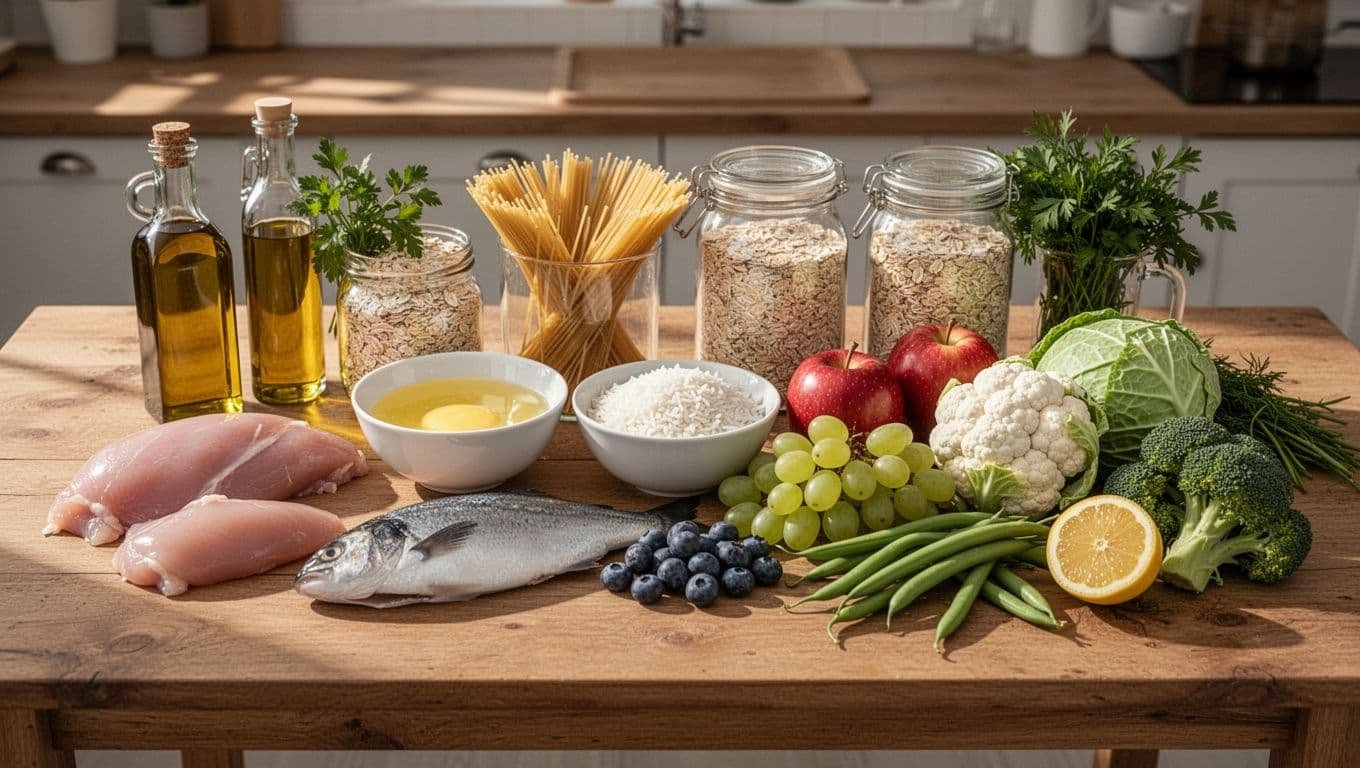
Good starting picks often include fresh chicken or fish, egg whites, rice, pasta, and oats. Many fruits and vegetables can also fit well, such as apples, berries, grapes, cabbage, cauliflower, green beans, and, for some people, broccoli. For flavor, use olive oil, lemon juice, garlic, onion, and fresh or dried herbs instead of salty bottled sauces.
A simple plate can work well:
- Pick a fresh protein, such as chicken, fish, or egg whites.
- Add a starch like rice, pasta, or oats.
- Choose lower-sodium produce.
- Finish with olive oil, lemon, and herbs.
Still, “healthy” does not always mean “kidney-safe” for every person. Some foods that are good for the general public may be too high in potassium or phosphorus for your needs. The American Kidney Fund kidney-friendly eating plan explains this well. Your labs decide what belongs on your plate, so recipes should bend to your numbers, not the other way around.
Build kidney friendly recipes that still taste good
Good kidney-friendly cooking usually comes down to a repeatable pattern: keep the base simple, then build flavor on purpose. You do not need a lot of salt, bottled sauce, or fancy ingredients. Small moves, used again and again, can make everyday meals taste satisfying and still fit your plan.
That matters because “kidney-friendly” is not only about what you cook. It’s also about how you season it and how much ends up on the plate. Once you get those two habits down, meals start to feel much easier.
Use herbs, acid, and texture to replace extra salt
Salt is only one kind of flavor. If you lean on herbs, spices, acid, and crunch, food stops tasting flat very quickly. Start with basics such as garlic, onion powder, paprika, parsley, rosemary, and thyme. These add depth without turning every meal into a sodium bomb.
Acid also wakes food up. A squeeze of lemon juice, lime juice, or a splash of vinegar can make a simple dish taste brighter right away. This works especially well when you are cooking plain proteins or mild grains.
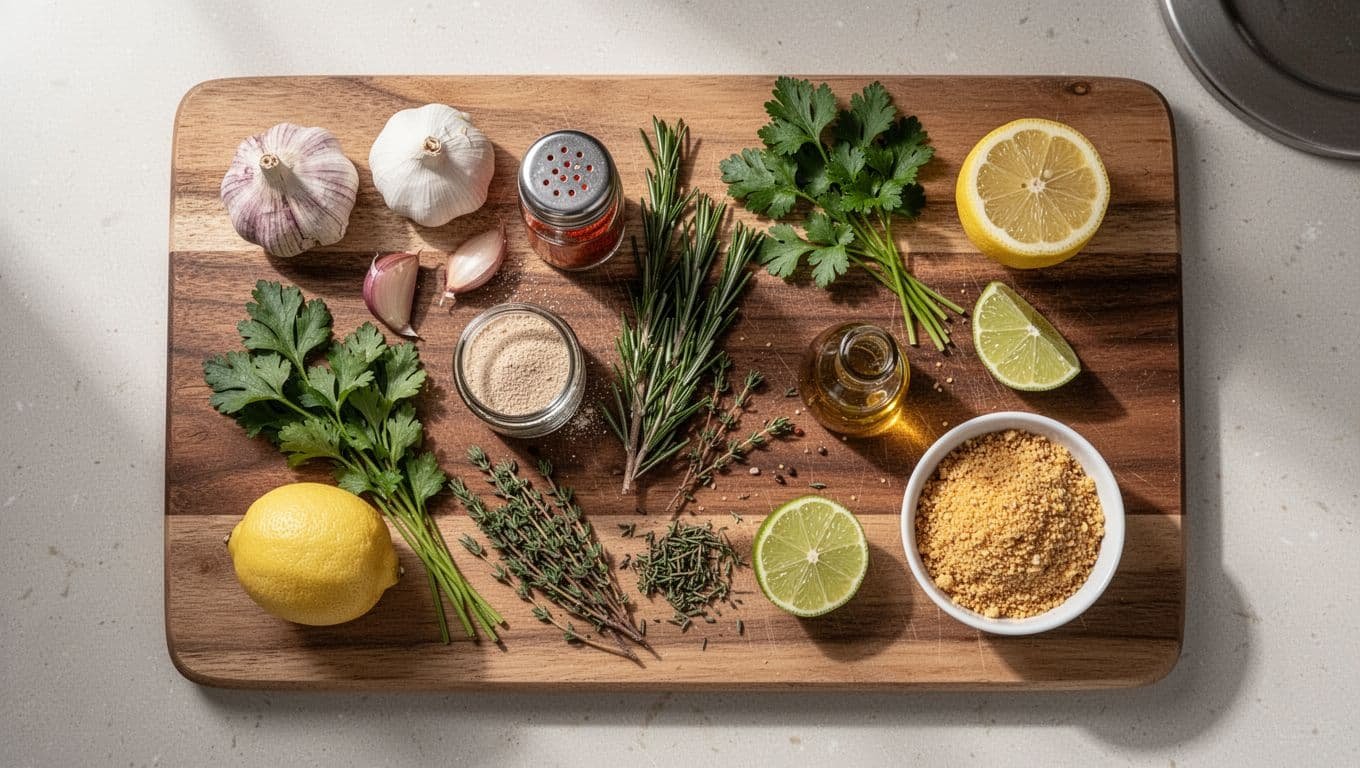
A little texture helps too. Toasted breadcrumbs can give casseroles, pasta, or roasted vegetables a savory finish when cheese or salty toppings are limited. Even a small spoonful can make a meal feel more complete.
Some pairings are easy to remember:
- Lemon works well with fish, chicken, and green beans.
- Lime brightens tacos, slaw, and simple rice bowls.
- Rosemary and thyme fit roasted chicken or pork.
- Paprika gives eggs, mayo-based spreads, and vegetables more warmth.
- Cinnamon makes plain oats taste fuller and more comforting.
- Crunchy cabbage slaw adds bite and freshness to tacos without heavy sauce.
Check salt-free blends before you buy them. Some “salt substitute” products use potassium chloride, which may not fit a kidney diet unless your care team approves it.
If you want more ideas, the National Kidney Foundation’s seasoning recipes and low-salt flavor enhancer guide offer practical mixes that keep the focus on flavor, not sodium.
Watch portion size because even healthy foods can add up
A food can be kidney-friendly in one amount and less helpful in a larger one. That is why portion size matters just as much as ingredient choice. You are not trying to make meals tiny, just more balanced.
With animal protein, a moderate serving often works better than piling the plate high. For many meals, that means a modest piece of chicken, fish, turkey, or eggs instead of a large restaurant-style portion. This can help keep protein in a better range if you are not on dialysis.
Sauces and dressings deserve extra attention because they add up fast. Even a better choice can become too much when you pour freely. Try measuring first, even if it is only for a week or two. A tablespoon or two often gives enough flavor.
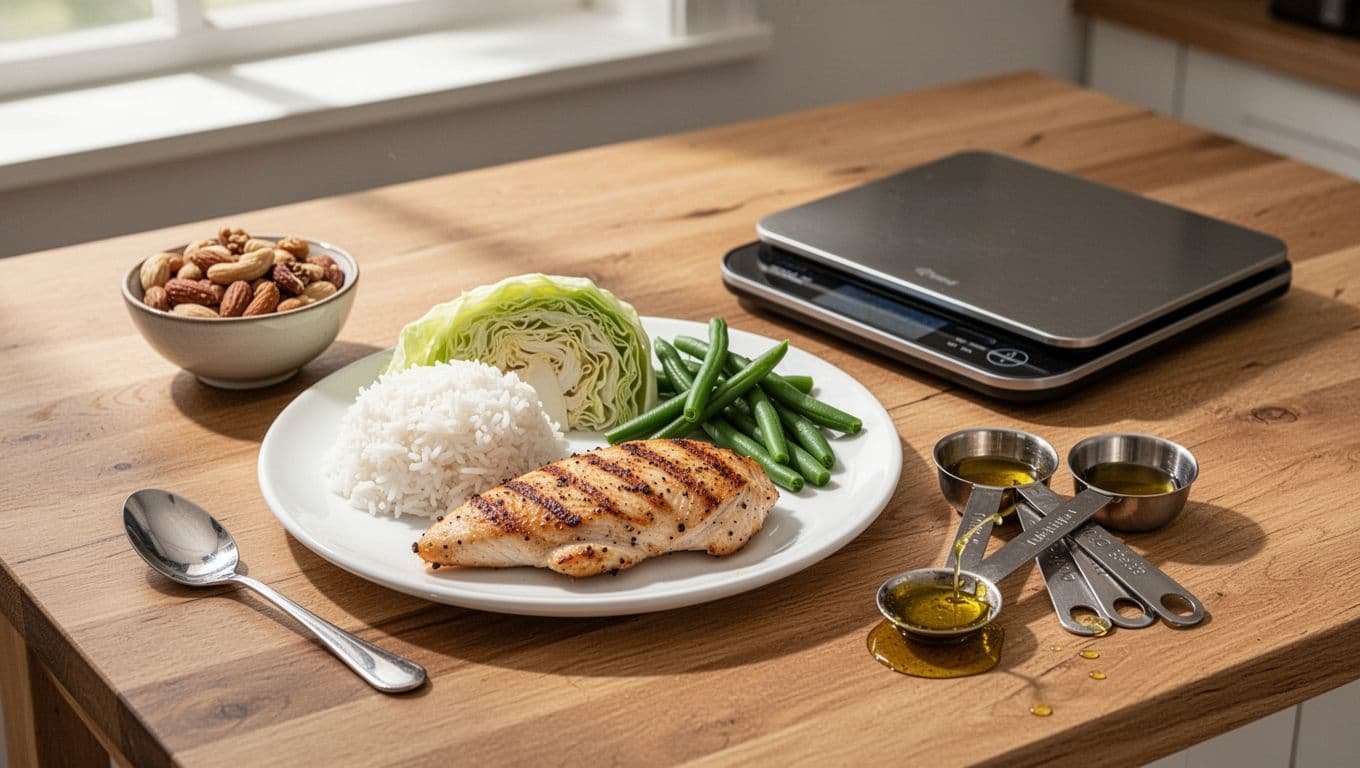
This matters with foods that are healthy in general but may need limits for kidney disease. If your plan restricts phosphorus or potassium, be more careful with:
- nuts and nut butters
- dairy foods
- beans and lentils
- whole grains in larger portions
That does not mean these foods are always off the menu. It usually means portion, frequency, and your lab results guide the decision. A small amount may fit where a large bowl does not.
A simple plate is often easier to manage: a moderate protein, a sensible starch portion, vegetables that fit your plan, and measured flavor on top. If you need a reliable starting point, the NIDDK guide to healthy eating with CKD can help you match meal size to your needs.
Easy kidney friendly breakfast and lunch ideas to make busy days easier
Busy days can make any eating plan harder to follow. That’s why simple meals matter so much. When breakfast and lunch are easy to prep, easy to pack, and easy to enjoy, you’re more likely to stay on track without feeling boxed in.
For many people with CKD, the best options are the ones you can make from basic ingredients and repeat through the week. A bowl of oats, a quick egg scramble, or a cold lunch built from chicken, rice, and crisp vegetables can do a lot of heavy lifting.
Breakfast ideas that are filling without being too heavy
Breakfast should give you staying power, not leave you feeling stuffed. Oats, egg whites, toast, and lower potassium fruits often work well because they are familiar, affordable, and flexible. Still, your own plan comes first, especially if your care team has given you protein, potassium, or phosphorus limits.
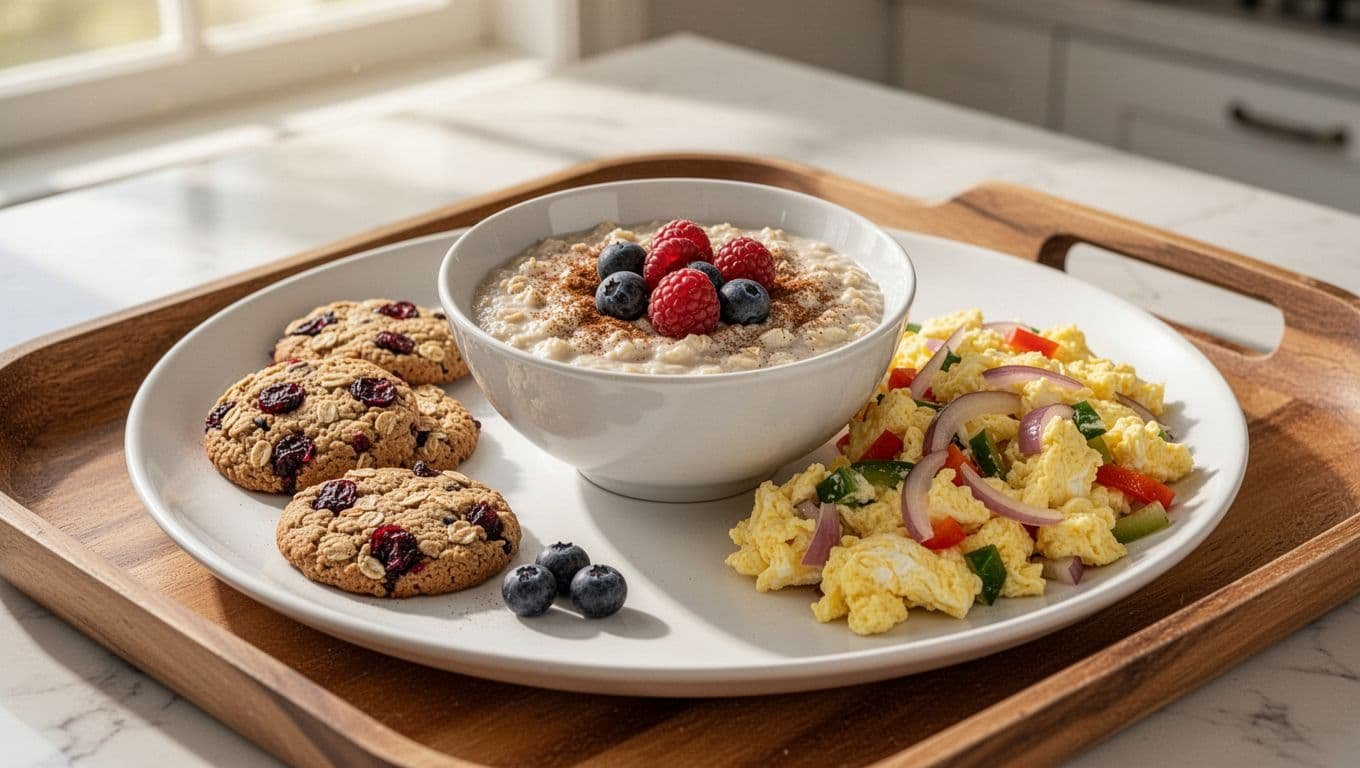
A few breakfasts are especially easy to picture on a real weekday morning. Cranberry oatmeal breakfast cookies are great for grab-and-go mornings, especially if you bake a batch ahead. Oatmeal with berries and cinnamon is another easy win because it feels warm and filling without a lot of fuss. If you want more protein, an egg white veggie scramble with onions and peppers cooks fast and keeps the plate light. You can also keep it very simple with toast and a kidney-friendly spread, such as a little fruit spread, cream cheese if it fits your plan, or a homemade egg white spread.
Oats can fit many meal plans because they are simple, budget-friendly, and easy to portion. Egg whites are useful because they add protein with less phosphorus than many whole egg-heavy meals. Lower potassium fruits, such as berries, apples, pears, or a small amount of cranberries, can also make breakfast feel fresh without leaning on bananas or large smoothie bowls.
One small warning helps here. Packaged breakfast meats, many cheeses, and some breads can push sodium up fast. If you buy bread, check the label, because even toast can turn into a salty start when the loaf is heavily processed. For more breakfast inspiration, these renal diet breakfast ideas show how simple the meal can be.
Lunch recipes that are light, fresh, and lower in sodium
Lunch often falls apart when you’re rushed, so it helps to keep a few low-effort meals on repeat. The goal is a lunch that feels fresh, fills you up, and doesn’t rely on deli meat, canned soup, or restaurant takeout.
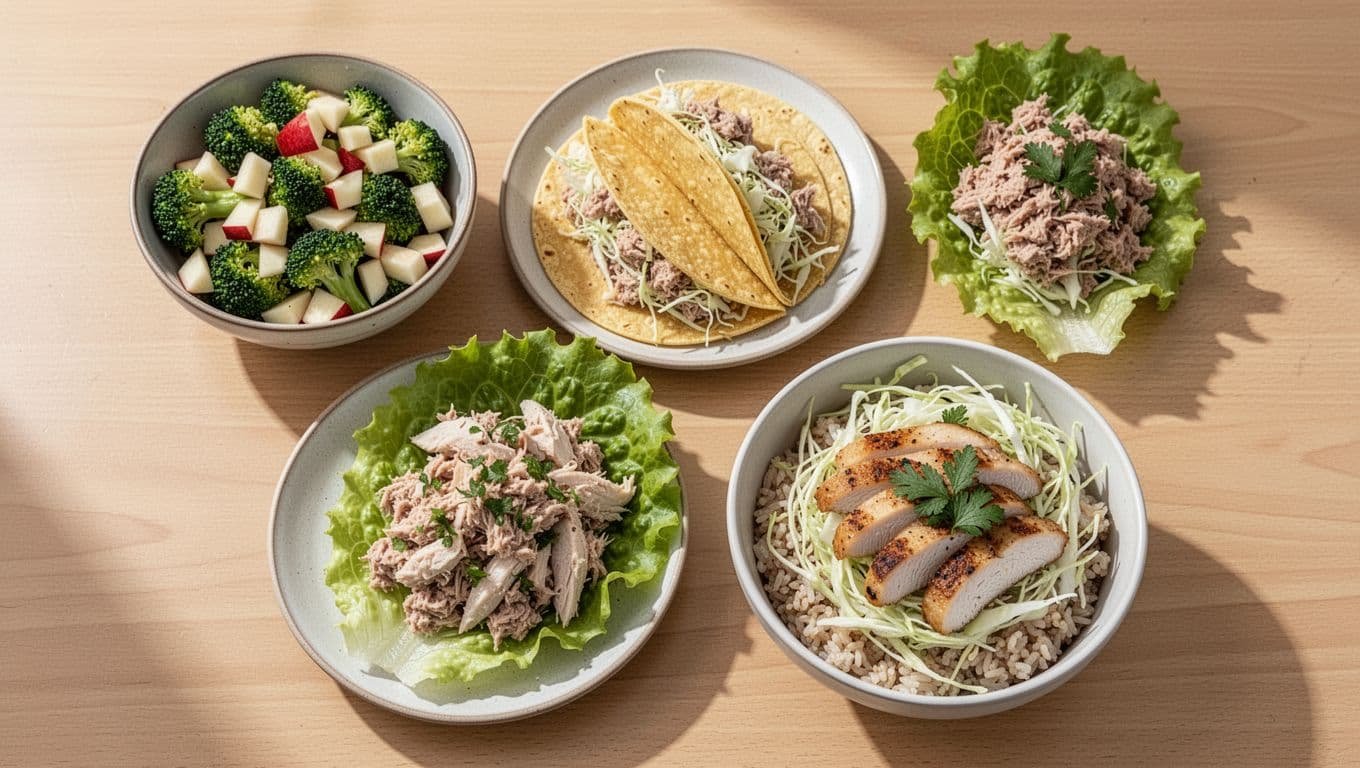
A broccoli and apple salad is a good example. It gives you crunch, sweetness, and texture without much prep. A simple homemade dressing with olive oil, vinegar, and a little pepper usually keeps sodium lower than bottled dressings. The same idea works for chicken salad lettuce wraps. Use cooked chicken, a modest amount of mayo, chopped celery or onion, and lettuce leaves instead of bread for a fresh lunch that travels well.
Canned fish can also work when you choose carefully. Fish tacos made with rinsed low-sodium tuna are fast, cheap, and easy to build with corn tortillas, shredded cabbage, and lime. Rinsing canned fish can help wash away some of the sodium, which makes a useful difference over time. Another budget-friendly option is a rice bowl with cabbage and grilled chicken. Leftover rice and cooked chicken make this one easy, and cabbage adds crunch without expensive extras.
Homemade dressings and simple sauces often give you better sodium control than bottled ones.
If you want more practical lunch ideas, the American Kidney Fund recipe library is a helpful place to browse meals that can work for breakfast or lunch.
Kidney friendly dinners, snacks, and desserts the whole family can enjoy
Later in the day, most people want food that feels easy, warm, and satisfying. That matters even more when you’re cooking for a family, because no one wants a separate “diet meal” on the table. The good news is that kidney-friendly dinners, snacks, and desserts can still feel familiar, filling, and good enough to share.
Dinner recipes that feel comforting and balanced
Comfort food can still fit a kidney-friendly plan when you keep the basics simple. Lean protein, measured portions, and low-sodium seasoning help a lot because they give you flavor and structure without loading the plate with extra sodium or too much protein at once.

A few dinners make this feel very doable. Honey spice rubbed salmon brings strong flavor without heavy sauce, especially when you pair it with rice and a lower-potassium vegetable. Herb chicken with rice is another easy staple. A little garlic, thyme, parsley, lemon, and olive oil can carry the whole dish.
Casseroles can work too, but they usually need a lighter hand. A broccoli chicken casserole with a lower-sodium approach can skip canned soup and use a simple homemade base instead. Meanwhile, pasta with garlic, olive oil, and roasted vegetables keeps dinner comforting without piling on cheese or jarred sauce. For a more family-style option, turkey stuffed peppers are hearty, affordable, and easy to portion.
Here are the big reasons these meals work well:
- They use lean proteins like chicken, turkey, and fish, which are easier to portion.
- They rely on herbs, spices, garlic, and olive oil instead of salty bottled sauces.
- They keep the plate balanced with rice, pasta, or vegetables that can be adjusted to your plan.
Still, some ingredients may need changes based on your labs. Tomato, dairy, beans, and potatoes can be tricky for some readers because potassium and phosphorus needs vary. If tomato sauce is too much, use less or swap in garlic oil and roasted vegetables. If cheese is limited, try a smaller amount or leave it out. For more recipe ideas that keep comfort food in the picture, the Northwest Kidney Centers recipe collection is a helpful place to browse.
A family dinner can be kidney-friendly and still feel like real dinner. The trick is often in the seasoning and the portion size, not the loss of flavor.
Smart snacks and simple desserts when cravings hit
Snacks and dessert don’t have to disappear. They just work better when you keep sodium lower, watch portions, and choose ingredients that fit your potassium and phosphorus limits.
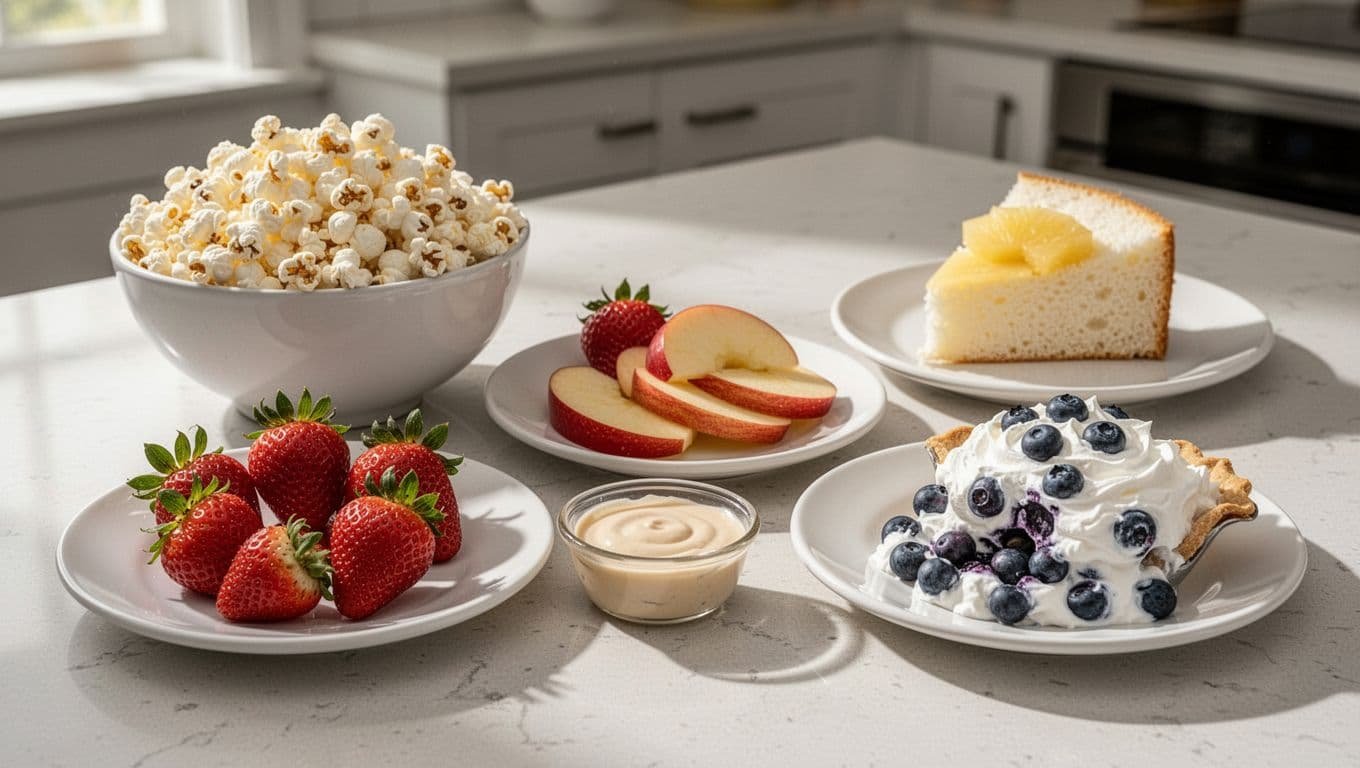
For snacks, simple usually wins. Air-popped popcorn is crisp, cheap, and easy to flavor with a little garlic powder or a salt-free seasoning blend. Apple slices with a small amount of dip can hit the sweet-creamy spot without turning into a heavy treat. You can also make stuffed strawberries with a light filling when you want something that feels a bit special.
Dessert can stay on the menu too. A slice of angel food cake with pineapple feels light and familiar, which makes it a smart option for family meals or holidays. Blueberry whipped pie, served in a modest portion, can also fit nicely when the filling and topping are kept lighter. If you want more lower-sodium sweet ideas, this kidney-friendly desserts and sweets collection has useful inspiration.
Fruit choice matters here. Lower-potassium fruits often make dessert easier to work with, so apples, berries, grapes, and pineapple often show up more than bananas or large servings of dried fruit. Dairy may also need a lighter touch, depending on your phosphorus needs, so smaller amounts of whipped topping, cream cheese, or yogurt can make more sense than rich, dairy-heavy desserts.
That balance makes cravings easier to manage. You still get something sweet or crunchy, but it fits the plan and feels normal enough to serve to everyone at the table.
How to shop, prep, and adjust recipes for your kidney needs
A kidney-friendly recipe usually starts before you cook. It starts in the store, with a quick label check, and continues in your kitchen with a few smart swaps. That matters because you do not need to follow every recipe exactly. In most cases, you just need to spot what pushes sodium, potassium, or phosphorus too high for your plan, then adjust from there.
This is where confidence grows. Once you know what to scan, what to swap, and when to ask for help, everyday meals get much easier.
What to look for on labels at the grocery store
Start with the serving size. Every number on the package depends on it, so if you eat double the serving, you also double the sodium, potassium, and anything else listed. That is where many “healthy-looking” foods fool people.
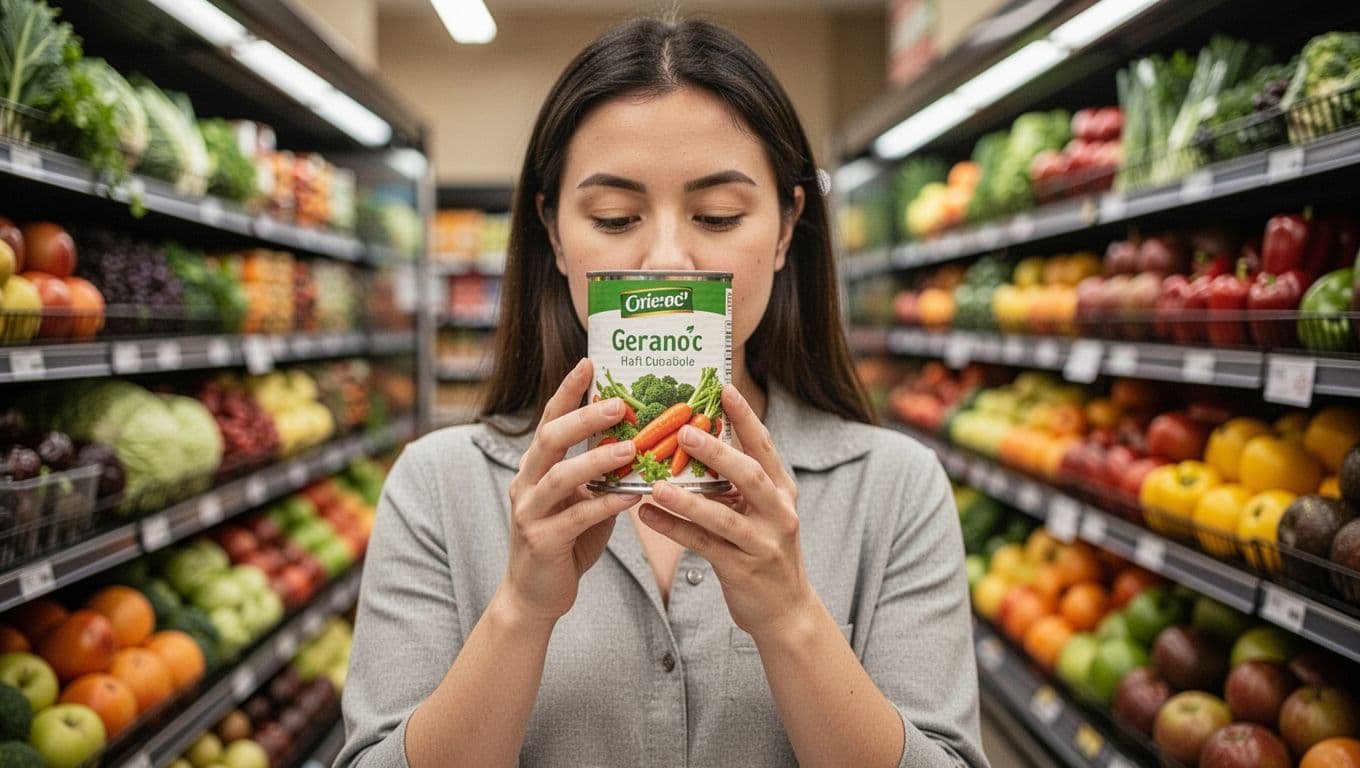
Next, check sodium. A simple rule helps: lower is better, and products with 140 mg or less per serving are usually considered low sodium. Some guidance also suggests being more cautious once a food goes much above 400 mg per serving, especially if you eat several packaged items in one day. The Mayo Clinic’s phosphorus guide also explains why packaged foods can cause trouble when minerals start adding up.
Then scan the ingredient list for phosphorus additives. Phosphorus is not always easy to spot on the Nutrition Facts panel, so the ingredient list matters more here. Watch for words with “phos,” such as phosphoric acid, disodium phosphate, or calcium phosphate.
Packaged seasoning mixes need a close look too. They often carry a lot of sodium in a very small amount, and many convenience foods hide the same issue. Frozen rice bowls, canned soups, instant noodles, veggie burgers, and “healthy” frozen meals can look like smart picks, but some are still highly processed.
A few habits make shopping much simpler:
- Choose no-salt-added or low-sodium products when you can.
- Compare brands, because one version may have far less sodium than another.
- Be careful with foods marketed as “natural,” “light,” or “made with whole grains,” because those claims do not tell you much about sodium or additives.
- Check for potassium chloride if your care team told you to limit potassium.
For a practical walk-through, this guide on reading food labels for a kidney diet breaks down what to scan first and what to skip.
Easy recipe swaps that make common meals more kidney friendly
You do not need a new cookbook for every meal. Most of the time, one or two ingredient changes can make a favorite dish fit better. That is much easier than starting from scratch every night.
For example, swap salty bottled marinades for olive oil, garlic, herbs, black pepper, and a squeeze of lemon. You still get flavor, but with far less sodium. Boxed rice or pasta sides can also be replaced with plain rice, pasta, couscous, or noodles that you season yourself.
Soup is another easy fix. Instead of canned soup, make a quick homemade version with low-sodium broth, leftover chicken or turkey, rice or noodles, and vegetables that fit your plan. You control the salt, and the flavor is usually better.
Fruit swaps can help too when potassium needs are tighter. If bananas or oranges are not a good fit for your labs, try berries, grapes, apples, pears, or pineapple instead. Those small changes keep meals familiar without forcing you to give up fruit.
If your dietitian recommends lowering potassium in certain vegetables, prep methods can help. Some vegetables, such as potatoes, may be soaked or boiled to reduce potassium before you add them to a meal. That step is not right for everyone, so it works best when your care team has told you to use it. The American Kidney Fund’s ingredient swap guide has more examples for everyday cooking.
A few common swaps are worth keeping in your back pocket:
- Use fresh chicken, fish, or turkey instead of deli meat or seasoned frozen meat.
- Pick homemade soup instead of canned soup.
- Choose plain grains instead of flavored boxed sides.
- Replace salty sauces with lemon juice, vinegar, garlic, onion, and herbs.
- Try lower-potassium fruits when your labs call for it.
Save the recipe you already love, then change the part that causes the problem.
That mindset makes kidney-friendly cooking feel much more realistic.
When to ask a renal dietitian for help
Sometimes a recipe needs more than a simple swap. If your lab values change, or you are also managing diabetes, high blood pressure, dialysis, weight loss goals, or a drop in appetite, it is a good time to get personal advice. Those factors can shift what works for you, even if a meal used to fit just fine.
A renal dietitian can help you adjust meals without taking all the joy out of eating. Bring your favorite recipes, saved meal ideas, or even photos of what you cook most often. Then ask, “How can I make this work better for my numbers?” That is usually more useful than cutting out foods you love and hoping for the best.
This matters even more if eating feels harder than it used to. Maybe food tastes different, maybe you feel full too fast, or maybe you are losing weight without trying. In those cases, general advice from the internet will only take you so far. You need a plan built around your labs, your health conditions, and your real appetite.
The best next step is simple: pick one meal you make often, read the label on the main packaged ingredient, and swap one high-sodium or high-additive item this week. That single habit can move your whole kitchen in the right direction.
Conclusion
Kidney-friendly recipes can still be simple, satisfying, and full of flavor. When you start with fresh ingredients, use lower-sodium seasonings, and keep portions in check, everyday meals feel much easier to manage.
Just as the post opened, eating for kidney health doesn’t have to feel bland or complicated. The biggest win is keeping things personal. Small swaps, like skipping salty sauces or changing one ingredient in a favorite meal, can make a real difference over time.
This week, try one new breakfast, lunch, or dinner recipe that fits your plan. Then, if your labs or needs have changed, check in with a renal dietitian so your meals keep working for you.
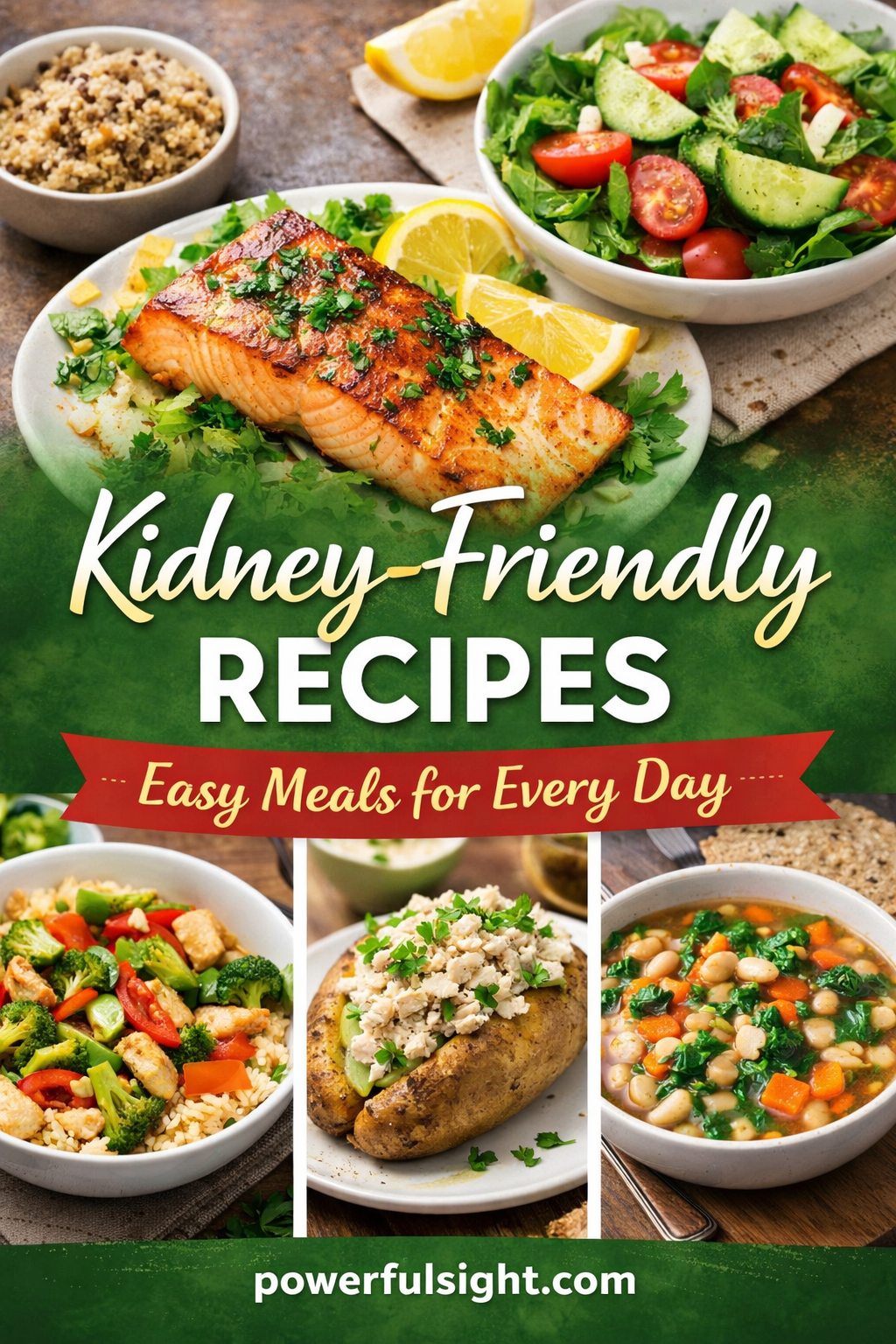
Save the pin for later

- Healthy Air Fryer Recipes for Beginners - 21/09/2026
- Healthy Snacks for Late Night Cravings - 21/09/2026
- High Protein Meal Prep Ideas for Easy Weekly Meals - 21/09/2026

