I was the other woman for one year, and I’m not going to dress it up. It came with secrecy, guilt, confusion, and the kind of emotional fallout that follows you long after the relationship ends.
If you’re searching for this topic, chances are you’re hurting, trying to make sense of what happened, or wondering how you got here in the first place. I know that feeling, because I lived it, and the truth is that shame can make everything feel heavier.
These are the 10 lessons I learned about what affair secrecy does to your self-worth, your peace of mind, and your sense of reality. Some of them are hard to face, but they’re the kind of hard truths that matter.
How I ended up in an affair that lasted a year
I did not walk into it all at once. It started with small exceptions, small excuses, and a lot of hope I was pretending was harmless. Looking back, the affair lasted so long because I kept treating discomfort like uncertainty instead of truth.

The first red flags I ignored
The first warning signs were easy to explain away because I wanted the connection to keep going. Communication was inconsistent, plans changed at the last minute, and the reasons always sounded vague enough to be believable. When someone gives you just enough attention to keep you waiting, it can feel like patience, not a problem.
He was private in ways that never sat right with me. Calls happened at odd hours, messages came in bursts, and promises were often followed by silence. I kept telling myself he was busy, stressed, or complicated, but the pattern was clear long before I admitted it.
The biggest red flag was how often I had to fill in the blanks. If you are always guessing, you already know something is off. Attraction can blur that knowledge, and hope can make people defend the very behavior that hurts them.
Why the relationship kept going
What kept me there was not one big thing. It was a mix of attention, loneliness, validation, and fear. When someone makes you feel chosen in secret, that feeling can hit harder than it should.
I also convinced myself that things would change. Every small promise felt like proof that the situation was moving toward something real. In reality, I was holding on to potential, not proof.
The affair survived because the emotional highs were intense. A text at the right time, a sweet apology, or a few good days could wipe out a week of doubt. That kind of cycle is hard to break because it feeds on waiting.
I kept confusing intensity with connection, and that made it easier to stay.
What I told myself to stay in it
I told myself I was being understanding. I told myself he was in a difficult situation, and that patience would make me look loyal instead of avoidant. That story gave me cover when I did not want to face the mess I was in.
Denial can sound very reasonable when you are tired of disappointment. I told myself I was not hurting anyone as long as I stayed quiet. I told myself I would leave when it stopped feeling right, even though it already did.
I also used self-protection as an excuse. If I admitted the truth, I would have to admit I had accepted less than I deserved. That is a hard mirror to face, so I kept looking away.
Some of the lies were simple and familiar:
- “He’ll end things soon.”
- “This is temporary.”
- “I can handle this.”
- “It means more than it looks like.”
Those thoughts did not protect me. They delayed the moment I had to choose myself. The longer I stayed, the more I had to keep editing reality just to make the story hold together.
For a deeper look at how people justify unhealthy relationship patterns, these relationship red flags are a useful reminder of how early warning signs show up and why they matter.
Still, the truth was there the whole time. I just kept stepping around it until I could not ignore it anymore.
The emotional cost of being the other woman
The hardest part was never just the relationship itself. It was what it did to my mind, my sleep, my posture, and the way I looked at myself in the mirror.
Being hidden comes with a price that builds fast. The guilt shows up first, then the shame, then the slow erosion of peace that makes everything feel heavier than it should.
Guilt and shame became constant
Guilt sat in my thoughts like background noise. It showed up when I woke up, when I tried to fall asleep, and whenever I had a quiet minute alone. I replayed conversations, picked apart my choices, and felt a sick drop in my stomach every time I remembered what I was part of.
At night, my body did not calm down. I would lie there with a tight chest, restless legs, and a mind that refused to shut off. Even during the day, I caught myself avoiding eye contact, folding my arms, and shrinking into myself as if I could physically make the situation smaller.
Shame was worse because it changed how I carried myself. It made me feel small, stained, and unlike the version of me I used to know. When shame takes hold, you stop feeling like a whole person and start feeling like a secret you have to hide.
Shame doesn’t just say, “You made a mistake.” It whispers, “This is who you are.”
That kind of thinking can wear a person down fast. The guilt says, “You did something wrong,” while shame says, “You are wrong.” Those two voices can keep running until you start believing them.
Secrecy made me feel alone
I lived with a private story I could not tell anyone. That alone created a heavy kind of loneliness, because I could not be honest with friends, and I could not ask for comfort without exposing everything. The relationship may have felt intense in private, but secrecy made the rest of my life feel sealed off.
I also felt cut off from normal support. I could not bring up dates, texts, or late-night silence without lying by omission, so every problem stayed trapped inside me. That isolation got worse the more I depended on the relationship for emotional connection.
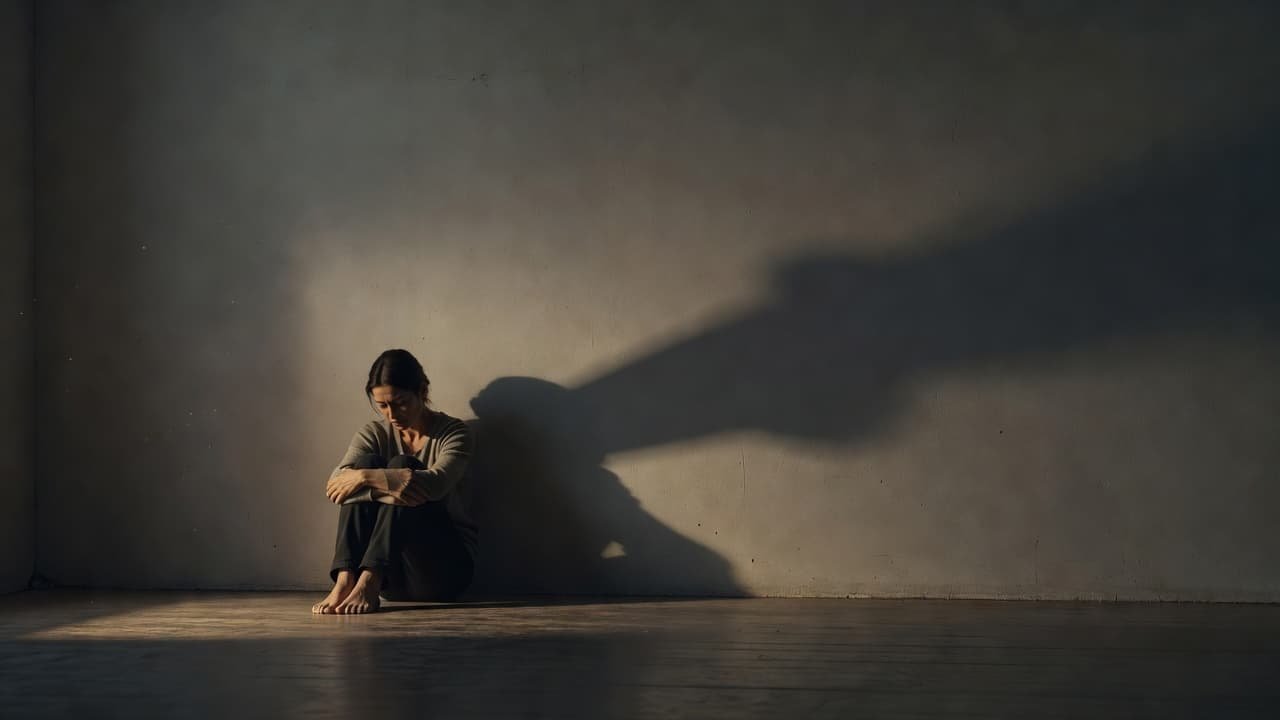
Even when the connection felt exciting, secrecy kept stealing the warmth out of it. I had someone, but I could not share them. I had feelings, but I could not place them anywhere safe. That is a lonely way to live.
For a closer look at how secrecy and uncertainty feed emotional stress, handling relationship anxiety can help connect those dots.
My self-worth took a hit
Being the hidden person slowly chipped away at my self-esteem. I started comparing myself to the woman who had the public role, the real-life title, the place I did not have. That comparison was brutal because it turned every good quality I had into something that still did not seem enough.
The worst part was feeling like I was never fully chosen. I could be wanted, but only in pieces. I could be important, but only behind closed doors. That kind of half-love sends a painful message, and after enough time, you start repeating it to yourself.
I questioned my value more than I should have. Was I not enough to be claimed openly? Was I only useful because I was available in secret? Those questions are poisonous because they make your worth feel conditional.
If you have ever felt your confidence slip in a relationship, building self-worth in love matters more than pretending everything is fine. I learned that self-worth cannot survive long in a setup that keeps asking you to accept less than the truth.
Over time, I had to face a hard reality. The emotional cost was not just sadness. It was the way guilt, loneliness, and low self-worth worked together to change how I saw myself, and that was the part that took the longest to undo.
What I learned about the person I was really dating
Once the secrecy wore off, I stopped seeing the version of him I wanted and started seeing the person he actually was. That shift hurt, but it also cleared the fog. I learned that the affair was not just about bad timing or complicated feelings, it was a pattern of character that showed up in every excuse, every delay, and every lie.
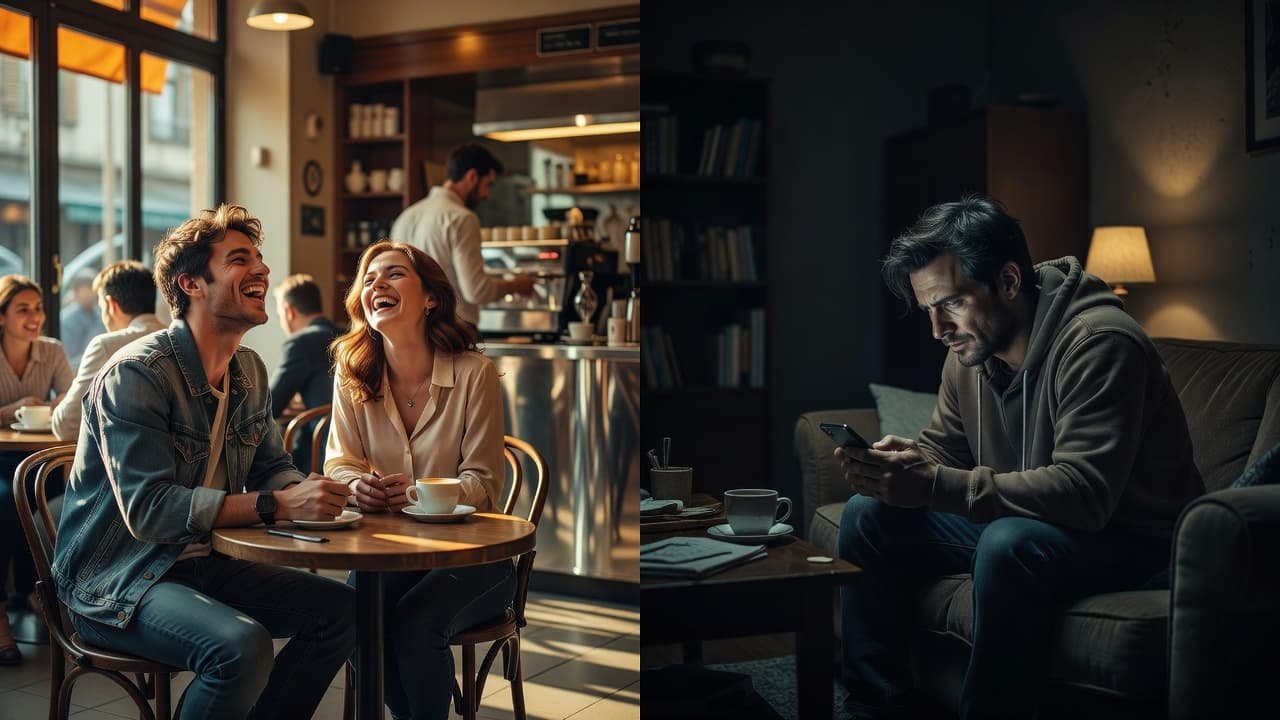
Cheating was not a small mistake
I used to tell myself the cheating was one bad choice. That made it easier to stay. But repeated deception is not a tiny slip, because it changes the whole structure of trust. Once lying becomes a habit, every promise sits on shaky ground.
What I learned is simple: a person who can lie to one partner can lie to another. If he could look me in the face and hide the truth, then he could hide almost anything. That is not just about the affair. It is about who he is when he thinks he can get away with it.
The pattern matters more than the apology. A one-time mistake has a different shape than repeated dishonesty. When the same behavior keeps showing up, it stops being an accident and starts being a choice.
Repeated cheating does not just break trust, it rewrites the relationship into something built on concealment.
For anyone trying to make sense of that kind of betrayal, moving forward after betrayal starts with accepting that the lie was part of the relationship, not separate from it.
Words meant less than actions
He said a lot of things that sounded sincere. He talked about the future, made promises, and gave me emotional speeches that felt heavy in the moment. Still, the facts never changed. He stayed unavailable, kept dodging reality, and made me wait for things he was never fully willing to give.
That taught me to watch behavior before I listened to words. Talk can be warm and convincing, but consistency tells the truth. If someone says they care, yet keeps doing the same hurtful thing, the behavior wins every time.
I stopped treating promises like proof. A future plan means little when the present is full of excuses. Real care looks boring sometimes because it shows up in the same way again and again.
A simple way I started checking the truth was this:
- Did his actions match his apology?
- Did anything actually change after the hard conversation?
- Was I calmer after talking to him, or just more confused?
Those questions cut through the noise fast. If the answer kept coming back the same, then the relationship was already telling me what I needed to know.
I also looked at patterns like narcissistic cheating behavior because the right words can hide a lot when someone wants attention without accountability.
I stopped confusing attention with love
Being wanted felt powerful. It gave me a rush, especially on the days when I felt invisible everywhere else. But attention is not the same thing as love, and I learned that the hard way.
Attention can make you feel chosen for a moment. Love makes you feel safe over time. One feeds the ego. The other protects the heart.
That distinction changed everything for me. His attention came in bursts, usually when it suited him, and I kept mistaking that intensity for depth. In reality, it left me anxious, guessing, and on edge. Real love does not make you feel like you are always bracing for the next silence.
I learned to ask a better question: does this person make my life calmer or more chaotic? If the connection only worked when it was secret, rushed, or uncertain, then it was not giving me security. It was giving me emotional dependence.
Being wanted in secret can feel flattering, but it is also unstable. Love does not hide you. It does not keep you waiting for crumbs. It does not ask you to shrink to fit inside someone else’s double life.
That was the clearest lesson of all. I was not dating the man I imagined. I was dating the version of him that could keep me close without ever being fully honest, and that changed how I understood the whole year.
The biggest truths I had to face about myself
The hardest part of being the other woman was not just what he did. It was what the situation exposed in me. I had to face my own hunger for attention, my fear of being alone, and the fact that I stayed longer than I should have.
That kind of honesty stings, but it also clears the fog. Once I stopped focusing only on what he owed me, I had to look at what I tolerated, what I ignored, and what I kept calling love when it was really fear.

I had to own my choices
Being hurt and being responsible can exist at the same time. I was hurt by his dishonesty, his secrecy, and his mixed signals. I was also responsible for the moments I stayed after the truth was clear.
That was a painful lesson because blame felt easier. It was easier to point at him and say he ruined everything. However, accountability gave me back some control. I could not change his behavior, but I could own mine. That shift mattered.
Owning my choices did not mean excusing what he did. It meant telling the truth about my part in the story. I made decisions, I accepted conditions I did not like, and I kept hoping the facts would change on their own. They never do.
Taking responsibility can feel humiliating at first. Then it starts to feel freeing, because it ends the bargaining. I stopped asking, “Why did this happen to me?” and started asking, “Why did I stay?” That question hurt, but it also helped me see the pattern clearly.
For a deeper look at how to hold yourself accountable, the real work starts with honesty, not self-punishment. Accountability should not crush you. It should help you make better choices next time.
Accountability is uncomfortable, but it breaks the cycle of pretending you had no say.
I was looking for something I had to give myself
I wanted validation. I wanted to feel chosen, calm, and enough. I thought he could give me that, but he was already unavailable, and unavailable people cannot hand you the thing they cannot hold themselves.
That was a brutal truth. I was asking a double life to fix a wound that needed care, clarity, and self-respect. No secret relationship can give real security. It can only offer brief relief and then more doubt.
The more I looked back, the more obvious it became. I was reaching for reassurance because I did not trust my own worth yet. I needed to feel wanted, but I needed healing more. Those are not the same thing.
Validation from the wrong person never lasts. It fades the second the texts stop or the promise falls apart. Real steadiness comes from learning how to sit with your own needs and meet them honestly.
That is where the work gets real. I had to ask myself what I was chasing in him that I had never fully given to myself:
- permission to feel chosen
- security without earning it
- healing without doing the work
I could not outsource those things forever. Once I saw that, the relationship lost some of its power over me. It was painful, but it was also the first step toward getting myself back.
For readers who are rebuilding after a harmful relationship, how to regain self-respect speaks to the same truth. You do not get your worth from someone who keeps treating it like a secret.
My boundaries were weaker than I wanted to admit
I used to think my problem was love. It wasn’t. My problem was that my boundaries were too soft, too late, and too easy to bend when I wanted to be chosen. I let too much slide because saying no felt final, and I did not want the ending.
That is how people stay stuck. A weak boundary here, a delayed response there, and pretty soon you’re living inside a situation you never truly agreed to. If I had said no sooner, I would have saved myself a lot of pain.
I also learned that boundaries are not just about other people. They show you what you are willing to accept from yourself. Every time I ignored my own discomfort, I taught myself that my feelings did not matter enough to act on.
A stronger boundary would have sounded simple. It would have been clear, direct, and boring. Instead, I kept trying to make space for confusion, and confusion always makes room for more harm.
The signs were there early. If I had listened to the first uneasy feeling, I could have left before the attachment got so deep. For anyone questioning where to start, signs you need better personal boundaries is a good place to look honestly at the patterns.
I had to admit something else too. My silence was part of the problem. Every time I avoided a hard no, I made it easier for the situation to continue. Boundaries are not mean. They are a way of telling the truth before the damage grows.
When I look back now, that is one of the clearest lessons I learned. The pain was not only in what happened to me. It was also in how long I stayed after my own inner voice had already started warning me.
How the year changed the way I see love and trust
A year in that situation changed my standards in a way I could not ignore. I stopped seeing love as something proven by chemistry alone, and I started seeing trust as the real test. Attraction can pull two people together, but only steady behavior keeps them there without breaking them apart.

Love without trust does not last
I used to think strong feelings could carry a relationship through anything. They can’t. Without trust, love becomes a loop of hope, disappointment, and more hope, and that cycle drains you fast.
What I learned is that trust is built in small moments. It shows up when someone does what they said they would do, tells the truth even when it’s awkward, and stays consistent when no one is watching. That kind of behavior matters more than grand promises or intense late-night conversations.
Attraction can be real, but it is also easy to confuse with stability. A person can make you feel wanted and still keep you on shaky ground. If the connection only feels good when things are secret or uncertain, then it doesn’t have the structure needed to last.
I started paying attention to the basics:
- follow-through after promises
- honesty when the truth is uncomfortable
- calm, consistent communication
- respect that doesn’t depend on mood
That list sounds simple because healthy trust is simple in practice, even if it takes time to build. The Gottman Institute’s guide to reviving trust after an affair makes the same point, trust comes back through accountability and repeated action, not through speeches.
I learned to spot emotional red flags sooner
After that year, warning signs stood out faster because I had already lived through them. Secrecy no longer looked mysterious to me. It looked like a problem. Mixed signals no longer felt exciting. They felt like hesitation with good lighting.
Unavailable partners also became easier to spot. I noticed how often someone could be physically present but emotionally out of reach. That gap matters, because it usually grows wider, not smaller.
The biggest red flags now stand out almost immediately:
- Secrecy: vague answers, hidden plans, and a life that never feels fully open
- Mixed signals: affection one day, distance the next, with no clear explanation
- Unavailable partners: people who want closeness but refuse real commitment
- Broken patterns: repeated excuses, missed calls, and promises that never settle into action
- Emotional confusion: feeling anxious more often than secure
I also learned to trust my body sooner. If I felt tense every time a message came in or nervous every time plans changed, that wasn’t random. My mind was catching up with what my gut already knew.
Healthy relationships are built on clarity, not constant guessing. If you want a practical benchmark, healthy relationship boundaries are a strong place to start, because boundaries make red flags harder to ignore.
Healing meant choosing myself first
Leaving was the point where my life started moving again. Not staying, not waiting, not hoping for a different ending. Leaving.
That choice gave me room to rebuild my confidence without someone else’s mixed signals in the way. I had to relearn how to trust my own judgment, how to sit with silence, and how to stop confusing attention with care. Some days that felt lonely, but it was a cleaner kind of lonely than the one I lived inside before.
I also had to make healthier choices on purpose. That meant being honest about what I would no longer accept, even if part of me still missed the intensity. Growth came from ending the cycle, because the cycle had kept me small.
What helped most was this shift in thinking:
- I stopped asking how to keep him.
- I started asking what kept me there.
- I began choosing peace over uncertainty.
Choosing myself did not erase the damage overnight. It did, however, give me a path forward. Once I left, I could finally see that healing was never going to happen inside the same pattern that hurt me in the first place.
Conclusion
Being the other woman for one year left a mark on me, but it also stripped away the excuses. I learned that secrecy drains self-worth, weak boundaries keep pain alive, and trust cannot survive on promises alone.
What stayed with me most is this: love should not ask me to hide, shrink, or doubt myself. If I want real healing, I have to choose honesty over fantasy and peace over uncertainty, even when that choice hurts.
For anyone in the same place now, I know how hard it is to face the truth. Still, that truth is where healing starts, and finding yourself after a breakup begins with refusing to live in the shadows anymore.
Save the pin for later

- 25 Gothic Tattoo Ideas for a Bold, Dark Look - 21/09/2026
- 34 Black Fine Line Tattoo Ideas for a Delicate Look - 21/09/2026
- 23 Micro Tattoo Ideas for Women With Meaning - 21/09/2026

