Most women are staying in the marriage for the children, not because they still want the marriage. When a relationship feels cold but the family stays together, you may start asking a painful question: is she staying because she still wants the relationship or only because of the children?
The signs a woman is staying only for the children can appear in daily routines, conversations, and decisions about the future.
She may keep the household running while emotional closeness fades, avoid serious talks about separation, or focus on being co-parents rather than partners.
Still, these signs don’t prove what she feels, and only she can explain her reasons.
This article looks at emotional distance, practical family life, lost intimacy, and the difference between protecting children and postponing an honest decision.
It also points toward respectful next steps, including a calm conversation about what each person wants and needs.
Start by looking at the changes in how she connects with you, not by treating her role as a mother or the children as the cause of the problem.
What It May Mean When a Woman Is Staying Only for the Children
When a woman stays in an unhappy relationship for the children, she may be placing family stability above personal fulfillment.
Her choice can come from fear of disrupting the household, concern about money, or a strong belief that children need both parents under one roof.
That decision doesn’t automatically mean she has no love for you. It may mean her emotional connection has changed while her sense of parental duty remains strong.
She might still cook meals, manage school schedules, and attend family events, even when the romantic relationship feels empty.
She May Be Protecting the Children’s Routine

Children often depend on familiar routines. The same home, bedtime schedule, school district, and access to both parents can feel safer than sudden change. As a result, she may continue living with you because she fears separation will cause emotional or practical disruption.
You may notice that many of her decisions center on the children rather than the relationship. She talks about their school, activities, health, and future, but rarely discusses what the two of you need as a couple. Family plans continue, while plans for your shared future disappear.
She might also avoid making a decision because she expects the children to blame themselves. Young children can respond to family separation with anxiety, clinginess, sleep problems, or changes in eating habits. Older children may show anger, withdrawal, physical complaints, or trouble at school.
Still, research on family structure shows that household stability is only one part of children’s well-being. The quality of family relationships and the level of conflict at home matter too. The research on divorce and child well-being offers a broader view than the simple belief that staying together always protects children.
Her Role as a Parent May Have Replaced Her Role as a Partner
A woman who stays mainly for the children may still function well as a parent while pulling away as a partner. She may speak to you about logistics, bills, appointments, and transportation, yet avoid vulnerable conversations or affection.
The home can begin to feel more like a shared workplace than a marriage. You coordinate responsibilities, pass each other in the hallway, and discuss who will pick up the children. However, private time becomes rare, and emotional warmth feels forced or absent.
Physical intimacy may also fade. She may stop initiating affection, avoid meaningful eye contact, or seem uncomfortable when you try to reconnect. These changes don’t prove that she is staying only for the children, but they deserve an honest conversation when they persist.
A parent can remain committed to the family while feeling finished with the romantic relationship.
She May Fear the Consequences of Leaving
Leaving can bring difficult questions about housing, custody, finances, and the children’s daily lives. She may worry about becoming a single parent or losing time with her children. Those fears can keep someone in a relationship long after emotional satisfaction has faded.
Guilt can add another layer. She may believe that choosing her own happiness makes her selfish, so she continues performing the role of a wife while feeling disconnected inside. In that situation, staying becomes a way to delay pain rather than a clear sign that the relationship is recovering.
Look for patterns instead of one disappointing evening. If she repeatedly describes the children as the reason she remains, refuses to discuss rebuilding the relationship, and treats separation as a private wish rather than a shared question, the relationship needs a calm and direct conversation. Focus on what each of you wants, and keep the children out of adult conflict.
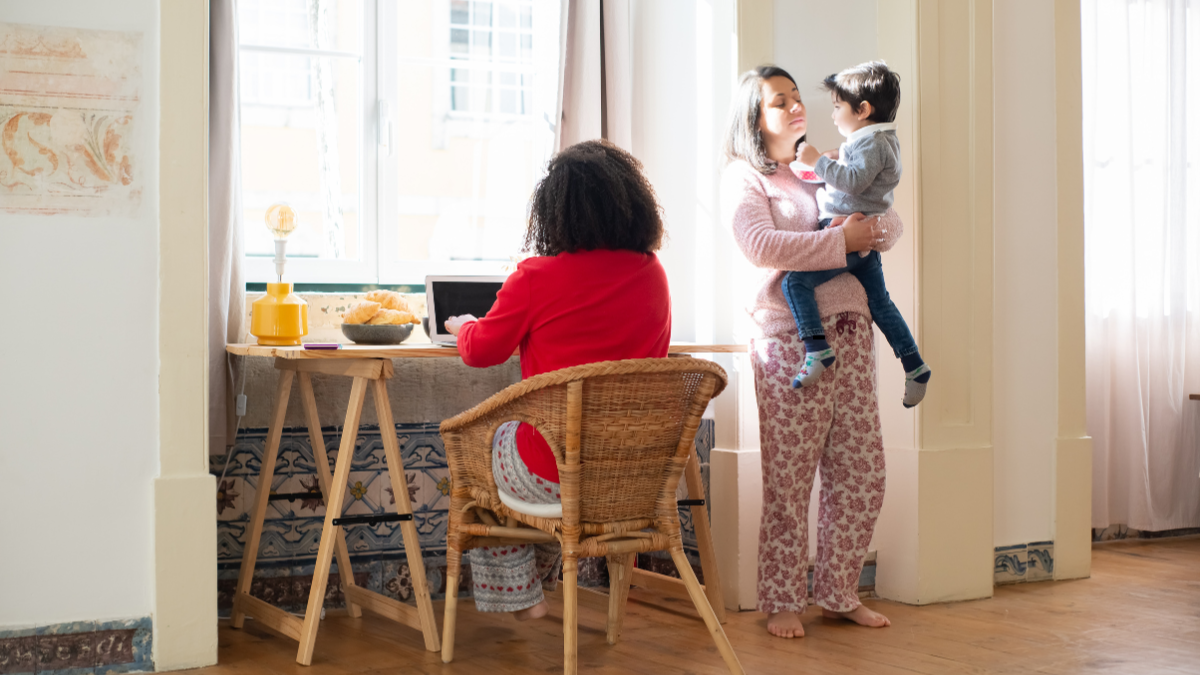
10 Signs a Woman Is Staying Only for the Children
These signs can suggest that a woman is maintaining the household while emotionally leaving the relationship. However, no single behavior proves her motive. Parenting stress, health concerns, financial pressure, and unresolved resentment can create similar patterns.
Look for repeated changes across several areas of the relationship. More importantly, notice whether she shows any interest in repairing the connection when you offer a calm, safe opportunity to talk.
1. She talks about the children, but rarely about the relationship
Conversations may focus almost entirely on school, schedules, meals, behavior, appointments, and childcare. You might discuss who will handle pickup, but never ask how she feels about the relationship without the conversation becoming tense or ending quickly.
Over time, she may avoid talking about shared goals, emotional needs, or the future as a couple. The two of you still coordinate the household, yet personal conversations feel unusual. Home starts to resemble a workplace where two people manage the same responsibilities but no longer share much of their inner lives.
Busy parenting can create this pattern for a season. Exhaustion, demanding work, or a child’s changing needs can leave little energy for romance. The stronger concern is whether she wants to rebuild closeness when you approach her with patience rather than blame.
2. Warmth, affection, and emotional closeness have faded
Emotional distance often appears in small moments. She may show little curiosity about your day, offer less praise, stop seeking comfort from you, or respond to your feelings with indifference. Even when you sit in the same room, she can seem mentally somewhere else.
Physical intimacy may also decline sharply. There may be less touching, kissing, sex, or affectionate contact, and she may prefer a separate bedroom. Still, nobody owes physical intimacy, and a lack of sex alone doesn’t prove she is staying only for the children.
Pay attention to the broader pattern instead. Do you feel unwanted, disconnected, or shut out of her emotional life? Stress, depression, chronic illness, trauma, medication, and postpartum changes can all affect affection and desire. A respectful conversation should seek understanding, not demand access to her body.
3. She turns to other people instead of her partner for support

She may share her worries, private experiences, and hopes with friends, relatives, or coworkers, while keeping you at a distance. Outside support is healthy, and a strong friendship isn’t evidence of betrayal or proof that she has another relationship.
The concern grows when you are consistently excluded from her emotional life. She may appear relaxed, open, and lively with other people, then become guarded or flat at home. That contrast can show that trust and mutual support have weakened between you.
Don’t accuse her based on one conversation or one friendship. Instead, ask whether she feels safe being honest with you and whether the relationship still gives her a place to be vulnerable. Rebuilding trust requires listening without immediately defending yourself.
4. She describes the future as a family plan, not a shared life
Her future plans may center on keeping the family stable, paying for activities, or helping the children reach a certain age. Yet those plans may contain no shared dreams, couple goals, or picture of life together after the parenting demands ease.
Phrases such as “for now,” “until they’re older,” or “we just need to get through this” can suggest that she views the relationship as temporary. She may also make major emotional or practical decisions alone, speaking as though her personal life begins after the children grow up.
Child-focused planning is normal in a healthy family. The warning sign is the complete absence of a future that includes the two of you as partners. If every plan protects the family structure but none rebuilds the relationship, ask what she genuinely wants beyond the next parenting milestone.
5. Conflict is either constant or completely shut down
Frequent arguments may focus on parenting, money, chores, childcare, or unequal labor. When bitterness fills most conversations and neither person repairs the damage afterward, the home can become tense even during quiet moments. Research and clinical guidance often point to ongoing parental conflict, rather than marital status alone, as a serious concern for children. Research on parental conflict and child problems provides useful context.
The opposite pattern can be just as telling. She may have stopped arguing because she no longer expects change. Silence, indifference, and resignation can mean she has emotionally checked out.
Burnout, addiction, mental health concerns, unequal household labor, and abuse can all shape conflict. If intimidation, threats, coercion, or violence are present, prioritize safety planning and specialized support. Couples counseling alone isn’t appropriate when one partner feels afraid.
How to Tell the Difference Between a Rough Patch and Staying for the Kids
Every long-term relationship has difficult seasons. New parenthood, financial strain, illness, grief, and years of unresolved resentment can make a loving couple feel disconnected. The key difference is whether both partners still want to repair the relationship or whether one person is only maintaining the household for the children.
A rough patch usually contains some movement. Even when conversations are painful, there may be apologies, small efforts, shared affection, or a willingness to seek help. Staying only for the kids often feels more permanent. The relationship continues on paper, but emotional investment and hopes for a shared future keep disappearing.
Look for effort, not just distance
Emotional distance alone doesn’t prove that a woman is staying only for the children. Exhaustion and stress can make anyone withdraw for a while. What matters is how she responds when you create a calm opportunity to reconnect.
During a rough patch, she may still:
- Talk about problems because she wants something to change.
- Show concern when you feel hurt or discouraged.
- Agree to counseling or another serious attempt to improve things.
- Make small efforts to spend time together without the children.
- Speak about the future using “we,” even if that future feels uncertain.
Someone who has emotionally left the relationship may respond differently. She might reject every attempt to rebuild, avoid discussing the relationship, or say that she is staying until the children reach a certain age. Her actions suggest that she is preserving the family structure, not restoring the partnership.
Compare temporary stress with a settled pattern

A rough patch has a cause that both people can identify, even if they disagree about the solution. The distance may have started after a difficult pregnancy, a job loss, a major argument, or years of unequal responsibilities. With support and consistent effort, the relationship can gradually regain warmth.
Staying for the children often looks less like a crisis and more like a settled arrangement. The same patterns continue month after month:
- She discusses parenting tasks but avoids personal subjects.
- She treats time alone together as an obligation.
- She talks about leaving after the children grow up.
- She shows little interest in shared plans beyond family responsibilities.
- She acts like a cooperative roommate rather than a romantic partner.
The strongest clue is not that the relationship feels difficult. It is whether she still sees a future with you after the children no longer need daily care.
Children also notice the emotional climate at home. A two-parent household can still feel unstable when it contains constant hostility, cold silence, or pressure to take sides. Research discussed by The Grit and Grace Project reflects the complicated reality that both divorce and staying in a troubled marriage can affect children.
Ask what she wants, without forcing an answer
Avoid confronting her with a list of accusations. Instead, describe what you have noticed and ask a direct question: “Do you still want to work on our relationship, or are you staying mainly because of the children?”
Listen to the answer without interrupting or arguing with her feelings. If she wants to try, agree on clear steps, such as weekly conversations, couples counseling, or changes in household responsibilities. If she says she no longer wants the relationship, pressuring her to stay can create more resentment and tension at home.
When fear, threats, coercion, or violence are present, focus on safety rather than couples counseling. In those situations, professional guidance and a private safety plan matter more than preserving appearances for the children.
What to Do When You Think She Is Staying for the Children
Suspecting that she is staying only for the children can leave you feeling rejected, angry, and powerless. However, treating your suspicion as proof may push her further away and place the children in the middle.
Focus on understanding the relationship before demanding a decision. Her distance may reflect lost affection, exhaustion, resentment, fear, depression, or practical worries about separation. You need an honest conversation, not an investigation.
Stop trying to prove her motive
The signs in this article can help you recognize a pattern, but they cannot tell you exactly why she stays. Only she can explain whether she feels committed to the relationship, afraid to leave, uncertain about the future, or focused mainly on parenting.
Avoid checking her phone, questioning the children, or collecting evidence from friends. Those actions may create more distrust and make a difficult conversation feel like an interrogation. Instead, describe what you have noticed without assigning blame.
You could say, “I feel like we work well as parents, but we no longer connect as partners. I want to understand how you see our relationship.”
That wording leaves room for honesty. It also keeps the discussion centered on the two of you rather than forcing her to defend herself.
Have one calm, direct conversation
Choose a private time when neither of you needs to rush. Don’t begin the discussion during an argument, in front of the children, or immediately after a rejected attempt at intimacy.
Explain the pattern you see, then ask clear questions:
- “Do you still want to rebuild our relationship?”
- “Are you staying because you want this partnership, or mainly because you’re worried about the children?”
- “What would need to change for you to feel close to me again?”
- “Would you consider counseling or another structured attempt to repair things?”
Listen to her answer before planning your response. She may say that she feels hurt, overworked, emotionally disconnected, or unsure whether change is possible. You may disagree with her view, but arguing about her feelings will not create trust.
Agree on a real next step
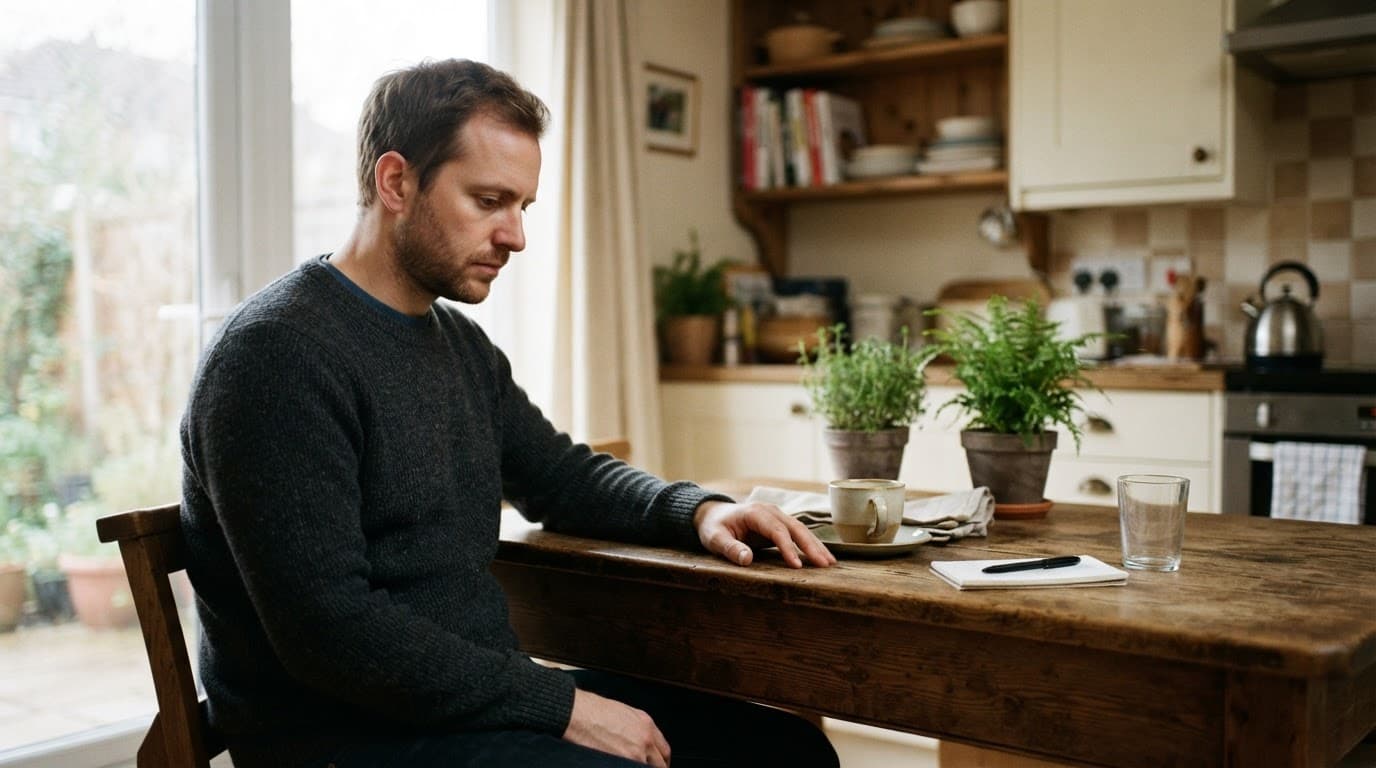
A serious conversation needs a practical follow-up. If you both want to stay together as partners, agree on a defined effort rather than making a vague promise to “try harder.” That might include couples counseling, a weekly private conversation, a fairer division of household work, or protected time together without the children.
Professional guidance can help when repeated talks end in blame or silence. A discussion of the pros and cons of staying together for the kids can also broaden the conversation beyond the assumption that living under one roof always benefits children.
Set a time to review whether anything has changed. If she refuses every attempt to repair the relationship and clearly says she is staying only for the children, accept that information. You cannot persuade someone to feel romantic love, but you can choose to act with honesty and protect the children from adult conflict.
Children need parents who behave safely and respectfully, whether those parents live together or separately.
Never ask your children to take sides or confirm what their mother feels. Keep adult decisions between adults, and seek legal or therapeutic advice before making major changes to housing, custody, or finances.
Conclusion
A woman who talks only about the children, avoids emotional closeness, and sees the future as a parenting arrangement may be showing emotional withdrawal. However, these ten signs don’t prove why she stays. Stress, fear, resentment, financial concerns, or exhaustion can create similar behavior, so guessing her motives can lead you further from the truth.
A direct, compassionate conversation is more useful than mind-reading, accusations, phone surveillance, or pressure. Explain what you have noticed, ask whether she still wants to rebuild the relationship, and listen without turning the discussion into a trial. Children need stability and safety, but they also need parents who manage conflict responsibly, whether they remain together or separate.
A relationship can improve when both people choose honest effort and follow through with real changes. If only one person wants to repair the bond, a respectful separation may be healthier than years of coldness, resentment, or open conflict. The most loving choice for the children is a home shaped by honesty and responsible care.
Save the pin for later


- 60 Color Tattoos That Healed Beautifully - 25/09/2026
- 40 Most Painful Tattoo Spots - 24/09/2026
- 20 Tattoo Aftercare Mistakes That Ruin Fresh Ink - 23/09/2026

