Macaroni salad shows up where good food should, at cookouts, picnics, potlucks, and family dinners, and it disappears fast when it’s done right. A creamy, cool macaroni salad is simple to make, easy to serve, and flexible enough to fit almost any table.
The trick is keeping it rich without turning heavy, and fresh without losing that classic comfort. This guide covers the basics, the right ingredients, the step-by-step method, common mistakes, tasty variations, storage, and easy serving ideas, so you can make a bowl that tastes good on day one and even better after it chills.
What Makes Macaroni Salad So Loved at Cookouts and Potlucks
Macaroni salad has staying power because it hits the table with almost no fuss and plenty of comfort. It feels familiar, plays well with other foods, and keeps its place beside burgers, ribs, fried chicken, and sandwiches without stealing the show.
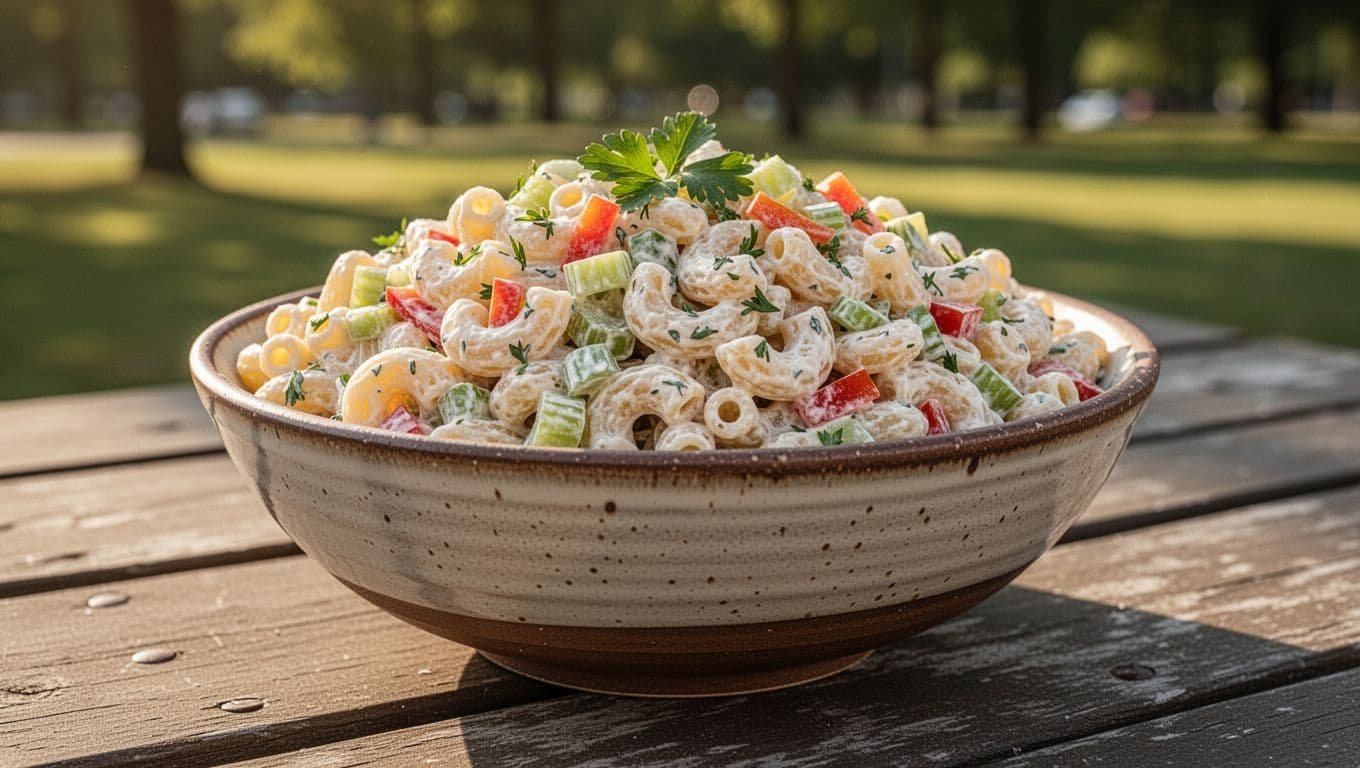
The creamy, cool texture people expect
The first bite is what wins people over. Tender pasta, creamy dressing, and crisp add-ins like celery or onion create a mix that feels cool, smooth, and lively at once. That contrast matters, because it keeps the salad from feeling flat or heavy.
A good macaroni salad gives you comfort without slowing down the meal. The noodles bring substance, the dressing coats every piece, and the fresh vegetables add a clean snap. That balance makes it feel filling enough for a cookout plate, yet light enough to sit beside smoky grilled meats and other rich sides.
The best macaroni salad feels soft, crisp, and cool in the same bite.
Why it works for busy gatherings
Macaroni salad fits party food because it’s built for advance prep. You can make it earlier in the day, chill it, and bring it out when the grill is hot and the guests are hungry. It also travels well, which makes it a natural choice for potlucks and picnic tables.
It’s also easy on the budget. Pasta, mayo, mustard, vinegar, and a few chopped vegetables go a long way, so one bowl can feed a crowd without much cost. For more ideas that stretch a table without stretching your wallet, see these hearty dinner salads.
The flavors that make it flexible
Macaroni salad is easy to shape to the cook’s taste. Some versions lean tangy with mustard and vinegar, while others turn slightly sweet with relish or a touch of sugar. Add peas, pickles, hard-boiled eggs, cheddar, or extra herbs, and the whole personality changes.
That flexibility is part of the charm. You can keep it plain and classic, or make it bold and loaded with crunch. In other words, it works for picky eaters, big appetites, and family traditions all at the same table.
A simple bowl can also echo other picnic staples on the menu. It pairs well with grilled chicken, pulled pork, cold sandwiches, deviled eggs, chips, and baked beans, so it feels right at home at almost any spread.
The Simple Ingredients That Build the Best Macaroni Salad
A great macaroni salad starts with a short list of ingredients that do their jobs well. You do not need anything fancy. You just need pasta that holds up, a dressing with the right balance, and a few fresh add-ins that bring texture and color.
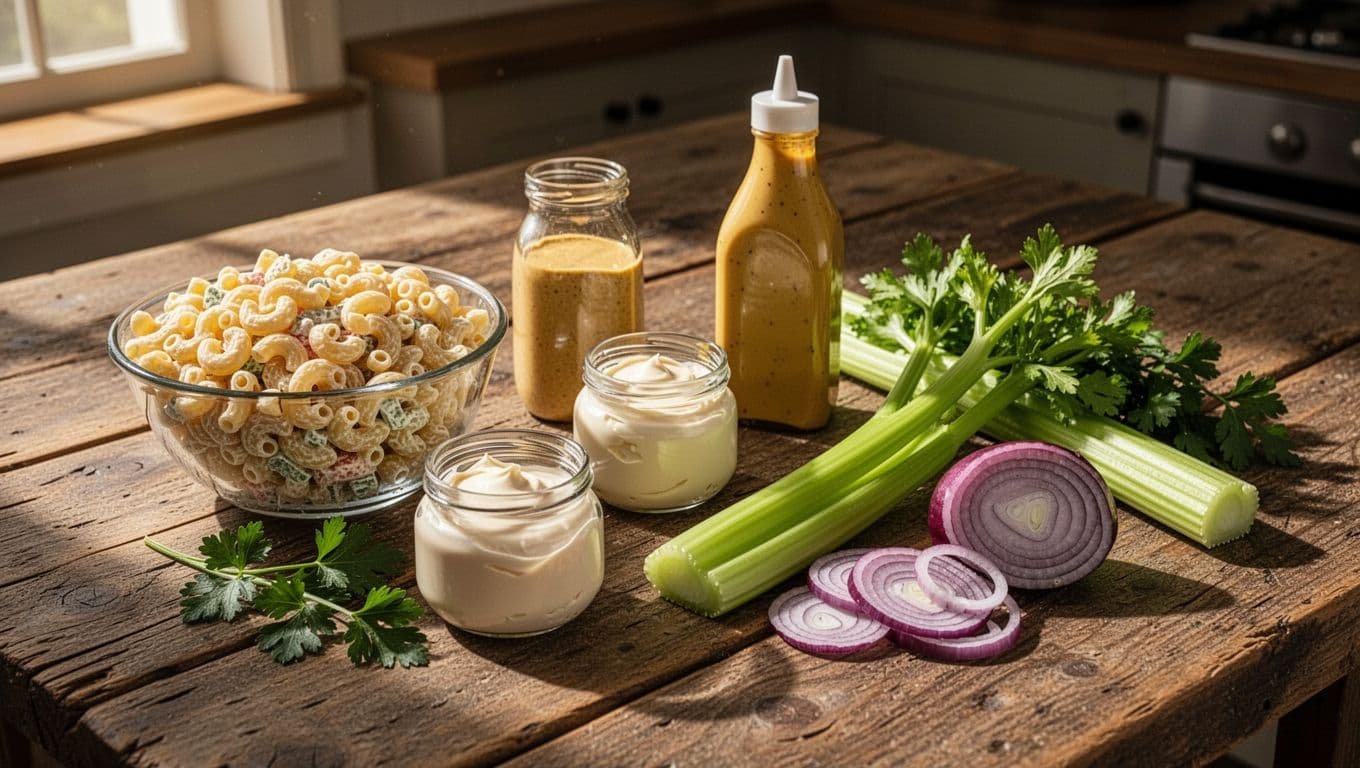
The best bowls taste complete because every ingredient has a purpose. Pasta gives structure, dressing adds creaminess, vegetables add crunch, and seasoning ties everything together. When those parts work in harmony, the salad tastes clean, bright, and satisfying.
For a good starting point, keep your pantry stocked with basics like healthy ingredients to keep on hand. That makes it easier to mix a fresh salad without a special trip to the store.
Choosing the right pasta shape
Elbow macaroni is the classic choice for a reason. Its curve catches dressing in every bite, and its size keeps the salad easy to scoop and eat. That familiar shape also gives macaroni salad its old-school look and texture.
Other small pasta shapes can work well too, as long as they hold dressing instead of letting it slide off. Small shells, ditalini, fusilli, and cavatappi are all solid choices because they trap sauce in different ways. If you want a quick reference, The Kitchn’s guide to pasta salad shapes offers a useful comparison.
The goal is simple: choose a pasta that stays firm, mixes easily, and keeps its shape after chilling. Avoid large or delicate pasta, since it can throw off the balance of the salad and turn soft too fast.
Building a dressing with the right balance
Mayonnaise gives macaroni salad its creamy base, but it should not drown everything else. A little mustard adds sharpness, vinegar adds lift, and a small amount of salt and pepper keeps the flavor clear. Together, those ingredients make the dressing taste rich without becoming heavy.
The best dressing feels smooth and light on the tongue. If it tastes too thick, add a splash of milk, vinegar, or even a little pasta water to loosen it. If it tastes flat, a bit more mustard or vinegar usually brings it back to life.
A simple ratio works well when you want that classic flavor:
- Mayonnaise for body and creaminess
- Mustard for a gentle tang
- Vinegar for brightness
- Salt and pepper for balance
- A pinch of sugar only if the salad needs a softer edge
The dressing should coat the pasta, not bury it.
That rule keeps the salad creamy but still fresh enough to feel light on the plate.
Add-ins that bring crunch and color
This is where macaroni salad gets its character. Celery adds snap, onion gives bite, bell pepper brings sweetness, and pickles add a sharp, briny note. Hard-boiled eggs make the salad richer, while peas add a soft pop of color and sweetness.
The best add-ins support the pasta instead of crowding it. A handful of chopped vegetables is enough to wake up the whole bowl. If you add too many strong flavors, the salad starts to feel busy instead of balanced.
Use this part to shape the salad to your table:
- Celery for crisp texture
- Red onion for sharp flavor
- Bell pepper for color and sweetness
- Pickles or relish for tang
- Hard-boiled eggs for a more filling salad
- Peas for a soft, sweet touch
Fresh herbs can help too, especially parsley or dill. They give the salad a cleaner finish and keep the flavor from feeling heavy. In the end, the best macaroni salad is not overloaded, it is well matched, with each ingredient pulling its weight.
How to Make Macaroni Salad Step by Step
A good macaroni salad comes together in a calm, steady order. Cook the pasta right, cool it fast, mix with care, then let the flavors settle before it hits the table. That simple rhythm keeps the salad creamy, bright, and full of texture.
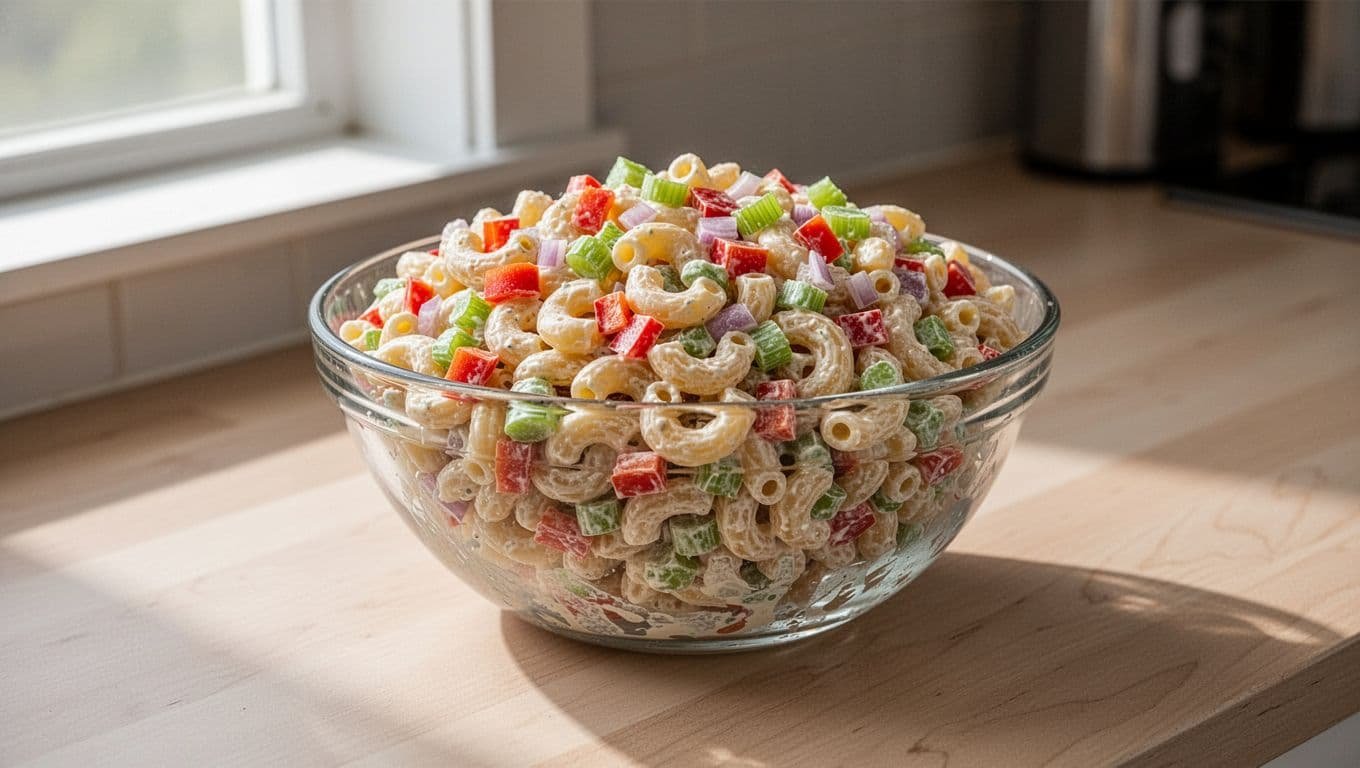
Cook the pasta without making it mushy
Start with a large pot of well-salted water. The salt seasons the pasta itself, so the salad tastes balanced from the inside out. Once the water boils, add the macaroni and cook it just until tender with a little bite left.
That timing matters. Overcooked pasta turns soft after chilling, and macaroni salad needs noodles that still hold their shape. If you want a firmer texture for cold pasta dishes, The Kitchn’s tips for better pasta salad explain why going slightly beyond al dente can help, as long as the pasta does not go mushy.
Keep an eye on the pot near the end. Stir once or twice so the pieces don’t clump, then drain as soon as the pasta is ready. You want it tender, not collapsing on the spoon.
The pasta should bend easily, but it should still look like pasta, not soft mash.
Cool it fast so the salad stays fresh
Once the macaroni is drained, stop the cooking right away. Rinse it under cold water, then shake off the excess well. You can also spread it on a tray or baking sheet so the heat escapes faster and the noodles do not stick together.
This step keeps the salad from turning gummy. Warm pasta keeps cooking for a few extra minutes, and that extra heat can make the dressing separate or the texture feel sticky. For a cool salad, the goal is simple: get the pasta cold enough to mix without turning soft.
A quick toss helps too. Stir the pasta now and then as it cools, or add a light splash of dressing if you plan to mix it soon. That keeps the noodles loose and ready for the next step.
Mix, chill, and taste again before serving
Now it’s time to bring everything together. Add the cooled pasta to a bowl, then fold in the dressing and add-ins gently. Stir just enough to coat every piece without breaking the noodles or crushing the vegetables.
After that, chill the salad for at least a little while. Resting gives the flavors time to blend, and the dressing settles into the pasta instead of sitting on top. If the salad looks a little dry after chilling, stir in a spoonful of mayo, a splash of vinegar, or a small pinch of seasoning.
Taste it again before serving. Cold food dulls salt and acid, so the final flavor check matters more than it seems. A little more black pepper, mustard, or vinegar can wake the whole bowl up.
A small finish makes a big difference:
- More mayo if the salad needs extra creaminess
- A splash of vinegar if it tastes flat
- Extra salt or pepper if the flavor feels muted
- Fresh herbs if you want a cleaner finish
Macaroni salad tastes best when every part has had time to settle, then gets one last adjustment right before it reaches the table.
Common Macaroni Salad Mistakes That Can Ruin the Bowl
Macaroni salad looks simple, but a few small missteps can throw off the whole bowl. The good news is that most problems are easy to prevent once you know what to watch for. A little care with the pasta, dressing, seasoning, and chill time keeps the salad creamy instead of flat, heavy, or watery.
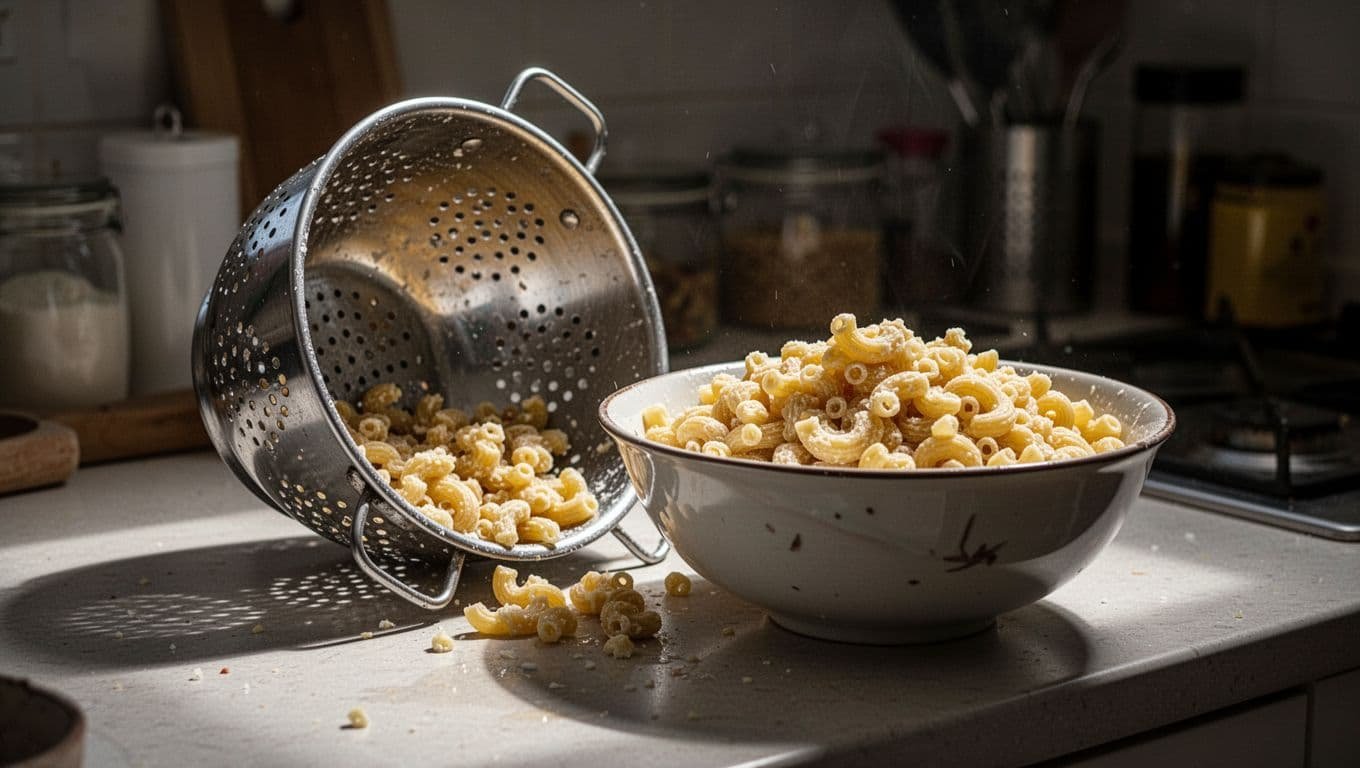
Why overcooked pasta changes everything
Overcooked macaroni is one of the fastest ways to ruin the texture. Soft pasta breaks apart when you stir it, so the salad turns heavy and sticky instead of light and scoopable. Once the noodles go past tender, they soak up dressing unevenly and start to feel gummy after chilling.
That problem gets worse in a cold salad because the pasta keeps softening as it sits. If you want a bowl that still has shape, cook the macaroni just until it has a little bite left. For more on how pasta texture changes in chilled dishes, Serious Eats explains pasta salad texture well.
A few signs of overcooked pasta show up fast:
- The noodles split when you toss them.
- The salad looks dense instead of fluffy.
- The dressing disappears into the pasta too quickly.
When the pasta holds its shape, every bite feels cleaner and fresher. That small difference changes the whole bowl.
How to avoid a dry or soggy salad
The dressing needs balance. Too little, and the macaroni tastes dry after it chills. Too much, and the salad turns loose at first, then drier later because the pasta keeps drinking in the dressing.
A better move is to add dressing in stages. Start with enough to coat the pasta lightly, then let the salad rest and check it again before serving. Pasta absorbs moisture as it sits, so a bowl that looks perfect at first can lose its creaminess later.
Cold pasta salad often needs a final touch right before serving. If it seems tight, stir in a spoonful of mayo or a splash of vinegar. If it looks wet, give it a few more minutes in the fridge, then stir again.
The easiest fix is restraint at the start. You want the pasta dressed, not swimming.
The seasoning mistakes people miss
A bland macaroni salad usually needs more than one small adjustment. Salt, pepper, and acid all matter, because each one wakes up a different part of the flavor. Without them, the salad tastes flat even if the texture is right.
Salt belongs in the pasta water and in the dressing. Pepper adds warmth, while vinegar or lemon juice gives the bowl enough lift to cut through the mayo. If you skip acid, the salad can taste rich but dull.
Watch out for watery vegetables too. Ingredients like tomatoes or very wet celery can dilute the dressing and wash out the flavor. Pat chopped vegetables dry before mixing them in, and add delicate ingredients later so they stay crisp.
A quick flavor check before serving helps a lot:
- Add salt if the salad tastes dull.
- Add black pepper if it needs more edge.
- Add vinegar or lemon juice if it tastes heavy.
- Add a little mayo if the dressing feels thin.
A well-seasoned salad tastes bright, even after chilling. That final taste is what keeps the bowl from falling flat at the table.
Easy Ways to Make Macaroni Salad Your Own
Once you have the basic bowl down, the fun starts. Macaroni salad is easy to steer in different directions without losing that creamy, familiar feel. A few smart swaps can make it sweeter, sharper, heartier, or lighter, all while keeping the same cool pasta salad comfort.
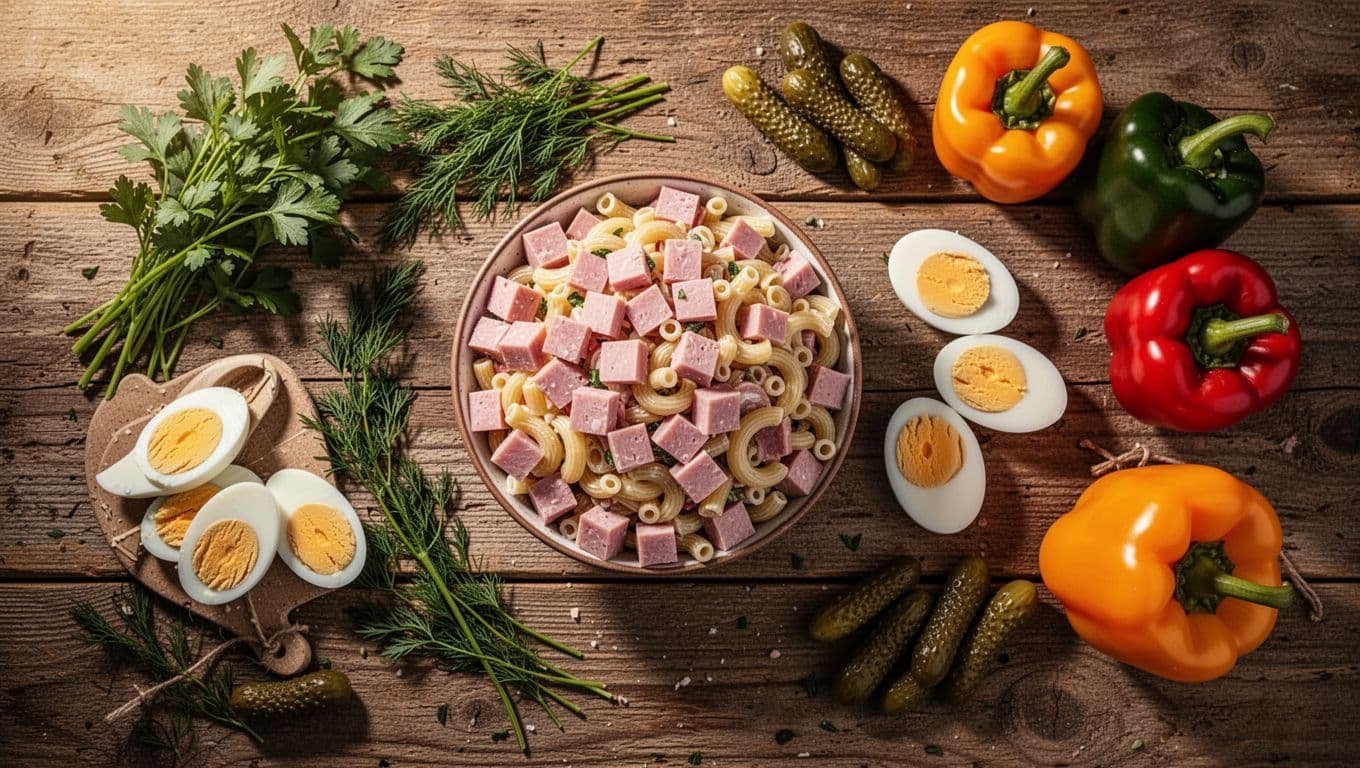
A good place to start is with one flavor direction, then build around it. If you want a brighter bowl, add mustard, pickles, or vinegar. If you want something more filling, add protein and extra vegetables. If you want a softer, fresher finish, lighten the dressing and bring in herbs.
Tangy, sweet, or extra savory versions
The easiest way to change the mood of macaroni salad is through the dressing. A spoonful of sweet relish gives the salad a softer, picnic-style flavor, while extra mustard and vinegar push it toward a sharper, tangy bite. Fresh dill, parsley, or chives can also wake up the bowl and keep the flavor from feeling too heavy.
Each version has its own appeal. Sweet works well when you want a gentler, crowd-friendly salad. Tangy feels cleaner and brighter, which helps cut through richer mains. Savory makes the salad taste more grown-up, especially when you add onion, black pepper, or a splash of pickle juice.
A simple flavor guide can help you choose the direction you want:
- Sweet: add relish, a little sugar, or sweet pickles.
- Tangy: use more mustard, vinegar, or dill pickles.
- Savory: add herbs, onion, pepper, or a little paprika.
For a classic tangy profile, Serious Eats’ macaroni salad approach shows how a little acid can keep the salad lively. The key is to add one strong note at a time so the flavor stays balanced, not loud.
Protein-packed and hearty add-ins
If you want macaroni salad to eat like a meal, add protein. Diced chicken, tuna, ham, chopped hard-boiled eggs, or even crumbled bacon can turn a side dish into something more filling. These additions fit naturally because they blend into the same creamy base instead of fighting it.
Chicken gives the salad a mild, clean flavor. Tuna adds a firmer, more savory edge. Ham brings salt and sweetness together, while eggs make the whole bowl feel richer and more satisfying. You can even mix two proteins if you want a fuller lunch salad.
It helps to keep the pieces small and even. That way, every bite has a little pasta, dressing, and protein without turning the bowl bulky. If you want more ideas for hearty lunch-style salads, try these high protein low carb bowls, which show how simple add-ins can make a meal feel more complete.
A few good pairings stand out:
- Chicken and celery for a mild, fresh taste
- Tuna and pickles for a sharper, brinier bowl
- Ham and peas for a slightly sweet, classic feel
- Eggs and mustard for a richer, old-fashioned version
Lighter swaps for a fresher bowl
If you want the salad to feel less heavy, you don’t have to give up the creamy texture. Swap part of the mayonnaise for plain Greek yogurt or sour cream, and the dressing still clings to the pasta with a fresher finish. You can also cut the mayo a little and make up the difference with vinegar, lemon juice, or a splash of pickle brine.
More vegetables also help the salad feel lighter. Add celery, cucumbers, bell peppers, peas, shredded carrots, or green onions for crunch and color. The bowl looks brighter, tastes fresher, and gives you more texture in each bite.
A lighter macaroni salad still needs enough dressing to coat the pasta well.
That balance matters. Too little creaminess leaves the salad dry, while a better mix of mayo and yogurt keeps it smooth without feeling heavy. For a classic example that still keeps things simple, The Pioneer Woman’s macaroni salad recipe is a useful reference for building a familiar base with room for your own twist.
If you’re serving a mixed crowd, this approach works especially well. Keep the base mild, then let the extras do the talking. One bowl can stay classic, while another leans brighter, heartier, or more herb-forward, and all of them still taste like macaroni salad.
How to Store Macaroni Salad and Serve It Safely
Macaroni salad keeps its best texture when you treat it like a chilled dish, not a pantry side. Once the bowl is mixed, cold storage matters just as much as the recipe itself, because creamy pasta salad can lose both freshness and safety if it sits too long.
How long it lasts in the fridge
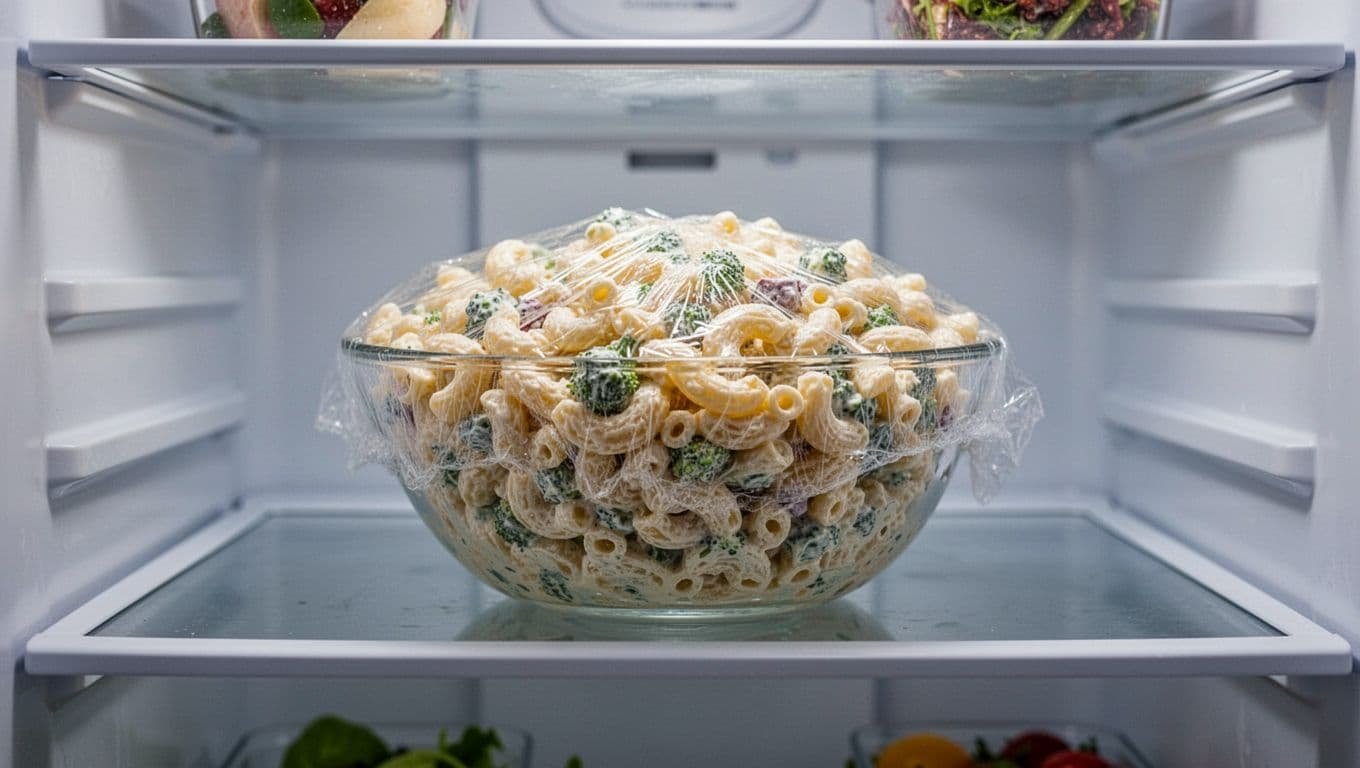
Store macaroni salad in a covered container as soon as it cools. A tight lid or plastic wrap helps keep it from drying out and protects it from picking up other fridge smells, which can change the flavor fast.
For the best taste and texture, use it within 3 to 5 days. After that, the pasta gets softer, the dressing can thin out, and the vegetables start to lose their snap. Even when it still looks fine, the flavor often turns dull and the salad may feel a little watery.
If the salad smells off, looks separated, or has an odd texture, toss it.
A cooler fridge slows that breakdown, but it does not stop it. Keep the salad cold from the start, and place it on a middle shelf instead of the door, where temperatures swing more often.
What to do before serving leftovers
Give the salad a good stir before you serve it. The dressing usually settles at the bottom, so mixing it back through helps the bowl look and taste right again.
Check the texture too. If the pasta looks dry, add a small spoonful of dressing and stir gently. A little mayo, or a quick mix of mayo and vinegar, often brings back the creamy finish without making the salad heavy.
It also helps to taste it again after chilling. Cold food dulls salt and acid, so leftovers may need a small pinch of seasoning to wake them up. If you want another make-ahead dish that travels well, these picnic pasta salad ideas can help you plan a simple spread.
Safe serving tips for warm-weather gatherings
Warm weather calls for extra care. Keep macaroni salad cold, covered, and out of direct sun until it’s time to eat. A bowl sitting on a picnic table can warm up fast, especially when the air is hot and the sun is strong.
The safest rule is simple, follow the 2-hour limit at room temperature, and cut that to 1 hour if the weather is very hot. If you want a cold food safety reference, Simple Bites’ picnic food safety tips gives practical guidance that lines up well with mayo-based pasta salads.
A few habits make a big difference:
- Keep the salad in a tight-lidded container until serving time.
- Set the bowl in a cooler with ice packs or over a larger dish of ice.
- Serve small portions at a time so the rest stays chilled.
- Use a clean spoon each time you refill the bowl.
- Put leftovers back in the fridge quickly instead of letting them linger.
For outdoor meals, small batches are your best friend. Bring out only what people can finish soon, then keep the rest cold until the next round. That keeps the salad fresher, safer, and much closer to the creamy texture you want.
Conclusion
Macaroni salad works because it is simple, flexible, and easy to love. When the pasta stays firm, the seasoning stays balanced, and the dressing gets enough chill time, the bowl comes out creamy and fresh instead of flat.
That is what makes it welcome at cookouts, potlucks, and casual weeknight meals. It fits right in beside grilled food and also pairs well with other make-ahead appetizers for picnics, which makes planning a spread much easier.
Keep the texture right, taste before serving, and let the salad rest in the fridge long enough for the flavors to settle. Make it once, and it will earn a spot on your table again.
Save the pin for later

- 60 Color Tattoos That Healed Beautifully - 25/09/2026
- 40 Most Painful Tattoo Spots - 24/09/2026
- 20 Tattoo Aftercare Mistakes That Ruin Fresh Ink - 23/09/2026

