Your partner sends, “Okay.” They take longer than expected to reply, add a period, or leave your question unanswered, and suddenly your mind is filling in the blanks with rejection, anger, or fading interest.
Text messages remove tone, facial expressions, and context, so uncertainty can feel personal even when the message is neutral. Overthinking means treating guesses as facts, but stopping doesn’t mean caring less about your relationship. It means pausing long enough to separate what you know from what anxiety is suggesting, then responding with more calm and evidence.
This guide will help you use practical grounding tools, communicate your needs without turning every delay into a conflict, and recognize when repeated anxiety points to a deeper relationship or emotional issue. You can also explore these practical ways to manage relationship anxiety as you build more trust in yourself and your partner. Start by noticing what happens in your mind during the first few minutes after an unexpected text.
Key Takeaways
- Pause before replying, then ground yourself with slow breathing or the 5-4-3-2-1 exercise.
- Separate observable facts, such as a delayed reply, from assumptions about rejection or anger.
- Challenge anxious interpretations because cognitive distortions can turn neutral messages into threatening stories. Learn more about recognizing cognitive distortions.
- State your feelings and needs clearly instead of testing, accusing, or sending repeated texts.
- Use ways to quiet relationship overthinking when worry keeps returning.
Why Text Messages Trigger So Much Overthinking
Texting creates uncertainty because it removes the clues you normally use to understand someone. You can’t hear your partner’s tone, see their expression, or know what is happening around them. Your brain then tries to complete the missing picture, and anxiety often chooses the most painful explanation.
Attachment anxiety or past relationship hurt can make ordinary delays feel threatening. A 40-minute pause during your partner’s workday may quickly become, “They are losing interest,” even though the only confirmed fact is that they haven’t replied yet. Response time, punctuation, read receipts, and short answers are weak evidence by themselves. One message cannot measure love, commitment, or the quality of your relationship.
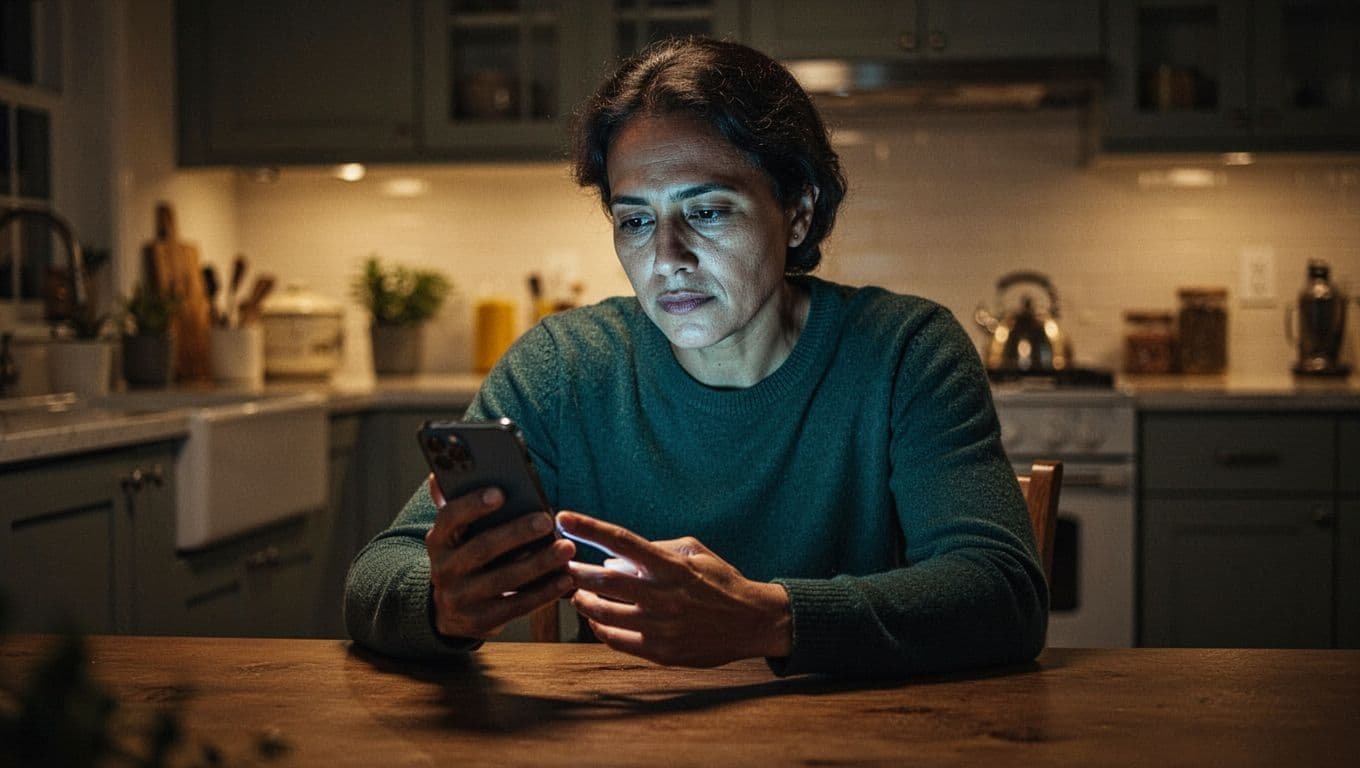
Separate the Facts From the Fear Story
When a message unsettles you, open your notes app and write three quick lines:
- What does the message literally say? “Can we talk later?”
- What meaning did anxiety add? “They are ending the relationship.”
- What are two or three neutral explanations? They may need privacy, feel tired, or want to discuss something when they have time.
Then ask yourself: What do I know? What am I assuming? What evidence would change my view? This short reset creates space between the message and your reaction. It also helps you avoid treating a fear story as a confirmed fact.
If ambiguous texts regularly activate fears of rejection, these ways to soothe relationship anxiety can help you understand the emotional trigger without judging yourself for having it. You still deserve clear communication, but you can ask for it without sending accusations or repeated follow-ups.
Look for Patterns Instead of Isolated Messages
A single “okay,” a delayed reply, or a period at the end of a sentence may feel loaded, but none proves anger or rejection. Your partner could be driving, working, sleeping, sick, distracted, or texting in a naturally brief style. Different time zones and communication habits can also affect the rhythm of a conversation.
Treat one unusual message as information to notice, not a verdict about the relationship.
Look for a consistent change that lasts several days or longer. A sudden drop in warmth, reliability, or effort deserves a calm conversation. An ordinary busy day does not. Before reaching a conclusion, compare the message with the larger pattern of how your partner shows care, keeps agreements, and responds when you communicate directly. If distress keeps returning despite reassuring evidence, the anxiety may need attention beyond the latest text.
How To Stop Overthinking Text Messages In A Relationship
When a text triggers alarm, regulate your body before analyzing the words. The goal is to create a pause between feeling threatened and acting on that feeling. After your body settles, the same message may look incomplete or neutral instead of dangerous.
Use a 60-Second Reset Before You Reply
Follow this sequence when you feel the urge to send an emotional response:
- Put your phone face down. Give yourself a short break from the screen. You don’t need to solve the relationship in the next few seconds.
- Take five slow breaths, or make three longer exhales. Breathe in gently through your nose, then let each exhale last a little longer. Slow breathing can affect the body’s stress response, according to this systematic review of breath-control techniques.
- Stand up and move for one or two minutes. Walk to another room, stretch your shoulders, or press your feet firmly into the floor. Movement helps shift your attention away from the phone and back into the present moment.
- Write down two versions of the situation. First, record the literal message, such as “Can we talk later?” Next, write the fear story, such as “They want to break up with me.” Seeing both statements on paper makes the difference between fact and assumption easier to spot.
- Choose one response. Decide whether to wait, send one clear reply, or move the topic to a phone call or in-person conversation.
Calming your nervous system doesn’t erase your feelings. It lowers the volume so you can judge the message more fairly. If this reaction connects to older attachment fears, these ways to feel safer in a healthy relationship may help.
Stop Rereading, Checking, and Decoding Every Detail
Repeatedly rereading a message, watching the typing indicator, checking read receipts, timing a partner’s reply, or asking friends to interpret the wording can keep anxiety alive. Set a simple rule: read the message once, give yourself two minutes to consider it, then put your phone away for a timed break.
Turn off read receipts, last-seen timestamps, or typing indicators if they feed your checking loop. During the waiting period, take a walk, shower, eat a meal, finish a chore, or talk with a friend. Your attention needs somewhere else to go.
Choose One Clear Message Instead of a Protest Text
A direct request tells your partner what you need. An anxiety-driven protest tries to force reassurance through repeated texts, withdrawal, or phrases like “Fine, forget it.” Those messages often create the conflict you feared.
Try one calm sentence instead:
- “Are you free to talk tonight?”
- “I noticed we have not checked in much today. Is everything okay?”
- “I felt unsettled by that message. Can we discuss it later?”
Waiting is also a valid choice when your partner doesn’t need an immediate response. One clear message is enough; allow their answer to provide real information.
Build a Healthier Texting Rhythm With Your Partner
A healthier texting rhythm starts with a calm conversation, not a test of who cares more. Talk when neither of you feels ignored, rushed, or defensive. Your goal is to create clarity while respecting work, sleep, privacy, and personal space.

Talk About Your Needs Without Making Your Partner Guess
Use “I” statements that describe your experience and make a clear request. This approach gives your partner useful information instead of forcing them to defend their character or prove their love.
- “I get anxious when plans change without notice, so a quick update helps me.”
- “I do not need instant replies, but I would like to know when you will be unavailable for most of the day.”
- “I feel disconnected when we go several days without a real conversation. Could we plan a call this week?”
Asking for reassurance is healthy when the request is occasional, clear, and open to compromise. Your partner can care about your feelings without being available every minute. For more ideas, see these ways to improve relationship communication.
Create Texting Agreements That Feel Realistic
Discuss the habits that often create uncertainty. You might talk about normal reply windows, what counts as urgent, whether good morning or good night texts matter, and how each person signals a busy day. One partner may send, “Work is packed today, I’ll reply tonight,” while the other may prefer a brief phone call during a break.
Keep these agreements flexible. A rule that requires replies within a strict number of minutes can turn affection into a scorecard. Healthy relationship boundaries that build trust should support connection, not require one person to prove love through constant access.
Match the Message to the Right Communication Channel
Texts work well for plans, quick updates, simple questions, and affection. However, conflict and emotionally sensitive topics often need tone, facial expressions, and quick repair. Move those conversations to a call or face-to-face discussion.
You could write, “I do not want us to misunderstand each other over text. Can we talk tonight?” If you feel highly activated, wait before sending a long emotional message. Put the phone down, settle your body, and discuss the issue when you can listen as well as speak. For serious conversations, healthy relationship communication guidance also recommends choosing a channel that allows both people to connect clearly.
When Texting Anxiety Points to a Bigger Relationship Problem
Texting anxiety can begin inside you, but it can also react to a relationship pattern. Earlier abandonment, social anxiety, or general stress may make a delayed reply feel threatening. If similar worry appears with friends, work, or everyday decisions, your nervous system may be carrying more pressure than one conversation explains.
Still, don’t judge the relationship by one screen or notification. Look at repeated behavior, broken agreements, and how your partner responds when you raise a concern.

Signs the Loop Is Mostly Anxiety-Driven
Your reaction may be mostly anxiety-driven when you:
- Reread a message for several minutes, searching punctuation and word choice for hidden meaning.
- Treat your partner’s response time as a measure of love, loyalty, or attraction.
- Need repeated reassurance, yet feel the fear return soon after receiving it.
- Imagine rejection or anger from wording that could have several neutral meanings.
- Struggle to work, sleep, eat, or enjoy your day while waiting for a reply.
Recognizing these signs isn’t self-blame. It gives you useful information about where to practice calming skills and build stronger self-trust. Writing down facts versus assumptions, taking a phone break, and learning how to manage anxious attachment can help. A counselor may also help you understand why uncertainty feels so painful.
Signs You Need a Serious Conversation About the Relationship
Concern deserves more attention when it rests on a pattern, such as a lasting drop in contact and warmth, frequent arguments that escalate through text, or a partner who refuses to discuss problems directly. Punishing you with silence, breaking agreed communication boundaries, or leaving you regularly confused and afraid can also affect your sense of safety.
Name the pattern with specific examples: “You’ve canceled three calls this month and stopped responding when I ask about it.” Then notice the response. Does your partner listen, show care, explain what happened, and take part in repair? Deliberate silent treatment can be different from needing time to cool down, especially when someone uses silence to punish or control you. Read more about the effects of silent treatment.
Controlling, threatening, intimidating, or abusive behavior isn’t a texting mismatch. If you feel unsafe, contact someone you trust or local support. Call 911 in immediate danger.
Know When Extra Support Could Help
Individual therapy may help when anxiety disrupts your sleep, work, eating, self-esteem, or other relationships. Couples counseling can help when both partners feel safe and are willing to listen, communicate honestly, and repair harm.
Professional support is appropriate even in a loving relationship. If anxiety feels overwhelming or you feel unsafe, seek immediate local help from a crisis service, counselor, trusted person, or domestic violence organization. You don’t need to wait until the situation becomes unbearable.
A Simple Plan for Calm, Confident Texting
Calm texting starts before you touch the keyboard. When your body feels tense, your mind may turn a short reply into a painful story. Pause first, then choose a response that matches the facts and your values. A mindful pause can create space between an emotional reaction and a thoughtful decision, as explained in this guide to the power of pausing.
Use This Quick Text-Message Check
Save these questions in your notes app or screenshot them for the next anxious moment:
- What do I know for sure?
- What am I guessing?
- Is there a boring explanation for this message or delay?
- Do I need information, reassurance, or a break?
- Is this important enough for a phone call?
- Can I wait until my body feels calmer before replying?
If your heart is racing or you feel ready to accuse, wait. Put the phone down, take several slow breaths, and return when you can read the message without adding extra meaning. Then decide whether silence, one clear reply, or a conversation fits the situation.
Try These Calm Texting Scripts
The right words depend on what you need. Keep your message short, honest, and easy for your partner to answer.
- For a normal delay: “No rush, reply when you can.” Use this when you want to remove pressure instead of monitoring the clock.
- For confusing wording: “I may be reading into this, so can you clarify what you meant?” This names your uncertainty without accusing your partner.
- For rising conflict: “I would rather talk about this than argue by text.” Send it when the conversation is becoming defensive or emotionally intense.
- For a communication change: “I noticed a change in our communication this week. Can we check in tonight?” This works when you have noticed a pattern and want a direct conversation.
You can also ask for relationship clarity calmly when uncertainty continues. Calm wording should never hide a serious concern, repeated disrespect, or behavior that makes you feel unsafe. Those issues deserve a direct conversation and clear boundaries.
Save This Simple Routine
Pause. Breathe. Read the message literally. Name the story your anxiety added. Consider neutral explanations. Check whether a reply is needed. If it is, send one clear message. Then return to your meal, work, walk, or conversation away from the phone.
Confidence doesn’t mean you never feel anxious. It means you choose your actions based on values and evidence instead of panic.
Conclusion
A phone screen cannot tell the whole story of your relationship. When a delayed reply or short message sparks fear, pause before reacting, separate the facts from the story anxiety created, and stop treating response time as proof of love or rejection. Then ask clearly for what you need instead of monitoring every notification or sending messages designed to test your partner.
You can care deeply without checking your phone every few minutes. Pay attention to long-term patterns, including consistency, honesty, emotional safety, and your partner’s willingness to communicate and repair problems. If you need help starting that conversation, these conversation starters for relationship anxiety may give you a calmer place to begin.
Trust grows through self-regulation, honest communication, and mutual effort. When anxiety keeps disrupting your life, or your partner’s behavior becomes controlling, threatening, or persistently hurtful, reach out for support. A text may start a conversation, but it cannot define the relationship by itself.
Save the pin for later

- 60 Color Tattoos That Healed Beautifully - 25/09/2026
- 40 Most Painful Tattoo Spots - 24/09/2026
- 20 Tattoo Aftercare Mistakes That Ruin Fresh Ink - 23/09/2026

