Cortisol helps your body manage blood pressure, blood sugar, energy, and stress. When levels stay low, the effects can show up across the whole body, and low cortisol levels, also called adrenal insufficiency, can be easy to miss at first.
That’s part of the problem. The signs can look a lot like burnout, a bad stomach bug, anemia, or a rough stretch of stress, so it’s easy to brush them off or try to self-diagnose. If you’ve been dealing with ongoing fatigue, dizziness, appetite changes, or body aches, it’s worth paying closer attention.
Some symptoms of low cortisol build slowly, then start to affect daily life in a way that feels hard to explain.
The first step is knowing what to watch for, so the next section breaks down the most common signs that may point to a cortisol problem.
Why cortisol matters for daily energy, blood pressure, and stress response
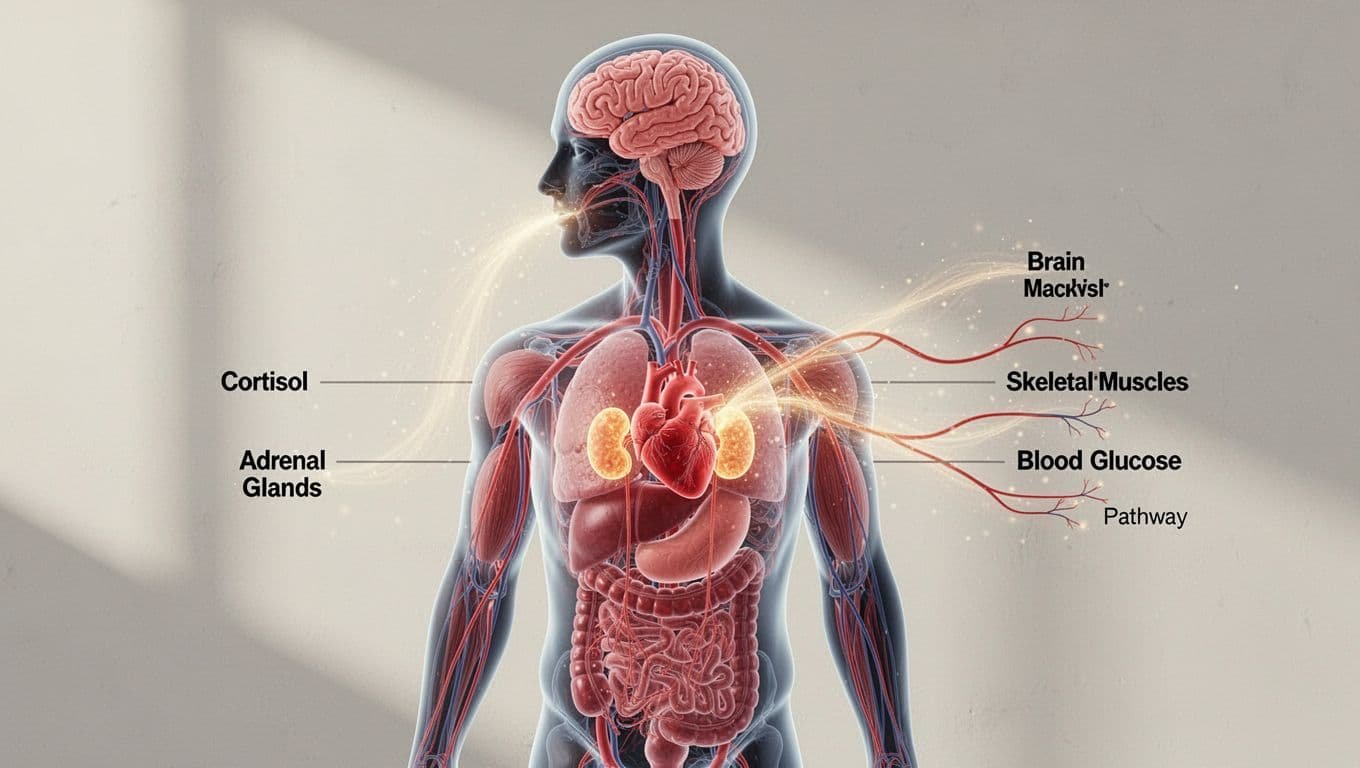
Cortisol does more than help you handle stress. It also helps keep your energy steady, your blood pressure in range, and your body ready to respond when something feels off. When cortisol drops too low, those systems can start to wobble at the same time, which is why low cortisol can feel so broad and confusing.
How low cortisol changes the way your body works
Cortisol helps your body turn stored fuel into usable energy. It also supports blood sugar control, keeps blood vessels responsive, and helps your body manage inflammation after illness, injury, or stress. When cortisol is too low, the body can feel like it is running on a weak battery.
That drop can show up in everyday life in messy ways. You may feel tired after a full night of sleep, lightheaded when you stand up, shaky when you skip a meal, or unusually worn down after mild stress. For a clear overview of cortisol’s normal role, Cleveland Clinic explains cortisol in plain language.
Low cortisol often starts with vague symptoms, then builds into a pattern that is hard to ignore.
The tricky part is timing. Symptoms often develop slowly, so people blame busy schedules, poor sleep, or a stomach bug before they consider a hormone problem.
Primary, secondary, and tertiary adrenal insufficiency in simple terms
Adrenal insufficiency means the body is not making enough cortisol. Primary adrenal insufficiency starts in the adrenal glands themselves. Secondary adrenal insufficiency starts in the pituitary gland, which does not send enough ACTH to tell the adrenals what to do. Tertiary adrenal insufficiency starts higher up, in the hypothalamus, which fails to send the first signal in the chain.
The symptom pattern can overlap, but a few clues help. Skin darkening is more likely in primary adrenal insufficiency, because ACTH tends to rise in response to low cortisol. In secondary or tertiary cases, that skin change is less common. Steroid withdrawal is a common trigger in secondary and tertiary adrenal insufficiency, especially after long-term use of prednisone or similar medicines. The NCBI review on adrenal insufficiency gives a solid medical overview.
These forms can look similar at first, so the symptom pattern matters more than any single sign.
The most common low cortisol symptom is feeling tired all the time
Fatigue is often the first sign people notice when cortisol is too low. The tiredness can feel heavier than a busy week or a short night of sleep, and it often sticks around even after rest. That makes it easy to mistake for stress, but low cortisol fatigue has a different edge to it.

Why this tiredness feels different from normal burnout
With low cortisol, you may wake up already drained. Morning can feel like a hurdle, not a fresh start, and that slow, heavy feeling often stays with you through the day. Even small tasks can leave you wiped out, like carrying a backpack that keeps getting heavier.
What stands out is the mix of low stamina, weakness, and trouble getting going. You might sit down after making breakfast, need a break after a shower, or feel too flat to start tasks you normally handle without thinking. Rest helps a little, but it doesn’t fully reset your energy the way a good night’s sleep should.
That pattern is one reason this symptom gets missed. People often assume they are just out of shape, burned out, or not sleeping well enough. However, true adrenal insufficiency fatigue tends to be constant and severe, and it can come with other signs of hormone loss. The Cleveland Clinic’s overview of adrenal fatigue explains why this kind of exhaustion is more than ordinary sleepiness.
If tiredness keeps returning, especially in the morning, it deserves attention. A symptom that keeps draining you after rest is a warning sign, not a personality flaw.
Muscle weakness and body aches can make simple tasks harder
Low cortisol can make your body feel drained in a way that goes beyond ordinary soreness. Muscles may feel weak, heavy, or slow to respond, and aches can show up without a clear reason. That can turn everyday movements into a strain instead of a routine.

When weakness points to more than being out of shape
Everyone gets sore after a hard workout or a long day. That kind of discomfort usually improves with rest, hydration, and a little time. Low cortisol weakness is different because it can linger, get worse, and show up during simple tasks that used to feel easy.
You might notice that climbing stairs feels harder, carrying groceries leaves your arms shaky, or standing for long periods drains you fast. Some people also feel achy in their legs, shoulders, or back even when they have not overdone it. The body starts to feel like it’s moving through mud.
When weakness keeps building instead of easing up, that deserves medical attention. Muscle weakness that worsens over time is not something to brush off as being out of shape, especially when it comes with fatigue, dizziness, or weight loss. The NIDDK overview of adrenal insufficiency lists muscle weakness as a common symptom, and it often appears with other warning signs. If aches and weakness are becoming part of your daily routine, it’s time to have them checked.
Dizziness, low blood pressure, and faint feelings are red flags
When low cortisol starts affecting blood pressure, the warning signs can feel sudden. You may stand up and get a wave of dizziness, see spots, or feel like your legs are about to give out. That happens because cortisol helps your body keep blood vessels responsive and maintain stable circulation.

What happens when you stand up too fast
This is called orthostatic hypotension, which means your blood pressure drops when you move from sitting or lying down to standing. In a healthy body, blood vessels tighten fast enough to keep blood flowing to your brain. With low cortisol, that response can be sluggish, so your brain gets less blood for a moment.
The result can be lightheadedness, blurred vision, weakness, or a faint feeling. Some people feel worse in the morning, when cortisol is usually highest, but still too low to support a strong start. Symptoms can also hit harder if you have not eaten or drunk enough, since dehydration and skipped meals make blood pressure dips more likely.
If standing up makes you feel unsteady more than once, treat it as a warning sign.
That matters for safety, too. A sudden faint spell can lead to falls, and driving while dizzy can be dangerous. If this keeps happening, especially with fatigue or weight loss, it needs medical attention. The NCBI review on adrenal insufficiency and Merck Manual’s guide to Addison disease both list low blood pressure and fainting as common signs.
Unplanned weight loss and a smaller appetite can be early clues
When cortisol stays low, your body can stop sending normal hunger signals. Food may not sound appealing, and meals can start to feel like a chore. Over time, that can lead to unplanned weight loss, even if you are not trying to diet or change your routine.
Low cortisol can also bring nausea, stomach discomfort, and a general “off” feeling around food. That makes it easier to skip meals without noticing. If you’ve lost interest in eating and your clothes are getting looser, that pattern matters.

The change is more concerning when it keeps going and shows up with fatigue, weakness, or dizziness. A short stretch of eating less during stress can happen. Ongoing weight loss, especially when your energy is falling too, is a stronger warning sign.
For a medical overview of this pattern, the NIDDK notes loss of appetite and weight loss as common signs of adrenal insufficiency. The NCBI Bookshelf review on adrenal insufficiency also lists decreased appetite and weight loss among key symptoms.
How to tell it apart from dieting or stress loss of appetite
Dieting usually has a clear reason. You decide to eat less, and the change is on purpose. Stress can also blur appetite for a few days, but it often shifts back once life settles.
Low cortisol is different because the appetite loss lasts, and the weight keeps dropping without a plan. If the smaller appetite comes with fatigue, muscle weakness, or faint feelings, it needs a closer look.
Nausea, stomach pain, and salt cravings can point to hormone trouble
Digestive symptoms are easy to blame on food, stress, or a mild bug. With low cortisol, though, the gut often becomes one of the first places to show trouble. Nausea, cramping, vomiting, and a sudden pull toward salty foods can all appear together, especially when the body is struggling to keep blood pressure and fluid levels steady.
Why the gut often reacts when cortisol is low
Cortisol helps your body handle stress, keep blood sugar steady, and support normal digestion. When levels drop, the stomach and intestines can become sensitive and unsettled. That can lead to nausea, belly pain, vomiting, or a poor appetite that comes and goes.
The hard part is how inconsistent it can feel. One day you may think you picked up a stomach bug, and the next day the symptoms fade just enough to seem harmless. Then they return, often alongside fatigue, dizziness, or weight loss. The NIDDK notes nausea, vomiting, and abdominal pain as common signs of adrenal insufficiency, which is why ongoing stomach trouble deserves attention.
Why salt cravings are more than a snack preference
Strong salt cravings can be a clue that your body is trying to fix a sodium loss. In some cases, low cortisol comes with low aldosterone too, and aldosterone helps your body hold onto salt and water. When that hormone drops, you can lose too much sodium in your urine, and your body pushes you toward salty foods to rebalance.
That craving is more than liking chips. It can show up with weakness, lightheadedness, or low blood pressure. If salt suddenly feels like the only thing that sounds good, especially with nausea or stomach pain, it’s a signal worth taking seriously.
Skin darkening and brain fog can be easy to overlook
Some low cortisol signs hide in plain sight. Skin changes can look like a suntan, dry patch, or normal friction, while mental symptoms can feel like stress, bad sleep, or too much on your plate.
That is why these two clues get missed so often. They often start small, then spread into daily life. If you notice both at once, the pattern matters.
Where skin changes usually show up first

With primary adrenal insufficiency, the skin can darken in a way that is easy to miss at first. The change is often subtle, then more obvious in places that get pressure or friction, like knuckles, finger creases, elbows, knees, skin folds, scars, gums, and the inside of the mouth.
That darkening usually does not look dramatic overnight. Instead, it can seem like your skin is getting slightly deeper in color or more blotchy over time. People with darker skin tones may notice it on the gums or scar lines before they see it elsewhere. The Merck Manual’s Addison disease guide describes this pattern clearly, and it can appear months before other signs become obvious.
How low cortisol can affect mood, focus, and stress tolerance
Low cortisol can also mess with your head in a very plain, frustrating way. You may feel foggy, forgetful, or slow to think through simple tasks. At the same time, stress can feel harder to handle, so small problems hit like big ones.
That can show up as irritability, poor focus, or a strange mix of feeling wired but tired. Your body may feel revved up, while your brain feels stuck in syrup. If that sounds familiar, the NIDDK overview of adrenal insufficiency is a useful place to compare symptoms.
Brain fog also tends to spill into everything else. You may snap faster, lose track of conversations, or feel overwhelmed by routine decisions. If mental strain is showing up with skin darkening, fatigue, or dizziness, it is time to take the full picture seriously.
When to get medical help and what tests doctors may use
If your symptoms keep stacking up, don’t wait for them to “pass.” Low cortisol can look like thyroid problems, anemia, infection, depression, or even a rough stretch of stress, so testing matters when the pattern sticks around.

When symptoms need a doctor visit
Make an appointment if you have ongoing fatigue, dizziness, weight loss, nausea, salt cravings, darkening skin, or muscle weakness. The same is true if you feel worse when you stand up, or if simple tasks keep wiping you out.
Doctors often start with a morning cortisol blood test, usually taken early in the day when cortisol should be highest. If that result is unclear, they may order an ACTH stimulation test to see how your adrenal glands respond. They may also check ACTH, electrolytes, blood sugar, renin, and aldosterone to look for a broader hormone problem. The NIDDK diagnosis guide for adrenal insufficiency explains this testing path clearly.
If you take steroid medicine, do not stop it suddenly unless a doctor tells you to.
Go for urgent care right away if you have crisis warning signs
Severe vomiting, confusion, collapse, very low blood pressure, severe weakness, or shock need immediate medical attention. Those symptoms can point to adrenal crisis, which is an emergency and needs fast treatment.
If your symptoms are milder but persistent, bring a written list to your appointment. Include when they started, what makes them worse, and any steroid use, recent illness, or weight change. That gives your doctor a clearer picture and helps them choose the right tests faster.
Conclusion
Low cortisol levels can be easy to miss because the symptoms often build slowly. Fatigue, weakness, dizziness, weight loss, salt cravings, nausea, skin darkening, and brain fog are real warning signs, especially when they show up together.
The biggest takeaway is simple: a pattern matters. One symptom may have many causes, but several of these signs at once deserve a closer look and early testing.
If these symptoms keep happening or start to get worse, talk with a doctor soon. Catching low cortisol early can make a real difference.
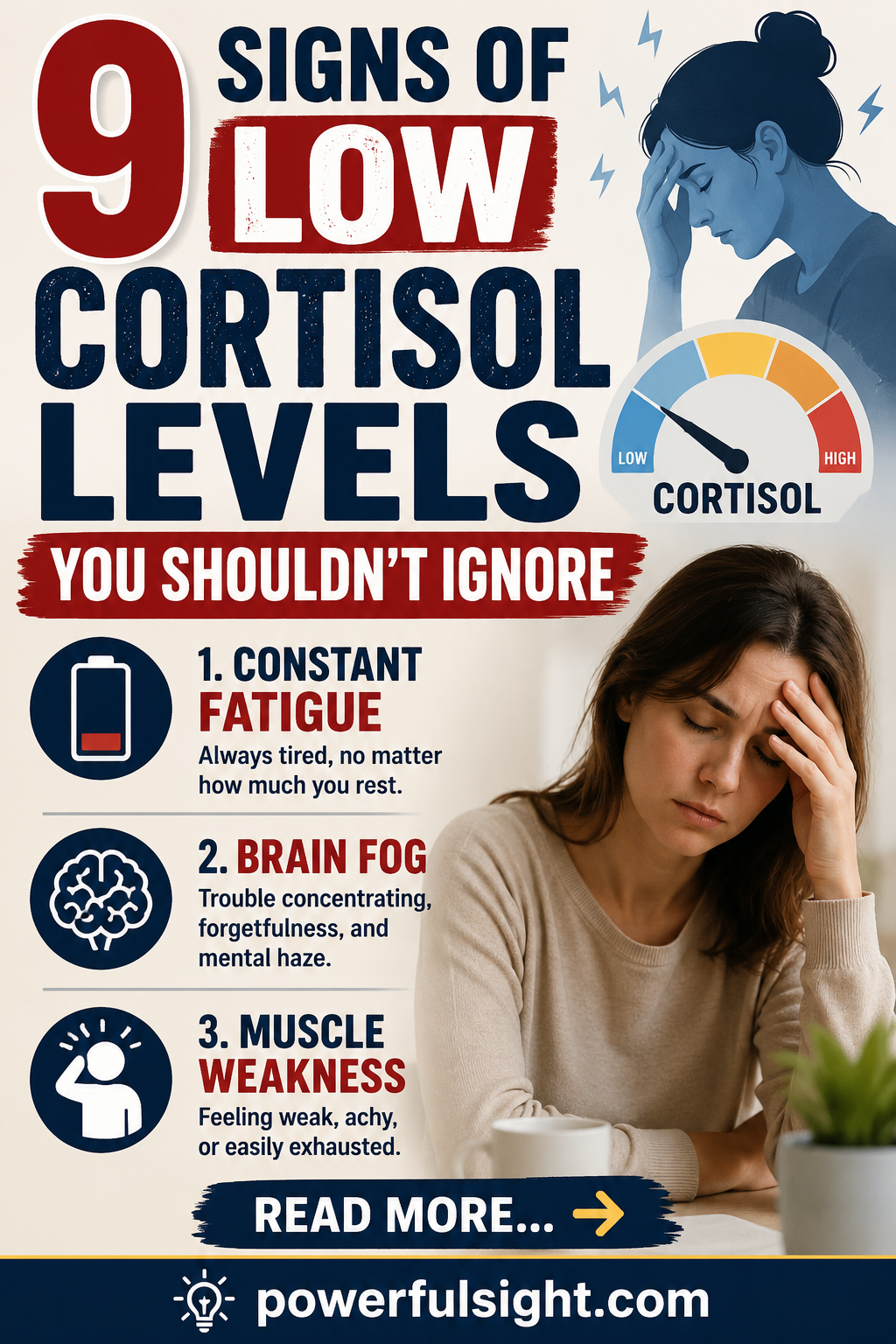
Save the pin for later

- 60 Color Tattoos That Healed Beautifully - 25/09/2026
- 40 Most Painful Tattoo Spots - 24/09/2026
- 20 Tattoo Aftercare Mistakes That Ruin Fresh Ink - 23/09/2026

