I used to think glowing skin meant buying expensive products and building a shelf full of bottles. Now I know healthy skin usually comes from small daily habits, and that’s good news for you if your skin has been looking dull, rough, or tired.
A few steady choices, like washing gently, staying hydrated, and protecting your skin from the sun, can make a real difference over time. Simple habits also help you avoid the kind of irritation that often comes from doing too much at once, which is why a basic routine works better than a complicated one.
If you want a practical place to start, these healthy skin tips will help you build a routine that supports a brighter, smoother, and more refreshed look. For more on keeping your routine simple and consistent, simple skincare routines for healthy skin can help set the right pace.
What glowing skin really needs each day
I used to think glow came from one great product. Now I know skin looks its best when the basics stay steady every day. Clean skin, enough moisture, sun protection, rest, and decent food do most of the work.
A simple routine usually wins because skin likes consistency. When you skip the basics, your face often shows it fast.
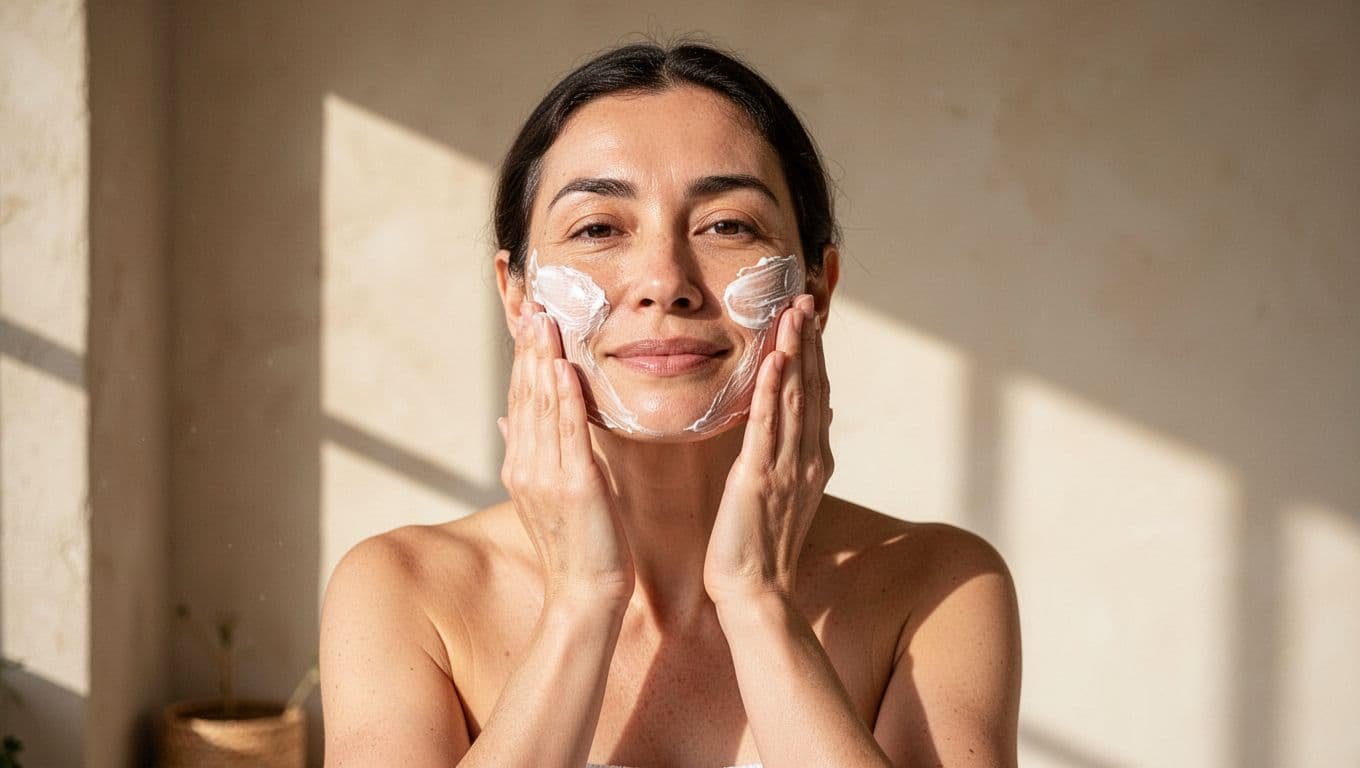
Why skin looks dull when basic care is missing
Skin often looks tired when it gets too dry. Dry skin reflects less light, so it can seem flat, tight, or rough. Even mild dehydration can make fine lines and uneven patches stand out more.
Dirt, oil, and leftover product can also build up on the surface. When that happens, your skin loses its fresh look and starts to appear muddy instead of clear. Poor sleep adds to the problem because your skin gets less time to recover overnight.
Sun damage matters too. UV rays can dry out skin, trigger uneven tone, and speed up the rough, worn look many people notice first in the mirror. For a clear explanation of how UV exposure affects the skin over time, see the Cleveland Clinic’s guide to sun damage.
A few everyday habits make the biggest difference:
- Wash gently so you remove buildup without stripping your skin.
- Moisturize daily to keep skin soft and smooth.
- Wear sunscreen to help prevent dullness from UV damage.
- Sleep well so your skin has time to repair itself.
- Drink enough water to support a healthier look from within.
When these basics slip, glow fades fast. When they stay in place, skin usually looks calmer, smoother, and more even.
The difference between healthy skin and temporary glow
A short-lived shine is easy to create. A hydrating serum, glow cream, or makeup can make skin look brighter for a few hours, but that does not always mean the skin is healthy underneath.
Healthy skin has a better balance. It feels comfortable, looks even, and does not depend on heavy products to seem fresh. Temporary glow can wash off, fade, or settle into lines. Real skin health stays more consistent because it comes from care, not cover-up.
You can spot the difference in simple ways. Temporary glow often looks oily or sits on top of the skin. Healthy skin usually looks smoother, feels more comfortable, and holds up better through the day.
If you want lasting results, pay attention to what your skin needs daily, not just what makes it shine for a moment. That means steady cleansing, moisture, sun protection, and smart food choices. If you’re also trying to support your skin from the inside, foods for glowing clear skin can help you build a better base.
Glow that lasts usually comes from care that repeats, not from products that only perform for one hour.
A simple test helps here. If your skin only looks good right after a product goes on, that is a finish. If it looks better over time, that is progress.
Cleanse your face the gentle way
I keep my face washing routine simple because skin usually responds better to calm, steady care than to constant scrubbing. When you treat your face like fragile fabric instead of a dirty pan, it stays softer, smoother, and less irritated.

Gentle cleansing protects your skin barrier, which helps your face look clearer and feel more comfortable.
How often to wash your face without overdoing it
I wash my face in the morning and again at night, and that works well for most people. Morning cleansing removes sweat and oil that build up overnight, while night cleansing clears away dirt, sunscreen, and anything your skin picked up during the day.
If you work out or sweat heavily, wash your face again after that. A quick rinse can help, but a gentle cleanse is better if sweat sits on your skin for a while. On normal days, twice a day is enough.
Keep the routine realistic:
- Wash once after waking up.
- Wash again before bed.
- Add another gentle cleanse after exercise or heavy sweating.
If you want a dermatologist-backed reminder on technique, the American Academy of Dermatology’s face washing tips are a helpful reference. The main point is simple, clean skin does not need repeated washing all day.
What to avoid when cleaning your skin
Harsh habits can leave your skin stripped and angry, even if you feel like you are being thorough. Hot water, rough towels, gritty scrubs, and picking at blemishes all push your skin barrier in the wrong direction.
A few mistakes do the most damage:
- Very hot water can dry out your skin and leave it tight.
- Rough towels can cause tiny bits of friction that add up over time.
- Harsh scrubs can scratch the surface and make redness worse.
- Picking at skin can lead to marks, breakouts, and slower healing.
A gentler method works better. Use lukewarm water, pat your face dry, and choose a mild cleanser that leaves your skin comfortable, not squeaky. As CeraVe notes in its guide to face washing mistakes, lower water temperature and softer handling can help support the skin barrier.
When your cleanse feels calm instead of aggressive, your skin has a better chance to stay balanced, clear, and healthy.
Lock in moisture so your skin stays soft and smooth
I keep moisturizer in the same category as toothpaste and soap, because skipping it shows fast. When your skin holds onto water well, it feels softer, looks smoother, and handles daily life better.
The trick is choosing the right product and using it at the right time. A few small choices can make a big difference, especially if your skin gets dry, tight, or flaky after cleansing.
- Use a lighter formula if your skin gets oily during the day.
- Pick a richer cream if your skin feels dry or pulls after washing.
- Apply it right after cleansing while your skin is still a little damp.
- Keep the layer light so your skin feels comfortable, not greasy.
If dryness keeps showing up even with a simple routine, it helps to look at habits that may be drying your skin out too. A few common skincare errors that lead to premature aging can also leave skin feeling rough and tired.
How to choose a moisturizer that fits your skin type
I like to keep this simple. If your skin is oily, a lightweight lotion or gel cream usually works best because it hydrates without feeling heavy. If your skin is dry, a richer cream gives more cushion and helps your face stay comfortable longer.
For combination skin, start with a medium-weight moisturizer and adjust based on how your skin feels by midday. The goal is comfort, not shine and not tightness. The American Academy of Dermatology’s guide to choosing a moisturizer is a solid reference if you want a dermatologist-backed starting point.
A simple way to think about it:
- Oily skin does better with light, non-greasy formulas.
- Dry skin usually needs a thicker cream.
- Sensitive skin often prefers fragrance-free products.
- Normal skin can usually handle a basic daily moisturizer.
If your moisturizer disappears too fast and your skin still feels dry, the formula may be too light for you.
The best time to apply moisturizer
Moisturizer works best right after cleansing, while your skin is still slightly damp. That helps trap water on the skin instead of letting it evaporate, which is exactly what you want when you’re trying to keep skin soft and smooth.
Pat your face gently, leave a little moisture behind, then apply the product right away. You do not need a thick layer, just enough to cover the skin evenly. That small timing change can make your routine feel more effective without adding extra steps.
Protect your glow with sunscreen every day
I treat sunscreen like a daily habit, not a beach-only product. If you want skin that looks brighter, smoother, and more even over time, this is one step you can’t keep skipping.
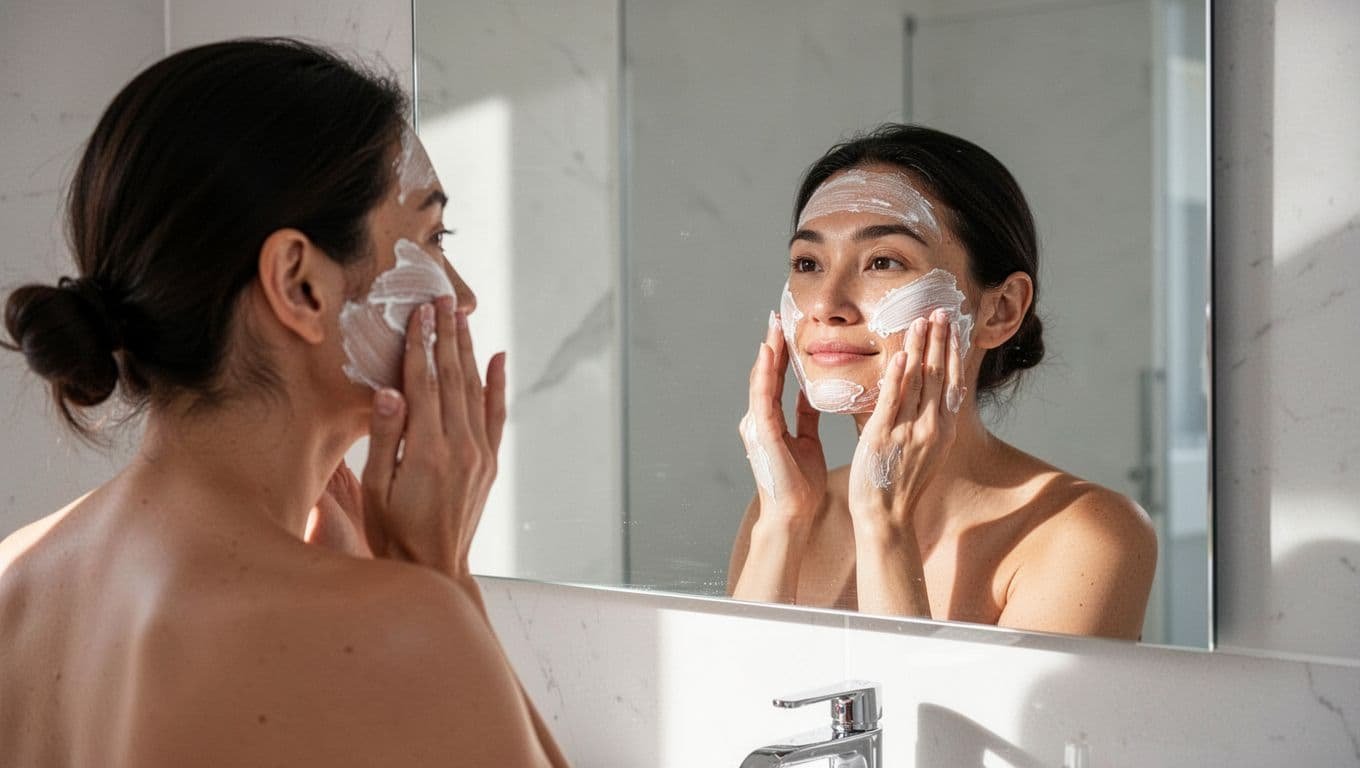
Why daily sunscreen matters more than most people think
Sun damage builds slowly, so you may not notice it right away. A little extra exposure each day can add up to dry patches, dark spots, uneven tone, fine lines, and a dull look that is hard to ignore later.
UV rays also affect the skin even when the weather looks harmless. Cloud cover, short walks outside, and time near windows can still expose your face to damage. The NIH review on UV radiation and the skin explains how repeated exposure can lead to changes in texture, color, and overall skin health.
Daily sunscreen helps with more than sunburn. It supports a more even look, helps slow visible aging, and lowers the chance that your skin starts showing wear too early. If you want your glow to last, this is one of the simplest ways to protect it.
Sunscreen does more than prevent a burn today, it helps your skin look healthier months and years from now.
How to make sunscreen part of your morning routine
The easiest way to stay consistent is to attach sunscreen to something you already do. Apply it after moisturizer, then give it a minute to settle before you go outside. That small habit makes it much harder to forget.
A simple routine works best:
- Cleanse your face.
- Apply moisturizer.
- Put on sunscreen as the last skincare step.
- Add makeup after that, if you wear it.
- Reapply when you’ll be outside for long periods.
Choose broad-spectrum SPF 30 or higher for everyday use. Even on cloudy days, your skin still needs protection. If you want a quick reminder on why daily use matters, Cleveland Clinic has a helpful guide to wearing sunscreen every day.
Keep a tube near your sink, in your bag, or beside your toothbrush. When sunscreen is easy to reach, you’re far more likely to use it without thinking twice.
Feed your skin from the inside out
I pay attention to what I eat because skin does not work alone. It reflects your sleep, stress, hydration, and daily meals more often than people think. When you give your body better fuel, your skin usually looks calmer, fresher, and more even.

Foods and drinks that support healthier-looking skin
Water should stay at the top of the list. When you stay hydrated, your skin is less likely to look dull or feel tight, and that small habit supports a smoother look over time.
Fruits and vegetables also pull a lot of weight here. Bright produce brings vitamins, antioxidants, and water-rich fiber that help your skin look more awake. Think oranges, berries, leafy greens, carrots, cucumbers, and tomatoes. A balanced meal with lean protein, healthy fats, and whole grains gives your body the building blocks it needs to repair skin and keep it steady.
A few simple choices go a long way:
- Drink water often so your skin has steady support through the day.
- Add fruit to snacks instead of reaching for sugary treats.
- Fill half your plate with vegetables at lunch or dinner.
- Include protein like eggs, fish, beans, chicken, or tofu.
- Choose balanced meals that keep blood sugar steadier and help skin look less stressed.
Diet shapes skin health in a real way, especially through hydration, inflammation, and repair. A good overview of this connection is in this review on diet and skin health. If you want a practical place to start, a few steady swaps matter more than a perfect menu.
You do not need a complicated food plan. Start with whole foods most of the time, and your skin gets a better shot at looking healthier.
Why sleep and stress show up on your face
Poor sleep often shows up fast. Your face can look tired, your eyes can look heavier, and your skin may seem less bright after just a few short nights. Stress does something similar, because it can make your skin look irritated, blotchy, or harder to calm down.
That happens because your body does not separate skin from the rest of you. When you stay up too late or carry stress for too long, your skin gets less support for repair and balance. The result can be dryness, puffiness, more breakouts, or a dull tone that makeup cannot fully hide.
Small habits can help you turn that around:
- Keep a regular sleep time, even on weekends.
- Cut screen time before bed so your mind can slow down.
- Take a short walk each day to clear mental pressure.
- Practice calm breathing when your body feels tense.
Your skin often looks better when your nights are calmer and your days are less rushed.
Simple breathing can make a difference when stress builds up. Even a few slow breaths can lower tension and help you reset. If stress has been showing on your skin, a skin stress connection guide is worth a look.
Good skin care starts outside, but it keeps working best when your sleep, stress, and meals are in a better place too.
Keep your skin calm by avoiding common damage
I keep coming back to one simple truth, skin usually looks its best when I stop stressing it out. Too much scrubbing, too many active products, and too much sun can leave your face dry, red, and hard to calm down.
A gentler routine often gives better results because skin likes balance. If you want a steady glow, focus on protecting the barrier first, then build everything else around that.
- “Less irritation usually means better skin.”
- “A calm routine helps your skin hold moisture.”
- “Strong products work best when you use them carefully.”
- “Sun protection matters even on ordinary days.”
- “When skin feels off, simplify before you add more.”
Why less can be more with skincare
A simple routine often works better than using several strong products at once. When you layer too many acids, retinoids, scrubs, or drying cleansers, your skin can get overwhelmed. That can lead to tightness, flaking, stinging, or breakouts that seem to come out of nowhere.
Your skin barrier needs room to do its job. If you keep stripping it, the surface can become more sensitive and less able to hold moisture. That is why many people do better with a cleanser, moisturizer, and sunscreen before adding anything else.
A basic routine also makes it easier to spot what helps and what hurts. If your skin gets irritated, you can identify the cause faster when you are not using ten different products at once.
A calmer approach looks like this:
- Cleanse gently.
- Moisturize well.
- Protect with sunscreen.
- Add one treatment product at a time, if needed.
Daily sun protection is especially important because UV damage adds up over time. The Cleveland Clinic’s guide to sun damage explains how repeated exposure can affect skin texture and tone. If you want a face that looks healthy for the long run, give your skin fewer reasons to react.
When it may be time to get expert help
Some skin issues do not settle down with a simpler routine. Ongoing dryness, redness, itching, or repeated breakouts can point to a condition that needs a dermatologist’s advice. That does not mean something is seriously wrong, it just means your skin may need a better plan.
It helps to pay attention to patterns. If your skin stays irritated for days, keeps flaring up, or feels uncomfortable even after you cut back on products, it is time to check in with a professional. The University of Utah Health guide on when to see a dermatologist is a good reference if you want a simple list of signs to watch for.
You should also get help sooner if the skin becomes painful, swollen, warm, or starts to spread. Dry skin that never seems to improve, especially on the face, can also need medical care. A dermatologist can help sort out whether the problem is dryness, eczema, dermatitis, rosacea, or something else.
If your skin keeps reacting, don’t keep guessing forever. A short visit can save you weeks of frustration.
The goal is comfort, not perfection. When your skin keeps sending clear warning signs, listen early and adjust before the damage becomes harder to undo.
Conclusion
Glowing skin comes from small habits that you keep doing, not from one perfect product. When you cleanse gently, moisturize well, wear sunscreen, feed your body good food, and rest enough, your skin gets a better chance to look healthy day after day.
The real win is consistency. Start with one or two of these healthy skin tips, keep them simple, then build from there.
Healthy skin is possible with patience, care, and steady effort, and that kind of glow lasts.
Save the pin for later


- 60 Color Tattoos That Healed Beautifully - 25/09/2026
- 40 Most Painful Tattoo Spots - 24/09/2026
- 20 Tattoo Aftercare Mistakes That Ruin Fresh Ink - 23/09/2026

