I love how summer mornings can feel slow, bright, and full of promise, but they can turn chaotic fast without a plan. A good summer morning routine keeps the day soft at the edges while still helping you get moving.
If you want calmer, happier mornings, this list gives you 100 ideas grouped by mood and goal, so you can pick what fits your energy. Some mornings call for quiet and rest, while others need a quick reset, a little movement, or a simple way to get organized, like the habits in these calming morning routine ideas.
You don’t have to do every step, either. Mix and match the ideas that suit your pace, your home, and your summer schedule, then keep scrolling for the routines that feel easy enough to repeat.
Why summer mornings feel different, and why that matters
I notice summer mornings carry a different rhythm the moment I open the curtains. The light comes in earlier, the air feels less heavy, and even a plain cup of coffee seems to ask for a slower pace.
That change matters more than people think. Morning light can shape your mood, your energy, and the way you move through the first hour of the day. When the morning feels brighter and calmer, your routine is easier to keep, and your mind feels less crowded.

The mood shift that comes with longer daylight
Summer mornings often feel lighter before you even get out of bed. The sun rises earlier, the room brightens sooner, and that extra light can make you feel more awake and more open to the day.
That soft lift can change your whole pace. Instead of rushing, you may want to stretch, breathe a little deeper, and move with less tension. Morning light also helps set your body clock, which is one reason a bright start can support better sleep later and steadier energy through the day. The Cleveland Clinic notes on sunshine and health explain how daylight affects mood and energy in simple, practical ways.
For many people, that means summer mornings feel less like a battle and more like a gentle hand on the shoulder. You wake up to possibility instead of pressure.
How a simple routine keeps summer from feeling chaotic
Summer can throw the day off fast. School breaks change the house rhythm, travel shifts your sleep, heat drains your energy, and work hours can feel uneven. Without some structure, the morning can slip away before you’ve done anything that grounds you.
A simple routine keeps the day steady without making it stiff. You don’t need a packed schedule. You need a few repeatable steps that tell your body, “We’re starting now.”
A good summer morning routine usually includes the following:
- One calming habit that helps you wake up with less rush
- One small task that gives the day shape
- One quiet pause that keeps you from starting in a scramble
That kind of structure works like a light frame around a painting. It doesn’t crowd the moment, but it keeps everything in place.
What makes a summer morning routine stick
The best routines stay short, pleasant, and realistic. If a habit feels too long or too strict, it gets skipped. If it feels easy, it gets repeated.
Start with what you can do most mornings, even on sleepy ones. Open the curtains, drink water, step outside for a minute, or write down your top task for the day. Keep the list small enough that it feels like a gift, not homework.
A routine lasts when it fits your real life. So, choose habits that calm you, wake you up, and leave room for summer to feel like summer.
Start Your Day with Calm, Not Chaos
I like a morning that feels soft around the edges. When the first minutes are calm, the whole day seems easier to handle, even if the schedule is full.
That calm often starts with a few simple choices:
- Wake up at about the same time.
- Let light into the room early.
- Keep your phone out of reach for a little while.
- Handle one small task before you do anything else.
These small moves set the tone. They help you feel awake, steady, and less pulled in ten directions at once.
Wake up at the same time most days
A steady wake-up time helps your body know what to expect. When you rise at a similar hour most mornings, your sleep pattern starts to settle, and that can make getting out of bed feel less painful. It also cuts down on that heavy, groggy feeling that hits when your wake-up time keeps shifting.
This kind of rhythm is easier on your mind too. You spend less time deciding when to get up and more time moving through the morning with purpose. If you want a simple structure to follow, the realistic 2-hour morning checklist offers a helpful framework.
For sleep health, the CDC also notes that regular sleep habits support mood and lower stress, which makes a fixed wake-up time a smart place to begin.About sleep basics from the CDC
Open the curtains and let the sunlight in
Natural light tells your brain that the day has started. That signal helps you feel more alert, and it can make your room feel fresh instead of stuffy. Even a few minutes of morning light can shift your energy in the right direction.
I like this step because it feels instant. One motion, one change in the room, and the morning already feels less sleepy. Light in the first part of the day also helps set your body clock, which can support better sleep later and a steadier mood during the day.
Skip the phone for the first few minutes
The phone can turn a peaceful morning into a noisy one fast. Texts, headlines, and social media all compete for your attention before your thoughts are even awake.
Give yourself a small buffer before you check anything. Those first minutes are better spent breathing, stretching, or just sitting still with your coffee or water. When you protect that space, your mind gets a clean start instead of a pile of other people’s urgency.
Make your bed before the day gets going
Making the bed is a small win, but it changes the room fast. The space looks cleaner, the sheets feel in order, and the morning already has one completed task.
That little action can keep the rest of the day from feeling scattered. You start with evidence that you can act, finish, and move on. For a summer morning, that matters more than it sounds like it should.
Easy Ways to Wake Up Your Body in the Summer Heat
I like to keep summer mornings simple, because the heat can drain energy before the day even starts. A few small habits can wake up your body without making you feel sweaty, rushed, or worn out before breakfast.
The best moves are gentle and easy to repeat. Drink water, stretch a little, step into fresh air, and let your body ease into motion before the sun gets too strong.
Drink a full glass of water first
After sleep, your body wakes up a little dry. You go hours without a sip, so a full glass of water helps replace what you lost overnight and gives your system a quick reset. It can also help you feel more alert, since even mild dehydration can make you feel sluggish and foggy.
In summer, this step matters even more. Water helps your body stay cool, supports digestion, and gets you ready for a hot day ahead. If plain water feels hard to remember, keep a glass by your bed or fill one as soon as you reach the kitchen.

A quick glass is often enough to shift the whole morning. The body starts to feel less heavy, and the mind usually follows.
Do a short stretch before breakfast
You do not need a full workout to wake up tight muscles. A few slow stretches can loosen your neck, back, and legs, which helps your body feel less stiff after sleep. It also sends a clear signal that the day has started.
Try gentle neck rolls, shoulder circles, a seated forward bend, or a simple hamstring stretch. Reach your arms overhead, then twist side to side without forcing it. Even three or four minutes can make a difference.
For a little more structure, you can pair stretching with a routine like the best 5am routine for hydration and stretching. That kind of easy rhythm works well when the morning heat makes you want to move slowly.
Keep the stretch light. Your goal is to wake up your body, not tire it out.
Step outside for fresh air
A few minutes on the porch, balcony, or in the yard can feel like a breath of fresh paint on the day. Early morning air is often cooler and quieter, so it gives your body a gentle wake-up without the heavy feel of midday heat.
You do not need to go far. Stand outside with your water, take a short walk around the yard, or just breathe for a minute before heading back in. That small change of scenery can help shake off sleep and clear your head.
Fresh air also helps break the feeling of being stuck indoors. The morning feels more open, and your energy often lifts with it.
Try a gentle workout before the sun gets too strong
When summer mornings are already warm, light movement is usually better than a hard workout. Yoga, walking, dancing, bodyweight moves, or a short jog can wake up your body without draining it. The key is to keep it easy enough that you still feel refreshed when you finish.
A brisk walk in the cool part of the morning can work well, and light movement is generally easier to handle before the heat builds. If you want a simple reference, guidance on exercising safely in summer weather offers helpful advice for staying active when temperatures rise.
Choose the kind of movement that feels good in your body. Some mornings call for a few sun salutations, while others feel better with a ten-minute walk or a few rounds of squats and arm circles. The win is not intensity. The win is waking yourself up without wearing yourself out.
Breakfast and morning fuel ideas that fit a hot day
I like breakfast to feel easy in summer. Heavy food can sit like a rock when the temperature climbs, so I reach for meals that are cool, light, and still satisfying. You want energy that lasts, not a sleepy food coma before noon.
The best summer breakfasts are simple and fresh. They give you protein, fiber, and hydration without making the morning feel greasy or rushed. If you want more ideas for a steady, low-stress start, these morning habits to boost daily energy pair well with a lighter meal plan.
Keep breakfast light but filling
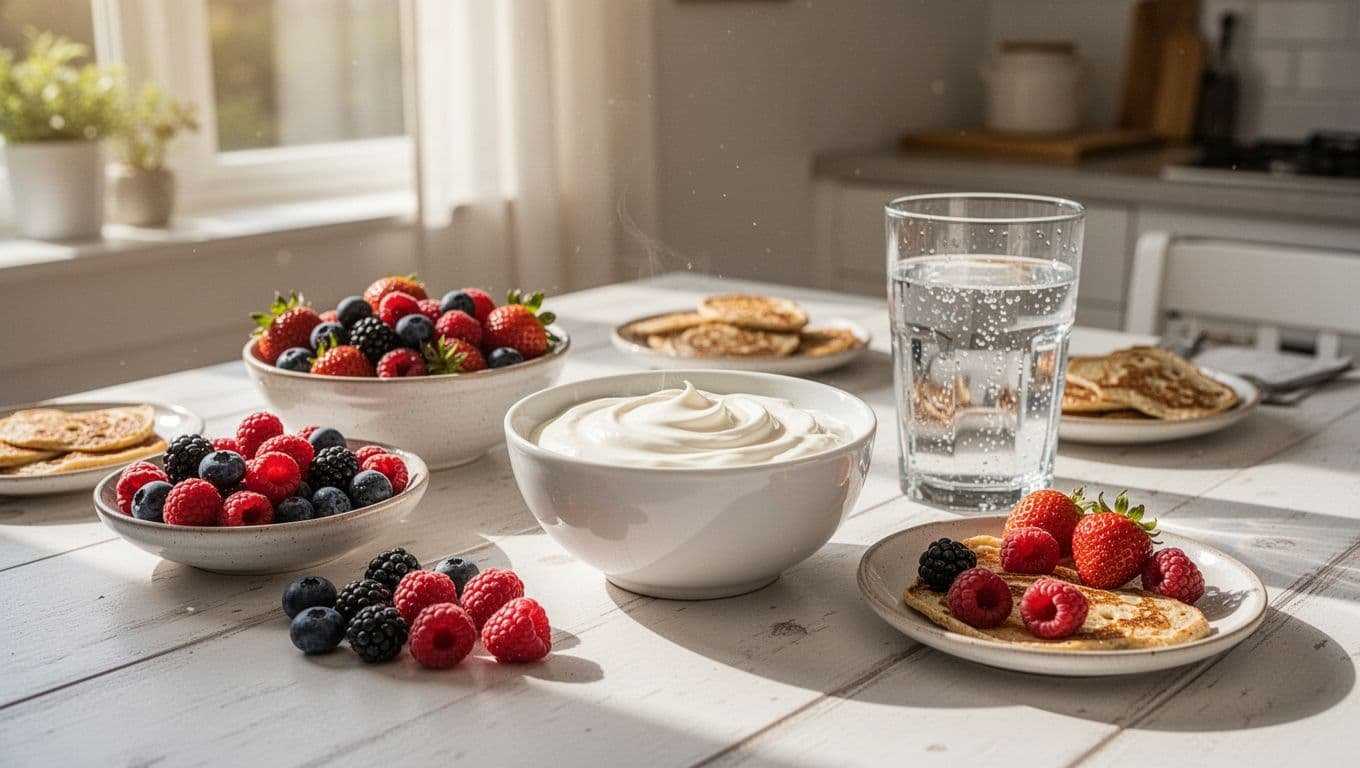
On a hot day, I prefer foods that feel cool and easy to digest. Fruit, yogurt, oats, eggs, toast, and smoothies all work well because they give you fuel without weighing you down. A bowl of berries with yogurt can feel refreshing, while toast with peanut butter and sliced banana gives you a little more staying power.
You can also build breakfast around foods that hold up well in the heat:
- Fruit for water, fiber, and quick energy
- Yogurt for protein and a cool, creamy texture
- Oats for steady energy that lasts past midmorning
- Eggs for a simple protein boost
- Toast for a quick base that pairs with sweet or savory toppings
- Smoothies for a cold option that works when you do not feel like a full meal
A lighter breakfast can also help you feel less sluggish when the weather is already warm. Taste of Home shares plenty of easy summer breakfast ideas that fit this kind of mood. If you want your morning to feel calm, not heavy, keep the plate small and the flavors fresh.
Prep breakfast the night before
Summer mornings move fast when the house is warm and the sun is already up. That is why a little prep at night can save you time and stress. Overnight oats, chopped fruit, and smoothie packs let you eat well without standing over the stove.
Try setting up one of these before bed:
- Mix oats, milk, yogurt, and fruit in a jar for overnight oats.
- Chop melon, berries, or peaches and store them in a container.
- Freeze banana slices, spinach, and berries in smoothie bags.
- Boil a few eggs so you have a grab-and-go protein option.
- Set out bread, nut butter, or toppings for quick toast.
This kind of prep keeps breakfast from becoming a decision you have to make while half-awake. It also helps you avoid skipping food and crashing later. For a faster morning bowl or smoothie, healthy summer breakfasts ready in 15 minutes can give you more quick pairings to try.
Make coffee or tea part of a slow start
Coffee or tea can do more than wake you up. On a hot morning, it can become a calm little ritual, one that gives your day a softer opening. Pour it, sit down, and take the first sip without rushing to the next task.
I like this part best when it feels unhurried. You can open a window, sit near sunlight, or take your cup outside for a few minutes before the day gets busy. That small pause can change the tone of the whole morning.
The first sip matters more when you give it your attention.
If you drink caffeine, keep it tied to a moment of calm instead of a frantic start. Tea, iced coffee, or a simple hot cup all work. The point is to let the drink feel like part of your morning, not just fuel you gulp down while standing at the counter.
Set up a water bottle before bed
Hydration is one of the easiest summer habits to forget, especially when the day begins in a rush. I like to place a water bottle by the bed or on the kitchen counter before I sleep. That way, the first thing I see in the morning is a reminder to drink.
This habit makes hydration feel automatic. You do not need to think about it, search for a glass, or wait until you feel thirsty. You just reach, sip, and start the day with something your body actually needs.
If you want to make it even easier, fill the bottle with cold water at night and keep it somewhere visible. A slice of lemon or a few mint leaves can make it feel more inviting too. By the time breakfast is ready, you will already have one healthy habit checked off.
Summer morning routines for a clear mind and better focus
I like summer mornings best when they feel calm, clear, and unhurried. A few small habits can keep your mind steady before the day starts asking for your attention.
A simple morning rhythm can begin with:
- one clear priority,
- one quiet pause,
- one gentle habit that helps you feel centered.
When you keep the start of the day this simple, your brain has less noise to sort through. That makes it easier to focus on what matters, instead of chasing everything at once. If you want more ways to sharpen your attention, these habits to stay focused all day fit well with a slower summer routine.
Write down three things that matter today
I like this habit because it trims the day down to size. Instead of carrying ten loose ideas in your head, you choose three things that deserve your attention first.
Those three items do not need to be big. One can be a work task, one can be personal, and one can be something practical, like calling someone back or paying a bill. The point is to give your mind a short list it can trust.
This works especially well in summer, when long days can make everything feel optional. Write the list on paper, not just in your head, and keep it visible. Then let the rest wait until later.
A simple version might look like this:
- Finish the one task you keep delaying.
- Handle one home or family need.
- Make room for one thing that helps you feel good.
That tiny bit of order can change the way the whole morning feels. Your mind stops drifting, and your energy has a clear place to land.
Keep a short gratitude habit
A gratitude habit does not need to be long or polished. I prefer one to three things that feel real in the moment, like sunshine on the floor, a slow breakfast, or time with family.
This kind of practice helps your mind notice what already feels good. That matters on busy mornings, because worry likes to take up extra space. Gratitude does the opposite. It makes room.
You can say it out loud, write it in a notebook, or keep it as a quiet thought while you sip coffee. A few honest words are enough. For example:
- “The morning light feels peaceful.”
- “I slept well and feel rested.”
- “I have a fresh start today.”
Keep it simple. Gratitude works best when it feels natural, not forced.
Read a few pages before the day starts
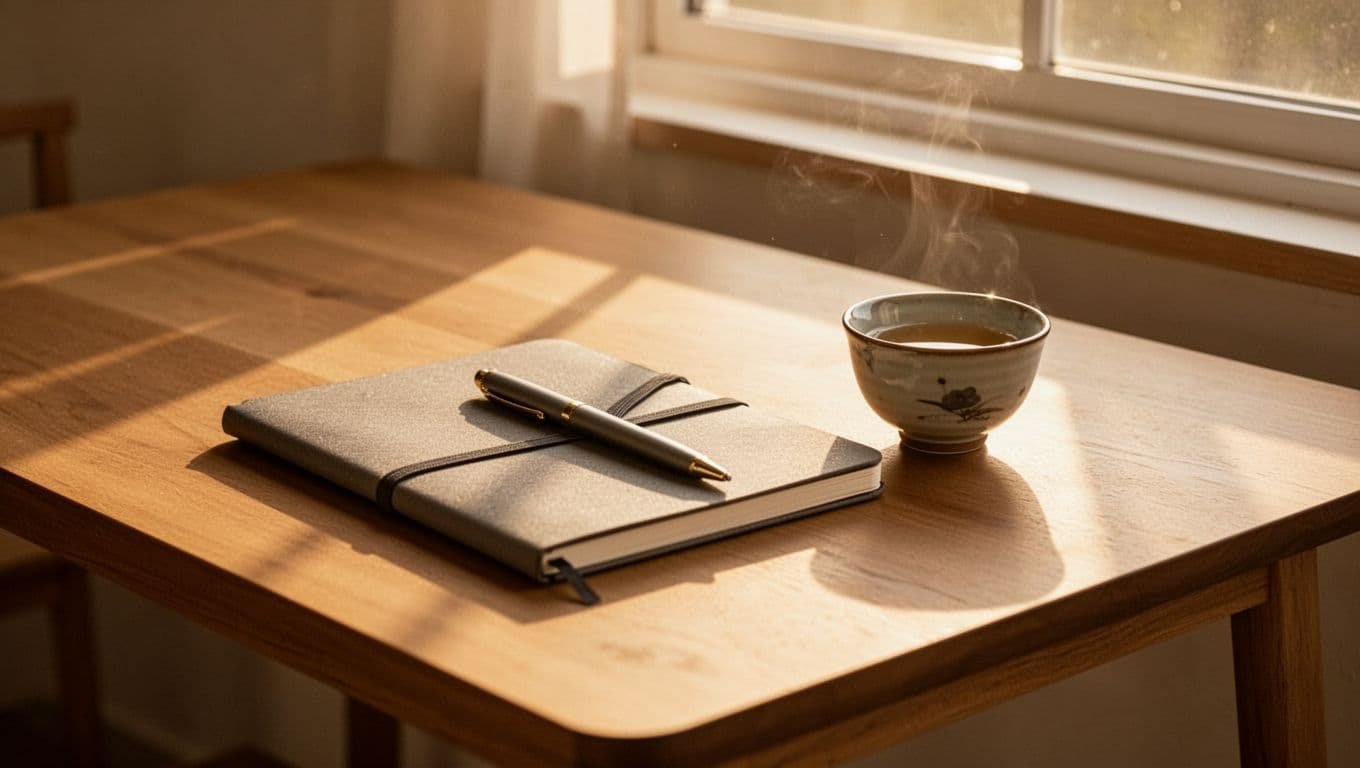
Reading in the morning gives your mind one calm thing to hold onto before messages and noise start pulling at it. Even a few pages can slow your thoughts, settle your attention, and help you begin with more care.
You do not need a heavy book. A novel, a devotional, an essay, or a few pages of something thoughtful all work. The key is to read before you check your phone, so your mind opens in your own direction first.
Health sources also support the calm effect of reading. The University of Rochester Medical Center notes that journaling can reduce stress, and reading works in a similar quiet way by helping you focus on one thing at a time. You can also see more on the mental health benefits of journaling if you want a related calming habit to pair with reading.
A short reading habit can feel like opening a window in your mind. Fresh air gets in, and the morning feels less crowded.
Use journaling to clear mental clutter
Journaling gives your thoughts a place to go before they start circling. I like it best when it stays quick and honest, because that keeps it easy to repeat.
Try simple prompts that help you sort what is stuck in your head:
- What feels heavy today?
- What feels hopeful?
- What do I want from this day?
You can answer in short lines, full sentences, or even rough fragments. The goal is not perfect writing. The goal is relief. Once your thoughts are on the page, they usually feel less tangled.
A few minutes of writing can also help you spot what needs attention first. Maybe you are tired, maybe you are nervous, or maybe you just need a cleaner plan. Either way, the page helps you see it clearly.
If you want, pair journaling with your top three priorities. That way, your mind gets both release and direction before the day gets busy.
Family-friendly and kid-friendly morning ideas for summer
I like summer mornings best when they feel easy for the whole house. Kids wake up better when the day starts with clear steps, a little freedom, and no pressure to hurry.
A simple family rhythm can keep the morning smooth without turning it rigid. The goal is not perfection, just a steady start that helps everyone know what comes next.

Give kids one simple morning task
A child does better with one clear job than with a long list. Small tasks build confidence, and they also help the morning move along without constant reminders.
Keep the task short and age-friendly. A younger child can put pajamas in a hamper, make the bed, or carry a water bottle to the kitchen. An older child can feed a pet, fold a blanket, or help wipe the table after breakfast.
A few easy summer morning jobs include:
- Making the bed
- Putting away pajamas
- Feeding a pet
- Watering a plant
- Picking up toys or books
- Setting napkins on the table
One simple task can do more than a long lecture.
The best part is how much calmer the house feels when kids know their job. They get a small win early, and that sets a good tone for the rest of the day.
Build a no-rush family rhythm
A loose routine helps the morning feel predictable without feeling tight. You can keep the same order most days, even if the exact timing changes.
For example, kids can wake up, get dressed, handle one chore, eat breakfast, then have a quiet moment before play or errands. That order gives the day a shape, which is often enough to cut down on arguing and wandering.
The rhythm matters more than the clock. If your family follows the same flow most mornings, everyone spends less time asking what comes next. That leaves more room for calm conversation and fewer rushed starts.
A repeatable order also helps on busy days. Even when plans change, the morning still feels familiar, like following the same trail through the yard.
Plan a shared breakfast or quiet time
A summer morning feels warmer when you share one small pause together. That might be breakfast at the table, a few minutes of conversation, or a quiet activity before the screens come on.
Keep it simple. You can sit together and talk about one plan for the day, one thing each person is looking forward to, or one place the family wants to go. If breakfast is hectic, even ten calm minutes with toast, fruit, or cereal can feel grounding.
Quiet time works too. Kids can color, read, do a puzzle, or look through a picture book while you finish your coffee. The point is to give the morning a soft landing before errands, noise, or screen time take over.
A calm shared start also makes transitions easier. Children usually handle the rest of the day better when they’ve had a peaceful moment with you first.
Use a visual routine chart for younger kids
Pictures can make mornings much easier for little ones. A visual chart shows them what comes next, so they do not have to rely on memory or repeated reminders.
Use simple images or icons for steps like waking up, getting dressed, brushing teeth, eating breakfast, and packing up for the day. Add a small checkbox or sticker spot beside each one. That way, kids can see their progress as they go.
A chart like this works well because it feels clear and familiar. Instead of telling a child the same steps over and over, you point to the chart and let the routine do the work. That can reduce stress for both of you.
For younger children, keep the chart short. Too many steps can feel like a wall instead of a guide. A few pictures are usually enough to create order and give the morning a gentle, kid-friendly flow.
How to make your summer morning routine last all season
I keep summer routines simple on purpose, because simple habits are the ones I actually repeat. The first week can feel easy, but the real test comes when the house gets noisy, the heat rises, or plans change without warning.
If you want your mornings to last beyond the first burst of motivation, build them around habits that fit real life. That usually means fewer steps, less pressure, and more flexibility. Research on habit formation also shows that routines stick better when they are tied to clear cues and repeated in the same way, which is why a small, steady morning pattern works so well. For a deeper look at how habits form, see the NIH explanation of habits and routine.

Start with three habits, not twenty
A summer routine feels easier when it begins small. Three habits give you shape without making the morning feel crowded or strict.
Pick one habit that wakes you up, one that clears your mind, and one that helps you move into the day. That could be water, a short stretch, and writing your top task. When the routine is this short, you are more likely to keep it on busy mornings too.
You can always add more later. For now, let the goal be consistency, not perfection. A routine you can repeat almost every day is stronger than a long plan you keep abandoning.
A simple starting point might look like this:
- Drink a glass of water.
- Open the curtains and stretch.
- Write down your top priority.
Match your routine to your real life
Your best morning routine should fit the season you are in right now. A parent with kids at home needs a different rhythm than someone working a full-time job, traveling, or enjoying a slower summer break.
If you work early, keep the routine short and practical. If school is out, you may have more room for reading, walking, or a longer breakfast. During travel, focus on one or two anchor habits, like water and a few minutes of quiet. The routine should fit your life, not fight it.
When the habits match your day, they feel natural instead of forced. That makes them easier to repeat all season. If you need a little help shaping a steady rhythm, these tips for becoming a morning person can help you build a routine that feels more natural over time.
Leave room for flexible mornings
Some mornings will be messy. The kids may wake up early, a call may come in, or you may sleep later than planned. A good routine still works on those days because it bends without breaking.
Give yourself a version of the routine that can shrink when needed. Maybe your full plan takes 20 minutes on a calm day, but only five minutes when things are hectic. That way, you can still do something instead of dropping the whole habit.
Flexibility also keeps you from turning one off day into a lost week. If you miss a step, just return to the next one. Summer mornings should feel lived in, not controlled.
A routine lasts longer when it can survive imperfect mornings.
Review what feels good and what does not
Check in with your routine once a week. Some habits will feel refreshing, while others may start to feel like extra work. Keep the ones that make your morning lighter, and cut the ones that feel heavy or pointless.
You do not need to protect every habit just because it looked good on paper. If journaling helps, keep it. If a long stretch never happens, shorten it. If coffee outside calms you more than a full to-do list, let that be the anchor.
That weekly reset keeps your routine honest. It also helps you notice what actually supports your energy, mood, and focus. The strongest summer routine is the one you still want to return to when the season starts to slide by.
Conclusion
I like the idea of a summer morning that feels light instead of rushed. The best routines in this list do that by keeping things simple, calm, and repeatable, so the day starts with ease instead of pressure.
You do not need a long checklist to make mornings better. A glass of water, a few quiet minutes, a short stretch, and one clear task can change the tone of the whole day. Small habits, done with care, can turn an ordinary morning into the best part of summer.
Pick a few ideas that fit your life, then use them often enough to make them feel natural. Your summer morning routine should refresh you, not drain you.
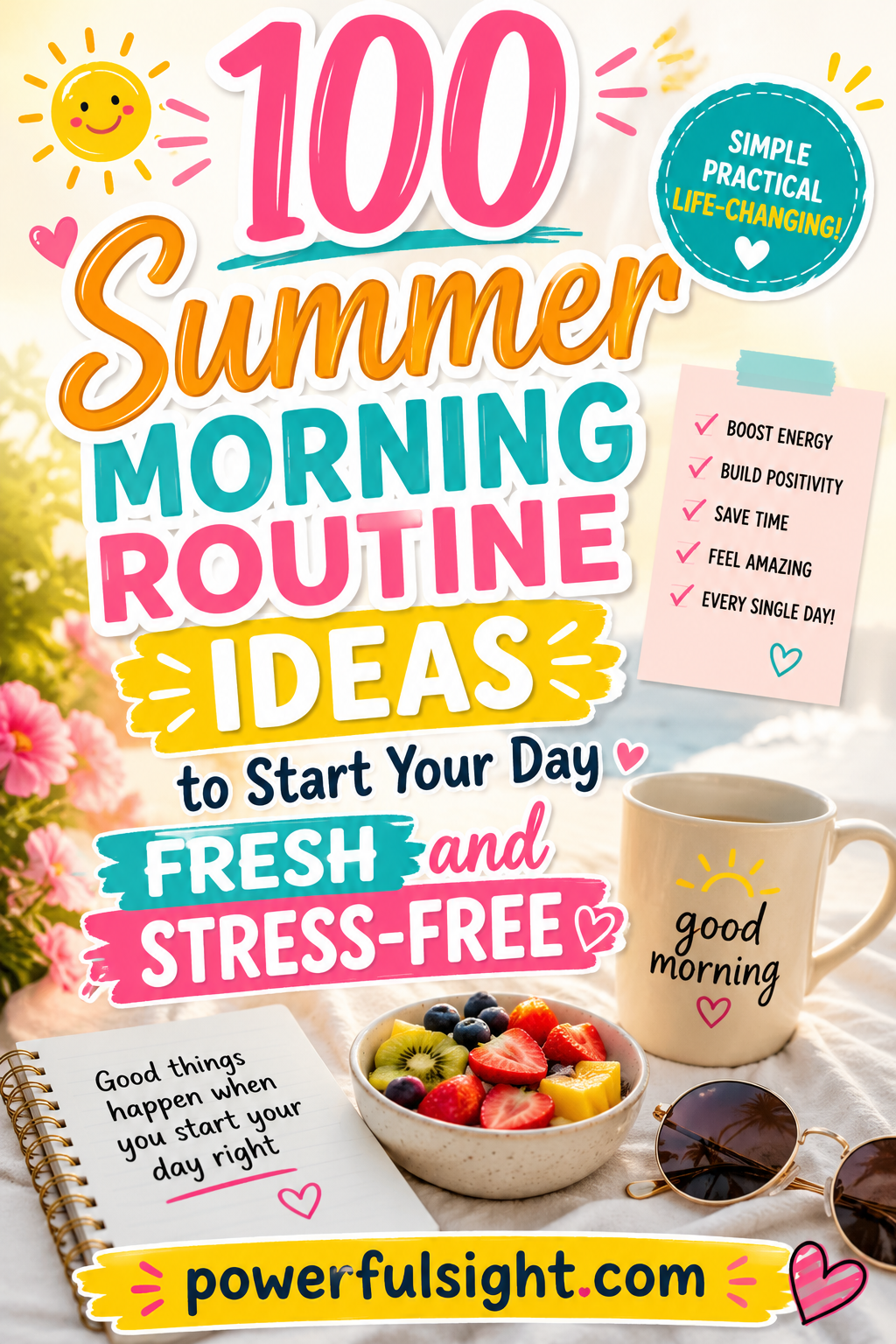
Save the pin for later
I love how summer mornings can feel slow, bright, and full of promise, but they can turn chaotic fast without a plan. A good summer morning routine keeps the day soft at the edges while still helping you get moving.
If you want calmer, happier mornings, this list gives you 100 ideas grouped by mood and goal, so you can pick what fits your energy. Some mornings call for quiet and rest, while others need a quick reset, a little movement, or a simple way to get organized, like the habits in these calming morning routine ideas.
You don’t have to do every step, either. Mix and match the ideas that suit your pace, your home, and your summer schedule, then keep scrolling for the routines that feel easy enough to repeat.
Why summer mornings feel different, and why that matters
I notice summer mornings carry a different rhythm the moment I open the curtains. The light comes in earlier, the air feels less heavy, and even a plain cup of coffee seems to ask for a slower pace.
That change matters more than people think. Morning light can shape your mood, your energy, and the way you move through the first hour of the day. When the morning feels brighter and calmer, your routine is easier to keep, and your mind feels less crowded.
The mood shift that comes with longer daylight
Summer mornings often feel lighter before you even get out of bed. The sun rises earlier, the room brightens sooner, and that extra light can make you feel more awake and more open to the day.
That soft lift can change your whole pace. Instead of rushing, you may want to stretch, breathe a little deeper, and move with less tension. Morning light also helps set your body clock, which is one reason a bright start can support better sleep later and steadier energy through the day. The Cleveland Clinic notes on sunshine and health explain how daylight affects mood and energy in simple, practical ways.
For many people, that means summer mornings feel less like a battle and more like a gentle hand on the shoulder. You wake up to possibility instead of pressure.
How a simple routine keeps summer from feeling chaotic
Summer can throw the day off fast. School breaks change the house rhythm, travel shifts your sleep, heat drains your energy, and work hours can feel uneven. Without some structure, the morning can slip away before you’ve done anything that grounds you.
A simple routine keeps the day steady without making it stiff. You don’t need a packed schedule. You need a few repeatable steps that tell your body, “We’re starting now.”
A good summer morning routine usually includes the following:
- One calming habit that helps you wake up with less rush
- One small task that gives the day shape
- One quiet pause that keeps you from starting in a scramble
That kind of structure works like a light frame around a painting. It doesn’t crowd the moment, but it keeps everything in place.
What makes a summer morning routine stick
The best routines stay short, pleasant, and realistic. If a habit feels too long or too strict, it gets skipped. If it feels easy, it gets repeated.
Start with what you can do most mornings, even on sleepy ones. Open the curtains, drink water, step outside for a minute, or write down your top task for the day. Keep the list small enough that it feels like a gift, not homework.
A routine lasts when it fits your real life. So, choose habits that calm you, wake you up, and leave room for summer to feel like summer.
Start Your Day with Calm, Not Chaos
I like a morning that feels soft around the edges. When the first minutes are calm, the whole day seems easier to handle, even if the schedule is full.
That calm often starts with a few simple choices:
- Wake up at about the same time.
- Let light into the room early.
- Keep your phone out of reach for a little while.
- Handle one small task before you do anything else.
These small moves set the tone. They help you feel awake, steady, and less pulled in ten directions at once.
Wake up at the same time most days
A steady wake-up time helps your body know what to expect. When you rise at a similar hour most mornings, your sleep pattern starts to settle, and that can make getting out of bed feel less painful. It also cuts down on that heavy, groggy feeling that hits when your wake-up time keeps shifting.
This kind of rhythm is easier on your mind too. You spend less time deciding when to get up and more time moving through the morning with purpose. If you want a simple structure to follow, the realistic 2-hour morning checklist offers a helpful framework.
For sleep health, the CDC also notes that regular sleep habits support mood and lower stress, which makes a fixed wake-up time a smart place to begin.About sleep basics from the CDC
Open the curtains and let the sunlight in
Natural light tells your brain that the day has started. That signal helps you feel more alert, and it can make your room feel fresh instead of stuffy. Even a few minutes of morning light can shift your energy in the right direction.
I like this step because it feels instant. One motion, one change in the room, and the morning already feels less sleepy. Light in the first part of the day also helps set your body clock, which can support better sleep later and a steadier mood during the day.
Skip the phone for the first few minutes
The phone can turn a peaceful morning into a noisy one fast. Texts, headlines, and social media all compete for your attention before your thoughts are even awake.
Give yourself a small buffer before you check anything. Those first minutes are better spent breathing, stretching, or just sitting still with your coffee or water. When you protect that space, your mind gets a clean start instead of a pile of other people’s urgency.
Make your bed before the day gets going
Making the bed is a small win, but it changes the room fast. The space looks cleaner, the sheets feel in order, and the morning already has one completed task.
That little action can keep the rest of the day from feeling scattered. You start with evidence that you can act, finish, and move on. For a summer morning, that matters more than it sounds like it should.
Easy Ways to Wake Up Your Body in the Summer Heat
I like to keep summer mornings simple, because the heat can drain energy before the day even starts. A few small habits can wake up your body without making you feel sweaty, rushed, or worn out before breakfast.
The best moves are gentle and easy to repeat. Drink water, stretch a little, step into fresh air, and let your body ease into motion before the sun gets too strong.
Drink a full glass of water first
After sleep, your body wakes up a little dry. You go hours without a sip, so a full glass of water helps replace what you lost overnight and gives your system a quick reset. It can also help you feel more alert, since even mild dehydration can make you feel sluggish and foggy.
In summer, this step matters even more. Water helps your body stay cool, supports digestion, and gets you ready for a hot day ahead. If plain water feels hard to remember, keep a glass by your bed or fill one as soon as you reach the kitchen.
A quick glass is often enough to shift the whole morning. The body starts to feel less heavy, and the mind usually follows.
Do a short stretch before breakfast
You do not need a full workout to wake up tight muscles. A few slow stretches can loosen your neck, back, and legs, which helps your body feel less stiff after sleep. It also sends a clear signal that the day has started.
Try gentle neck rolls, shoulder circles, a seated forward bend, or a simple hamstring stretch. Reach your arms overhead, then twist side to side without forcing it. Even three or four minutes can make a difference.
For a little more structure, you can pair stretching with a routine like the best 5am routine for hydration and stretching. That kind of easy rhythm works well when the morning heat makes you want to move slowly.
Keep the stretch light. Your goal is to wake up your body, not tire it out.
Step outside for fresh air
A few minutes on the porch, balcony, or in the yard can feel like a breath of fresh paint on the day. Early morning air is often cooler and quieter, so it gives your body a gentle wake-up without the heavy feel of midday heat.
You do not need to go far. Stand outside with your water, take a short walk around the yard, or just breathe for a minute before heading back in. That small change of scenery can help shake off sleep and clear your head.
Fresh air also helps break the feeling of being stuck indoors. The morning feels more open, and your energy often lifts with it.
Try a gentle workout before the sun gets too strong
When summer mornings are already warm, light movement is usually better than a hard workout. Yoga, walking, dancing, bodyweight moves, or a short jog can wake up your body without draining it. The key is to keep it easy enough that you still feel refreshed when you finish.
A brisk walk in the cool part of the morning can work well, and light movement is generally easier to handle before the heat builds. If you want a simple reference, guidance on exercising safely in summer weather offers helpful advice for staying active when temperatures rise.
Choose the kind of movement that feels good in your body. Some mornings call for a few sun salutations, while others feel better with a ten-minute walk or a few rounds of squats and arm circles. The win is not intensity. The win is waking yourself up without wearing yourself out.
Breakfast and morning fuel ideas that fit a hot day
I like breakfast to feel easy in summer. Heavy food can sit like a rock when the temperature climbs, so I reach for meals that are cool, light, and still satisfying. You want energy that lasts, not a sleepy food coma before noon.
The best summer breakfasts are simple and fresh. They give you protein, fiber, and hydration without making the morning feel greasy or rushed. If you want more ideas for a steady, low-stress start, these morning habits to boost daily energy pair well with a lighter meal plan.
Keep breakfast light but filling
On a hot day, I prefer foods that feel cool and easy to digest. Fruit, yogurt, oats, eggs, toast, and smoothies all work well because they give you fuel without weighing you down. A bowl of berries with yogurt can feel refreshing, while toast with peanut butter and sliced banana gives you a little more staying power.
You can also build breakfast around foods that hold up well in the heat:
- Fruit for water, fiber, and quick energy
- Yogurt for protein and a cool, creamy texture
- Oats for steady energy that lasts past midmorning
- Eggs for a simple protein boost
- Toast for a quick base that pairs with sweet or savory toppings
- Smoothies for a cold option that works when you do not feel like a full meal
A lighter breakfast can also help you feel less sluggish when the weather is already warm. Taste of Home shares plenty of easy summer breakfast ideas that fit this kind of mood. If you want your morning to feel calm, not heavy, keep the plate small and the flavors fresh.
Prep breakfast the night before
Summer mornings move fast when the house is warm and the sun is already up. That is why a little prep at night can save you time and stress. Overnight oats, chopped fruit, and smoothie packs let you eat well without standing over the stove.
Try setting up one of these before bed:
- Mix oats, milk, yogurt, and fruit in a jar for overnight oats.
- Chop melon, berries, or peaches and store them in a container.
- Freeze banana slices, spinach, and berries in smoothie bags.
- Boil a few eggs so you have a grab-and-go protein option.
- Set out bread, nut butter, or toppings for quick toast.
This kind of prep keeps breakfast from becoming a decision you have to make while half-awake. It also helps you avoid skipping food and crashing later. For a faster morning bowl or smoothie, healthy summer breakfasts ready in 15 minutes can give you more quick pairings to try.
Make coffee or tea part of a slow start
Coffee or tea can do more than wake you up. On a hot morning, it can become a calm little ritual, one that gives your day a softer opening. Pour it, sit down, and take the first sip without rushing to the next task.
I like this part best when it feels unhurried. You can open a window, sit near sunlight, or take your cup outside for a few minutes before the day gets busy. That small pause can change the tone of the whole morning.
The first sip matters more when you give it your attention.
If you drink caffeine, keep it tied to a moment of calm instead of a frantic start. Tea, iced coffee, or a simple hot cup all work. The point is to let the drink feel like part of your morning, not just fuel you gulp down while standing at the counter.
Set up a water bottle before bed
Hydration is one of the easiest summer habits to forget, especially when the day begins in a rush. I like to place a water bottle by the bed or on the kitchen counter before I sleep. That way, the first thing I see in the morning is a reminder to drink.
This habit makes hydration feel automatic. You do not need to think about it, search for a glass, or wait until you feel thirsty. You just reach, sip, and start the day with something your body actually needs.
If you want to make it even easier, fill the bottle with cold water at night and keep it somewhere visible. A slice of lemon or a few mint leaves can make it feel more inviting too. By the time breakfast is ready, you will already have one healthy habit checked off.
Summer morning routines for a clear mind and better focus
I like summer mornings best when they feel calm, clear, and unhurried. A few small habits can keep your mind steady before the day starts asking for your attention.
A simple morning rhythm can begin with:
- one clear priority,
- one quiet pause,
- one gentle habit that helps you feel centered.
When you keep the start of the day this simple, your brain has less noise to sort through. That makes it easier to focus on what matters, instead of chasing everything at once. If you want more ways to sharpen your attention, these habits to stay focused all day fit well with a slower summer routine.
Write down three things that matter today
I like this habit because it trims the day down to size. Instead of carrying ten loose ideas in your head, you choose three things that deserve your attention first.
Those three items do not need to be big. One can be a work task, one can be personal, and one can be something practical, like calling someone back or paying a bill. The point is to give your mind a short list it can trust.
This works especially well in summer, when long days can make everything feel optional. Write the list on paper, not just in your head, and keep it visible. Then let the rest wait until later.
A simple version might look like this:
- Finish the one task you keep delaying.
- Handle one home or family need.
- Make room for one thing that helps you feel good.
That tiny bit of order can change the way the whole morning feels. Your mind stops drifting, and your energy has a clear place to land.
Keep a short gratitude habit
A gratitude habit does not need to be long or polished. I prefer one to three things that feel real in the moment, like sunshine on the floor, a slow breakfast, or time with family.
This kind of practice helps your mind notice what already feels good. That matters on busy mornings, because worry likes to take up extra space. Gratitude does the opposite. It makes room.
You can say it out loud, write it in a notebook, or keep it as a quiet thought while you sip coffee. A few honest words are enough. For example:
- “The morning light feels peaceful.”
- “I slept well and feel rested.”
- “I have a fresh start today.”
Keep it simple. Gratitude works best when it feels natural, not forced.
Read a few pages before the day starts
Reading in the morning gives your mind one calm thing to hold onto before messages and noise start pulling at it. Even a few pages can slow your thoughts, settle your attention, and help you begin with more care.
You do not need a heavy book. A novel, a devotional, an essay, or a few pages of something thoughtful all work. The key is to read before you check your phone, so your mind opens in your own direction first.
Health sources also support the calm effect of reading. The University of Rochester Medical Center notes that journaling can reduce stress, and reading works in a similar quiet way by helping you focus on one thing at a time. You can also see more on the mental health benefits of journaling if you want a related calming habit to pair with reading.
A short reading habit can feel like opening a window in your mind. Fresh air gets in, and the morning feels less crowded.
Use journaling to clear mental clutter
Journaling gives your thoughts a place to go before they start circling. I like it best when it stays quick and honest, because that keeps it easy to repeat.
Try simple prompts that help you sort what is stuck in your head:
- What feels heavy today?
- What feels hopeful?
- What do I want from this day?
You can answer in short lines, full sentences, or even rough fragments. The goal is not perfect writing. The goal is relief. Once your thoughts are on the page, they usually feel less tangled.
A few minutes of writing can also help you spot what needs attention first. Maybe you are tired, maybe you are nervous, or maybe you just need a cleaner plan. Either way, the page helps you see it clearly.
If you want, pair journaling with your top three priorities. That way, your mind gets both release and direction before the day gets busy.
Family-friendly and kid-friendly morning ideas for summer
I like summer mornings best when they feel easy for the whole house. Kids wake up better when the day starts with clear steps, a little freedom, and no pressure to hurry.
A simple family rhythm can keep the morning smooth without turning it rigid. The goal is not perfection, just a steady start that helps everyone know what comes next.
Give kids one simple morning task
A child does better with one clear job than with a long list. Small tasks build confidence, and they also help the morning move along without constant reminders.
Keep the task short and age-friendly. A younger child can put pajamas in a hamper, make the bed, or carry a water bottle to the kitchen. An older child can feed a pet, fold a blanket, or help wipe the table after breakfast.
A few easy summer morning jobs include:
- Making the bed
- Putting away pajamas
- Feeding a pet
- Watering a plant
- Picking up toys or books
- Setting napkins on the table
One simple task can do more than a long lecture.
The best part is how much calmer the house feels when kids know their job. They get a small win early, and that sets a good tone for the rest of the day.
Build a no-rush family rhythm
A loose routine helps the morning feel predictable without feeling tight. You can keep the same order most days, even if the exact timing changes.
For example, kids can wake up, get dressed, handle one chore, eat breakfast, then have a quiet moment before play or errands. That order gives the day a shape, which is often enough to cut down on arguing and wandering.
The rhythm matters more than the clock. If your family follows the same flow most mornings, everyone spends less time asking what comes next. That leaves more room for calm conversation and fewer rushed starts.
A repeatable order also helps on busy days. Even when plans change, the morning still feels familiar, like following the same trail through the yard.
Plan a shared breakfast or quiet time
A summer morning feels warmer when you share one small pause together. That might be breakfast at the table, a few minutes of conversation, or a quiet activity before the screens come on.
Keep it simple. You can sit together and talk about one plan for the day, one thing each person is looking forward to, or one place the family wants to go. If breakfast is hectic, even ten calm minutes with toast, fruit, or cereal can feel grounding.
Quiet time works too. Kids can color, read, do a puzzle, or look through a picture book while you finish your coffee. The point is to give the morning a soft landing before errands, noise, or screen time take over.
A calm shared start also makes transitions easier. Children usually handle the rest of the day better when they’ve had a peaceful moment with you first.
Use a visual routine chart for younger kids
Pictures can make mornings much easier for little ones. A visual chart shows them what comes next, so they do not have to rely on memory or repeated reminders.
Use simple images or icons for steps like waking up, getting dressed, brushing teeth, eating breakfast, and packing up for the day. Add a small checkbox or sticker spot beside each one. That way, kids can see their progress as they go.
A chart like this works well because it feels clear and familiar. Instead of telling a child the same steps over and over, you point to the chart and let the routine do the work. That can reduce stress for both of you.
For younger children, keep the chart short. Too many steps can feel like a wall instead of a guide. A few pictures are usually enough to create order and give the morning a gentle, kid-friendly flow.
How to make your summer morning routine last all season
I keep summer routines simple on purpose, because simple habits are the ones I actually repeat. The first week can feel easy, but the real test comes when the house gets noisy, the heat rises, or plans change without warning.
If you want your mornings to last beyond the first burst of motivation, build them around habits that fit real life. That usually means fewer steps, less pressure, and more flexibility. Research on habit formation also shows that routines stick better when they are tied to clear cues and repeated in the same way, which is why a small, steady morning pattern works so well. For a deeper look at how habits form, see the NIH explanation of habits and routine.
Start with three habits, not twenty
A summer routine feels easier when it begins small. Three habits give you shape without making the morning feel crowded or strict.
Pick one habit that wakes you up, one that clears your mind, and one that helps you move into the day. That could be water, a short stretch, and writing your top task. When the routine is this short, you are more likely to keep it on busy mornings too.
You can always add more later. For now, let the goal be consistency, not perfection. A routine you can repeat almost every day is stronger than a long plan you keep abandoning.
A simple starting point might look like this:
- Drink a glass of water.
- Open the curtains and stretch.
- Write down your top priority.
Match your routine to your real life
Your best morning routine should fit the season you are in right now. A parent with kids at home needs a different rhythm than someone working a full-time job, traveling, or enjoying a slower summer break.
If you work early, keep the routine short and practical. If school is out, you may have more room for reading, walking, or a longer breakfast. During travel, focus on one or two anchor habits, like water and a few minutes of quiet. The routine should fit your life, not fight it.
When the habits match your day, they feel natural instead of forced. That makes them easier to repeat all season. If you need a little help shaping a steady rhythm, these tips for becoming a morning person can help you build a routine that feels more natural over time.
Leave room for flexible mornings
Some mornings will be messy. The kids may wake up early, a call may come in, or you may sleep later than planned. A good routine still works on those days because it bends without breaking.
Give yourself a version of the routine that can shrink when needed. Maybe your full plan takes 20 minutes on a calm day, but only five minutes when things are hectic. That way, you can still do something instead of dropping the whole habit.
Flexibility also keeps you from turning one off day into a lost week. If you miss a step, just return to the next one. Summer mornings should feel lived in, not controlled.
A routine lasts longer when it can survive imperfect mornings.
Review what feels good and what does not
Check in with your routine once a week. Some habits will feel refreshing, while others may start to feel like extra work. Keep the ones that make your morning lighter, and cut the ones that feel heavy or pointless.
You do not need to protect every habit just because it looked good on paper. If journaling helps, keep it. If a long stretch never happens, shorten it. If coffee outside calms you more than a full to-do list, let that be the anchor.
That weekly reset keeps your routine honest. It also helps you notice what actually supports your energy, mood, and focus. The strongest summer routine is the one you still want to return to when the season starts to slide by.
Conclusion
I like the idea of a summer morning that feels light instead of rushed. The best routines in this list do that by keeping things simple, calm, and repeatable, so the day starts with ease instead of pressure.
You do not need a long checklist to make mornings better. A glass of water, a few quiet minutes, a short stretch, and one clear task can change the tone of the whole day. Small habits, done with care, can turn an ordinary morning into the best part of summer.
Pick a few ideas that fit your life, then use them often enough to make them feel natural. Your summer morning routine should refresh you, not drain you.
Save the pin for later

- 60 Color Tattoos That Healed Beautifully - 25/09/2026
- 40 Most Painful Tattoo Spots - 24/09/2026
- 20 Tattoo Aftercare Mistakes That Ruin Fresh Ink - 23/09/2026

