Most people want a better routine, but they don’t want a total life overhaul. That’s where small changes win, because a few easy shifts can fit into real life and still make a noticeable difference in 30 days.
This post focuses on 11 simple habits that can improve your days without turning your schedule upside down. You don’t need perfection, and you don’t need to start all at once, either. One or two changes can build real momentum, especially when they fit the way you already live, as shown in these tips for making new habits stick.
If you’ve been waiting for the right time to feel more organized, energized, and in control, this is a good place to start. Keep reading, and pick the first change that feels easy enough to begin today.
Why small changes work better than big overhauls
Big changes sound exciting, but they often ask for too much too soon. A smaller habit feels manageable, which makes it easier to start, repeat, and keep going.
That matters because real change in 30 days depends on consistency, not bursts of effort. You get farther by doing a simple thing every day than by chasing a perfect plan for a week and then stopping.
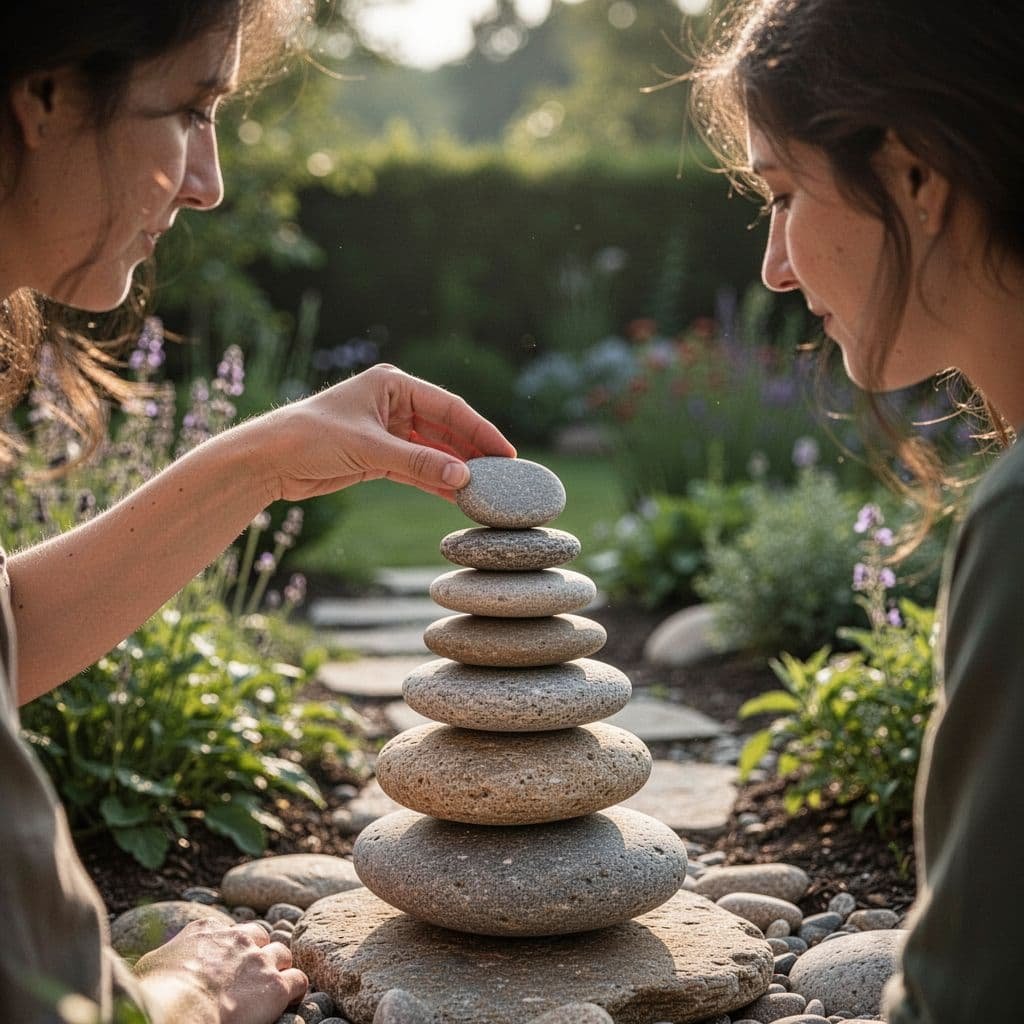
Why your brain resists big lifestyle changes
Large goals can feel exciting on day one, then heavy by day three. Your brain notices the size of the task, the time it will take, and the effort it will demand, so resistance shows up fast.
That resistance is one reason big plans fall apart. If the goal feels too far away, you stop getting quick rewards, and motivation drops. A tiny habit, on the other hand, gives you an easy win right away, which helps you stay in motion.
A simple example makes this clear. “Exercise for an hour every day” can feel like a full life change, while “walk for 10 minutes after lunch” feels doable even on a busy day. The second option lowers the mental load, so you are more likely to begin.
This is why habit experts keep coming back to small steps. As Harvard Business Review has noted, progress gets easier to maintain when the first step is small enough to repeat without a fight, and that is often the difference between quitting and continuing.
How one small win can lead to the next
Small wins build trust with yourself. When you keep a promise that feels easy, you prove that change is possible, and that proof matters more than excitement.
Say you start by making your bed each morning. After a few days, that one action can lead to clearing your nightstand, then setting out clothes the night before, then starting the day with a cleaner room and a calmer mind. One win opens the door to the next because the task feels less strange and less hard.
You can also see this in health habits, where one small choice often changes the rest of the day. A short walk can lead to better food choices, more water, and an earlier bedtime, because you already feel like someone who is taking care of yourself.
Small wins create momentum because they lower the cost of starting.
That is the real strength of small changes. They do not rely on huge bursts of energy. They work because they are easy to repeat, and repetition is what turns a short-term effort into a lasting habit.
Start your day with habits that create instant momentum
The first few minutes after you wake up set the tone for everything that follows. If your morning feels rushed, your whole day can feel that way too.
The good news is that you do not need a perfect routine to start strong. A few small habits can help you feel more awake, more organized, and less scattered before work, school, or family demands take over.

Wake up a little earlier and use the time on purpose
Even 15 to 30 extra minutes can change the feel of your morning. That small cushion gives you room to move without rushing, which makes everything feel lighter.
Use that time with intention. You could stretch for a few minutes, write down what matters most today, or sit quietly before the noise starts. The key is to protect the time from your phone, because a quick scroll can steal the calm you just made.
If you want more ideas for a steady start, these productive morning routines offer simple ways to build a day that feels more in control. Start with one habit, then keep it easy enough to repeat tomorrow.
Drink water before coffee or breakfast
After sleep, your body usually needs water first. A glass of water in the morning helps you rehydrate before caffeine or food enters the picture.
That simple step can also make the rest of your routine feel more grounded. Water is easy, quick, and clear, so it gives you a clean first action before the day gets busy. If coffee is part of your morning, drink water first and let the caffeine come second.
A small habit works best when it is easy enough to do half-awake.
Morning hydration is also one of the simplest habits in a healthy morning routine, and it does not require extra planning. Keep a glass or bottle near your bed or kitchen sink, so the habit feels automatic.
Make your bed to start the day with one quick win
Making your bed takes less than two minutes, but it changes the feel of the room right away. A neat bed makes the space look calmer, and that can make your mind feel calmer too.
It also gives you a fast win before the day starts asking for more. That matters, because a quick success early on can make the next good choice feel easier. You are not just tidying a blanket, you are sending yourself a clear message that the day has begun on purpose.
If you want an even stronger morning rhythm, pair this habit with other morning habit ideas for personal growth. Small actions stack up fast when they happen before distractions take over.
A simple first step can look like this:
- Pull up the sheets.
- Straighten the pillows.
- Smooth the blanket.
- Walk away and leave the room ready.
That is enough. Once your bed is made, the room feels less chaotic, and your morning already has a sense of order.
Use movement and silence to improve your energy and focus
A better day often starts with a better pace. When you add a little movement and a little quiet, your mind gets room to reset instead of staying stuck in overdrive.
These habits work because they are simple. You don’t need a gym, a long meditation session, or a perfect schedule, just small pauses that help your body and brain recover during the day.
Move your body for just 10 minutes
Ten minutes of movement can change how the rest of your day feels. A short walk, a few stretches, or some simple home movement can wake you up without draining your energy.
This works because your body does not need a full workout to feel better. A quick walk around the block, shoulder rolls at your desk, or marching in place between tasks can ease stiffness and help your mood lift. Short movement breaks also help with focus, which is why habits like the ones in these daily habits for improved mental wellness are so easy to keep up.
If your day feels heavy, start small:
- Stand up and stretch your arms overhead.
- Walk while you take a phone call.
- Do a few squats or calf raises in your kitchen.
- Move for one song, then stop.
That is enough to get your blood moving and your head clearer. Research on short breaks also shows that brief movement can reduce fatigue and support attention, so even a few minutes can pay off. For a simple overview of the science, see short movement breaks and focus.
Spend a few minutes in silence each day
Quiet time gives your brain a break from constant input. When the noise drops, mental clutter does too, and your thoughts feel easier to sort through.
You don’t need a perfect meditation setup. Sit still for a few minutes, breathe slowly, or close your eyes and let the room stay quiet. Even a short pause can lower stress and help you return to your work with a steadier mind.
Try this on a busy day:
- Sit in silence before opening your phone.
- Take five slow breaths between tasks.
- Pause after lunch and do nothing for two minutes.
- Spend a few minutes on a short meditation if that feels natural.
Quiet time is not wasted time. It gives your mind space to reset.
A little silence can feel strange at first, especially if you stay busy all day. Still, that pause often brings back the focus you lose to noise, alerts, and constant switching.
Cut down on nonstop phone checking
Frequent phone checks break your attention into tiny pieces. Each glance pulls part of your focus away, and the day starts to feel more scattered than it needs to.
A simple no-phone window helps more than you might expect. Keep your phone out of reach for the first 20 minutes after waking up, or leave it alone during the last hour before bed. Those small boundaries protect your energy and make your mind feel less rushed.
You can also make checking less automatic by setting a few rules:
- Check messages at set times instead of every few minutes.
- Keep notifications off for apps that don’t need instant attention.
- Put your phone in another room while you work.
- Use silence as a cue to pause before you reach for it.
The goal is not to ignore your phone all day. It’s to stop it from running the day for you. When you check less often, your attention lasts longer, and the stress that comes with constant alerts starts to fade.
Make your space and schedule feel easier to manage
When your home feels messy and your calendar feels packed, even small jobs can start to feel heavy. A few simple organization habits can take that pressure off fast.
The goal is not a perfect house or a packed color-coded planner. It is a lighter day, fewer loose ends, and less mental clutter. Small routines like clearing one surface, writing down tomorrow’s tasks, or changing what you see first in the kitchen can save time and lower stress.
Use the one-minute rule for tiny tasks
If a task takes less than a minute, do it right away. That might mean hanging up clothes, wiping a counter, tossing junk mail, or replying to a short message before it turns into another thing on your list.
This habit works because tiny tasks create drag when they pile up. One small action is easy, but ten of them start to feel like a mess. The one-minute rule helps you clear those little jobs before they grow teeth.
Try using it in the moments between bigger tasks. If you finish coffee, rinse the mug. If you see a towel on the floor, pick it up. If a note can be answered in one sentence, send it now.
That keeps your space cleaner and your mind clearer. It also stops the “I’ll do it later” habit from running the show.
Small tasks feel smaller when they never get the chance to stack up.
If clutter has already gotten out of hand, a room-by-room declutter plan can help you reset without spending an entire weekend on it.
Plan tomorrow before you go to bed
A few minutes of planning at night can make the next morning feel much smoother. Write down your top three tasks for tomorrow, then stop.
That simple list gives your brain a place to put unfinished thoughts. A study on bedtime writing found that people who wrote down future tasks fell asleep faster than those who wrote about completed tasks, which makes sense when your mind is still running through the day. You can find the study summary on PubMed or read a short breakdown in TIME’s sleep tip article.
Keep the list specific. “Call the dentist” works better than “handle appointments.” “Send the report draft” is easier to act on than “work stuff.”
A short night routine can look like this:
- Write the top three tasks.
- Add one small first step for each one.
- Put the list where you will see it in the morning.
- Close the notebook and move on.
That little pause reduces morning stress because you already know where to start. It also makes bedtime feel calmer, since you are not trying to hold everything in your head.
Keep junk food out of sight so better choices feel easier
Healthy eating gets easier when your environment does more of the work. If chips, candy, or cookies sit in plain view, they become the default choice. If they are tucked away, you are more likely to reach for something better first.
This is about environment design, not willpower. The CDC notes that healthier food environments help people make better choices, and placement matters a lot. You can read more in the CDC’s overview of healthy food environments.
Simple changes help right away:
- Put fruit where you can see it.
- Move snacks to a hard-to-reach shelf.
- Store junk food in opaque containers.
- Keep healthy options at eye level in the fridge.
Research-backed home tips point the same way. The University of Southern California recommends hiding junk food and putting better options front and center, because people tend to eat what is easiest to notice.
When the first thing you see is a bowl of apples instead of a bag of chips, the better choice feels natural. That small shift can make your kitchen work for you instead of against you.
Build a calmer mind with habits that support reflection and growth
A calmer mind often starts with small pauses. When you give yourself time to read, write, and notice kind actions, your day feels less like a blur and more like something you can shape.
These habits also help you spot progress. That matters because growth feels more real when you can see it, even in small ways. A few quiet minutes can clear mental clutter, lift your mood, and make the 30-day plan feel more personal.
Read for 10 minutes instead of scrolling

Ten minutes of reading can do more for your mind than another round of scrolling. Reading gives your attention one path to follow, which helps your brain settle down after a noisy day. It can also support focus, learning, and sleep, especially when you make it part of your bedtime routine. For a closer look at the benefits, Healthline’s daily reading guide explains why even a short habit can help.
Start with anything that feels easy to enjoy. A novel, a few pages of a cookbook, a magazine article, or a chapter from a self-help book all count. The point is to replace passive screen time with a calm habit that gives something back.
If bedtime is where you struggle most, reading can help there too. A short reading session gives your mind a softer landing before sleep, which can make it easier to switch off.
Journal for a few minutes to sort your thoughts
Journaling gives your thoughts a place to land. Instead of carrying everything around in your head, you can write it down and see it more clearly. That often lowers stress and makes your next step feel smaller.
Keep the format simple so you actually stick with it:
- One good thing from today.
- One thing you learned.
- One goal for tomorrow.
This works for beginners because it removes the pressure to write well. You do not need long entries or perfect grammar. A few honest lines are enough to help you reflect, notice patterns, and track progress over time.
If you want a little more structure, write the same three prompts every night for a week. Soon, you may start spotting what lifts your mood, what drains it, and what helps you stay focused. That kind of self-awareness builds a steadier mind.
Do one kind thing every day
Kindness changes the tone of a day fast. A small good deed can lift your mood, strengthen your relationships, and pull your attention away from stress. It also reminds you that growth is not only about productivity, it is about how you treat people.
Keep it simple and realistic. You could send a thank-you text, give someone a sincere compliment, or help with a small task like carrying groceries or cleaning up a shared space. Even a short check-in can matter more than you think.
Try to notice how you feel after the kind act, too. Most people feel lighter when they act with care, and that feeling can carry into the rest of the day. Over 30 days, those small moments start to shape a calmer, more grounded way of living.
How to stay with these changes for 30 days
The best way to keep a new habit going is to make it feel almost too easy to fail. Choose a few changes that fit your real life, track them in a simple way, and treat missed days as part of the process. That mindset keeps the month realistic, which is what helps habits last.
Pick only a few habits to begin with
Start small enough that you can repeat the habit on a busy day. If you try to change everything at once, the plan gets heavy fast, and that makes quitting more likely.
A better approach is to pick one habit from the morning, one from movement or focus, and one from organization or mindset. For example, you might drink water after waking up, walk for 10 minutes after lunch, and write tomorrow’s tasks before bed. That gives you balance without overload.
If you want a stronger structure, connect the new habits to routines you already have. A daily routine you can actually maintain is easier to follow because it removes guesswork. The goal is simple: make the first version of your plan small enough that you trust yourself to do it again tomorrow.
If the habit feels awkward to start, it probably needs to be smaller.
A good rule is to begin with the minimum version. Read two pages, stretch for one minute, or tidy one surface. Once the habit feels normal, you can grow it later.
Track your streak in a simple way
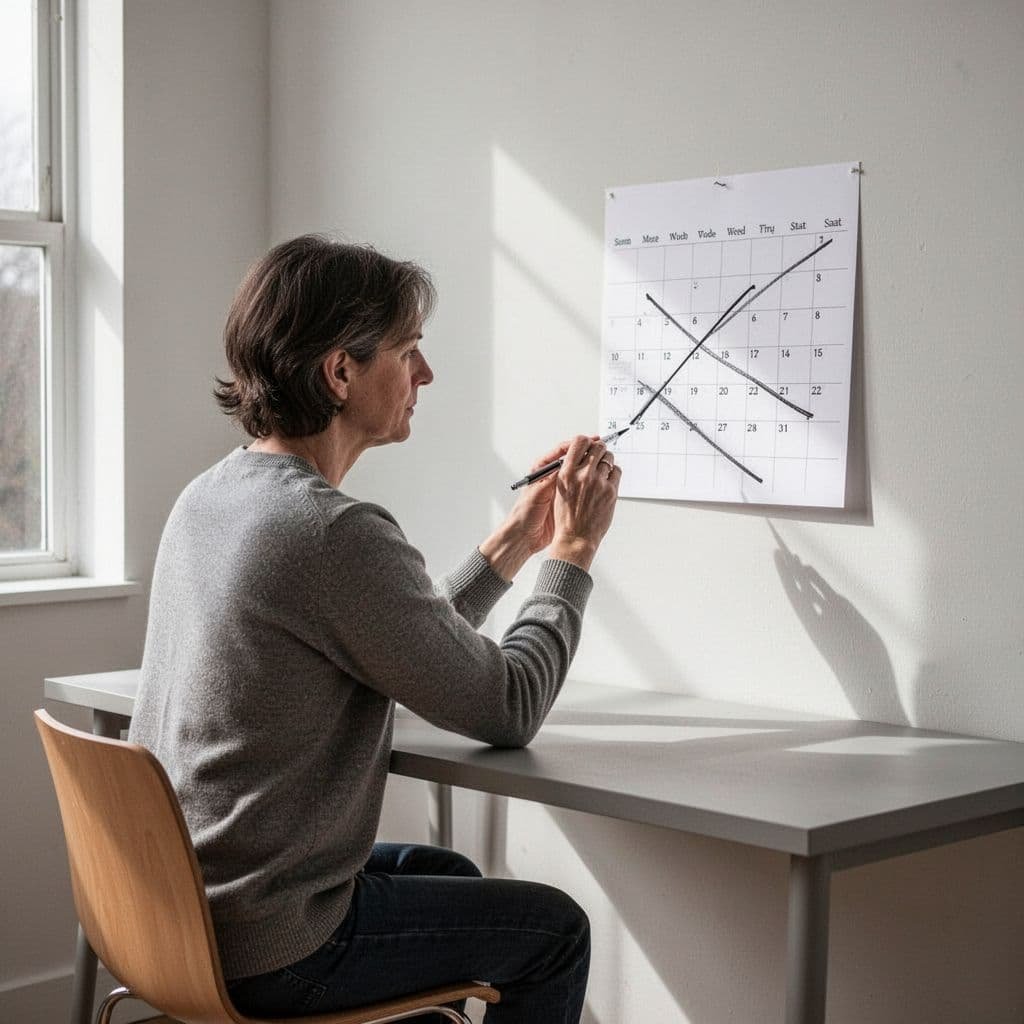
Progress feels real when you can see it. A calendar, notebook, or phone note makes the streak visible, and that visual proof can keep you going on low-energy days.
Mark each day with an X, a checkmark, or a short note. Keep it basic so the tracker helps instead of becoming another task. Watching the chain grow gives you a quick sense of momentum, which is often enough to keep you from skipping “just this once.”
Many people find that a simple streak log works better than a detailed app. The main point is to notice the run of successful days, not to build a perfect system. If you like structure, write the habit at the top of a page and fill in each day you complete it. If you prefer your phone, keep one note that lists the habit and the dates.
The 30-day habit challenge method makes the same point, use a tiny action and mark it daily. That keeps your attention on showing up, which matters more than doing it perfectly.
Restart quickly if you miss a day
One missed day does not ruin the month. Life gets busy, plans change, and some days will simply not go the way you hoped. The important part is what you do next.
Do not wait for Monday, a new month, or a better mood. Restart the next day with the smallest version of the habit. If you missed your walk, take a short one the next day. If you skipped journaling, write one sentence and move on. Fast recovery matters more than guilt.
A clear restart rule helps:
- Notice the miss without judging yourself.
- Go back to the habit the next day.
- Use the smallest version if needed.
- Keep tracking the streak from there.
This mindset keeps the process calm. As The Conversation points out, missing a day does not reset everything, consistency matters more than perfection. If you stay focused on the next action instead of the mistake, you keep the month moving in the right direction.
Conclusion
The main idea is simple, small changes work because they fit real life. You do not need a perfect routine to see progress, you need a repeatable one.
Over 30 days, a few steady habits can improve your energy, lower stress, and give you more control over your day. When the changes stay small, they are easier to keep, and that is what makes them useful.
Choose one habit that feels easy enough to start today, then give it a fair chance. Thirty days is long enough to notice the difference.
Save pin for later

- 60 Color Tattoos That Healed Beautifully - 25/09/2026
- 40 Most Painful Tattoo Spots - 24/09/2026
- 20 Tattoo Aftercare Mistakes That Ruin Fresh Ink - 23/09/2026

