You wake up queasy, thrilled yet terrified about your pregnancy. What if small oversights lead to big issues? Mayo Clinic stresses that early prenatal care catches problems fast, helping you and your baby stay healthy.
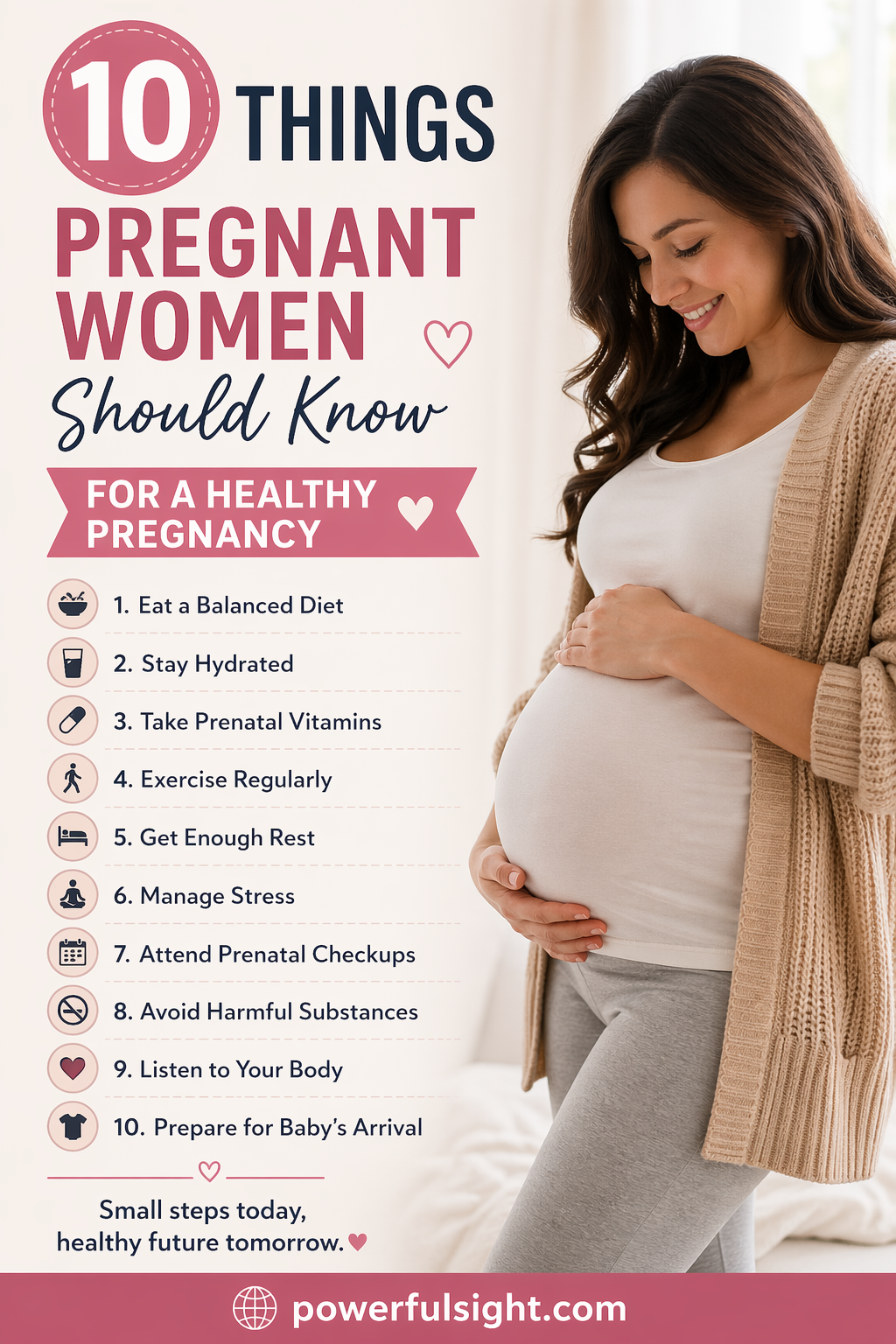
Here are 10 vital things pregnant women should know for a smooth journey. Drawn from 2026 ACOG, CDC, and Mayo Clinic guidelines, they cover prenatal visits, nutrition like best pregnancy power foods by trimester, vaccines, mental health, and more. This empowers you with clear steps to sidestep risks.
For a quick expert take, watch 10 Pregnancy Rules Your Doctor NEEDS You To Know by Mama Doctor Jones. Ready for actionable advice? Let’s get started.
10 Things Pregnant Women Should Know for a Healthy Pregnancy
1. Kick Off Prenatal Care Early for the Best Start
One key thing pregnant women should know is to schedule your first prenatal visit as soon as you confirm pregnancy. Early care sets a strong foundation. It spots risks fast and guides healthy choices from day one.
Starting before or right after a positive test matters because your doctor reviews your health history and family background. They check for issues like diabetes or high blood pressure that could affect baby. Most importantly, they start you on a prenatal vitamin with 400 mcg of folic acid daily. This dose, backed by CDC guidelines, cuts neural tube defect risks by helping baby’s brain and spine form right. If you’re high-risk, like with past defects or obesity, you might need 4 mg; your doctor decides.

What to Expect at That First Visit
You arrive for blood tests, a physical exam, and urine check. The doctor confirms due date, talks diet, and reviews meds or habits. Bring questions; they cover vaccines too.
For example, Sarah skipped her early visit but later learned low iron from routine blood work. Starting sooner fixed it fast, keeping her energy up.
Find a Provider You Trust
Ask friends for OB-GYN or midwife referrals. Check insurance lists or first-time pregnancy tips. Read reviews on Healthgrades. Book by week 8 for best results, as Mayo Clinic first trimester guidance advises. You got this; early steps protect you both.
2. Get These Key Vaccines to Shield Your Baby
Another thing pregnant women should know is that certain vaccines protect both you and your newborn. Your body passes antibodies through the placenta, shielding baby from serious illnesses like whooping cough, flu, and RSV in those vulnerable first months. CDC guidelines strongly recommend them, and studies confirm safety for millions of pregnancies.

Tdap: Whooping Cough Protection
Get Tdap at 27-36 weeks in every pregnancy. It fights pertussis, which hits newborns hardest. Antibodies last months for baby. CDC data shows no risks like preterm birth.
Flu Shot and COVID Boosters
Opt for the flu shot any trimester, especially fall through winter. It cuts mom’s severe flu odds. Updated COVID-19 boosters work anytime too; they prevent hospitalization. Both pass protection safely, per Mayo Clinic.
RSV Vaccine Timing
Administer RSV vaccine at 32-36 weeks, September through January in the US. It guards baby against lung issues. Skip if delivery nears or prior dose given.
Safety myths? Inactivated vaccines like these pose no harm; side effects stay mild, like arm soreness. Talk to your doctor early. Ask about your record and timing. They tailor it to you. You protect two lives this way.
3. Nourish Your Body Right with Pregnancy-Safe Foods
Another thing pregnant women should know is how to pick foods that fuel you and your baby safely. A balanced diet gives key nutrients like iron and calcium, but prenatal vitamins fill gaps. Take one daily with at least 400 mcg folic acid; it supports baby’s growth, as Mayo Clinic advises. Focus on variety, and you’ll feel better too.

Build Meals with Safe, Nutrient-Packed Picks
Load up on fruits and veggies for vitamins; think berries, spinach, and broccoli. Whole grains like quinoa keep energy steady. Choose lean proteins such as chicken, yogurt, or beans. These build strong bones and boost immunity. Aim for 8-12 ounces of low-mercury fish weekly, like salmon.
Steer Clear of Risky Foods
Skip high-mercury fish like shark or swordfish; they harm baby’s brain. Cook meats, eggs, and hot dogs fully to dodge listeria or toxoplasmosis. Pass on unpasteurized dairy too. CDC safer food choices spells it out simply. Wash produce well, and you’re set.
Easy Daily Meal Ideas
Start with oatmeal topped with nuts and fruit. Lunch? Grilled chicken salad with quinoa. Snack on yogurt with berries. Dinner brings baked salmon, sweet potatoes, and greens. These keep you full and nourished without hassle. Your body thanks you.
4. Stay Active Safely to Boost Your Pregnancy Health
One thing pregnant women should know is that staying active keeps you feeling strong and supports your baby. ACOG guidelines recommend at least 150 minutes of moderate exercise each week, like brisk walking or swimming, if your doctor gives the okay. This helps manage weight, lifts your mood, and may ease labor. Plus, it builds stamina for those busy newborn days. Always check with your provider first, especially if you have conditions like asthma or high blood pressure.

Key Benefits Backed by Experts
Regular movement cuts risks of gestational diabetes and excess weight gain, per CDC guidelines. It boosts endorphins to fight fatigue and blues. In addition, stronger muscles often mean smoother deliveries. You gain confidence too, because your body handles changes better.
Safe Picks and Beginner Routines
Start with walking: Aim for 30 minutes most days. Swimming feels great since water eases joint strain. Try stationary biking for low impact. For beginners, week one means 10-minute walks; add five minutes weekly until you hit the goal. Do pelvic floor squeezes daily. Mix in gentle yoga twice weekly.
Know When to Adjust or Pause
Slow down if you feel dizzy, short of breath, or have contractions. Stop activities with fall risks, like skiing. If you were sedentary before, build up slowly; your pre-pregnancy weight doesn’t limit you. Listen to your body. Your doctor tailors advice to keep it safe and fun. You deserve to feel empowered every step.
5. Spot These Warning Signs and Act Fast
One thing pregnant women should know is how to spot warning signs that demand quick action. Your body changes a lot during pregnancy, but certain symptoms signal real trouble like preterm labor or preeclampsia. Spot them early, and you protect your baby. The CDC’s urgent maternal warning signs match Mayo Clinic advice: act fast on severe issues.

Watch for These Red Flags
Call your doctor right away if you notice:
- Vaginal bleeding: Heavy flow or clots, not just spotting.
- Fluid leak: Gush or steady trickle from your vagina.
- Severe cramps or pain: Sharp belly pain or backache that won’t quit.
- Reduced fetal movement: Baby kicks less or stops after 28 weeks.
- Bad headaches: Intense ones that don’t ease with rest.
- Vision changes: Blurry sight or spots.
- Sudden swelling: Puffy hands, face, or feet that feel extreme.
- UTI pain: Burning urination with fever or chills.
These point to issues like preeclampsia (high blood pressure harming organs) or preterm labor (early contractions).
Act Fast with These Steps
- Stop what you’re doing. Note symptoms and when they started.
- Call your doctor or go to labor and delivery. Tell them you’re pregnant.
- Don’t drive alone; ask help or call 911 for severe pain or bleeding.
- Stay calm. Drink water and lie on your left side until help arrives.
Most times, quick checks ease your mind. But waiting risks big problems. You know your body best, so trust that instinct.
6. Prep Your Health Before Pregnancy Hits
One thing pregnant women should know is to prep your health before pregnancy starts. This step cuts risks like preterm birth and low birth weight. ACOG notes that healthy habits beforehand help baby’s organs form right in those first weeks. Even if you’re already pregnant, many actions still boost outcomes now. Start today for a stronger start.

Why It Lowers Risks
Preconception care addresses issues early. For example, it controls diabetes or high blood pressure, which spike complications. In addition, quitting smoking, alcohol, and drugs protects baby’s growth. ACOG’s prepregnancy guide shows spacing pregnancies 18 months apart aids recovery too. You build a solid base this way.
Actionable Steps Checklist
Follow these practical moves:
- Take 400-800 mcg folic acid daily in a prenatal vitamin.
- Quit tobacco, alcohol, and drugs right away.
- Update vaccines and screen for STIs.
- Manage weight with balanced meals and exercise.
- Check family history for genetic screening.
- Review meds and conditions with your doctor.
Talk to your provider soon. These habits pay off big. Your future baby thanks you.
7. Show Up for Every Prenatal Checkup
One thing pregnant women should know is to attend every prenatal checkup. These visits track your baby’s growth and catch problems early. ACOG and CDC guidelines show they lower risks like preterm birth. You get peace of mind from routine checks on blood pressure, weight, and fetal heartbeat. Plus, your doctor answers questions right away.

Routine Visits by Trimester
First trimester brings blood tests, urine checks, and dating ultrasound around 8-10 weeks. Second trimester includes anatomy scan at 18-22 weeks and glucose test at 24-28 weeks. Third trimester focuses on growth checks, group B strep swab, and weekly visits after 36 weeks. For high-risk cases, add CVS at 10-13 weeks or extra ultrasounds, per ACOG routine tests.
High-Risk Needs More Often
If you have diabetes or hypertension, expect visits every two weeks earlier. Your doctor might add home monitoring or specialist input. This setup spots issues fast.
Simple Tips to Stay on Track
Set phone reminders and calendar alerts. Ask a partner to join you. Reschedule right away if life gets busy. Most visits take 15-30 minutes, so they fit easily. You protect your baby best by showing up.
8. Guard Your Mental Health Every Step
One thing pregnant women should know is that mental health matters as much as physical health in pregnancy. Hormones shift, and life changes pile up, so stress or worry can feel overwhelming. In the US, about 10-20% of pregnant women face depression, and 20% deal with anxiety, based on recent studies. Yet these issues stay treatable. You deserve support every step.

Spot the Signs Early
Persistent sadness lasts weeks. You might lose interest in hobbies or feel hopeless. Anxiety shows as constant worry about baby or nonstop racing thoughts. Fatigue hits hard, or sleep escapes you. Irritability grows too. These differ from normal mood dips because they linger and disrupt daily life.
Seek Help Without Shame
Talk to your doctor at prenatal visits; they screen for this routinely. Therapy helps unpack feelings safely. Meds work for some, with low risks when monitored. Mayo Clinic’s guide on depression during pregnancy explains options clearly. Most women improve fast. Asking for help shows strength, not weakness.
Build Self-Care Habits Now
Rest when you can; short naps recharge you. Lean on friends or family for chats. Try mindfulness, like deep breathing with hands on your belly. Walks in fresh air lift spirits too. Journal thoughts daily. These steps ease the load, so you enjoy this time more. Your baby feels your calm.
9. Gear Up for Labor in Your Third Trimester
One thing pregnant women should know is to gear up for labor in your third trimester. Prep now cuts stress and builds excitement. You handle discomforts better, and your baby gets extra protection from vaccines like Tdap and RSV.
Discuss your birth plan with your doctor around 36 weeks. List preferences for pain relief, positions, or skin-to-skin contact right after birth. Things change for safety, so stay flexible, as ACOG advises.

Pack Smart and Take Classes
Pack your hospital bag by 36 weeks. Include ID, snacks, toiletries, baby clothes, nursing bra, and car seat. Add comfort items like socks and a robe.
Join birth classes for breathing tips and labor signs. They boost confidence. Partners learn support roles, like holding your hand or timing contractions.
Ease Discomforts and Refresh Vaccines
Back pain? Rest feet up or walk gently. Swelling fades with hydration. Braxton Hicks ease when you change positions.
Refresh Tdap at 27-36 weeks and RSV at 32-36 weeks, per CDC guidance. Antibodies shield your newborn. Prep like this makes labor feel exciting, not scary.
10. Cut Through Myths with 2026 Pregnancy Facts
One thing pregnant women should know is that myths can confuse your pregnancy journey. Stick to 2026 CDC and ACOG facts instead. These bust fears with proof on vaccines, bed rest, and folic acid. You gain confidence when you know the truth.

Vaccines Are Safe and Build Baby’s Protection
Many worry vaccines hurt the baby. However, CDC confirms they pass antibodies safely through the placenta. Tdap, flu, COVID-19 boosters, and RSV at 32-36 weeks shield newborns. ACOG reaffirms no miscarriage or defect risks. Millions of doses prove it.
Bed Rest Does Not Help Most Pregnancies
Doctors once ordered bed rest for issues like preterm labor. Now, ACOG says it rarely helps and can weaken muscles or raise clots. Stay active with walks if your doctor approves. Movement supports better outcomes.
Folic Acid Beats Trends Every Time
Trends push fancy supplements over basics. Yet CDC data shows 400 mcg daily prevents neural tube defects safely. No B12 issues or unmetabolized risks at this dose. ACOG stresses it as a lifelong health base.
Always ask your doctor for personal advice. Facts empower you.
Conclusion
You now know these 10 things pregnant women should know: start prenatal care early, get key vaccines like Tdap and RSV, eat safe nutrient-rich foods, stay active with walks or swims, spot warning signs fast, prep health preconception, attend every checkup, guard mental health, gear up for labor, and cut through myths with facts.
Most importantly, talk to your doctor. They tailor advice to your needs, because every pregnancy differs.
Share your tips in the comments below. Consult your provider today, and subscribe for more pregnancy support. Here’s to your joyful, healthy journey ahead.
Save the pin for later

- Healthy Air Fryer Recipes for Beginners - 21/09/2026
- Healthy Snacks for Late Night Cravings - 21/09/2026
- High Protein Meal Prep Ideas for Easy Weekly Meals - 21/09/2026

