Your body is a complex system that constantly sends subtle signals about its internal state. You might feel tired, distracted, or just “off,” yet these small changes are often the first warnings that you are missing essential nutrients.
Modern diets frequently pack in plenty of calories while offering very little nutritional substance. It is easy to ignore these quiet requests for help when you are busy, but learning to listen now can save you from bigger problems later.
If you are ready to stop guessing and start supporting your health, watch this overview of common deficiency symptoms to see what to look for. Recognizing these patterns is the first step toward better energy and long-term vitality.
Physical Clues Your Body Needs More Support
Your body often communicates its needs through subtle physical changes long before a doctor identifies a major health problem. While it is easy to dismiss a bad hair day or feeling tired as a normal part of a busy life, these are often meaningful indicators that your internal systems are running low on essential building blocks. Recognizing these early warning signs allows you to address the root cause, which is often a simple gap in your nutrition.

Persistent Tiredness and Lack of Energy
If you feel completely wiped out despite getting enough sleep, your body might be struggling with basic oxygen transport. Iron and vitamin B12 are the two most common culprits behind this type of exhaustion. Your red blood cells rely on iron to create hemoglobin, which is the protein that carries oxygen from your lungs to every corner of your body. Without enough iron, your cells essentially suffocate, leading to feelings of heavy weakness and brain fog.
Similarly, vitamin B12 is essential for producing healthy, functional red blood cells. When your B12 levels drop, your body cannot create enough cells to move oxygen efficiently, leaving you feeling drained and irritable. It is similar to trying to drive a car with a clogged fuel line; no matter how hard you push the pedal, the engine just cannot get what it needs to move forward. If you want to understand more about these patterns, you can read about why your body feels exhausted.
Changes to Your Hair, Skin, and Nails
Your hair, skin, and nails act as a canvas for your internal health. When you stop receiving enough nutrients, the body prioritizes keeping your vital organs running, leaving your hair and skin to suffer. Brittle nails, thinning hair, and persistently dry skin are frequent signals that your levels of biotin, zinc, and iron are dipping too low.
Biotin is a B vitamin that helps your body produce keratin, which is the primary protein building block for your hair and nails. When you lack biotin, you might notice your hair shedding more than usual or your nails splitting at the slightest touch. Zinc also plays a major role in skin health and hair growth because it helps repair tissue and manage inflammation. If you notice your skin feels rough or your nails develop white spots or ridges, it is worth looking at your diet.
These changes are not just aesthetic issues; they are real-time feedback from your body. You can often start to turn things around by focusing on practical ways to improve your diet. Keep in mind that when your body makes these outward changes, it is asking for more consistent support to function at its best.
Nervous System and Mouth Health Warnings
Your body relies on a steady stream of B vitamins to manage internal communication and tissue maintenance. When these levels drop, your nervous system often becomes the first casualty, triggering strange sensations in your extremities. Simultaneously, your mouth acts as a sensitive diagnostic tool, reflecting your internal health through visible changes in the tongue and skin. Paying attention to these signals can help you catch a nutritional gap before it becomes a chronic issue.

Why You Might Feel Tingling or Numbness
Think of your nerves as electrical wires that carry messages throughout your body. To ensure these signals move quickly and safely, your nerves are wrapped in a protective coating called myelin. This substance acts just like the plastic insulation on a power cord, preventing short circuits and signal loss. When you don’t get enough B12 or B6, your body struggles to produce enough myelin. Without this insulation, your nerves transmit messy, inaccurate data to your brain.
This communication breakdown often shows up as “pins and needles” or numbness, particularly in your hands and feet. Since these limbs are the furthest from your heart, they depend on the longest, most delicate nerve pathways. When the protective coating wears thin, the nerves misfire, which feels like a limb falling asleep or a constant buzzing sensation. You can read more about how vitamin B12 deficiency impacts nerve health to understand these neurological signs. If this tingling persists or makes walking difficult, consult a professional to rule out more serious nerve damage.
Mouth Sores and Cracked Lips
Your mouth provides immediate, visible feedback about your nutritional status. If you notice cracks at the corners of your lips, a condition known as angular cheilitis, you might be lacking riboflavin or niacin. These B vitamins are necessary for skin integrity and cellular repair. When they are in short supply, the skin at your mouth corners becomes dry, irritated, and prone to painful splitting.
Beyond cracked lips, your tongue also tells a story. An inflamed, smooth, or bright red tongue—often called glossitis—frequently indicates a deficiency. This happens because your body lacks the nutrients to keep these rapidly regenerating tissues healthy. You might experience a burning sensation or discomfort when eating certain foods. Recognizing these indicators, such as sore tongue or mouth ulcers, allows you to identify potential gaps in your diet before other health problems arise. Simple adjustments to your intake of B-rich foods often resolve these painful mouth issues fairly quickly.
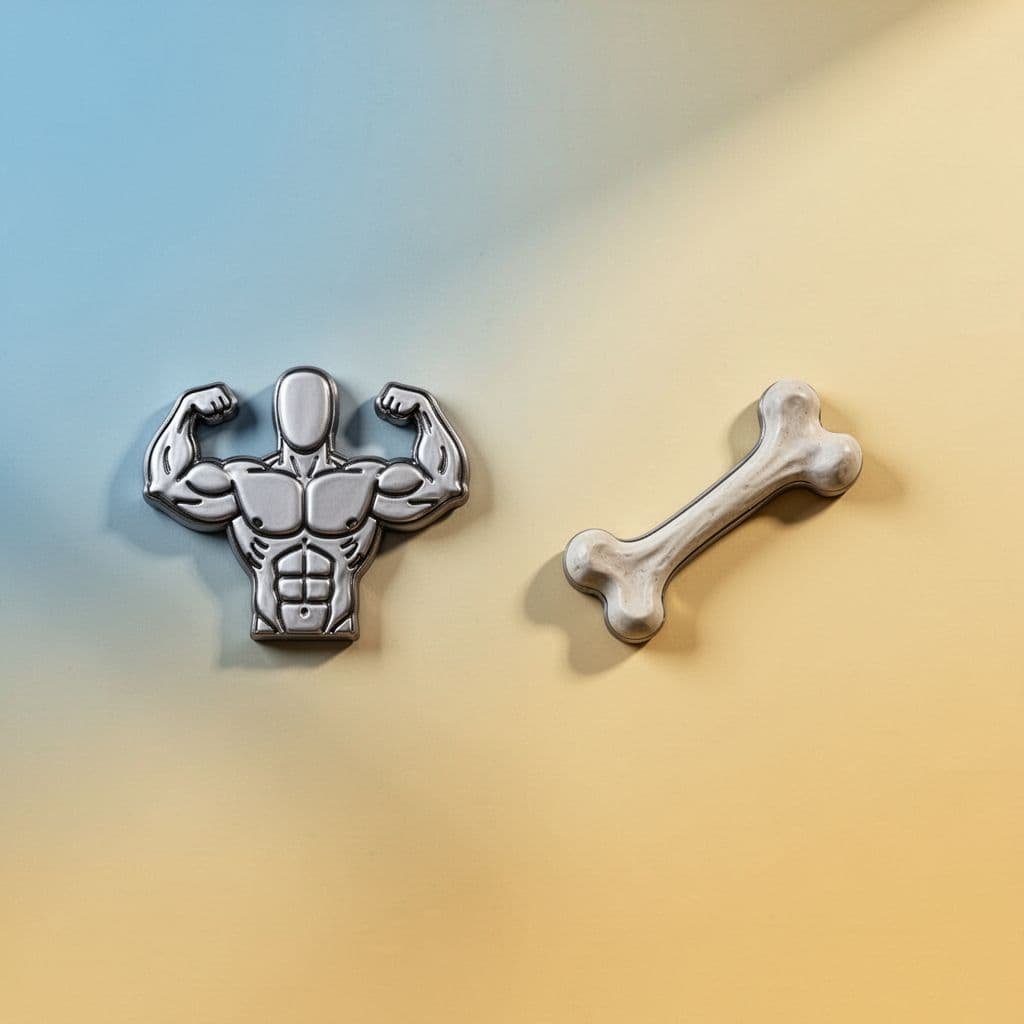
Muscle Function and Bone Strength Signals
Your muscles and bones rely on a precise chemical balance to support your daily movement and structural stability. When you lack essential nutrients, this internal communication breaks down, often manifesting as painful cramps, persistent weakness, or deep aches. Paying attention to these signals is vital, as they suggest your body is struggling to maintain its base level of physical performance.
Dealing with Muscle Cramps and Weakness
Muscle contractions are complex events that require a steady supply of electrolytes like magnesium and potassium. Think of these minerals as the electrical regulators for your body. They manage the flow of signals that tell your muscles when to tighten and, just as importantly, when to relax. When your levels of these electrolytes drop, this “on-and-off” switch becomes stuck, leading to painful spasms.
Magnesium acts as a natural brake for your muscles. It helps your body process energy and keeps calcium from over-stimulating muscle fibers. If you are low on magnesium, your muscles stay in a constant state of mild contraction, which creates that tight, twitchy feeling often seen in the calves or feet.
Potassium works alongside sodium to generate the electrical impulses that trigger movement. A deficit in potassium disrupts these nerve signals, causing your muscles to tire quickly or fail to respond correctly to brain commands. If you experience frequent, unexplained muscle weakness or intense spasms, it is often a sign that you need to prioritize foods rich in potassium and magnesium in your daily meals. For a deeper look at why these imbalances occur, you can review this detailed overview on muscle cramps to see if your current activity levels or diet might be the cause.
Supporting Your Bones with Vitamin D
Your bones act as the structural framework for your entire body, but they are not static objects. They constantly undergo a process of renewal that depends heavily on calcium. Vitamin D is the primary key that allows your intestines to absorb calcium from your food. Without enough vitamin D, your body essentially locks the door, leaving you unable to utilize the calcium you consume.
When your body cannot access enough calcium due to low vitamin D, it begins to pull the mineral directly out of your bones. Over time, this makes your skeleton softer and prone to structural fatigue. You might notice this as deep, aching pain in your legs, hips, or back that does not improve with rest.
Maintaining your bone strength requires a consistent approach to both sunlight and diet. Your body produces vitamin D naturally when your skin is exposed to direct sunlight, though this is not always enough during winter or for those working indoors. You should also consider adding fortified foods or oily fish to your diet to ensure you meet your daily needs. If you want to understand the mechanics behind this process, this fact sheet on vitamin D explains how this nutrient interacts with your skeletal health. Staying ahead of these deficiencies prevents the long-term thinning of bone tissue and helps you stay active as you age.
Taking Action and When to See a Professional
Recognizing the signals your body sends is the first step toward reclaiming your energy. While it is natural to want a quick fix, guessing which vitamins you need based on an online list often does more harm than good. Your symptoms might point to a specific nutrient gap, but they also overlap with conditions that have nothing to do with your diet. Taking the wrong supplements can mask underlying issues, delay real treatment, or even cause toxicity if you take too much.

Why Self-Diagnosis Is Risky
It is tempting to grab a handful of supplements after reading about hair loss or fatigue. However, you cannot confirm a deficiency through symptoms alone. Many health problems share the same warning signs. For example, persistent tiredness might be a sign of low iron, but it is also a hallmark of thyroid imbalances, sleep disorders, or heart issues.
When you self-diagnose, you risk missing the true cause of your discomfort. Taking iron supplements when you do not need them can lead to an overload that damages your organs. Similarly, high doses of vitamins like vitamin A or D can become toxic over time. Relying on your own assessment often leads to wasted money, or worse, a worsening of a condition that requires medical intervention. According to information provided by Cleveland Clinic regarding mineral deficiencies, professional guidance is the only way to accurately assess your status and stay safe.
When to Schedule a Visit
You should consult a healthcare provider whenever you notice persistent or worsening symptoms. If you struggle with chronic exhaustion, unexplained weight changes, or neurological sensations like numbness, it is time to act. These are not signs to wait out or treat with over-the-counter pills.
A doctor will perform blood tests to pinpoint exactly what your body is missing. This process removes the guesswork and ensures you get the right support. Use your appointment to discuss your current symptoms, diet, and any lifestyle factors that might be contributing to your health. Experts emphasize that blood tests are the standard for confirming deficiencies, as they provide the only clear data on your internal levels.
Building Sustainable Habits
Once a professional confirms your needs, you can work on a plan that focuses on real food first. Supplements are meant to fill temporary gaps, but a balanced diet remains the best way to support long-term health. Start by making small, manageable changes to your daily intake.
Focusing on simple dietary habits for better health helps you avoid the cycle of restriction and deficiency. Incorporate whole foods that provide a broad spectrum of minerals and vitamins. This builds a foundation that supports your energy and mood far better than any pill. Remember, the goal is to create a pattern you can keep for years, not just a quick fix that lasts a few weeks.
Conclusion
Listening to your body is the first step toward correcting the imbalances that hold you back. While these warning signs provide clues, you must remember that addressing nutrient gaps is a gradual process rather than a quick fix.
Small adjustments to your daily routine make a significant difference over time. Adding a serving of fresh fruit, increasing your intake of vegetables, or choosing lean proteins helps rebuild your body from the inside out.
These consistent habits create a foundation for lasting vitality. Always rely on professional guidance and blood tests to confirm your specific needs, as this ensures you receive the right support for your health journey.
Save pin for later

- Healthy Air Fryer Recipes for Beginners - 21/09/2026
- Healthy Snacks for Late Night Cravings - 21/09/2026
- High Protein Meal Prep Ideas for Easy Weekly Meals - 21/09/2026

