Your brain is a high-performance engine that demands constant fuel to function. Although it accounts for only 2 percent of your body weight, it consumes about 20 percent of your daily energy. This energy powers everything from complex problem-solving to the basic focus you need throughout your day.
When you choose nutrient-dense foods, you provide the essential building blocks your neurons require for clear communication. Conversely, relying on processed items often leads to energy crashes that cloud your thinking. By making small, consistent shifts in your diet, you protect your cognitive health as you age and ensure your mind stays sharp. You can also explore ways to optimize cognitive performance to better understand how your daily habits influence long-term mental clarity.
Focusing on the right ingredients is one of the most effective ways to support your nervous system. These nutrients that support brain health act as both fuel and armor for your brain cells, keeping them resilient against daily stress. You might also find this visual guide helpful for understanding how these elements work together: https://www.youtube.com/watch?v=E_LVUM4-d70. Whether you are aiming to improve your memory or simply maintain steady energy levels, your next meal is a prime opportunity to nourish your mind.
Essential Omega-3s and Healthy Fats for Sharp Thinking
Your brain is composed of nearly 60 percent fat, and much of that is the structural omega-3 variety. Think of these fats as the high-quality building blocks that maintain the integrity of your brain cells. When these cell membranes stay flexible and healthy, electrical signals and chemical messengers travel between neurons with speed and accuracy.
Unlike the harmful processed fats found in many packaged snacks, healthy fats act as protective armor for your nervous system. These habits for better brain health emphasize the importance of choosing nutrient-dense sources like fatty fish and nuts. By replacing inflammatory, refined oils with these nourishing options, you improve your ability to think clearly and stay focused throughout the day.
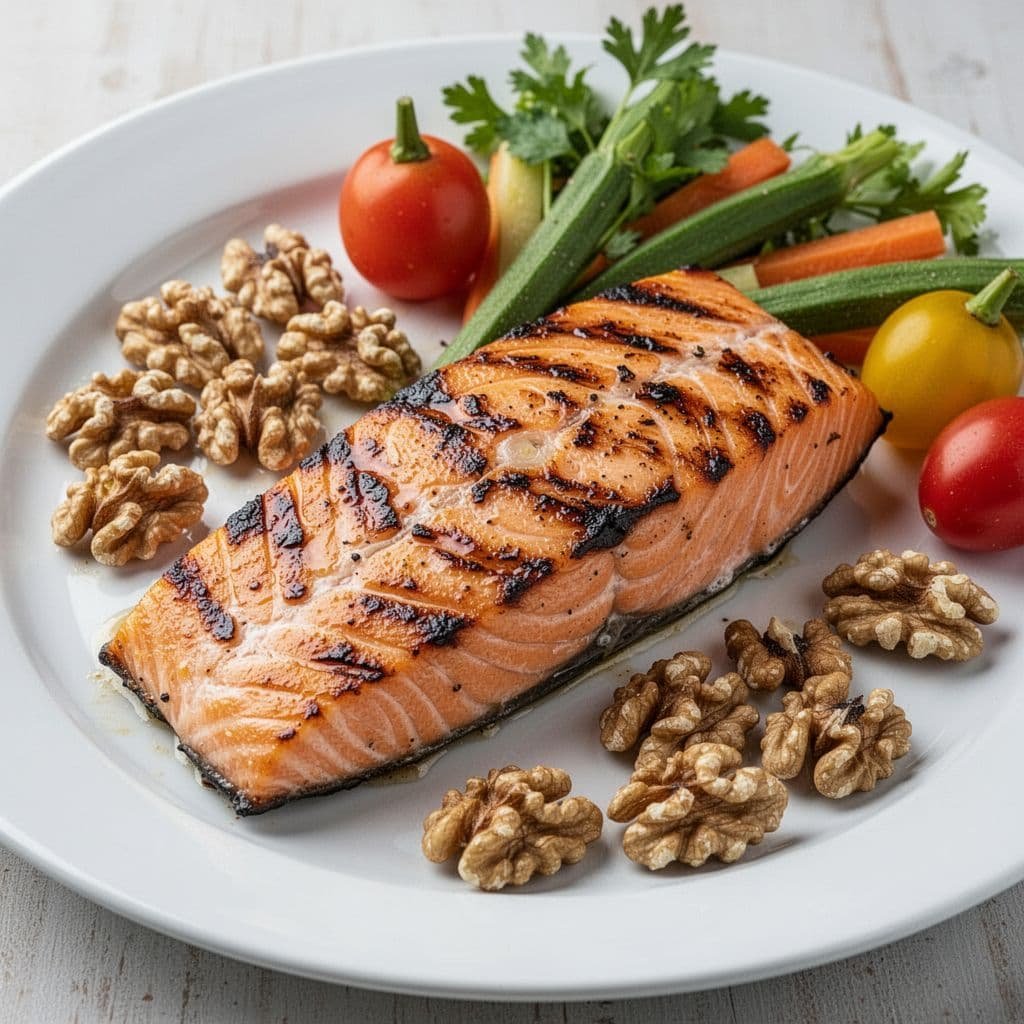
The Power of Fatty Fish
Salmon, sardines, and mackerel are among the most potent sources of eicosapentaenoic acid (EPA) and docosahexaenoic acid (DHA). These specific types of omega-3s are essential because your body cannot create them on its own. They integrate directly into your neuron membranes, keeping them fluid so your brain cells communicate without resistance. You can learn more about how omega-3 fatty acids improve brain health by maintaining this structural fluidity.
Preparation matters significantly when you want to get the most out of these fish. High heat from frying often degrades the delicate fatty acids you are trying to consume. Consider these preparation methods instead:
- Baking: Place your salmon or mackerel in the oven at a moderate temperature to retain moisture and nutrient density.
- Broiling: This method cooks the fish quickly under direct heat, which creates a crisp exterior without requiring excessive added oils.
- Steaming: Use this gentle technique for smaller fish like sardines to keep them tender and preserve their beneficial oils.
Walnuts as Brain Food
Walnuts stand out as a top-tier plant-based source of healthy fats. They contain alpha-linolenic acid (ALA), a type of omega-3 that helps lower inflammation and protects your brain from oxidative stress. In addition, these nuts are packed with vitamin E, an antioxidant that shields your cells from damage caused by free radicals.
A small daily portion is enough to see a positive impact on your cognitive health. Aim for roughly one ounce, or about a handful, of raw walnuts each day. This amount provides a substantial boost without overwhelming your daily calorie intake. Incorporate them into your routine by tossing them into morning oatmeal, sprinkling them over salads, or simply enjoying them as a quick, energizing snack. Consistent intake is more important than large, infrequent servings, so keep a stash at your desk or in your pantry to keep your mind sharp.
Colorful Plants That Protect Your Mind
Your brain faces constant pressure from oxidative stress, a process where unstable molecules cause damage to your delicate cells. Think of this as internal rust that accumulates over time, impairing your focus and long-term memory. Fortunately, nature provides a simple defense system in the form of vibrant, colorful plants. These foods are packed with antioxidants and vitamins that neutralize harmful free radicals, effectively shielding your neural pathways from decline.

Berries for Memory and Focus
Berries are more than just a sweet snack. They contain high concentrations of anthocyanins, which are natural pigments responsible for the deep blues, reds, and purples you see in blueberries and strawberries. These compounds act as a primary defense for your cognitive health. Because anthocyanins can cross the blood-brain barrier, they directly enter areas of the brain involved in learning and memory.
Research indicates that regular intake of these fruits helps stall age-related cognitive decline. When you consume them consistently, you provide your neurons with the tools to manage inflammation and oxidative damage. Several clinical trials support these findings, showing that consistent berry intake correlates with improved attention and better verbal memory. You can look at results from a recent meta-analysis to see how these plant-derived compounds impact global cognitive function.
Greens and Other Vegetables
Leafy greens like spinach and kale serve as essential components of a brain-healthy diet. These vegetables are rich in vitamin K and folate, two nutrients that play significant roles in maintaining your mental performance as you age. Vitamin K is known for its ability to help form sphingolipids, a specific type of fat densely packed into brain cells. Meanwhile, folate supports healthy neurotransmitter production, ensuring your brain cells communicate clearly and efficiently.
Colorful, non-starchy vegetables such as bell peppers, carrots, and broccoli add another layer of protection. These plants provide a wide array of antioxidants that work together to lower inflammation throughout your nervous system. Prioritizing a variety of colors on your plate ensures you receive a spectrum of protective phytonutrients. By making these greens and colorful vegetables a standard part of your meals, you build a stronger foundation for long-term clarity and focus.
Steady Energy from Whole Grains and Legumes
Your brain relies on glucose as its primary fuel source. When you provide that fuel steadily, your focus remains sharp and your mental energy stays consistent. However, not all carbohydrate sources provide the same level of support. Refined sugars and processed carbohydrates often cause rapid spikes in your blood glucose, followed by inevitable crashes that lead to brain fog and fatigue. By choosing complex sources, you keep your brain powered without the rollercoaster effect.
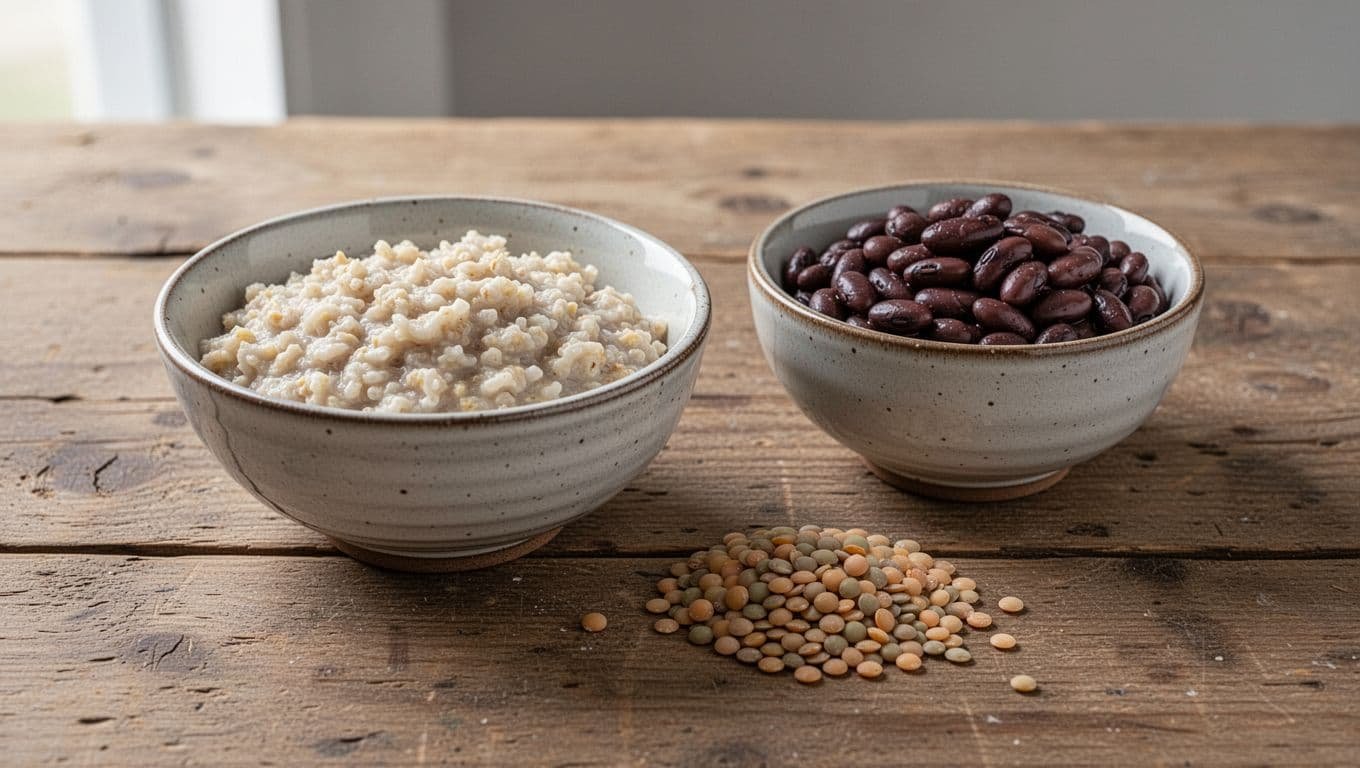
Why Your Brain Loves Whole Grains
Whole grains like oats, brown rice, and whole wheat offer a slow, controlled release of glucose into your bloodstream. This steady supply prevents the sudden energy deficits that hinder your concentration. Because these grains retain their bran and germ, they pack a significantly higher nutritional profile than their processed white counterparts.
They also provide a rich supply of B vitamins, which are critical for energy metabolism and neurotransmitter function. When you incorporate these grains into your daily routine, you give your neurons the consistent support they need to handle complex tasks. For practical ways to integrate these into your morning routine, see these morning habits for sustained energy. Research suggests that choosing low-glycemic options like these helps fuel your focus and cognitive health effectively.
Beans and Lentils for Sustained Fuel
Legumes act as a powerhouse for your brain due to their unique combination of high fiber and plant-based protein. This combination works to slow your digestion significantly, ensuring that glucose enters your system at a manageable pace. When you rely on this steady fuel, you avoid the mid-afternoon slumps that often follow a lunch heavy in refined starches.
The fiber content in beans and lentils serves another role by feeding beneficial gut bacteria, which reduces inflammation and supports clearer thinking. You can think of these as long-burning logs that keep your mental furnace warm for hours rather than minutes. Using nutritious breakfast ideas for energy allows you to carry this stability into your afternoon. When you prioritize these foods, you provide your brain with the stable foundation it needs for enduring attention and memory. By focusing on these tips for building healthy eating habits, you make it easier to maintain this consistent energy over the long term.
Nutrient-Rich Staples for Daily Brain Support
Eating well for your mind involves more than just picking healthy snacks. It requires a consistent intake of specific nutrients that directly fuel neurotransmitters and protect your cells from damage. By building your meals around dense sources of choline, healthy fats, and gut-friendly probiotics, you provide your brain with the stable foundation it needs to stay sharp. These foundational foods help manage inflammation, regulate mood, and improve blood flow, keeping your cognitive systems functioning at their peak.

Choline from Eggs and Healthy Oils
Eggs serve as one of the best sources of choline in a standard diet, with most of that nutrient concentrated in the yolk. Your brain uses choline to produce acetylcholine, a neurotransmitter that helps manage memory, focus, and learning. Since your body cannot produce enough choline on its own, relying on eggs provides a simple, effective way to maintain these levels as you age.
Extra virgin olive oil complements this process by providing powerful anti-inflammatory benefits. It contains compounds like oleocanthal that reduce internal swelling, which protects neurons from the kind of stress that can lead to long-term decline. Including this oil in your daily routine is an easy way to support neural health. When you combine these staples, you get a combination of structural fuel and protective armor for your nervous system. For more context on how this works, you can review research on the connection between diet and neurodegenerative health.
Gut Health and Cognitive Performance
Your gut acts as a command center for your mental well-being through the gut-brain axis. This complex network allows your digestive system to influence your mood, stress levels, and clarity through chemical signals. Probiotics found in plain, unsweetened yogurt support this balance by introducing beneficial bacteria that lower internal inflammation. When your gut flora thrives, your brain functions with less interference from fatigue or stress-related fog.
In addition to gut health, your vascular system plays a huge role in how well you think. Moderate amounts of dark chocolate—aim for varieties with at least 70 percent cocoa—help improve blood flow to your brain. The flavonoids in high-quality cocoa dilate your blood vessels, which allows for better oxygen and nutrient delivery to your neurons. While you enjoy these benefits, you can learn about the broader impact of nutrition on the gut-brain axis and cognitive function to see why these choices matter so much for your long-term mental performance.
Conclusion
Your brain health relies on the choices you make every single day. By prioritizing nutrient-dense options like fatty fish, berries, and whole grains, you provide your cells with the fuel they need to remain sharp and resilient. You do not need a complete lifestyle overhaul to see results. Small, consistent shifts—such as adding a handful of walnuts to your morning or choosing fish over processed meats—build a foundation for long-term clarity.
Research shows that these habits protect your cognitive function as you age. When you maintain a diet rich in antioxidants and healthy fats, you effectively lower the risk of mental decline. These steps also support your gut health and mood, which improves your quality of life today.
Consider this guide to daily wellness routines if you want to pair your nutrition with other habits that promote mental vitality. Every meal is a chance to invest in your future self. Keep your plate colorful and your ingredients simple to ensure your mind stays active and engaged for years to come.
Save pin for later

- Healthy Air Fryer Recipes for Beginners - 21/09/2026
- Healthy Snacks for Late Night Cravings - 21/09/2026
- High Protein Meal Prep Ideas for Easy Weekly Meals - 21/09/2026

