Having no friends can mean a few different things, from zero close friends to only a handful of casual contacts, or even feeling alone in a room full of people. For some, solitude is a choice, but for others, it brings real hurt, and loneliness can shape mood, health, behavior, and the way each day feels.
Over time, that lack of connection can affect sleep, confidence, stress levels, and how you handle everyday problems. If you want a practical look at what that can look like in real life, here’s a clear breakdown of the 18 things that happen when someone has no friends, along with a few signs that can help you make sense of what you’re feeling.
The first signs often show up in mood and self-image
When friendship is missing for a while, the first changes often happen inside. Mood can start to feel heavier, and the way you see yourself can turn harsh fast. A person may still go to work, run errands, and keep up appearances, but inside, things feel flatter, colder, and harder to shake.
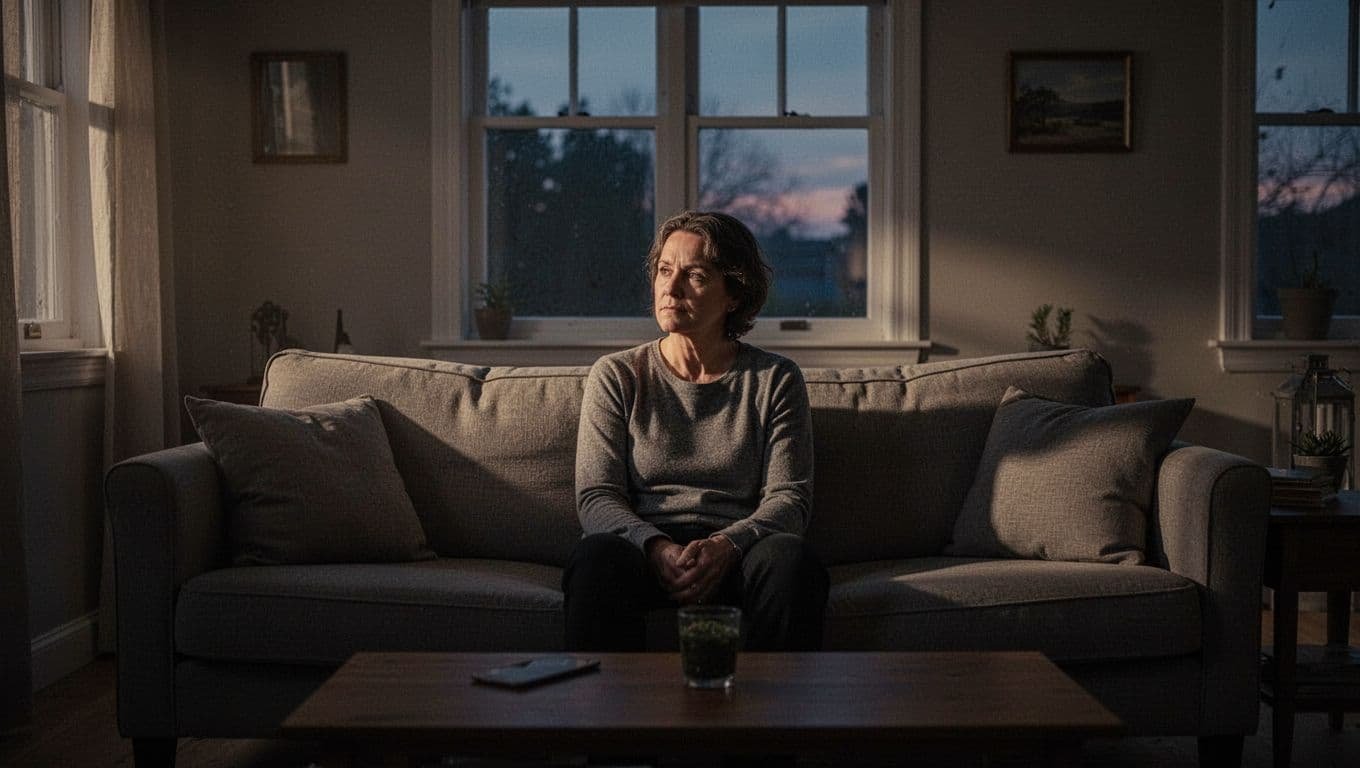
Loneliness can turn into sadness and emptiness
Without friendship, loneliness can stop feeling temporary. It can settle in like a room with no fresh air, leaving a person drained, sad, and emotionally numb even on ordinary days.
This kind of loneliness is not just being alone for a few hours. It can become a constant emotional state, where nothing feels especially exciting or comforting. Over time, that emptiness can make even quiet moments feel heavier than they should.
Chronic loneliness often feels like sadness with nowhere to go.
According to the CDC’s overview of social isolation and loneliness, ongoing isolation is tied to serious mental and physical health risks. On the emotional side, that often starts with a simple but painful feeling, that something is missing and won’t come back on its own.
Self-esteem starts to drop when no one is there to reflect your value back to you
Friends help people feel seen. They notice your wins, laugh at your jokes, and remind you that you matter. When that reflection is gone, it’s easy to start wondering if you’re forgettable, unwanted, or somehow “less than” other people.
That kind of thinking can chip away at confidence fast. A person may begin to assume something is wrong with them, even when the real issue is lack of connection, not lack of worth.
The impact often shows up in private thoughts first:
- You second-guess your appearance.
- You feel less interesting than other people.
- You assume others don’t want you around.
- You stop trusting your own value.
Over time, that self-doubt can become a habit. If you want a broader look at how isolation changes daily life, understanding the impact of having no friends can make the pattern easier to spot.
Small setbacks can feel bigger than they really are
When no one is there to talk things through, everyday problems can swell in your mind. A text left unanswered, a rough day at work, or an awkward conversation can feel far more personal and far more serious.
That happens because there is no outside voice to help put things in perspective. A friend can say, “This isn’t as bad as it feels right now,” and that small sentence can steady everything.
Without that support, the mind can spiral more easily. You may replay small mistakes, read rejection into ordinary moments, and treat temporary problems like proof that your whole life is off track.
No friends can change the way a person thinks day to day
When friendship is missing for a long time, the effect goes past loneliness. It can shape how a person interprets ordinary events, how fast they react, and how much mental energy they have left by the end of the day. Without regular support, the mind has fewer chances to reset, so stress and negative thinking can take up more space.
That shift often happens slowly. A person may not notice it at first, but daily life starts to feel heavier, less clear, and more defensive.
Stress and anxiety can stay switched on

Without friends, there is less built-in comfort after a hard day. That matters because social support often helps calm the body after stress, and it gives people a place to talk through worries before they grow.
When that support is missing, a person can stay on edge longer. Small problems may feel bigger, harmless situations can feel socially risky, and everyday interactions may trigger more worry than they should. Over time, the brain can start acting like it always needs to be ready for trouble.
Long stretches of isolation can keep the stress response active longer than it should be.
That constant tension can show up in simple ways:
- You replay conversations long after they end.
- You feel tense before replying to a text or email.
- You assume people are judging you more than they are.
- You have a hard time relaxing, even when nothing is wrong.
It becomes harder to focus and stay mentally sharp
Long-term isolation can make thinking feel foggy. Concentration slips, decisions take longer, and even normal tasks can feel oddly draining. You may sit down to work or study and realize your mind has wandered five times in a row.
That happens because stress and isolation can pull attention inward. Research on social isolation has linked it with poorer cognition, especially in areas like memory, attention, and processing speed. A recent review in PubMed Central found that social isolation and loneliness are associated with worse cognitive performance, which fits what many people notice in daily life.
In practical terms, this can look like:
- Forgetting what someone just told you.
- Losing your place in a task halfway through.
- Reading the same sentence over and over.
- Taking much longer to choose what to do next.
When your mind is busy managing stress, it has less room left for focus. That can make school, work, and even simple planning feel harder than they used to.
Negative thoughts can start repeating more often
Isolation gives negative thoughts more room to echo. If there is no one around to push back on them, self-blame can grow fast. A small mistake becomes proof that something is wrong with you, and one awkward moment can turn into a story about your whole personality.
That kind of mental loop is exhausting. You may overthink what you said, assume the worst about other people, or keep returning to the same painful memory. A person who is alone a lot often has no outside voice to say, “You’re reading too much into this.”
The result is that inner criticism gets louder. Thoughts like these can start to sound normal:
- “People don’t really want me around.”
- “I always mess things up.”
- “If something feels off, it must be my fault.”
- “Things will probably get worse anyway.”
The brain starts treating those thoughts like facts. With time, that can shape how you act, what you expect from others, and how you handle the next hard day.
Daily routines and habits often start to shift
When friendship is missing for a long time, daily life often gets looser at the edges. Bedtimes drift later, meals become irregular, and old routines lose their pull. The change can feel small at first, but over time it becomes easier to spot in the way a person moves through the day.
Loneliness also changes what feels worth doing. A walk, a workout, or a trip out of the house can start to feel like extra effort when there’s no one waiting, asking, or sharing the moment with you. That can leave the day smaller and more repetitive than before.
Sleep can get worse, especially when nights feel long
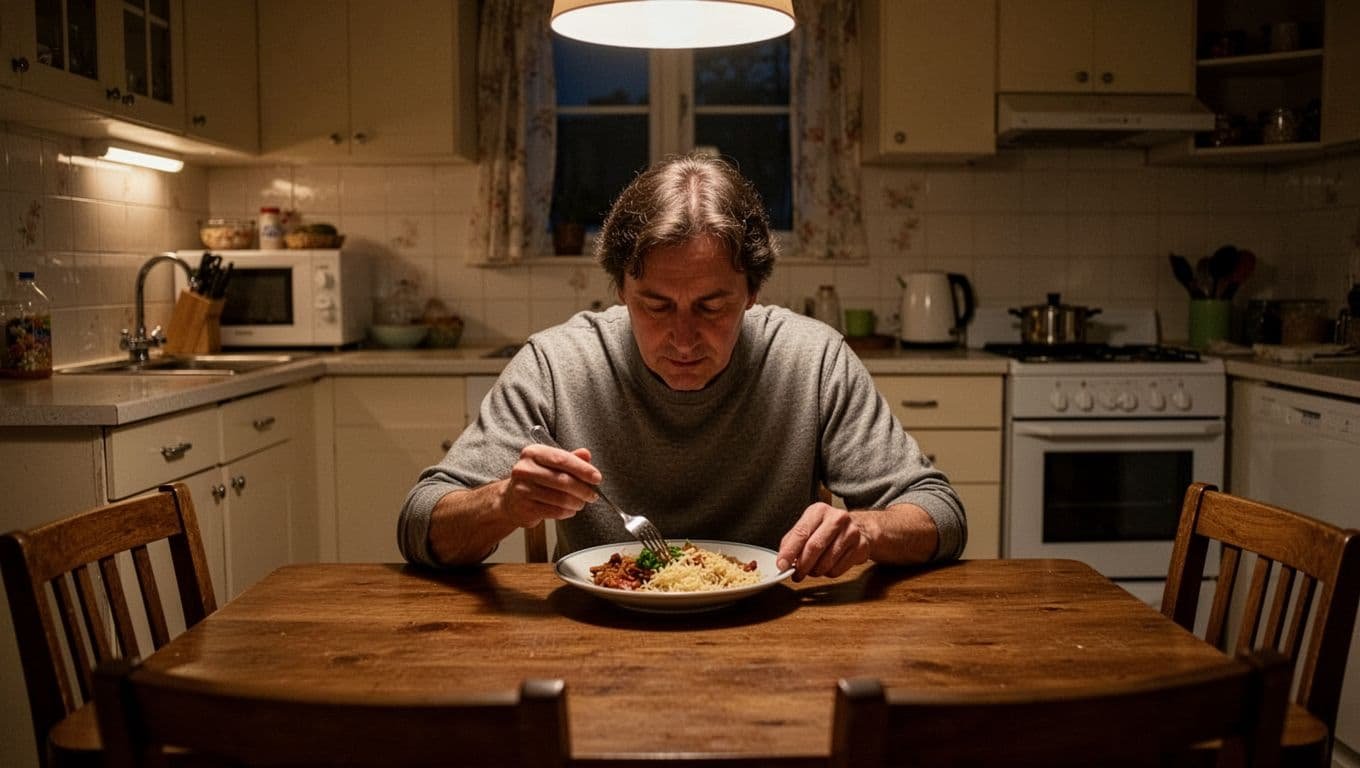
Loneliness often shows up most at night. When the house is quiet and there’s no conversation to look forward to, it can be harder to relax into sleep. Some people stay up later just to avoid the stillness, while others lie awake replaying the day in their heads.
That emotional strain can make sleep lighter and less restful. According to research on loneliness and sleep problems, loneliness is tied to poorer sleep quality and trouble falling asleep. In plain terms, the mind stays busy when it wants rest.
A few common patterns show up:
- Bedtime keeps getting pushed back.
- Falling asleep takes longer than usual.
- Sleep feels broken or shallow.
- Mornings start with exhaustion instead of energy.
For some people, the issue is not only sleep itself. The night also becomes a reminder of how alone they feel, which makes it harder to settle down. If you want a broader look at that emotional pattern, how to cope with loneliness can help connect the dots.
Motivation drops, so hobbies and goals start to fade
When nobody is around to share progress with, motivation often drops fast. A hobby can start to feel pointless if there’s no one to tell, no one to show, and no one to enjoy it with. That is how routines slowly thin out.
Exercise is one of the first things to slide. A person may skip the gym, stop going for walks, or cancel plans to work out because the effort feels heavier alone. The same thing happens with creative hobbies, sports, reading goals, or learning projects. They sit on the shelf while the days blur together.
The shift can look like this:
- Staying home more often.
- Quitting activities that once felt fun.
- Putting off personal goals for “later.”
- Feeling less excited about anything that takes effort.
This is not laziness. It’s what happens when there’s little social energy feeding the routine. Even small forms of accountability, like a friend asking how your week went, can help keep habits alive. Without that, the habit often loses its shape.
Eating, screen time, and other habits can change
Isolation often changes the way people eat and unwind. Some people reach for comfort food and snack too much, especially at night. Others lose appetite and start eating less because meals feel less important when the day has no structure.
Screens often fill the gap. Scrolling, streaming, and checking apps can become the easiest way to pass time and avoid the quiet. That habit can feel harmless in the moment, but it often replaces movement, rest, and real connection.
A person may start using screens like a background hum, something to keep the loneliness from feeling loud. Over time, that can crowd out healthier routines.
When loneliness shapes the day, comfort habits often grow stronger because they are easy to repeat.
Common changes include:
- Mindless snacking or skipped meals.
- Staying up late with a phone or laptop.
- Less time spent outside.
- Fewer breaks between work, rest, and distraction.
The point is not to judge those habits. They often begin as a way to cope. If you want a practical next step, daily habits for emotional strength can be a useful place to rebuild some structure without trying to fix everything at once.
Being friendless can affect health in real ways
Loneliness does more than hurt your mood. When it lasts, it can put real strain on the body and change how you feel day to day. Energy dips, sleep gets messy, and the stress response can stay turned up longer than it should.

The body can stay in a stressed state for too long
When someone is lonely for a long time, the body can act as if it needs to stay on guard. Stress hormones like cortisol may stay elevated, which keeps the nervous system from fully settling down. That can leave you feeling tense, tired, and worn out even on quiet days.
Over time, that kind of stress can affect sleep, focus, and basic energy. You may fall asleep late, wake up unrested, or feel drained before the day even starts. A review from Cleveland Clinic on loneliness and health explains that loneliness can affect cortisol and other body systems, not just emotions.
A few signs often show up together:
- You feel tired but wired.
- Your sleep feels light or broken.
- Small problems feel harder to recover from.
- Your body seems stuck in tension mode.
When that pattern lasts, it can wear you down in subtle ways. The stress response is useful in short bursts, but it causes problems when it never really turns off.
Heart health and immune health can take a hit
Social isolation is linked with more heart and immune problems in research, and that link is easy to miss because it builds slowly. The body under chronic stress can have a harder time regulating blood pressure, inflammation, and healing. As a result, the risk of health issues can rise over time.
This does not mean every lonely person will get sick. It does mean the body tends to work harder when it lacks steady connection and support. Research summarized in NIH-backed material on loneliness and inflammation points to changes in stress and immune pathways that help explain why isolation affects physical health.
That can show up as:
- More frequent colds or slower recovery.
- Higher blood pressure over time.
- Greater strain on the cardiovascular system.
- More inflammation in the body.
The impact is often quiet at first. Still, when loneliness becomes part of daily life, the body can start paying the price even if the feelings seem manageable on the surface.
Long-term loneliness may raise the risk of serious problems later
Chronic loneliness is tied to a higher risk of depression, cognitive decline, and earlier death in long-term studies. The key word is higher. It raises risk, but it does not guarantee those outcomes.
That difference matters. Plenty of people feel isolated and never develop severe illness, yet the overall pattern is still important because the risk compounds over time. The longer loneliness lasts, the more likely it is to affect mental sharpness, mood, and physical health together.
Researchers have also connected long-term loneliness with memory problems and a greater chance of dementia later in life. The health effects are not dramatic overnight, but they can build like water slowly wearing down stone.
The takeaway is simple: being friendless is not only an emotional issue. It can shape health in ways that deserve attention, especially when the loneliness is ongoing and hard to shake.
Relationships and social skills can get rusty over time
When you go long stretches without regular contact, social life can feel less natural. Conversation gets slower in your head, reading other people feels harder, and simple interactions can start to carry too much weight. That gap matters because connection works like a muscle, if you stop using it, it gets stiff.
Isolation also changes your expectations. Instead of feeling open to people, you may start assuming awkwardness, rejection, or silence before you even speak. That makes future connection harder, because the longer you pull away, the more unfamiliar people feel.
Social confidence fades when there is no regular practice

Without regular conversation, even basic social skills can feel rusty. You may pause too long before speaking, forget how to jump into a group chat, or worry that every comment sounds strange. That awkward feeling is often less about ability and more about lack of practice.
Small moments can suddenly feel big. You might wonder what to say to a cashier, how to respond to a coworker, or whether your joke will land badly. As how to overcome shyness explains, confidence grows through repeated exposure, not through waiting until you feel ready.
Common signs show up fast:
- You overthink simple greetings.
- You rehearse messages before sending them.
- You worry too much about being judged.
- You feel out of sync in normal conversation.
The more you avoid speaking, the more unfamiliar speaking starts to feel.
It can become easier to pull away from people even more
Loneliness often creates a loop. You feel disconnected, so you avoid people. Then the avoidance gives you even fewer chances to reconnect, which makes the loneliness worse.
That cycle can be sneaky because it feels protective at first. Skipping plans, ignoring texts, or staying home can seem easier than risking awkwardness, but those choices slowly shrink your social world. Research on social isolation and initiation skills shows that loneliness can feed social threat sensitivity, which makes people more hesitant to reach out in the first place.
The pattern often looks like this:
- You feel unsure about social contact.
- You avoid interaction to protect yourself.
- You get less practice and less support.
- Future contact feels even harder.
Once that cycle starts, rebuilding takes intention. Even small steps matter, because each avoided moment becomes one less chance to remember that connection can still be safe.
Online comparison can make the problem feel worse
Social media can turn loneliness into a constant highlight reel of what you think you are missing. Other people post trips, group dinners, birthdays, and inside jokes, while your own life may feel quiet by comparison. That gap can sting, especially when you already feel left out.
The problem is that people rarely post the boring parts, the silence, the awkward texts, or the nights when plans fall through. So what you see online is not a full picture, it’s a polished slice. That can make your own situation feel worse than it is, because you end up comparing your real life to everyone else’s best moments.
A few habits can help keep that from spiraling:
- Notice when scrolling leaves you feeling lower.
- Take breaks from accounts that trigger comparison.
- Remind yourself that online life is curated.
- Spend less time observing and more time engaging in real-world connection.
If loneliness already makes socializing feel hard, social media can add another layer of pressure. It can make it seem like everyone else has a circle, while you are the only one still waiting for one.
Some people are hit harder than others
The effects of having no friends are not equal for everyone. Age, life stage, and mental health all change how heavy loneliness feels, and they shape how hard it is to bounce back.
For one person, being friendless may feel like a dull ache. For another, it can feel like a full-body weight. That difference matters, because the same lack of connection can land very differently depending on what someone is already carrying.
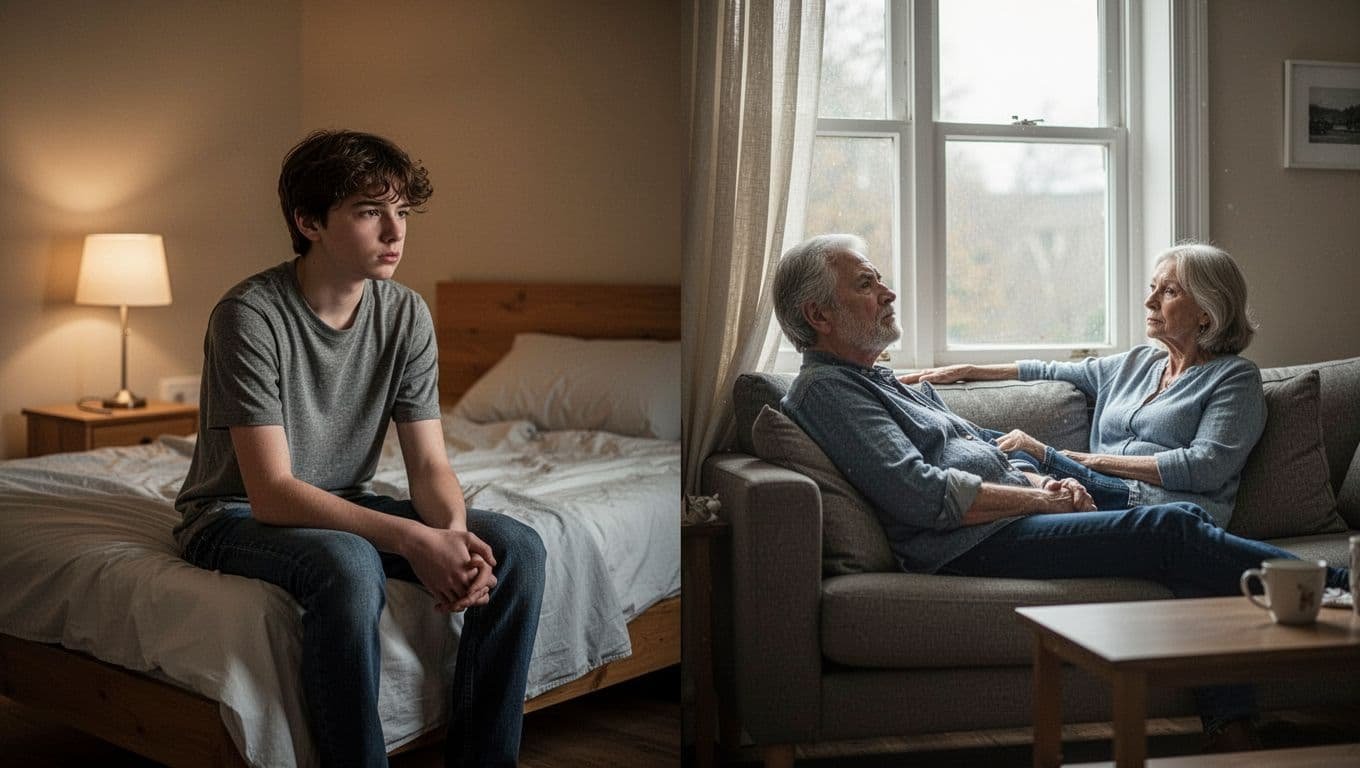
Teenagers and young adults may feel the pain more sharply
Teen years and early adulthood are built around peer connection. This is the time when people test identity, build confidence, and look for a place to belong. When that connection is missing, the loss can feel personal fast, as if everyone else got handed the map and you didn’t.
That is why loneliness can sting so much in this stage of life. According to CDC guidance on social connectedness, social isolation and loneliness raise health risks across age groups, but younger people often feel peer rejection with extra force because belonging is tied so closely to self-image.
A friend group can feel like a mirror during these years. Without it, self-doubt grows louder, and isolation can start to shape how a teen or young adult sees their own value. Research on adolescent brain development also shows that peer validation carries unusual emotional weight during this period, which helps explain why exclusion can feel unbearable at times.
Older adults may face quiet isolation and hidden loneliness
Later life can bring a different kind of loneliness, one that is easier to miss. Retirement, grief, hearing loss, and mobility problems can all shrink daily contact. A person may go days without meaningful conversation, yet still look “fine” to everyone around them.
That silence is part of what makes older-adult loneliness so hard. It often happens behind closed doors, where there is no obvious crisis, just a slow thinning of connection. WHO information on older adults’ mental health notes that social isolation and loneliness are key risk factors in later life, especially when health or loss reduces regular contact.
In later life, loneliness is often missed because it doesn’t always look dramatic.
Aging can also make reaching out harder. If getting out of the house takes more effort, friendships can fade without anyone meaning for that to happen.
People already dealing with anxiety, autism, or depression may struggle more
When someone already lives with anxiety, depression, or social communication differences, making friends can take more energy. Small social moments may feel loaded, confusing, or exhausting, so the gap between wanting connection and reaching it can feel wide.
That doesn’t mean friendship is out of reach. It means the path is often less smooth. If you already worry about being judged, read social cues differently, or fight low mood every day, the absence of friends can hit harder because there is less support to soften the impact.
For people in this group, loneliness can also become a loop. Feeling left out can deepen anxiety or low mood, and that extra distress can make it even harder to try again. If you’re looking for a broader support step, how to conquer loneliness offers practical ways to start rebuilding connection without forcing a fake version of confidence.
The impact varies, but the pattern is clear. The more a person already struggles with belonging, the more painful no friends can feel, and the more important steady support becomes.
What to do if you have no friends right now
Having no friends can feel heavy, but it does not mean your situation is fixed. Start small, keep it repeatable, and focus on places where connection can grow naturally instead of trying to force instant closeness.
Start with one low-pressure connection
The easiest first step is usually the smallest one. Say hello to a neighbor, join one class, or message one person you trust enough to reach out to. You do not need a perfect opener, just a simple way to reopen the door.
Low-pressure contact works best when it feels manageable. A short chat after a class, a quick text, or a brief question at the gym can be enough to get things moving. If you want a realistic roadmap for tips for making and keeping friends, focus on one action, not a full social overhaul.

Try one of these this week:
- Say hello to one neighbor you keep seeing.
- Join one recurring class or hobby group.
- Text one person and ask how they are doing.
- Stay five minutes longer after an activity so you can talk.
A small step can feel awkward at first, but it lowers the pressure. That matters because friendship usually starts with familiarity, not instant chemistry.
Build social life through repeated places, not random moments
Friendship grows faster when you keep showing up in the same place. Work, school, church, volunteer shifts, fitness classes, and clubs give people repeated chances to recognize you, relax around you, and talk without forcing it.
One good conversation at a random event can help, but repeated contact does more. People warm up when they see the same face again and again. That is why joining a book club, volunteering, or attending a weekly group often works better than waiting for a perfect one-time meeting. As Dr. Marisa G. Franco notes on making friends as an adult, regular showing up matters more than waiting for friendships to happen on their own.
Consistency is the real advantage here. Try to pick one or two places where people meet often, then give it time. You do not have to be outgoing every single time, either. Just being present helps people start to know you.
A simple rule helps:
- Choose a place you can return to each week.
- Go often enough to become familiar.
- Talk a little more each time.
- Let repeated contact do the work.
That rhythm is slow, but it is solid. It creates the kind of connection that can actually last.
Get support if loneliness is affecting your mental health
If loneliness is sliding into depression, anxiety, or hopelessness, talk to someone who can help. A counselor, therapist, doctor, or support line can give you a steadier place to sort through what you are feeling and what to do next.
This step matters when loneliness starts changing sleep, appetite, motivation, or the way you think about yourself. If you have started feeling numb, panicked, or stuck in a dark loop, you do not have to wait until it gets worse. Reaching out early can make the next steps easier.
If you are in immediate distress, call or text 988 in the US for the Suicide & Crisis Lifeline. You can also contact a local mental health clinic or ask a primary care doctor for a referral. Getting support is a practical move, not a dramatic one.
The goal is not to fix everything at once. It is to get one steady point of contact, then build from there. Small connection, repeated contact, and the right support can change the way this season feels.
Conclusion
Having no friends can touch almost every part of life. It can bring sadness, stress, weak sleep, fading habits, health risks, and a growing urge to pull away from people.
Still, this does not mean someone is broken or stuck forever. Friendship can be rebuilt in small steps, with steady routines, support, and a few low-pressure chances to connect again.
What feels empty now can change over time. Small actions, repeated often, can open the door back to connection.
Save the pin for later

- 60 Color Tattoos That Healed Beautifully - 25/09/2026
- 40 Most Painful Tattoo Spots - 24/09/2026
- 20 Tattoo Aftercare Mistakes That Ruin Fresh Ink - 23/09/2026

