On your first day of nursing school, you may move from a lecture on anatomy to a skills lab, then head into a clinical shift with barely enough time to catch your breath. The right supplies can make your schoolwork safer, faster, and less stressful, but you don’t need to buy every item on a long online checklist.
These nursing school essentials usually include practical tools such as a stethoscope, watch with a second hand, comfortable clinical shoes, a penlight, pens, and a notebook. You may also need a laptop, uniform pieces, or documentation for vaccinations and CPR or BLS certification, depending on your program and clinical site.
Before spending money, check your school’s official list for its rules on uniforms, equipment, technology, and clinical clearance. Then use the 10 essentials below to build a focused kit that helps you feel prepared for your first lecture, lab, and clinical day.
Key Takeaways
- Start with the essentials: a stethoscope, watch with a second hand, penlight, pens, and a pocket notebook.
- Wear school-approved scrubs, comfortable closed-toe shoes, and an ID badge that meets clinical-site rules.
- Pack practical backups, such as trauma shears, safety glasses, hair ties, hand sanitizer, and a water bottle.
- Check your program’s official requirements before buying equipment, especially for brands, uniforms, technology, and health documents.
- Review advice from nursing students about clinical must-haves, then build a kit that fits your clinical routine.
10 Nursing School Essentials Every Student Should Have
The best nursing school essentials support three settings: class, skills lab, and clinical practice. Before shopping, check your program’s list because schools may require certain scrub colors, badge styles, equipment models, or approved accessories. Buy dependable basics early, but wait on optional items until your instructors explain what you need.
Choose a Stethoscope That Fits Your Training and Budget
A stethoscope helps you listen to heart, lung, and bowel sounds, so fit and sound quality matter more than choosing the most expensive model. Look for comfortable ear tips, a clear chest piece, and a warranty that protects your purchase during training.
Add a name tag or engraving so your stethoscope is easier to identify. Practice with the same model you use in lab, since familiarity helps you position the chest piece and recognize normal sounds. Students can usually start with a dependable entry-level option unless their school recommends a specific type.
Personal equipment should stay personal. If you must share a stethoscope, clean it properly before another person uses it, following your program or clinical site’s disinfecting instructions.
Pack the Small Clinical Tools Used for Basic Assessments
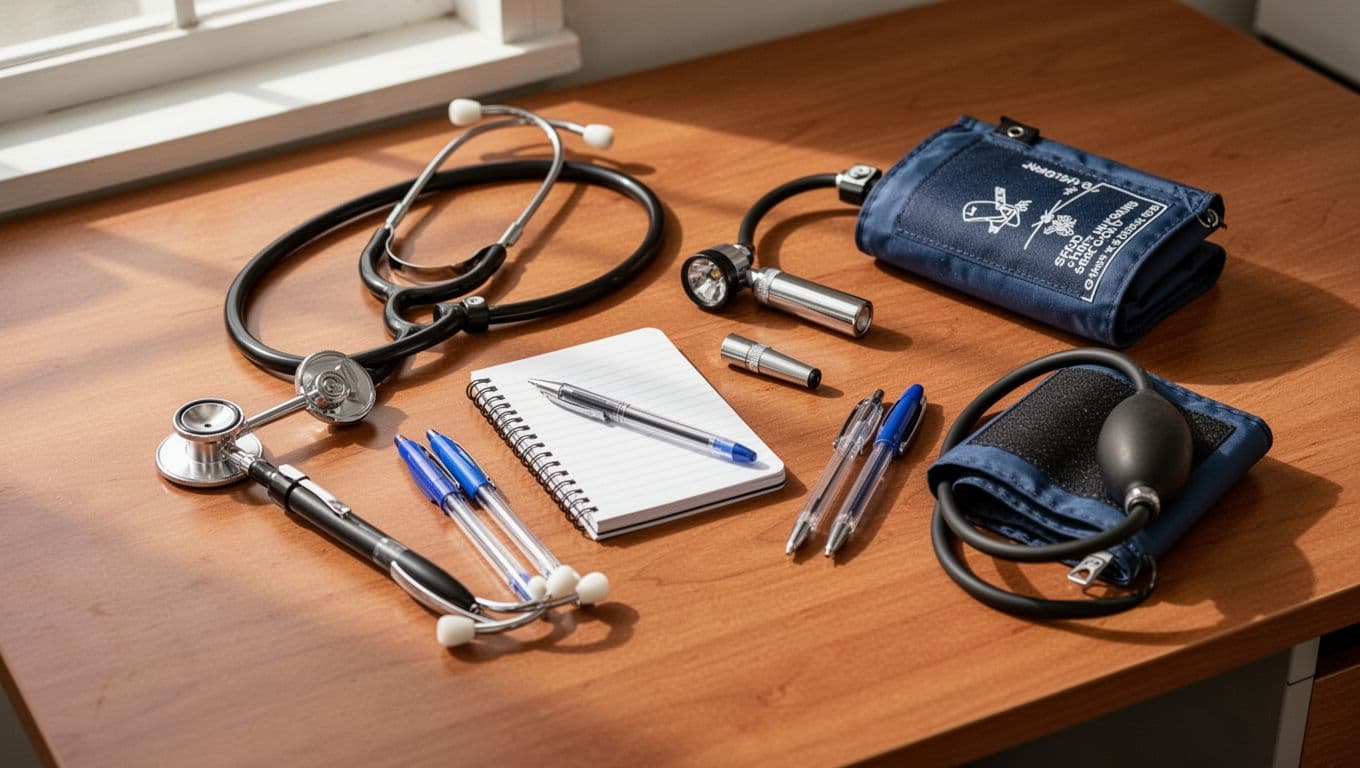
Several inexpensive tools support routine assessments. An approved blood pressure cuff or kit helps you practice accurate vital signs, while a penlight supports pupil checks and basic eye assessments. Nursing scissors can cut tape, gauze, or dressings when the facility permits their use.
A watch with a second hand is useful for counting pulse and respirations without relying on a phone. Some programs may also approve a digital thermometer or pulse oximeter, but neither is a universal requirement. Facilities often supply blood pressure equipment or restrict personal tools, so confirm the rules before buying.
Wear Safe, Comfortable Uniforms and Clinical Shoes
Your program may require approved scrubs, a white coat, or a uniform top for lab and clinical shifts. Choose washable fabric, a practical fit, and enough room to move without loose hems or excess material. Closed-toe shoes should have strong grip, arch support, and cushioning for long periods of standing.
Buy one uniform set first, then verify the required color, logo, and fit. Keep a backup set ready once you know the rules. Compression socks can improve comfort for some students, but they aren’t required for every clinical kit. Follow infection-control standards and maintain a clean, professional appearance.
Keep Your Badge, Notes, and Supplies Easy to Reach
Use a secure badge holder or breakaway lanyard that meets site policy. A small notebook and several reliable pens help you record instructions, medication information, questions, and permitted clinical notes. Choose a notebook that fits inside a uniform pocket, and carry the pen color your facility allows.
Never write identifying patient information in a personal notebook unless your school and clinical site explicitly permit it and provide a secure process. For additional supply ideas, compare this nursing school essentials list with your program’s official requirements.
Use a Clinical Bag That Supports School and Shift Days
A backpack, tote, or organized clinical bag can hold your laptop, charger, notebooks, lunch, water bottle, spare pens, hand lotion, and approved equipment. Separate compartments or a small zip pouch keep scissors, a penlight, and other tools from disappearing at the bottom.
Keep food and personal items away from patient-care equipment, and never place your bag on a patient-care surface. Organization matters more than an expensive brand. A clean, practical bag makes it easier to move between schoolwork and clinical responsibilities.
Build a Nursing School Study Kit That Keeps You on Track
Nursing school requires more than clinical equipment. You may manage assigned reading, lectures, skills practice, care plans, dosage calculations, exams, and clinical paperwork in the same week. A simple study kit keeps those moving parts visible without filling your bag with supplies you rarely use.
Bring a Reliable Laptop and a Backup for Important Work
Your laptop may support online modules, research, drug references, quizzes, assignments, and video skills lessons. Before you buy one, check your program’s technical requirements for the operating system, memory, storage, required software, webcam, and secure testing tools. A computer that works well for streaming may still fail a proctored exam if it cannot run the school’s testing software.
Many nursing programs expect regular laptop access, so compare your needs with this nursing student supplies guide before shopping. Set up automatic cloud backups for assignments, care plans, and notes. Use a strong, unique password, and keep a charger in your school bag so a long campus day doesn’t leave you searching for an outlet.
A tablet can make textbook reading and handwritten annotation easier. However, it may not replace a laptop when your program requires secure testing software, Microsoft Office, or full keyboard work for care plans and papers.
Use a Planner, Binder, and Simple Note System
Choose one main place to track lecture dates, clinical shifts, assignment deadlines, skills checkoffs, exam topics, and study sessions. That might be a paper planner, digital calendar, binder, or note app. Record each due date as soon as you receive the syllabus, then add reminders for large assignments several days ahead.
A binder can hold separate sections for class notes, lab checklists, clinical paperwork, and study questions. If you prefer digital notes, use clear folders and consistent file names so you can find a dosage calculation worksheet weeks later. Highlighters, index cards, and flashcards can help with drug classes, vocabulary, and assessment steps, but they remain optional.
The best system is the one you can maintain during busy weeks. Buying five planners won’t help if you stop checking them. Pick a method, use it after every lecture and clinical shift, and adjust only when a real problem appears.
Add Study References Only After Checking Course Requirements
Useful references may include a medical dictionary, anatomy resource, dosage calculation guide, drug handbook, or nursing care planning resource. First, review your program’s required-text list, online databases, and approved apps. You may already have access to these materials through tuition or the school library.
Choose current, reputable sources and instructor-approved materials. Avoid relying on random social media posts or outdated medication information, especially when preparing for clinical care. A smaller collection of trusted references is safer and easier to use than a crowded shelf of conflicting advice.
Prepare Your Clinical Bag for Long, Busy Days
Clinical days may start before sunrise and continue through long hours on the unit. Changing weather, limited breaks, and few chances to return to your car or dorm can make small comforts feel important. Pack a focused bag that protects your energy while keeping patient-care tools clean and easy to find.
Pack Comfort Items That Help You Stay Alert
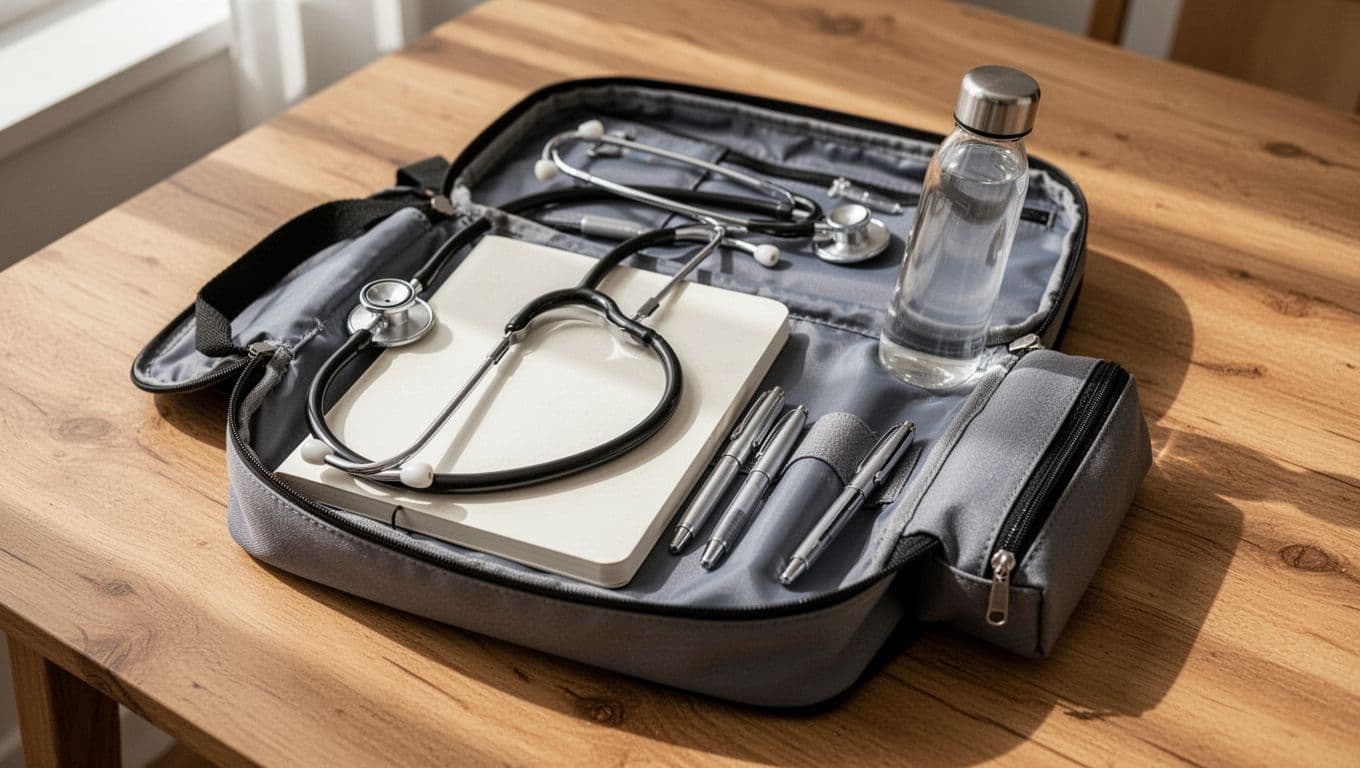
Bring a filled water bottle and a permitted snack or meal. Choose food that travels well and can be eaten during an approved break, such as a granola bar, fruit, or a sandwich in a sealed container. A nursing student backpack guide also commonly recommends water, snacks, chargers, and extra pens.
Weather can change between your commute and the end of your shift, so add a small umbrella, light jacket, or other weather layer. Spare hair ties, lip balm, tissues, and a backup pair of socks take up little space but can rescue an uncomfortable day. If you work, care for children, or commute between campus and the clinical site, these items can prevent a minor problem from disrupting your entire schedule.
Follow facility rules before bringing food, drinks, fragrances, jewelry, nail products, or other personal items into clinical areas. Some sites restrict what you may wear or carry near patients. Comfortable clothing can make the commute easier, but arrive in the required uniform and approved footwear.
Keep Personal Items Separate From Patient-Care Equipment
Store your stethoscope, penlight, scissors, watch, and other reusable tools in a washable pouch or separate compartment. This setup keeps personal items away from equipment that may contact patients or clinical surfaces. It also prevents loose pens, crumbs, and cosmetics from collecting around your tools.
Clean reusable equipment after skills lab or clinical use according to the manufacturer’s instructions and your school’s or facility’s guidance. If an item becomes damaged, visibly soiled, or difficult to disinfect, replace it before your next shift.
Leave unnecessary valuables, loose jewelry, large bags, and unapproved devices at home. Keep your phone away during patient care unless your instructor has approved it for a learning purpose. Never photograph patients, charts, rooms, or paperwork, and don’t store patient identifiers in personal notes.
Create a Quick Pre-Shift Checklist
Check your bag the night before. Confirm that you have:
- The correct uniform, badge, watch, stethoscope, penlight, and scissors.
- A pocket notebook, pens, assignment paperwork, and any required forms.
- Your charger, food, water, and transportation plan.
Review the next day’s clinical goals, then write down questions you want to ask your instructor. A short checklist prevents forgotten equipment and reduces morning stress. Keep duplicate low-cost items, such as pens and hair ties, in the bag, but avoid buying duplicate expensive equipment unless your program requires it.
How to Choose Nursing School Essentials Without Wasting Money
Nursing school expenses can pile up before your first clinical shift. Start with items your program requires, then test what works in lab before adding optional tools. A careful buying plan protects your budget without leaving you unprepared.
Check Your School’s Official Supply and Uniform List First
Review your program handbook, orientation email, learning platform, and skills lab instructions before shopping. Clinical site rules may add requirements that aren’t listed in a general nursing school checklist. Your school might specify scrub colors, shoe types, badge holders, equipment brands, laptop specifications, or approved calculators.
Some programs arrange group purchases or invite uniform vendors to campus. These options may provide the correct fit and school-approved details at a lower price than buying separately online. Ask whether the listed price includes embroidery, patches, shipping, or required accessories.
Online checklists can help you make a starting list, but they are not the final authority. A popular nursing kit may include tools your program prohibits or never uses. Confirm each item with your instructor or clinical coordinator before paying for it.
Spend More on Comfort and Safety Than Appearance
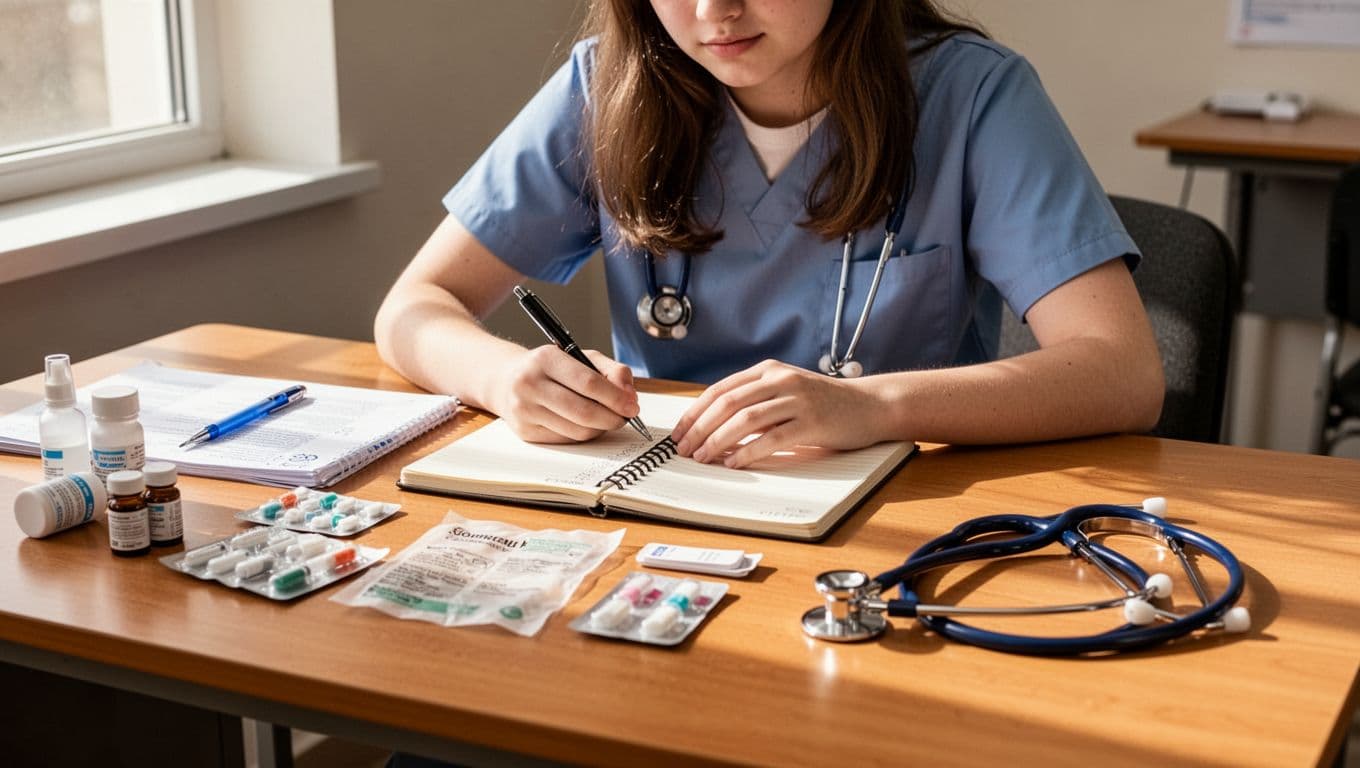
Quality matters most when an item touches your body, protects equipment, or stays in use for hours. Choose clinical shoes with closed toes, reliable traction, and support for long periods of standing. Your stethoscope should fit comfortably and let you hear clearly, while durable scrubs should allow movement and repeated washing.
A bag also deserves practical attention. Look for washable material, secure compartments, and enough padding to protect your laptop and clinical equipment. Appearance matters, but a stylish bag or expensive brand won’t compensate for poor fit or weak construction.
Low-cost supplies often work well for pens, index cards, basic notebooks, and hair ties. Before buying, compare return policies, warranties, replacement costs, and shipping fees. Avoid large starter kits filled with specialty tools you may never use.
Know What Can Be Borrowed, Shared, or Bought Later
Your school lab or library may lend blood pressure cuffs, textbooks, and specialty assessment tools. Borrowing helps you learn which equipment feels comfortable before buying your own. However, personal items that touch your body or get used constantly, such as stethoscopes and shoes, are usually more convenient to own.
| Buying option | Best use |
|---|---|
| New | Required items, shoes, and personal equipment |
| Used | Textbooks and lightly used bags or uniforms |
| Borrowed | Lab equipment and specialty tools |
| Rented | Costly textbooks or short-term equipment |
| Starter kit | Only when every included item is school-approved |
Wait on a reflex hammer, tuning fork, pulse oximeter, or hemostat until an instructor confirms the need. Buy required basics first, test them in lab, then add tools based on real use. This approach keeps your nursing school essentials focused and affordable.
Avoid Common Nursing School Supply Mistakes Before Clinicals
Buying nursing school essentials is only half the preparation. The wrong equipment, an overloaded bag, or a dead watch battery can create stress before your shift begins. Use your program’s instructions as the foundation, then prepare and test your supplies before clinical expectations become graded requirements.
Do Not Assume Every Online Checklist Matches Your Program
Nursing programs use different skills labs, clinical facilities, uniforms, and documentation systems. As a result, a supply list that works for one school may not fit yours. One program may require students to carry a blood pressure cuff, while another supplies it or restricts personal equipment at the bedside.
Compare online advice with your syllabus, orientation materials, learning platform, and instructor messages. Some tools may be introduced later, limited to the skills lab, or prohibited by a clinical facility. Before buying expensive or specialized equipment, ask your instructor or clinical coordinator whether you actually need it.
Your school’s official instructions matter more than a popular nursing supply list.
A quick review of semester preparation tips can help you organize deadlines and requirements, but your program remains the final authority.
Do Not Forget Fit, Cleaning, and Labeling

Try on your clinical shoes and uniforms before the first shift. Poorly fitting shoes, uncomfortable scrubs, and loose accessories become much harder to tolerate after hours on your feet. Label your stethoscope, scissors, penlight, and other personal equipment with your name or initials.
Clean reusable tools after lab and clinical use. Follow the facility’s rules for approved disinfectants, contact time, and equipment storage. Also test your pens, watch battery, laptop access, and other supplies before the first graded skills checkoff. A tool that works at home but fails during evaluation can interrupt your performance.
Do Not Carry More Than You Can Organize
Bringing every possible supply into the clinical area makes your bag heavy and cluttered. It can also create storage and infection-control problems. Carry a small daily kit with approved tools, then keep textbooks, personal items, and extra clothing in a separate school bag.
After each shift, restock essential items and remove trash, food containers, used packaging, and unused paperwork. A five-minute reset keeps your clinical bag clean and makes the next morning easier. For practical guidance on avoiding common student errors, review these nursing clinical preparation tips.
Turn Your Nursing School Essentials Into a Simple First-Week Plan
A supply list becomes useful when you turn it into a routine. Before orientation, sort your nursing school essentials into three groups: required, helpful, and wait until later. Then test each item before the first skills lab, so your first clinical shift feels familiar rather than rushed.
Confirm Requirements and Set a Realistic Budget
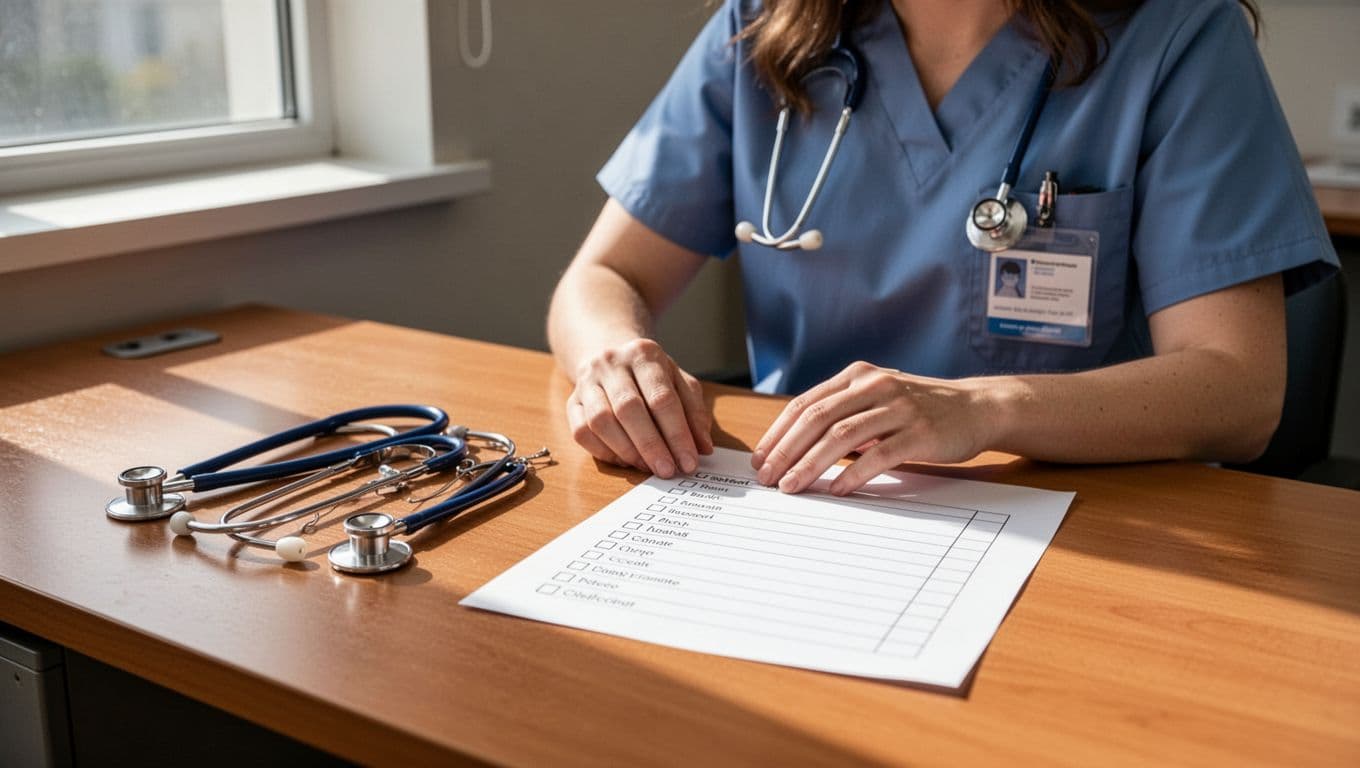
Save the official supply list from your program’s website, orientation email, handbook, or learning platform. Mark each item as required, optional, or unclear. Your school may specify scrub colors, badge holders, shoe requirements, laptop features, or approved equipment.
Set a spending limit before you shop. Ask current students and instructors which tools they use most often, especially before buying specialty items such as a blood pressure cuff, pulse oximeter, or hemostat. Their practical advice can help you avoid a drawer full of unused supplies.
You may also reduce costs through several school-based options:
- Ask the financial aid office whether emergency funds, grants, or supply assistance are available.
- Check whether the skills lab or library lends equipment and textbooks.
- Compare used textbook markets, rental programs, and student resale groups.
- Join an approved group order for uniforms or equipment when it offers a lower price.
Keep every receipt until your uniforms and equipment have been checked and approved. A return window can protect your budget if the color, model, or size fails to meet program rules.
Practice With Your Equipment Before It Counts
Before your first checkoff, learn how to use and clean your stethoscope, blood pressure cuff, penlight, watch, and scissors. Practice taking vital signs with classmates, review your lab instructions, and confirm how each tool should be disinfected.
Put your equipment in the same pocket or pouch each time. A consistent setup helps you find your penlight or watch without searching while an instructor observes. Review what nursing students can expect during clinicals so your preparation matches the setting.
Equipment supports assessment, but it doesn’t replace safe nursing practice. Perform hand hygiene, confirm patient identity, protect privacy, communicate clearly, and follow instructor guidance every time. When a tool gives an unexpected result, pause and report it instead of relying on the equipment alone.
Use a Final Night-Before Checklist
Before bed, place the following items by the door:
- Approved uniform, comfortable closed-toe shoes, badge, and watch.
- Stethoscope, penlight, scissors, notebook, and several pens.
- Assignment materials, required forms, laptop, and charger.
- Water, food, and any approved personal supplies.
- Keys, wallet, and a confirmed transportation plan.
Check the weather, charge your devices, set an alarm, and allow extra travel time. Then sleep as much as possible. Being prepared doesn’t mean owning everything. It means knowing what your program requires and having the basics ready when the day begins.
Frequently Asked Questions
Even with a careful supply list, you may still wonder what clinical days really require. These answers cover common questions about nursing school essentials, daily expectations, and the choices that can save you money.
Should I bring my entire nursing school bag into the patient-care area?
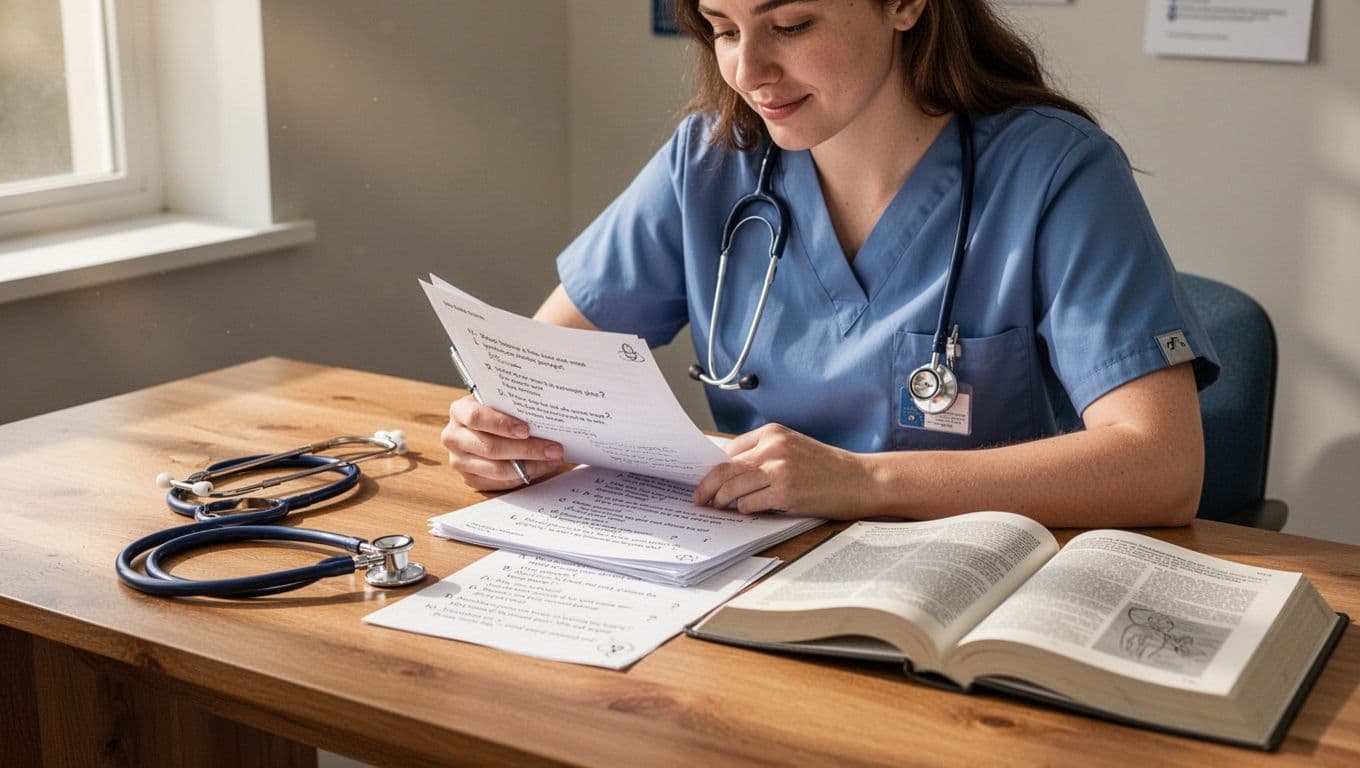
Usually, no. Bring only the tools your instructor and clinical site approve, such as your stethoscope, penlight, watch, pens, and pocket notebook. Leave your laptop, textbooks, food, and valuables in the designated student area unless your instructor gives different directions.
A smaller kit keeps your pockets manageable and reduces the chance of placing personal items on a contaminated surface. Store extra supplies in your bag, not beside the patient.
Can I use my phone as a clinical reference?
Don’t assume your phone is allowed. Some instructors permit approved drug references or clinical apps, while others restrict personal devices because of privacy, distraction, or facility policy.
Ask before using it, keep notifications disabled, and never photograph patients, charts, medication labels, or clinical paperwork. A small approved drug guide or printed reference may be a better choice when phones aren’t permitted.
What should I do if I forget an essential item?
Tell your instructor before patient care begins. You may be able to borrow a school-approved tool, use equipment supplied by the unit, or complete the task under supervision.
Never substitute an unapproved item or skip a safety step to avoid admitting you forgot something. After the shift, add the missing supply to your night-before checklist. Reviewing effective exam preparation guidelines can also help you build a broader routine for checking assignments, equipment, and clinical paperwork.
Do nursing students need to bring personal protective equipment?
Most clinical sites supply routine PPE, but requirements vary by unit and task. You may need gloves, gowns, eye protection, or a mask when there is a risk of contact with body fluids or respiratory secretions.
Follow the facility’s instructions instead of relying on a personal stash. The correct PPE depends on the procedure, patient precautions, and infection-control policy. When you’re unsure, pause and ask your instructor.
How many clinical hours should I expect each week?
Your schedule depends on the nursing program, semester, clinical site, and course objectives. Some shifts may last a full day, while others may use shorter lab or clinical blocks.
Check the course calendar before making work or transportation plans. Clinical attendance is usually mandatory, so arrange reliable transportation and notify your instructor promptly if an emergency prevents you from attending.
When should I replace my clinical supplies?
Replace equipment when it becomes damaged, difficult to clean, inaccurate, or uncomfortable to use. Check your stethoscope tubing, penlight batteries, watch, scissors, and shoes throughout the semester.
Pens and notebooks may disappear quickly, but expensive tools should last through training when cared for properly. Keep receipts and warranty information until you know each item meets your program’s expectations.
Conclusion
The best nursing school essentials are the tools that follow your school’s rules, support safe practice, and make long study and clinical days easier. A stethoscope, approved uniform and shoes, basic assessment tools, reliable writing supplies, required technology, and an organized bag give you a strong starting point.
Avoid impulse purchases, especially when an online checklist includes equipment your program may not require. Confirm requirements with your instructors, use the skills lab to test what works, and let real clinical experience guide future upgrades. A simple system for reviewing nursing study notes can also help you manage the steady stream of lectures, skills practice, and exam preparation.
When the first clinical morning arrives, preparation should leave room for curiosity. Pack what you need, follow safety and privacy rules, ask thoughtful questions, and stay ready to learn. The right nursing school essentials won’t do the work for you, but they can help you enter each class and clinical shift with greater focus and confidence.
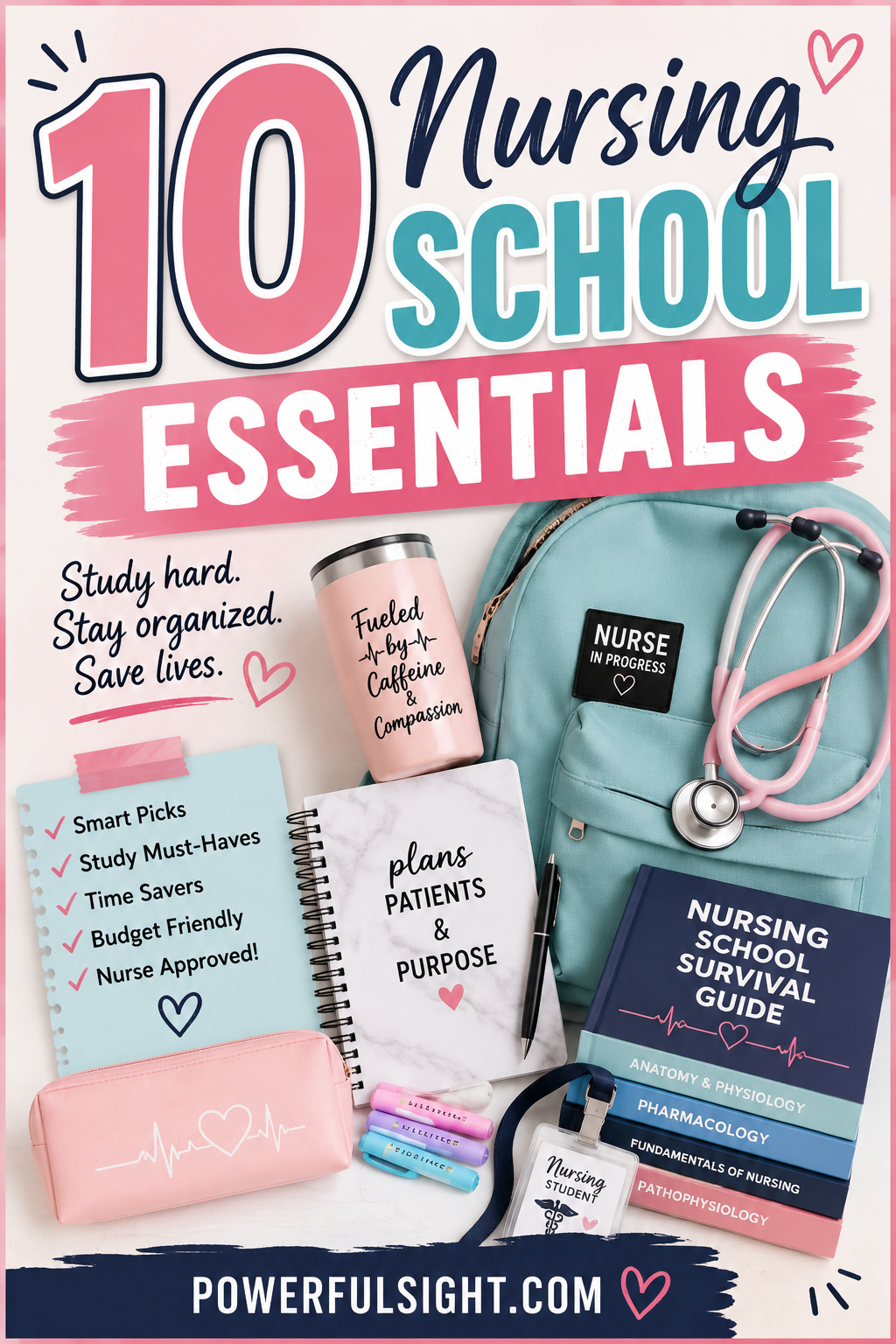
Save the pin for later

- Healthy Air Fryer Recipes for Beginners - 21/09/2026
- Healthy Snacks for Late Night Cravings - 21/09/2026
- High Protein Meal Prep Ideas for Easy Weekly Meals - 21/09/2026

