You may notice it in the way your husband looks at you across the room, reaches for your hand during a movie, or finds an excuse to sit close. He might not say what he likes about you directly, especially when admitting it makes him feel exposed.
Embarrassment often grows from vulnerability, fear of rejection, or learned ideas about how men should express affection. Even in a loving marriage, saying “I miss you,” “I want you,” or “I love that about you” can feel like risking a judgment he’d rather avoid. Small gestures can reveal attraction and appreciation, but one moment alone doesn’t tell the whole story.
The nine possibilities below may help you notice patterns without turning them into assumptions. Every husband is different, so treat these signs as conversation starters, then build on them with questions to deepen emotional intimacy, mutual respect, and honest communication. Start with the first thing he may love about you but feels awkward admitting.
Key Takeaways
- Your husband may enjoy affection, reassurance, compliments, cuddling, or emotional closeness more than he admits.
- Embarrassment often comes from vulnerability, fear of rejection, or pressure to appear emotionally tough.
- Look for consistent patterns in his words and actions instead of treating one gesture as proof.
- Honest conversations about affection, attraction, boundaries, and consent can strengthen trust and intimacy.
- Research connects couple communication with emotional intimacy, sexual intimacy, and relationship satisfaction (peer-reviewed couples study).
What “things your husband is too embarrassed to admit he likes you” can really mean
When a husband struggles to name what attracts him, his feelings may appear through small reactions instead. He may linger near you, remember what makes you smile, or reach for closeness without explaining why. These behaviors are possibilities, not secret rules or proof of one specific feeling.
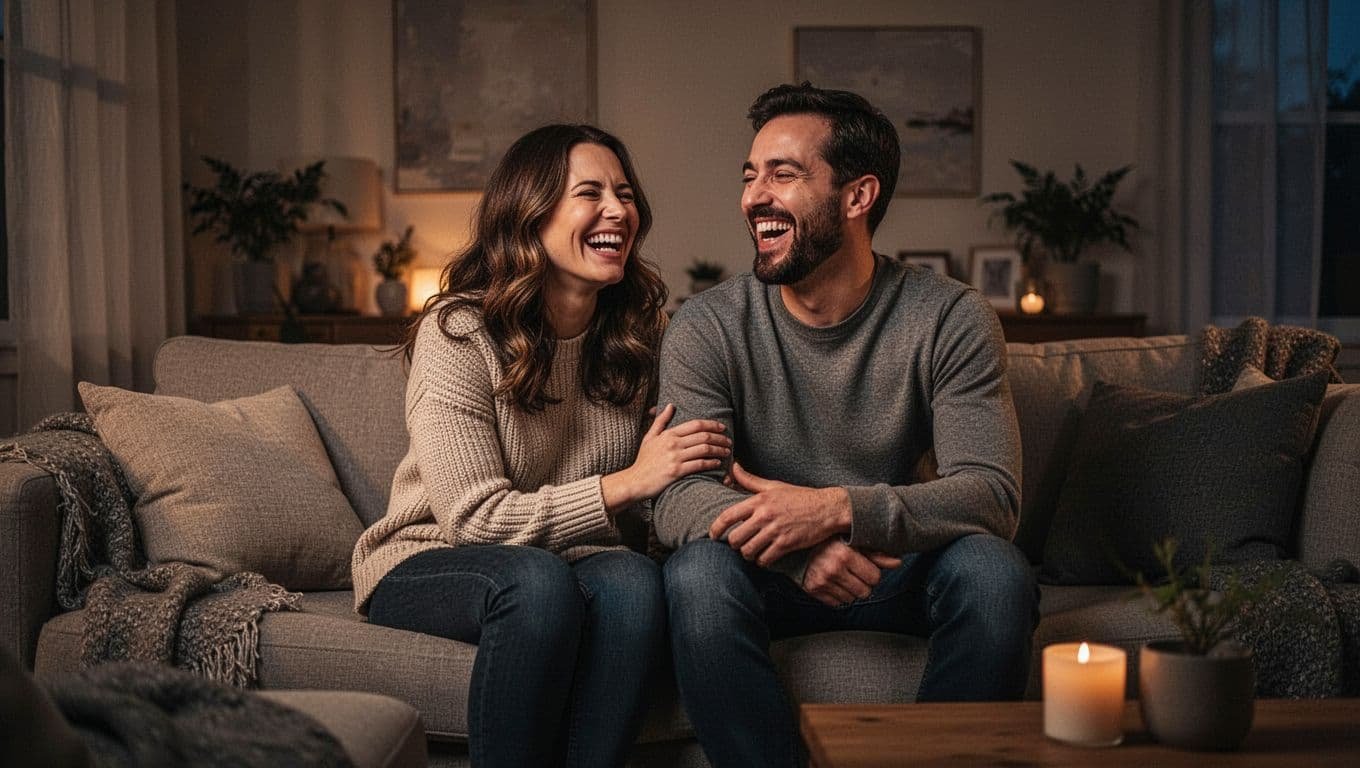
He loves your real laugh, playful side, and everyday joy
Your genuine laugh can make home feel lighter and safer. Inside jokes, silly voices, an unexpected dance in the kitchen, or a playful look across the room can keep marriage from feeling like a list of chores.
He may watch your reaction to a story or create small moments that bring out your smile. Perhaps he sends a funny message during the workday or brings up an old joke when you both need a lift. He may find your happiness attractive because it shows the real person behind daily responsibilities.
Still, you don’t need to stay cheerful, entertaining, or positive every day. A healthy marriage has room for quiet moods, stress, and honest sadness too.
He notices your confidence, personal style, and natural beauty
He may admire how you carry yourself, choose an outfit, or settle into your appearance without chasing perfection. A favorite dress, fresh scent, messy bun, focused expression, or confident posture may catch his attention during ordinary moments.
Maybe he looks twice when you wear the outfit that makes you feel most like yourself. Perhaps he notices your confidence while you explain an idea, finish a task, or walk into a room. Attraction often grows from comfort and self-assurance, not only polished hair or carefully chosen makeup.
His preferences don’t define your beauty. You never need to change your body, hide your age, or dress differently to earn his approval.
He treasures your warmth, tenderness, and reassuring touch
Nonsexual affection can communicate comfort without requiring a long conversation. Holding hands in the car, resting against him during a movie, kissing his forehead, playing with his hair, or brushing his arm as you pass can say, “You belong with me.”
Research on affection in marriage has examined these everyday behaviors alongside relationship satisfaction and emotional connection. You can read more about affection across marital conversations for additional context.
Affection should always feel welcome and mutual. Check each other’s boundaries, notice changing comfort levels, and remember that marriage never creates automatic permission for touch.
He admires the way you listen, support him, and understand the little things
He may treasure how you remember his difficult meeting, ask about his day, or notice when something feels off. Sometimes support means listening without rushing to fix the problem. That kind of attention helps him feel known rather than managed.
However, being supportive doesn’t mean becoming his therapist, parent, or unpaid caretaker. You can care about his feelings while protecting your own energy and expecting him to manage his responsibilities. For more signs of lasting appreciation, see signs your husband cherishes his marriage.
He is attracted to your initiative, openness, and private chemistry
He may love when you suggest a date, send a sweet message, or ask for uninterrupted time together. Sharing what you want during a romantic or sexual moment can also make intimacy feel more mutual and personal.
Desire works best as a conversation, not an obligation. Enthusiasm, curiosity, and honest feedback can bring you closer, while consent must remain clear, ongoing, and freely given every time.
Why appreciation can look awkward instead of romantic
Some husbands struggle to offer direct praise, even when they notice everything. Social conditioning may teach men to hide tenderness, while past criticism can make compliments feel risky. Insecurity and fear of rejection can turn “You look beautiful” into a teasing comment, an extra chore, or a lingering glance.
That awkwardness may feel sweet, but don’t treat every quiet gesture as proof of attraction. Look for the pattern behind it: warmth, effort, respect, and genuine attention over time.
Look for patterns, not one confusing moment
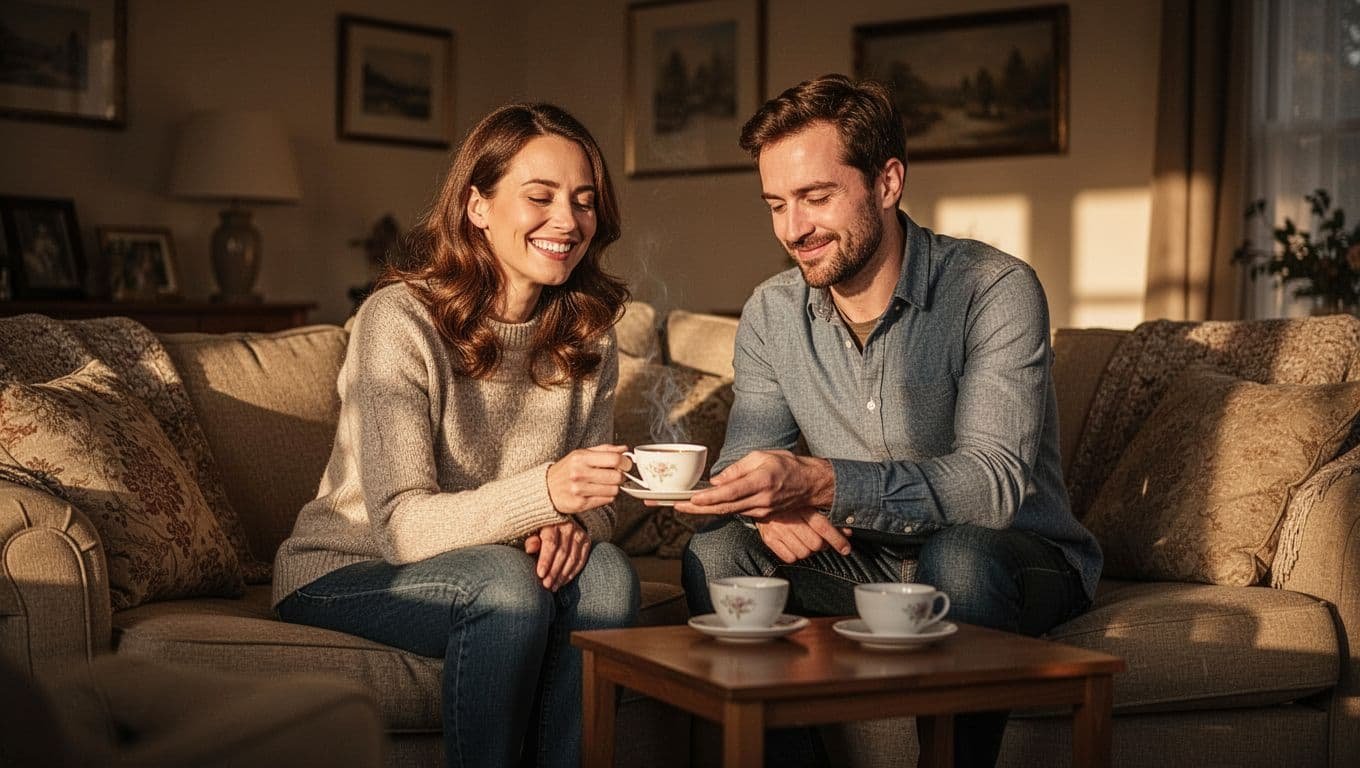
A single glance, joke, or compliment can have several meanings. He may be flirting, feeling nervous, trying to make you laugh, or simply reacting to the moment. One signal can’t explain his feelings, so notice what happens repeatedly.
Healthy appreciation often appears in ordinary details. He may:
- Make time for you, even during a demanding week.
- Remember what matters to you, such as an important appointment or a difficult conversation.
- Show affection in ways you welcome, including hugs, hand-holding, or a kiss before work.
- Check in because he wants to know how you’re doing, not because he needs to monitor you.
- Listen when you speak and respect your “no” without sulking, arguing, or punishing you.
He might tease you about looking beautiful because saying it plainly feels exposing. Perhaps he becomes extra helpful when he wants to show care, fixes something around the house, or brings you coffee instead of offering a heartfelt speech. Those actions can communicate affection when words feel unfamiliar.
Shyness usually still leaves room for connection. Emotional distance looks different when he rarely makes time, dismisses your feelings, avoids meaningful conversation, or shows warmth only when he wants something. For more guidance, review these healthy relationship communication and boundaries.
His preferences should never become rules for your body or behavior
Your husband can have preferences without having ownership. Genuine attraction includes respect for your comfort, identity, time, friendships, and choices. He may enjoy a certain hairstyle or outfit, but you remain free to choose what feels right for you.
Don’t use his embarrassment as an excuse for jealousy, insults disguised as jokes, pressure for sex, or demands that you look or act a certain way. A caring partner can express desire and accept your answer. He can feel disappointed without trying to control your decision.
The U.S. Department of Health and Human Services lists insults, pressure for sexual activity, and one partner making most decisions among warning signs of relationship violence. Read its relationship warning signs if affection has started to feel like fear or obligation.
You deserve appreciation that leaves you feeling seen, not managed. His preferences may tell you what he likes, but they never determine what you owe him.
How to find out what he likes without making the conversation uncomfortable
Guessing can create unnecessary confusion. A better approach is to make curiosity feel ordinary, safe, and mutual. Choose a calm moment when neither of you feels rushed, then talk about preferences as shared information rather than a test he could fail.
Use positive feedback to make honest sharing feel safer
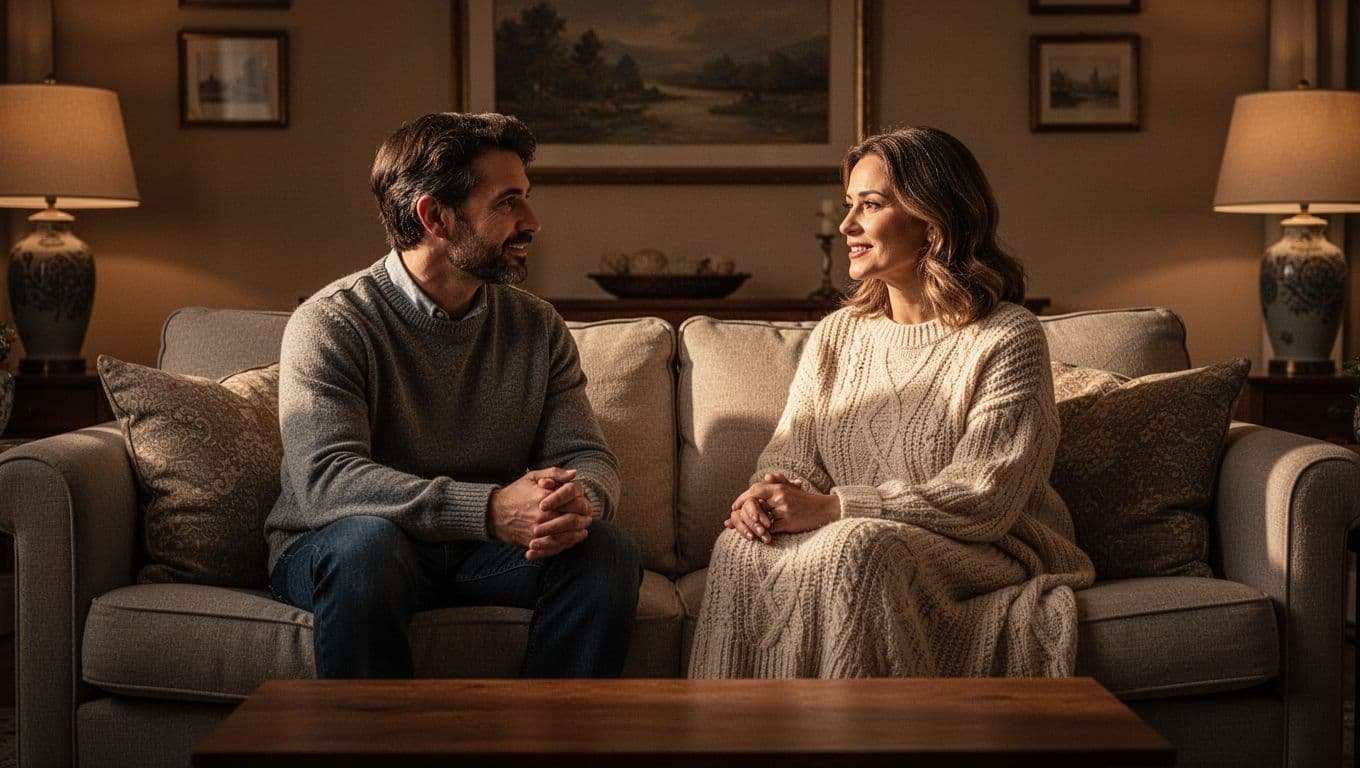
Start with a warm observation instead of a serious announcement. You might say, “I love the way you smile when you are relaxed.” Then add, “What little things make you feel close to me?” Open questions give him room to describe emotional, romantic, or physical preferences in his own words.
If he shares something personal, thank him for trusting you. A response such as, “I’m glad you told me,” or “That helps me understand you better,” can make the next conversation easier. Avoid laughing, even if nervous laughter is your usual response, because he may hear it as embarrassment or rejection.
Specific feedback also works better than vague praise. Tell him, “I like when you hold my hand during a movie because I feel connected to you,” rather than simply saying, “You’re sweet.” Clear appreciation shows him which actions matter to you and invites him to share his own preferences.
Keep the exchange balanced by offering something about yourself too. You could say, “I enjoy when you compliment my appearance, but I also love hearing that you noticed my effort.” Mutual sharing turns a difficult confession into a regular habit of appreciation. For more ideas, try these romantic questions for couples to reconnect.
Either partner can pause, change their mind, or say no. Nobody should face ridicule, withdrawal, threats, or punishment for setting a limit.
Keep affection connected to consent and healthy boundaries
Marriage doesn’t create automatic consent. Every form of affection, especially sexual activity, requires clear, freely given, ongoing agreement. RAINN explains that consent is an ongoing conversation, and agreement for one activity doesn’t automatically extend to another.
Ask simple check-in questions such as, “Do you like this?” or “Would you rather stop for now?” Respect hesitation, silence, pulling away, or a change in tone. Stop when your partner asks you to stop, even if they agreed earlier.
Healthy intimacy leaves room for honest answers. Warning signs include guilt trips, repeated pressure, anger after rejection, claims that a spouse owes affection, or ignoring verbal and nonverbal discomfort. These behaviors point to coercion, not healthy communication.
You can review these healthy relationship boundaries for couples when you need help discussing limits. Affection feels safest when both partners can speak freely, hear “no” without retaliation, and return to the conversation later with respect.
Turn Hidden Admiration Into Everyday Connection
Noticing what your husband likes about you can feel affirming, but marriage becomes stronger when appreciation moves in both directions. Ask what makes both of you feel desired, valued, and respected, then make space for honest answers without teasing or defensiveness.
Make room for both partners to feel wanted
The goal isn’t only to discover what your husband admires about you. Name what you enjoy about him too, whether you love his humor, steady presence, thoughtful gestures, or the way he makes you feel safe. Appreciation becomes more meaningful when both partners give it and receive it.
You can also ask for appreciation clearly. Try, “I would love to hear what you noticed about me this week,” or, “It feels good when you compliment my effort, not only my appearance.” A direct request gives your husband useful information instead of asking him to guess.
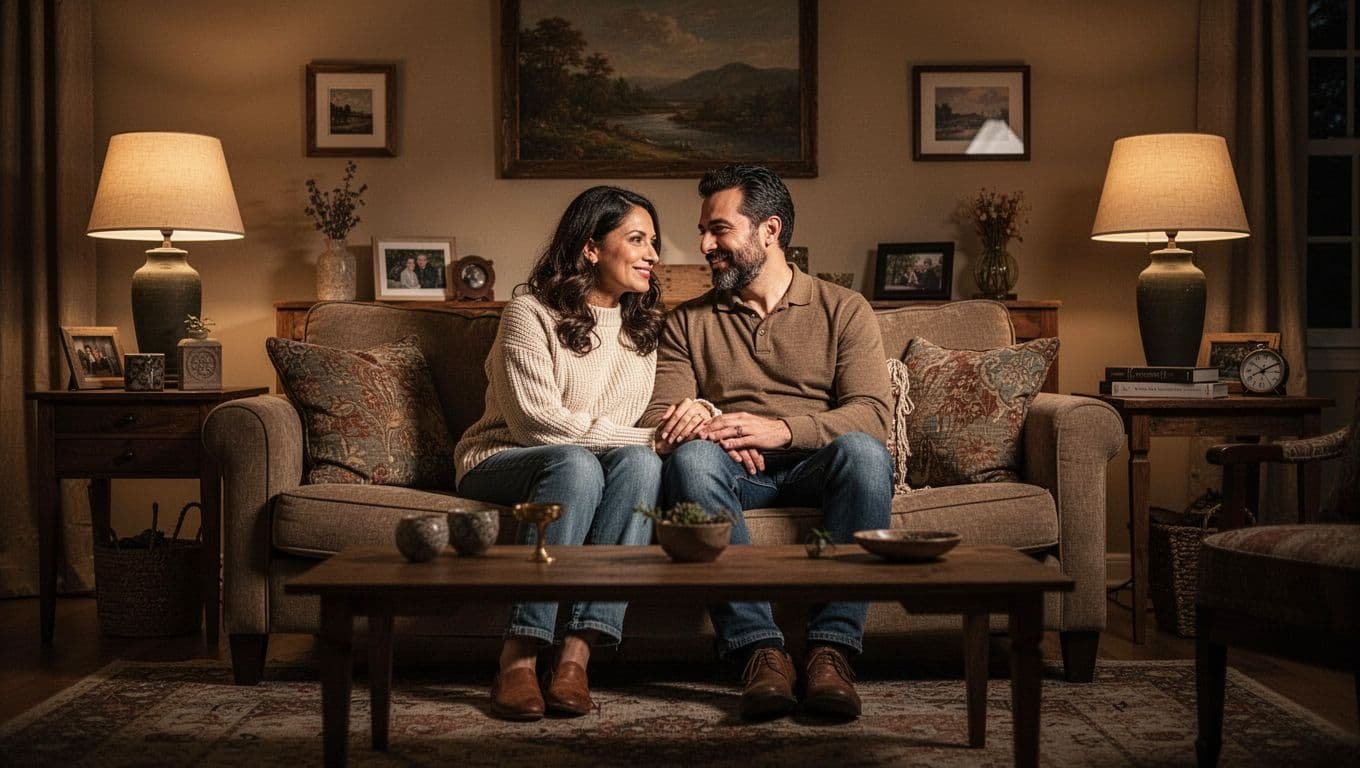
Simple habits can turn admiration into a daily part of married life:
- Spend ten minutes discussing feelings, hopes, or funny moments instead of household logistics.
- Hold a weekly relationship check-in and ask what felt good, what felt difficult, and what would help each of you feel closer. These weekly relationship check-in questions can help you begin.
- Greet each other with eye contact, a hug, a kiss, or another form of affection you both welcome.
- Leave a thoughtful note, bring home a favorite snack, or plan a small surprise without waiting for a special occasion.
- Share laughter through an inside joke, a walk, a game, or a show you both enjoy.
- Talk honestly about intimacy, including what helps each of you feel attractive, comfortable, and emotionally connected.
Notice whether your needs receive equal care. If you regularly encourage him but rarely feel encouraged, or if he expects affection without offering attention, say so plainly. A healthy marriage gives both people room to ask, listen, adjust, and be themselves.
Attraction grows through care, emotional safety, novelty, and repair after conflict. It doesn’t require perfect bodies, flawless communication, or constant romance. After tension, a sincere apology, a gentle touch, or a calm return to the conversation can restore closeness. Research also links positive communication with stronger relationship quality, while repeated negative exchanges can reduce satisfaction (couple communication research).
Ask each other, “What helps you feel wanted by me?” Then listen for the answer you may have been waiting to hear about yourself.
Conclusion
Your husband’s hidden likes may include your laugh, confidence, appearance, tenderness, listening, support, initiative, and openness. He may also love the safe feeling you create, where he can relax, feel understood, and show more of himself. These signs can make ordinary moments, such as a smile across the room or a hand reaching for yours, feel more meaningful.
Still, no list can read your partner’s mind. Consistent actions can offer clues, but kind conversation matters more than guessing. Use deep questions for married couples to talk about what makes each of you feel wanted, valued, and comfortable.
The best kind of attraction is paired with respect, consent, emotional effort, and room for both spouses to feel appreciated. When affection feels safe and mutual, even a shy compliment or familiar touch can strengthen the bond you share.
Save the pin for later

- 60 Color Tattoos That Healed Beautifully - 25/09/2026
- 40 Most Painful Tattoo Spots - 24/09/2026
- 20 Tattoo Aftercare Mistakes That Ruin Fresh Ink - 23/09/2026

