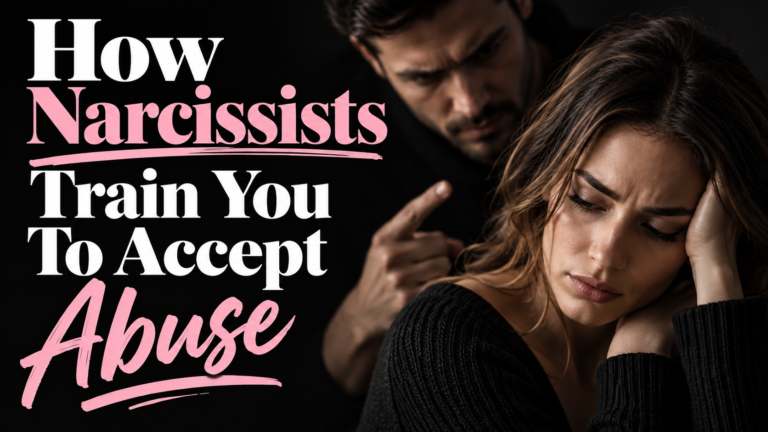
When you’re trying to make sense of a toxic relationship with a narcissist, the question that often comes up is, why do narcissists end up hating their partners, the very people they once adored?
Based on my research and experience writing about narcissistic behavior, several key psychological patterns explain this shift. If you’ve ever felt blindsided by a narcissist’s sudden coldness or cruelty, understanding these reasons can give you clarity and, hopefully, help you move toward healing.

Why do narcissists hate their partners?
1. The Idealization Phase
At the beginning of a relationship, narcissists are known for their intense idealization phase. They put their partners on a pedestal, showering them with compliments, attention, and affection. This rush of admiration feels intoxicating because it’s designed to mirror the narcissist’s internal fantasy of perfection.
However, this attention isn’t grounded in genuine love. It’s based on what the narcissist needs — validation, admiration, and control. Their partner becomes an extension of their own ego, rather than an independent person with their own needs and flaws.
In my observations, this phase isn’t built to last. It’s more like a façade — one that cracks the moment reality sets in.
Related: How to Stop Being a Narcissistic Mother
2. Disillusionment and Devaluation
Once a narcissist begins noticing imperfections in their partner, even normal human flaws, disillusionment sets in fast. Where there was once admiration, now there’s criticism and contempt.
This is because narcissists need to feel superior to maintain their fragile self-esteem. When their partner doesn’t live up to the impossible ideal they created, the narcissist reacts with resentment. It’s not really about the partner’s flaws — it’s about the narcissist’s internal fear of feeling “less than.”
Over time, I’ve noticed that this devaluation phase isn’t just emotional withdrawal; it can turn into open hostility, belittling, and emotional abuse, deepening the partner’s confusion and pain.

3. Projection of Insecurities
One thing that always stands out when studying narcissistic relationships is how often projection plays a role. Rather than facing their own insecurities, narcissists project them onto their partners.
For example, if a narcissist feels insecure about their appearance or intelligence, they might criticize their partner in those very areas. It’s a defense mechanism — a way to deflect inner turmoil by making their partner “the problem.”
This type of emotional manipulation leaves the partner feeling blamed for issues they didn’t cause, creating a toxic cycle of guilt, confusion, and emotional exhaustion.
Related: 8 Essential Strategies for Co-Parenting with a Narcissist
4. Fear of Abandonment
Despite their arrogance, many narcissists are deeply afraid of being abandoned. Ironically, this fear often drives the very behaviors that push people away.
From what I’ve seen, they may lash out preemptively, accusing their partner of disloyalty or trying to “control” them. They might also belittle their partner’s independence as a way to keep them feeling insecure and easier to control.
Unfortunately, the narcissist’s desperate attempts to avoid abandonment usually create the instability they fear most, fueling even more resentment and emotional distance.
5. Competition and Jealousy
Narcissists often can’t stand seeing their partner succeed, whether it’s a new promotion, personal growth, or even new friendships. Instead of feeling proud, they feel threatened.
To a narcissist, life is a zero-sum game — if their partner is winning, they must be losing. This irrational competitiveness can breed jealousy, sabotage, and contempt.
It’s heartbreaking because what should be moments of shared joy and support often turn into opportunities for the narcissist to belittle or undermine their partner’s achievements.

6. Lack of Empathy and Compassion
One of the clearest patterns I see in narcissistic relationships is the complete lack of empathy. A narcissist struggles — or even refuses — to truly understand their partner’s feelings.
When their partner expresses sadness, fear, or frustration, the narcissist often sees these emotions as weaknesses or even personal attacks. Instead of offering support, they may respond with blame, criticism, or emotional withdrawal.
Over time, this emotional disconnect erodes the relationship’s foundation, making true intimacy impossible and fostering growing resentment.
Related: 25 Narcissistic Behavior Checklist
7. Manipulation and Control Tactics
Control is everything to a narcissist. I often see them using psychological manipulation to maintain dominance in the relationship.
Gaslighting, love bombing, and guilt-tripping are just a few of their favorite tools. By confusing their partner’s sense of reality, creating emotional dependency, and shifting blame, they maintain power — but at the cost of the partner’s self-esteem and well-being.
Ironically, the more they tighten their grip, the more resentment they breed — both in themselves and in their partners.
8. The Never-Ending Cycle of Abuse
When you step back and look at the bigger picture, narcissistic relationships often follow a clear cycle: idealization, devaluation, abuse, then intermittent moments of affection, only to start the cycle all over again.
This constant push and pull creates emotional instability. The partner becomes trapped, longing for the love and connection they were initially promised but receiving more and more cruelty instead.
It’s important to understand that this cycle isn’t random. It’s a reflection of the narcissist’s internal chaos and need for control, fueled by deep-seated fears and insecurities. Recognizing this pattern is the first step toward breaking free from the emotional turmoil they create.
Final Thoughts
If you’ve ever found yourself wondering why narcissists seem to hate the very people they claim to love, remember: it’s not about you. It’s about their own fears, insecurities, and emotional dysfunction.
Learning to recognize these patterns can empower you to set healthier boundaries, protect your self-worth, and make decisions that prioritize your emotional well-being.
Save the pin for later


- 15 New Year’s Eve Party Ideas for Every Guest - 12/11/2026
- 15 Friendsgiving Party Food Ideas for a Festive Potluck - 12/11/2026
- 45 Scar Tattoos That Turned Pain Into Beauty - 11/11/2026
About the Author