A narcissistic home can look normal to outsiders, yet feel confusing, tense, or emotionally unsafe when the doors are closed. You may notice that one person’s moods control the household, while everyone else learns to stay quiet, avoid conflict, or hide their feelings. If you’re growing up with a narcissistic parent, you may even question whether your experiences are serious enough to matter.
This guide focuses on repeated family patterns, not one selfish act, difficult argument, or casual diagnosis. It covers 15 clear signs of a narcissistic home, along with the difference between narcissistic traits and Narcissistic Personality Disorder (NPD), the possible impact on children and adults, and practical steps for support and safety. Your feelings and experiences matter, even when other people dismiss or minimize them.
As you read through the signs, look for consistent behaviors and their effect on the family, then consider which patterns appear in your home.
Key Takeaways
- A narcissistic home often centers one person’s needs, moods, and approval while others suppress their feelings.
- Common patterns include chronic criticism, favoritism, gaslighting, emotional neglect, guilt, and pressure to protect the family’s image.
- Fifteen signs can help you recognize repeated family behavior without diagnosing anyone from a distance.
- Narcissistic traits differ from Narcissistic Personality Disorder, which requires a persistent pattern and professional evaluation.
- Healing may involve boundaries, trusted support, therapy, and reclaiming yourself after narcissistic parenting.
What Makes a Narcissistic Home Different From a Difficult One?
Every family has disagreements, stressful seasons, and hurt feelings. A narcissistic home follows a more stable pattern: one person’s needs, image, moods, and control shape daily life, while everyone else adjusts around them. Over time, family members may stop expressing honest opinions because peace depends on keeping that person satisfied.
The key is to look for repeated behavior and its effect on the household. One selfish decision doesn’t prove narcissism. A long-term pattern of emotional invalidation, manipulation, unequal treatment, and pressure to protect one person’s reputation deserves closer attention.

Traits Are Different From Narcissistic Personality Disorder
Someone can show narcissistic traits without having Narcissistic Personality Disorder (NPD). These traits can include entitlement, a strong need for admiration, low empathy, exploitation, intense sensitivity to criticism, and controlling behavior. They may appear in certain relationships or during periods of stress.
NPD is a clinical diagnosis. It involves a persistent pattern that affects relationships and other areas of life, and a qualified clinician must assess it. Clinical guidance describes NPD through features such as grandiosity, excessive admiration-seeking, entitlement, exploitation, and a lack of empathy. A person is not diagnosed from one argument, a social media post, or a family member’s description alone. The clinical overview of narcissistic personality disorder explains why assessment requires more than spotting a single trait.
For your own safety and clarity, focus on what happens repeatedly. Ask yourself whether the person dismisses feelings, changes the rules, punishes disagreement, or demands loyalty while offering little accountability.
How Family Roles Keep the Pattern Going
Narcissistic family systems often assign people roles that protect the central person’s image. These labels are informal descriptions, not medical diagnoses, and one person may move between roles over time.
- The golden child receives praise and special treatment, but often feels pressure to perform and defend the family image.
- The scapegoat gets blamed for conflict, mistakes, or tension that began elsewhere.
- The enabler excuses harmful behavior, avoids challenging the dominant person, or asks others to stay quiet.
- The lost child keeps a low profile and avoids attention because disappearing feels safer than becoming a target.
These roles can divide relatives and make each person doubt their own experience. In contrast, a difficult family may argue often but still allow accountability, repair, privacy, and equal consideration. A narcissistic pattern repeatedly rewards silence and punishes honesty, which is why narcissistic family division tactics can feel so confusing.
The Pattern Matters More Than the Label
You don’t need to prove that someone has NPD before taking emotional harm seriously. Notice whether the household revolves around fear, approval, image management, or unpredictable reactions. The label may remain uncertain, but the impact on you can still be real.
15 Clear Signs of a Narcissistic Home
The first five signs often appear in ordinary conversations and daily decisions. Over time, they can make a child, partner, or adult family member feel responsible for keeping one person comfortable, calm, and in control.
How Emotional Invalidation Makes You Doubt Your Own Feelings
1. Your feelings are dismissed or mocked. In a narcissistic home, sadness may be called weakness, anger may be labeled disrespect, and fear may be treated as an inconvenience. You might hear, “Stop crying,” “You’re too sensitive,” or “You’re being dramatic.”
A family member may also mock your opinion at dinner, laugh when you express disappointment, or accuse you of causing trouble when you speak honestly. After enough repetition, you may hide your feelings before anyone has the chance to reject them. You might apologize for being hurt, question your memory, or assume every emotional reaction is excessive.
Emotional validation doesn’t mean everyone must agree with you. It means acknowledging that your feelings exist and have a reason. A healthy response could be, “I see why that upset you, even though I remember it differently.” In contrast, repeated dismissal tells you that only the dominant person’s version of events matters. Research from the University of Rochester Medical Center on emotional invalidation connects chronic invalidation with shame, insecurity, negative self-talk, and difficulty managing emotions.
Why Boundaries Often Trigger Anger in a Narcissistic Household
The next four signs involve control over choices, attention, time, and access.
2. One person controls household decisions. They may decide which plans matter, whose problems deserve attention, what routines everyone follows, or how money gets spent. For example, a parent may cancel your activity because their preferred plan comes first. You may feel invisible, powerless, or afraid to make independent choices.
3. Disagreement or “no” causes an angry reaction. A simple refusal can become an accusation of betrayal or disrespect. Someone might demand that you change your clothes, cancel time with a friend, or agree with their opinion immediately. Healthy families can disagree and negotiate. A controlling home punishes disagreement through yelling, silent treatment, threats, or guilt.
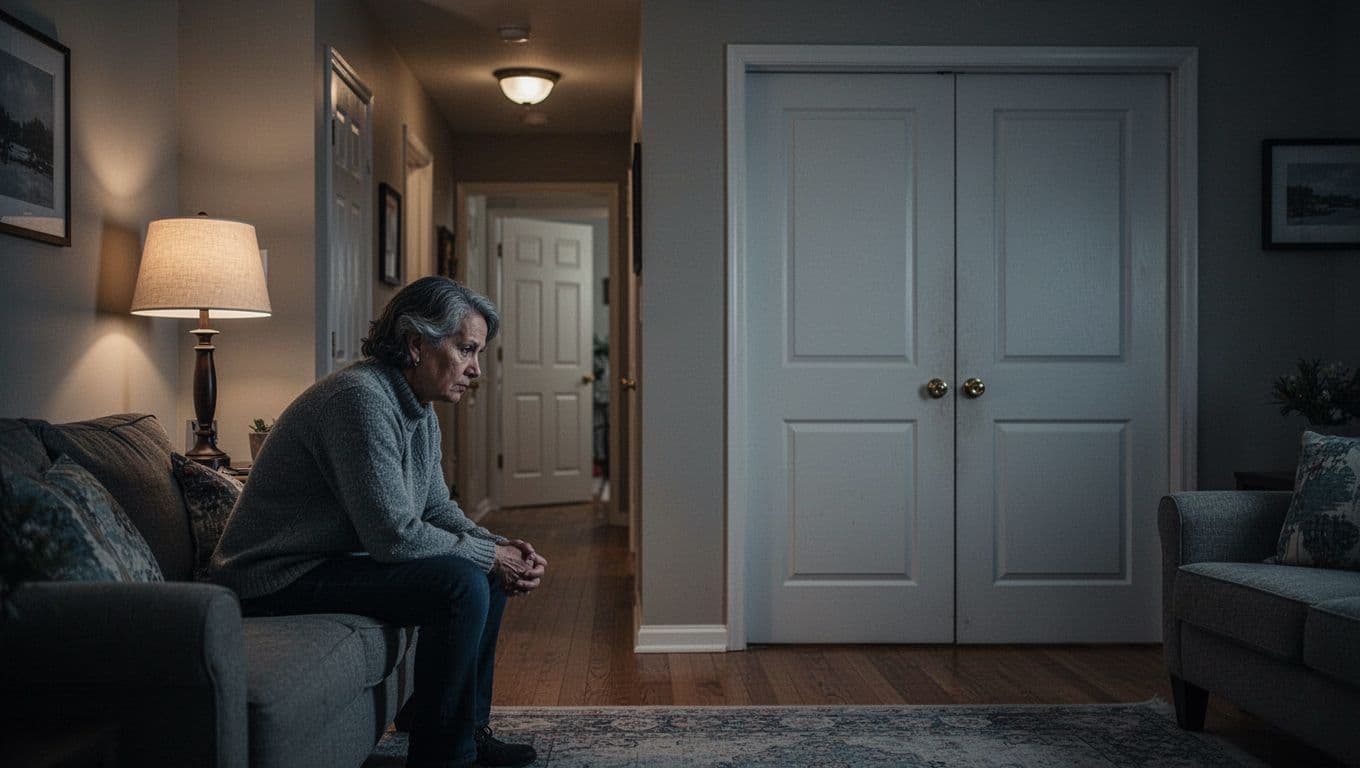
4. You are expected to manage that person’s moods. Family members may monitor their tone, anticipate their reactions, or rush to comfort them after ordinary frustration. A child who stays quiet so a parent won’t explode is carrying responsibility that belongs to the adult. Over time, this can create anxiety and constant alertness.
5. Privacy and personal limits are treated as disloyal. Reading messages, questioning private conversations, controlling friendships, or demanding access to money can be presented as proof of love. Setting a boundary may then be reframed as selfishness or ingratitude. Yet privacy, personal choices, and reasonable limits are normal parts of healthy relationships. A boundary is not an attack, and wanting one doesn’t make you disloyal. You can also review how narcissistic mothers use words to control when guilt and verbal pressure make ordinary limits feel unsafe.
Narcissistic Family Patterns That Divide and Confuse People
The next signs often create competition, confusion, and mistrust between relatives. Look for a repeated reward-and-punishment pattern, not one unequal decision or isolated argument.
Conditional Love and Favoritism Teach Children to Perform for Approval
6. Affection and praise depend on obedience, achievement, or loyalty. A parent may be warm and proud when you earn excellent grades, agree with their opinions, look successful, or defend the family’s reputation. After you disagree, make a mistake, or choose a different path, that approval can disappear through criticism, withdrawal, or silent treatment.
A child in this environment may learn to perform instead of developing a secure sense of self. They might hide problems, exaggerate achievements, or avoid honest opinions because love feels tied to results. As an adult, they may still chase approval and feel guilty whenever they disappoint someone.
7. One child or family member is favored while another is criticized or ignored. The favored child may receive more freedom, attention, money, or forgiveness. Meanwhile, another child gets blamed for tension, mocked during family conversations, or overlooked when they need support. These roles often resemble the golden child and the scapegoat, although they can change when someone stops protecting the family image.
Ordinary favoritism can happen without narcissism. Parents may connect differently with each child, or one child may need extra support during a difficult period. The concern is a long-term role system in which one person receives repeated rewards while another absorbs repeated punishment. Instead of feeling like teammates, siblings begin competing for safety and approval.
When affection depends on performance, children may compete for the parent’s approval instead of learning that family relationships can survive disagreement.
This pattern can also turn siblings against one another. The favored child may defend the parent to keep their position, while the criticized child may seem angry or distant after years of unequal treatment. Maternal favoritism and sibling rivalry can then become part of the family’s daily tension.
Gaslighting and Scapegoating Can Rewrite the Family Story
8. Blame is shifted, and the dominant person rarely takes responsibility. When they yell, break a promise, or insult someone, they may claim the reaction was caused by another person’s attitude. A parent might say, “I wouldn’t have screamed if you had listened,” then expect the child to apologize. Over time, everyone learns to discuss the target’s response instead of the original behavior.
9. Events are denied, rewritten, or distorted until others question their memory. Gaslighting is an ongoing effort to make someone doubt their memory, judgment, or emotional response. It is more than one lie or disagreement. For example, a parent may deny a conversation that several people heard, change the story after being challenged, or insist that hurtful words were only a joke.
Group pressure makes this worse. Relatives may repeat the same version of events, accuse you of being dramatic, or punish you for mentioning what happened. You may begin keeping notes, replaying conversations, or asking others to confirm ordinary memories. Family gaslighting and manipulation can leave you uncertain even when your recollection is clear.
10. One person becomes the scapegoat for family tension, mistakes, or bad moods. The scapegoat may get blamed when the dominant person is angry, a sibling misbehaves, or the household faces a problem. Family members might say, “Everything was fine until you came home,” even when the conflict started elsewhere.
Scapegoating protects the family story by giving everyone one person to fault. The targeted person may become anxious, defensive, isolated, or desperate to prove their innocence. Roles can shift, especially when someone challenges the dominant person’s image, but the pattern remains: honesty brings punishment, while protecting appearances brings acceptance.

The Hidden Signs of a Narcissistic Home Behind a Perfect Image
A narcissistic home may look successful, generous, religious, or close-knit from the outside. Inside, family members may hide conflict, monitor every word, and protect one person’s reputation at the expense of emotional safety. These final signs often reveal how image management and control work together.
When Family Image Matters More Than Anyone’s Well-Being
11. The family’s public image matters more than private emotional safety. A parent may insist that everyone smile for family photos, praise them in public, and appear united at gatherings. At home, that same person may insult relatives, create fear, or punish anyone who challenges them. When guests arrive, the family suddenly becomes cheerful and affectionate, as if the private behavior never happened.
12. Strict unspoken rules control what you can discuss outside the home. You may hear, “Don’t tell anyone our business,” or get warned not to mention arguments, financial problems, addiction, or mistreatment to teachers, relatives, counselors, or friends. A child might be told to say everything is fine, even after a frightening incident. Another family member may discourage therapy because counseling could expose the household’s secrets.
Privacy is healthy when it protects dignity and gives people room to handle personal matters. Enforced secrecy is different when it blocks support, hides abuse, or protects the person causing harm. The family image then becomes a locked door. The person who needs help feels isolated, while everyone else avoids the discomfort of telling the truth.

Walking on Eggshells Is a Sign the Home May Be Emotionally Unsafe
13. Anger, silent treatment, sudden mood changes, or intimidation control the household. One parent may explode over a small mistake, sulk for days, slam doors, damage property, or threaten to leave. Everyone then studies their tone and movements, hoping to prevent the next reaction. This constant alertness can make home feel less safe than the outside world.
14. Family members are pulled into arguments through triangulation, gossip, or pressure to take sides. For example, one parent may tell a child, “Go tell your mother I’m done speaking to her,” or recruit a sibling to explain why the other parent is supposedly selfish. Gossip creates competing stories, while taking sides earns approval or avoids punishment. Over time, relatives stop speaking directly and begin carrying messages for the person in control.
15. Money, housing, caregiving, access to children, or practical support is used as leverage. A parent may threaten to withdraw rent, take away housing, block contact with grandchildren, or withhold care unless you obey. A partner or caregiver might control bank accounts and make independence difficult. These behaviors can move beyond a difficult relationship into coercive control, which includes patterns of intimidation, isolation, monitoring, and financial restriction. Research describes coercive control as a pattern that limits a person’s freedom and choices (coercive control research).
Threats, stalking, physical aggression, forced isolation, property destruction, and financial control require safety planning and outside help, not a confrontation designed to win an argument. Consider speaking privately with a trusted person, therapist, advocate, or local service. If contact with a controlling parent remains necessary, protecting your peace from a narcissistic parent may require firm limits, private support, and a plan for what you will do if the behavior escalates.
How Growing Up in a Narcissistic Home Can Affect You
Growing up in a narcissistic home can shape how you understand yourself, relationships, and emotional safety. These effects don’t prove that a parent has Narcissistic Personality Disorder, and not everyone from a difficult home experiences them in the same way. The impact depends on the behavior, its duration, your age, available support, and what happens after you leave home.
Short-Term Effects of Narcissistic Family Patterns
Children often adapt to the emotional climate around them. If approval changes without warning, you may become watchful, anxious, and afraid of making mistakes. You might monitor a parent’s voice, footsteps, or facial expression before deciding whether it’s safe to speak.
Common short-term effects can include:
- Anxiety, sadness, irritability, or trouble concentrating.
- Shame after ordinary mistakes or emotional reactions.
- Low self-trust and uncertainty about your memories or judgment.
- Hypervigilance, especially around anger, criticism, or conflict.
- Difficulty identifying feelings because your emotions were dismissed.
- People-pleasing, secrecy, or constant efforts to keep others calm.
Emotional abuse and neglect are associated with later anxiety, depression, low self-esteem, and insecure attachment. Research on childhood emotional abuse and adult outcomes supports the importance of taking these patterns seriously without treating every symptom as proof of one specific family diagnosis.

How Golden-Child and Scapegoat Roles Shape Identity
Family roles can affect siblings in different ways. A golden child may receive praise, privileges, and protection, but approval often depends on achievement and loyalty. As an adult, they may feel responsible for maintaining the family’s image, defending a parent, or meeting impossible standards.
A scapegoated child may receive blame, criticism, or less emotional support. They might develop strong self-doubt, expect rejection, or assume they are responsible for every conflict. Siblings can then struggle to trust each other because one benefited from the family system while another was harmed by it.
These roles can change over time, and neither role determines someone’s personality. Still, both children may carry pressure into adulthood. One may overwork for approval, while the other avoids attention or expects relationships to become unsafe.
Long-Term Effects in Adult Children
Adult children may continue seeking approval long after they leave home. You might over-explain simple decisions, apologize before expressing a need, or feel guilty after saying no. Setting boundaries can feel cruel when you learned that other people’s comfort mattered more than your own.
Some adults become conflict-avoidant and suppress their feelings. Others react strongly because they never learned how to express anger safely. You may also feel responsible for other people’s emotions, even when their reactions belong to them.
Supportive relationships, therapy, and emotional-boundary skills can help you build self-trust. Healing doesn’t require reconciliation, continued contact, or access to family members who remain harmful. Learning the common patterns of adults raised by narcissistic parents can help you separate old survival habits from your present needs.
What to Do When You Recognize These Family Patterns
Recognizing a pattern can bring clarity, but it may also change how you approach family contact. Focus on observable behavior, such as insults, monitoring, threats, or financial pressure, rather than trying to prove a diagnosis. Keep difficult conversations brief and factual. You don’t have to convince someone who is committed to denying what happened.
Boundaries That Protect Your Time, Privacy, and Emotional Energy
A boundary states what you will do, not what another person must do. Keep it simple, repeat it without lengthy explanations, and follow through consistently.
- “I won’t continue this conversation while you’re insulting me.” If the insults continue, end the call or leave the room.
- “I’m not discussing my finances.” If the questions continue, change the subject or stop responding.
- “I’ll visit for one hour on Saturday.” When the time ends, leave, even if the person complains.
- “I won’t lend money or sign financial documents.” If pressure continues, decline the arrangement and discuss it with an independent adviser.
- “Please text me about scheduling.” If phone calls become hostile, communicate in writing or respond only when you feel prepared.
- “My children won’t be exposed to yelling.” If someone begins shouting around them, take the children and leave.
You can also limit childcare, private disclosures, shared accounts, and access to your home. The strategies for dealing with a narcissistic parent can help you plan limits around contact and emotional safety.
A boundary is still valid when someone reacts badly to it. Changing your role in an established family pattern often creates resistance.
If the person is threatening or volatile, avoid announcing a confrontation or demanding that they admit wrongdoing. Choose the safest communication method, involve a trusted person, and make plans privately.

When Safety Planning Matters More Than Reconciliation
Threats, stalking, physical violence, sexual abuse, property destruction, forced isolation, monitoring, and financial coercion are safety issues, not ordinary family conflict. Safety comes before exposing the person, demanding accountability, repairing the relationship, or announcing that you plan to leave.
If you’re in immediate danger, contact local emergency services or reach out to someone you trust. A local domestic violence or abuse support organization can help you create a plan suited to your situation. The National Domestic Violence Hotline’s safety planning tool also offers practical planning guidance.
When appropriate, prepare discreetly. Consider copies of identification and legal documents, medication, money, transportation, communication access, important phone numbers, and a safe place to go. If monitoring is possible, use a safer device and store records where the other person cannot access them.
Document recurring incidents involving housing, custody, finances, stalking, or personal safety, including dates, messages, witnesses, and property damage. Store documentation safely, because keeping evidence on a shared phone or visible account can increase risk. Build support outside the family through a trusted person, therapist, support group, advocate, or community resource.
Conclusion
A narcissistic home is defined by a repeated pattern of control, invalidation, unequal roles, manipulation, and fear. One difficult argument doesn’t prove narcissism, but ongoing criticism, gaslighting, favoritism, secrecy, or pressure to manage someone else’s moods can make home feel emotionally unsafe. Your feelings and memories deserve attention, even when relatives deny the problem or tell you that you’re overreacting.
Choose one manageable next step. Write down recurring incidents, speak with a trusted person, contact a qualified therapist, or create a safety plan if threats or intimidation are involved. You can also learn more about setting boundaries with a narcissistic parent when contact continues.
You don’t need a family member’s agreement to take your experiences seriously. You are allowed to protect your peace and safety.
Save the pin for later

- 60 Color Tattoos That Healed Beautifully - 25/09/2026
- 40 Most Painful Tattoo Spots - 24/09/2026
- 20 Tattoo Aftercare Mistakes That Ruin Fresh Ink - 23/09/2026

