Abuse is often accepted gradually, not because you’re weak, but because repeated manipulation can change what feels normal and safe. Love bombing may build trust first, then small boundary violations, gaslighting, blame, and isolation can make you question your memory and adjust your expectations to avoid conflict.
This article focuses on abusive patterns often linked with narcissistic traits, without diagnosing anyone or suggesting that every person with narcissistic personality disorder is abusive. You’ll see how intermittent reinforcement can create a trauma bond, why boundary erosion makes mistreatment easier to tolerate, and how recovery can begin through support, safety planning, and rebuilding trust in yourself. For more context, you can read about how narcissists use gaslighting and control.
If you’re in immediate danger, contact local emergency services or a domestic violence organization when it’s safe to do so; first, let’s look at how the conditioning begins.
Key Takeaways
- Narcissistic abuse often develops gradually through love bombing, small boundary violations, criticism, gaslighting, and increasing control.
- Repeated cycles of fear and affection can create a trauma bond, making harmful relationships feel difficult to leave.
- Abuse is a pattern of power and control, not a single argument. Coercive control guidance includes isolation, blame, monitoring, and intimidation.
- You are not responsible for someone else’s abusive behavior, and needing support does not mean you’re weak.
- Recovery can begin with trusted people, safety planning, professional help, and healthy boundaries after abuse.
How Narcissists Train You to Accept Abuse
Abuse can become acceptable through a repeated cycle: attachment comes first, harm appears in small or confusing ways, resistance brings punishment, and affection provides relief. Over time, you may change your behavior to avoid conflict, apologize for things you didn’t do, hide your feelings, or accept less than you once would.
“Training” doesn’t mean conscious learning or consent. It describes conditioning caused by repeated pressure, fear, uncertainty, and reward. The responsibility remains with the abusive person, especially when a power imbalance makes it harder for you to respond freely. Research on coercive control in intimate partner violence describes how emotional abuse, intimidation, and control can continue as part of a wider pattern.

Love bombing creates trust before the control begins
At first, a narcissistic partner may send constant messages, give thoughtful gifts, offer intense praise, and make fast promises about the future. They may pressure you to become exclusive, share private details, or prove your loyalty before trust has had time to develop.
Healthy affection respects your pace and boundaries. Love bombing often feels rushed or overwhelming, and the attention may come with demands for access, commitment, or obedience. One romantic gesture doesn’t prove abuse. Look for the pattern. When early praise later becomes a reason to tolerate criticism, you may keep comparing present mistreatment with the idealized relationship you remember.
Intermittent reinforcement keeps you waiting for the good version
The relationship may shift between warmth and cruelty. After insults, silence, rejection, or an explosive argument, the person may apologize, become affectionate, make promises, or offer a short period of calm. Because the kindness arrives unpredictably, you may work harder to earn it.
The cycle often moves through hope, anxiety, conflict, relief, and renewed hope. That uncertain reward can create a strong attachment, similar to waiting for a payoff that might come after one more attempt. However, occasional kindness doesn’t cancel abuse or prove lasting change. Lasting change requires consistent accountability, respect, and safer behavior over time.
Gaslighting weakens your trust in your own judgment
Gaslighting involves repeated denial, distorted retellings, blame shifting, or claims that you’re too sensitive, confused, or unstable. Gradually, you may question your memory, tone, feelings, and decisions instead of examining the other person’s conduct.
You might save messages to prove what happened, rehearse conversations before speaking, or ask others whether a normal reaction is valid. A disagreement alone isn’t gaslighting. The concern is a repeated pattern that makes you distrust yourself while the other person avoids responsibility. Recognizing that pattern can help you separate your genuine mistakes from blame imposed on you.
The Abuse Cycle Makes Harm Feel Normal Over Time
Abuse often moves through a repeating pattern, although real relationships rarely follow a neat or predictable order. A person may experience discomfort, protest, punishment, temporary relief, and renewed hope until avoiding the next outburst feels more important than asking whether the relationship is safe.
This pattern is part of coercive control, which the U.S. Department of Justice describes as behavior used to gain or maintain power and control. Over time, each stage can change what you expect, tolerate, and do to protect yourself.
Small boundary violations become larger demands
Early warning signs may look easy to dismiss. A partner mocks your limit, demands immediate replies, criticizes your friends, checks your phone, controls money, or treats privacy as proof that you are hiding something. When you object, they may call you selfish, jealous, dramatic, or disloyal.
Sometimes the person tests one boundary, apologizes, and behaves better for a short time. Later, they repeat the conduct, then push further because the earlier violation had no lasting consequence. You may begin sharing more than you want, canceling plans, explaining every decision, or accepting surveillance to keep the peace.
A boundary is not a rule that forces another person to behave. It is a decision about what you will do to protect yourself. For example, “I will end the conversation when you insult me” gives you an action you control. Constant compromise can slowly make you forget what you once considered acceptable.
For more examples, see this guide to setting boundaries with a narcissist.
Punishment teaches compliance and silence
When you say no, the response may include silent treatment, rage, threats, public embarrassment, guilt trips, withdrawal of affection, financial pressure, or retaliation. After enough punishment, you may stop raising concerns because peace feels safer than honesty. You might also stop asking for help, expressing needs, or challenging obvious unfairness.
Healthy space has a clear purpose and a respectful return to communication. Controlling silence leaves you anxious, confused, and responsible for repairing the relationship. The difference is not simply whether someone needs time alone. It is whether withdrawal protects emotional safety or pressures you to surrender.
Rescue and relief deepen the trauma bond
After causing distress, an abusive person may become the source of comfort. They might apologize, offer affection, make promises, provide temporary protection, or act like the caring partner you hoped to see. That relief can feel intense because it follows fear and uncertainty.
Trauma bonding is a powerful attachment formed through fear, dependence, unequal power, and intermittent reward. Feeling attached does not prove the relationship is healthy, and difficulty leaving does not mean you want the abuse. It means repeated harm and relief can shape your expectations until survival feels like success.
Why Leaving Narcissistic Abuse Can Feel So Difficult
Leaving can feel impossible when abuse has affected your emotions, finances, relationships, housing, and sense of judgment. The same cycle that trained you to tolerate mistreatment can make separation feel dangerous, confusing, or emotionally unbearable.

Your nervous system may confuse relief with love
Repeated fear followed by comfort can make relief feel unusually powerful. After criticism, threats, rage, or silent treatment, a kind message or calm evening may bring a sudden sense of safety. You may then focus on getting back to that brief feeling instead of judging the full pattern.
Stress can keep you alert to every change in the person’s mood. Reward and relief responses can also keep your attention fixed on the next apology, affectionate gesture, or promise to change. You may become focused on preventing the next outburst and earning another peaceful period.
Trauma responses can add to the confusion. Freezing, appeasing, emotional numbness, hypervigilance, and difficulty making decisions are understandable survival reactions. They are not proof that you’re weak, irrational, or choosing abuse. Feeling attached to someone who harms you also doesn’t mean you should stay.
Relief after mistreatment can feel like love because your body is responding to danger ending, not because the relationship has become safe.
Isolation and practical dependence reduce your choices
An abusive person may criticize your family, damage your reputation, monitor your messages, control transportation, restrict money, or make you feel ashamed of asking for help. Housing, shared parenting, immigration concerns, pets, and debt can create practical barriers. Threats may also make you fear what will happen if you leave.
After prolonged isolation, outside support can seem difficult to reach. You may doubt whether others will believe you, worry that they will judge your choices, or feel embarrassed that you stayed. Shared children can make contact unavoidable, while financial dependence can make moving out seem unrealistic.
Leaving can increase danger in some situations, so confrontation or a sudden announcement isn’t always the safest choice. Instead, consider private, individualized safety planning with a trusted person, therapist, advocate, or local domestic violence service. The National Domestic Violence Hotline’s safety plan can help you consider communication, housing, money, children, and technology risks.
When safe, you might also review planning a safe exit from narcissistic abuse without alerting the person monitoring you. Use a safer device or account if necessary, and remember that support can begin with one confidential conversation.
Signs You Are Being Trained to Accept Abuse
The clearest warning sign is a repeated pattern that changes how you behave. Instead of asking whether the other person is respectful, you start asking what will prevent their anger. Abuse may be emotional, verbal, sexual, financial, digital, or physical. Threats and coercive control also matter, even when no physical violence occurs.
You monitor their mood more than your own needs
You may walk on eggshells, study facial expressions, and listen for changes in their voice. A canceled plan, harmless disagreement, or delayed text can feel dangerous, so you change your schedule before they become angry. You apologize quickly, even when you haven’t done anything wrong, because keeping the other person calm feels like your responsibility.
Constant alertness can become so familiar that you stop noticing your own fear. You may call it being considerate, loyal, or good at avoiding conflict. However, a healthy relationship gives you room to have needs, privacy, friendships, and opinions.
Ask yourself:
- Can you disagree safely?
- Can you say no without punishment, threats, or withdrawal?
- Are you free to maintain relationships, privacy, and access to your money?
- Do you change normal choices mainly to prevent their reaction?
If your daily life revolves around managing someone else’s emotions, the pattern deserves serious attention.
You explain away harm and focus on brief apologies
Promises, gifts, tears, and a few peaceful days can make repeated abuse easier to dismiss. You may focus on their intentions, stress, childhood, or loving side instead of asking what keeps happening. An apology can bring relief, but relief doesn’t prove that the relationship has become safe.
Track the behavior over time when doing so won’t create risk. Note what happened before the apology, whether the person accepted responsibility, and how long the change lasted. Real repair includes accountability, changed behavior, respect for your boundaries, and no retaliation when you raise concerns.

Your world becomes smaller and your confidence fades
You may lose contact with friends, rely on the person for money or transportation, feel ashamed, or decide that nobody else would understand. Manipulation can also make you distrust your memory until you need their version of events to feel certain. These changes are common effects of isolation and control, not proof that you are the problem.
Compare what you accept now with what you once considered respectful. Private documentation may help you see the pattern, but only if it’s safe. A journal, screenshots, or saved messages can create danger if the person checks your devices, accounts, or location. Use a safer device or trusted person when possible. For more examples, see these signs of narcissistic supply abuse.
How to Rebuild Boundaries and Safety After Abuse
Rebuilding safety starts with recognizing the pattern and accepting that leaving or reducing contact may require preparation. You don’t need one perfect plan. Your next step should fit your risks, resources, housing, work, children, and support system.

Name the pattern and rebuild your sense of reality
When it’s safe, write down facts, dates, exact words, injuries, financial harm, threats, or messages. Store records somewhere the abusive person can’t access, such as a trusted person’s device or a private paper file outside the home. Documentation can help you notice patterns, but it should never increase your risk.
Reality checks with a trusted person, qualified therapist, or advocate can help you separate observable facts from accusations you absorbed. The goal isn’t to win an argument with the abuser. It’s to reconnect with your values, needs, memory, and right to make choices.
Start small. Name one need, practice a simple statement such as “I won’t continue this conversation while you’re insulting me,” and notice whether guilt appears afterward. Guilt after a reasonable boundary doesn’t mean the boundary was wrong. These journaling exercises to rebuild self-trust may help you identify what feels safe and acceptable again.
Make a safety plan before reducing contact
Before announcing a breakup, moving out, or limiting communication, consider where you could go and whom you could contact. Gather important documents, medication, money, transportation options, pet-care plans, and essential phone numbers. Keep passwords private, use unique passwords when possible, and review account recovery settings.
If the person monitors your phone, computer, email, location, or accounts, use a safer device for sensitive planning. Private browsing doesn’t erase every form of monitoring, so ask an advocate for technology-safety guidance. The National Network to End Domestic Violence Safety Net Project offers resources for technology misuse, privacy, and documentation.
Don’t announce plans if that could increase danger. A local domestic violence advocate can help you create an individualized plan, even when the abuse has been emotional, financial, or digital. In the United States, the National Domestic Violence Hotline offers confidential support and safety-planning resources.
Set boundaries based on actions, not promises
A boundary works best when it describes an action you control. You might end a call when insults begin, use written communication for shared parenting, refuse to discuss private matters, or leave a place where threats occur.
Keep your message brief and consistent. Long explanations often create more material for arguments, blame, or manipulation. No contact may not be possible when you share children, work, housing, or legal obligations. In those cases, low contact, written communication, limited topics, and structured exchanges may reduce exposure. This guide to setting boundaries with a controlling partner offers examples of communication limits.
Retaliation after a boundary is important information. If threats, stalking, property damage, or intimidation appear, seek local expert guidance before taking further steps.
Healing means learning that calm does not have to be earned
Recovery may include trauma-informed therapy, supportive relationships, rest, stable routines, financial rebuilding, and time spent with interests you set aside. Grief, guilt, doubt, and cravings for contact can occur after leaving. They don’t prove that returning is right.
Notice small signs of self-trust, such as making a decision without asking permission or resting without defending it. Forgiveness isn’t required for healing, and reconciliation isn’t required to prove growth. Your safety and peace can remain valid even when someone else refuses to understand them.
Conclusion
Narcissistic abuse is often accepted through gradual conditioning, not free choice. Intense affection creates attachment, intermittent rewards keep hope alive, gaslighting damages self-trust, and punishment makes compliance feel safer than speaking up. Over time, you may adapt to mistreatment without realizing how much your expectations and choices have changed.
Kindness after harm doesn’t erase the harm, and difficulty leaving is a normal response to an abnormal situation. Rebuilding trust in yourself can begin with recognizing the pattern, reconnecting with safe support, and taking back control from narcissistic abuse. You deserve safety, respect, privacy, and freedom to make your own choices.
If you’re facing immediate danger, contact local emergency services or a domestic violence advocate when it’s safe to do so. Avoid confronting the abusive person if that could increase your risk. Your struggle to leave does not make you responsible for the abuse, and support is available.
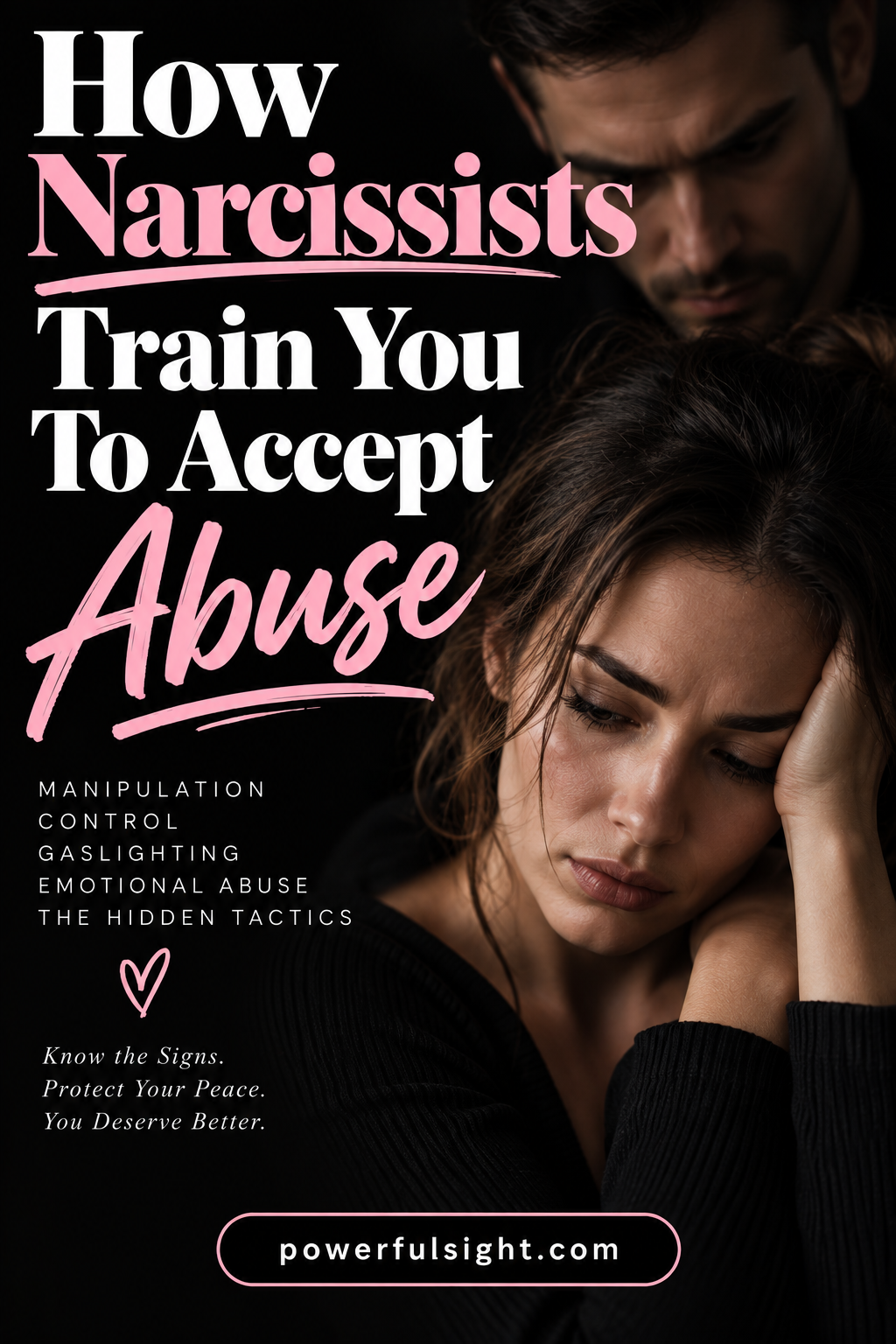
Save the pin for later

- 60 Color Tattoos That Healed Beautifully - 25/09/2026
- 40 Most Painful Tattoo Spots - 24/09/2026
- 20 Tattoo Aftercare Mistakes That Ruin Fresh Ink - 23/09/2026

