Marriage can wear you down even when the house is quiet and the fighting is rare. Sometimes emotional exhaustion shows up as distance, low patience, or the sense that every small conversation costs too much.
If you’ve been feeling drained, stuck, or disconnected, you’re not alone. These signs can point to a deeper strain in the relationship, and they matter because they often grow stronger when they’re ignored. If communication feels strained too, these practical ways to communicate better with your spouse can help you start in the right place.
The good news is that clear signs can tell you when something is off, and the next step doesn’t have to be guesswork. Keep reading for the warning signs to watch for, why they matter, and what you can do next.
What emotional exhaustion in marriage really feels like
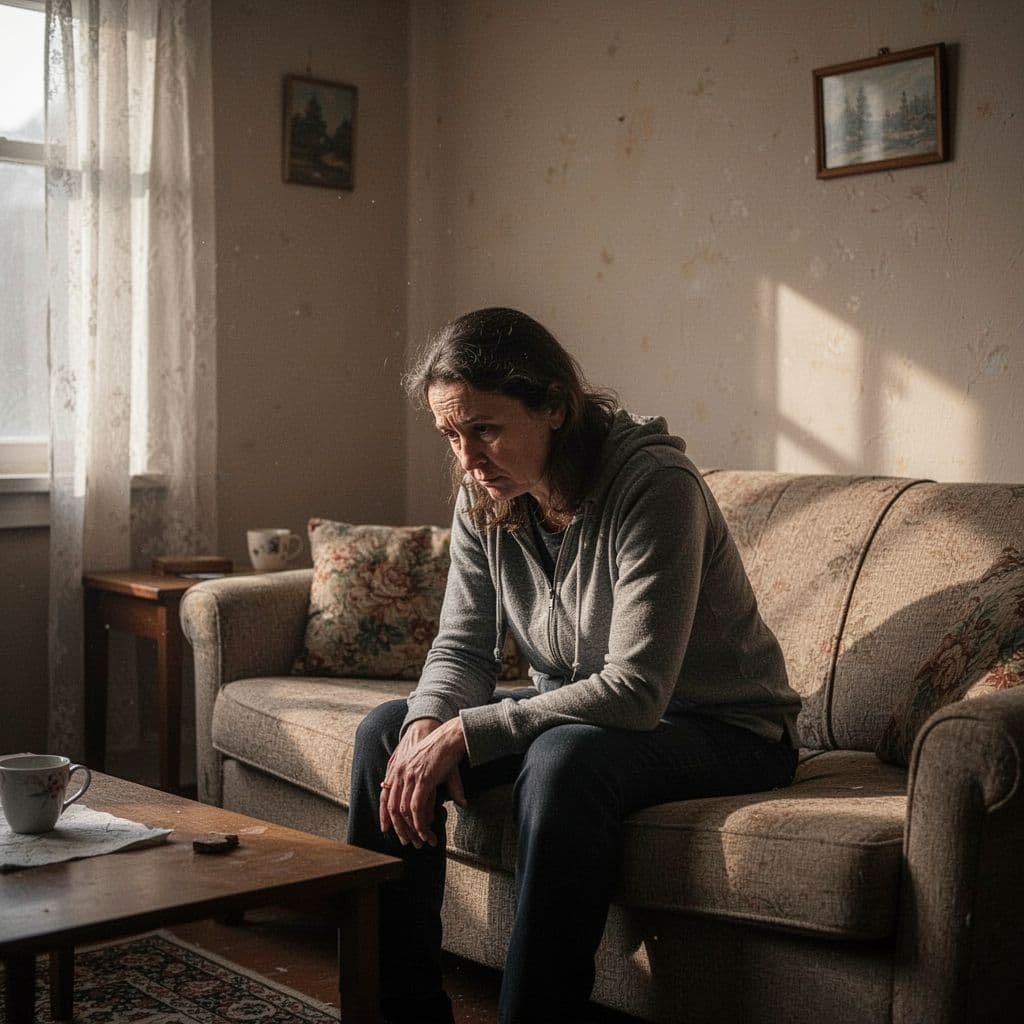
Emotional exhaustion in marriage feels heavier than a rough week or a tense argument. The tiredness stays put, even after rest, after apologies, and after the problem seems solved. You may still function well on the outside, but inside, the relationship starts to feel like one more thing you have to carry.
That difference matters. Normal stress comes and goes, while emotional burnout builds slowly and makes even small moments feel like effort. A simple check-in can feel loaded. A normal conflict can leave you drained for hours, but emotional exhaustion can leave you drained for days, with little sense of relief.
When that happens, the problem is usually not one bad fight. It is the constant weight of feeling disconnected, on edge, or worn down by the same patterns. If the home feels peaceful but your nervous system still feels stuck in tension, that is a clue something deeper is going on.
How it is different from ordinary stress
Ordinary marital stress usually has a clear trigger. Maybe money is tight, the kids are demanding, or work has been brutal for a few weeks. Even so, the stress eases when the pressure drops, and you still feel some relief after a good talk or a quiet night.
Emotional exhaustion is different because recovery takes longer. One hard conversation does not just leave you frustrated, it leaves you emptied out. You may notice that every talk feels heavy, every request feels bigger than it should, and even after conflict ends, your body and mind do not settle.
That lingering strain is one of the clearest signs. In a healthy rough patch, you can usually name the problem and see a path through it. With exhaustion, the entire marriage starts to feel like effort, and rest no longer brings real relief. For a closer look at relationship burnout, this overview of burnout signs in marriage breaks down how it differs from temporary stress.
Why it can be hard to spot at first
Many people miss emotional exhaustion because they get used to discomfort. If you have been holding things together for a long time, tension can start to feel normal. You stop asking whether the marriage feels healthy and start asking how to get through another day.
Self-blame can make it harder to see, too. You may tell yourself you are too sensitive, too needy, or not trying hard enough. When that happens, the problem gets turned inward, and the real pattern stays hidden.
It also helps to remember that burnout builds slowly. You often notice it only after you are already worn down, because the shift happens in small pieces, not one big moment. That is why emotional exhaustion is so easy to ignore and so important to name.
Clear signs your marriage is draining you emotionally
Emotional strain in a marriage often shows up in ordinary moments first. You may still be living the same life on paper, but the connection feels thin, tense, or one-sided. Over time, that kind of pressure can leave you worn out in ways that rest alone won’t fix.
The signs below are easy to miss because they can look like stress, bad timing, or a rough patch. Still, when several of them show up together, they point to a relationship that is taking more from you than it gives back.
You feel tired after even small conversations
A healthy conversation should leave you clearer, not drained. When you feel mentally wiped out after simple talks with your spouse, that is a sign your body is bracing for stress, even in low-stakes moments.
You might dread a text message before you even open it. You may need time alone after a short exchange just to feel normal again. Sometimes the worst part is that you feel worse after contact, not calmer. That often happens when every conversation feels like work, a test, or a chance for tension to flare.
This kind of exhaustion can make you start avoiding your spouse without meaning to. You answer less, say less, and keep things brief because your energy is already gone. If that sounds familiar, the problem is not the length of the conversation. It is the emotional cost behind it.
You feel lonely even when you are together
Loneliness in marriage can feel sharper than being alone. You share a home, a bed, a schedule, and maybe even kids, yet you still feel unseen. The space may be full, but the connection is missing.
This often looks like talking about logistics only. Bills, groceries, pickup times, and chores keep the house running, but they don’t build closeness. One partner may be present in the room and absent in the relationship.
That gap hurts because it creates constant contact without real comfort. You are together, but you don’t feel known. Over time, that can feel more painful than physical distance because it reminds you what is missing every single day.
If emotional distance has become the norm, signs of emotional abandonment in marriage can help you spot the pattern more clearly.

Silence can hide loneliness well. A full house does not always mean a connected one.
You stop speaking up because it never feels safe
When speaking honestly leads to conflict, dismissal, or shutdown, many people stop trying. At first, you may rehearse conversations in your head for hours. Later, you may avoid the conversation entirely because it feels too risky.
That silence can look peaceful from the outside. The arguments get smaller, the tension sounds lower, and the house may seem calmer. Inside, though, one person has usually given up on being heard.
This pattern is especially damaging because your needs don’t disappear just because you stop naming them. They turn into resentment, distance, and emotional fatigue. If you find yourself editing every thought before you speak, your marriage may no longer feel safe enough for honesty.
You carry most of the effort and emotional work
Uneven effort is one of the clearest signs of emotional drain. You plan the appointments, remember the details, check in first, and repair the damage after conflict. You may also be the one apologizing first, even when the issue is shared.
That kind of imbalance gets heavy fast. It can start to feel like you are the only adult in the room, the only one keeping the relationship alive, and the only one thinking about what happens next.
Resentment grows when responsibility is lopsided. You begin to notice how often you are carrying the load alone, and each new request feels bigger because you are already tired. In a strong marriage, both people help move things forward. When that stops happening, the relationship starts to feel like unpaid labor.
It can help to compare your experience with common patterns of burnout, like the ones described in relationship burnout. When effort is constantly one-sided, the drain usually shows up in both mood and motivation.
You feel numb, on edge, or unlike yourself
Emotional exhaustion does not always look like tears. Sometimes it looks like irritability, flatness, or a shorter fuse than usual. You may snap over small things, then feel bad because your reaction seemed bigger than the moment.
Other times, you shut down instead. You stop reacting much at all because your mind is tired of bracing. That numbness can feel strange, almost like you are watching your own life from the outside.
Over time, constant tension can shrink your sense of self. You become quieter, less patient, or less open than you used to be. You may stop feeling like your usual self because so much of your energy goes into getting through the day.
These changes matter because they affect more than your marriage. They can spill into your sleep, focus, and mood. Emotional strain in a relationship often shows up as stress in the body too, which makes recovery even harder.
You start avoiding home, time together, or important topics
When marriage feels draining, avoidance becomes a habit. You stay late at work, scroll your phone longer, pick up extra errands, or make excuses to be busy. The goal is simple, even if you don’t say it out loud, you want a break from the emotional weight.
Avoidance can also show up in how you handle serious issues. You put off money talks, family decisions, or questions about the future because you already know how tense the conversation may feel. Each delay buys short-term relief, but it also lets the distance grow.
At some point, the avoidance itself becomes a warning sign. If home no longer feels like a place to recharge, and your spouse no longer feels like a source of comfort, your marriage may be draining you more than you realize.
You no longer feel hopeful after conflict
In a healthy marriage, conflict can be hard, but it still leads somewhere. You argue, repair, and feel a little more understood afterward. When emotional exhaustion takes over, conflict leaves only dread.
You may notice that even a small disagreement makes you think the relationship is falling apart. Or you may stop believing anything will change, so you don’t bother trying to fix what hurts. That kind of hopelessness is a heavy sign, because it means the marriage no longer feels like a place where repair is possible.
This is where emotional drain turns into something harder to ignore. When you can’t picture relief, and every round of conflict feels like another bruise, the problem is bigger than one bad week. It means the relationship needs attention, not more silence.
The clearest signs are often the simplest ones: you feel tired, lonely, unheard, overburdened, and unlike yourself. When those feelings keep showing up, they are telling you something important about the health of the marriage.
What these patterns can do to your well-being
When a marriage feels emotionally exhausting, the strain rarely stays inside the relationship. It follows you into your sleep, your work, your focus, and the way you see yourself. Over time, the constant pressure can make home feel less like a place to rest and more like a place to brace.
That kind of stress adds up. You may still get through the day, but only by running on fumes. If the marriage is also wearing down your mental health, these warning signs of a draining marriage can help you see the pattern more clearly.

How exhaustion can affect your mood and confidence
Emotional exhaustion often shows up as anxiety, sadness, irritability, and mental fog. Small problems feel bigger than they are, and you may react faster because your patience is already gone. The tension can spill into work, parenting, and friendships, so even ordinary tasks start to feel heavier.
It can also change how you carry yourself. You may second-guess your choices, hold back your opinions, or feel less steady in social settings. In other words, the stress at home does not stay at home, it shapes how you move through the rest of your life.
When home feels tense, your nervous system often stays tense too. That makes recovery harder, even on quiet days.
Why self-doubt often grows in these relationships
Self-doubt grows fast when your feelings are blamed, brushed off, or turned into the problem. After enough dismissal, you may start wondering if you are too sensitive, too emotional, or asking for too much. Repeated conflict can do the same thing, because it trains you to question your own memory and judgment.
That slow erosion matters. A marriage should not make you feel smaller every week, but an emotionally draining one often does. If you want a clearer sense of the warning signs, early red flags for marital stress can help you compare your experience with common patterns.
What to do if these signs feel familiar
If several of these signs sound like your daily life, treat that as information, not failure. Emotional exhaustion does not always mean the marriage is over, but it does mean something needs attention before the strain gets heavier.
The next step is not to fix everything in one talk. Start small, stay honest, and protect your energy while you sort out what is really happening.
Name what is happening without minimizing it
Say the truth plainly to yourself first. If you feel drained, numb, or uneasy most days, that matters even if the marriage is not abusive or dramatic.
Many people talk themselves out of their own experience. They say, “It is just stress,” or “Other couples have it worse.” That kind of thinking can keep you stuck far longer than the problem deserves.
A clearer sentence helps: “This relationship is wearing me down.” You do not need a perfect label before you take the feeling seriously.
If your body feels tense before you even speak, the strain is already real.
Look for patterns, not just bad days
One rough week does not tell the whole story. Patterns do. Pay attention to when the exhaustion shows up, what sets it off, and how often it returns.
You might notice it gets worse after certain topics, certain tones, or certain routines. You may also see that the same argument keeps coming back in a different form. That kind of pattern is more useful than replaying one bad night in your head.
A simple note on your phone can help:
- What happened before I felt drained?
- How did I react?
- Did this feel familiar?
After a few days, the shape of the problem often gets clearer. That makes it easier to tell whether you are dealing with a temporary strain or a deeper pattern that needs help. For a practical first step, tips for when you and your husband stop talking can help if silence has become part of the cycle.
Decide whether support or change is needed
If it feels safe, have a calm conversation with your spouse. Keep it direct and simple: “I feel worn down, and I want us to talk about it.” Use “I” statements, stay with one issue at a time, and avoid trying to solve everything at once.
It can also help to talk with a trusted friend, counselor, or therapist before you speak up. An outside voice can help you sort out what you feel and what you need next. Some marriages need better communication and clearer habits. Others need outside help because the issues go deeper than a single talk can fix.
Start with one small step this week, not a full plan for the whole future. A calm check-in, a written note, or one session with a therapist can give you more clarity than weeks of guessing. If the silence has already grown heavy, how to break the silence in your marriage offers a useful place to begin.
Conclusion
Emotional exhaustion in marriage often shows up in plain, painful ways. You may feel tired after small talks, lonely in the same room, silent when you want to speak, resentful from carrying too much, or numb when you should feel connected.
Those signs are easy to dismiss when life is busy. Still, noticing them is not overreacting, it is the first step toward clarity. It gives you a clearer view of what the relationship is doing to your heart and your energy.
If this feels familiar, start with the next right step. Name what you are feeling, pay attention to the pattern, and choose one honest conversation or one source of support. Hope often starts there, with a clear look at what is real and a small move toward change.
Save pin for later

- 60 Color Tattoos That Healed Beautifully - 25/09/2026
- 40 Most Painful Tattoo Spots - 24/09/2026
- 20 Tattoo Aftercare Mistakes That Ruin Fresh Ink - 23/09/2026

