You stare at your phone, heart pounding with every notification, yet days without their reply leave you hollow inside.
That’s emotional attachment at work, a deep bond that feels like love but turns painful when it’s one-sided or codependent. About 40% of adults carry insecure attachment styles from past experiences, making them prone to these unhealthy ties that drain your energy and self-worth.
In this post, we’ll uncover 8 signs you’re emotionally attached to the wrong person so you can spot the red flags early. Recognizing them is your first step toward real, healthy love. Let’s dive into sign one.
Check out this Psych2Go video on attachment signs for a quick visual take.
What Separates Healthy Attachment from a Toxic One?
Healthy emotional attachment feels like sinking into a comfy chair. You trust your partner completely. Each of you supports the other while keeping your own lives intact. Independence thrives alongside closeness. Personal growth happens naturally because space exists for it. According to attachment theory, this secure style comes from consistent care in childhood. Adults with it handle conflicts calmly and feel worthy of love.
Toxic attachment, on the other hand, acts like a prickly chair that scratches every time you shift. Unhealthy emotional attachment signs include constant anxiety, control attempts, and a slow loss of self. Insecure styles, like anxious or avoidant, often stem from childhood neglect or inconsistency. Anxious types fear abandonment and cling hard. Avoidant ones pull away from intimacy. You might panic without them nearby, unlike secure bonds where alone time recharges you.
Why do we latch onto the wrong person? Familiar pain from past hurts draws us in. Low self-worth whispers that this chaos equals love. Does this sound like your relationship? Ignoring it leads to burnout: exhaustion, resentment, and crumbling health.
Here’s a quick comparison based on psychology insights:
| Aspect | Healthy Attachment | Toxic Attachment |
|---|---|---|
| Trust & Security | High trust; secure alone or together | Constant doubt, jealousy, fear |
| Independence | Strong sense of self; okay apart | Lose yourself; can’t function alone |
| Emotions | Balanced, regulated well | Erratic, overwhelming, hard to manage |
| Conflict | Handle calmly, resilient | Explosive, avoidant, or controlling |
| Impact on You | Boosts confidence, happiness | Causes anxiety, low self-worth, harm |

For more on attachment styles and their impact, check Cleveland Clinic’s guide. See how insecure patterns show up in relationships.
Jealousy and Distrust Color Every Interaction
Constant suspicion poisons the air between you. You question every text they receive. Track their location without shame. This erodes trust fast. It’s not love. Fear drives the control instead.
Picture freaking out over a late reply. Your mind spins worst-case stories. Stomach knots tighten. Heart races. These are physical stress signals. They worsen over time, leading to arguments from nothing.
This ties to anxious attachment style. Childhood inconsistency taught you love feels unreliable. So you grip tighter. Healthy bonds don’t need surveillance. Partners share freely because trust exists.
Does jealousy spike at innocent chats with friends? That’s a red flag. It drains energy and builds walls. Break the cycle by noticing patterns early. True connection breathes easy.
Needing Endless Texts and Calls to Feel Okay
You obsess over replies. Pause your day waiting for that ping. Life halts until they respond. Healthy couples check in casually. They don’t depend on it for calm.
Anger boils if work keeps them busy. You feel ignored, worthless. This validation-seeking stems from deep insecurity. Anxious attachment makes silence scream abandonment.
Consider refreshing their chat every five minutes. Plans crumble because you’re glued to the phone. Meanwhile, they pull away from the pressure. The cycle spins: more need, less response.
Real love respects boundaries. You function fine apart. Ask yourself, can you enjoy a solo coffee without checking in? If not, rethink the dynamic. Balance returns peace.
Your Needs Fade While Theirs Take Center Stage
You drop friends to soothe their moods. Hobbies gather dust. Resentment simmers quietly at first. Then it boils over. Unbalanced giving exhausts you completely.
Skip the gym again because they’re upset. Your goals vanish in their shadow. This one-sided dynamic screams codependency. Healthy attachments lift both people up.
Over time, bitterness grows. You feel empty, used. Childhood patterns, like pleasing unreliable caregivers, repeat here. Low self-worth lets it happen.
Spot it when your calendar fills with their crises only. Reclaim time. Say no sometimes. A partner who cares celebrates your needs too. Check long term effects of staying in toxic relationships to see the health toll.
Your World Shrinks to Just Them
Interests fade. Alone time terrifies you. Personal goals? Forgotten. Friends drift because conversations circle them endlessly. Codependency takes hold.
You avoid solitude, fearing the quiet reveals your doubts. Secure people recharge solo. They pursue dreams regardless. Toxic ties enmesh you, blurring lines.
Example: weekends once meant hiking with pals. Now, you wait at home, anxious. Isolation breeds more reliance. Burnout follows as your identity erodes.
Why stay? Past hurts make this familiar. Like attracting emotionally unavailable partners, it feels normal. Expand your world. Rediscover you. Healthy love expands horizons, not shrinks them.
Deeper Emotions Revealing It’s the Wrong Person
You’ve noticed the behaviors that drain you, like constant jealousy or shrinking your world. Now pay attention to the emotions bubbling underneath. These deeper feelings confirm the attachment went wrong. They hit your gut hard and signal toxicity. Your body knows before your mind admits it.
Anxiety floods in when they step away. Rage erupts over tiny issues. You chase their “potential” instead of facing facts. Loved ones see the mess clearly. These aren’t quirks. They stem from enmeshment, where boundaries blur and dependency rules. Psychologist Dr. Konstantin Lukin points out frustration cycles in unhealthy emotional attachments. Small boundary crosses spark big anger. This isn’t passion. It’s instability that erodes you over time.
Gut instincts scream “wrong fit,” yet you ignore them. Why? Attachment bonds mimic addiction. Oxytocin and dopamine keep you hooked, as therapists like Dr. Carla Manly explain. You confuse pain for proof of love. These emotions build on behaviors you’ve seen. They trap you in pursue-withdraw loops, per attachment research. Alone time panics you because your sense of self faded. Fights feel personal because expectations rule. Fantasy blinds you to red flags. Outsiders spot what love goggles hide.
Listen to that inner voice. It protects you. Spot these signs, and you reclaim peace. Healthy bonds bring calm, not chaos. Let’s break down each one.
Anxiety Hits Hard When You’re Apart
Separation triggers emptiness and panic. You can’t enjoy solo time because they define your calm. This is enmeshment. Your emotions tangle so tight that apart feels like loss.
Picture a quick store run. Heart races. Mind spins disaster stories. You rush back, phone in hand, just to check in. Life pauses without their voice. Healthy partners recharge alone. You don’t.
This stems from anxious attachment. Past inconsistencies taught you love vanishes. Now silence equals abandonment. Dr. Alexandra Solomon calls it attachment hunger. It overrides joy in simple moments, like a walk or coffee alone. Your body reacts: tight chest, shallow breaths. These signals drain health long-term.
Break it by scheduling solo time. Notice the panic. Question it. Does peace return when together? Or does tension linger? True fit lets you breathe easy apart.
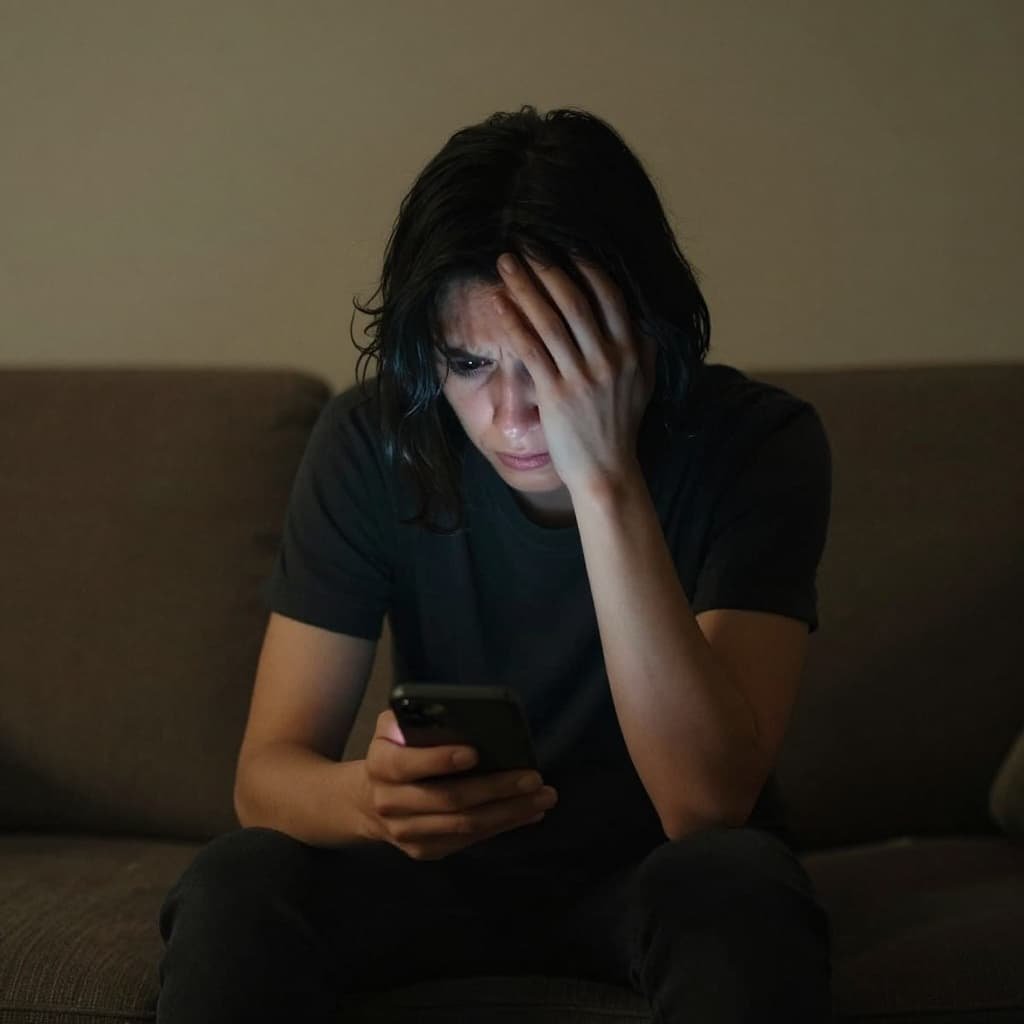
Small Slights Spark Huge Fights
Tiny misses explode into blowouts. A forgotten plan ignites rage. Emotional dependency fuels this volatility. Unmet expectations turn molehills into mountains.
They bail on coffee. You yell about betrayal. Tears follow. It’s not the plan. It’s fear they don’t care. Dr. Lukin notes this anger signals crossed boundaries in toxic ties. Patterns repeat: slight, overreaction, distance. Passion? No. Instability yes.
Healthy couples shrug it off. They talk calmly. You react because your worth ties to them. Childhood letdowns wired this response. Fights escalate fast, leaving exhaustion.
Spot the pattern next time. Pause before yelling. Ask what hurts underneath. If small stuff always blows up, it’s a mismatch. Calm connections build you up.
You Cling to Their Potential, Not Reality
You excuse flaws with “if only they changed.” Inconsistency? “They’re stressed.” Lies? “They’ll grow.” Fantasy trumps facts.
Red flags wave: late nights unexplained, promises broken. You ignore them, chasing the “perfect” version. This idealization keeps the bond alive. Intermittent affection rewards hope, like a slot machine.
Reality bites back. They stay the same. You waste energy on what-ifs. Secure love accepts people as is, flaws and strengths. Dr. Manly warns this sunk-cost thinking traps you.
List facts versus dreams. What do they do, not say? If potential rules, step back. Real bonds match now, not someday.
Your Loved Ones Warn You Constantly
Friends say, “He’s not good for you.” Family urges distance. You defend fiercely. They see toxicity you miss.
Outside eyes catch patterns blind to you. Constant fights, your drained glow. Love clouds judgment. Defensiveness kicks in because criticism threatens the bond.
Their warnings save heartache. Listen without argument. Patterns like behaviors from narcissistic mothering repeat in partners. Outsiders spot the cycle.
Ask why they worry. Journal their words. If everyone agrees it’s off, trust them. Healthy ties earn approval. Yours doesn’t. Gut plus their view equals truth.
Steps to Detach and Attract the Right Partner
You see the signs now. Anxiety, fights, ignored warnings. Time to break free from wrong attachment and open space for someone who fits. These steps guide you. They rebuild your strength so healthy love finds you. Start small. Consistency wins.
First, reflect honestly. Grab a journal. List the patterns: constant checking, rage over texts, defending them to friends. Write what you deserve instead. This clarity cuts the emotional cords. You gain power when facts replace feelings.

Next, set boundaries. Tell them no more daily check-ins if it drains you. Block time for yourself. Practice saying, “I need space tonight.” Boundaries protect your peace. They also reveal if the tie truly serves you. Healthy partners respect this.
Seek therapy, especially CBT. It rewires anxious thoughts fast. You challenge fears like “They’ll leave without my texts.” Homework builds proof: wait a day, see nothing crumbles. Studies show progress in weeks. Therapists offer tools for secure bonds. See these 10 tips to heal attachment styles for more.
Build self-love daily. Pick up hobbies you dropped: paint, run, read. Reconnect with friends over coffee. Laughter refills your tank. Try self-care tips like setting boundaries to avoid burnout. You attract equals when you value yourself first.
Watch for Red Flags Early
Carry a mental checklist next time. Does anxiety spike right away? Do they dismiss your needs? Small slights blow up? Bail if yes. You spot mismatches quicker now.
Quick Stories of Real Change
Sarah journaled her jealousy patterns. Set a no-text-after-8 rule. Therapy helped. Months later, she met a guy who matched her calm. Mike rebuilt through hikes and pals. He ignored potential-chasers. Now thrives in balance.
You can too. Heal, choose better. Real love waits when you’re ready. Take one step today.
Conclusion
You spot jealousy in every text, endless phone checks, and needs that fade away. Anxiety hits when apart, small slights spark fights, and you chase potential over reality. Loved ones warn you, yet your world shrinks to them alone. These 8 signs you’re emotionally attached to the wrong person drain your peace.
Awareness changes everything. You break the cycle with reflection, boundaries, and self-care. Steps like journaling patterns and seeking therapy rebuild your strength. Change starts now because you deserve calm bonds.
Reflect on your relationship today. Share one sign you recognize in the comments below. Seek help if it fits; real love waits when you’re ready.
Save pin for later

- 60 Color Tattoos That Healed Beautifully - 25/09/2026
- 40 Most Painful Tattoo Spots - 24/09/2026
- 20 Tattoo Aftercare Mistakes That Ruin Fresh Ink - 23/09/2026

