Small food choices can change how you feel by midafternoon, how well your heart works, and how easily you age. You do not need a perfect diet to get there. You need a few foods that show up often enough to do real work.
Doctors keep recommending the same staples because they are simple, affordable, and backed by a long trail of nutrition research. The list below focuses on everyday foods, not pricey powders or trendy snacks. If you already eat some of them, great. If not, you can start with one this week and build from there.
Why these foods keep showing up in doctor advice
The foods doctors recommend most often usually do several jobs at once. Fiber helps digestion and can keep blood sugar steadier. Protein helps you stay full and supports muscle. Healthy fats help the heart and brain. Vitamins, minerals, and antioxidants handle the small repairs that add up over time.
Many of these foods also fit the Mediterranean-style way of eating, which still ranks near the top of healthy eating patterns in 2026. That pattern is not strict or trendy. It is built around plants, fish, beans, nuts, olive oil, and whole grains, which makes it easy to repeat day after day. For a clear look at the same core idea, Harvard Health has a helpful heart-healthy diet guide.
What makes a food worth eating more often
A good everyday food is nutrient-dense, filling, and easy to use in real meals. It gives you more than empty calories. It also fits breakfast, lunch, or dinner without turning your week upside down. Foods that help lower the risk of common problems, like high blood pressure or constipation, deserve a regular place on your plate.
Why doctors like foods instead of supplements
Whole foods usually give you the full package, not one isolated nutrient. Salmon brings omega-3 fats and protein together. Ground flaxseed adds fiber with plant omega-3s. Pills can help in some cases, but food gives your body a mix it can use in more than one way. That is why doctors keep pointing back to meals, not bottles.
The foods doctors want you to add to your week
You do not need to eat all of these every day. Start with the ones you already like, then add the rest over time. The goal is a pattern that feels normal, not a plan that lasts three days.
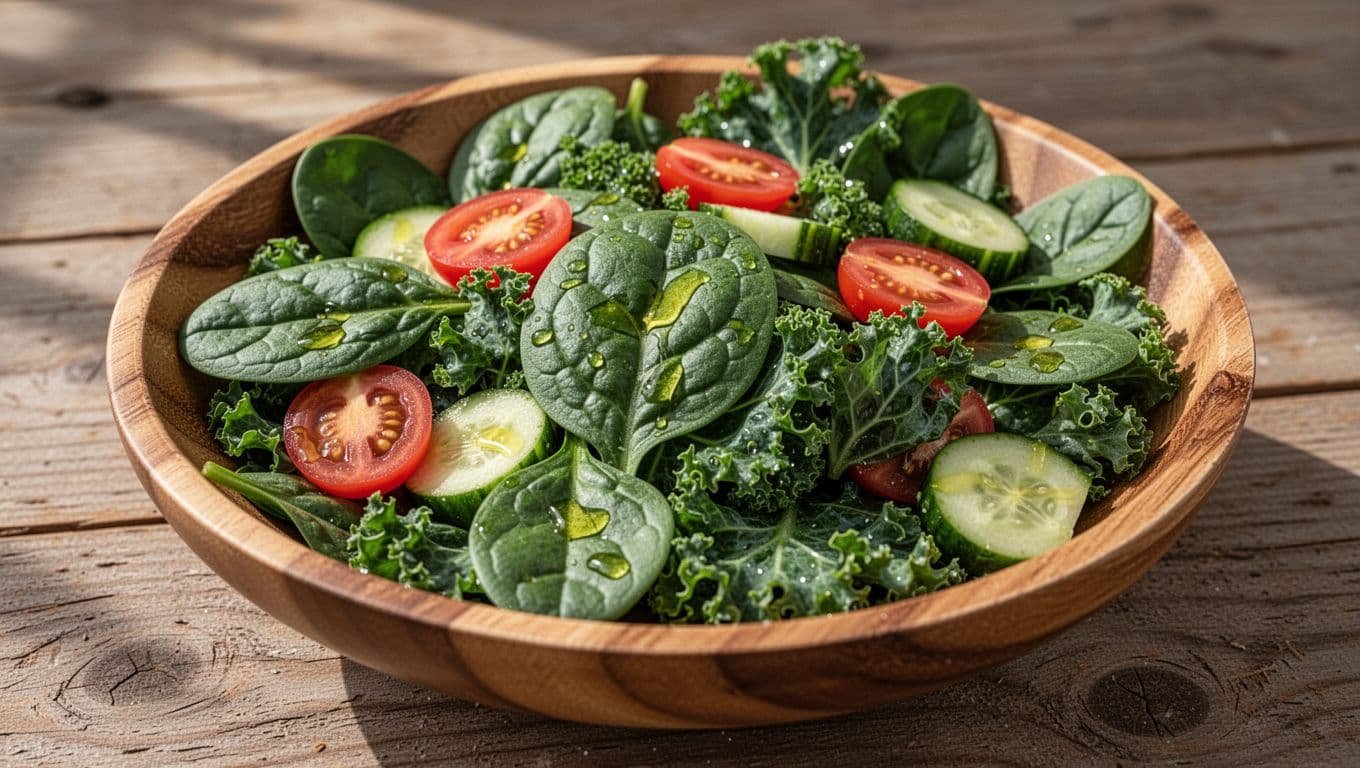
Leafy greens, like spinach and kale
Leafy greens are one of the easiest upgrades because they fit almost anywhere. Spinach and kale bring fiber, folate, vitamin K, iron, and carotenoids that support heart and brain health. Toss them into salads, wraps, omelets, soups, or smoothies. Cleveland Clinic’s brain foods guide also points to leafy greens as a smart habit for aging well.
Blueberries
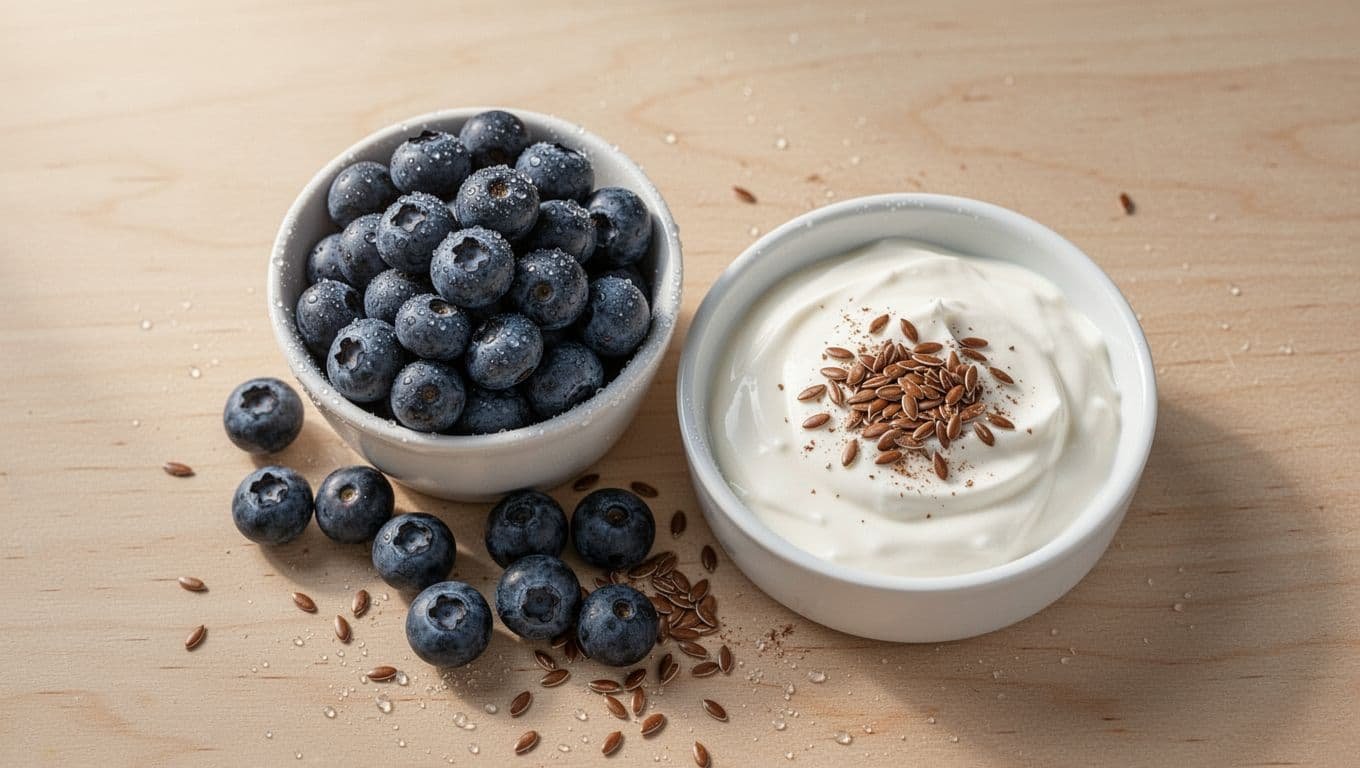
Blueberries pack a lot into a small serving. Their anthocyanins give them color and help protect cells from stress. That matters for memory, blood vessels, and overall heart health. A handful over yogurt, oatmeal, or cottage cheese is enough to make the habit easy. Mayo Clinic includes blueberries among its 10 great health foods.
Salmon
Salmon brings omega-3 fats and high-quality protein to the table. Those nutrients support the heart, brain, and joints. A baked fillet with lemon and herbs is hard to beat, and a couple of fish meals a week is a simple target. If you want an easy starting point, use the method many people already trust, bake, grill, or broil it, then serve it with vegetables.
Whole grains, like oatmeal, brown rice, and quinoa
Whole grains help digestion because they keep the grain’s fiber intact. That fiber also helps you feel full and can smooth out blood sugar swings. Oatmeal works well at breakfast, while brown rice and quinoa fit lunch or dinner. A simple swap, like choosing brown rice instead of white rice, can make a bigger difference than people expect.
Beans and lentils
Beans and lentils are some of the most practical foods in the store. They bring plant protein, fiber, iron, magnesium, zinc, and folate without much effort. They work in soups, salads, chili, tacos, and grain bowls. Because they are filling and inexpensive, they are one of the easiest foods to eat more often, even on a busy week.
Sweet potatoes
Sweet potatoes get their orange color from helpful plant compounds. They also bring fiber, potassium, and vitamin A, which many people do not get enough of. Roast them, mash them, or use them as a base for bowls. They work especially well when you want a filling side that feels a little more interesting than plain potatoes.
Broccoli
Broccoli earns its spot because it brings vitamin C, calcium, fiber, and compounds that support overall health. It also helps your body absorb iron from plant foods when you eat it with beans or lentils. That makes it a strong side for grains, eggs, pasta, and stir-fries. Steam it, roast it, or keep frozen florets on hand for quick meals.
Yogurt
Yogurt gives you protein, calcium, B vitamins, and often probiotics from live cultures. That mix makes it useful for both gut health and fullness. Plain yogurt works best because it keeps added sugar low. If plain tastes too sharp, stir in fruit, cinnamon, or a spoonful of nuts instead of buying a sweetened cup.
Ground flaxseed and almonds
Ground flaxseed is an easy way to add plant omega-3s and fiber to your day. Almonds bring vitamin E, magnesium, and heart-healthy fats. Use ground flaxseed on oatmeal, yogurt, or smoothies so your body can absorb it better. A small handful of almonds makes a simple snack that travels well and helps tide you over between meals.
How to make these foods easy to eat every day
The best healthy eating plan is the one you can repeat. That usually means keeping the changes small and practical. If a food takes too long to prep, costs too much, or gets ignored in the fridge, it will not help much.
Use the one small change rule
Pick one meal or snack and improve that first. Add spinach to breakfast eggs. Swap chips for almonds. Stir blueberries into yogurt. Replace white rice with brown rice once this week. Small moves sound plain, but they build habits faster than a full kitchen overhaul.
Mix and match foods for better meals
Some foods work even better together. Yogurt with blueberries gives you protein, fiber, and antioxidants in one bowl. Salmon with broccoli makes a balanced dinner with protein and vegetables. Beans with brown rice create a filling meal that covers plant protein and fiber. These pairings make meals more satisfying, so you’re less likely to hunt for snacks an hour later.
Choose the version you will actually eat
Frozen, canned, fresh, and plain versions can all fit a healthy week. Frozen blueberries are great in oatmeal or smoothies. Canned beans save time, as long as you rinse them first. Plain yogurt gives you more control over sugar. Fresh produce is wonderful, but convenience matters more than perfection when life gets busy.
Conclusion
Healthy eating does not need to be complicated. These foods show up in doctor advice so often because they support long-term health in simple, proven ways. They help with energy, digestion, heart health, and healthy aging without asking you to eat in a fancy or strict way.
You do not need all of them at once. Start by adding a few more each week, then keep going until they feel ordinary. That is where the real benefit starts.
Save pin for later

- Healthy Air Fryer Recipes for Beginners - 21/09/2026
- Healthy Snacks for Late Night Cravings - 21/09/2026
- High Protein Meal Prep Ideas for Easy Weekly Meals - 21/09/2026

