Sometimes a husband can still love you and yet seem distant, impatient, or hard to be around. That mix is painful, but it can happen in long marriages, under stress, or after resentment has built up over time.
When that gap shows up, you may feel confused because the love is still there, but the warmth is missing. If that sounds familiar, you may also find it helpful to read about the warning signs love has faded from your marriage, especially if the tension has started to feel constant. A pattern like this does not always mean the marriage is over, but it does mean something needs attention.
The signs are often subtle at first, and they can look like avoidance, irritability, or a lack of interest in being close. This guide will help you spot those signs, understand why they happen, and think more clearly about what to do next.
The clearest signs he still loves you, but does not enjoy you the way he used to
Love can still be there when the warmth is gone. A husband may stay committed, protect the family, and handle what needs to get done, yet feel flat or disconnected in everyday life. That is where the tension starts, because the relationship still has structure, but it lacks ease.
This is often the difference between action-based love and emotional liking. He may do his part, but the spark in the small moments is missing. If you are trying to make sense of that gap, signs of emotional distance in marriage can help you spot the pattern more clearly. A simple checklist like signs your husband isn’t in love with you can also help, but the real clue is how he feels to be around, not just what he does.
He keeps showing up, but the joy is gone
He may still come home, pay bills, fix what breaks, and keep his promise to stay. That looks like love on paper, but daily life can feel cold. He handles responsibilities without much conversation, laughter, or affection, then moves on as if nothing is missing.
That is where duty can fool you. A man can be loyal and still feel emotionally absent. If he treats the marriage like a list of tasks, you may start to feel more like a housemate than a wife. The home still runs, but it no longer feels shared.
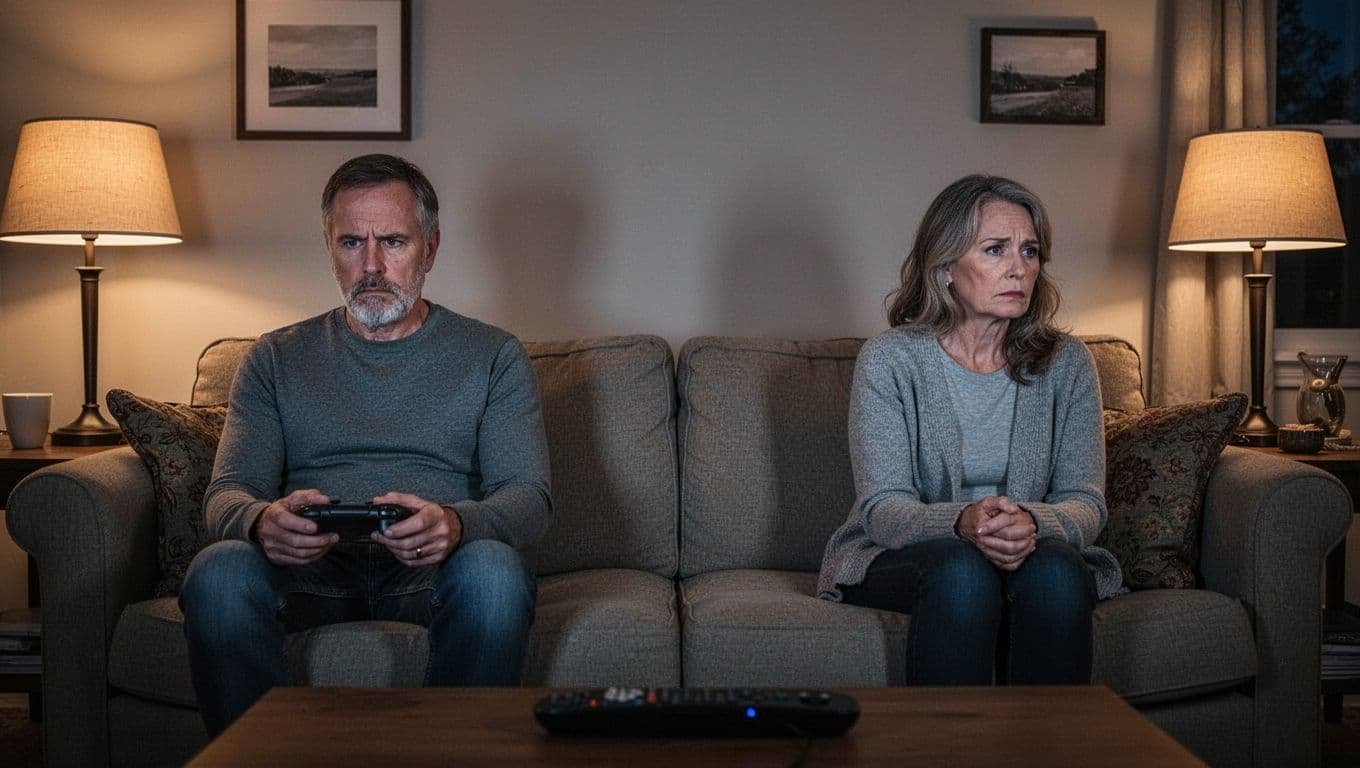
Affection feels forced, rare, or automatic
Quick kisses, brief hugs, and automatic “I love you” can keep a marriage moving, but they can also feel empty. The touch is there, yet the warmth is missing. He may lean in out of habit, not desire, like he is checking a box before leaving the room.
What matters is the tone. Genuine affection usually comes with eye contact, softness, and a wish to linger. Habit-based affection feels rushed, stiff, or mechanical. You notice it in the way he pulls away fast, skips small gestures, or only reaches for you when it is expected.
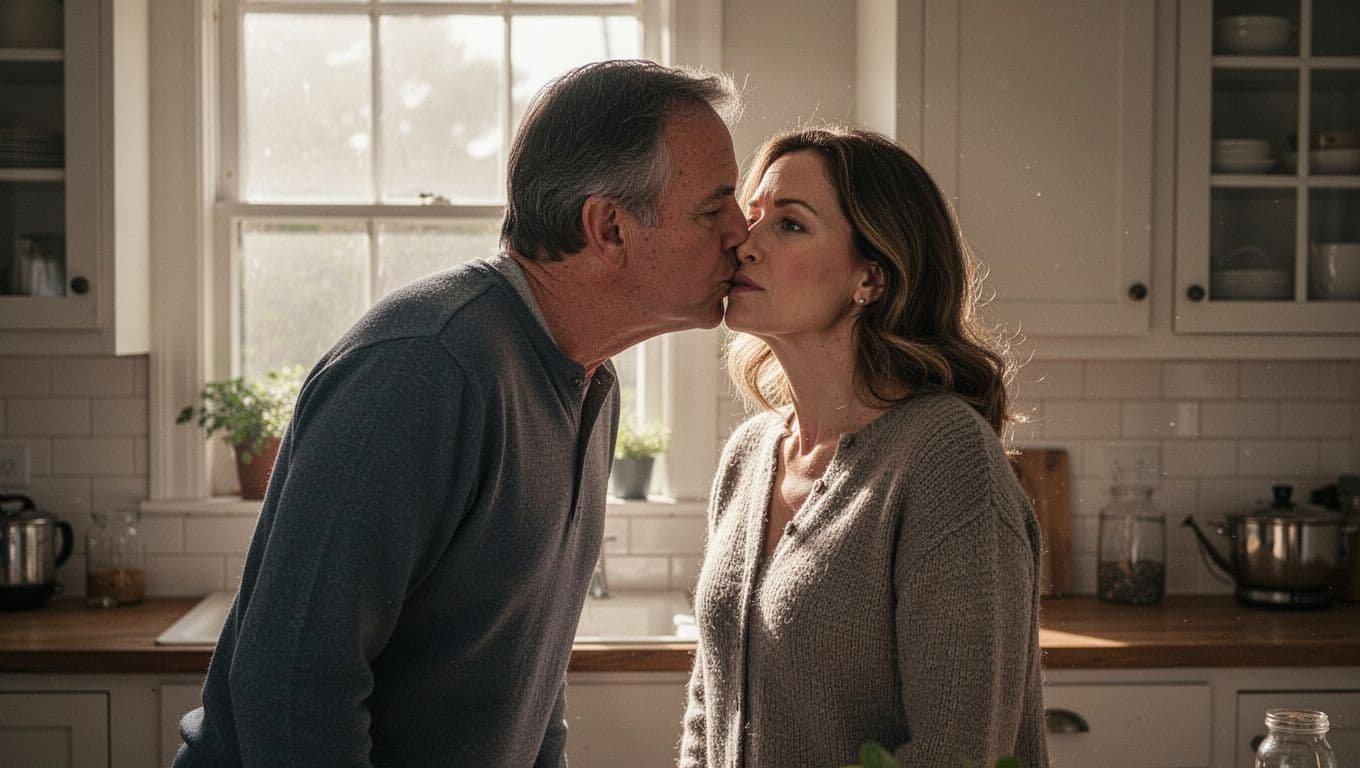
He acts polite, but not emotionally interested
Politeness can hide a lot. He may be respectful, say please and thank you, and avoid cruel words, yet still show no real interest in you as a person. He does not ask follow-up questions. He does not notice when your mood changes. He seems content to keep the peace, but not to know your inner world.
That can make marriage feel like coexistence. You share a home, routines, and responsibilities, but the emotional thread between you feels thin. A husband who is still invested usually stays curious, even during hard seasons. If he has stopped asking, listening, or reacting with warmth, the relationship may be running on courtesy alone. You may also notice the same pattern in slow emotional withdrawal from spouse, because engagement often fades before love fully does.
Everyday behavior that shows emotional distance
Emotional distance usually shows up in small, repeated habits. A husband can still care about the marriage, pay attention to practical needs, and keep life moving, yet treat his wife more like a roommate than a partner. That shift is easy to miss at first because it hides inside ordinary routines.
Conversations stay on chores, kids, and logistics
When emotional liking fades, talks can feel strictly functional. He asks about the school pickup, the grocery run, the bill that needs paying, or who is handling dinner, but nothing goes much deeper than that. What disappears are the easy laughs, personal stories, and real curiosity about how you feel or what is on your mind.
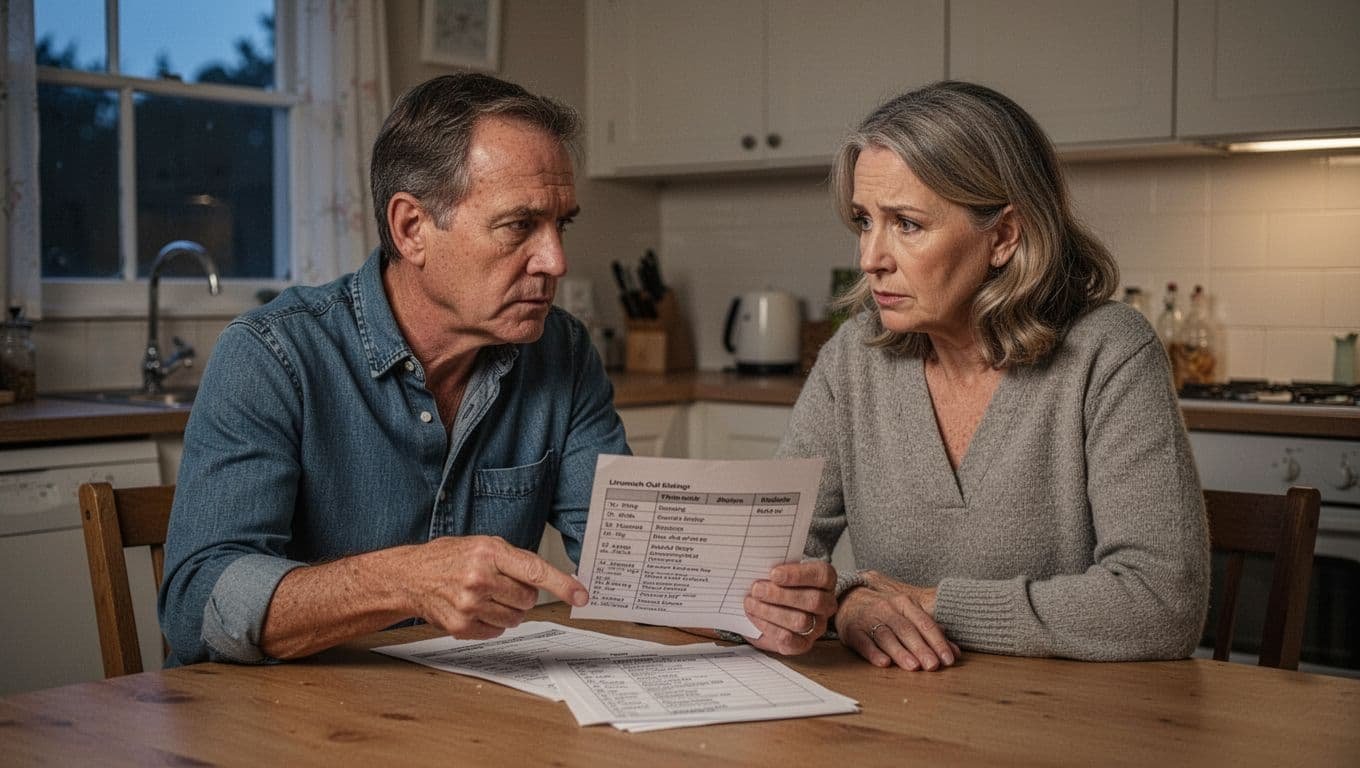
That kind of conversation can keep a household running, but it does not build closeness. If every talk sounds like a task list, the relationship starts to feel managed instead of shared. A helpful comparison is signs your marriage is in a rut, because routine without warmth often comes before deeper distance.
He does not seem to notice your feelings
Another common sign is emotional blind spots. He may miss your sadness, stress, or excitement, even when you try to show it. Hints get brushed off, mood changes go unanswered, and a hard day passes without a simple check-in.
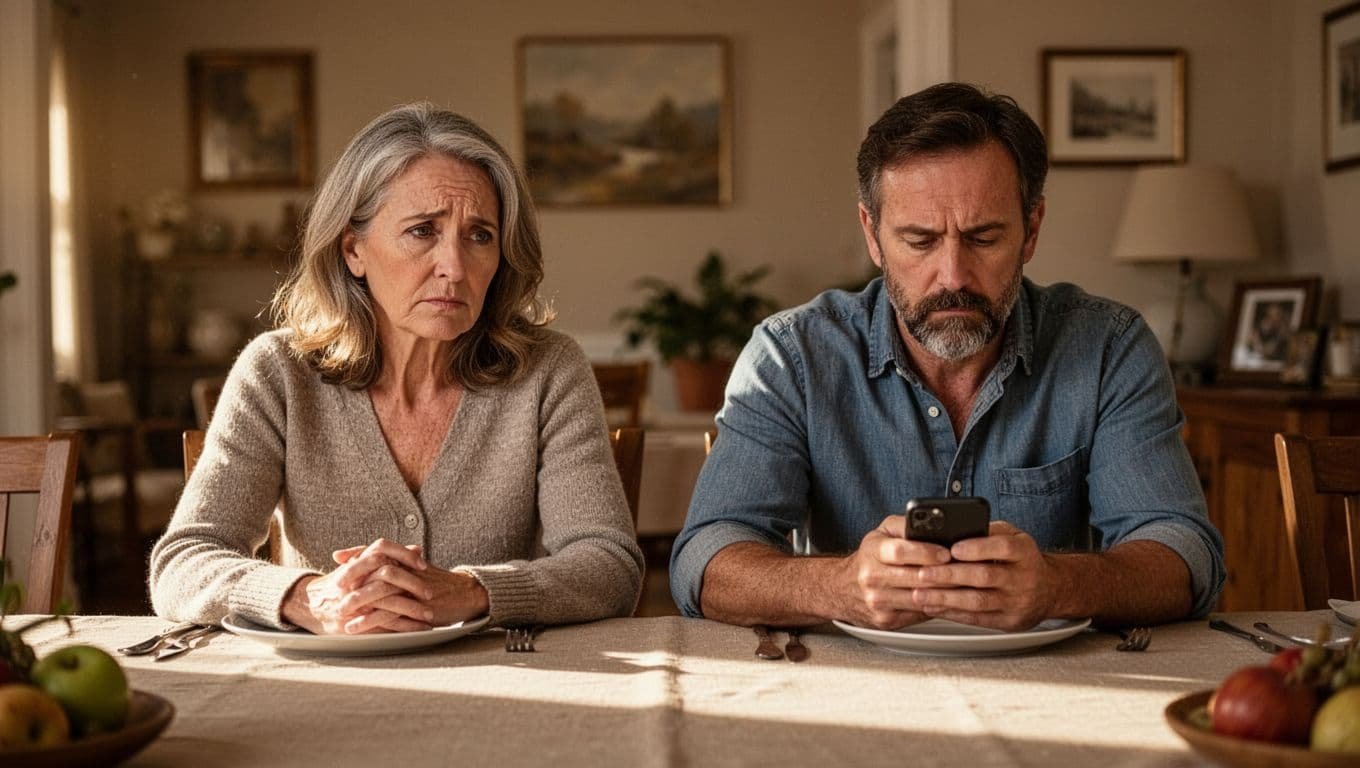
That does not always mean he wants to hurt you. Sometimes it means he has stopped paying close attention. Still, when someone likes you, they usually notice the small shifts. When they do not, your feelings can start to feel invisible. For a broader look at how distance builds over time, Gottman’s work on emotional disconnection explains how small missed moments add up.
Time together feels tense instead of easy
Shared time can start to feel strained. He gives short answers, seems impatient, or acts like he would rather be somewhere else. His body language may stay closed off, with crossed arms, little eye contact, or a face that says he is already annoyed.
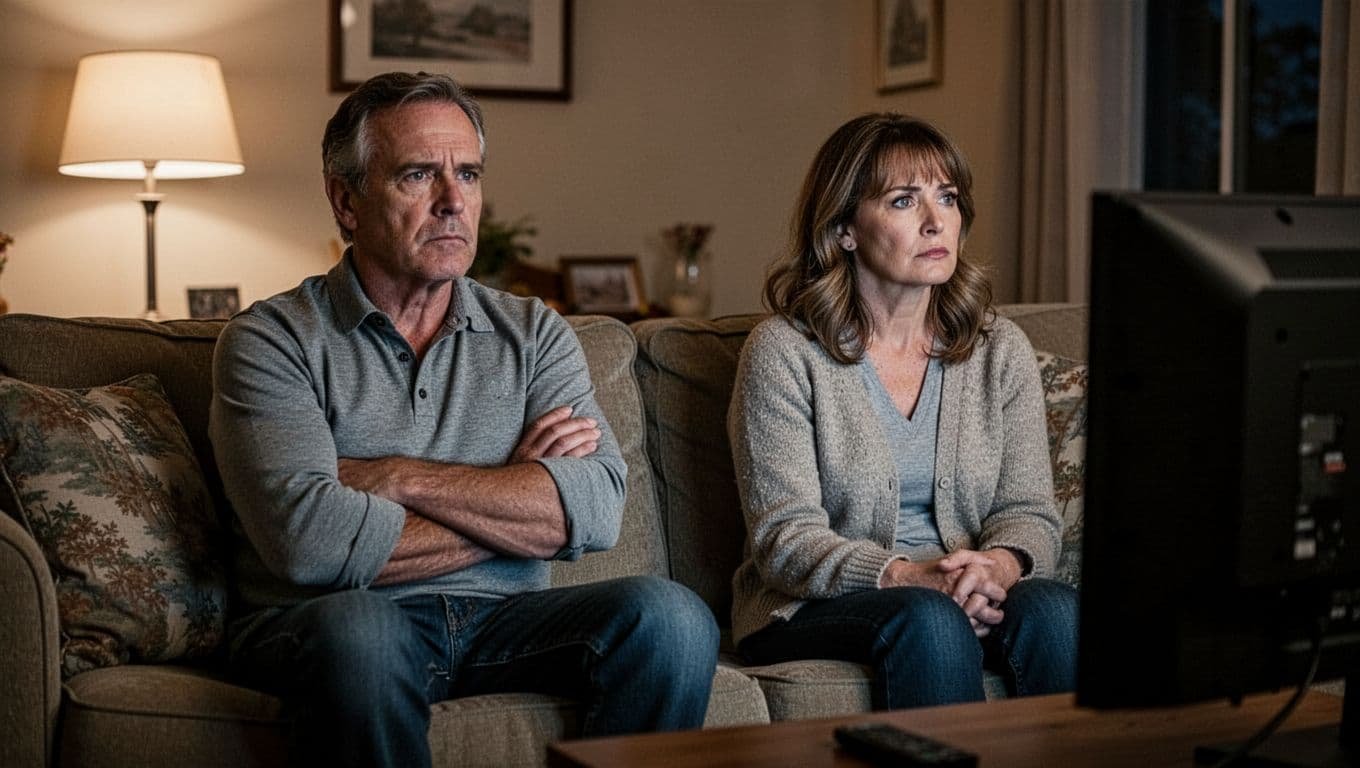
Liking someone usually brings ease. Dislike often brings stiffness, irritation, or avoidance. You may still sit in the same room, but the atmosphere feels tight, like a door that never fully opens.
Why a husband may love you but not like you right now
This dynamic usually grows out of the relationship climate, not one bad moment. A husband can still care about you, stay committed, and want the marriage to work, while also feeling tense, drained, or shut off in daily life.
The shift often starts after repeated conflict, unfair stress, or months of feeling misunderstood. If the distance feels familiar, emotional drift in long-term marriage often begins with small hurts that never get cleared. Over time, love can stay in place, but warmth gets buried under frustration.
That is why this pattern feels so painful. You may still see signs of loyalty, yet the ease, humor, and tenderness are missing. The marriage is still there, but the atmosphere has changed.
Resentment can bury the softer parts of the relationship
When hurt feelings pile up, resentment can take over the space where affection used to live. Old arguments, broken promises, and disappointments that never got named can make a husband pull back emotionally. He may still love you, but he stops feeling open, generous, or playful because the pain keeps getting triggered.
That kind of resentment does not always show up as rage. Sometimes it looks like a flat tone, less patience, or a refusal to engage beyond what is necessary. The softer parts of the relationship get covered by frustration, like dust settling over a room no one has cleaned in months.
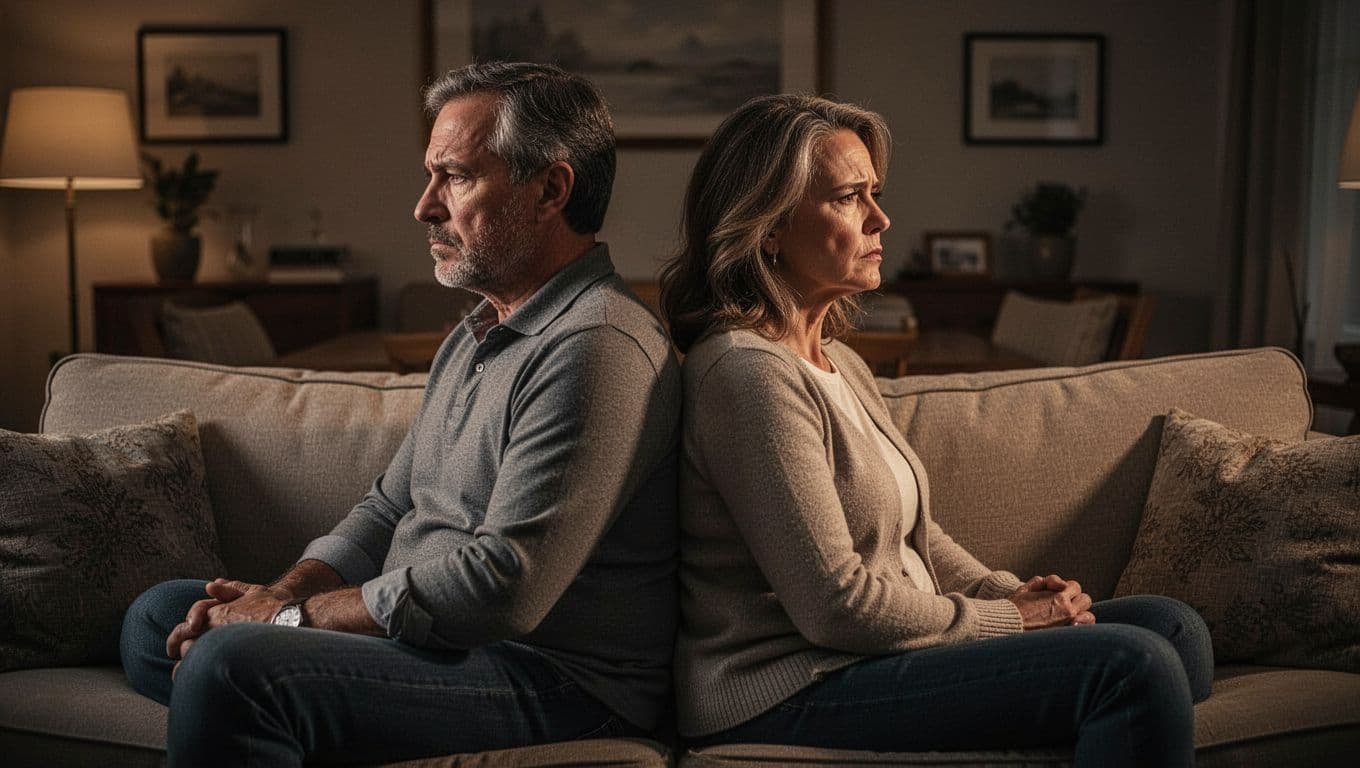
Unresolved hurt often looks like dislike long before it looks like conflict.
Once resentment starts, it can change how he hears everything you say. Even neutral comments may sound critical to him. That is how dislike can grow slowly, even when love never fully disappears.
Stress, burnout, and mental overload can make him shut down
Heavy stress can drain a husband’s patience fast. Work pressure, money worries, poor sleep, depression, or constant problem-solving can leave him with little energy for warmth. He may still care, but he feels too worn down to be present in a kind or curious way.
A stressed man often sounds short, forgetful, or distracted. He may sit beside you at dinner and barely speak, not because he wants to reject you, but because his mind is stuck in survival mode. That said, stress is not a free pass for cold behavior. It only helps explain why affection, humor, and interest can disappear for a while.

Burnout also creates a pullback cycle. He gets overwhelmed, shuts down, and then the distance grows because neither of you feels safe enough to reconnect. When that happens, the marriage starts to feel heavy instead of restful.
Routine can replace attraction and emotional curiosity
Long marriages can slip into autopilot. The bills get paid, the kids get picked up, the chores get done, and the days keep moving. On paper, the marriage looks stable, but emotionally it can start to feel like two coworkers sharing a shift.
Comfort is not the same as connection. A husband may still value the family, respect the life you built, and love the role he plays at home, while no longer feeling excited about the relationship itself. That loss of curiosity matters because liking someone usually requires interest, attention, and a little spark.
Over time, routine can flatten the marriage into habits. Conversations stay practical, touch becomes predictable, and nothing feels new anymore. When that happens, love may still be there, but it can feel buried under sameness. The good news is that this pattern often improves when couples face the boredom, stress, and old hurt directly instead of pretending everything is fine.
How to tell the difference between a rough patch and a deeper problem
A rough patch usually comes and goes. A deeper problem keeps returning, even after rest, a calm talk, or a better week. The key is to watch the pattern, not the mood of one bad day. If you need a wider lens, warning signals of deeper marital problems can help you compare what you’re seeing, and this rough patch vs. growing apart guide adds another simple check.
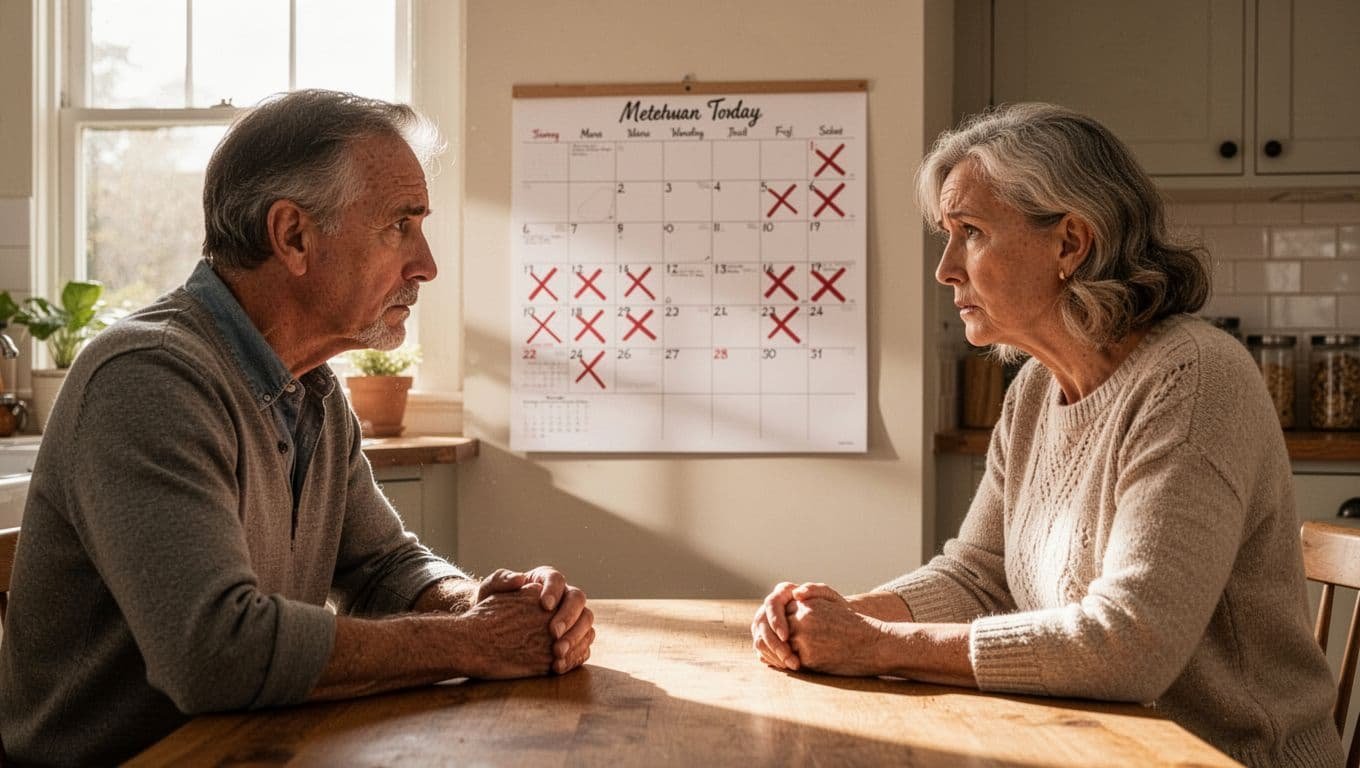
Look for patterns, not single bad days
Everyone has off days. A sharp comment, a quiet dinner, or one cold evening doesn’t tell the whole story. What matters is how often the behavior shows up, and whether it changes after sleep, space, or a calm conversation.
If he’s irritated once after a hard week, that may be stress. If he stays irritated, withdrawn, or dismissive for weeks, that points to something stronger. Notice whether warmth returns after the pressure lifts, or whether the distance is still there. A rough patch usually breathes. A deeper problem stays rigid.
Notice whether he still tries when it matters
Real care often shows up during the hard moments. He may seem distant day to day, yet still step up during illness, family conflict, money trouble, or an important event. That effort matters because it shows he still sees the marriage as worth protecting.
You are looking for follow-through, not perfection. Does he show up when you need him? Does he make room for your needs when life gets heavy? If he still tries in meaningful moments, the relationship may be tired rather than broken. If he disappears, avoids, or stops caring when it counts, that is a different sign.

Pay attention to how safe you feel around him
Emotional safety matters as much as history. You can share years, children, and a home, yet still feel lonely beside him. If you feel nervous to speak, dismissed when you do, or braced for irritation, that emotional climate is telling you something.
A tired marriage still has room for repair. An unhealthy one makes you shrink. Notice whether you can be honest without fear, and whether your feelings are met with respect or brushed aside. When your home feels like a place to walk on eggshells, the issue is bigger than a rough week.
What to do if these signs feel familiar
If these patterns feel close to home, start with the next right step, not the biggest one. You do not need a perfect speech, and you do not need to prove every feeling in one talk. What you need is honesty, a steady tone, and a clear request for change.
The goal is to slow the distance down before it hardens. That means speaking plainly, watching what happens next, and protecting your own peace while you wait for answers.
Start one honest conversation about the distance between you
Use simple words and skip the blame. You can say, “I feel like we are close in duty, but far in heart,” or, “I miss how we used to talk.” That kind of sentence opens a door without turning the talk into a fight.
Keep your voice calm and your point clear. Do not pile on every old hurt or explain yourself to the point of exhaustion. Say what you feel, what you need, and what you hope can change. If you need help starting that talk, these ways to restart talks with your husband can give you a simple framework.
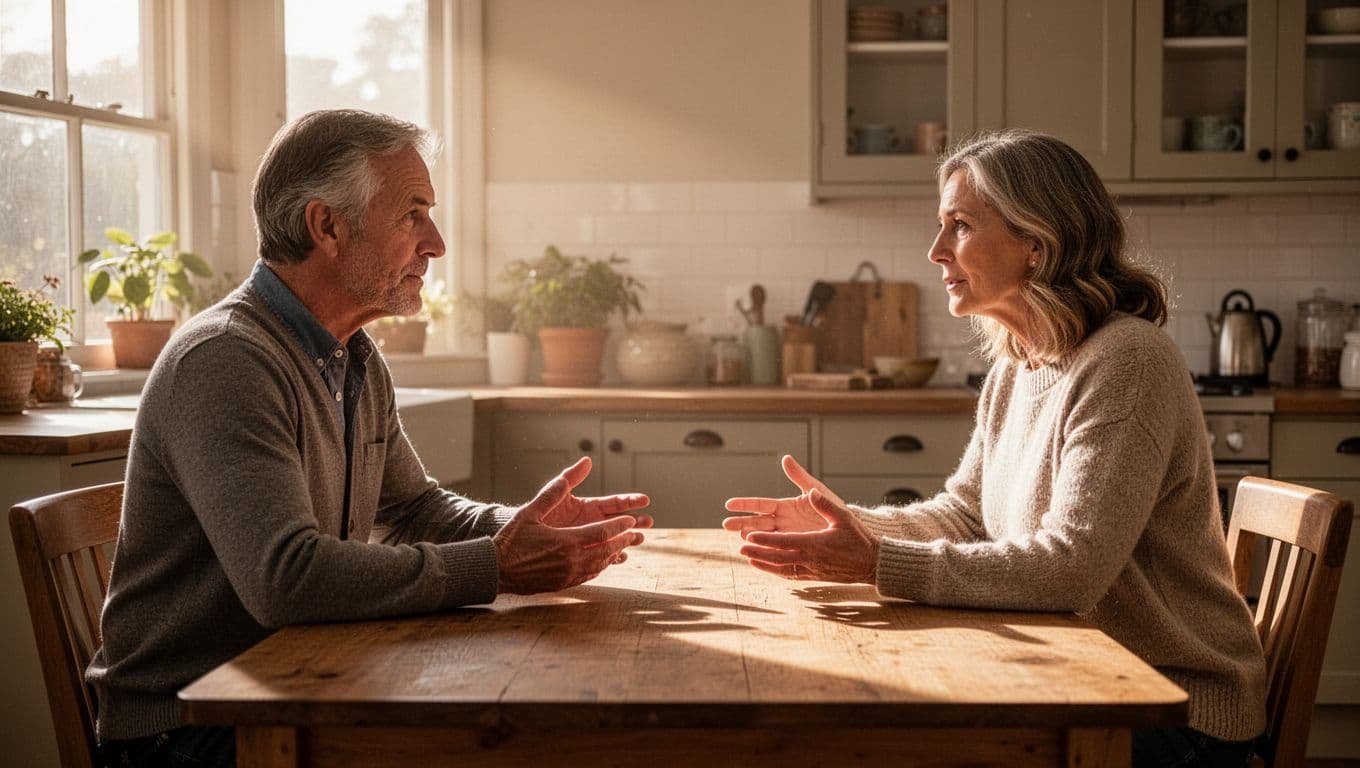
Your goal is a real conversation, not a perfect argument.
Watch for effort, not just promises
Words matter, but actions tell the truth. If he says he wants things to improve, look for steady signs of change, like better listening, kinder responses, more time together, or a willingness to address the problem with you.
One good week does not mean the pattern is fixed. Real change shows up over time, especially when life gets stressful again. If he keeps following through, that matters. If the same cold habits return fast, then the issue is still sitting under the surface.
Consider counseling if the distance keeps growing
When the same hurt keeps coming back, outside help can make the talks clearer. Couples counseling or individual therapy gives both people space to say what they mean without shutting down or turning defensive. A trained therapist can also help you hear each other more clearly, which is hard to do when resentment is already in the room. Couples counseling for emotional distance is often a healthy next step when home talks keep going in circles.

If he will not go, individual therapy can still help you sort out what is happening and what you need next. That support can keep you grounded, especially when the relationship feels confusing. You deserve a space where your feelings are taken seriously and your next steps feel clear.
Conclusion
A husband can still love you and still not enjoy the day-to-day closeness of the marriage. That gap often shows up in duty, distance, and flat routines, while genuine liking shows up in warmth, interest, and ease.
Trust what you see over time, not just what you hope is true. Before making any final judgment, have one clear conversation about the distance and ask for honest change, using tools like these communication exercises for couples if the talk feels hard to start.
There is still hope when both people are willing to face the truth. You deserve honesty, respect, and emotional closeness, and that kind of connection can be rebuilt when both partners choose it.
Save pin for later

- 60 Color Tattoos That Healed Beautifully - 25/09/2026
- 40 Most Painful Tattoo Spots - 24/09/2026
- 20 Tattoo Aftercare Mistakes That Ruin Fresh Ink - 23/09/2026

