A headline like “husbands are 7 times more likely to leave their wives over these 7 things” grabs attention, but the real point is more grounded. Divorce surveys and self-reported studies keep pointing to the same marriage problems, and they show up again and again across different couples.
What matters most is the pattern. A husband usually does not leave because of one bad day, one fight, or one hurt feeling. More often, the break starts after repeated issues like poor communication, loss of trust, money stress, emotional distance, or feeling unheard for too long.
If you have started to notice those warning signs, you may also want to look at early warnings of marital trouble before things get worse. The goal here is not to scare you, it’s to show you which problems tend to build pressure inside a marriage.
In the sections ahead, you’ll see the 7 most common triggers, why they matter, and the patterns that often show up before a husband decides the marriage is over.
What the research says about why husbands leave
Divorce studies, surveys of divorced adults, and family research keep circling back to the same causes. Recent 2025 and 2026 findings point again to lack of commitment, cheating, constant conflict, money stress, emotional distance, and addiction. The exact percentages shift from one study to another, but the pattern stays steady, and Pew Research’s latest divorce findings fit that same picture.

Why the headline number gets attention
Big numbers spread because they are easy to remember. They grab attention fast, even when the real story is messier. The number is best read as a signal of risk, not a rule that fits every marriage.
What matters more is repetition. A husband usually leaves after the same problems keep stacking up, especially when trust weakens and repair never happens. If you want to compare those warning signs with real behavior, see how husbands act before divorce.
What most studies have in common
Older research and newer surveys point to the same core pattern: marriages rarely end because of one argument. They break down after ongoing conflict, fading intimacy, broken trust, and a feeling that the relationship no longer works.
That overlap matters. It means the cause is often less about one dramatic event and more about a long slide into distance. In other words, the research keeps showing the same thing, husbands tend to leave when the marriage has been under strain for a long time, not just because of one bad week.
The first warning sign is often a loss of commitment
When a husband stops treating the marriage like a shared job, the rest often follows. He may still be home, but he no longer shows up with real effort. That shift can look small at first, yet it changes the whole tone of the relationship.
How emotional checking out shows up at home
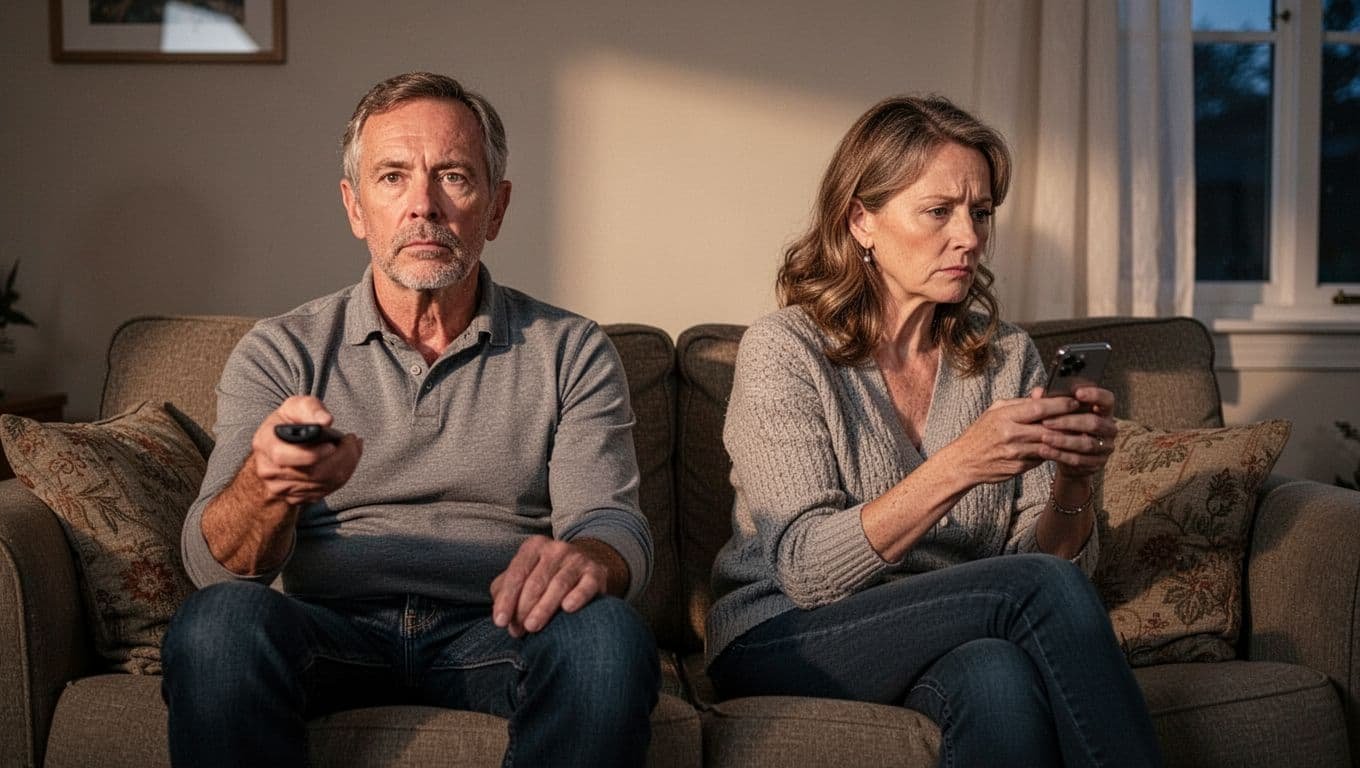
Emotional withdrawal usually shows up in ordinary moments. He talks less, avoids real conversations, and gives short answers that shut things down fast. He may stop asking about your day, stop planning time together, and stop caring whether problems get fixed.
That kind of distance makes the marriage feel one-sided. One person keeps reaching out, while the other acts like the relationship can run on autopilot. If you want a fuller list of what that looks like, see signs your husband is slowly giving up on your marriage.
Why commitment loss can lead to a sudden exit
A husband can look fine for months, even years, before he leaves. On the surface, he may keep the routine going, but inside he has already stopped investing. He no longer believes the marriage will change, so he stops fighting for it.
That is why the exit often feels sudden to a wife. The decision usually has a long build-up behind it, with silence, distance, and half-hearted repair attempts piling up over time. A 2025 summary of divorce reasons also places lack of commitment near the top of the list, alongside conflict and infidelity, which matches what many couples experience in real life (Mitten Law’s divorce breakdown).
Once commitment is gone, even small problems can feel final. He is no longer asking, “How do we fix this?” He is already acting like the answer is no longer worth finding.
Cheating breaks trust faster than almost anything else
Cheating cuts at the core of a marriage because it replaces honesty with secrecy. It can be a physical affair, an emotional bond, or the slow drift into hidden texting and private closeness. A 2026 summary of infidelity research shows it is named in 20% to 40% of divorces, and the damage often starts long before the truth comes out.
The damage from emotional and physical affairs
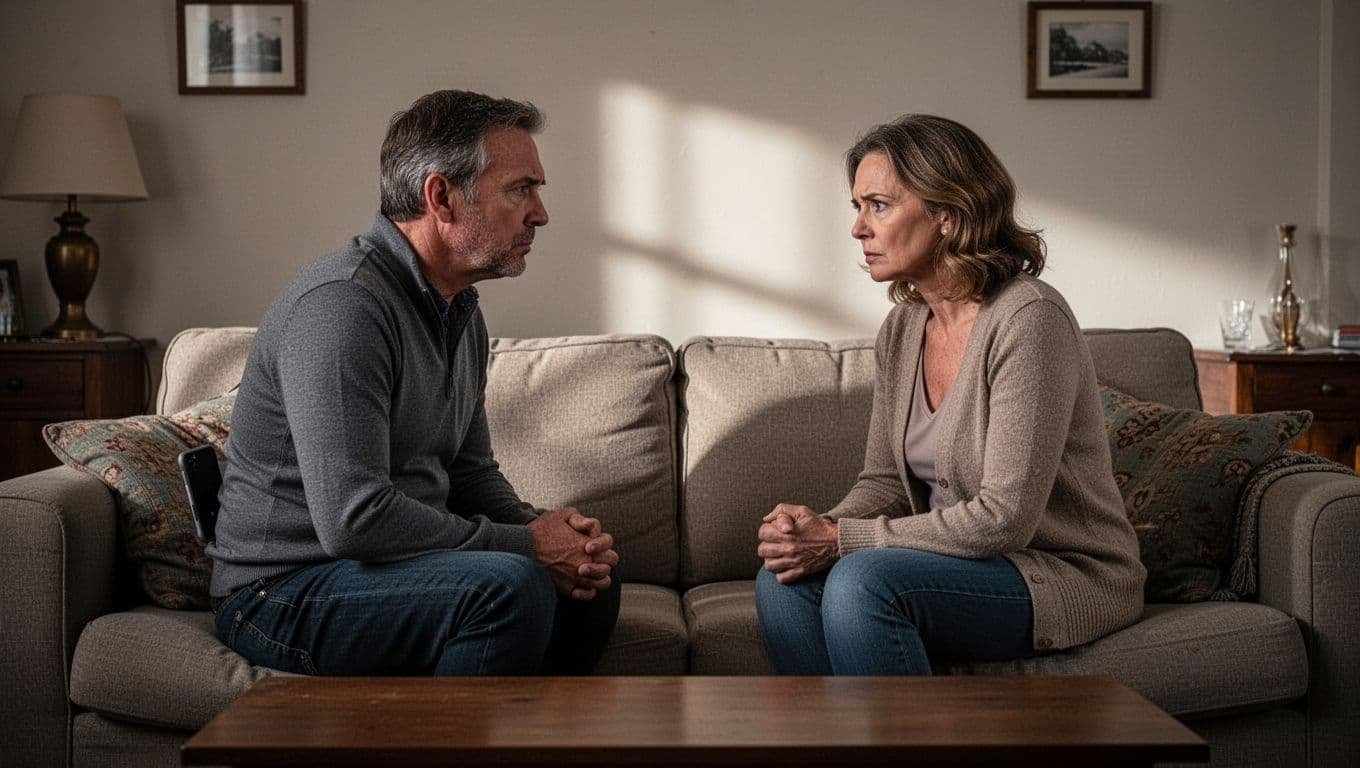
Cheating is not only about sex. A husband who shares his thoughts, time, and affection with someone else has already crossed a serious line. That secret closeness can hurt just as much because it creates lies, distance, and a split loyalty.
Physical affairs break trust in one way. Emotional affairs break it in another, often by making the wife feel replaced before she even knows what happened. If a couple is already strained, the reasons people cheat in relationships often include unmet needs, weak communication, and emotional disconnection.
Why forgiveness is hard after betrayal
Forgiveness is hard because betrayal changes how safe the marriage feels. After cheating, the hurt plays on repeat, and every delay, phone call, or unexplained absence can reopen the wound.
Trust is hard to rebuild once it has been broken, especially when the full truth comes out slowly. Many couples need direct honesty and steady repair work, not just promises. Dealing with infidelity in marriage usually takes time, patience, and clear boundaries before safety starts to return.
Cheating can also be a symptom of a troubled relationship, not just the cause of it. Long emotional distance, unresolved conflict, and unmet needs often come first, but the betrayal still leaves the deepest scar.
Constant fighting can wear a marriage down
Repeated conflict wears people down faster than one big blowup. A marriage can survive an argument, but it struggles when tension becomes the daily norm. Recent divorce surveys put constant arguing near the top of the list of breakup causes, with about 58% of divorced adults pointing to ongoing conflict as a major factor in the split, according to recent divorce statistics.
Why small fights become big problems
Small issues do not stay small when the tone is sharp and the timing is bad. A simple question about money, chores, or plans can turn into a full fight when one person feels attacked and the other feels dismissed.
Old resentments make it worse. The argument is no longer about the dishes or the bill, it becomes about every past slight that never got fixed. That is why recognizing bitter husband behaviors in marriage matters, because unresolved hurt often shows up as sarcasm, blame, and constant scorekeeping.
In many marriages, the topic changes, but the wound stays the same.
When conflict replaces connection
Some couples spend so much time defending themselves that they stop caring for each other well. Every conversation starts to feel like a trial, and every disagreement becomes another round of the same fight.
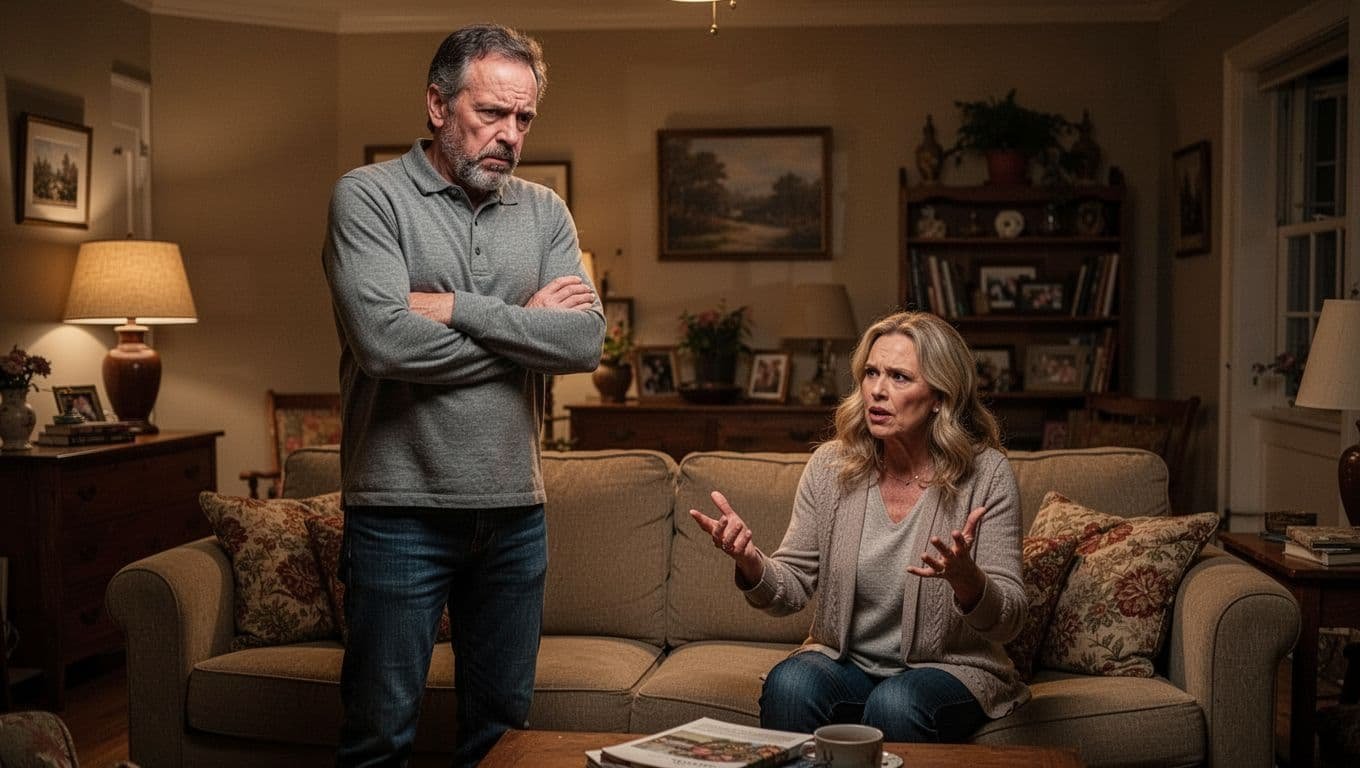
That kind of home feels stressful, not safe. Over time, a husband may stop seeing a way forward and start thinking that leaving is easier than staying in the same loop, especially when he feels attacked, dismissed, or stuck without real repair. When conflict becomes the main language of the marriage, connection gets crowded out, and respect often goes with it.
Money stress can expose deeper marriage problems
Money pressure often reveals what was already shaky in the marriage. A couple can fight about a credit card bill or a big purchase, but the real issue is usually trust, control, or the feeling that one person is carrying the load alone.
How debt and spending fights affect trust
Hidden debt can feel like a betrayal because it changes the future without both people agreeing to it. Reckless spending does the same thing. When one spouse keeps making choices that drain savings or raise balances, the other starts to feel unsafe, and that fear can turn into resentment fast.
Money secrecy makes it worse. Even small lies, like hiding a purchase or skipping a bill, can make a husband wonder what else is being kept from him. Recent survey data from Debt.com’s divorce study shows how often credit card debt and spending show up in broken marriages, and that lines up with what many couples already feel at home.
Why shared money goals matter
Couples do better when they agree on what money is for. That means talking about saving, spending, debt payoff, and long-term plans before the bills pile up into another fight. If you need a practical place to start, these couple budgeting tips can help you build a simple plan together.
Without that shared plan, each person starts pulling in a different direction. One wants security, the other wants freedom. One saves for the future, the other spends to ease stress today. Over time, that gap can turn into distance, and distance in a marriage often grows faster than the debt itself.
Emotional distance and lost intimacy can push him away
When affection fades for too long, a marriage can start to feel hollow. A husband may not leave because of one bad moment, but because he feels unwanted, unseen, and alone for months or years.
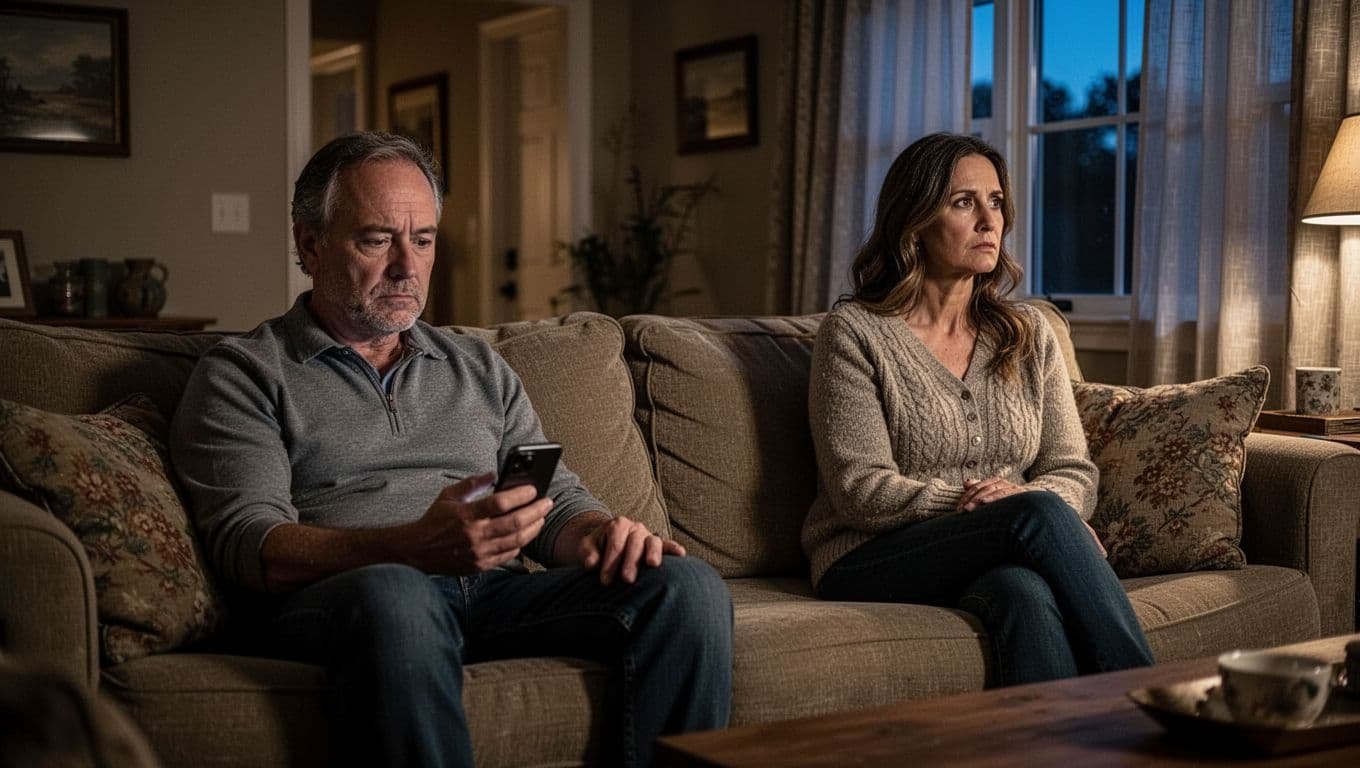
Intimacy is more than sex. It includes warmth, attention, playful touch, shared laughter, and the feeling that your partner still wants to be close. When those things disappear, the relationship can feel like a house with the lights on but nobody home. For a closer look at this pattern, see signs of lack of intimacy in marriage.
Signs the relationship feels lonely
The loneliness usually shows up in ordinary moments, not dramatic ones. You may notice:
- No hugs or casual touch
- No meaningful talks after work
- Sleeping side by side like roommates
- Feeling ignored when you speak
- Little interest in plans, needs, or moods
Those signs matter because they tell a husband that connection is no longer part of daily life. A marriage can survive stress, but it gets brittle when tenderness disappears.
Why unmet closeness can turn into resentment
When a husband feels unwanted for a long time, he may stop reaching out. After enough rejection, silence can feel safer than trying again.
That is where resentment grows. He may start protecting himself, spending more time elsewhere, or seeking calm and connection outside the marriage. Emotional distance often turns into a wall, and once that wall gets high, repair gets harder. Research on intimacy issues in divorce shows how emotional and physical disconnect can build toward separation when couples stop meeting each other’s needs.
Addiction and abuse can become the final breaking point
Addiction and abuse can push a marriage past repair because they destroy the basics a couple needs: trust, safety, and stability. Once broken promises, fear, and chaos become normal, staying together starts to feel impossible.
How addiction changes the relationship
Alcohol or drug problems often start with secrecy. A husband may hide drinks, lie about where money went, or disappear for hours, and those habits make honest conversation harder every week. Over time, anger, missed bills, broken plans, and unreliable behavior wear the marriage down like water on stone.
That stress does not stay between two people. It affects parenting, sleep, work, and the household mood, too. Addiction can also drain savings fast, which is why some couples end up facing the same pattern seen in secret addictions draining marriage finances.
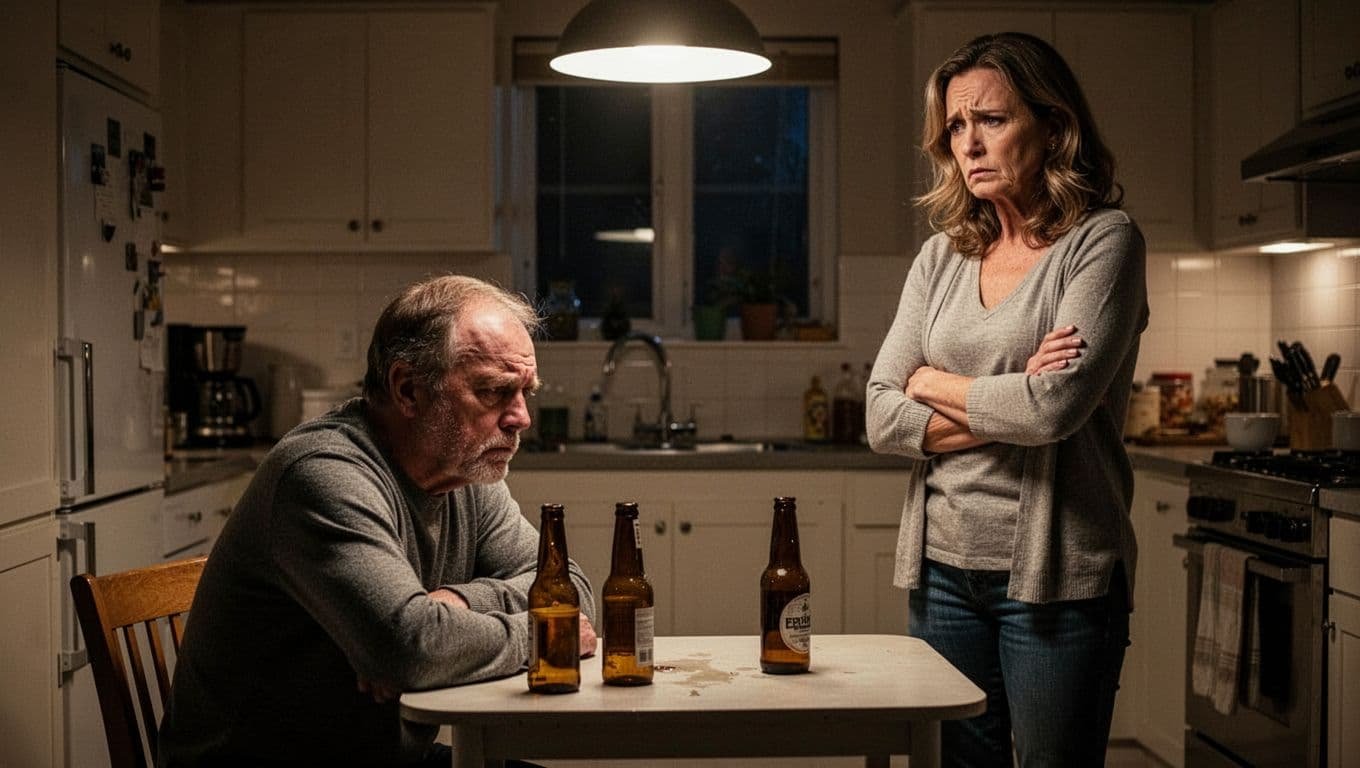
Addiction does not excuse the damage it causes. It explains the behavior, but it does not erase the harm.
Why abuse changes everything
Verbal, emotional, and physical abuse can make leaving a safety decision, not a relationship choice. Name-calling, threats, intimidation, and hitting all cross a hard line, and no marriage is worth someone’s fear or injury.
Keeping up appearances is never more important than self-protection. If abuse is part of the picture, the focus should shift to safety, support, and clear next steps, not image management. Substance abuse can make violence worse, as shown in substance abuse and domestic violence statistics, but abuse is still a choice and it is never acceptable.
Why these seven problems often show up together
These marriage problems rarely travel alone. A crack in one area often spreads into others because stress, hurt feelings, and distance change how couples talk and treat each other. That is why a marriage can move from “we’re arguing more” to “we’re sleeping apart” to “one person is already halfway out the door.” For a wider look at the pattern, see why good marriages break down.

How one problem can trigger another
Start with money stress. Bills pile up, tension rises, and small talks turn sharp. Then fighting drains warmth, emotional distance grows, and intimacy fades. After that, trust weakens, commitment slips, and both people begin acting more like opponents than partners.
A husband may not leave because of one fight. He often leaves after the same fight keeps returning in different forms. One problem feeds the next, like a loose thread that unravels the whole shirt.
Why early action matters more than blame
Once the pattern is clear, blame helps less than action. Pointing fingers may feel fair, but it rarely repairs the damage. What helps is naming the first weak spot, then dealing with it before it pulls everything else down.
That might mean fixing money habits, setting rules for conflict, or asking for counseling before resentment hardens. The sooner a couple responds, the more likely they are to stop the spiral while there is still trust left to work with.
Conclusion
The headline about husbands being more likely to leave gets attention, but the real pattern is simpler. When trust, effort, safety, or closeness break down for too long, a marriage starts to lose its footing.
That is why the warning signs matter. Honest talks, faster repair, and real change can still stop a lot of damage before a husband checks out for good. If these patterns feel familiar, ways to save your marriage from divorce starts with facing the problem early, not after resentment has taken over.
The strongest takeaway is this, small problems become exit points when they stay unresolved. Notice the signs early, take them seriously, and get support when the marriage needs help.
Save pin for later


- 60 Color Tattoos That Healed Beautifully - 25/09/2026
- 40 Most Painful Tattoo Spots - 24/09/2026
- 20 Tattoo Aftercare Mistakes That Ruin Fresh Ink - 23/09/2026

