You’ve crawled into bed after a grueling day, lights out, ready to crash. Yet there you lie, eyes wide open, mind racing, clock ticking past midnight. Sound familiar? It happens to so many of us.
The Sleep Foundation reports that 37% of adults feel dissatisfied with their sleep quality. Nearly 4 in 10 struggle to fall asleep at least three nights a week, while about half have trouble staying asleep that often. These issues drain your energy, fog your focus, and even raise health risks like weakened immunity or mood dips.
That’s where sleep hygiene comes in. It’s the set of habits you build around bedtime to signal your body it’s rest time. Ditch the wrong ones, and you’ll unlock deeper sleep, sharper mornings, and steady vitality. Sources like Healthline, Mayo Clinic, and Cleveland Clinic back this with solid research.
For example, check out these productive night routine ideas to pair with what you’re about to learn. Small tweaks make a big difference because they calm your nervous system and cut sleep stealers.
In this post, you’ll get nine specific habits to stop before bed. Each comes with science-backed reasons why it hurts your rest, plus easy swaps anyone can try tonight. Ready to transform your evenings? Let’s dive into the first one.
Want more visual tips? Watch this quick video: Unlock Better Sleep: 4 Powerful Routines to Beat Insomnia.
Stop Using Screens Before Bed
Picture this: you slip under the covers, but first grab your phone for “just one quick scroll.” An hour later, you’re still awake, tossing and turning. You’re not alone. Most of us check devices right before bed, yet this habit wrecks your rest.
Blue light from phones, TVs, and tablets mimics daylight. It fools your brain into staying alert by crushing melatonin production, the hormone that triggers sleepiness. The Sleep Foundation notes this light delays your natural sleep cycle. You might take 30 minutes or more to drift off, wake up groggy, or cut deep sleep short.
Studies confirm it. Evening screen time suppresses melatonin and boosts alertness, per a review in PMC. Healthline adds that even night mode helps a bit, but it doesn’t fully block the effect.
Stop screens 1-2 hours before bed. Keep devices out of the bedroom if you can. Signs it’s hurting you? Racing thoughts, delayed sleep onset, or fitful nights.
Switch to calmer options instead. Grab a physical book; the pages won’t glow. Or listen to soothing podcasts on low volume. These relax your mind without the light blast.
Quick tip: blue-light glasses with amber lenses cut exposure well. Pair them with a wind-down routine from our evening habits for better mental health.
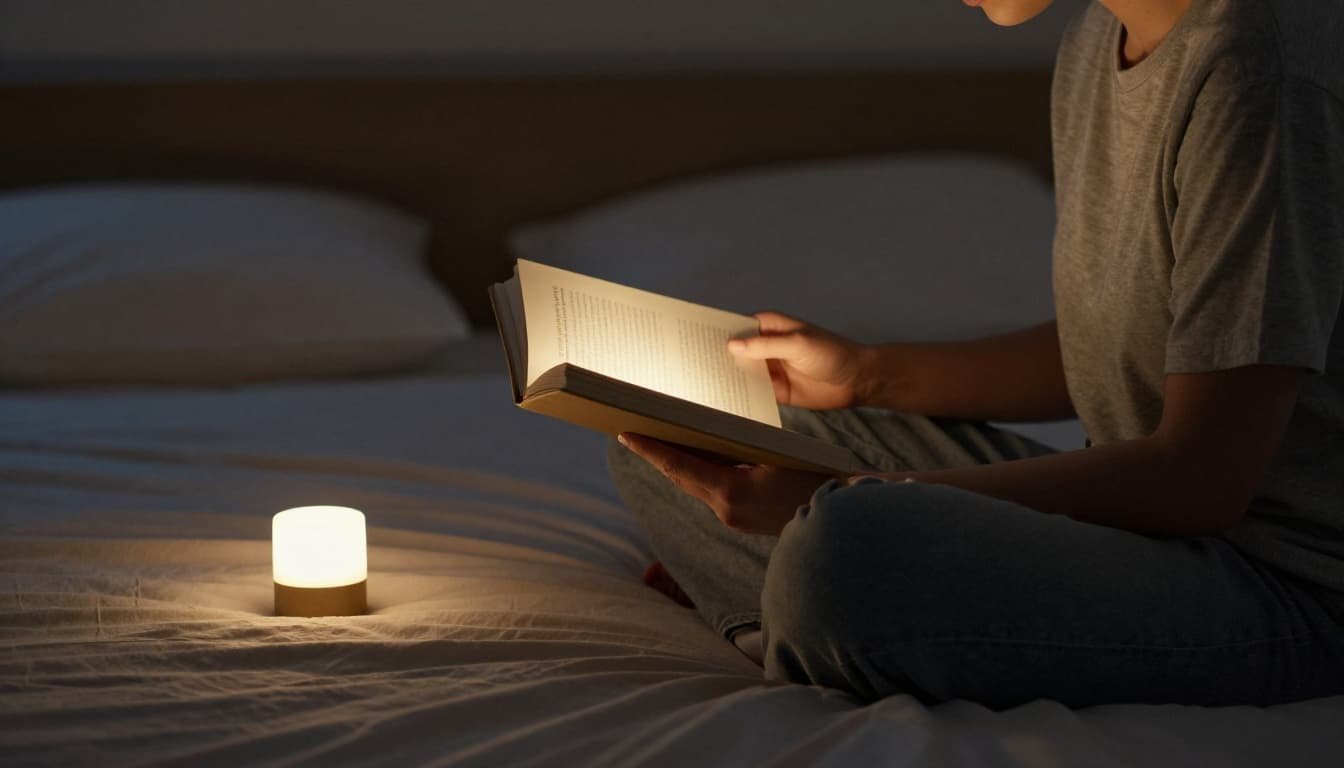
Try it tonight. You’ll notice easier sleep starts right away.
Stop Downing Caffeine Late in the Day
That afternoon coffee run feels like a lifesaver, right? You push through the slump and head home energized. But by bedtime, it backfires. Caffeine sticks around longer than you think, messing with your wind-down.
Here’s why. Caffeine blocks adenosine, a brain chemical that builds up all day to make you sleepy. It slips into adenosine’s spots on brain cells and jams the signal. Your brain stays wired because it never gets the “time to rest” cue. Effects peak about 45 minutes after your sip, then linger with a half-life of 3 to 7 hours. Noon coffee means half still courses through you by evening. For solid sleep, cut it off after noon; it can disrupt rest up to 8 to 10 hours later.
Common culprits hide everywhere. Coffee packs 95 milligrams per cup. Black tea has 47. Soda delivers 34 in a can. Even chocolate sneaks in 20 or so. These spark racing thoughts at night and chop your deep sleep stages. You wake up at 2 a.m., alert and annoyed.
Spot the signs? Trouble staying asleep or lighter rest overall. The Mayo Clinic warns it creates a cycle: poor sleep leads to more caffeine, which worsens the problem.
Swap it out. Reach for chamomile tea; it calms without the buzz. Decaf coffee satisfies the ritual. Track your intake in a notes app for a week. Notice patterns tied to bad nights? Adjust your daily habits, like pairing breaks with walks instead.

For more strategies for falling asleep faster, check these tips. Your body will thank you with mornings that actually feel refreshed.
Stop Eating Heavy Meals Close to Bedtime
You polish off a big steak dinner with fries and cheesecake, then flop into bed an hour later. Your stomach gurgles. You shift positions, but discomfort hits. Sleep? Not tonight. This scene plays out too often.
Heavy meals close to bed keep your gut working overtime. Your body diverts energy to digestion instead of rest. This bumps your heart rate and body temperature. As a result, you get less REM sleep, the stage where your brain sorts emotions and memories. Studies show late eaters lose about 3% of REM and 26 fewer minutes of sleep overall.
Fatty foods like fries slow emptying. Spicy ones irritate your stomach lining. Sugary desserts spike blood sugar, then crash it. All trigger acid reflux. Stomach acid creeps up when you lie flat, burning your throat and waking you. Cleveland Clinic notes this disrupts deep sleep cycles. Healthline agrees: wait 2-3 hours after eating to let gravity aid digestion.
Signs it’s a problem? Nighttime heartburn or fragmented rest. You wake groggy, even after enough hours.
Ditch the habit. Finish dinner early. If hunger strikes, pick light options. A banana with peanut butter soothes without overload. Herbal tea works too.

For details on how late eating cuts recovery, see this WHOOP analysis. Your nights improve fast.
Stop Intense Workouts in the Evening
You crush a high-intensity workout right after dinner, sweat dripping, endorphins surging. Feels amazing in the moment. But two hours later, in bed, your heart races and mind buzzes. Sleep stays out of reach.
Vigorous exercise spikes adrenaline and norepinephrine. These hormones keep you alert for hours. Your core body temperature rises too. Sleep needs that temperature to drop for melatonin release. Intense sessions like HIIT or heavy lifting delay this drop by 3 hours or more. A systematic review in Sports Medicine shows vigorous exercise ending within 1 hour of bed impairs sleep onset and cuts total sleep time.
You notice it when you toss for 45 minutes, feel wired, or wake at 3 a.m. energized. Your recovery suffers because deep sleep shortens.
Shift workouts to mornings or at least 3 hours before bed. This lets your body cool and hormones settle. You’ll gain steady energy all day, sharper focus, and faster muscle repair from better rest cycles.
Try gentle alternatives close to bedtime. Simple yoga poses or light stretches calm your nervous system without the spike. They ease tension and signal rest time.

Start tonight. Your refreshed mornings prove the switch works fast.
Stop Revving Up Your Brain with Stressful Tasks
You finally hit the pillow, but your phone buzzes with a work email. Or you replay that argument from dinner. Maybe a thriller show grips you till the end. Your brain revs like an engine that won’t quit. Sleep slips away.
Stressful tasks keep your mind in overdrive. Unfinished work or heated debates spike cortisol, the stress hormone. It blocks melatonin and fuels racing thoughts. Mayo Clinic explains worries about to-do lists or job issues make it hard to fall asleep or stay asleep. A study on PubMed links unfinished tasks to negative emotions at work, which cut ease of falling asleep both daily and overall.
You feel it when thoughts loop endlessly. You toss for an hour. Or wake at 3 a.m. with ideas flooding back. Your rest fragments, so mornings drag.
Dump those tasks early. Write a to-do list for tomorrow; it clears mental clutter. Journal your worries to process them. Read a calm book instead of screens or drama.
The Mayo Clinic suggests these steps for better rest:
- Set work boundaries; log off hours before bed.
- Practice deep breathing to lower cortisol.
- Unwind with light stretches or tea.
Check daily habits for better mental health for more ways sleep ties to your mood.

Try the list dump tonight. Your brain quiets fast, and sleep comes easier.
Stop Late-Afternoon Naps That Linger
You hit that mid-afternoon slump around 4 p.m., so you crash on the couch for a “quick nap.” Two hours later, you wake up groggy, but bedtime rolls around and you’re wide awake, staring at the ceiling. That lingering nap stole your night’s rest.
Long naps over 20 minutes after 3 p.m. sap your sleep drive. This drive builds from adenosine, a chemical that accumulates while you’re awake and signals sleepiness. A late nap clears some adenosine, so you feel less tired at night. As a result, you take longer to fall asleep or wake up often. The Sleep Foundation warns that naps this late cut deep sleep and REM stages, which repair your body and mind. They can even spark insomnia over time.
Cleveland Clinic doctors note it disrupts your circadian rhythm too. Your internal clock expects wakefulness later in the day. A long nap confuses it, leading to lighter sleep overall.
You spot the issue when nights drag on despite exhaustion. Or you nod off fine but bolt awake at 2 a.m.
Cap naps at 10-20 minutes before 3 p.m. Set a timer for a power nap in early afternoon. It boosts alertness and mood without the backlash. Stay active instead: take a brisk walk or sip water to build sleep pressure naturally.
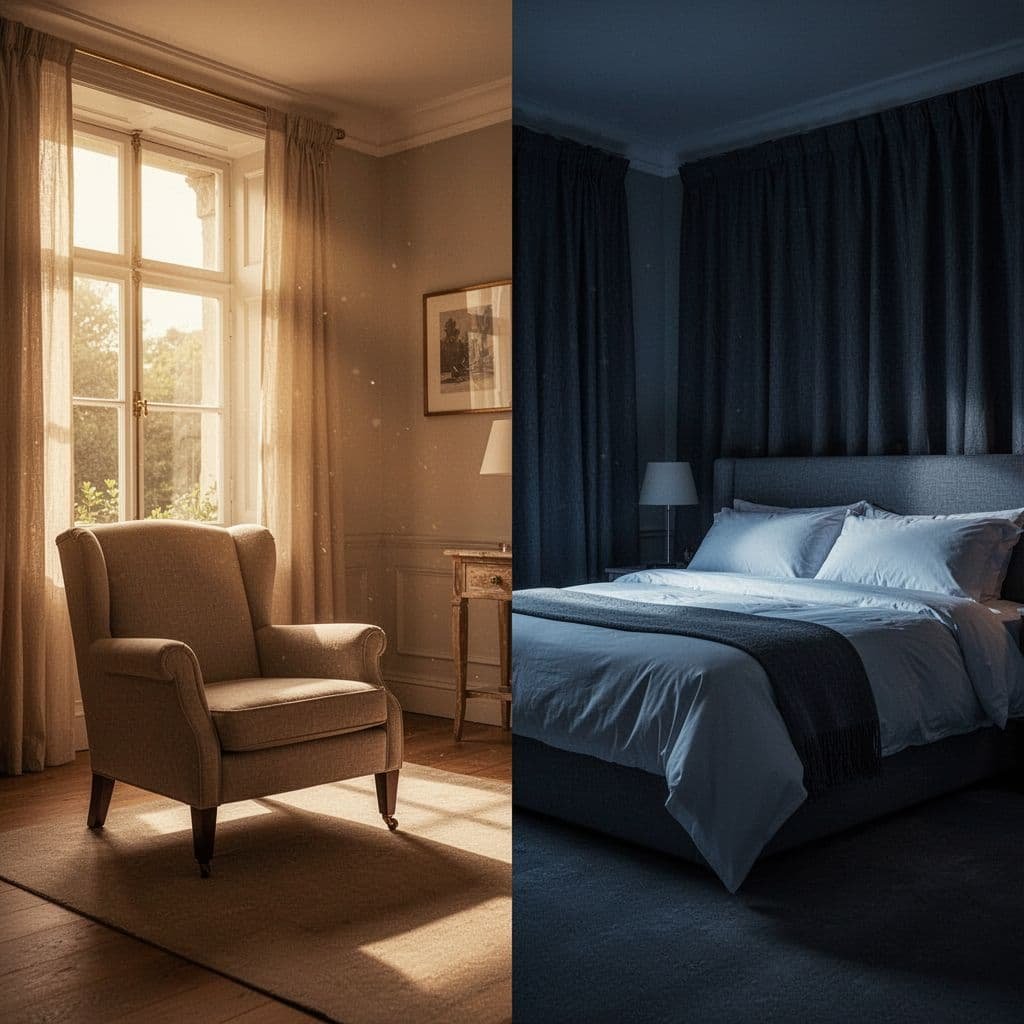
For nap timing tips, see the Mayo Clinic’s do’s and don’ts. Your evenings quiet down fast.
Stop Taking Stimulating Meds Before Bed
You pop a pill for that nagging headache or stuffy nose after dinner. It feels like relief. Yet hours later, you lie awake, heart pounding, thoughts buzzing. Those meds pack hidden stimulants that sabotage your sleep.
Many over-the-counter drugs contain caffeine or similar boosters. Pain relievers like Excedrin mix acetaminophen with caffeine to fight headaches faster. Cold remedies often include pseudoephedrine or phenylephrine for congestion; both rev your system like a mild caffeine hit. Stay-awake pills such as NoDoz deliver pure caffeine in tablet form. These block adenosine, just like coffee does. Your brain misses the sleep signal. As a result, you take longer to drift off and get less deep rest. The Mayo Clinic notes pseudoephedrine can cause restlessness and trouble sleeping if taken late.
Check labels closely. Look for caffeine, pseudoephedrine, or phenylephrine in the active ingredients. Take them early, at least 6-8 hours before bed. Effects linger, so afternoon doses work best. Always consult your doctor, especially if you have heart issues or take other meds.
Spot the problem? You feel jittery at night or wake up unrested. Switch to non-stimulant options. Plain acetaminophen eases pain without the buzz. Saline nasal sprays clear sinuses gently. Herbal teas soothe colds instead.

For more on decongestant side effects, see the Mayo Clinic’s pseudoephedrine guide. Ditch the late doses tonight. Your calm evenings return quickly.
Stop Turning Your Bed Into a Work Zone
You climb into bed, laptop in lap, ready to “finish one email.” Or you prop up pillows for a late-night TV binge. The glow pulls you in, but sleep? It hides. Your bed turns into a battleground for wakefulness.
This habit confuses your brain. It stops linking bed with rest. Instead, it ties the spot to work stress, show plots, or endless scrolls. Mayo Clinic calls this stimulus control. Keep bed for sleep and intimacy only. That way, your body cues up drowsiness fast when you slide under the sheets. Other activities spike alertness hormones and fragment rest. You lie there 45 minutes or more, frustrated.
Signs hit hard. You hop in bed but stay wired. Or wake at 2 a.m. with work thoughts. Cleveland Clinic backs it: mixed signals cut deep sleep by up to 20%.
Fix it quick. Clear the bed of devices and papers. Set rules: no work emails, no TV, no worry lists. Make your room cool (60-67°F), dark with blackout curtains, and quiet with earplugs or white noise.
One reader transformed this. She used her bed as an office desk for months, tossing all night. She banned work after a week. Added a fan for chill air. Now, she drifts off in 10 minutes, wakes refreshed.
The Mayo Clinic spells it out: reserve bed for sleep or sex. Your brain rewires fast.
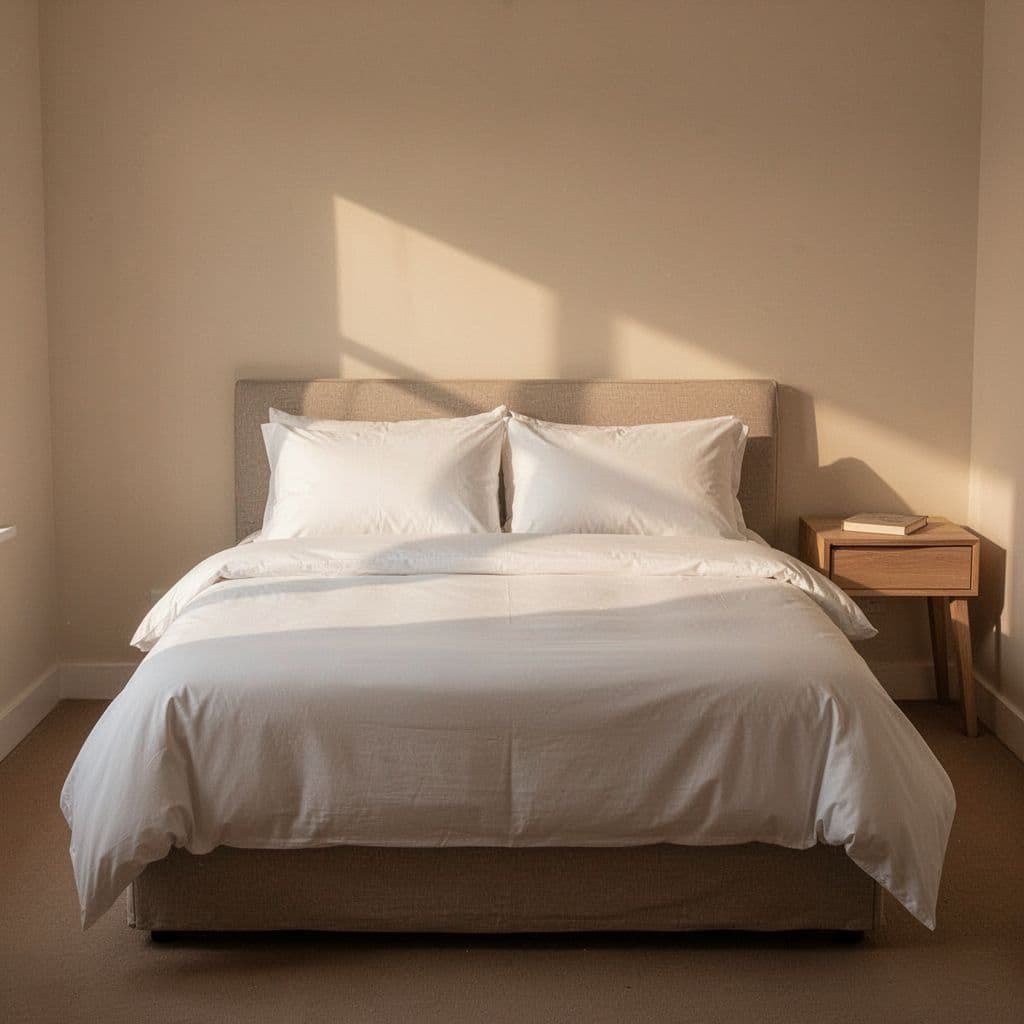
Try the switch tonight. Mornings sharpen right away.
Conclusion
You now know the nine habits to drop: screens, late caffeine, heavy meals, evening workouts, stressful tasks, long naps, stimulating meds, bed as a work zone, and inconsistent bedtimes. Each one blocks deep rest, but skipping them rebuilds your sleep hygiene.
Pick two or three to start tonight. Track your sleep in a simple journal for a week. You’ll spot quicker drifts to sleep and fewer wake-ups right away.
Build a full wind-down: dim lights, cool your room to 60-67°F, stick to the same bedtime daily, then take a warm bath. These steps deliver sharper focus and steady mood boosts all day.
Which habit will you quit first? Share in the comments. Subscribe for more sleep tips that stick. Better nights lead to brighter mornings, so get started.
Save pin for later

- Healthy Air Fryer Recipes for Beginners - 21/09/2026
- Healthy Snacks for Late Night Cravings - 21/09/2026
- High Protein Meal Prep Ideas for Easy Weekly Meals - 21/09/2026

