Your child walks through the door tired, hungry, and carrying a full day of school emotions, while homework, activities, dinner, and bedtime are still ahead. A thoughtful after school routine for kids gives that busy evening a steady rhythm without expecting perfect behavior or filling every minute.
The goal is a predictable sequence that helps your child shift from school mode to home mode, with time for a snack, decompression, play, homework, screens, chores, and rest. Along the way, you’ll find practical ideas, age-based adjustments, and sample schedules that support daily routines for school-age kids. Start by building the first calm minutes after your child gets home.
Key Takeaways
- Start with a snack, water, and 20 to 30 minutes of decompression before demanding homework or chores.
- Keep the sequence predictable, but adjust it when your child is hungry, exhausted, or emotionally overloaded.
- Protect daily movement, since children ages 6 to 17 need at least 60 minutes of physical activity.
- Set screen boundaries that protect homework, family time, active play, and sleep, rather than relying on one fixed limit.
- Build bedtime around consistency, because school-age children need 9 to 12 hours of sleep each night.
How to Build an After School Routine for Kids That Feels Calm
A calm after-school routine gives your child a predictable path through the hardest part of the afternoon. When the order stays familiar, children face fewer decisions, arguments, and last-minute demands. Set the routine backward from bedtime, then adjust it for sports, appointments, tired days, and your family’s schedule.
Start With Three Automatic Steps After School
Keep the arrival sequence short enough for your child to remember:
- Put away the backpack, shoes, and coat.
- Wash hands.
- Eat a snack and drink water.
A home base near the door makes the first step easier. Add a visual checklist, a water bottle station, and one clear place for devices to charge. Let your child choose small details, such as the snack location or checklist colors. That sense of ownership can reduce resistance.
Hunger and dehydration often look like defiance. A child who is irritable, tearful, sluggish, or suddenly refusing simple requests may need food and fluids before correction or conversation. Prepare a few easy choices in advance, such as:
- Fruit with yogurt
- Whole-grain toast with cheese
- Vegetables with hummus
- A peanut-free snack when allergies or school rules require it
USDA snack guidance also pairs foods such as fruit, vegetables, whole grains, and dairy to help children refuel after a long school day. For more ideas, see these healthy school snack recommendations.
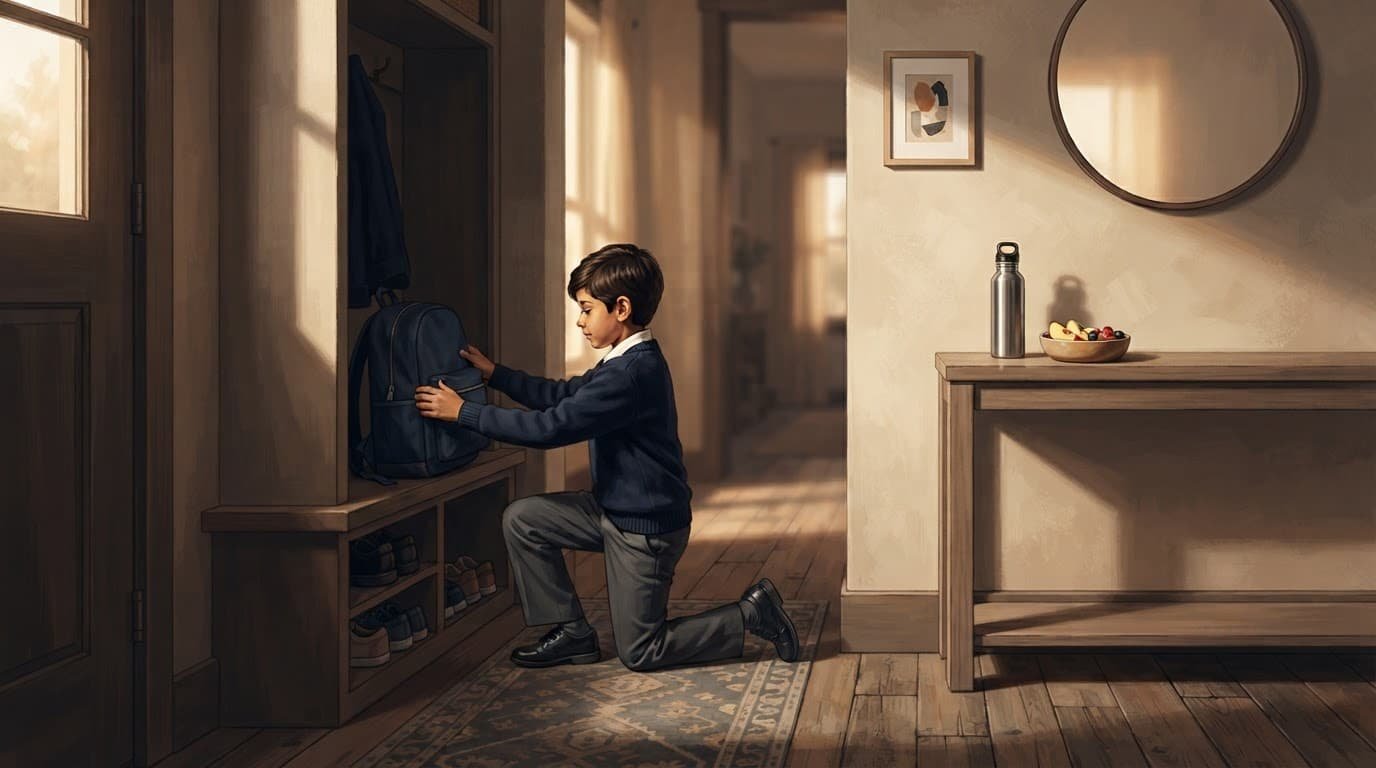
Keep snack time free from screens when possible. Watching videos can make it harder to stop, reconnect, and move into the next activity.
Give Kids Time to Decompress Before Asking for More
After the automatic arrival steps, offer 15 to 30 minutes with no demands. Your child might read, draw, build, listen to music, play freely, or sit beside you. This pause isn’t a reward for good behavior, and it doesn’t remove homework or chores. It gives the brain time to shift out of school mode.
For an overstimulated child, especially one with ADHD or frequent meltdowns, lower the noise and offer movement. Fewer spoken instructions can help too. Observe what your child needs first: quiet, connection, food, or physical activity. Then choose homework, movement, chores, or another next step. Consistent routines can also support children’s focus and daily routines.
Choose the Right Balance of Homework, Play, and Movement
Homework and physical activity can share the same afternoon without turning your home into a second classroom. After a snack and a short reset, decide what your child needs first: movement to release school tension, or a quiet start before energy fades.
Make Homework Shorter, Clearer, and Easier to Start
Choose one consistent, quiet, screen-free homework location. Keep pencils, paper, and supplies nearby, then post a visible checklist with each assignment divided into clear steps. A child is more likely to begin when the first task feels manageable.
Use short work periods, especially for younger children or those who struggle with attention. Try 15 to 20 minutes of work followed by a brief water, stretch, or bathroom break. Older children may manage longer blocks, but they still benefit from standing up between assignments. These effective study strategies for kids can make schoolwork feel less overwhelming.
Adult proximity helps, too. Sit nearby while your child gets started, help read confusing directions, check the planner, or complete the first problem together. Then step back instead of hovering over every answer. Your presence provides a handrail, not a second teacher.
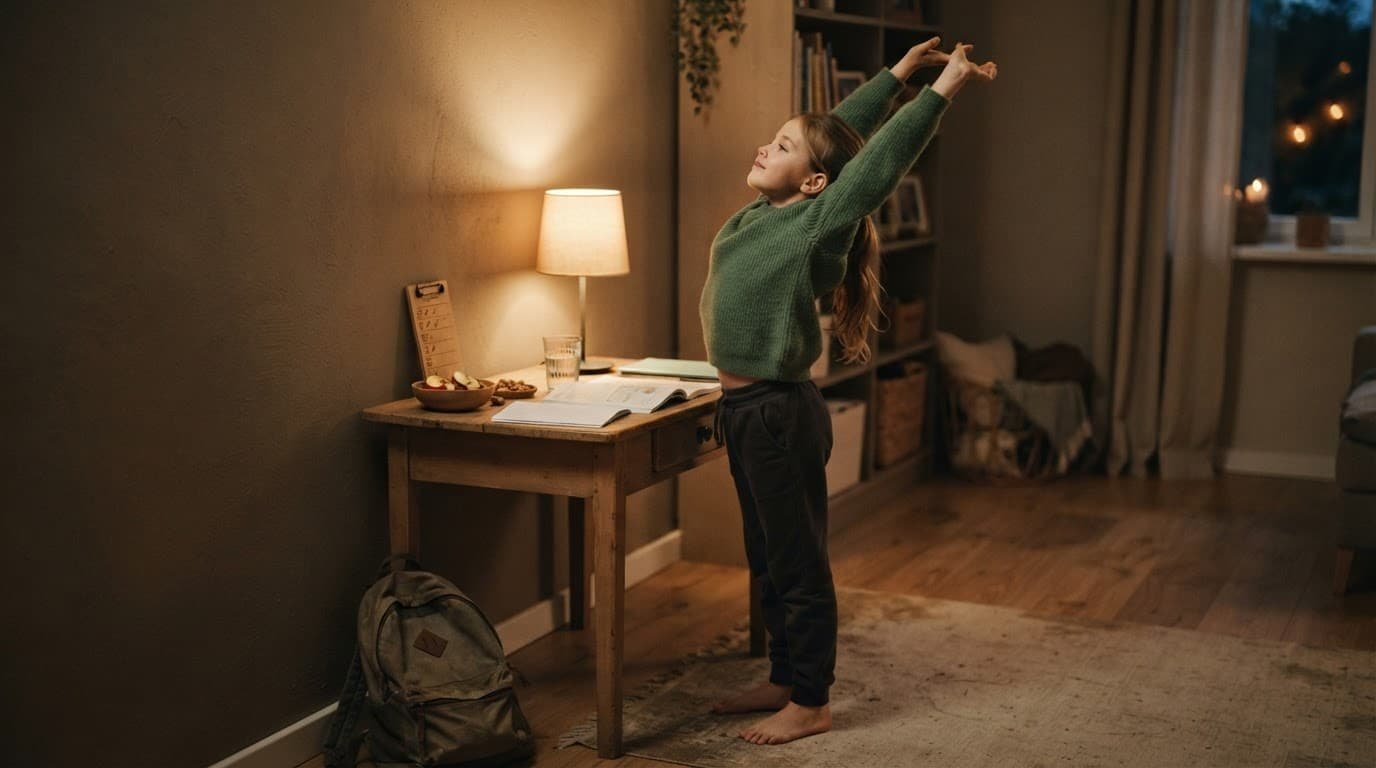
If homework distress happens most afternoons, pause before calling it laziness or defiance. Repeated tears, shutdowns, or battles may point to fatigue, unclear expectations, learning needs, or a schedule that’s already too full. Talk with your child and teacher about what makes the work difficult.
Use Movement as a Reset, Not Another Chore
The CDC recommends at least 60 minutes of physical activity each day for children ages 6 to 17. That total can include walking, outdoor play, biking, dancing, sports, and active indoor games, and short periods still count. CDC activity guidelines for children can help you plan a realistic mix.
Offer 10 to 30 minutes before homework or between work blocks:
- Take a neighborhood walk or visit the playground.
- Ride bikes, play catch, or start a backyard game.
- Put on a dance playlist or create an indoor obstacle course.
- Try stretching when your child feels tired rather than restless.
Movement can loosen the knot of a difficult school day, helping your child return with more focus. Still, protect free play by avoiding a calendar packed with organized activities. On sports-practice days, practice may provide most of the planned activity. On low-energy days, a gentle walk or relaxed play still counts.
Set Screen, Chore, and Device Rules Kids Can Follow
Screens and chores fit better when they have a clear place in the afternoon. Explain the sequence ahead of time, then keep it steady enough that your child doesn’t need to negotiate every day.
Put Screens After Responsibilities Without Making Them the Only Reward
When it works for your child, use a simple order: snack, movement, homework, one or two basic chores, then recreational screen time. Schoolwork on a laptop doesn’t count as entertainment, so judge recreational use separately. The commonly cited target is no more than two hours of recreational screen time daily for school-age children and teens, adjusted for age, sleep, activities, and your family’s needs. The American Academy of Pediatrics also emphasizes media quality and balance instead of one universal number. Its screen time guidance can help you create rules that fit your child.
Set an ending your child can see. Say, “One episode,” or “One game, then devices go to the charger,” rather than giving a vague warning. Use a timer, built-in parental controls, and one predictable weekday screen window. A short calming show after school may help an exhausted child settle, but it needs a known ending and shouldn’t replace food, connection, movement, or sleep.
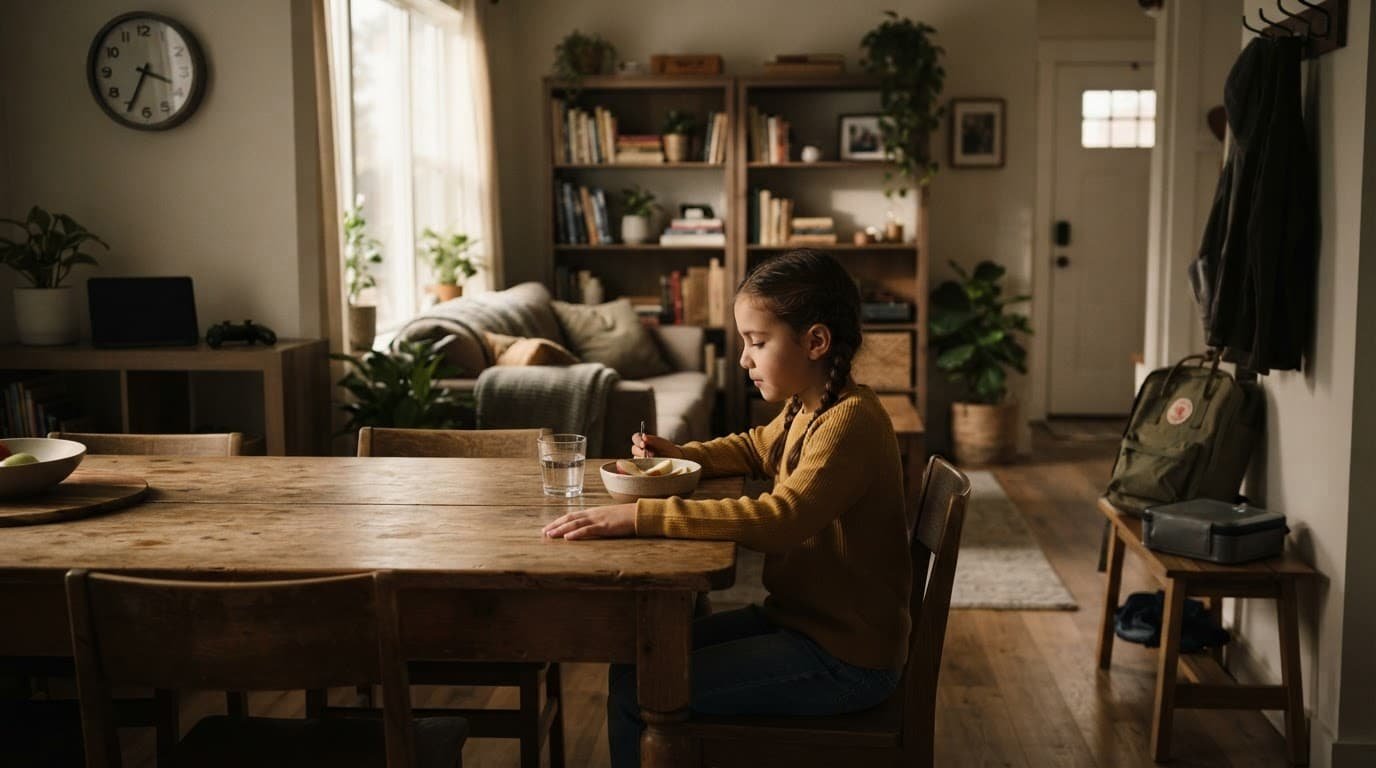
Charge phones, tablets, and gaming devices in the kitchen or another shared area. Keep them out of bedrooms overnight, and stop screens at least one hour before bedtime when possible. Consistent boundaries are easier to follow when the whole family follows healthy screen and bedtime limits.
Give Chores a Small, Predictable Place in the Afternoon
Children usually cooperate better with one or two brief daily chores than with a long list that appears without warning. Match the task to your child’s age, demonstrate it directly, and allow extra time while the skill develops. A picture checklist can help younger children remember what comes next.
Small tasks might include:
- Putting away a backpack and placing the lunchbox in the sink.
- Feeding a pet or setting napkins on the table.
- Loading dishes, sorting laundry, or packing materials for tomorrow.
Present chores as part of family life, not punishment or payment for every responsibility. Older children can add backpack cleanup, pet care, laundry, dish loading, or preparing clothes for the next morning. Praise steady effort, even when the towel isn’t folded perfectly. Age-appropriate responsibilities build independence through ordinary repetition.
Adjust the After School Routine by Age and Energy Level
One after-school routine cannot fit every child. A preschooler may need an adult beside them for each transition, while a teenager may only need a few agreed anchor points. Age, temperament, homework load, activities, and daily energy should shape the schedule.
What Younger Children Need From the Routine
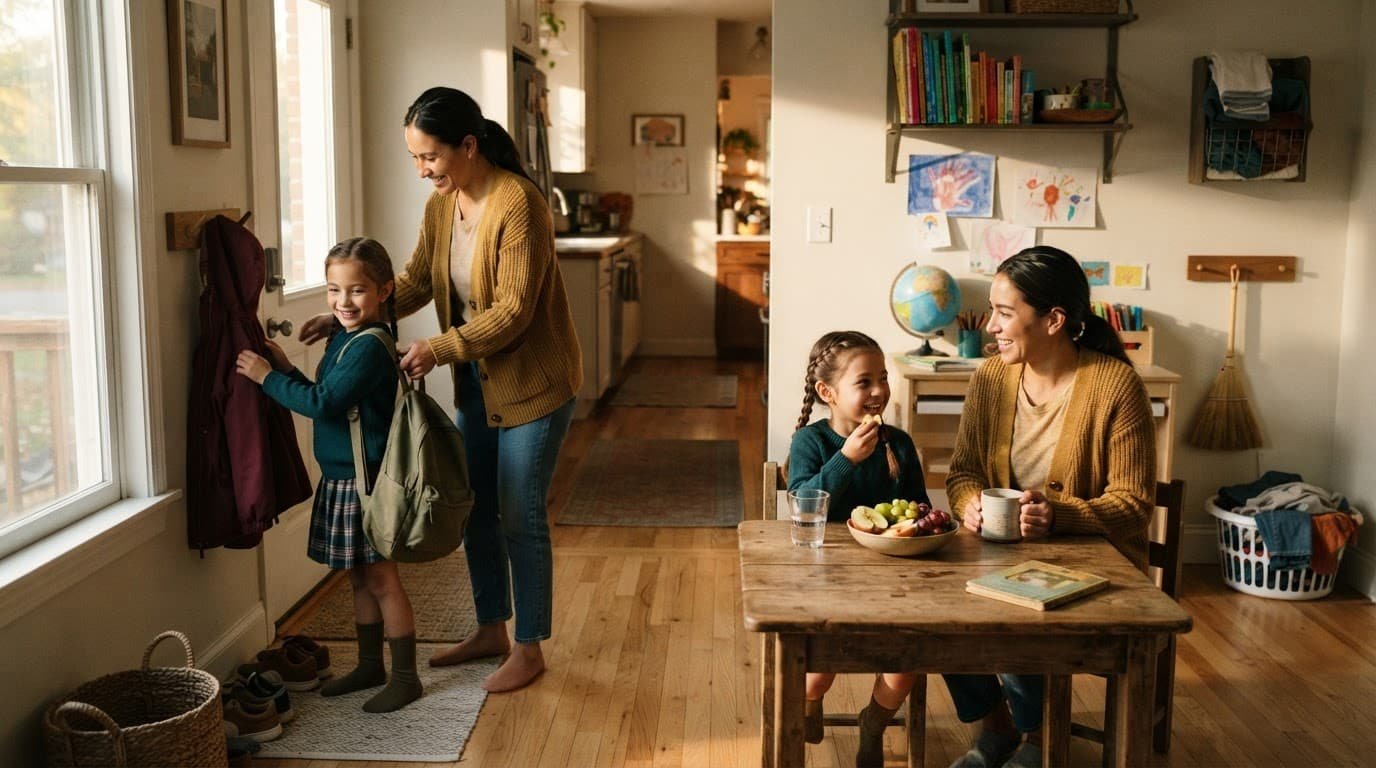
Preschool and early elementary children do best with short transitions, simple language, and visual cues. Use a picture checklist or point to each step as you move through it. Frequent connection also matters, so offer a hug, sit nearby, and give one direction at a time.
Snack, outdoor play, and quiet time may need to come before even a small reading or school-practice task. Stay close during learning time, then keep chores concrete, such as hanging up a coat or putting a lunchbox away. A practical order is snack, play, learning task, small chore, dinner, bath, books, and bed.
How Tweens and Teens Can Take More Ownership
Older children still need anchor points, even when they want more freedom. Agree on expectations for snack, homework start time, exercise, chores, device use, and bedtime. Then let your child choose the order when reasonable.
A planner, phone reminder, or weekly schedule check can help track practices, projects, and tests. Independence grows through practice, not through removing every boundary. These everyday independence skills become easier when you guide without taking over.
Protect sleep by avoiding late-night homework whenever possible and charging devices outside the bedroom. Children ages 5 to 13 often need 9 to 11 hours, while teens ages 14 to 17 need 8 to 10 hours. Keep bedtime and wake time fairly consistent, including on weekends.
When to Put Movement Before Homework
Use a simple decision rule:
- If your child is hungry and upset, start with food and connection.
- If they are restless or overwhelmed, try movement.
- If they are calm but tired, offer quiet decompression first.
After a high-activity day, homework may need to come before more play. On a low-energy day, reading, a gentle walk, and an earlier bedtime may work better. Some children focus best after outdoor play, so watch patterns for one week before changing the whole routine. An overloaded afternoon can damage sleep, mood, and next-day attention.
Sample After School Schedules That Work in Real Family Life
A useful after-school routine follows the same order each day, even when the clock changes. Shift these blocks around dismissal, commute time, activities, and your child’s bedtime. The sequence matters more than exact minutes.
A Gentle Routine for Younger Elementary Kids
Younger children need help moving between activities, so keep each step visible and simple:
- 3:30: Arrive, put shoes and backpack away, wash hands, then have a snack and water.
- 3:45: Enjoy about 20 minutes of free play, drawing, building, or quiet connection.
- 4:05: Read together or complete a short homework block while an adult stays nearby.
- 4:25: Complete one simple chore, such as putting the lunchbox in the sink.
- 4:35: Play outside or choose an active indoor game.
- 5:30: Eat dinner, then follow the usual bath, books, and bedtime routine.
- 6:45: Turn off recreational devices and begin winding down.
The order gives your child food, connection, movement, and rest before the evening ends. Children ages 6 to 17 also need at least 60 minutes of daily physical activity, which can happen in several shorter periods. See the CDC activity guidelines when planning the full day.
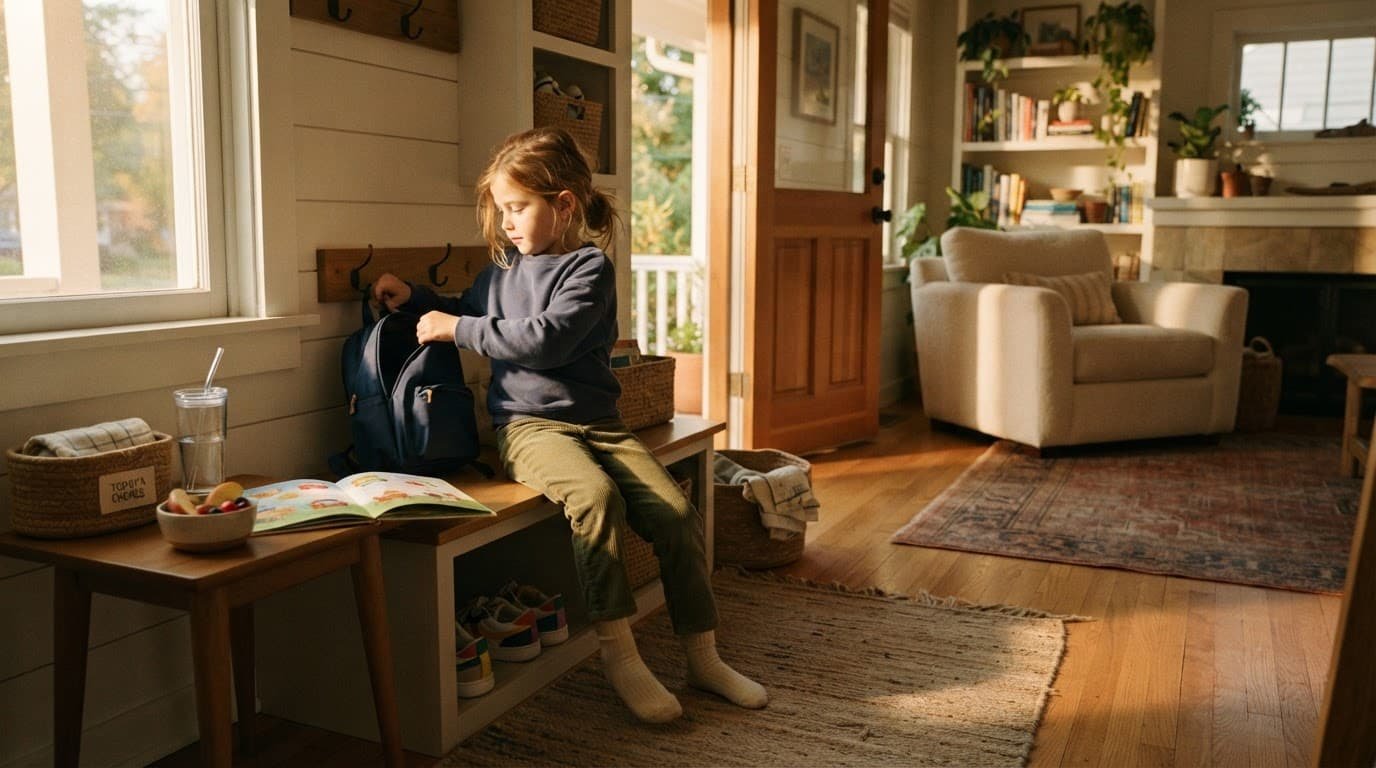
If your child is clearly exhausted, shorten the homework and chore blocks. Offer reading, dinner, and an earlier bedtime instead of pushing through a full schedule.
A Flexible Routine for Older Elementary Kids
Older children can handle more schoolwork, but they still need a pause after school:
- 3:45: Have a snack and drink water.
- 4:00: Take 20 to 30 minutes to decompress.
- 4:30: Complete one short homework block, take a break, then finish a second block.
- 5:30: Do a daily chore and play outside, attend practice, or exercise.
- 6:30: Eat dinner, followed by a limited recreational screen window if it fits.
- 7:30: Pack the backpack for tomorrow, choose clothes, and begin the wind-down.
A posted checklist shifts responsibility from a parent repeating instructions to the child following the plan. Keep recreational screens separate from homework, and turn devices off well before bed.
A More Independent Routine for Tweens and Teens
Tweens and teens may need longer study blocks or flexibility for activities:
- 4:00: Eat a snack, drink water, and take a brief reset.
- 4:20: Study or complete homework, with a planned break.
- 5:45: Finish a chore or reset the school bag, then walk, exercise, or attend practice.
- 6:45: Eat dinner.
- 7:30: Use a defined screen period, then shower and prepare for tomorrow.
- 8:45: Charge devices outside the bedroom and start winding down.
- 9:30: Keep bedtime consistent, adjusting it for age and wake-up time.
On high-activity days, practice may replace planned exercise. On low-energy days, choose a family walk or gentle stretching and protect sleep as the evening’s anchor. Teens ages 14 to 17 generally need 8 to 10 hours each night, according to sleep, screen, and activity research.
Troubleshoot the Afternoons That Keep Falling Apart
Even a well-planned after-school routine can unravel when your child arrives hungry, tired, or overloaded. Look for the smallest change that could help, then test it for several days before rebuilding the entire schedule.
Replace Repeated Arguments With Clear Cues
Long explanations often disappear into the noise of a difficult afternoon. Children usually respond better when they know what happens next and can see the path ahead.
Post a short written checklist where your child can reach it. Add a visual timer and give five-minute warnings before homework, screen time, leaving the house, or bedtime. Use the same brief phrases each day, such as:
- “Snack, then reset.”
- “Finish this step, then choose.”
- “Five minutes, then homework.”
- “Devices go to the charger after this episode.”
Offer limited choices while keeping the main boundary firm. Your child might choose homework at the kitchen table or at a desk, for example. They can pick between two snacks, but snack still comes before recreational screens.
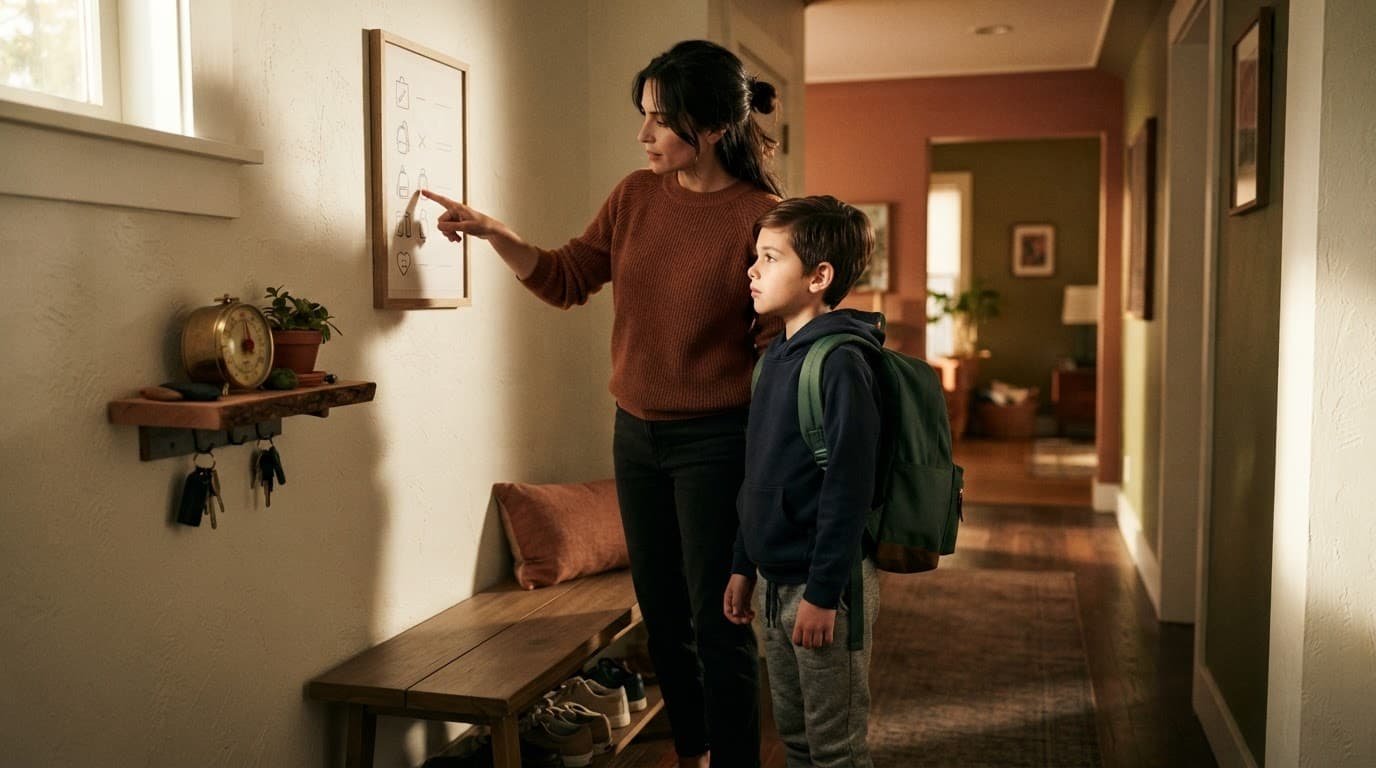
When a child refuses homework, check hunger, fatigue, unclear directions, and the size of the assignment before repeating the demand. If screens trigger an immediate argument, state the order once and point to the checklist. During a meltdown, reduce words, lower your voice, and wait for calm before teaching or correcting. For forgotten chores, attach one simple task to an existing cue, such as placing the lunchbox in the sink after snack.
Know When the Routine Needs More Support
Some resistance is normal, especially after a long school day. However, ongoing problems deserve attention when they continue for weeks, cause distress, or interfere with home, school, friendships, or basic daily tasks.
Track patterns such as daily emotional explosions, persistent homework battles, unusual withdrawal, extreme fatigue, attention difficulties, or major sleep problems. A child who stays up too late may need a shorter evening, an earlier screen cutoff, or help identifying anxiety that makes bedtime difficult.
Share your observations with the child’s pediatrician, teacher, school counselor, or a qualified mental health professional. The NIH overview of childhood behavioral and emotional disorders offers helpful context, but avoid labeling your child as lazy, oppositional, or careless.
During a weekly family reset, ask what worked, what felt too hard, and what should change. Adjust one part at a time, then watch how your child’s mood, sleep, and cooperation respond.
Conclusion
A successful after school routine for kids doesn’t need to run perfectly each day. It needs a steady rhythm that gives children food and water, time to decompress, learning, movement, responsibilities, connection, and enough sleep. When the afternoon begins with care instead of correction, children have more room to recover from a long school day.
Start with three anchor points, such as a snack after arrival, a consistent homework start time, and a regular bedtime. Once those habits feel familiar, add the other pieces and adjust them around your child’s age, energy, activities, and needs. A back-to-school routine for kids can also help when the school year begins or schedules change.
The best routine is steady, simple, and responsive, not perfect. It gives children a soft landing after a demanding day while helping the whole family feel less rushed.
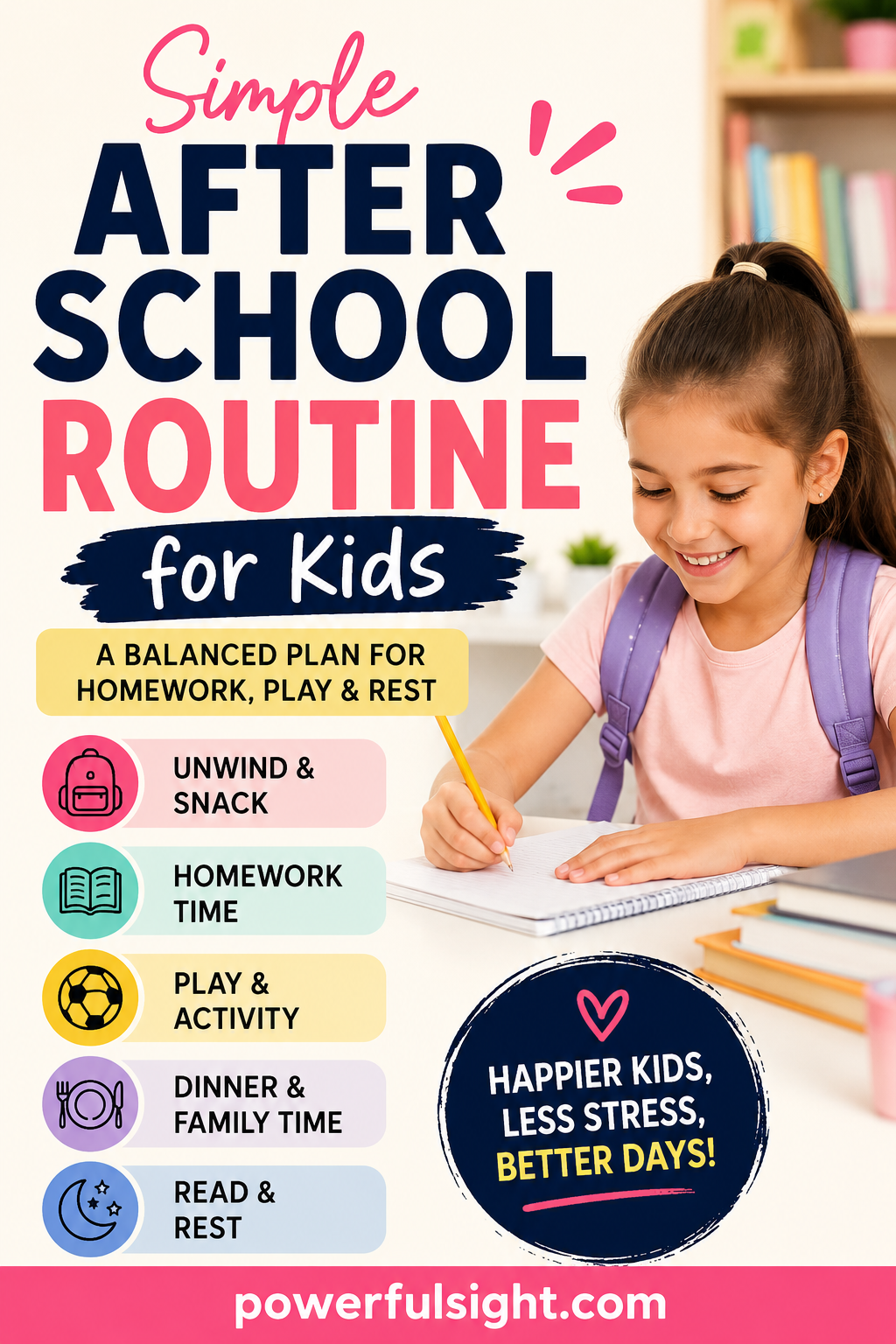
Save the pin for later

- 60 Color Tattoos That Healed Beautifully - 25/09/2026
- 40 Most Painful Tattoo Spots - 24/09/2026
- 20 Tattoo Aftercare Mistakes That Ruin Fresh Ink - 23/09/2026

