People make snap judgments in seconds, and those quick calls can shape how trusted, liked, or remembered you are. First impressions don’t wait for a full story, they start the moment someone sees your face, posture, or tone.
Psychology says there are 7 traits people notice almost instantly, long before a real conversation has time to unfold. Warmth, confidence, and other nonverbal cues can shift trust fast, and the same signals that show up in body language signs of attraction also affect everyday social moments. That’s why small details matter more than most people expect.
This isn’t about judging people or turning them into a checklist. It’s about understanding what others may pick up on before you’ve said much at all, so you can read social cues with more clarity. If you’ve ever wondered why one person feels easy to trust and another doesn’t, the seven traits below make that pattern easier to see. A quick visual companion is The Psychology of First Impressions (What People Really Notice).
Why first impressions happen so quickly
The brain is built to make fast calls. When you meet someone new, it does not wait for a full story, it scans for quick signs of safety, warmth, confidence, and trust. That is why first impressions can form in a split second and still stick hard.
Research summarized by the Association for Psychological Science shows that people can form a face-based impression in about a tenth of a second. In daily life, that means your posture, expression, and tone can shape how others read you before a real conversation starts.
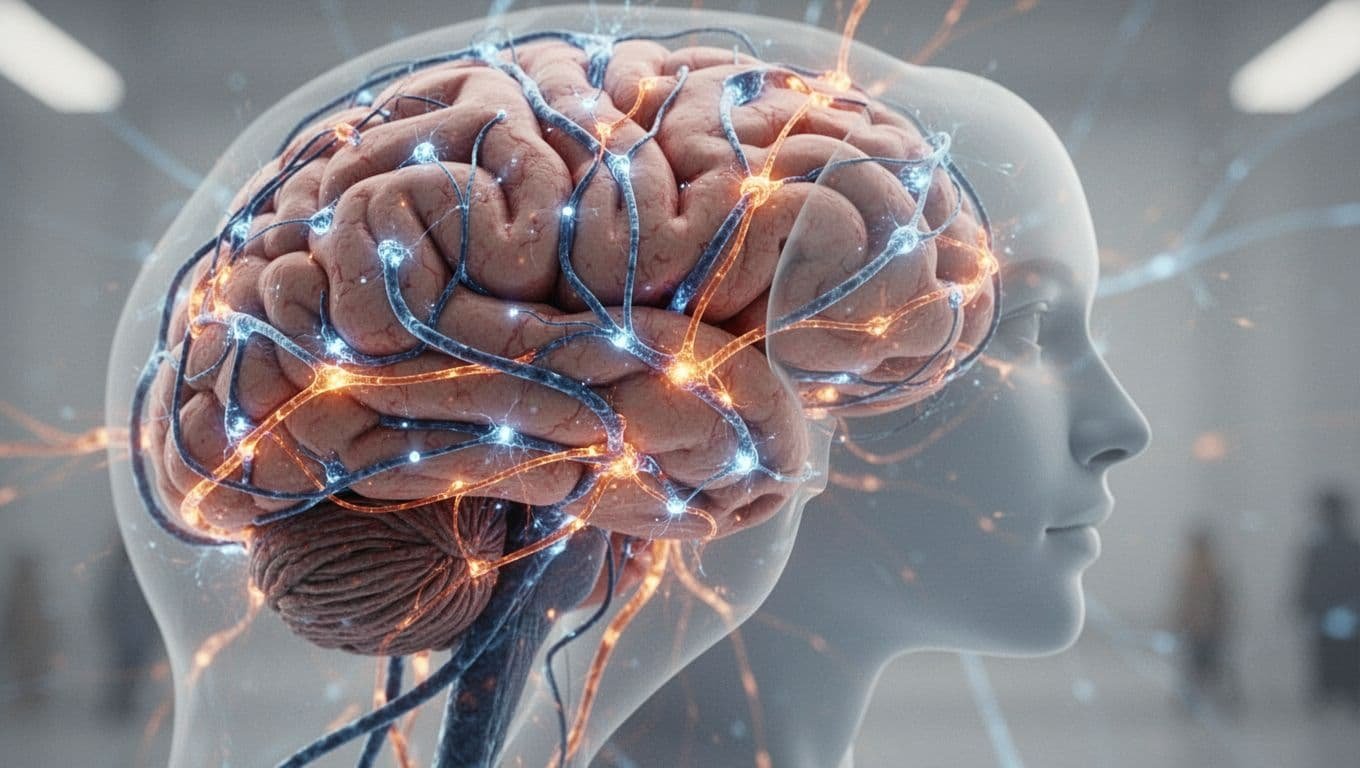
First impressions are fast because the brain prefers a quick answer over a perfect one.
Context still matters. A nervous smile at a job interview can mean something different from the same smile at a party. Even so, people notice certain social cues almost right away, and those early signals can shape the whole interaction.
The brain looks for shortcuts
When information is limited, the brain uses shortcuts to fill in the gaps. It builds a rough picture from small clues, then treats that picture like a working draft. That draft can be helpful, but it can also be stubborn.
In practice, this is why someone may seem trustworthy after a few seconds, or why another person may feel distant before they say much at all. Your mind notices patterns fast, then starts connecting them to past experience.
A few of the most common cues are:
- Face and expression, because relaxed features often feel safer than tense ones.
- Tone of voice, because warmth or tension shows up quickly.
- Clothing and grooming, because people often read effort and care from appearance.
- Posture and movement, because steady, open movement usually feels more confident.
If you want a wider look at these hidden cues, how to read people without them knowing breaks down the signals people give off before they speak.
Why body language matters before words do
Body language often speaks first because it is visible right away. Before someone hears your words, they may notice whether you stand tall, look open, or seem tense. That first read can shape how your message lands.
A calm face and steady posture often suggest ease. Crossed arms, tight jaw muscles, or restless movement can send the opposite message, even if the person is friendly. Words matter, but the body often sets the tone.
That is why first impressions can be hard to change. Once the brain picks a quick label, it looks for proof to back it up. A small shift in posture or expression can help, but the first signal still carries a lot of weight.
The seven traits people notice almost instantly
People rarely take in everything at once. They pick up on a few fast signals, then use those clues to guess what kind of person you are. Confidence, interest, warmth, and character all show up in small ways, and those small ways shape the mood of the whole interaction.
The traits below are not perfect tests of who someone is. Still, they matter because people react to them right away, often before they have a full sentence to work with. In moments like that, the brain is filling gaps fast, and what people assume in first meetings can start with posture, tone, or the first thing you choose to say.
Read these traits as clues, not verdicts. Even so, clues change how approachable, thoughtful, or confident someone seems.
Body orientation: facing in or turning away
People notice body orientation almost immediately. If someone faces them fully, leans in a little, and keeps their shoulders open, that reads as interest and focus. When the torso angles away, the feet point toward the door, or the body seems half-turned out of the conversation, people often feel less welcome.

A tiny shift can change the whole feel of a moment. You might still be listening, but if your posture closes off, others may read distance instead of attention. That is why body orientation matters so much in first impressions, it sets the tone before your words do.
People often decide whether you feel open or guarded long before they understand what you mean.
What you notice and say first
The first comment out of someone’s mouth says a lot about what they value. If they lead with appearance, they may be focused on looks and surface detail. If they notice your energy, tone, or presence, they usually come across as more observant and personal.
People also watch for depth. A shallow opener can feel like someone is scanning for easy material, while a thoughtful opener feels more human. Saying, “You have a calm way of speaking,” lands very differently from, “Nice jacket.” Both can be harmless, but one tells the other person you noticed more than their outfit.
First words do not need to be brilliant. They do need to feel aware. That is where trust often starts.
How someone treats service workers
People pay close attention to how someone speaks to waiters, cashiers, baristas, and other service workers. These moments are small, which is exactly why they matter. There is less room for performance, so character shows up fast.
A polite voice, patient tone, and simple “thank you” can say a lot about empathy and self-control. On the other hand, snapping at someone over a delay or acting dismissive can make a person seem careless, even if they are pleasant with friends.
This is one of those traits that feels almost automatic to observers. If someone is kind when there is no status benefit, people usually take that as a stronger sign of who they are.
Active listening and real attention
Good listening is easy to spot when you know what to watch for. The listener keeps eye contact, nods at the right moments, asks short follow-up questions, and does not jump in too early. Their responses connect to what was just said instead of veering off into their own story.
People notice when attention is real. They also notice when someone is waiting for a pause so they can talk again. That difference shows up in the rhythm of the exchange. Real listeners slow the room down a little, which makes the other person feel heard.
A simple question like “What happened next?” often does more than a long speech. It shows presence without taking over.
Subtle mirroring that builds trust
When people feel comfortable, they often copy each other without meaning to. Posture softens, speaking pace matches, and tone starts to sound more alike. This kind of mirroring usually happens on its own when a conversation feels safe.
Natural mirroring helps people feel understood. It gives the interaction a steady, easy rhythm. Forced copying does the opposite. If someone mirrors every gesture too neatly, it can feel fake and distracting.
The best version is quiet and light. You do not need to copy someone exactly, just meet them with a similar level of ease. For a closer look at the way relaxed, open behavior shapes connection, see charming body language techniques.
A warm smile and open posture
A real smile reaches the eyes. A forced one usually stays tight around the mouth and fades quickly. People sense that difference fast, because the face gives away whether warmth is genuine or pasted on.
Open posture helps that same message land. Crossed arms, tense shoulders, and a face with very little movement can make someone seem guarded, tired, or uninterested. Even when none of that is intended, the room may still read caution instead of welcome.

Warmth is what makes people feel safe around you. That does not mean constant smiling or exaggerated friendliness. It means your face and body tell the same story.
Noticing small details others miss
People who catch tiny changes in tone, mood, or expression often come across as smart and emotionally aware. They notice when someone sounds flatter than usual, when a joke lands badly, or when a smile does not quite match the words. Those small reads make others feel seen.
This trait matters because it moves past surface chatter. Someone who notices your shift in mood and responds gently feels attentive in a real way. They do not need a dramatic explanation to understand that something is off.
In everyday life, that kind of awareness builds trust fast. It says, “I see you,” without making a big scene about it.
Why these traits shape trust, attraction, and likability
These seven traits matter because people use them to answer the same quick questions: Is this person safe? Do they seem friendly? Would I want to spend more time with them? Before anyone knows your full story, the brain looks for signs of ease, interest, and self-control.
That is why the same cues can matter in dating, interviews, friendships, and work meetings. A calm face can feel reassuring in a job interview. Open body language can feel inviting on a date. Good listening can make a coworker seem dependable. In each case, people are reading whether you feel steady and worth knowing better.
People trust what feels familiar and calm
Calm behavior lowers tension. When someone speaks in a steady voice, keeps an open posture, and reacts without fuss, others usually feel less guarded around them.
That ease matters because trust starts with comfort. If you seem tense, closed off, or hard to read, people may hold back. If you seem present and relaxed, they often lean in, both physically and mentally.

In a date, that calm can feel warm. In a meeting, it can make your ideas easier to hear. In a friendship, it can make the other person feel like they do not need to perform.
For a broader look at how people form quick judgments, see initial impression formation in social psychology.
Small cues can outweigh big claims
People trust what they can see more than what they are told. A person can say they are kind, confident, or easy to work with, but small behaviors often carry more weight.
That is why a genuine smile, steady eye contact, and attentive listening matter so much. They make your words feel real. When your behavior matches your message, people feel less doubt. When it doesn’t, they notice that gap fast.
In new relationships, the smallest cue can shape the biggest opinion.
This shows up everywhere. In interviews, a composed tone can support your answers. In friendships, a thoughtful first comment can make someone feel seen. In dating, relaxed openness often feels more attractive than polished talk alone. If you want a deeper look at that, how to make yourself more likeable breaks down the same pattern in everyday settings.
Different situations change how the traits are read
The same behavior can land in different ways depending on culture, personality, and setting. Direct eye contact may feel confident in one group and too intense in another. A quiet person may seem thoughtful in one room and distant in another.
That is why context matters so much. People do not judge traits in a vacuum, they judge them through the moment in front of them. A firm voice can help in a work meeting, while a softer tone may work better in a close conversation.
So the goal is not to perform one perfect style. It’s to read the room and let your calm, warmth, and awareness fit the setting. That balance makes you seem more trustworthy, more likable, and easier to connect with.
How to use this insight without becoming fake
The goal is not to put on a show. It’s to notice how you already come across, then make small changes that match who you are. That kind of adjustment feels natural, and people usually respond to it better than to a polished performance. If you want a practical starting point, how to improve communication skills covers habits that support stronger first impressions without sounding forced.
Focus on one habit at a time
Trying to fix everything at once usually backfires. Instead, pick one habit and practice it until it feels normal. Better eye contact, cleaner posture, or more active listening can all shift how you appear without changing your personality.
Start small and stay consistent:
- Face the person you’re speaking with.
- Keep your shoulders open instead of closed.
- Listen long enough to ask one real follow-up question.
- Offer a warm smile when it fits the moment.
One change is easier to repeat than five. Over time, that single habit becomes part of how you move through a room.

Small, honest habits work better than big, rehearsed moves.
Stay natural, not scripted
People respond best to genuine behavior. Rehearsed lines, stiff smiles, and forced body language can make you seem guarded, even if your words are friendly. A better approach is to stay present and let your real reactions show.
That means you can be thoughtful without sounding mechanical. You can be warm without trying to perform charm. Research on authentic first impressions points in the same direction, people do better when they come across as real, not overly managed.
If you feel nervous, keep your focus on the other person. Listen closely, respond honestly, and match the moment. That is usually enough to create a strong first impression that still feels like you.
Conclusion
People do not wait long to form an opinion. Before the conversation really starts, they notice the seven traits that shape comfort, trust, and interest.
That is why warmth, attention, and respect matter so much. A steady posture, a real smile, and good listening can change how someone reads you in seconds.
The main idea is simple, small actions carry real weight. If you want better first impressions, start with the cues people see first, then let your words match what your body already says.

- 60 Color Tattoos That Healed Beautifully - 25/09/2026
- 40 Most Painful Tattoo Spots - 24/09/2026
- 20 Tattoo Aftercare Mistakes That Ruin Fresh Ink - 23/09/2026

