Your liver can have trouble for a long time before obvious symptoms show up, and that makes early warning signs easy to miss. Fatigue, itchy skin, bloating, and changes in appetite can look like stress, aging, bad sleep, or a rough week of eating, so it helps to watch for patterns instead of one-off issues.
Silent liver problems often build slowly, which is why early attention matters. If you want to support your liver now, liver cleansing foods can be a smart place to start, but the first step is knowing which small changes deserve a closer look.
Why liver problems often stay hidden at first
The liver can stay under strain for a long time and still keep working. That is why early trouble often hides in plain sight, with signs that look like stress, bad sleep, or a rough week.
Mayo Clinic notes that liver problems often cause no obvious symptoms at first, which is exactly why they are easy to miss. By the time signs become clear, the issue has often been building for a while.
What the liver does every day
Your liver has a lot on its plate. It filters blood and removes waste, makes bile to help break down fat, helps the blood clot, and stores nutrients your body can use later.
It also makes proteins that support normal body function. When the liver slows down, the effects can show up in places that seem unrelated at first, like your skin, stomach, energy, or appetite.
That is why liver symptoms can be confusing. The liver does its work behind the scenes, so a problem there does not always feel like a liver problem.
Why early symptoms are easy to ignore
Early signs are often mild and vague. Fatigue can look like a busy schedule. Skin changes can seem like dryness, allergies, or age. A little bloating or mild stomach discomfort can feel like something you ate.
Mild swelling is easy to explain away, too. Many people blame it on salty food, dehydration, long days on their feet, or poor sleep. Those guesses make sense, but they can also hide a real warning sign.

The problem is not that these signs are dramatic. The problem is that they are easy to dismiss. When several small changes start showing up together, they deserve attention, even if each one seems harmless on its own.
That is the key idea for the rest of this article, silent liver signs can look ordinary, but ordinary does not always mean harmless.
The 9 silent signs you should not brush off
These signs do not prove liver disease on their own, and plenty of other issues can cause the same changes. Still, they matter when they show up often, keep returning, or appear alongside other symptoms. That pattern is what turns a small annoyance into a real warning.
Mayo Clinic notes that liver problems can stay hidden until damage is more advanced, which is why these quieter clues deserve attention. When your body starts changing in more than one place, your liver may be part of the story.
Constant tiredness that does not improve with rest
Liver trouble can leave you feeling drained even after a full night of sleep. You may wake up tired, lose steam by midday, or feel like simple tasks take more effort than they should.
That kind of fatigue is easy to blame on stress, a packed schedule, or poor sleep. However, ongoing tiredness becomes more important when it keeps happening without a clear reason, especially if you also notice appetite changes, swelling, or skin changes.

Itchy skin without a clear rash
Some people feel itchy all over, while others notice it in random spots with no visible rash. The skin may look normal, but the urge to scratch keeps coming back, especially at night.
This can happen when bile or waste products build up in the body. Dry skin can cause itching too, so the real concern is ongoing itchiness that doesn’t have an obvious cause or clear fix.
Dark urine that looks tea colored
Urine can turn darker than usual, even when you’re drinking enough water. People often notice a tea-like color, especially in the morning or after several bathroom trips.
One possible reason is bilirubin buildup, which can happen when the liver is not processing waste well. Medicine, dehydration, and certain foods can also change urine color, so the pattern matters more than a single odd day.
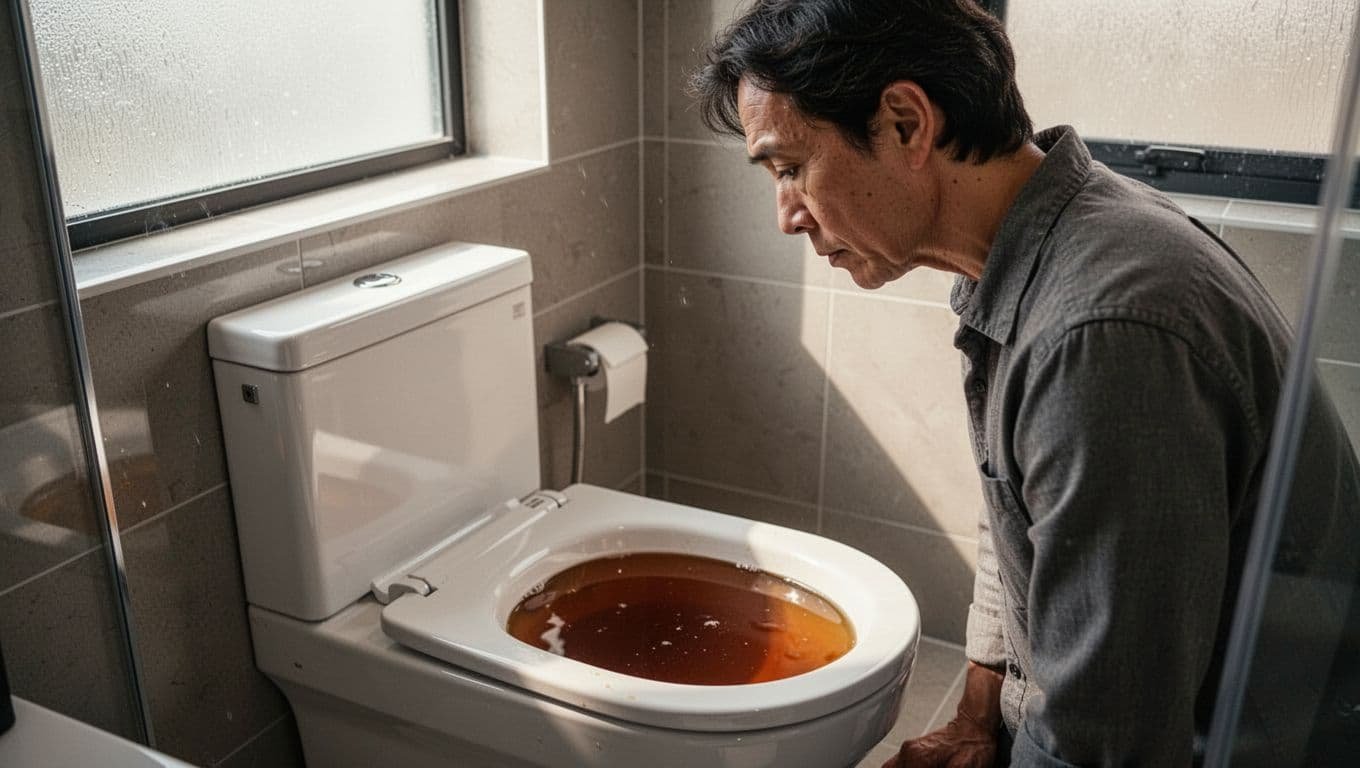
Pale, gray, or clay colored stools
Stool color can change when bile is not flowing the way it should. Instead of the usual brown shade, stools may look pale, gray, or clay colored.
Bile helps your body digest fat, so changes in bile flow can show up in the bathroom before they show up anywhere else. A one-time change is less worrying, but repeated changes deserve a closer look.
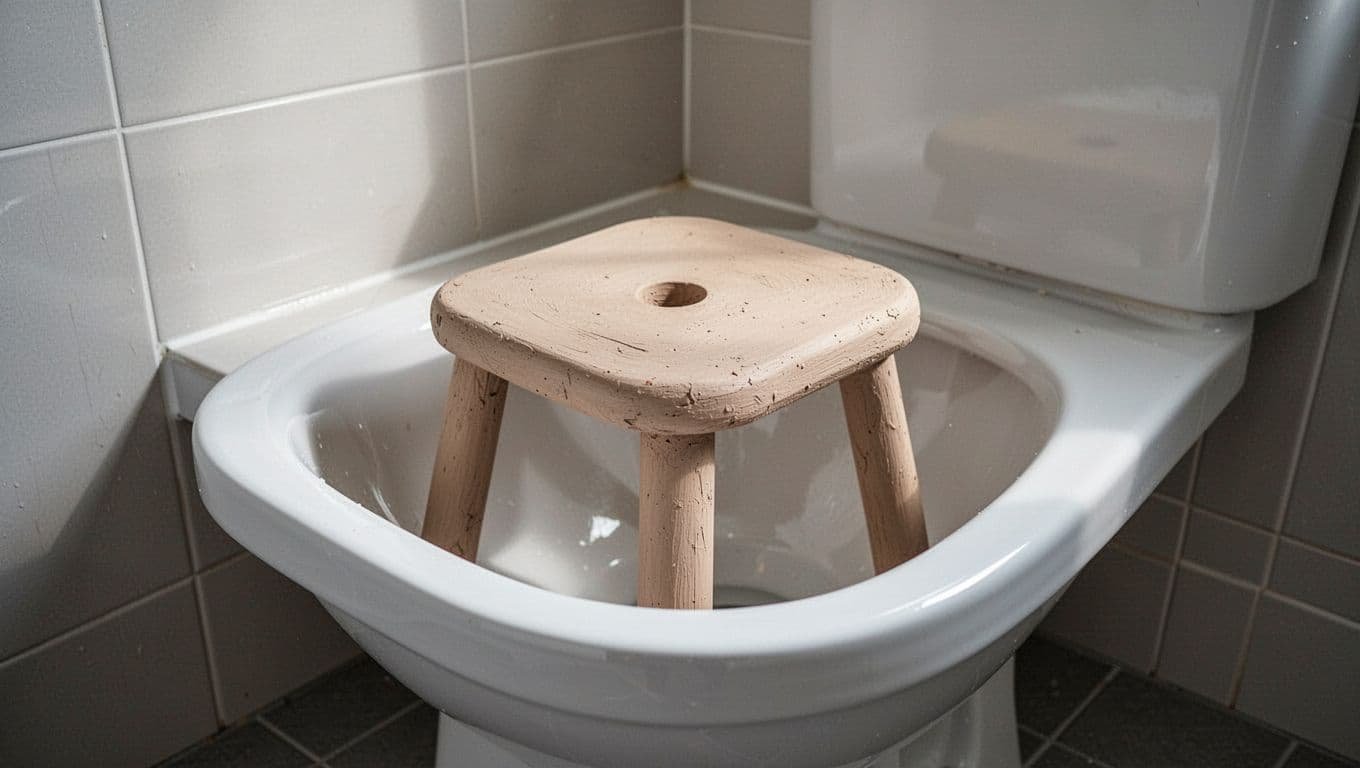
Bruising more easily than usual
A small bump may leave a bigger bruise than it used to. You might also notice that cuts take longer to stop bleeding, or that bruises seem to appear without much reason.
The liver helps make proteins that support normal clotting. Easy bruising can happen for other reasons too, but a new pattern, especially with fatigue or swelling, should not be ignored.
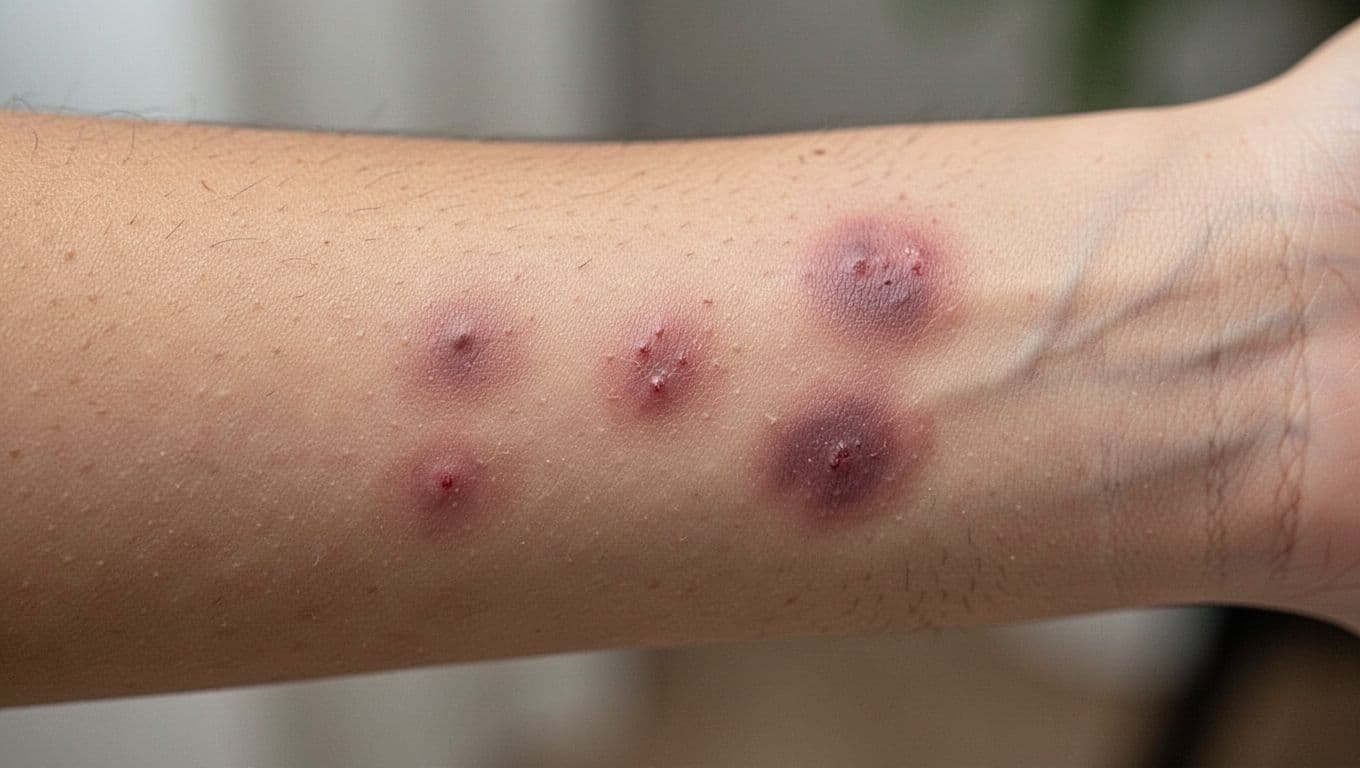
Small red spider veins on the skin
These are often called spider angiomas. They look like tiny red spots with thin lines branching out, almost like little webs, and they often show up on the face, chest, or arms.
They can be linked to hormone changes that happen when the liver is under strain. The sight of one or two is not a reason to panic, but repeated spots can be a clue, especially if they show up with other signs on this list.
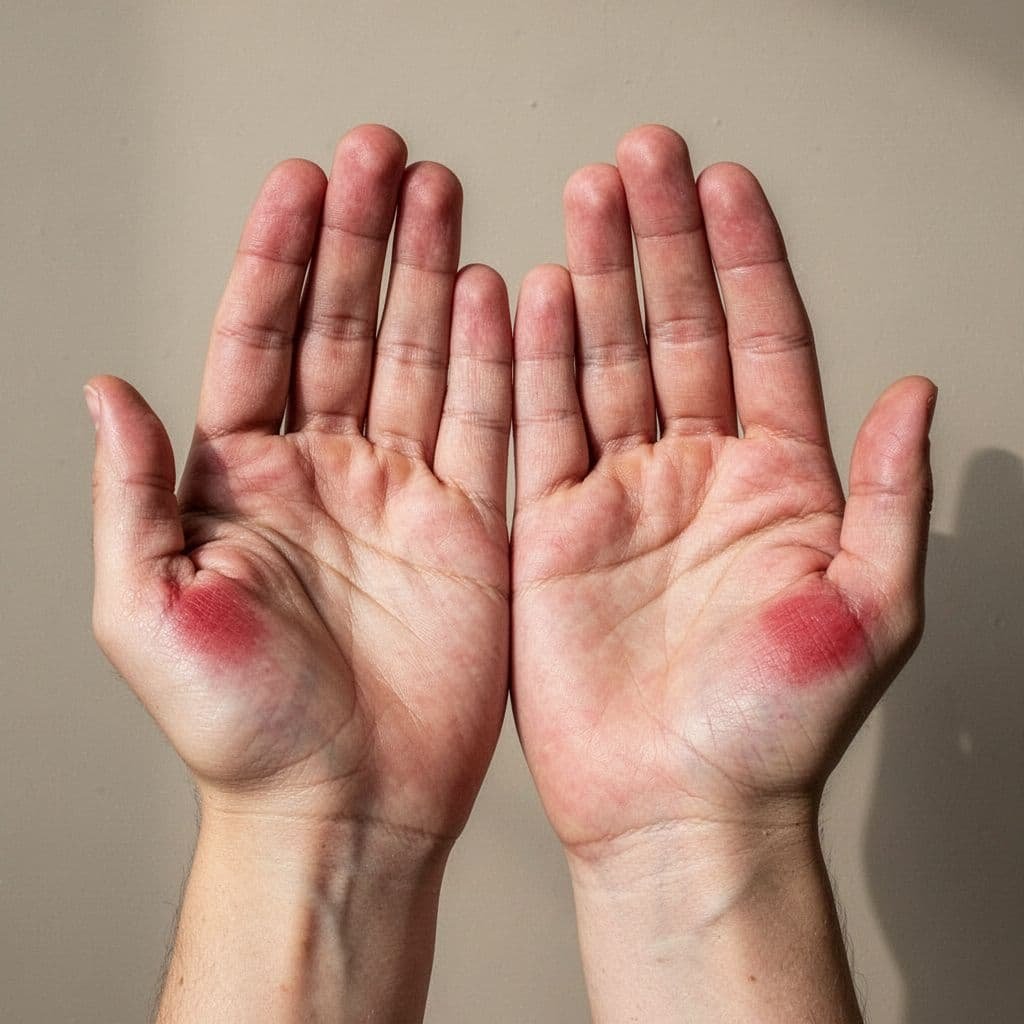
Red palms that seem unusual
The palms may look pink or red, often near the base of the thumbs or little fingers. Sometimes the color comes and goes, so it can be easy to overlook unless you happen to notice it in good light.
Red palms alone do not point to liver disease. Still, they can be a clue when they appear with tiredness, bruising, or other signs that do not fit your usual pattern.
Loss of appetite or unexpected weight loss
Food may start to seem less appealing, or you may notice that you feel full after a few bites. Portions shrink without effort, and meals that once felt normal start to feel like work.
That can lead to weight loss over time. If the change is not explained by diet, exercise, or another illness, it can be a sign that something deeper is affecting the body, including the liver.
Swelling in the legs, ankles, or feet
Puffiness in the lower body can build through the day and leave sock marks behind. Shoes may feel tighter, ankles may look puffy, and the swelling may be more obvious after long periods of sitting or standing.
When the liver is not making enough of the right proteins, fluid can leak into nearby tissues. Swelling has other possible causes too, so the bigger picture matters, especially if it comes with tiredness, dark urine, or belly swelling.
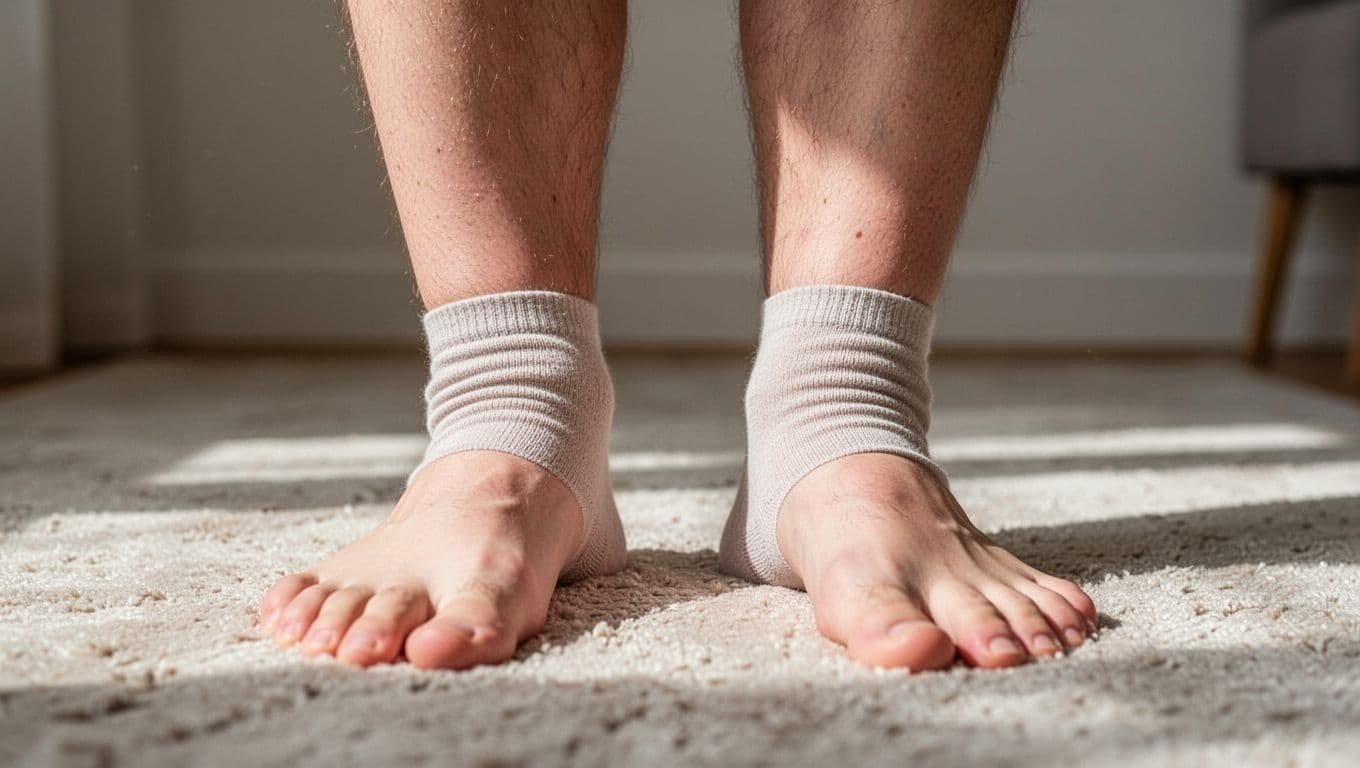
When these clues start stacking up, the safest move is to pay attention early. One symptom can be easy to explain away, but several together paint a clearer picture, and that picture is worth bringing to a doctor.
When these signs point to something more serious
Small liver-related changes can start with mild irritation, but they can also point to a bigger problem that needs medical care. The key is pattern, not panic. When a symptom lasts, gets worse, or shows up with other changes, it deserves a closer look. Mayo Clinic advises making an appointment for lasting symptoms and getting urgent help for severe belly pain or other serious warning signs.
Symptoms that should prompt a doctor visit
If you notice a new symptom that sticks around for more than a few days, book a visit. The same goes for changes that keep coming back or seem to be building over time.
Look for:
- Ongoing fatigue that rest does not fix
- Itchy skin without a clear rash
- Dark urine or pale stools that keep happening
- Loss of appetite or feeling full too fast
- Mild swelling in the feet, ankles, or belly
- Easy bruising or unusual bleeding
- Pain or pressure in the upper right side of your abdomen

Liver problems can range from temporary inflammation to more serious disease, including scarring and liver failure. That is why a symptom that seems mild on its own can matter more when it is new, lasting, or paired with lab changes or weight loss.
Red flags that need urgent care
Some symptoms need fast action, not a routine appointment. If you see yellowing of the skin or eyes, severe abdominal pain, confusion, vomiting blood, black stools, or sudden swelling, get emergency care right away.
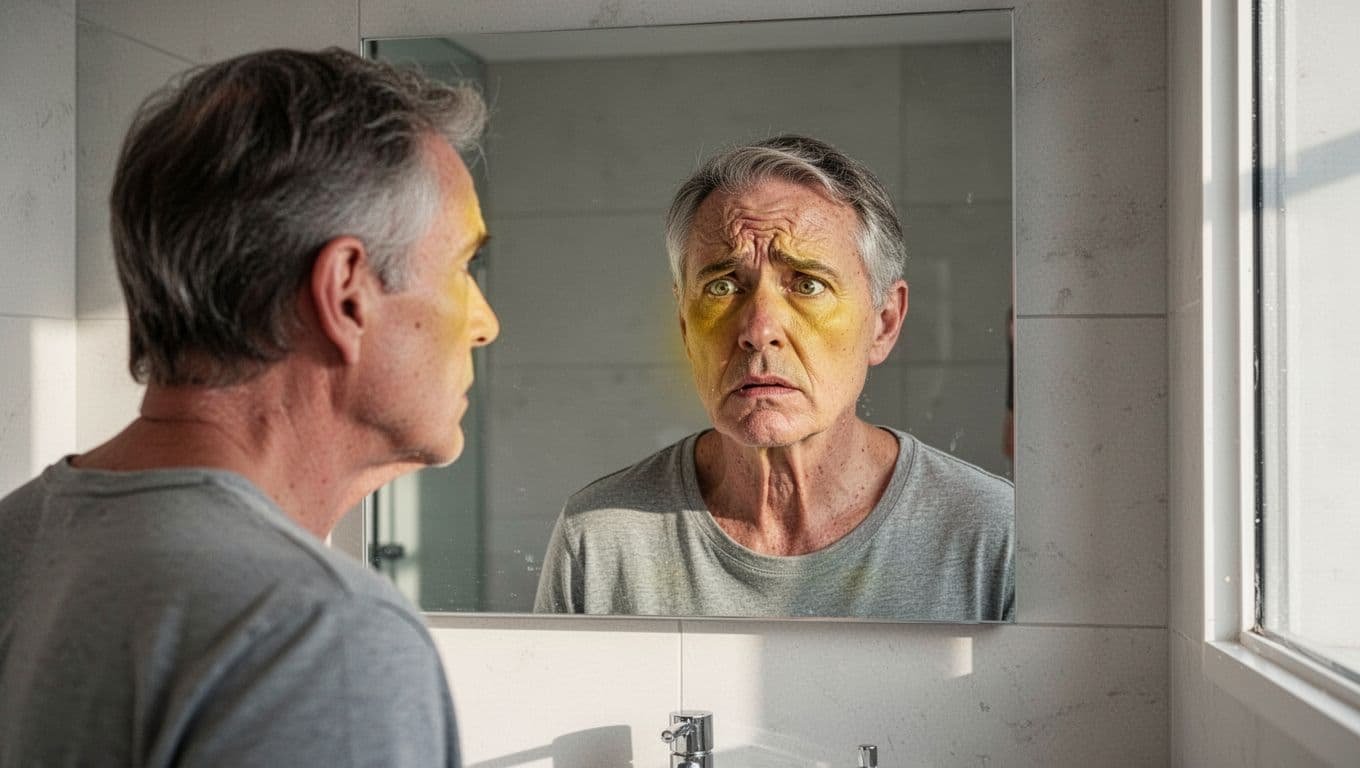
These signs can point to a liver problem that is moving fast. When your body changes this sharply, don’t wait to see if it passes on its own, get help now.
How liver problems are checked and what to do next
Doctors usually start with blood tests and imaging. That matters because liver problems often hide for months, and one normal-looking symptom can still sit beside a real issue.
The goal is simple: find signs of inflammation, blocked bile flow, or poor liver function early. A single test rarely tells the whole story, so doctors look at the pattern, your symptoms, and your risk factors together.

Common tests doctors may use
A liver blood test panel often checks ALT, AST, bilirubin, alkaline phosphatase, albumin, and clotting markers. These numbers can point to liver cell injury, bile flow problems, or reduced liver function, but they do not explain the cause by themselves.
If the bloodwork looks off, doctors often order an ultrasound next. It is a common first image test because it can show fat buildup, swelling, gallstones, blockages, or other changes. The ultrasound view of abnormal liver tests can help doctors spot what blood tests miss.
If needed, follow-up testing may include FibroScan, CT, MRI, or more blood work. These tests help show whether there is scarring, fluid buildup, or a more serious problem that needs treatment.
One test can raise a flag, but it usually takes more than one test to explain the full picture.
Simple steps that support liver health
While you wait for answers, a few habits can help protect your liver. Drink less alcohol, review medicines and supplements with your doctor, and avoid taking extra pain relievers unless you need them.
Balanced meals, regular movement, and managing weight, diabetes, or high cholesterol also matter. These steps do not replace medical care, but they can lower strain on the liver and support better results over time.
Conclusion
Liver trouble can stay quiet for a long time, which is why these early clues matter. When fatigue, itching, dark urine, pale stools, easy bruising, skin changes, appetite loss, or swelling start showing up, the pattern matters more than any one sign alone.
That was the main point from the start, the body often gives small warnings before the bigger ones appear. A symptom that keeps coming back, or several symptoms that show up together, deserves attention.
If these changes are new, persistent, or happening at the same time, talk with a healthcare professional. Early attention gives you a better chance to find the cause and protect your liver before the problem grows.
Save pin for later

- Healthy Air Fryer Recipes for Beginners - 21/09/2026
- Healthy Snacks for Late Night Cravings - 21/09/2026
- High Protein Meal Prep Ideas for Easy Weekly Meals - 21/09/2026

