Emotional exhaustion can hide behind a full calendar, a working phone, and a face that looks fine to everyone else. You keep showing up, answering messages, and getting things done, so it can feel like you’re handling life well. But when your energy stays low, your patience disappears, and even small tasks feel heavy, you may be emotionally drained without realizing it.
A lot of people brush that off as laziness, stress, or a bad week, then push through until they feel numb or short-tempered every day. The signs are often subtle at first, and that’s why they get missed. If this sounds familiar, learning how to recover from emotional burnout quickly can help you spot the pattern before it gets worse.
This post will help you notice the early warning signs in your mood, habits, and body so you can name what’s going on sooner. A quick companion video on the topic is here, and the first signs below will show you what to look for next. The sooner you catch it, the easier it is to make a change that sticks.
What emotional drain really feels like when it sneaks up on you
Emotional drain is more than feeling tired after a long day. It’s that worn-down state where your mind feels crowded, your feelings feel thin, and even small choices take more effort than they should.
What makes it hard to spot is that life can still look normal on the outside. You may still answer texts, finish tasks, and show up for people, while feeling empty, flat, or oddly detached inside. The signs often build slowly, so the shift can feel easy to miss until your patience, focus, and energy start slipping at the same time.

Why emotional exhaustion is easy to miss
A lot of people keep pushing because they are still getting things done. They answer messages, meet deadlines, and show up for family or friends, so it seems like everything is fine. That outward function can hide the real problem.
The gap between how you look and how you feel is often the biggest clue. On the outside, you seem steady. Inside, you may feel like your energy has been chipped away piece by piece, leaving you with less patience, less interest, and less room for anything extra.
When you can still perform, emotional drain is easy to excuse.
That is why many people dismiss it as a rough week or normal stress. If you keep running on empty long enough, though, the mask starts to slip in small ways, like irritability, numbness, or wanting to be left alone.
The difference between stress and emotional drain
Stress usually has a clear trigger, and it often eases when the pressure drops or you get a real break. You may feel tense, busy, or overwhelmed, but rest still helps you reset.
Emotional drain lingers longer. Sleep does not fully fix it, and a weekend off may not bring your spark back. You can feel drained after normal tasks, and even things you usually enjoy may feel like work.
Health sources on stress vs. burnout describe this difference well, and it matters because the fix changes once the problem stops being short-term stress. If you need a break and still feel flat, heavy, or emotionally checked out afterward, that is a sign to pay attention.
When stress becomes emotional drain, the pattern usually looks like this:
- Rest helps for a little while, then the heaviness returns.
- Small demands feel bigger than they should.
- Motivation drops, even when you want to care.
If that sounds familiar, the issue may be deeper than being busy. It may be your mind telling you it has been stretched too far for too long.
The body gives clues before the mind does
Emotional exhaustion rarely starts with a clear, dramatic moment. More often, your body starts waving small flags first, and your mind catches up later. You may feel off in ways that seem easy to blame on a busy week, poor sleep, or too much caffeine.
The clues usually show up in your energy, your sleep, and the way you think. That is why it helps to pay attention early, before the tiredness turns into a constant part of your day.

You feel tired all the time, even after rest
Persistent fatigue is one of the clearest warning signs. You sleep, but you still wake up worn out. Then the day keeps draining you, so by afternoon you feel like you never got a real break.
This kind of tiredness is different from a normal long day. Sleep stops feeling refreshing when emotional stress keeps your system on edge. You may drag through the morning, push through the afternoon, and still feel heavy at night.
If this sounds familiar, it can help to read about reasons you wake up tired after a full night’s sleep. Sometimes the problem is not how long you sleep, but how much strain your body is carrying while you sleep.
Your sleep starts to feel off
Emotional drain often shows up in sleep before anything else feels wrong. You might have trouble falling asleep because your mind keeps replaying the day. Or you may wake up in the middle of the night and struggle to settle back down.
Sometimes the opposite happens, and you sleep too much but still wake up unrested. Either way, the rhythm feels off. Stress can make sleep lighter and less helpful, so your body spends the night working instead of recovering.
That kind of sleep disruption can leave you foggy and out of sync the next day. It affects your mood, your energy, and your patience, which makes the cycle even harder to break.
Brain fog makes simple things feel harder
Emotional exhaustion also wears on your thinking. You may forget small things, lose your train of thought, or reread the same message twice. Simple choices can feel weirdly hard, even when you know they should be easy.
That mental drag is frustrating because it makes normal tasks take more effort. A short email, a quick errand, or a basic decision can feel like a much bigger lift than usual. When your mind is overloaded, focus slips fast.
You might notice this as:
- Forgetting names, dates, or little errands
- Losing track of what you were about to say
- Needing extra time to finish simple tasks
Your body may show stress in physical ways
Emotional strain does not stay in your head. It can show up as headaches, stomach trouble, tight shoulders, or a general run-down feeling that never fully lifts. The Mayo Clinic Health System notes that emotional exhaustion often brings physical symptoms like fatigue, poor sleep, headaches, and muscle tension.
Those signs do not mean something is seriously wrong every time. Still, they matter because the body often speaks first. If you keep feeling tense, achy, or worn out without a clear reason, emotional exhaustion may be part of the picture.
When the body keeps sending the same message, it helps to listen. The sooner you notice the pattern, the sooner you can slow down before the strain gets louder.
Your mood and reactions start changing in ways you may excuse
When emotional drain builds up, your reactions often change before you fully notice why. You may start calling it a bad mood, a rough morning, or just being tired, but the shift usually runs deeper than that. Small frustrations hit harder, your emotions feel muted, and your confidence starts to wobble.
That is why mood changes matter so much. They are often the first signs that your emotional energy is running low, even if your life still looks normal on the outside.
Small things make you more irritable than usual
A little inconvenience starts feeling huge. A slow driver, a noisy room, or one extra request can make you snap faster than you used to. You may notice a shorter fuse, more impatience, or that tense feeling that makes every little thing seem personal.
This often gets brushed off as a bad mood, but irritability is a common sign of emotional overload. When your mind is stretched thin, your tolerance drops. Managing frequent irritability matters because the reaction is often a clue, not just a personality shift.

Cleveland Clinic notes that burnout can show up as being more irritable and on edge than usual, especially when small stressors start triggering bigger reactions. You may still be able to hold it together in public, but at home or at work, the smallest hiccup can set you off.
When your patience disappears over minor things, your system may already be overloaded.
You feel numb, flat, or checked out
Sometimes emotional drain does the opposite of irritability. Instead of feeling too much, you feel almost nothing. Things that should matter, like good news, family time, or a favorite hobby, can leave you flat and detached.
That numbness can feel strange, but it often protects you when stress has gone on too long. Your mind pulls back a little because it has no extra energy left to process more. It can look like indifference, yet it may really be shutdown.
If this sounds familiar, it may help to look at signs of survival mode, because emotional numbing often shows up when your body has been on alert for too long. You may still go through the motions, but you do not feel fully present in them.
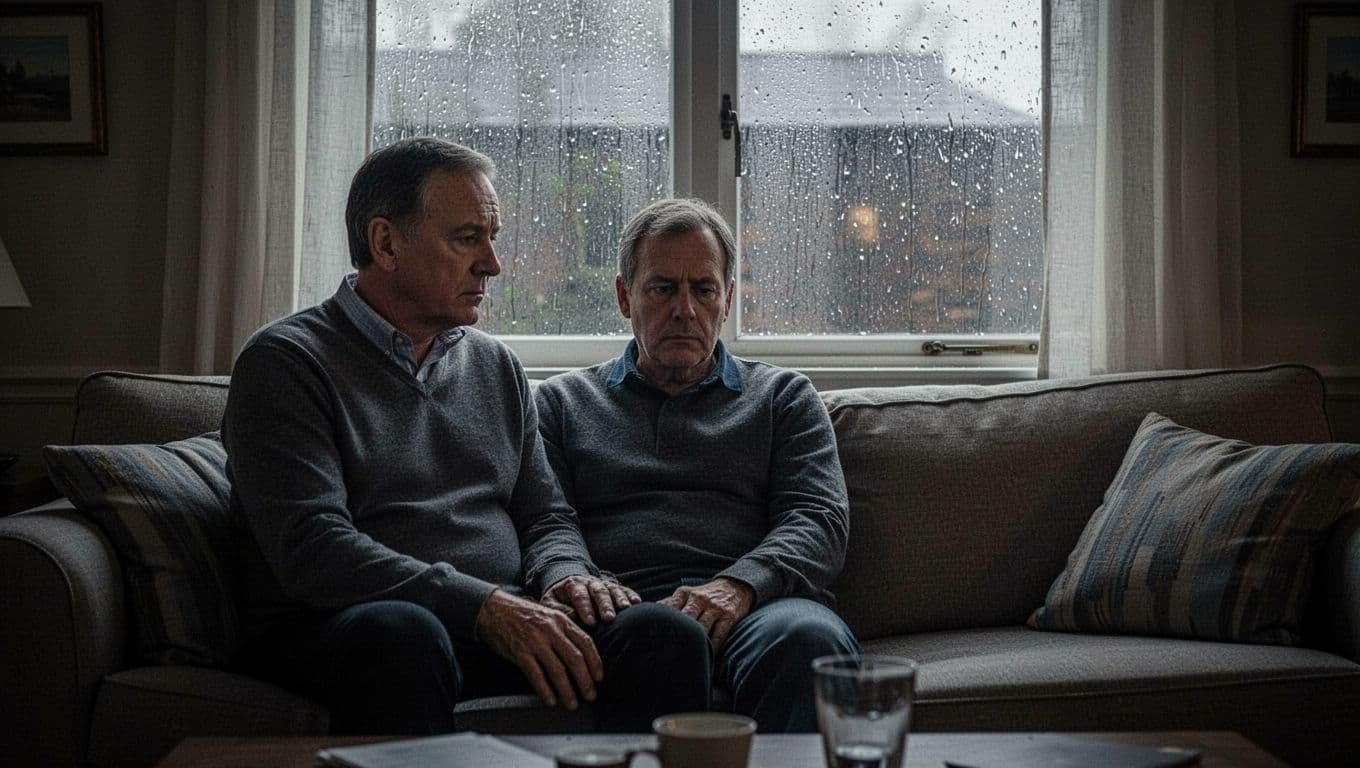
That flat, checked-out feeling is easy to excuse because it can seem calm on the surface. In reality, it may be your emotional system pulling the plug for a while.
You second-guess yourself more often
Emotional drain can make self-doubt louder. You may replay conversations, question simple choices, or worry that you are doing everything wrong. Even when you are still performing well, your confidence can drop fast.
This kind of doubt often shows up as hesitation. You take longer to answer messages, you reread your work too many times, or you ask for reassurance more than usual. The problem is not always skill, it is often mental fatigue wearing down your trust in yourself.
You might still meet deadlines, keep up appearances, and handle daily tasks. However, inside, you feel less sure and more fragile than before. That gap between what you can do and how capable you feel is a strong clue that you are running low emotionally.
If your mood has started changing in ways you keep excusing, pay attention to the pattern, not just the moment. Irritation, numbness, and self-doubt often show up together, and they usually mean your emotional tank needs a refill.
Your habits start to change because everything feels like too much
When emotional energy runs low, your habits change before you fully realize why. You stop doing small things the way you used to, not because you want to, but because everything starts to feel heavy.
That shift can show up in your routine, your social life, and the way you think about tomorrow. The pressure builds until even ordinary choices feel like they ask too much of you.
Simple tasks feel overwhelming
Replying to one email, picking dinner, or folding a few clothes can suddenly feel like a big job. When emotional energy is low, your brain starts to conserve what little it has left, so basic decisions feel heavier than they should.
That is why you may stare at a task and still not move. The task itself has not changed, but your capacity has. A simple errand can feel like carrying a box that used to be light.

You may even notice yourself putting off tiny choices all day. Breakfast, laundry, a short message, all of it starts to feel like one more thing your mind has to hold.
When that happens, the problem is often not laziness. It is mental overload.
You start pulling away from people and plans
Canceling plans once in a while is normal. However, when you keep backing out, avoiding calls, or letting messages sit unanswered, emotional fatigue may be the reason. Social contact can feel like another demand when you already feel empty.
You may want connection and still not have the energy for it. That push and pull is exhausting in its own way. The thought of talking can feel like lifting a weight you no longer want to carry.
People often explain this as needing space, and sometimes that is true. Still, if you notice that every invitation feels draining, your system may be trying to protect itself by shutting down extra input.
A pattern like this can also show up when you are living in survival mode, where even normal interaction feels like too much. How to stop living in survival mode gives a clearer look at why that happens.
Things you used to enjoy stop feeling fun
Hobbies can lose their pull. Music sounds flat, a show feels boring, and seeing people you like starts to feel optional instead of welcome. That drop in interest is a common sign that your mind is too tired to experience pleasure the way it used to.
You may still remember enjoying those things, but the spark is gone. That can feel confusing, especially if you have always been the person who lights up around certain activities. Now, even the things that once recharged you may feel like work.

Loss of interest often shows up with low motivation too. You know you should care, but the feeling does not follow. That disconnect can be one of the clearest signs that emotional exhaustion has been sitting under the surface for too long.
You stop thinking ahead and only focus on getting through today
Future plans can start to feel pointless when you are emotionally drained. Making decisions for next week, next month, or later in the year may feel impossible, so you shrink your focus to the next hour or the rest of the day.
That shift often looks like putting off big choices, avoiding commitments, or saying “I do not know” to everything. It is easier to stay in the present when your mind feels too crowded to hold more. In other words, you move into survival mode and stop making room for anything beyond basic function.
You may notice:
- You avoid planning ahead because it feels tiring
- You delay decisions that used to be simple
- You stop setting goals because they feel out of reach
When that pattern sticks around, it can drain hope along with energy. If you need a fuller picture of how that feels, regaining hope after burnout can help connect the dots between numbness and exhaustion.
When habits shift, pay attention to the pattern
These changes are easy to dismiss one by one. But when they show up together, they point to the same issue, your emotional reserves are running low.
The habit changes matter because they are visible. You may not call yourself burned out, yet your actions already show the strain.
What to do when these signs start adding up
When several of these signs show up together, treat them as a real signal, not a passing mood. Emotional drain gets harder to ignore once your patience, sleep, focus, and motivation all start slipping at the same time.
The good news is that you do not need to fix everything at once. Start by naming what you feel, lower the pressure where you can, and reach for support before the strain turns into deeper burnout.
Start by naming what you are feeling

Saying “I may be emotionally drained” can feel uncomfortable, but it is a strong first step. Once you name it, you stop fighting the signs and start responding to them.
Give yourself a pause and look at the pattern honestly. If you keep dismissing the tiredness, irritability, numbness, or brain fog, the load usually keeps building.
A simple check-in can help:
- What feels heavier than usual?
- What have I been pushing through?
- What am I calling “normal” that actually feels off?
That kind of reflection makes the problem easier to see. It also gives you a clear place to start instead of guessing.
Lower the pressure wherever you can
Once you see the pattern, reduce what you can right away. Say no to one extra request, take a real break, or cut back on a task that can wait.
Protecting sleep helps too. A later bedtime, a phone in your hand, or one more hour of scrolling can drain you faster than you think. If you need a reset, take a mental break before the pressure gets heavier.
Small changes matter here because they create breathing room. For example, you might:
- Cancel one nonessential plan
- Step away from work at a set time
- Leave a few chores unfinished
- Put sleep ahead of late-night tasks
Rest is not a reward for burning out. It is part of how you recover.
If you want a broader guide, Cleveland Clinic’s advice on recovering from burnout gives a clear next step: reduce stressors, rest more, and rebuild your energy before you push again.
Reach out before it gets worse

If the signs are strong or they keep hanging around, talk to someone you trust. A friend, family member, counselor, or doctor can help you sort out what is going on and what kind of support makes sense.
That step is a strength, not a weakness. Emotional drain can make you feel isolated, but you do not have to carry it alone, and you do not have to wait until you feel worse.
Reach out sooner if you notice:
- Constant fatigue that does not lift
- Loss of interest in most things
- Ongoing irritability or numbness
- Trouble functioning at work or home
A professional can help if the pattern feels stuck or heavy. The earlier you speak up, the easier it is to stop emotional drain from becoming full burnout.
Conclusion
Emotional drain is common, and it can hide well when life keeps moving. You may still look fine on the outside while your energy, patience, and focus keep slipping.
The biggest takeaway is simple, the signs are not a personal failure. They are a signal that you need to slow down, reset your pace, and take care of yourself before the strain gets worse.
With awareness, rest, and support, recovery is possible. Once you start noticing the pattern, you can stop treating exhaustion like a character flaw and start treating it like a real need for care.
Save pin for later

- 60 Color Tattoos That Healed Beautifully - 25/09/2026
- 40 Most Painful Tattoo Spots - 24/09/2026
- 20 Tattoo Aftercare Mistakes That Ruin Fresh Ink - 23/09/2026

