The common myth gets this backward: bananas during pregnancy are usually safe for most women, and they can even help with nausea, fiber intake, and potassium needs. Still, “safe” doesn’t always mean “right for everyone,” because your health, portion size, and the rest of your diet matter.
That context is where a lot of advice gets lost. If you have gestational diabetes, frequent reflux, a pattern of constipation that seems to get worse with certain foods, a banana or latex-related allergy, kidney problems, or a diet that already runs high in sugar or potassium, bananas may need a closer look. Even timing can matter, since larger portions or eating them alone may affect blood sugar differently than eating them with protein.
When avoiding bananas during pregnancy can actually make sense
Bananas are not a food that all pregnant women need to avoid. As of 2026, major guidance from sources like ACOG healthy eating guidance and Mayo Clinic pregnancy nutrition advice does not tell pregnant women to stop eating bananas across the board.
What matters is context. In real life, banana concerns usually come from portion size, symptoms, or a medical issue, not from the fruit itself. That means this article is about when cutting back may help, not about calling bananas “bad” for everyone.
Most pregnant women can eat bananas, but moderation matters
For many pregnant women, bananas fit well into a balanced diet. They give you carbs for energy, potassium, and fiber, and they are often easy to eat when your stomach feels off.
Still, more is not always better. Bananas also add natural sugar and a decent carb load, so eating several a day can crowd out other foods and may make some symptoms worse. A common practical limit for many people is 1 to 2 bananas per day, especially when the rest of the diet already includes other fruit, snacks, and carb-heavy foods. Your needs can be higher or lower, depending on your blood sugar, appetite, activity level, and the rest of your meals.
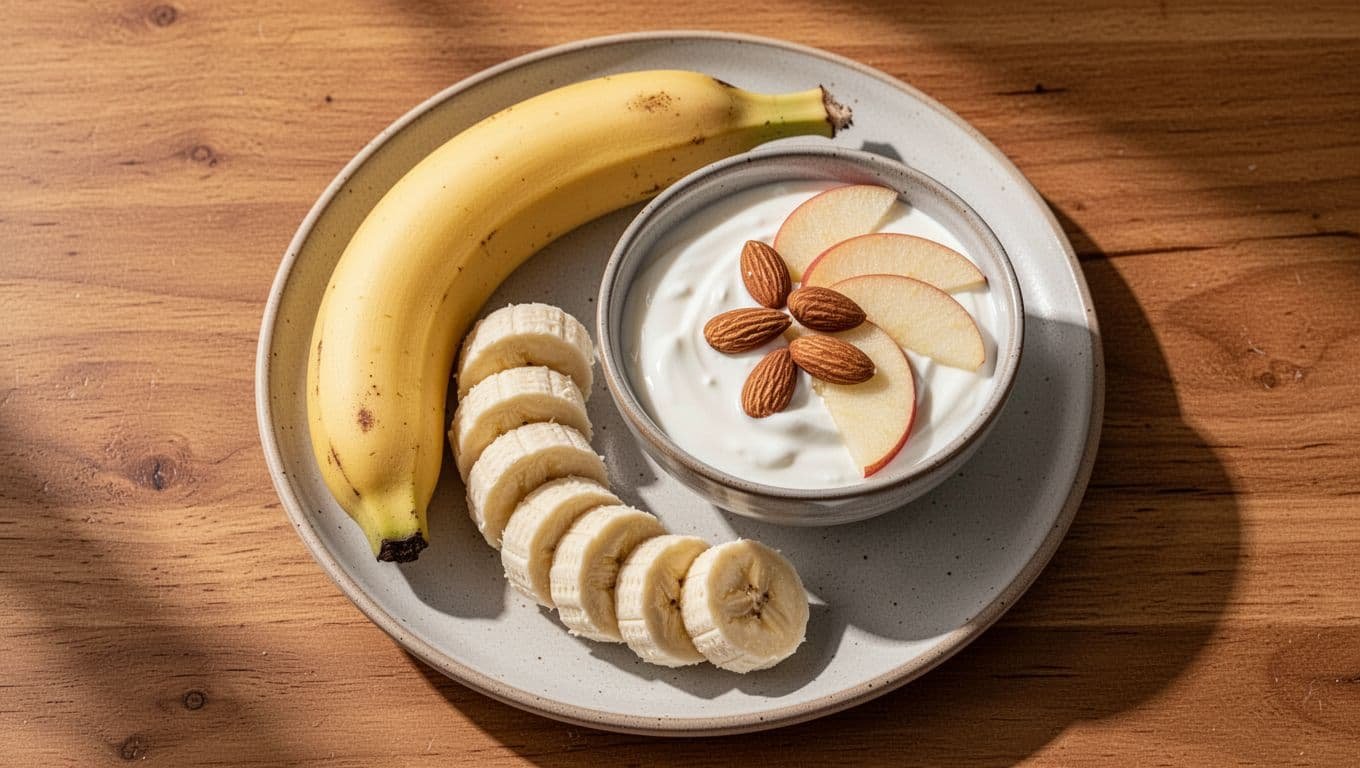
Pairing a banana with protein or fat can also make a difference. For example, having one with yogurt, peanut butter, or nuts may feel better than eating two large bananas by themselves. Small changes like that can turn a quick sugar hit into a steadier snack.
In pregnancy, the issue is usually how much, how often, and how your body responds.
Your symptoms and health history matter more than food myths
Your body gives better clues than internet myths do. If bananas sit well, great. If they seem to make you feel worse, that matters more than broad claims that they are always helpful or always harmful.
Some cases deserve extra caution. A clinician may suggest cutting back if you have:
- a higher risk of gestational diabetes or trouble with blood sugar
- reflux or bloating that gets worse after sweet, soft fruits
- noticeable bowel changes, including constipation or loose stools
- a banana allergy or latex-fruit cross-reaction history
- kidney concerns, especially if you need to watch potassium
For general pregnancy diet advice, Cleveland Clinic’s pregnancy nutrition guide gives a helpful overview, and BabyCenter’s potassium explainer adds context on potassium needs during pregnancy.
If you have one of these issues, a banana can go from easy snack to poor fit. That does not make bananas dangerous. It simply means your plan should match your symptoms, labs, and medical history, because pregnancy nutrition is personal.
Blood sugar and weight concerns some moms should not ignore
If you have gestational diabetes, insulin resistance, or faster-than-expected weight gain, bananas may need a little more planning. They are still fruit, and for many women they can fit, but the details matter. Portion size, ripeness, and what you eat with them can change how well they work in your day.
Bananas can raise blood sugar faster than some women expect
Bananas contain natural sugar and carbohydrates, so they can raise blood glucose, especially if you eat one by itself. A very ripe banana often acts faster than women expect because it is softer, sweeter, and easier to digest. For someone with gestational diabetes, that can make a snack look harmless on the plate but hit harder after eating.
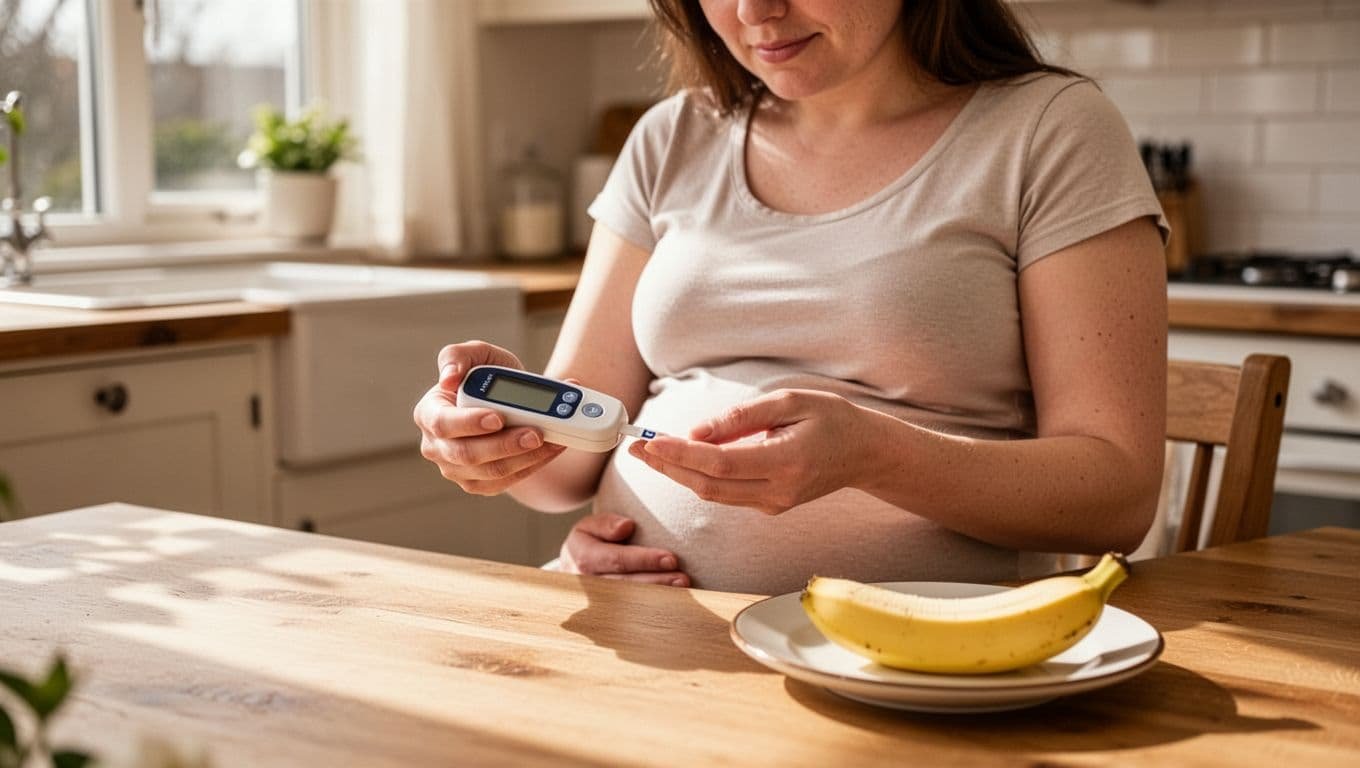
Current guidance still includes whole fruit in a gestational diabetes meal plan. What matters most is how your body responds, and whether the portion fits your carb target. MedlinePlus guidance for gestational diabetes supports balanced meals and careful carb planning, which is why fruit often works better when it is not eaten alone.
A simple fix may help. If your clinician says it’s appropriate, pair banana with protein or fat, such as Greek yogurt, nuts, cheese, or peanut butter. That can slow the rise and make the snack more steady, not like flipping a light switch on your blood sugar.
If your readings run high after fruit, the issue may be the timing, portion, or pairing, not the banana alone.
Very ripe bananas may be harder to fit into a diabetes meal plan
Ripeness changes how a banana behaves in the body. As it gets very ripe, some of its starch turns into simpler sugars. That means it usually tastes sweeter and may raise blood sugar more quickly than a firmer, less-ripe banana.
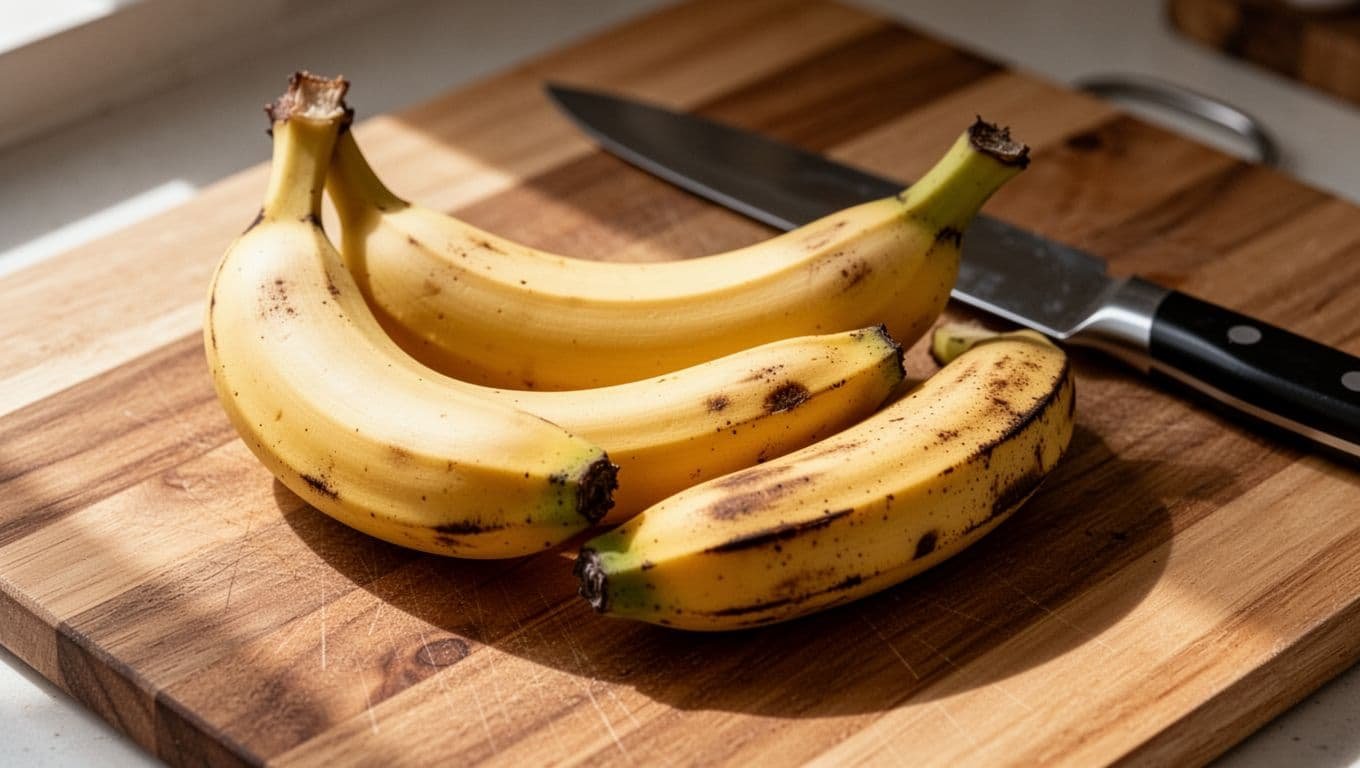
This does not mean ripe bananas are “bad.” It means they can be tougher to work into a diabetes meal plan if your numbers are already tight. If you notice better readings with a less-ripe banana or a smaller portion, that pattern is worth paying attention to. This overview of banana ripeness and blood sugar explains the idea in plain language.
Extra calories from frequent snacking can add up over time
One banana is not a problem for most pregnant women. The issue usually shows up when bananas become an automatic snack several times a day, on top of crackers, bars, smoothies, or dessert. Even healthy foods can push calories higher than planned when they start stacking up.
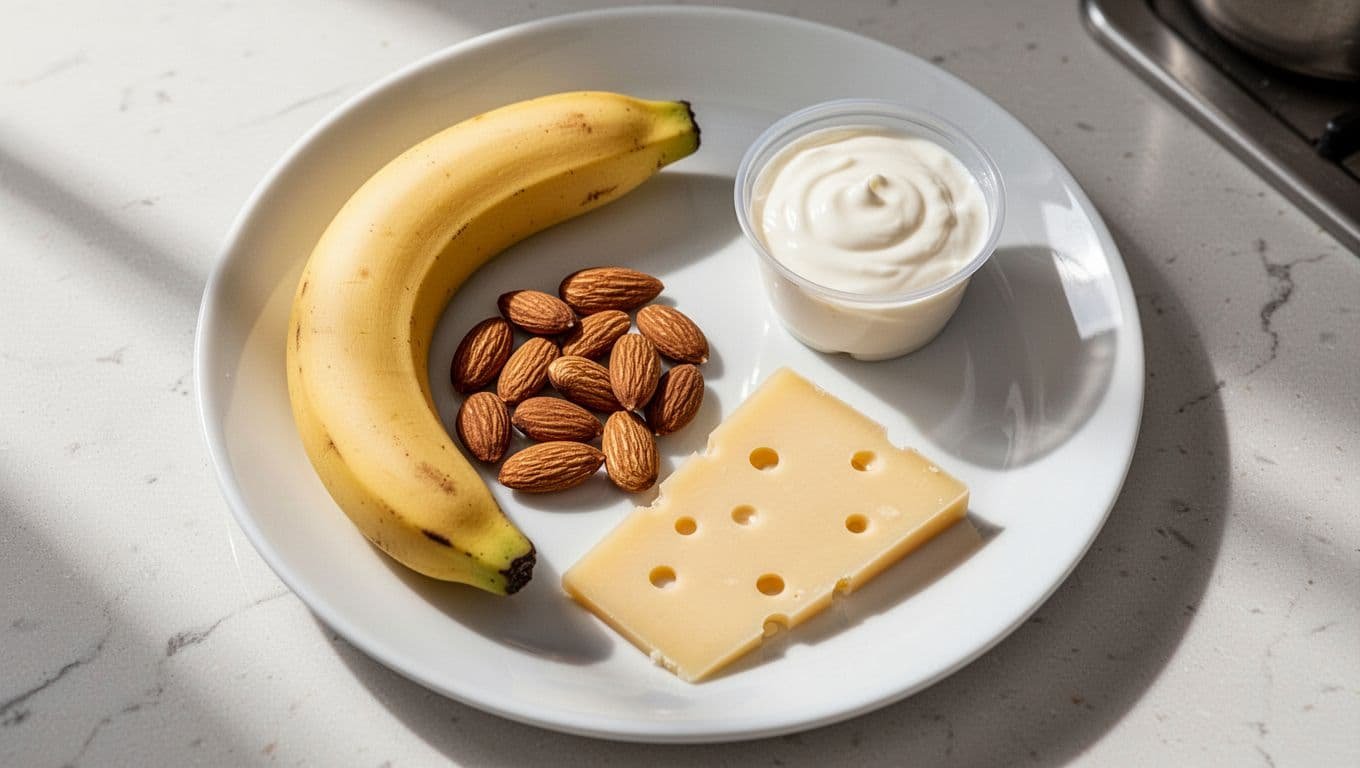
That matters more if your provider is already watching pregnancy weight gain or blood sugar trends. The goal is not to fear food or cut fruit out without reason. Instead, it helps to keep snacks purposeful. Half a banana with yogurt or nuts may fit better than two large bananas eaten between meals. For a broader look at healthy pregnancy weight goals, CDC guidance on pregnancy weight gain is a useful reference.
Small choices add up. When banana snacks are planned, paired well, and kept in proportion, they are much easier to fit into a healthy pregnancy routine.
Stomach and digestion problems that bananas may worsen
Pregnancy can make your digestive system feel touchy, even with foods that are usually seen as healthy. Bananas are a good example. They work well for many women, but they do not agree with everyone.
That matters because pregnancy already raises the odds of reflux, bloating, gas, and constipation. So if you keep noticing the same pattern after eating bananas, pay attention to it. The goal is not to blame one food for everything, but to spot when a “healthy” snack simply doesn’t sit well in your body.
Bananas may trigger heartburn or reflux in sensitive women
Some pregnant women feel fine after a banana. Others notice a warm, burning feeling in the chest or throat soon after. This is symptom-based, not a rule for everyone, but it can happen.
Pregnancy hormones relax the valve between the stomach and esophagus, so reflux is already more likely. If you eat a banana late at night, then lie down soon after, that discomfort may show up faster. Cleveland Clinic’s guide to pregnancy heartburn explains why reflux gets so common during pregnancy, and NIDDK’s GERD diet advice also notes that meal timing and food triggers matter.

Ripeness may play a role too. Some women say very ripe bananas feel heavier or more acidic for them, especially when their stomach is already unsettled. If bananas seem to bother you, try a smaller amount, avoid eating them right before bed, and see if the pattern changes.
A food can be nutritious and still be a poor fit when your pregnancy symptoms are flaring.
Too much banana can lead to bloating, gas, or loose stools
Fiber helps many people, but more is not always better. If you eat a large banana, or several in a day, your gut may push back with bloating, gas, or cramping.
This is more likely if your stomach is already sensitive or if you are not drinking enough water. In that case, fiber can feel less like help and more like traffic backing up on a narrow road. Some women also notice trouble with very ripe bananas, which may be harder on the gut if they already deal with IBS-like symptoms or fruit-related bloating. Verywell Health’s overview of banana-related stomach pain gives a useful plain-English summary of why that can happen.
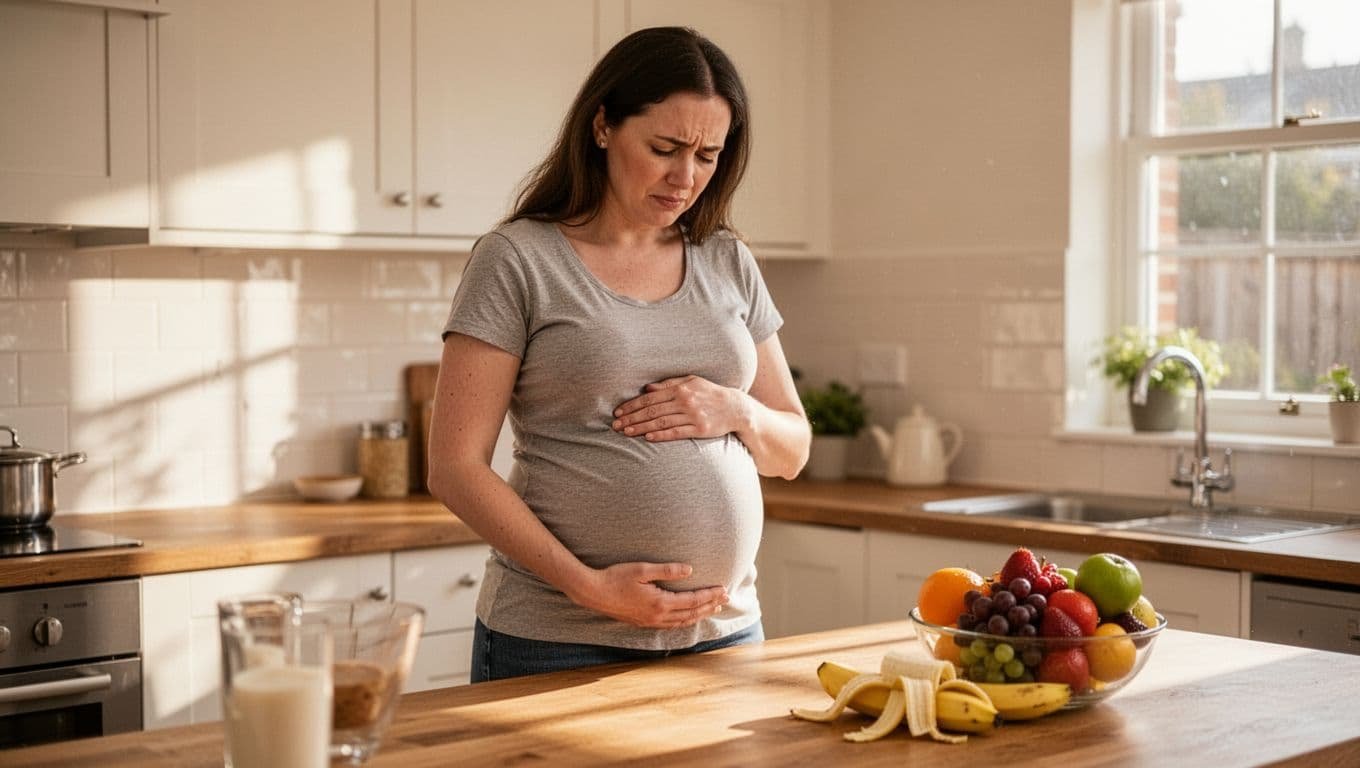
For some women, the opposite happens. Eating a lot of banana at once may lead to looser stools, especially if it is part of a fruit-heavy smoothie or snack routine. If your stomach gets gassy or unsettled after bananas, scale back the portion and watch what happens over a few days.
For some women, bananas seem to make constipation feel worse
Bananas are confusing because they do not affect everyone the same way. In some women, especially later in pregnancy, they seem to help bowel movements. In others, they seem to make that backed-up feeling worse.
Ripeness is one reason. Greener bananas have more resistant starch, and some people feel more constipated after eating them. Riper bananas may be easier to tolerate, but even then, personal response still matters. Health.com’s review of bananas and constipation covers this ripe-versus-unripe difference well.
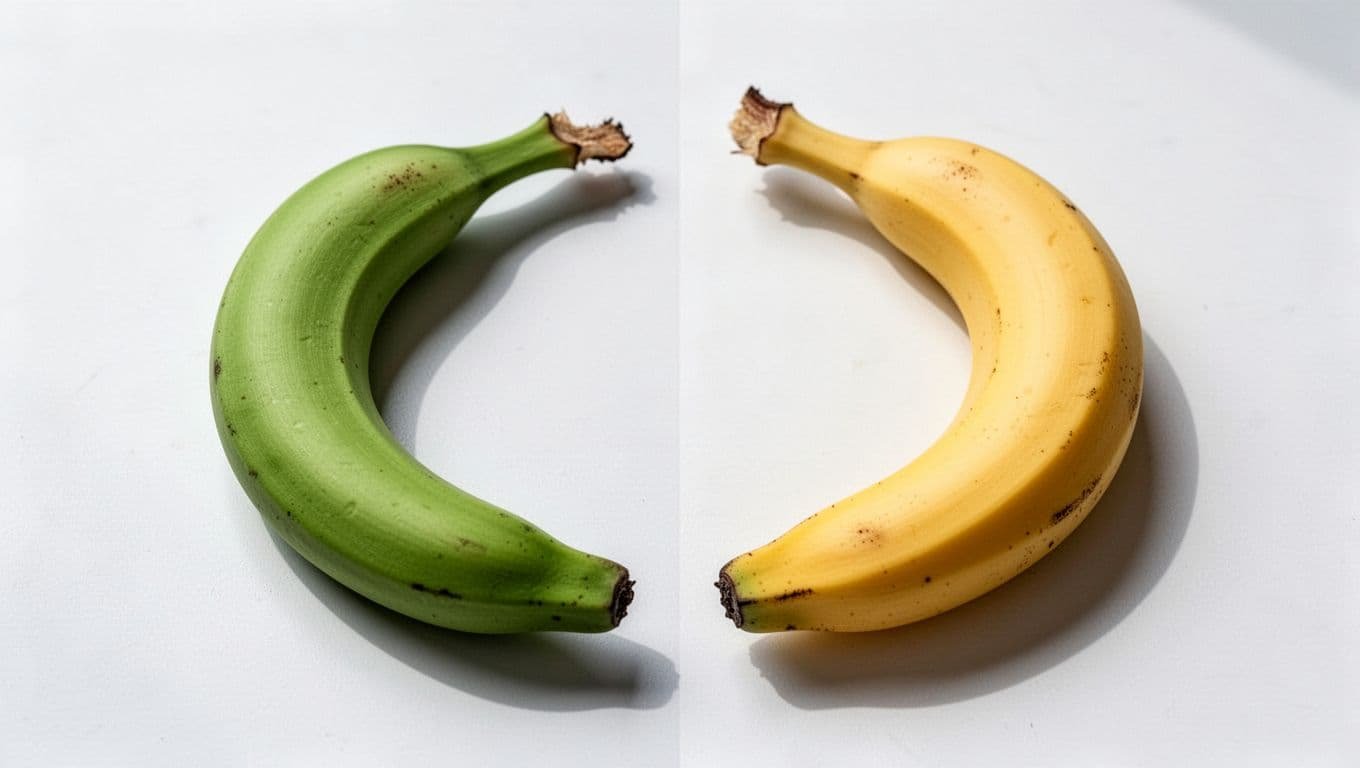
Pregnancy itself slows digestion, especially in the third trimester, so a food that once felt easy may suddenly feel binding. If you notice harder stools, more straining, or a fuller feeling after bananas, don’t ignore it. A simple food journal can help you tell whether bananas are helping, doing nothing, or making constipation worse for you.
Special health risks that make bananas a poor choice for some pregnancies
Most pregnancy banana concerns are mild and easy to manage. Still, a few are more specific and deserve real caution. If you have a known allergy, kidney disease, or symptoms that show up after eating large amounts, bananas may stop being a simple snack and start being a food to avoid.
A banana allergy or latex fruit syndrome is a real reason to avoid them
A true banana allergy is uncommon, but it can happen, and pregnancy does not make it less important. Some women also react because of latex-fruit syndrome, which means the immune system mistakes proteins in certain fruits for latex proteins. Bananas are one of the better-known cross-reactive foods in that group, along with avocado and kiwi. A recent review of latex-fruit syndrome and guidance from the AAAAI on latex allergy both support that link.
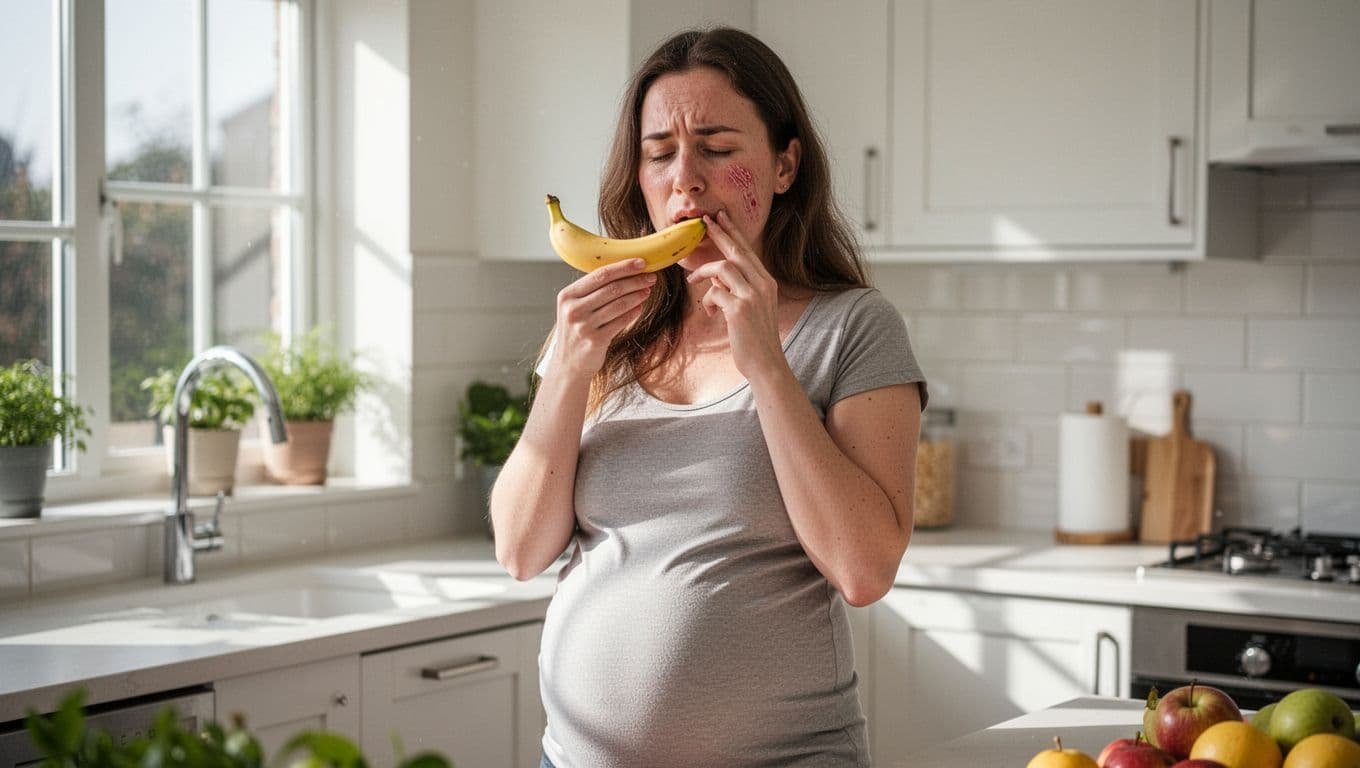
Symptoms can start small. You might notice itching in the mouth, lip swelling, throat irritation, hives, or a tingling feeling soon after eating. For some people, the reaction is much more serious and may include wheezing, chest tightness, or trouble breathing.
If that happens, don’t try to wait it out. Allergic symptoms during pregnancy still need prompt medical advice, and breathing symptoms need urgent care right away. If you already know latex bothers you, bananas are one of the fruits worth discussing with your OB or allergist before you keep eating them regularly.
Mouth itching after banana may sound minor, but allergy symptoms can get worse with repeat exposure.
Too much potassium can be risky if you have kidney problems
Bananas are famous for potassium, and for most pregnant women that is a good thing. Potassium helps with fluid balance, muscle function, and nerve signals. The problem shows up when your body can’t manage potassium well.
If you have chronic kidney disease, reduced kidney function, or another condition that affects potassium balance, bananas may be too high in potassium for your plan. Damaged kidneys may not clear extra potassium well, so blood levels can rise. That is why a food that looks healthy on paper can still be the wrong choice for your situation. This kidney disease and potassium guide gives a practical overview.
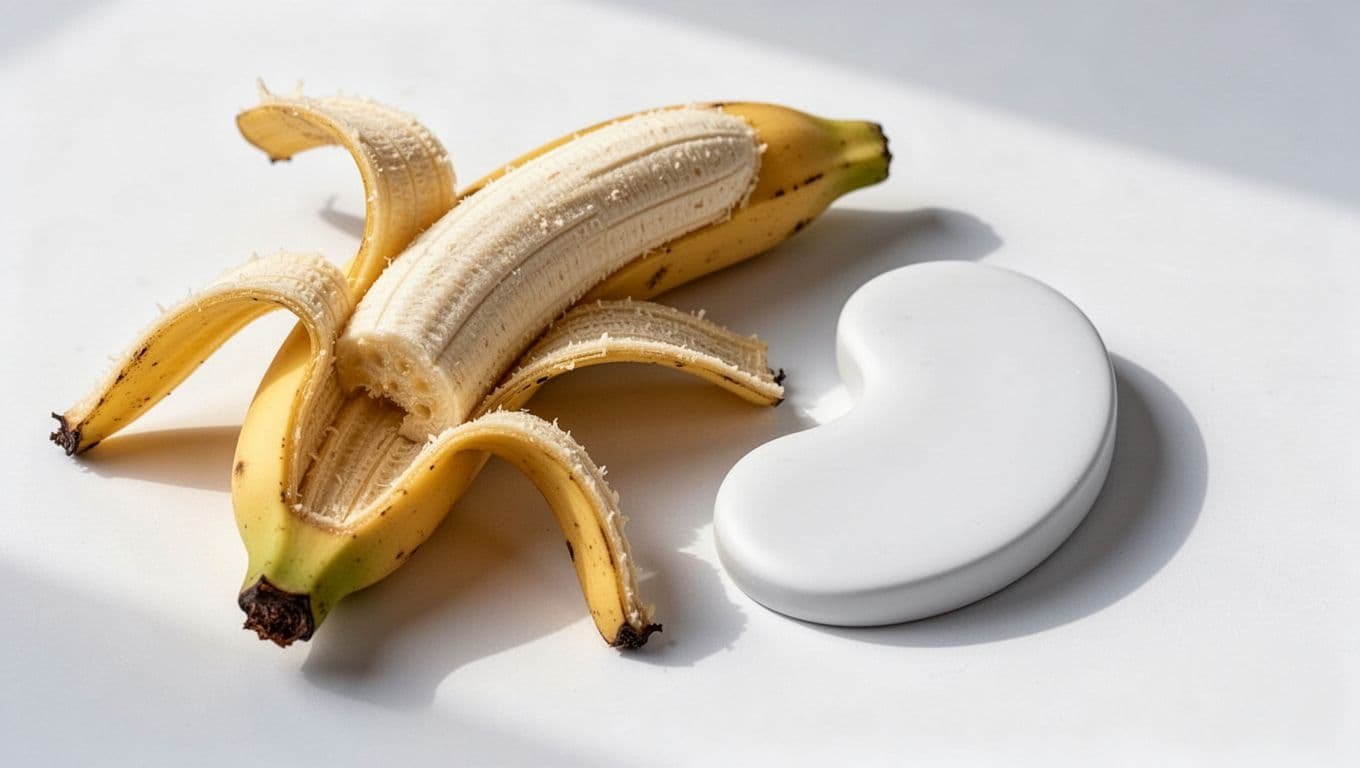
You do not need to panic over one banana. However, if your provider has told you to watch potassium, then bananas are not a fruit to treat casually. The safer move is to follow your lab results and your care team’s advice, especially if you have already been told your potassium runs high.
Eating too many bananas may leave some women feeling nauseous or lightheaded
Bananas often help nausea in early pregnancy, especially in normal portions. But eating too many at once can still backfire for some women. A large amount of any one food can leave you feeling overly full, queasy, or just off.
That is more likely if you eat several bananas close together, use them in big smoothies, or rely on them when your stomach is already sensitive. Some women notice nausea, stomach heaviness, or mild lightheadedness after overdoing sweet, soft foods, even when that same food feels fine in a smaller serving.
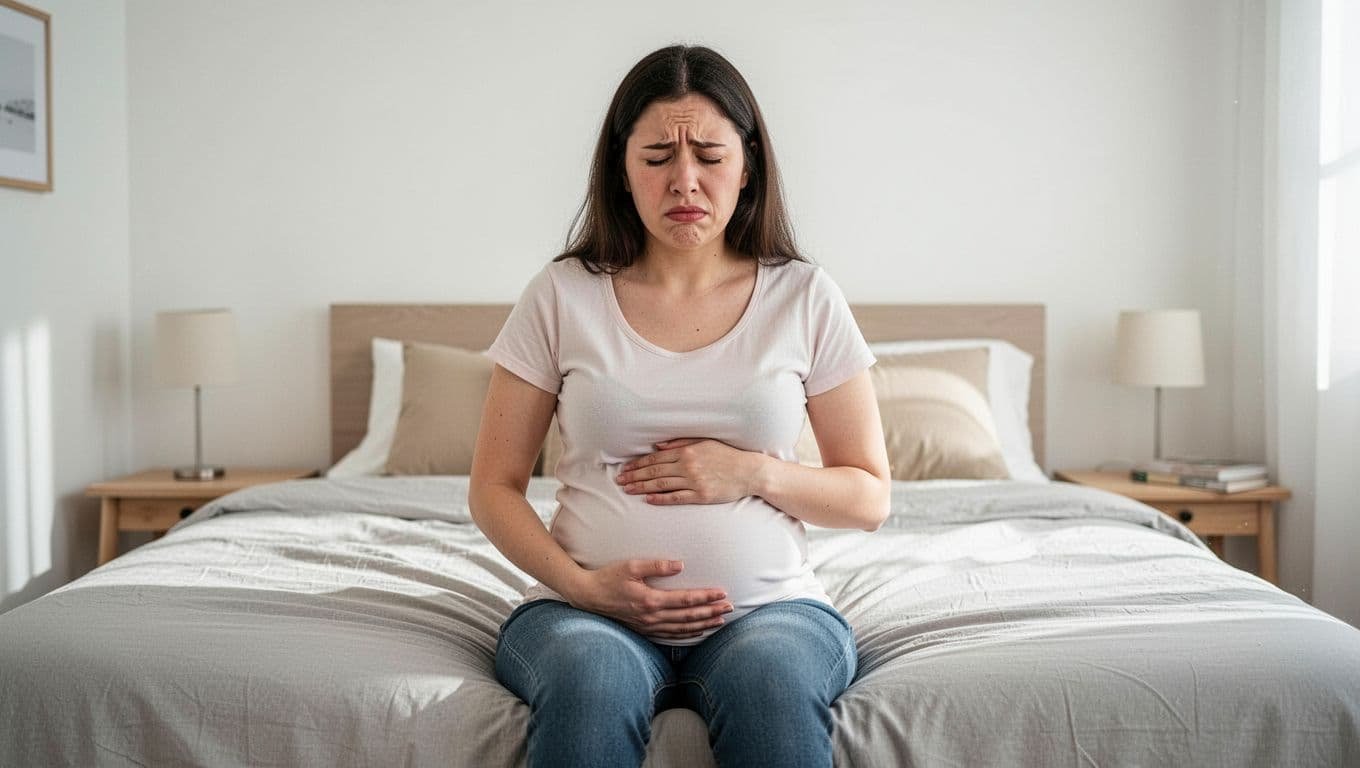
This is not a warning against normal intake. It is a reminder that portion size still matters, even with nutritious foods. If bananas leave you nauseous or woozy, scale back, eat them with other foods, and watch for a pattern. If the feeling keeps happening, bring it up with your prenatal care team so they can rule out blood sugar issues, dehydration, or another cause.
Questionable claims, safer takeaways, and what to do instead
A lot of banana warnings online start with a grain of truth, then turn into something far bigger. That is where readers get stuck. Yes, bananas can be a poor fit in some pregnancies, but the stronger claims often go beyond the facts.
This part matters because fear spreads fast during pregnancy. If you have seen posts blaming bananas for serious pregnancy problems, take a breath and look at what the evidence actually supports.
Claims about birth defects or preterm labor are not well supported
Current evidence does not strongly support the idea that bananas cause birth defects, preterm labor, or placenta problems. Those claims show up on blogs and social posts, but they are not backed by solid research. In fact, bananas contain nutrients such as folate, and folate is part of healthy pregnancy nutrition, not a known danger.
If you want a wider look at how pregnancy food myths spread, this research on food misconceptions in pregnancy is useful background. For labor claims in plain language, this review of whether bananas induce labor also states there is no evidence they trigger labor.
So, if you ate a banana and then saw a scary post, do not panic. One fruit does not suddenly cause a major pregnancy complication. The more grounded takeaway is simple: focus on your symptoms, your medical history, and your clinician’s advice, not viral claims with no real support.
Social media can make ordinary foods sound dangerous. The evidence does not put bananas in the birth-defect or preterm-labor category.
If bananas bother you, there are other easy fruit options
Even when bananas are not harmful, they may still be annoying for your body. If they worsen reflux, feel too sweet, or do not fit your blood sugar plan, switching fruits is a practical move.
Some simple options include:
- Apples or pears, which may feel gentler for some women and are easy to portion.
- Berries, which often work well when you want a lower-sugar fruit option.
- Citrus, if you tolerate it well and it does not worsen heartburn.
- Melon or small fruit portions, if softer, lighter foods sit better.
If reflux is the main issue, lower-acid fruits may help. This guide to less acidic fruits for acid reflux offers a helpful starting point. If gestational diabetes is part of the picture, MedlinePlus guidance on gestational diabetes diet explains why fruit choice, portions, and meal balance matter.
You do not need a perfect fruit. You need one that you tolerate well and that fits the rest of your day.
Simple signs it is time to ask your doctor about bananas
Sometimes the issue is not the banana itself. It is the pattern around it. If the same problem keeps showing up, bring it up at your next visit, or sooner if symptoms are strong.
Ask your doctor or dietitian if you notice:
- repeated heartburn or reflux after eating bananas
- itching, lip swelling, mouth tingling, hives, or breathing symptoms
- high blood sugar readings after banana snacks, especially with gestational diabetes
- a history of kidney disease or advice to limit potassium
- major bloating, cramping, diarrhea, or constipation after eating bananas
- unusual swelling or other symptoms that make you wonder if your diet needs a closer look
ACOG’s gestational diabetes guidance is a good reference if blood sugar is part of the concern. In day-to-day life, your best clue is often repeatability. If bananas upset your stomach once, that may mean nothing. If they bother you every time, that is worth a real conversation.
Conclusion
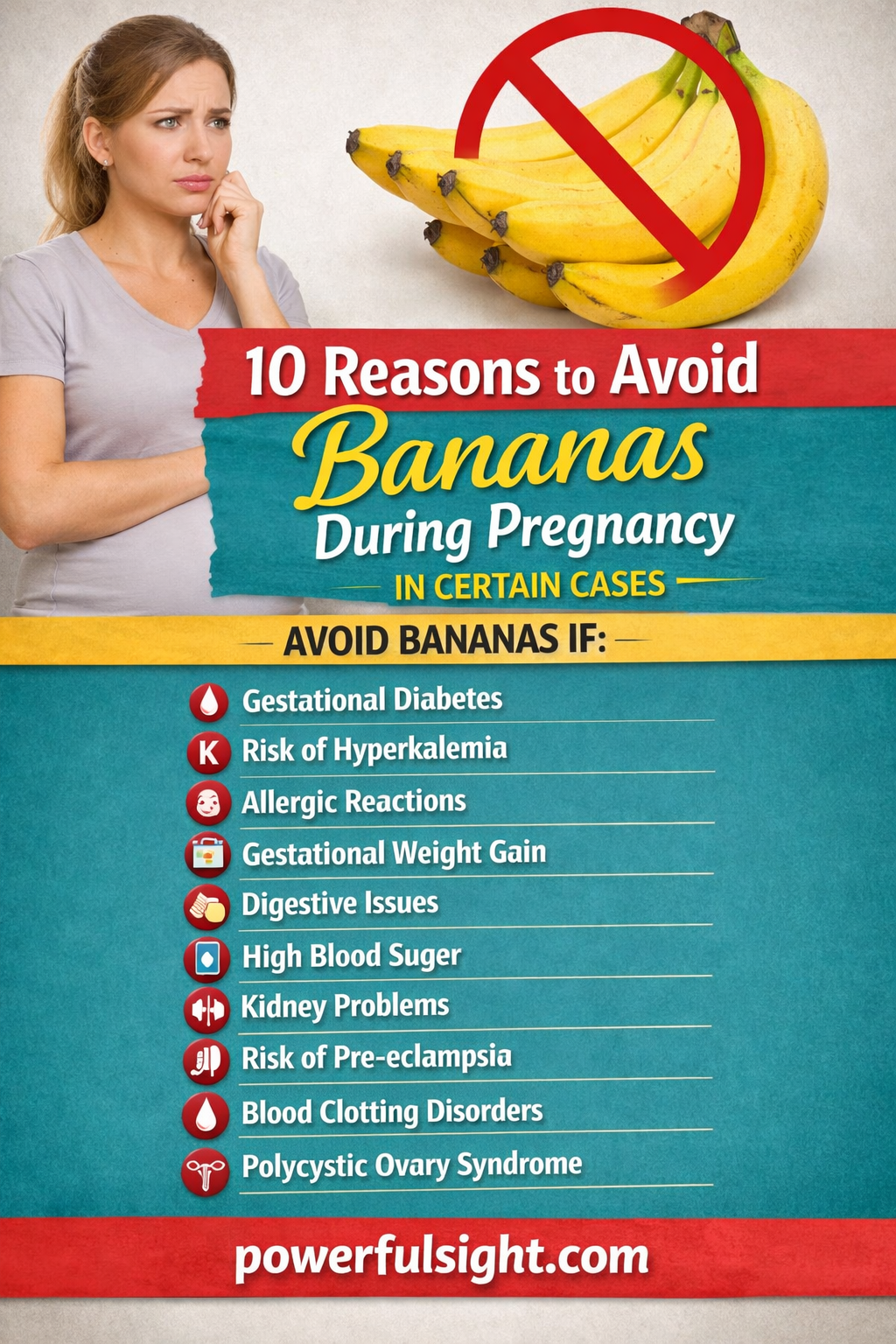
Bananas aren’t automatically bad during pregnancy, and for most women they’re still a normal, healthy fruit. Still, this article showed why avoiding them can make sense in certain cases, especially when blood sugar, digestion, allergies, or potassium limits are part of the picture.
Across the 10 reasons, the main pattern is simple: problems usually come from a health condition, symptom flare, ripeness, or portion size, not from bananas being dangerous on their own. So if bananas seem to worsen reflux, bloating, constipation, nausea, glucose readings, or allergy symptoms, cutting back is a reasonable choice.
The calm takeaway is to trust what your body keeps telling you. Keep portions sensible, notice patterns, and follow your prenatal care team’s advice so your diet fits your pregnancy, not a food myth.
Save the pin for later

- Healthy Air Fryer Recipes for Beginners - 21/09/2026
- Healthy Snacks for Late Night Cravings - 21/09/2026
- High Protein Meal Prep Ideas for Easy Weekly Meals - 21/09/2026

