Being single isn’t a waiting room, and it doesn’t mean something is missing from your life. Your solo time can be peaceful after a long week, playful when you need a lift, social when you want company, creative when you’re ready to make something, adventurous when routine feels dull, or personal when you need room to hear your own thoughts.
You don’t need a huge budget, endless free time, or a packed social calendar to enjoy this season. Chosen alone time can help reduce stress and give you more freedom to decide how you spend your day, while plans with friends can keep independence from turning into isolation. If protecting your time feels difficult, these healthy personal boundaries can help.
The 50 ideas ahead fit different moods, budgets, energy levels, and comfort zones. Choose one for tonight, build a full weekend plan, or turn your favorites into a personal single-life bucket list. Let’s start with simple ways to make an ordinary day feel more enjoyable.
Key Takeaways
- Single life gives you room to choose activities that match your mood, energy, budget, and schedule.
- Solo plans can include restful self-care, creative hobbies, learning, exercise, local adventures, and simple pleasures at home.
- Spending time alone can help you understand your preferences and enjoy your own company.
- Social plans still matter, so invite friends, join interest-based groups, volunteer, or try a class when you want connection.
- Enjoyable hobbies may support psychological well-being, especially when they add movement, creativity, purpose, or community.
Fun things to do when single, from quiet nights to bold adventures
Your best solo plan should match your mood, time, energy, and budget. A low-energy evening may call for pajamas and a comfort show, while a free Saturday can hold a longer outing, homemade meal, and room refresh. Choose one idea, set a simple start time, and let the plan feel intentional.
Create a cozy solo night you will actually look forward to
Staying home feels different when you plan the evening instead of drifting into it. Pick a theme, tidy one small area, and prepare something you genuinely want to enjoy.
- Have a movie marathon with a clear theme, such as nostalgic comedies, mystery films, or a favorite director. Add popcorn, pizza, fruit, or another comfort-food menu, then light a candle and change into your softest pajamas.
- Make a themed playlist for a specific mood. Try “songs from high school,” a calm Sunday mix, or music from artists you want to discover. Let the playlist run while you cook, stretch, or take a long shower.
- Read for one uninterrupted hour. Choose a novel, memoir, or magazine that feels fun rather than useful. Put your phone in another room, make tea, and keep a small reward nearby, such as dessert or an episode of a favorite show.
- Complete a puzzle or Sudoku when you want something absorbing without a screen. Set out the pieces, pour a drink, and play instrumental music in the background.

You can also bake a favorite treat or cook a three-course meal, even if you’re the only person at the table. Make a simple menu with an appetizer, main dish, and dessert, then serve it on your nicest plate. The point is care, not restaurant-level skill.
A home refresh can also shift your mood. Rearrange your furniture, change your bedding, clear one drawer, or move a lamp to make the room feel warmer. If you need rest, watch a comfort show or do nothing without guilt. Rest counts when you choose it on purpose. For more ideas, try these small pleasures that restore your energy.
Turn a regular day into a low-cost solo date
A solo date doesn’t need reservations or a large budget. Before you begin, set a spending limit, even if that limit is $0. Then build your plan around what you already have at home.
Start with a walk through a local park, neighborhood, or nearby trail. You could go early for the sunrise or head out later with a blanket to watch the sunset. Bring coffee from your kitchen, wear comfortable shoes, and leave your headphones at home for part of the walk.
Next, visit a public library or bookstore and browse without rushing. Your library card may provide free books, audiobooks, magazines, and online learning resources, while the Digital Public Library of America offers free access to collections from libraries, archives, and museums.
Finish with a homemade meal and a small room refresh. Pick up ingredients only if they fit your limit, or use pantry staples to create something new. Even changing your sheets, opening a window, and clearing your table can make the evening feel special. You planned the date, chose the pace, and gave yourself a reason to enjoy an ordinary day.
Creative hobbies and new skills that make single life more interesting
Single life gives you room to discover what holds your attention when nobody else is choosing for you. Creative hobbies can build confidence, strengthen your sense of identity, and make an ordinary week feel more like your own.
Make something with your hands and let yourself be a beginner
Choose a project that leaves visible evidence of your time. Take a pottery or cooking class, paint a small canvas, draw from a free tutorial, or bring a sketchbook to a museum and copy the shapes you notice. Photography also works well for solo days. Take your phone on a self-portrait walk and look for interesting light, reflections, doorways, or colors instead of trying to create a perfect social media post.
Flower arranging offers another simple creative reset. Buy one inexpensive grocery-store bouquet, separate the stems, and try several arrangements in jars, glasses, or recycled bottles. You could also start an indoor herb garden with a windowsill pot of basil, mint, or parsley. The daily act of checking new leaves gives your week a small point of focus.

You don’t need expensive supplies to begin. Use cardboard for collage, old magazines for mood boards, flour and pantry ingredients for baking, or a phone camera for photography. Try a project for one week before buying equipment. The uneven cake, lopsided bowl, or blurry first photo still counts because practice gives you a story about yourself.
Your hobby doesn’t need to become a side business, earn praise, or look polished online. It can belong only to you.
For more ideas, browse online hobby classes for adults or check your library for craft sessions, cooking demonstrations, museum passes, and free digital courses.
Build a skill that gives your week a little momentum
Pick one skill and give it a small weekly appointment. Learn five phrases in a new language, attend one dance lesson, practice a beginner sport, publish one blog post, or record a short private podcast episode. Online tutorials can help you test an interest before you pay for a class or buy supplies.
Public libraries often provide free language platforms with a library card. For example, Mango Languages through Los Angeles Public Library includes courses in Spanish, French, Italian, Chinese, Arabic, Korean, and other languages. Your own library may offer similar resources, conversation groups, or adult education classes.
A weekly goal keeps the activity enjoyable instead of turning it into another performance review. Track minutes practiced, lessons completed, or attempts made, then review your progress at the end of the week using these weekly reflection questions for personal growth. Progress might mean showing up twice, not mastering the skill.
Classes can also add natural social contact. You may exchange advice with a partner in dance class, chat with teammates after practice, or recognize familiar faces in a language group. The main goal remains learning, but connection often grows around shared effort. Try one class or one week first, then decide whether the skill deserves more space in your routine.
Self-care and wellness ideas for feeling good on your own
Self-care can make single time feel comfortable, grounded, and genuinely yours. The best choices support your body and emotions without turning rest into another task to complete.
Choose restorative self-care instead of performative self-care
A long bath, fresh pajamas, skincare, quiet music, or a favorite meal can change the feel of an ordinary evening. You might book a massage or facial, try a new hairstyle, or experiment with a beauty look because it sounds fun. However, your self-care doesn’t need to improve your appearance or produce a photo.
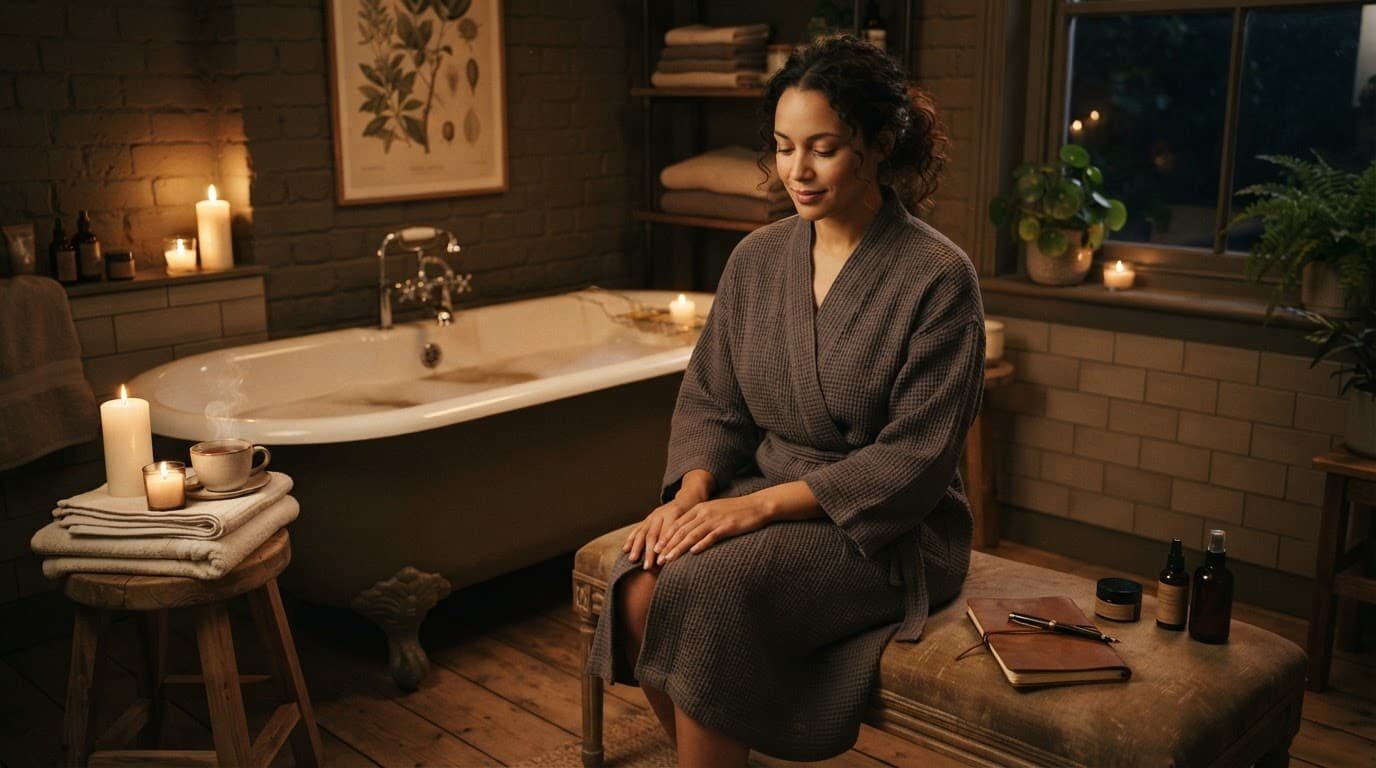
Restorative self-care is personal. It can be free, quiet, and slightly boring in the best way. A nap may help more than a packed schedule, while journaling may give your thoughts somewhere safe to land. If you want guided reflection, try these journal prompts for self-discovery.
Try this simple reset routine:
- Choose one body-care activity, such as taking a bath, stretching for five minutes, applying lotion, or washing your hair.
- Add one calming activity, such as listening to quiet music, breathing slowly, meditating, or sitting without your phone.
- Finish with one source of comfort, such as soup, tea, a favorite show, a soft blanket, or a phone call with someone you trust.
You can adjust the routine to fit your energy. A full spa night might include candles, a face mask, clean sheets, and a homemade meal. On another day, brushing your teeth, drinking water, and taking a restorative nap may be enough.
Support your body and mind with small enjoyable routines
Wellness routines work best when they feel inviting rather than forced. Take a walk while listening to music, follow a gentle yoga video, join a meditation class, dance in your living room, or try an exercise class that feels welcoming. Starting with ten minutes makes the first step easier, and you can stop when your body needs rest.
Regular movement can support mood and general well-being, but it isn’t a cure or an obligation. A 2023 review found a connection between physical activity, improved mood, and mental health outcomes, while the CDC’s stress management guidance also highlights sleep and healthy coping habits.
Keep the routine pleasant by choosing activities you would willingly repeat. Walk through a scenic neighborhood instead of forcing yourself onto a treadmill, or stretch beside an open window while your coffee brews. Adults generally need at least seven hours of sleep, so a rest day can support your wellness just as much as a workout.
Chosen solitude feels different from painful loneliness. Alone time may leave you rested and more connected to yourself, while persistent loneliness can bring sadness, anxiety, isolation, or difficulty sleeping. If solo time feels overwhelming or those feelings continue, reach out to a trusted person, counselor, doctor, or mental health professional. Asking for support is a healthy response, not a failure to enjoy your own company.
Social things to do when single without making dating the main event
Being single can include a rich support network, even when romance isn’t part of your current plans. Choose social activities because they sound enjoyable, meaningful, or interesting, then let conversations develop without assigning every new person a romantic role.
Strengthen friendships and create your own community
Friendships need regular care, just like plants on a windowsill. Instead of waiting for someone else to organize plans, send a specific invitation: “Would you like to come over Saturday at 6 for a casual potluck?” You could host a board-game night, start a walking group, plan a craft evening, or suggest a monthly coffee date at the same neighborhood cafe.
Specific plans feel easier to accept than vague messages such as “We should hang out sometime.” If hosting feels overwhelming, keep it simple. Ask everyone to bring one snack, choose one game, or meet for a 30-minute walk. Introverts and socially nervous readers can begin with one trusted friend before expanding the group.
You might also write to someone kind from your past. Send a short message that leaves room for their schedule: “I thought of you today and hope you’re doing well. Would you be open to a coffee sometime?” Their response may be warm, delayed, or nonexistent, so respect their time and boundaries without taking it as a judgment of your worth. These tips for building lasting friendships can help you invest in relationships that feel mutual.
Meet people through shared interests, not romantic pressure
Shared activities create natural conversation because everyone already has something to discuss. Volunteer at a food pantry, attend a cooking or art class, join a book club, watch a local sports game, or try a community gardening group. You can also buy a ticket to a concert, comedy show, or neighborhood event and invite a friend to join.

A public place can be social without demanding constant conversation. Sit at a cafe with a book, spend an hour people-watching, or write letters to people you care about. The CDC recommends joining groups with shared interests, volunteering, and getting involved in your community as ways to build meaningful social connection. VolunteerMatch listings can help you find local, virtual, ongoing, or one-time opportunities.
For a first meeting with someone new, choose a busy public location and arrange your own transportation. Tell a trusted person where you’ll be, keep your phone charged, and leave if the situation feels uncomfortable. At concerts, sports games, and comedy shows, stay aware of your surroundings and keep personal belongings secure.
Alcohol can be part of a happy hour, but it doesn’t need to lead the evening. Set a limit before you go, alternate drinks with water, avoid driving after drinking, and choose a nonalcoholic plan when that feels better. Connection should never depend on drinking or romantic attention.
Solo outings, travel, and small adventures worth putting on your calendar
Solo plans can feel awkward at first, especially when you notice empty chairs at a restaurant or reach for your phone during a quiet moment. That discomfort usually fades once you focus on the place, the food, or the experience itself. Start small, keep your plan simple, and let confidence grow through repetition.
Start with easy solo outings before planning a big escape
Begin with a coffee shop, bookstore, or museum visit. Choose off-peak hours, bring a book or journal, and give yourself one clear goal, such as viewing a new exhibit or finding a novel for the weekend. You can use your phone for directions and photos, but stay aware of traffic, belongings, and the people around you.
When you’re ready, book a table for one at a restaurant you genuinely want to try. A reservation removes uncertainty, and a counter seat or patio table may feel more relaxed. Bring something to read, order an appetizer you like, and stay long enough to enjoy the meal instead of rushing home.
Next, plan a day trip by train, bus, or car. Pick one main destination, check return times, and leave a little space for an unexpected shop, park, or local bakery. A free version could include a library, public garden, or packed lunch. A moderate-cost outing might add museum admission and dinner, while a splurge could include a tasting menu or guided tour.
An overnight stay can be just as simple. Book a well-reviewed hotel in a nearby town, confirm check-in details, and choose a location near restaurants or attractions. You can also create a staycation with fresh sheets, room service, a local spa appointment, and a phone-free evening. For more inspiration, browse these meaningful solo trip ideas.
Plan an adventure that feels exciting and safe
Outdoor plans add energy to your calendar, but preparation keeps the fun from turning stressful. Try a short hike, beach walk, cycling route, public-transit day trip, or sunset stargazing session. For a bigger experience, book rock climbing, kayaking, horseback riding, or a theme park visit.

Use this simple safety routine before leaving:
- Share your itinerary, route, transportation details, and expected return time with someone you trust.
- Check weather, trail or attraction hours, closures, parking rules, and road conditions before departure.
- Carry water, a charged phone, a power bank, identification, necessary medication, and activity-specific gear.
- Choose reliable transportation, save the return route, and create a backup plan for storms, closures, fatigue, or low battery.
The National Park Service recommends leaving a detailed trip plan and checking alerts before hiking. Its trip-planning safety guide is useful for reviewing routes and essential gear. NOAA also recommends checking outdoor weather and air-quality conditions before heading out.
A free adventure might mean stargazing from a nearby park or walking a familiar beach. Moderate-cost plans could include bike rental, a campsite, or a guided class. A splurge might involve a scenic hotel, professional tour, or a full-day adventure package. If alcohol is part of dinner or an event, drink moderately and arrange a rideshare, taxi, public transit, or designated driver before your first drink. A good solo adventure should leave you with happy memories and a safe way home.
Personal growth, romantic freedom, and making the most of your single season
Your single season can hold more than spontaneous plans and quiet weekends. Use it to decide what you want to learn, experience, protect, and prioritize, then give those answers a place on your calendar.

Build a life that feels full even when romance is not involved
Create a single-life bucket list with experiences that belong to you. Include a weekend trip, a creative project, a class, a fitness milestone, or a place you’ve always wanted to visit. Then take a personality or values assessment and compare the results with your daily routine. Are you making time for independence, creativity, family, stability, adventure, or service?
Choose one personal goal and turn it into a monthly action. Save a set amount for a dream purchase or trip, complete one chapter of a course, finish one section of a novel, or join a cause that matters to you. Volunteering at a food pantry, animal shelter, school, or community organization can add purpose and introduce you to people who care about similar issues.
Ask yourself:
- What do I want to learn this year?
- Which experiences would make me proud or curious?
- What values do I want my time and money to protect?
- What deserves more attention in my life?
A budget can make a dream feel less distant. Open a separate savings space, set an automatic transfer, and choose a realistic target date. During a breakup, use the list to rebuild your routine. On a lonely weekend, pick one low-cost item and invite a friend. During a long-term season of being single, review the list every few months so your goals grow with you.
Date on your terms, or give yourself permission not to date
Dating can be one enjoyable part of single life, but it doesn’t measure your desirability or progress. If romance sounds fun, update your dating profile, flirt with someone you like, try speed dating, or accept a low-pressure coffee date. Choose activities that match your energy, and leave when the experience stops feeling respectful or enjoyable.
You can also pause dating completely. Delete the apps, focus on friends, take yourself out, or spend your time healing after a breakup. Casual sex and romantic attention are options, not requirements for enjoying your single season.
For early meetings, choose a busy public place, tell someone where you’ll be, arrange your own transportation, and protect private details such as your home address, workplace, and financial information. Consent must be clear, mutual, and ongoing. You can change your mind at any point, and the other person can do the same. Set boundaries with clear relationship limits while dating.
If sex feels right, discuss contraception, STI testing, and safer-sex practices before the moment becomes urgent. Condoms and other barrier methods can reduce STI risk, while pills, implants, IUDs, and emergency contraception prevent pregnancy but don’t protect against STIs or HIV. The CDC’s sexual health guidance can help you prepare for an honest conversation about testing and partners. Your comfort, privacy, emotional readiness, and safety come first.
Conclusion
Being single gives you room to build days that feel personal, satisfying, and fully yours. The 50 ideas in this guide include comfort at home, creative hobbies, friendship, movement, local adventures, personal growth, and optional romance, so you can choose what matches your mood instead of forcing yourself into someone else’s version of fun. A relationship can add to your life, but your happiness doesn’t need to wait for one.
Create a personal menu with three free ideas, three social ideas, three adventurous ideas, and three restful ideas. Then schedule one this week, whether that means taking a solo walk, inviting a friend over, trying daily learning for personal growth, or giving yourself an unhurried night at home.
With time, these small choices can turn single life into a season filled with memories, confidence, and genuine connection. You can become someone who enjoys their own company while staying open to the meaningful people and experiences still ahead.
Save the pin for later

- 60 Color Tattoos That Healed Beautifully - 25/09/2026
- 40 Most Painful Tattoo Spots - 24/09/2026
- 20 Tattoo Aftercare Mistakes That Ruin Fresh Ink - 23/09/2026

