Zucchini is light, affordable, and flexible enough to fit into almost any meal. You can fold it into breakfast, roast it for lunch, turn it into a satisfying dinner, or use it in a savory snack without relying on complicated ingredients.
These healthy zucchini recipes include options for low-carb, vegetarian, gluten-free, and high-protein eating styles. Each one focuses on practical cooking methods, simple ingredients, and satisfying flavors, whether you’re making crisp zucchini fritters, tender stuffed zucchini, fresh zucchini noodles, or a hearty baked dish.
You’ll also find useful ways to prevent watery results and keep zucchini tender without overcooking it. Start with these easy recipe ideas for flavorful meals you’ll want to make again.
Key Takeaways
- One medium zucchini contains about 33 calories, 2 grams of fiber, and 2 grams of protein, making it easy to add volume to balanced meals.
- Roast, grill, or saute zucchini over high heat to develop flavor while limiting excess moisture and sogginess.
- Pair zucchini with eggs, beans, chicken, fish, whole grains, or Greek yogurt for more filling, high-protein meals.
- Use spiralized zucchini, stuffed boats, fritters, and sheet-pan dishes to keep healthy zucchini recipes varied.
- For more ideas, browse this collection of healthy zucchini recipes.
Healthy Zucchini Recipes for Every Meal
Zucchini makes balanced cooking easier because it adds volume, moisture, and texture without making meals feel heavy. Its mild flavor also absorbs herbs, spices, sauces, and marinades, so the same vegetable can fit into Mediterranean, Mexican, Italian, or Asian-inspired dishes.
Why zucchini belongs in healthy meals
Raw zucchini is naturally low in calories and carbohydrates. It also contains plenty of water and some fiber, which adds bulk to meals while keeping the ingredient light. Use it to stretch ground meat, pasta sauces, casseroles, soups, and grain bowls, or replace part of a higher-calorie ingredient in fritters and baked dishes.
Zucchini won’t provide all the protein or energy a meal needs, so pair it with ingredients such as eggs, beans, chicken, fish, tofu, Greek yogurt, or whole grains. That combination creates a more satisfying plate than zucchini alone.
Quick cooking is another advantage. Sliced zucchini can soften in a skillet within minutes, while roasting and grilling bring out light browning and a sweeter flavor. High heat helps the slices cook quickly before they release too much water, as shown in this guide to cooking zucchini.
How to choose and prepare zucchini
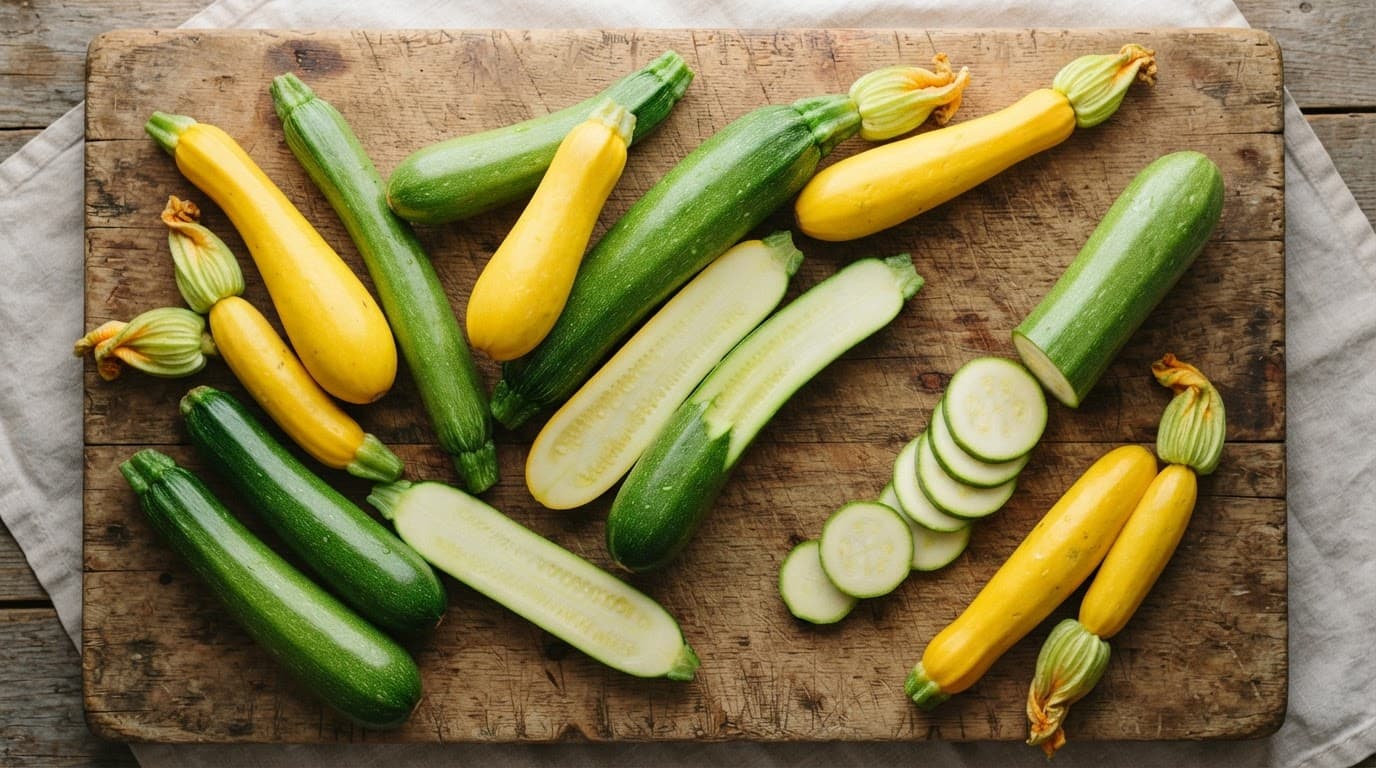
Choose zucchini that feels firm and heavy for its size, with smooth, unbroken skin. Medium-sized zucchini usually have a tender texture and small seeds, which makes them a good choice for nearly any recipe. Avoid vegetables with soft spots, wrinkled skin, or a spongy feel.
Wash zucchini under cool running water and rub the surface gently before slicing. You don’t need to peel it, since the skin is tender and adds color. Trim both ends, then cut it into rounds, half-moons, planks, or ribbons based on the cooking method.
Green zucchini is the most versatile option for sautés, roasting, noodles, and baking. Yellow squash has a similar texture and a slightly sweeter taste, so you can use it interchangeably or combine both for more color. Larger zucchini work well when grated, stuffed, or folded into baked recipes, but their seeds and watery centers can be more noticeable. Scoop out the soft middle when necessary, then salt and drain grated zucchini before mixing it into batter.
Easy Zucchini Breakfasts and Light Lunches
Zucchini fits easily into lighter meals because it cooks quickly and adds moisture without making a dish feel heavy. Pair it with eggs, dairy, beans, chicken, or whole grains to create breakfast and lunch ideas that keep you satisfied.
Savory zucchini breakfasts
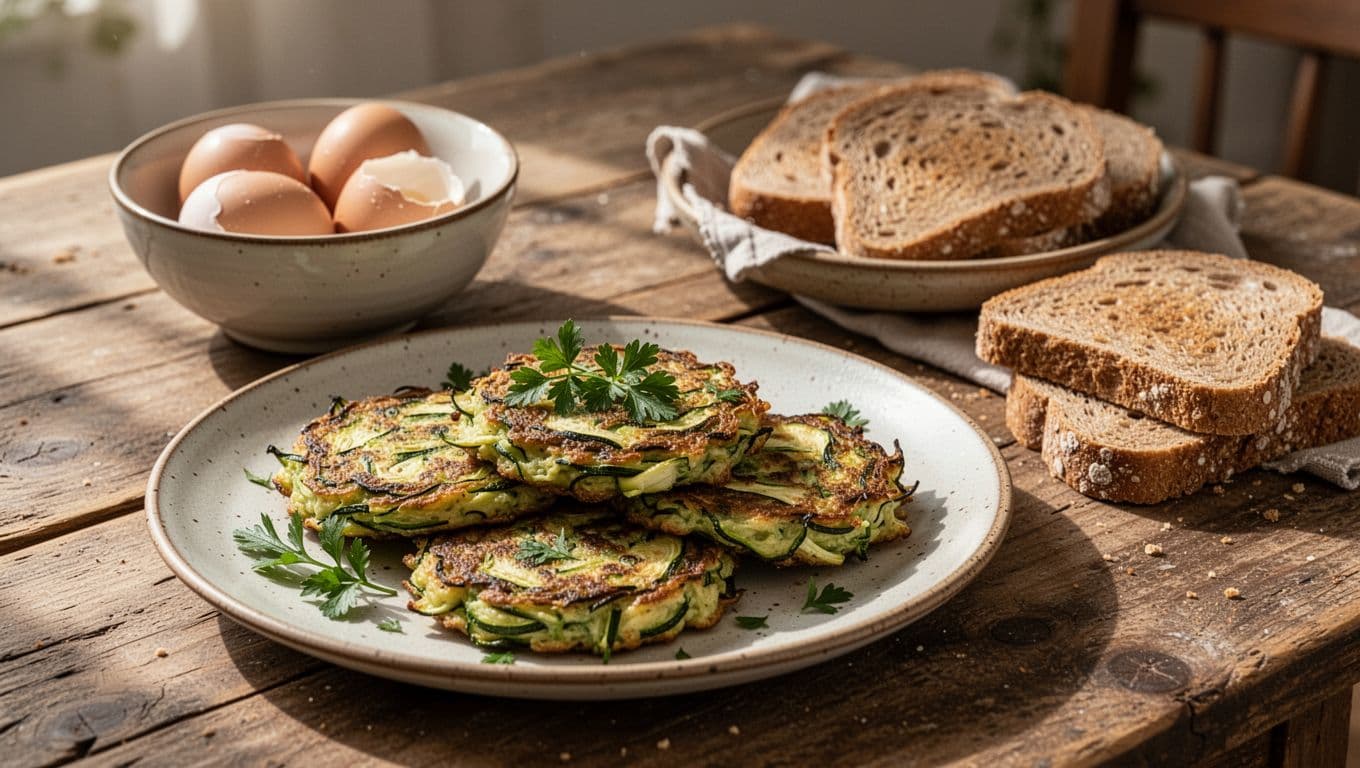
A zucchini and egg skillet makes a fast breakfast for one or two people. Saute one grated or finely chopped zucchini with scallions, garlic, and a pinch of smoked paprika. Once the moisture cooks away, add two or three eggs and finish with Parmesan or cottage cheese. Serve it with whole grain toast when you want extra carbohydrates and fiber.
For a portable option, make zucchini egg muffins. Mix grated, squeezed-dry zucchini with beaten eggs, spinach, feta, and chopped turkey or chicken sausage. Divide the mixture among muffin cups and bake until set. Two or three muffins with fruit make a balanced breakfast, while leftovers reheat well for busy mornings.
Zucchini fritters also work earlier in the day, especially when you add protein to the plate. Combine squeezed grated zucchini with an egg, oats or whole wheat flour, herbs, and a little shredded cheese. Pan-cook small fritters in olive oil until browned on both sides, then serve two or three with Greek yogurt and berries or a side of scrambled eggs. For more inspiration, browse these zucchini breakfast recipe ideas.
Zucchini oats and breakfast bread
Grated zucchini disappears neatly into oatmeal. Stir about 1 cup of grated zucchini into oats while they cook with milk or water, then add cinnamon, chia seeds, and chopped walnuts. For more protein, mix in Greek yogurt after cooking or add protein powder once the oats have cooled slightly. A sliced banana or a small spoonful of nut butter adds sweetness and staying power.
If you prefer a make-ahead breakfast, bake a zucchini oat loaf with rolled oats, whole wheat flour, eggs, walnuts, and cinnamon. Keep the slices modest, then serve one with cottage cheese, plain yogurt, or nut butter. The zucchini keeps the loaf tender, while oats and whole wheat flour provide a more substantial base than refined flour alone.
Light zucchini lunches
For lunch, turn zucchini into a baked slice with eggs, cottage cheese, cooked brown rice, onion, and herbs. Mix the ingredients, spread them in a baking dish, and bake until firm and lightly golden. One square works well with a tomato salad, or pack two smaller pieces for a portable meal.
Stuffed zucchini boats offer another simple format. Roast halved zucchini until slightly tender, then fill them with seasoned chickpeas, quinoa, and feta. Add shredded chicken or canned tuna when you want more protein. A spoonful of pesto or lemony Greek yogurt brings brightness without requiring a heavy sauce.
You can also grill zucchini planks and layer them in a whole wheat wrap with hummus, white beans, greens, and crumbled feta. Cook the zucchini over high heat until marked and tender, then assemble the wrap while it is still warm. This combination gives you vegetables, protein, and whole-food carbohydrates in one easy lunch.
Healthy Zucchini Recipes for Satisfying Dinners
Zucchini can make dinner feel generous without relying on a large amount of pasta, rice, or cheese. Pair it with a clear protein source, colorful vegetables, and a flavorful sauce, then choose roasting, grilling, or quick sauteing to preserve its texture.
Stuffed zucchini boats with chicken or chickpeas
Halved zucchini makes a practical base for a filling dinner. Scoop out the soft center, chop it, and combine it with cooked ground chicken, lean turkey, or chickpeas. Add diced tomatoes, onion, garlic, Italian seasoning, and a spoonful of marinara, then fill the zucchini shells and bake until tender.
Ground meat gives the filling a savory, hearty texture, while chickpeas create a softer vegetarian version with satisfying fiber. You can also replace the chickpeas with cooked lentils, white beans, or crumbled tofu. Finish the boats with feta, mozzarella, or a dairy-free cheese alternative.
For better texture, roast the empty zucchini halves for a few minutes before adding the filling. This helps them cook evenly without turning the shells watery. Serve two halves with a simple salad or a small portion of quinoa when you want a more substantial meal.
Zucchini noodles with a protein-rich sauce
Zucchini noodles are an easy way to replace part of a pasta dinner while keeping the plate light. Spiralize fresh zucchini, then pat the noodles dry before cooking. Saute them briefly over medium-high heat, or leave them raw for a crisp texture.
Build the meal around the sauce. Toss the noodles with shrimp, sliced chicken, turkey meatballs, or baked tofu, then add pesto, tomato sauce, or a lemon-garlic yogurt sauce. For a vegetarian dinner, stir white beans into marinara or top the noodles with a soft-boiled egg and grated Parmesan.
Keep the cooking time short because zucchini releases water quickly. One to two minutes is often enough for tender noodles that still have some bite. For a lower-carb meal, use zucchini for most of the noodles. Otherwise, combine half zucchini noodles with whole wheat spaghetti to retain a familiar pasta texture.
The same approach works with creamy sauces. A small amount of cream cheese or Greek yogurt can create a smooth coating, while lemon juice, basil, and cracked pepper keep the flavor fresh. This low-carb zucchini noodle recipe shows how zucchini can carry a rich-tasting dish without a traditional pasta base.
Zucchini lasagna with vegetables and lean protein
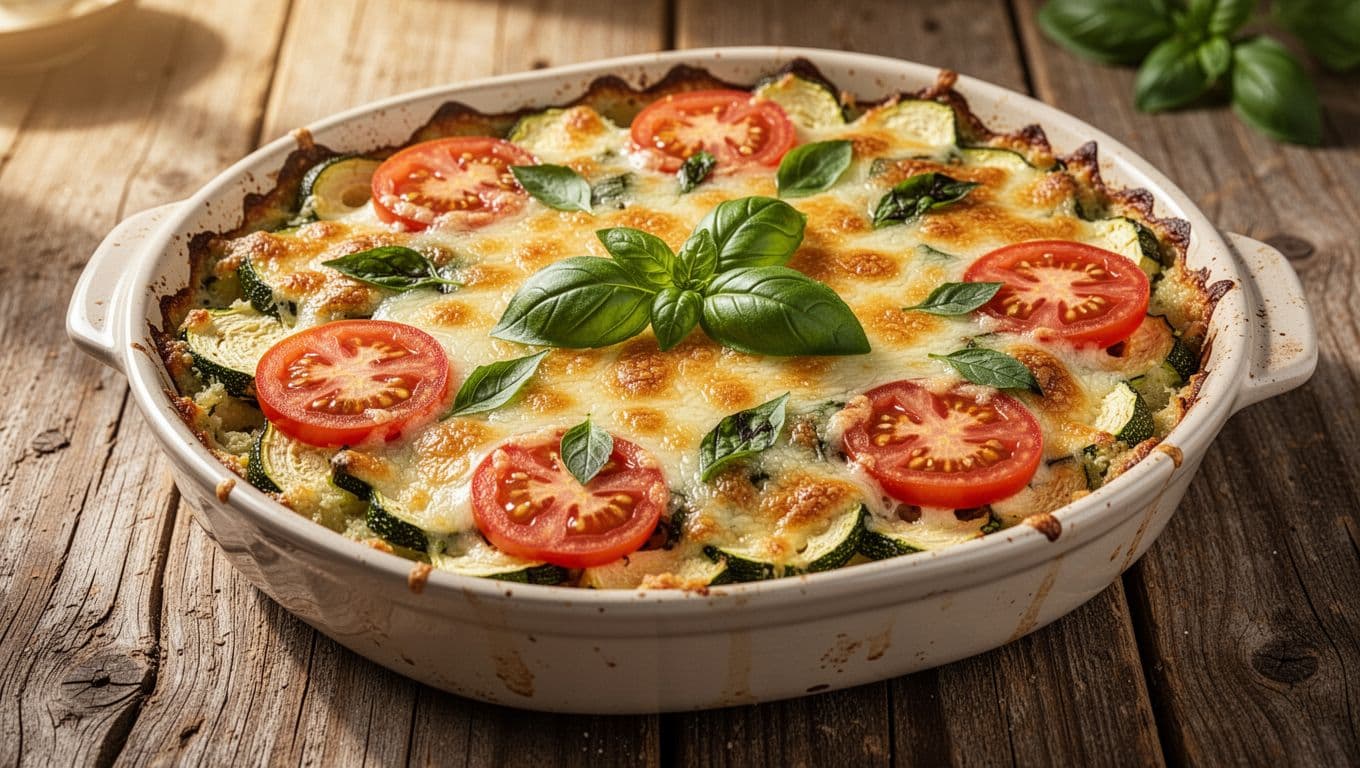
Use long zucchini planks in place of some or all lasagna noodles. Slice the zucchini lengthwise, salt it lightly, and let it drain before patting it dry. Grill or roast the slices until flexible, then layer them with marinara, spinach, mushrooms, ricotta, and mozzarella.
For more protein, add cooked ground turkey or shredded chicken to the tomato sauce. Vegetarians can use lentils, chopped mushrooms, or spinach mixed with cottage cheese. These fillings add body, so the casserole stays satisfying even with fewer noodles.
Bake until bubbling and lightly browned, then let the dish rest before slicing. The short wait helps the layers hold together. For another low-carb dinner variation, try this zucchini Parmesan recipe, which uses tender zucchini, tomato sauce, and cheese in a simple baked format.
Crispy Zucchini Snacks and Better Side Dishes
Crispy zucchini snacks offer the comfort of fried food with less oil and a lighter finish. Baking, air frying, grilling, and roasting each create a different texture, so you can choose between crunchy chips, tender-crisp spears, or browned zucchini rounds.
Healthier ways to make zucchini crispy
Thin zucchini slices work well for chips, while thicker sticks or spears hold their shape better as a side dish. A light coating of panko, whole wheat breadcrumbs, or almond flour adds crunch without requiring a deep fryer. For a gluten-free option, use gluten-free panko or finely crushed rice cereal.
Baking gives breaded zucchini a dry, toasted coating and a tender center. Arrange the pieces on a lightly oiled baking sheet, then cook at high heat until golden. Turn them halfway through so both sides brown evenly.
Air frying creates the strongest crisp texture with very little oil because hot air moves around each piece. For a quick snack, season zucchini slices with garlic powder, smoked paprika, black pepper, and a small amount of olive oil. Cook them in a single layer at about 400°F, shaking or turning the basket halfway through. These air fryer zucchini chips are a useful model for getting crisp edges without heavy breading.
Grilling adds smoky flavor and firm charred edges. Cut zucchini into planks or thick rounds, brush them lightly with oil, and grill until tender with visible marks. Roasting produces a sweeter, more concentrated flavor, especially when you use zucchini spears with cherry tomatoes, onions, or bell peppers.
Keep zucchini snacks from turning soggy
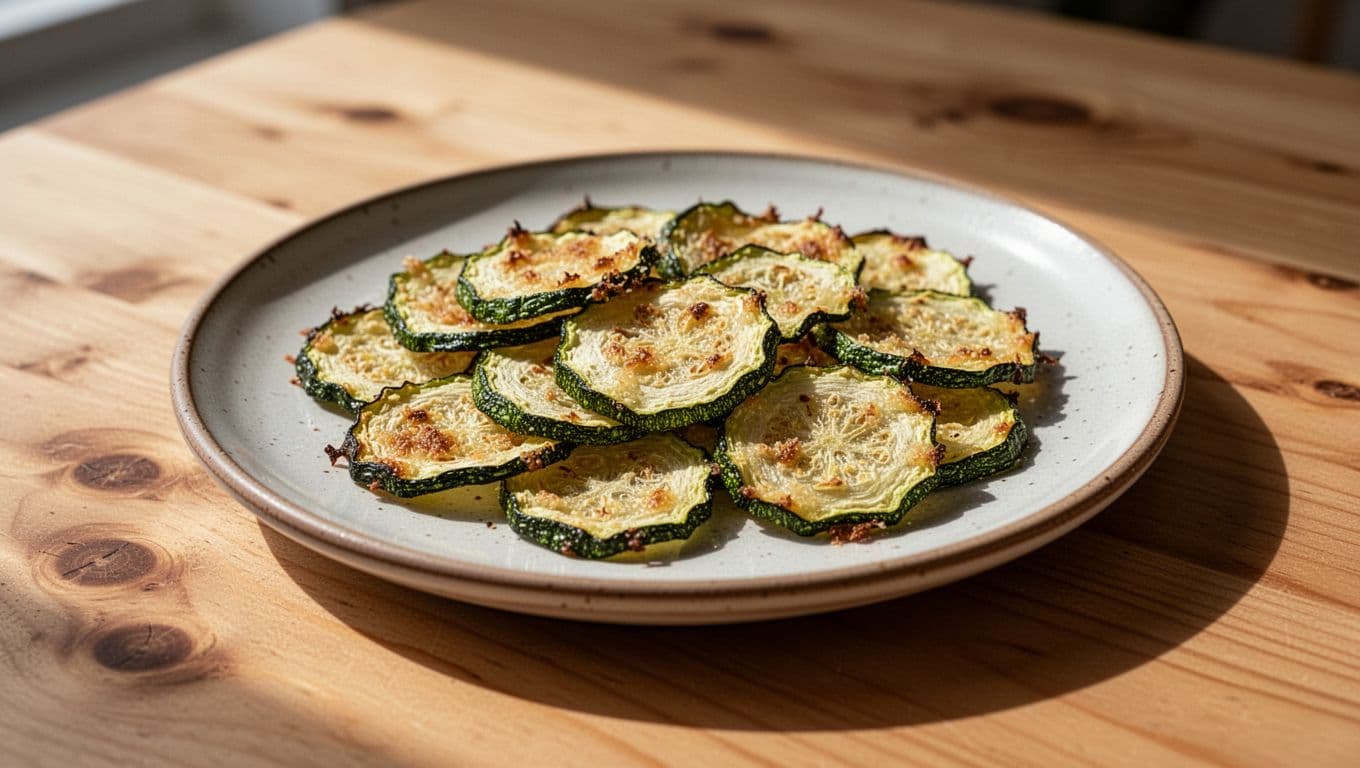
Zucchini contains a lot of water, so preparation matters as much as cooking temperature. Slice the vegetable evenly, then pat both sides dry with paper towels. If you’re making very thin chips, sprinkle them lightly with salt and let them sit for several minutes. Blot away the moisture before adding oil or breadcrumbs.
A crowded pan traps steam around the zucchini. Leave space between each piece so hot air can reach the surface. Use a second baking sheet if necessary, rather than stacking the slices.
Coat zucchini lightly. Too much oil or a thick, wet batter can soften the crust instead of crisping it. For breaded fries, dip the dry sticks in beaten egg, coat them with seasoned panko, and press gently so the crumbs adhere.
Turn the pieces halfway through baking or air frying. This promotes even browning and prevents one side from staying pale and damp. Serve crispy zucchini immediately, since the coating softens as the vegetables cool.
Flavorful dips and toppings
A flavorful dip can replace a rich cheese sauce. Try plain Greek yogurt mixed with lemon juice, garlic, dill, and black pepper. Hummus adds creaminess and plant-based protein, while salsa brings acidity and heat without extra oil.
For roasted or grilled zucchini, finish the dish with fresh herbs, lemon zest, toasted sesame seeds, or a spoonful of pesto. A small sprinkle of Parmesan can add savory flavor, but it doesn’t need to cover every piece. These simple toppings keep zucchini snacks bright, crisp, and suitable for balanced meals.
How to Make Zucchini Recipes Taste Better and Stay Firm
Zucchini contains a great deal of water, so the wrong preparation can leave your meal limp, diluted, or watery. The best results come from removing excess moisture first, then cooking the zucchini quickly with enough space for steam to escape.
Salt and dry zucchini before cooking
Start with small or medium zucchini, which usually have firmer flesh and fewer watery seeds than oversized ones. After slicing, toss 1 pound of zucchini with about 1/2 teaspoon of table salt. Let it drain in a colander for 20 to 30 minutes, then pat the pieces very dry with a clean kitchen towel or paper towels.
For grated zucchini, squeeze it firmly in a towel after salting. This step matters for fritters, egg muffins, casseroles, and zucchini bread because extra liquid can weaken the batter and prevent proper browning. You can also use this simple moisture-removal method when preparing zucchini for baked dishes.
Salting also seasons the vegetable throughout, so the finished dish tastes more flavorful. However, if you want the strongest possible sear and are using thin slices, skip the pre-salting step. Pat the zucchini dry, brown it quickly, and season it after cooking.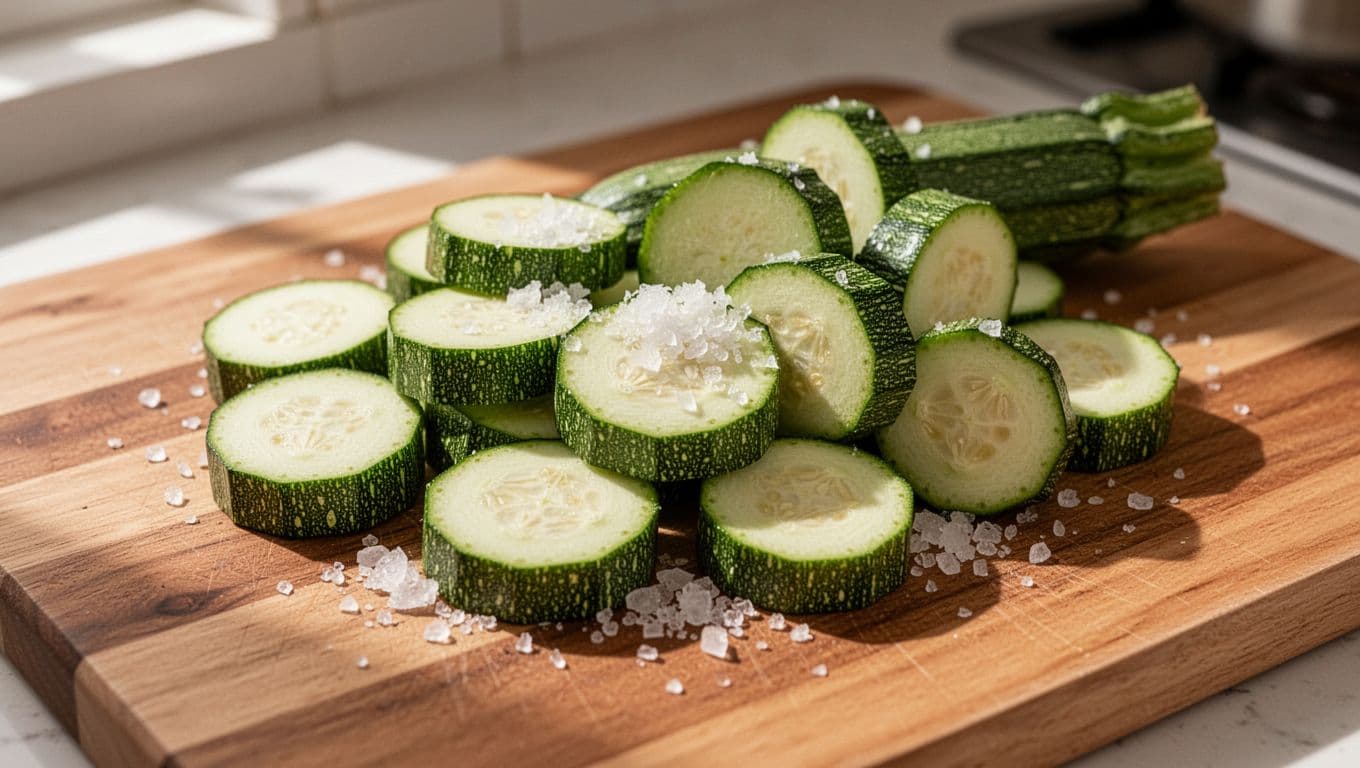
Use high heat and avoid crowding
A hot pan helps zucchini brown before it turns soft. Heat a skillet until the oil shimmers, then add the pieces in a single layer. Leave them alone for a minute or two so the cut sides develop color instead of releasing water immediately.
When the pan is crowded, zucchini steams in its own moisture. Cook large amounts in batches, and wipe out excess liquid between batches if needed. For roasting, spread the pieces across a large baking sheet without letting them touch. Roast at 400°F to 425°F until the edges brown and the centers remain tender.
Cut zucchini into half-inch rounds, half-moons, or thick spears for a firm bite. Very thin slices collapse quickly, especially in soups or sautés. Zucchini noodles need only a brief sauté, often one to two minutes, or they can stay raw under a warm sauce.
For crisp zucchini, space matters as much as temperature. A crowded pan traps steam and works against browning.
Match the technique to your diet
These texture rules work across nearly any eating style. For vegetarian meals, pair browned zucchini with eggs, beans, lentils, quinoa, or cottage cheese. Vegans can use tofu, chickpeas, white beans, or nutritional yeast, while a lemon-tahini sauce adds richness without dairy.
Gluten-free cooks can replace breadcrumbs with gluten-free panko, almond flour, or crushed rice cereal. For dairy-free recipes, choose olive oil, dairy-free cheese, hummus, or cashew-based sauces. Low-carb meals benefit from zucchini noodles, roasted spears, or stuffed boats filled with chicken, fish, tofu, or seasoned ground turkey.
Add delicate ingredients near the end. Fresh basil, lemon juice, yogurt, and soft cheese taste brighter when stirred in after the zucchini has browned. This keeps the vegetable firm while giving the dish a fresh finish.
Meal Prep, Storage, and Serving Ideas for Zucchini
Zucchini is useful for meal prep, but its high water content affects how well it stores. Roasted pieces, stuffed zucchini boats, fritters, and baked casseroles hold up better than crisp chips or freshly sauteed noodles. Prep the components separately when possible, then assemble meals just before eating.
Zucchini recipes that store well
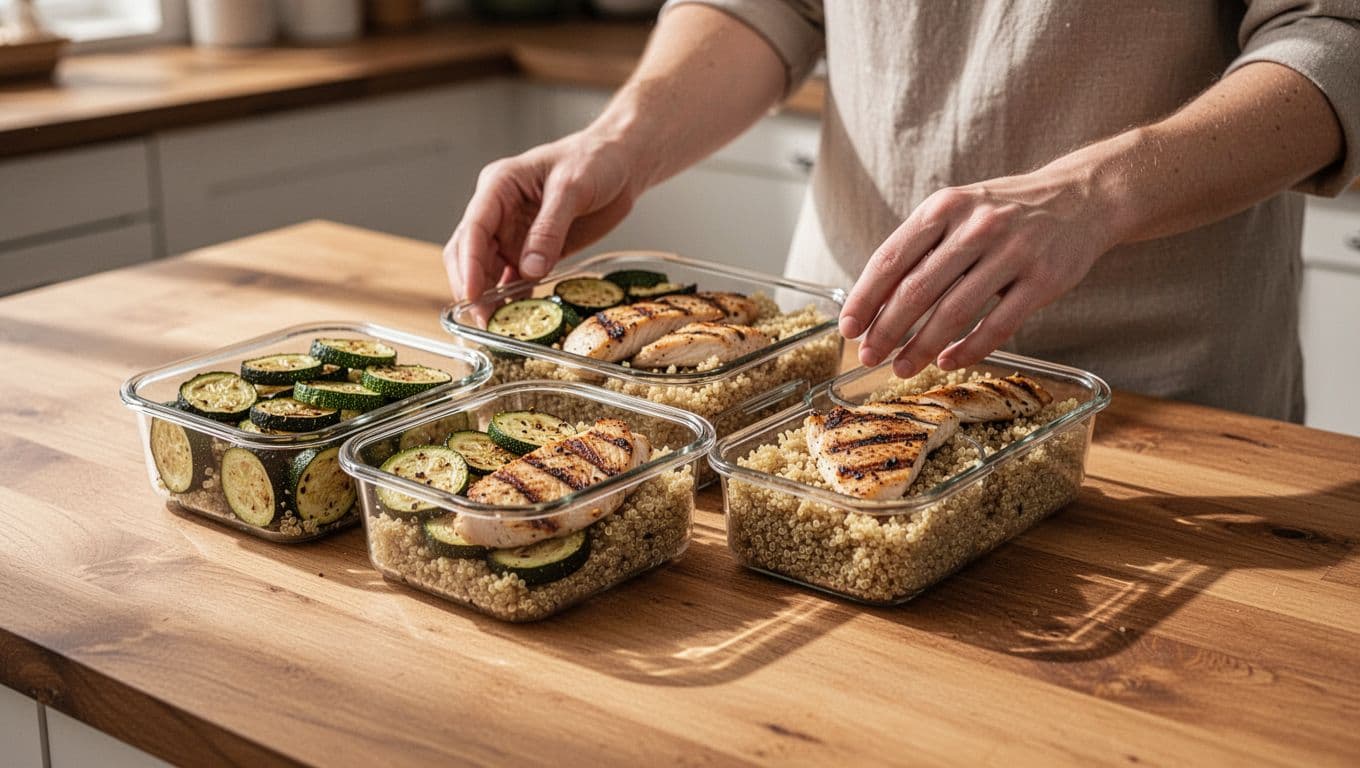
Roast zucchini in thick half-moons or spears at high heat until the edges brown and the centers remain slightly firm. Once cooled, portion it into airtight containers with grilled chicken, baked tofu, quinoa, brown rice, or beans. Keep sauces, fresh herbs, and crunchy toppings separate so the vegetables don’t soften further.
Stuffed zucchini boats also make reliable leftovers. Store them with their filling in individual containers, then reheat them in the microwave or oven until hot. Baked zucchini casseroles, egg muffins, fritters, and zucchini lasagna can follow the same plan. Place parchment between fritters if you stack them, and reheat them in a skillet, toaster oven, or air fryer to restore some crispness.
For the best texture, prepare zucchini noodles and crispy zucchini chips close to serving time. Spiralized zucchini becomes watery after sitting in sauce, while chips lose their crunch in a sealed container. You can spiralize the noodles ahead, pat them dry, and store them separately for a day.
Safe storage for cooked zucchini
Cool cooked zucchini promptly and refrigerate it in shallow, covered containers. As a general practice, place leftovers in the refrigerator within two hours, and keep the refrigerator at 40°F or below. Because storage life depends on preparation, packaging, and refrigerator temperature, use conservative timing and follow current guidance from your local food safety authority.
Cooked zucchini is often best used within two to three days for quality. Check leftovers before eating, and discard them if they develop an unusual smell, slimy texture, mold, or other signs of spoilage. Reheat only the portion you plan to eat, since repeated warming can further soften the vegetable.
You can freeze cooked zucchini, but expect a softer texture after thawing. Frozen portions work best in soups, sauces, casseroles, and blended dishes rather than salads or crisp sides. Label each container with the date and thaw frozen zucchini in the refrigerator when possible.
Turn leftovers into balanced meals
Prepared zucchini can become a different meal each day with a few simple additions:
- Add roasted zucchini and leftover chicken to a whole wheat pita with hummus and greens.
- Stir baked zucchini casserole into warm brown rice, then top it with plain Greek yogurt.
- Combine zucchini boats with a side of black beans, corn, and quinoa for a filling vegetarian plate.
- Fold cooked zucchini into scrambled eggs and serve it with whole grain toast and fruit.
- Toss roasted zucchini with white beans, tomatoes, feta, and lemon for a quick lunch salad.
Keep the plate balanced by pairing zucchini with protein and a satisfying carbohydrate source. A container of roasted zucchini becomes a complete meal when you add salmon and farro, tofu and brown rice, or chickpeas and whole grain pita.
Conclusion
Zucchini can become far more than a plain side dish. Remove excess moisture, choose the right cooking method, and pair it with protein and bold seasonings for healthy zucchini recipes that are satisfying and full of flavor.
Start with one easy recipe, then adjust the sauces, herbs, or fillings to match your preferences. The best healthy zucchini recipe is the one flavorful enough to make again.
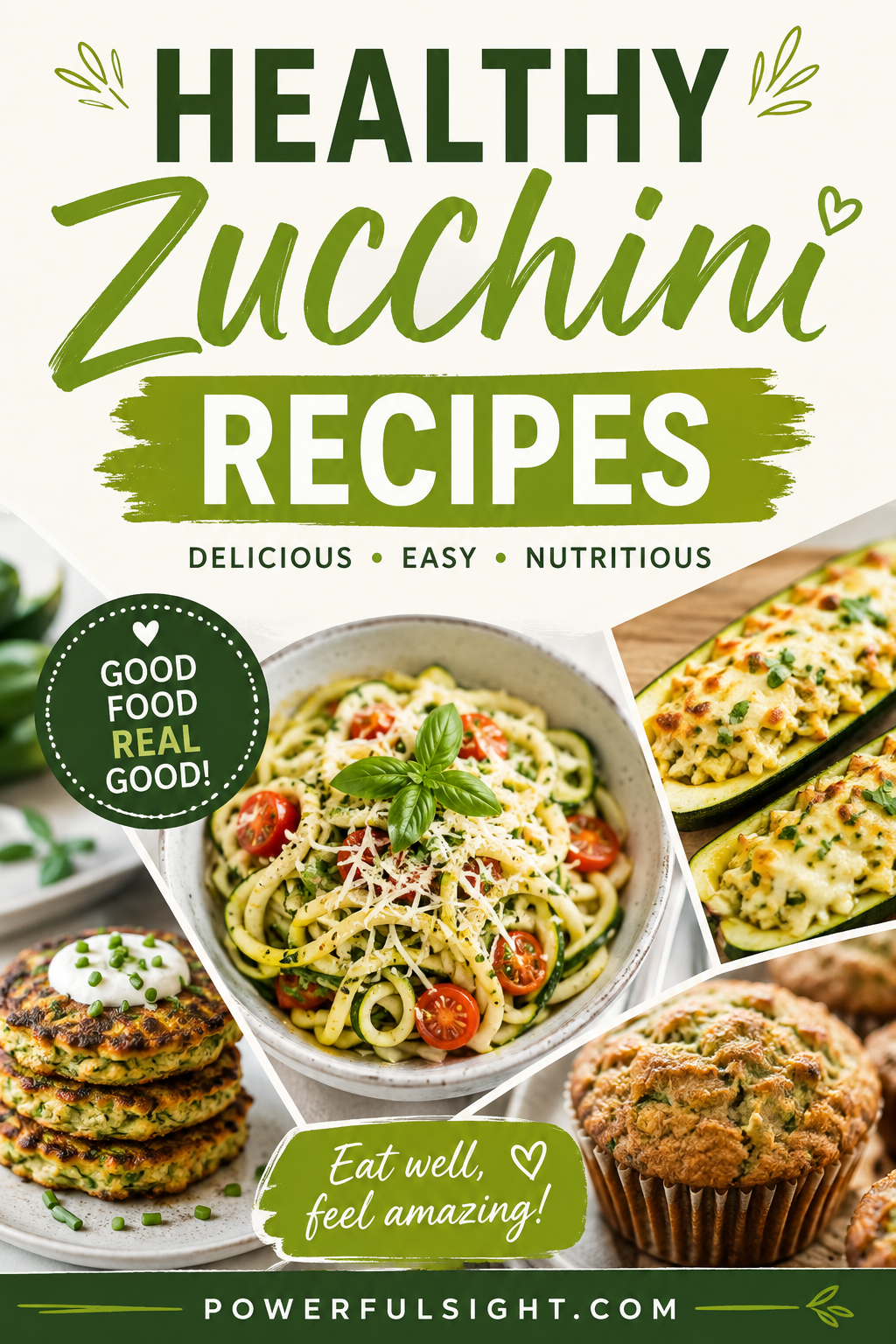
Save the pin for later

- 60 Color Tattoos That Healed Beautifully - 25/09/2026
- 40 Most Painful Tattoo Spots - 24/09/2026
- 20 Tattoo Aftercare Mistakes That Ruin Fresh Ink - 23/09/2026

