High fiber meals can help you feel full longer and keep digestion moving more smoothly, which is why they’re such a smart fit for weight loss and bloating. The best high fiber meal ideas for weight loss and bloating are filling, easy to make, and far from boring, so you don’t have to settle for bland food to get results.
Still, fiber works best when you add it with some care. If you eat too much too fast, you can end up with more gas, more pressure, and a stomach that feels worse instead of better, especially if you’re not drinking enough water.
That’s why a balanced approach matters. These meal ideas focus on simple foods that help you stay satisfied, support smoother digestion, and make it easier to build a higher-fiber routine without feeling miserable.
How fiber helps you feel full and stay regular
Fiber does two jobs that matter a lot for weight loss and bloating. It helps meals keep you satisfied longer, and it supports smoother digestion so things move along at a steady pace.
That makes high-fiber meal ideas for weight loss and bloating especially useful when you want food that fills you up without leaving you feeling heavy. The key is choosing the right fiber foods and adding them in a way your body can handle.
The fiber foods that keep you satisfied the longest
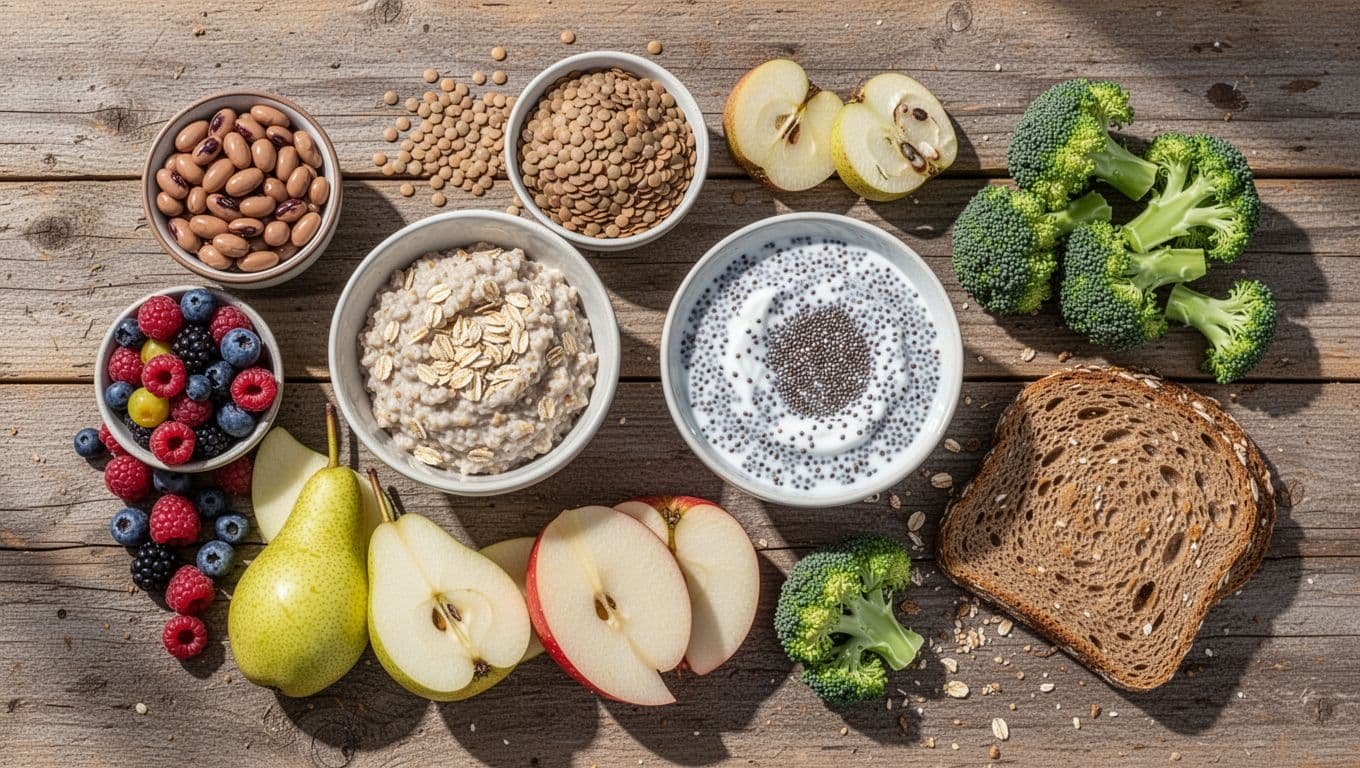
Some fiber-rich foods do a better job of keeping hunger away because they also bring protein, water, or volume to the plate. Beans and lentils are great examples. They’re dense, filling, and easy to mix into soups, bowls, and salads.
Oats are another smart pick, especially for breakfast. Their soluble fiber helps slow digestion, which is why oatmeal can carry you farther into the morning. For a simple, reliable option, beta-glucan oats for steady digestion work well in meals that need more staying power.
Fruits and vegetables with a lot of water also help. Berries, pears, apples, and broccoli add bulk without a lot of calories, so you feel full without overeating. Whole grains do the same job at mealtime, especially when you swap in brown rice, whole-wheat bread, or whole-grain pasta.
A few of the best choices for fullness include:
- Beans and lentils because they offer fiber plus plant protein
- Oats because they thicken in the stomach and slow hunger
- Chia seeds because they absorb liquid and add texture
- Apples and pears because the skin adds extra fiber
- Broccoli and other vegetables because they add volume with few calories
- Whole grains because they take longer to digest than refined grains
The best high fiber meal ideas for weight loss and bloating usually combine two or three of these foods in one meal. That mix keeps portions satisfying without feeling too rich.
Why too much fiber too fast can make bloating worse
Fiber helps digestion, but your gut needs time to adjust. If you jump from low fiber to a very high amount in a day or two, you may get gas, cramping, or a heavy stomach.
That reaction usually comes from the speed of the change, not fiber itself. Your gut bacteria need time to adapt, and your digestive tract needs time to handle the extra bulk. The Cleveland Clinic’s guide to high-fiber foods notes that fiber helps fullness and regularity, but your body still needs a gradual ramp-up.
A slow build is easier to live with and easier to stick to. Add one new high-fiber food at a time, then give your body a few days before increasing again. That approach is especially helpful if bloating has been a problem before.
If fiber leaves you gassy, the fix is often patience, not avoidance.
Start with small changes like adding oats at breakfast, beans at lunch, or an apple as a snack. Then increase from there. If you feel overly full, crampy, or extra bloated, ease up and move slower.
How water, chewing, and meal timing affect digestion
Fiber works best when you give it support. Water helps soften fiber so it can move through the digestive tract more comfortably, so a high-fiber day should also be a hydrated day. The latest U.S. dietary guidance also puts more focus on whole grains, fruits, vegetables, and other fiber-rich foods for regularity and overall health.
Eating slowly matters too. When you chew well and take your time, your stomach gets less of a shock, and you’re more likely to notice when you’re satisfied. Rushed meals often lead to swallowing more air, which can add to that swollen, tight feeling.
Busy schedule? Keep it simple.
- Drink a glass of water with each meal.
- Pause halfway through and check your fullness.
- Chew a little longer, especially with beans, raw vegetables, and whole grains.
- Avoid piling on extra fiber at the end of a fast day.
Timing matters as well. If you know a very high-fiber meal makes you feel too full, eat it earlier in the day when you have time to digest it. That small change can make high-fiber meal ideas for weight loss and bloating much easier to tolerate.
Build high-fiber breakfasts that do not leave you hungry
Breakfast sets the tone for the rest of your day, so it should do more than just taste good. The best high-fiber breakfast ideas keep you full, steady your appetite, and help you avoid the mid-morning snack hunt. They also work best when they combine fiber with protein, because that mix gives you more staying power.
A smart breakfast does not have to be fancy. With a few reliable staples, you can build meals that feel light enough for busy mornings but still hold you until lunch.
Easy oatmeal bowls that work for busy mornings
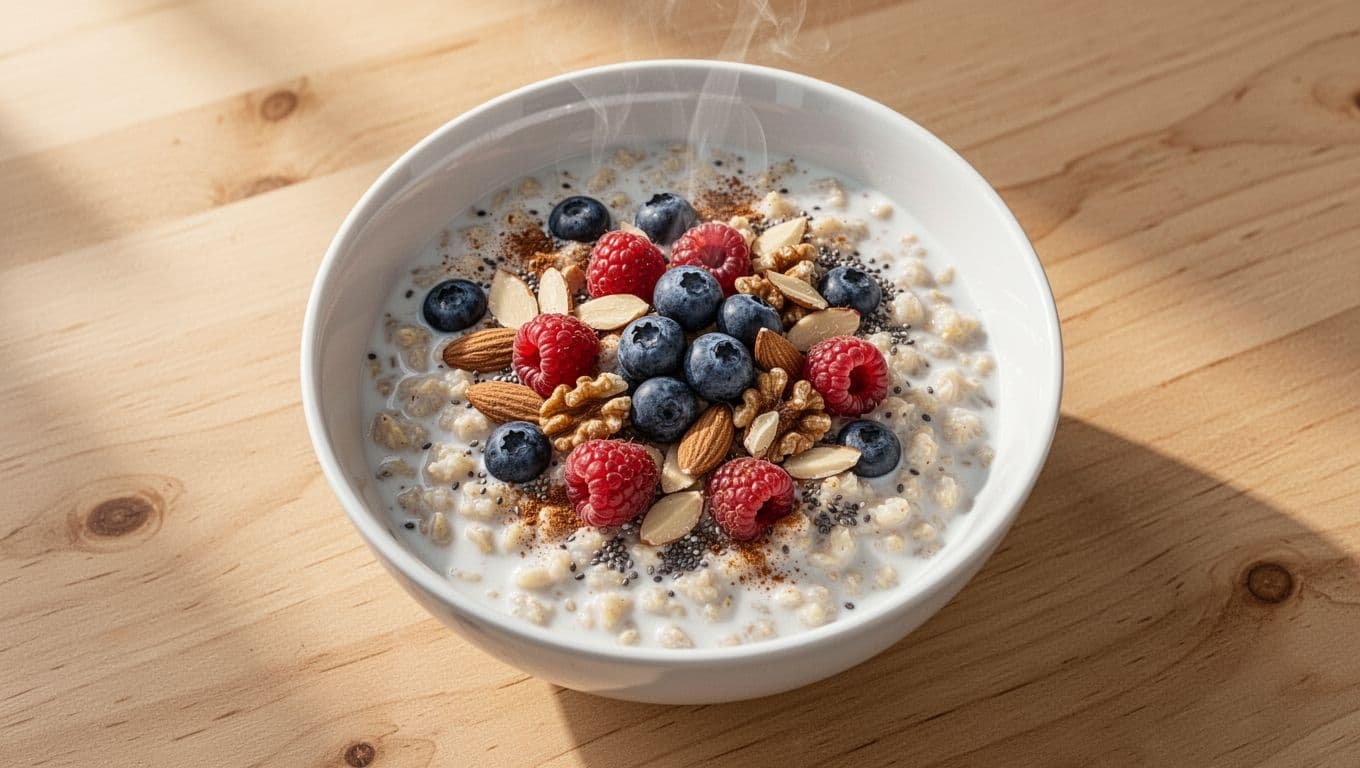
Oatmeal is one of the simplest high-fiber breakfast bases you can use. Oats contain soluble fiber, which helps slow digestion and keeps hunger from rushing back too soon. If you want a breakfast that feels warm, comforting, and filling, oatmeal is a strong place to start.
The real advantage is how easy it is to build on top. Add berries for freshness, nuts for crunch, chia seeds for extra fiber, cinnamon for flavor, or a spoonful of peanut butter for more staying power. You can keep the base simple and let the toppings do the work.
A few fast combinations make this even easier:
- Berries and chia seeds for a bright bowl with extra fiber
- Peanut butter and cinnamon for a richer, more filling breakfast
- Nuts and sliced banana for texture and natural sweetness
- Apple pieces and walnuts for a crisp, fall-style bowl
If you want more morning ideas that fit a packed schedule, healthy breakfast ideas for busy mornings can help you keep things simple without falling back on low-fiber convenience food.
Smoothies that add fiber without feeling heavy
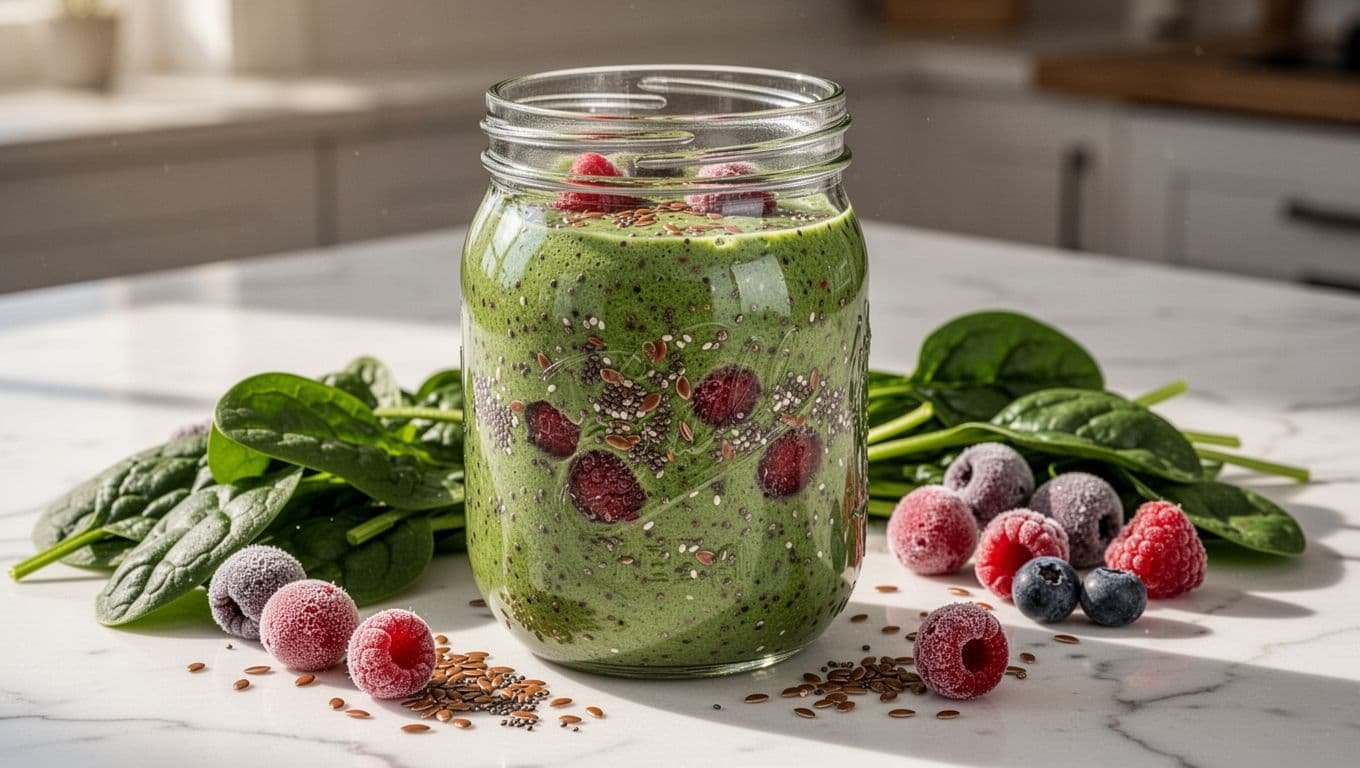
Smoothies are a great option when you want fiber but don’t want a heavy breakfast. They work especially well on rushed mornings, and they can still feel satisfying when you build them with the right ingredients. Spinach, frozen berries, flaxseed, and chia seeds all add fiber without turning the drink into a chore.
Greek yogurt helps round it out with protein, which makes the smoothie more filling. You can also use protein-rich add-ins like milk, soy milk, or a scoop of protein powder if that fits your routine. A thicker smoothie usually keeps you fuller than a thin one, so don’t be afraid to blend in oats or chia for more body.
A simple formula works well:
- Start with a liquid base.
- Add spinach or another mild green.
- Blend in frozen berries.
- Finish with flaxseed, chia seeds, or Greek yogurt.
That combo is especially helpful when you want prep-ahead smoothie packs that save time and still support a high-fiber breakfast.
Smoothies can feel light and still be filling when fiber and protein work together.
For readers who want more high-fiber breakfast inspiration, registered dietitian breakfast ideas show how berries, seeds, and yogurt can make a big difference without much effort.
Toast, yogurt bowls, and eggs with a fiber boost

Not every high-fiber breakfast needs a pot or blender. Sometimes the easiest meals are the ones you can put together in minutes with everyday ingredients. Whole-grain toast, yogurt bowls, and eggs all work well when you add a few fiber-rich extras.
Whole-grain toast with avocado is a strong choice because it combines fiber and healthy fat. Yogurt bowls become more filling when you top them with berries, chia seeds, or ground flax. Eggs also fit nicely into a high-fiber meal when you serve them with vegetables and whole-grain sides instead of white toast or plain potatoes.
Budget-friendly combinations are easy to build:
- Whole-grain toast with avocado and a sprinkle of seeds
- Greek yogurt with berries and flax for a cool, quick bowl
- Eggs with spinach and toast for a savory breakfast
- Scrambled eggs with tomatoes and mushrooms for extra bulk
These meals work because they stay simple. You get more fiber without loading your plate with complicated ingredients or expensive extras.
If you want a solid example of how breakfast can support focus and energy, morning meal ideas with whole grains offer a practical model you can adapt at home. The same pattern applies here, keep the meal balanced, add fiber where it counts, and you will stay full longer.
High-fiber lunch and dinner ideas that support weight loss
Lunch and dinner are where fiber can really pull its weight. These meals need to do more than fill the plate, they should keep you satisfied, support smoother digestion, and help you avoid the late-day snack spiral.
The best high-fiber meal ideas for weight loss and bloating keep things simple. Build them around vegetables, beans, whole grains, and lean protein, then add flavor without making the meal too rich or heavy.
Big salads that actually keep you full
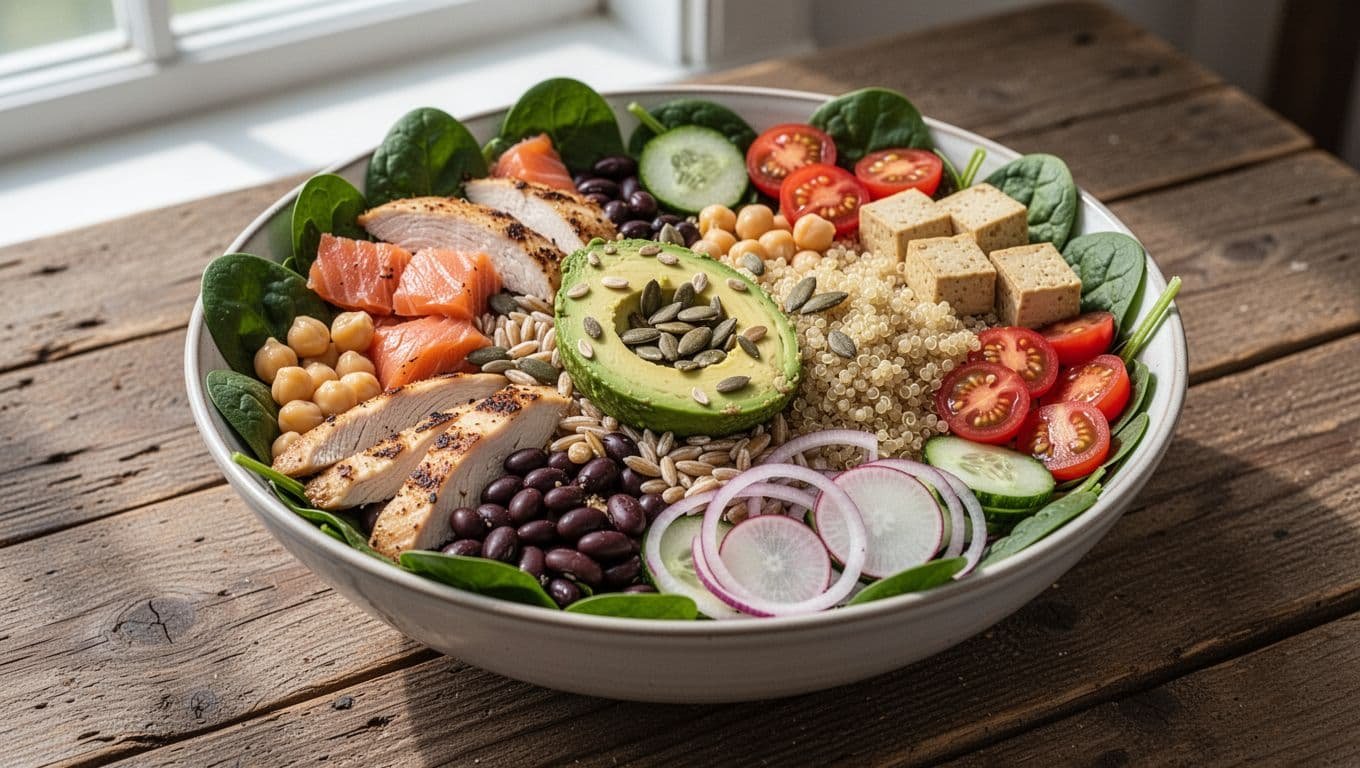
A filling salad needs more than lettuce. Start with a base of greens, then add beans or chickpeas for fiber, chicken, salmon, or tofu for protein, and avocado or seeds for healthy fat. A scoop of quinoa or another whole grain helps the bowl feel complete instead of light and forgettable.
That mix matters because it gives you volume, texture, and staying power. A salad with just vegetables can leave you hungry again fast, but a salad with protein, fiber, and fat acts like a full meal.
For easy structure, use this formula:
- Greens for volume and crunch
- Beans or lentils for fiber and plant protein
- Chicken, salmon, or tofu for staying power
- Avocado or seeds for richness and flavor
- Quinoa, farro, or brown rice for a more filling base
The dressing should taste bold, but stay light. A lemon vinaigrette, balsamic dressing, or olive oil mix with mustard works well. Heavy creamy dressings can turn a fresh salad into something that sits too hard.
If you want more lunch-friendly ideas, balanced meal prep lunches can help you build meals that are easy to pack and easy to repeat.
Warm bowls with grains, protein, and vegetables
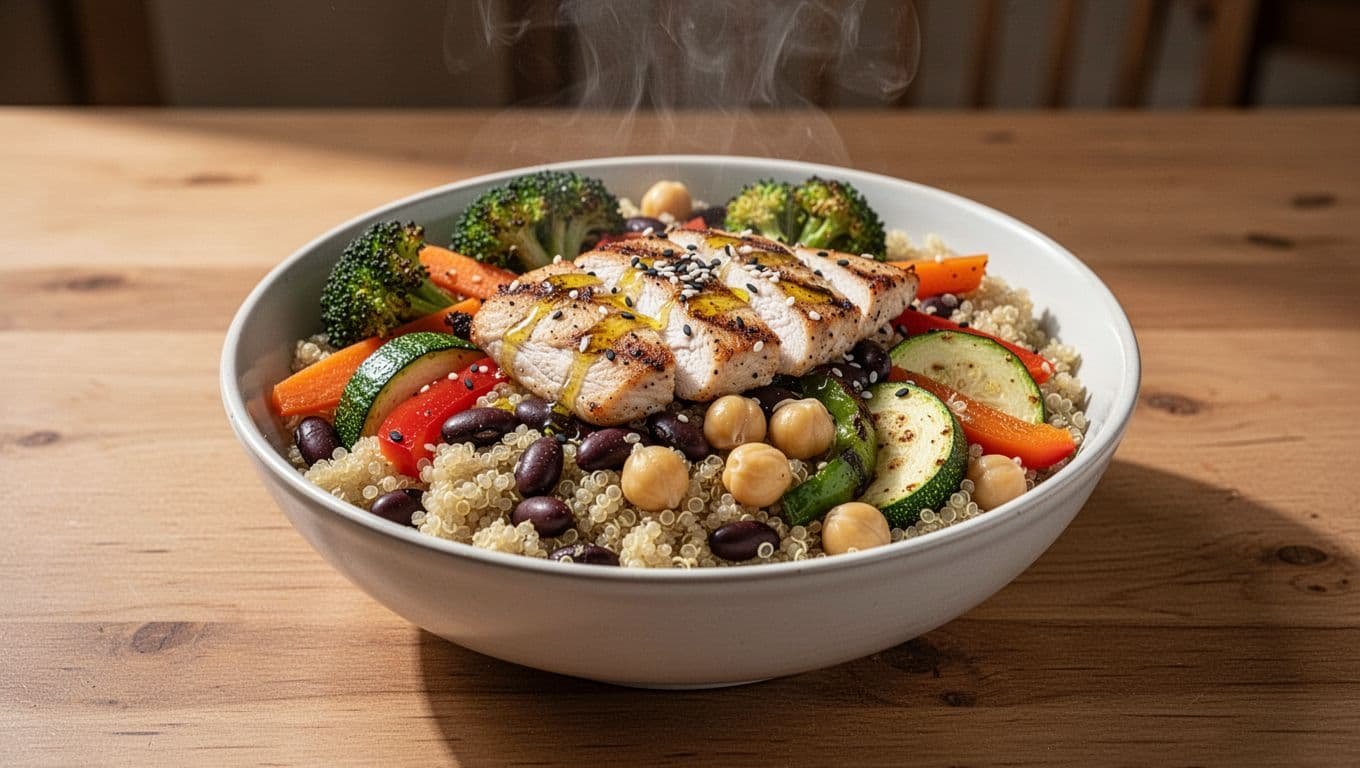
Warm bowls are one of the easiest high-fiber meal ideas for weight loss and bloating because they come together fast and reheat well. Quinoa bowls, brown rice bowls, and barley bowls all work nicely when you add roasted vegetables, legumes, and lean protein.
Think of it as building in layers. Grain on the bottom, vegetables in the middle, protein on top. That setup makes meal prep easier too, since you can roast a tray of vegetables and cook one grain for several meals.
A few smart combinations include:
- Quinoa with roasted broccoli, chickpeas, and chicken
- Brown rice with peppers, black beans, and tofu
- Barley with zucchini, carrots, and salmon
These bowls are also great for leftovers. Cook once, then mix and match through the week so lunch and dinner don’t feel like a second job.
For more ideas that fit this style, fiber-rich grain bowls for busy days offer a simple template you can use again and again.
Comforting soups and chilis with lots of fiber

Soup is one of the easiest ways to get more fiber without feeling overloaded. Lentil soup, bean chili, vegetable soup, and split pea soup can all be filling, budget-friendly, and easy on digestion when you keep the ingredient list simple.
That simplicity helps. Broths, lentils, beans, carrots, celery, tomatoes, and herbs give you plenty of flavor without the heaviness of cream or cheese. If bloating is an issue, this kind of meal can feel gentler than fried or greasy food.
Soups also stretch well, which makes them practical for meal planning. One pot can cover a few lunches or dinners, especially when you serve it with a slice of whole-grain bread.
A good high-fiber soup should be thick enough to satisfy, but not so loaded that it feels heavy. For fiber-focused recipe ideas, the Mayo Clinic’s high-fiber recipes are a helpful place to browse.
Simple soups and chilis often work better than rich meals when you want fullness without that overly stuffed feeling.
Simple dinner plates that help with bloating
Dinner should feel calm, not complicated. Salmon with roasted broccoli, chicken with sweet potato and green beans, or tofu with stir-fried vegetables and brown rice all fit that goal well.
These meals work because they stay balanced and avoid the usual bloating triggers. Creamy sauces, fried coatings, and very rich sides can sit heavy at night, especially if you already feel puffy. Instead, choose baked, roasted, or sautéed foods with basic seasonings and a little olive oil.
A few easy dinner plates to keep on repeat:
- Salmon with roasted broccoli and quinoa
- Chicken with sweet potato and green beans
- Tofu with stir-fried vegetables and brown rice
- Bean chili with a side salad
- Lentil soup with whole-grain toast
The goal is a meal that feels steady, not greasy. That kind of dinner supports fullness, gives your digestion a break, and makes it easier to wake up feeling lighter the next day.
For more dinner inspiration, high-fiber dinner recipes for weight loss can give you extra ideas without pushing you toward complicated cooking.
Smart snack ideas that calm hunger without causing a crash
When hunger hits between meals, the best fix is a snack that steadies you instead of spiking your appetite again an hour later. That usually means pairing fiber with protein or healthy fat, so you feel satisfied without the sugar rush and crash that comes from candy, chips, or pastry snacks.
This approach also fits well with high fiber meal ideas for weight loss and bloating. You get more staying power, less mindless eating, and a lower chance of feeling overly stuffed right after snacking. The goal is simple, grab food that is filling, easy to digest, and fast enough to actually use on a busy day.
Quick snacks that travel well
The best travel snacks are the ones you can grab fast and eat without much prep. If a snack takes too long to pack, you probably won’t reach for it when you’re actually hungry.
A few reliable options work especially well:
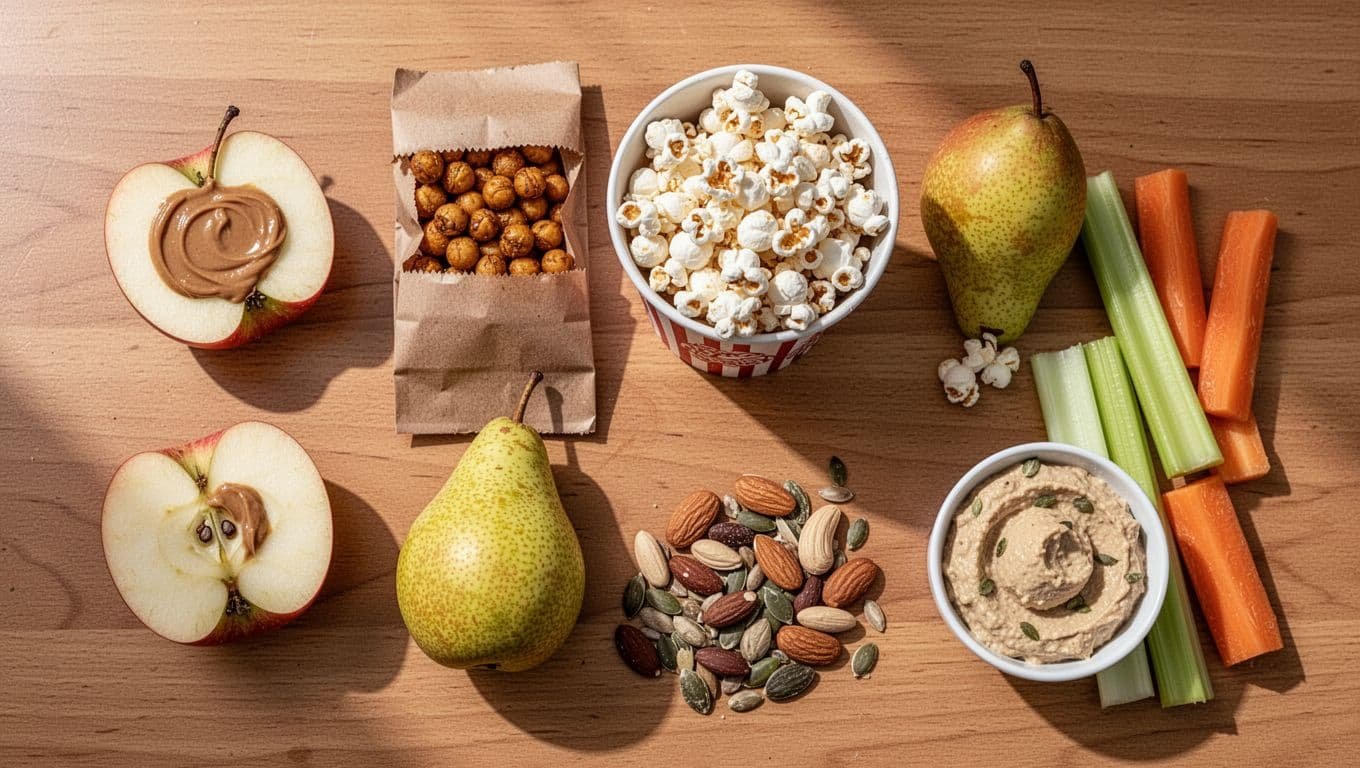
- Apples with nut butter give you fiber, crunch, and healthy fat in one quick bite.
- Roasted chickpeas are crisp, filling, and easy to portion into small containers.
- Popcorn gives you a lot of volume for a light snack, as long as you keep the butter and salt in check.
- Pears are naturally sweet and bring a soft, filling texture.
- Trail mix works best when it leans more on nuts and seeds than candy pieces.
- Veggie sticks with hummus add crunch, fiber, and protein without feeling heavy.
These snacks do their job because they stay simple. You don’t need a perfect snack board, just something portable enough to grab on the way out the door.
For more ideas that fit this style, high-fiber snack picks can help you spot easy options that still feel satisfying.
What to reach for instead of chips or sweets
Cravings usually want texture, salt, sweetness, or a little comfort. So instead of trying to fight them, swap in snacks that meet the same need with a better payoff.
A few practical swaps make that easier:
- Fruit plus nuts instead of candy, since the fruit brings sweetness and the nuts slow things down.
- Hummus and crackers instead of chips, because you still get crunch with more staying power.
- Greek yogurt with berries instead of a dessert bar, since it feels creamy and sweet without the same crash.
- Air-popped popcorn with seasoning instead of a bagged snack, because it gives you volume and crunch for fewer calories.
- Apple slices with nut butter instead of cookies, since the fiber and fat help you stay full longer.
The best snack is the one that keeps you satisfied long enough to skip the next random craving.
If you want a little more structure, low-calorie high-fiber snack recipes are a good place to look for ideas that still feel like a treat.
The same rule applies across the board, keep snacks simple, pair fiber with protein or fat, and choose foods that you can actually reach for on a normal day. That small shift makes high fiber meal ideas for weight loss and bloating easier to follow without feeling restricted.
How to add more fiber without feeling gassy or bloated
The easiest way to add more fiber is to go slower than you think you need to. That gives your gut time to adjust, which matters if you want the benefits without the side effects.
With the right pace, high fiber meal ideas for weight loss and bloating can feel satisfying instead of uncomfortable. Small changes also stick better, because they fit into real life without making every meal feel like a test.
Increase fiber a little at a time
A slow build is the safest way to raise your fiber intake. Add one fiber-rich meal or snack every few days, then give your body time to adjust before you add more.
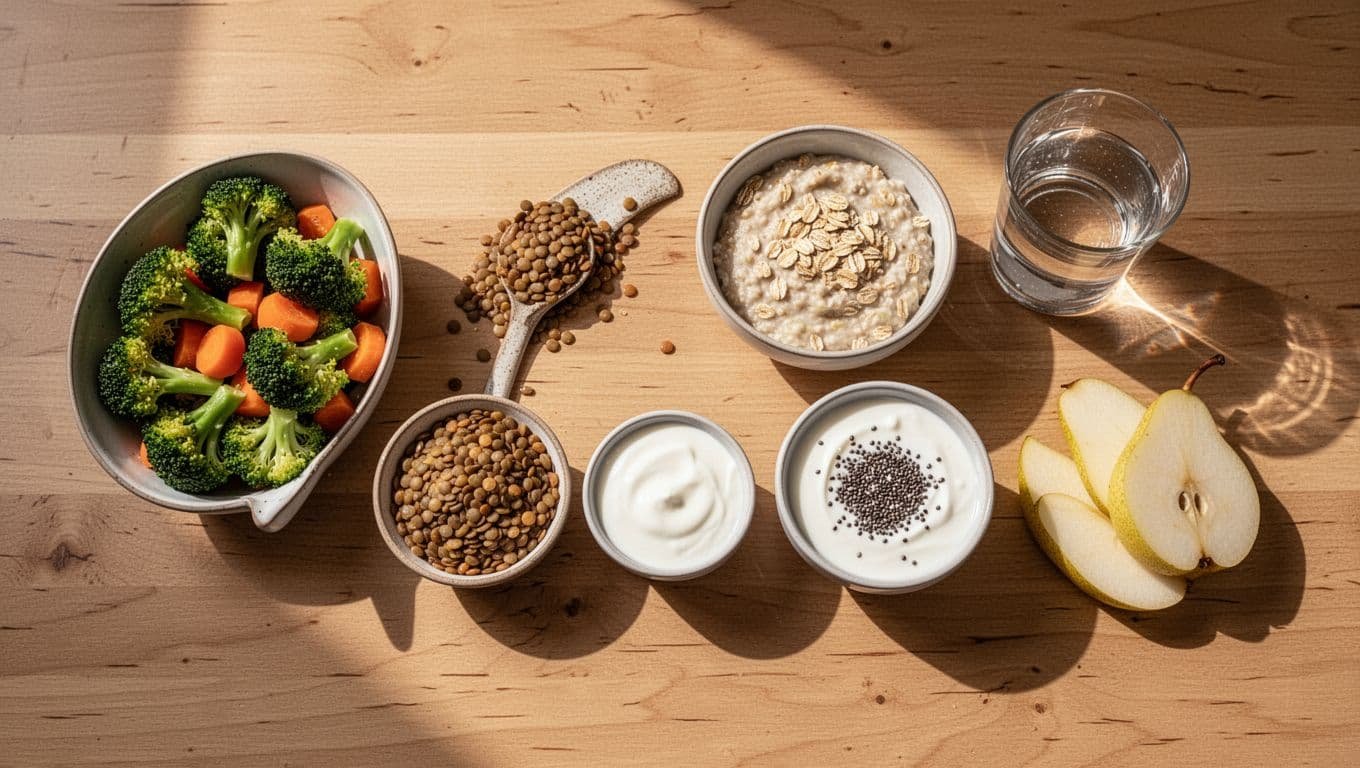
That might look like oatmeal for breakfast on Monday, a bean-based lunch on Thursday, then a pear or apple snack the next week. You do not need a dramatic diet overhaul. In fact, smaller changes are easier to repeat and less likely to leave you gassy or bloated.
Harvard Health recommends increasing fiber gradually so your digestive system can adapt more comfortably. A simple pattern like adding about one extra high-fiber serving at a time works well for most people, especially if you are coming from a low-fiber routine.Harvard Health’s fiber guide explains this gradual approach clearly.
A good starting point looks like this:
- Add a high-fiber breakfast every few days.
- Swap one refined grain for a whole grain.
- Add beans, lentils, or vegetables to one meal.
- Increase again only when your stomach feels fine.
If your body feels fine at the current level, stay there a little longer before pushing forward.
This pace works because your gut bacteria need time to catch up. Go too fast, and you may feel the opposite of what you want. Go slow, and the shift feels much more manageable.
Choose cooked foods when your stomach feels sensitive
Raw produce can be refreshing, but it is not always the easiest place to start. When your stomach feels sensitive, cooked vegetables, soups, and warm grain bowls often feel gentler than a giant raw salad.
Cooking softens fiber, which can make meals easier to chew and easier to handle. A bowl of roasted carrots, sautéed spinach, or lentil soup is often kinder to your stomach than a huge pile of crunchy greens.
This does not mean you need to avoid salads forever. It just means you can choose the version that feels better today. Warm meals also tend to feel more filling, which fits well with high fiber meal ideas for weight loss and bloating when you want comfort without heaviness.
Try simple swaps like these:
- Roasted vegetables instead of a raw veggie platter
- Soup or chili instead of a cold salad on a sensitive day
- Warm oatmeal instead of a dry high-fiber cereal
- Grain bowls with cooked grains and vegetables instead of a massive raw bowl
Cooked meals are practical too. They hold up well in meal prep, and they often feel easier to digest after a long day.
Pair fiber with protein, healthy fat, and water
Fiber works best when it has support. Protein and healthy fat make meals more balanced, while water helps fiber move through your system with less strain.
A bowl of plain fruit can still leave you hungry. Add yogurt, nuts, or nut butter, and it feels more complete. The same goes for lunch and dinner. Beans, vegetables, and whole grains are better when they sit beside chicken, tofu, salmon, eggs, avocado, or olive oil.
Water matters just as much. Fiber pulls in liquid, so if you add more fiber without drinking enough, bloating can get worse. That is why a full glass of water with meals is a simple habit that helps more than people expect. If you want a clear reminder of that balance, Harvard Health’s advice on adding fiber also stresses gradual changes and enough fluid.
A balanced plate often looks like this:
- Fiber from beans, oats, fruit, vegetables, or whole grains
- Protein from yogurt, eggs, chicken, tofu, fish, or lentils
- Healthy fat from nuts, seeds, avocado, or olive oil
- Water from drinks at meals and throughout the day
That mix keeps meals steady instead of harsh on your stomach. It also makes high-fiber meals for weight loss more realistic, because you stay full longer and avoid the urge to keep snacking.
If bloating has been a problem before, start with one change and watch how you feel for a few days. That steady approach makes fiber easier to tolerate, and it gives you a better chance of sticking with it for the long run.
Conclusion
The best high fiber meal ideas for weight loss and bloating do one simple thing well, they help you feel full without leaving you too heavy or uncomfortable. When you add fiber the right way, with water, protein, and a pace your body can handle, meals work better for your appetite and your digestion.
Start with one breakfast, lunch, dinner, or snack idea from this post, then build from there. A bowl of oatmeal, a bean-based salad, a warm grain bowl, or a fiber-rich snack can make a real difference without forcing a full reset overnight.
The most effective plan is the one you can enjoy and repeat. That is what makes high fiber meal ideas for weight loss and bloating useful in real life, they are simple, filling, and easy to keep going.
Save the pin for later

- Healthy Air Fryer Recipes for Beginners - 21/09/2026
- Healthy Snacks for Late Night Cravings - 21/09/2026
- High Protein Meal Prep Ideas for Easy Weekly Meals - 21/09/2026

