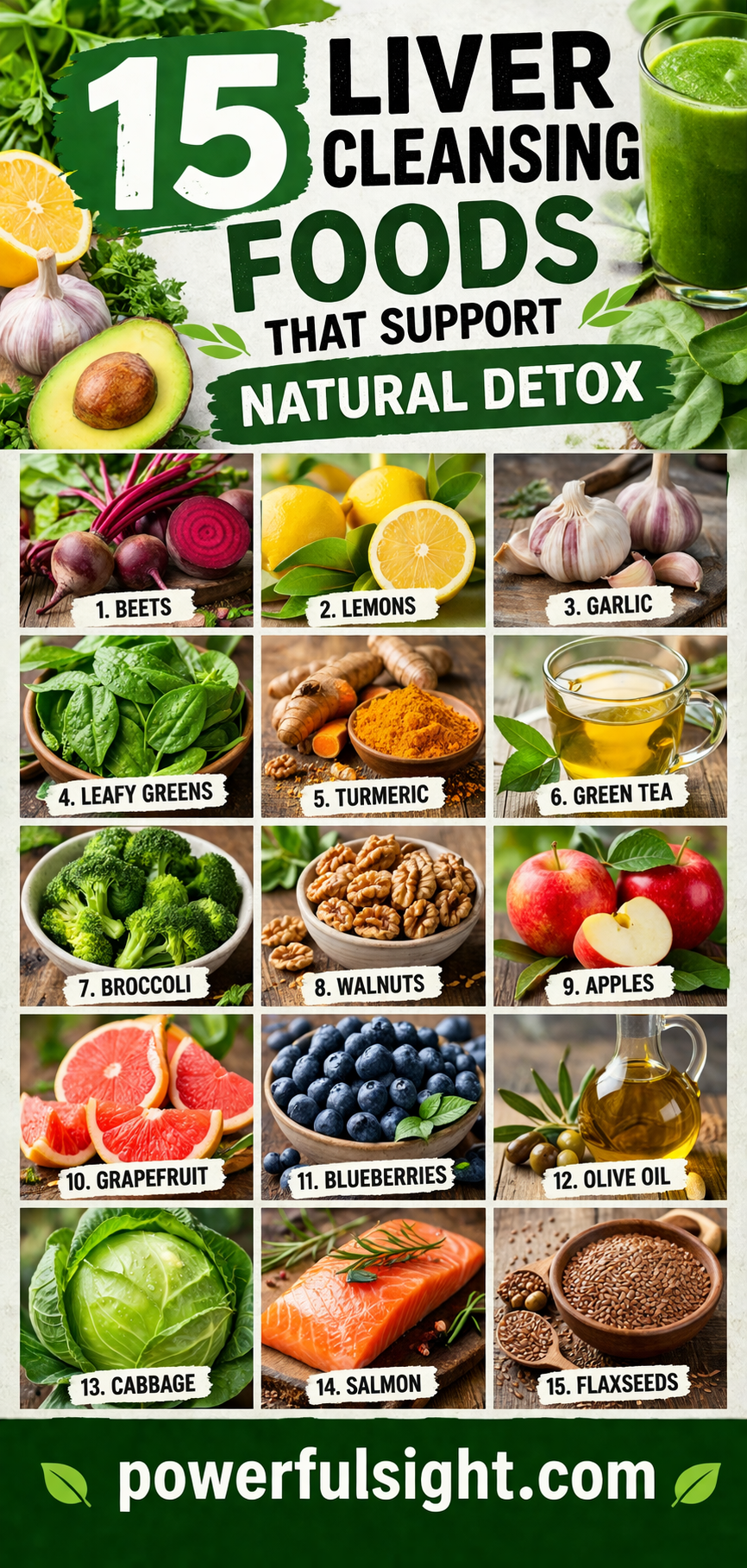
Your liver already detoxes your body on its own, and food can help support that work, not replace it. That’s an important place to start, because quick cleanses and miracle claims often miss how the liver really works.
Still, your liver can come under more stress when your diet is heavy in ultra-processed foods, added sugar, or alcohol, and carrying extra weight can make that load even harder to manage. Research continues to point to steady habits over quick fixes, with foods like leafy greens, oats, berries, garlic, cruciferous vegetables, olive oil, and nuts offering nutrients that support normal liver function over time. If blood sugar swings are part of the picture, these 15 foods for blood sugar management can also help support better daily eating habits.
How food supports your liver’s natural detox job
Your liver already has a full-time detox system. Food doesn’t “switch it on,” but it can make that daily workload easier to manage. That’s where smart eating helps. The goal is steady support, not a dramatic cleanse.
What your liver actually does every day
Your liver is one of the hardest-working organs in your body. According to Cleveland Clinic’s overview of liver function, it handles hundreds of jobs every day, many of them happening without you noticing.
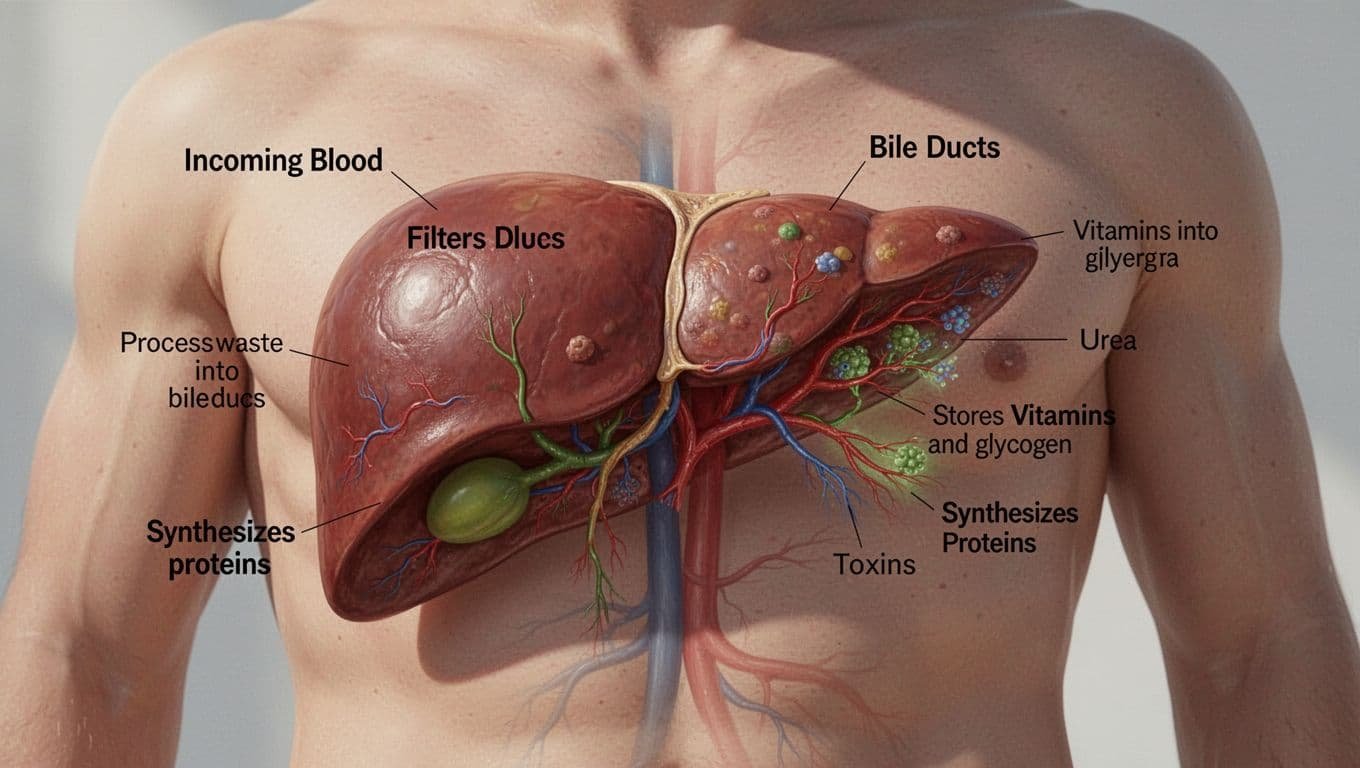
First, it helps filter your blood. Blood from your digestive tract passes through the liver, where waste, alcohol, and other byproducts get broken down so your body can remove them. It also helps process medicines, which is one reason your liver needs support from healthy habits.
Next, your liver makes bile, a fluid that helps you digest fats. Without enough bile, your body has a harder time handling fat-soluble nutrients from food. The liver also stores key nutrients, including some vitamins, iron, and extra sugar in the form of glycogen, which your body can use later for energy.
Just as important, it helps keep blood sugar and cholesterol in a healthy range. It stores sugar after meals, then releases some when your body needs fuel between meals. It also helps make, process, and clear cholesterol. In other words, your liver isn’t just a filter. It’s also part pantry, part chemical plant, and part traffic controller.
Why antioxidants, fiber, and healthy fats help
Food can’t scrub your liver clean overnight, but certain nutrients can support the work it’s already doing. That’s the real value of liver cleansing foods.
Antioxidants help protect cells from damage caused by normal metabolism, stress, and poor diet. Foods like berries, leafy greens, beets, and cruciferous vegetables bring compounds that may help protect liver cells from oxidative stress. For meal ideas built around these foods, see these 7 anti-inflammatory meals for liver support.
Fiber helps in a quieter way, but it matters. It supports digestion, helps move waste through the gut, and can improve blood sugar control. That matters because frequent blood sugar spikes can add stress to the liver over time. Oats, beans, lentils, fruits, and vegetables all help here.
Healthy fats also have a place. Olive oil, avocados, seeds, and nuts can support heart and liver health when they replace fried foods and highly processed snacks. Since the liver helps manage fat and cholesterol, the kind of fat you eat can make a real difference. If you want practical meal inspiration, these 5 healthy work lunches for busy schedules make it easier to build balanced meals.
A good liver-supportive diet usually looks boring in the best way: more whole foods, less alcohol, fewer ultra-processed foods, and better balance day after day.
A quick note on detox myths and safe expectations
A lot of detox marketing sells the same promise: one drink, one tea, or one weekend plan will “clean” your liver. That’s not how the body works. As Johns Hopkins Medicine explains about liver detox myths, your liver already detoxes your body on its own.
Juice cleanses and extreme plans can also backfire. They may cut protein, fiber, and calories too much, which doesn’t help your liver do its job well. A better approach is simple and more realistic:
- Eat whole foods most of the time.
- Get enough fiber and protein.
- Use healthy fats in place of fried foods.
- Limit alcohol and heavily processed foods.
- Stay consistent.
Mayo Clinic Press also notes that you don’t need a special detox to support liver health. You need habits your body can actually live with.
If you have liver disease, gallbladder problems, diabetes, or take regular medication, talk with a health professional before making major diet changes or trying supplements. That matters even more if a plan promises fast detox results.
Save the pin for later
The best vegetables and fruits to help your liver work better
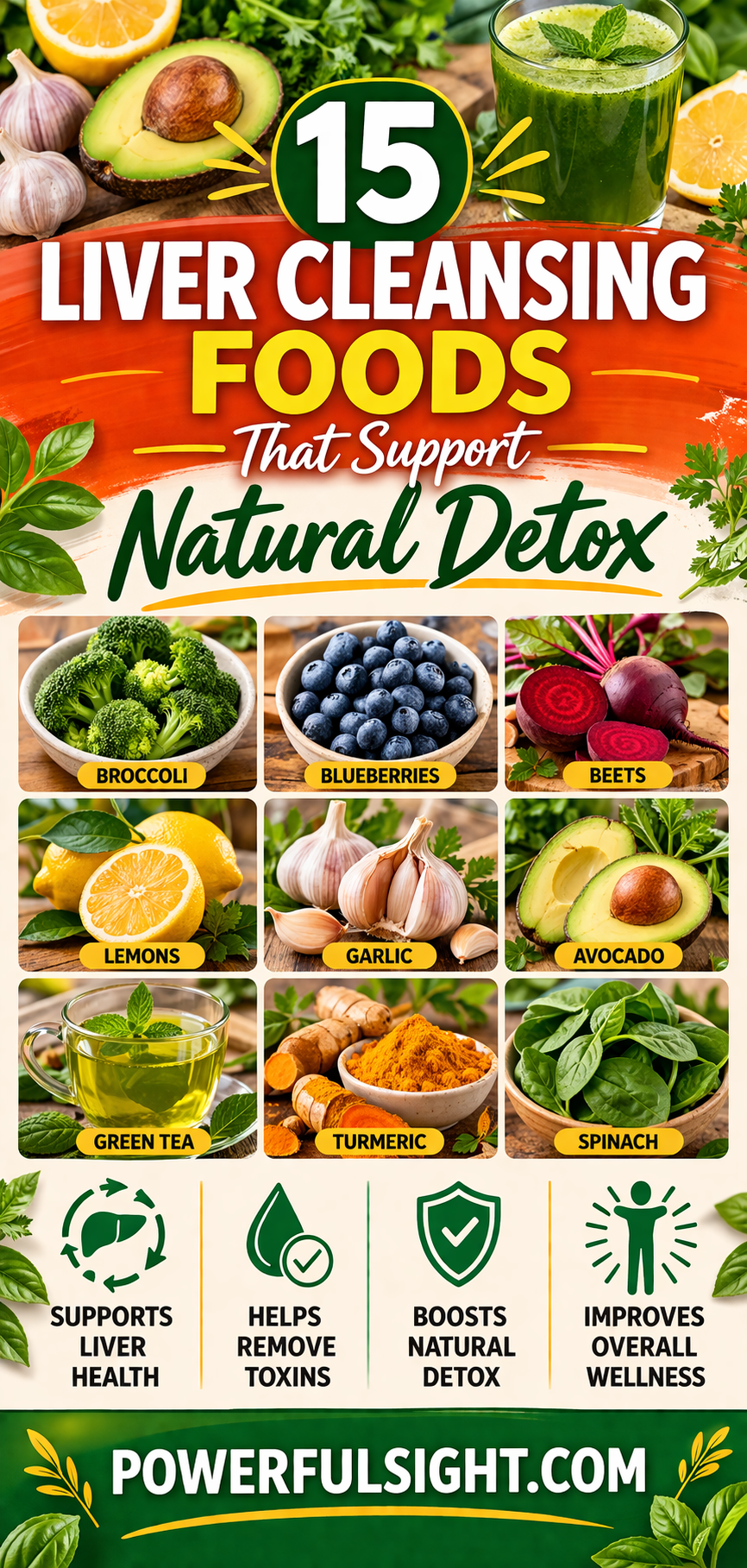
Some of the best liver cleansing foods are simple produce staples you can buy any week. What matters most is eating them often, in meals you already enjoy, because your liver benefits more from steady support than from any short cleanse.
Leafy greens, broccoli, and Brussels sprouts
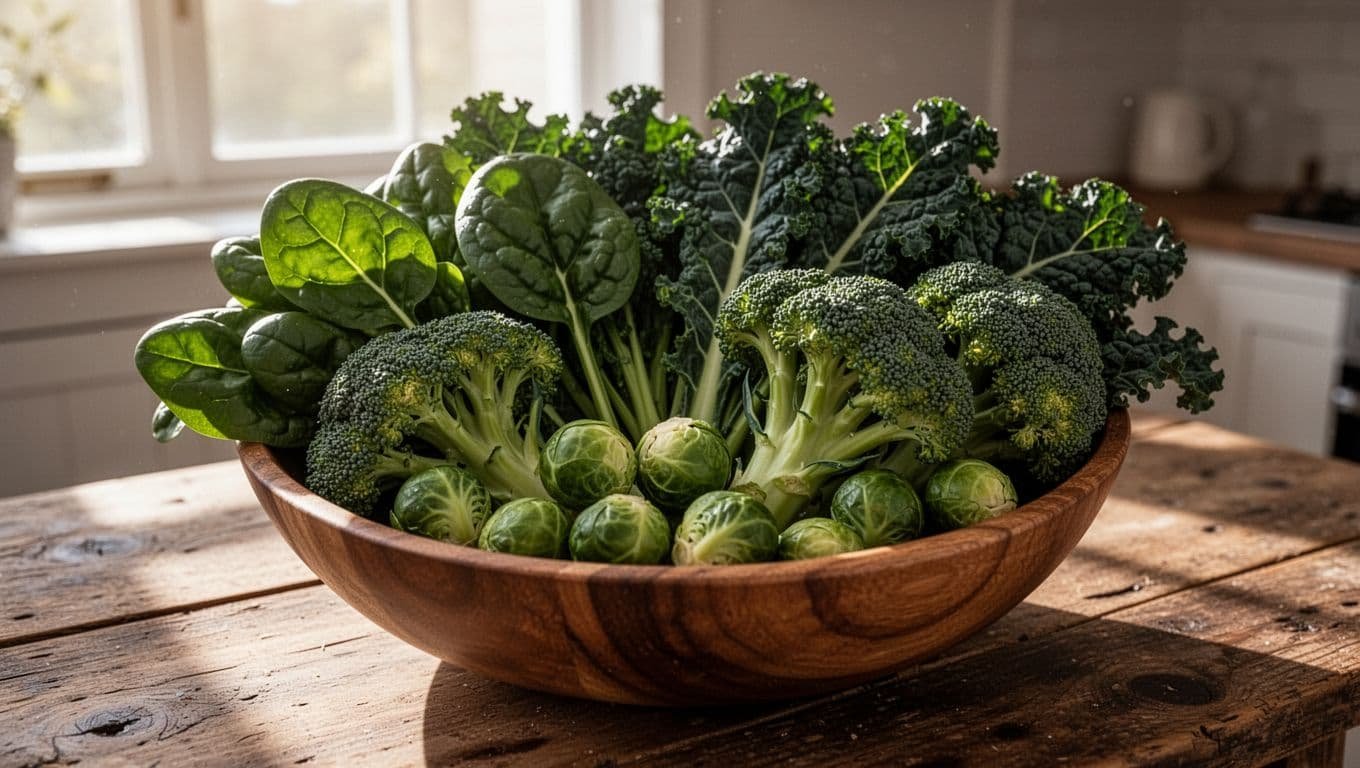
Dark leafy greens like spinach and kale bring fiber, antioxidants, and plant compounds that may help protect liver cells from daily stress. They are also easy to fit into regular meals, so support feels practical, not forced.
Meanwhile, broccoli and Brussels sprouts are cruciferous vegetables, and that matters for liver health. During digestion, they provide compounds that support the body’s natural detox pathways, which is one reason they show up so often on lists of foods that are good for your liver.
You don’t need a fancy recipe here. A few easy options can get these foods on your plate more often:
- Toss spinach or kale into a salad with olive oil and lemon.
- Saute greens with garlic for a quick side dish.
- Add chopped broccoli to soups or stir-fries.
- Roast Brussels sprouts on a sheet pan with chicken, salmon, or beans.
If you want one simple habit, roast a big tray of broccoli and Brussels sprouts once or twice a week. Then use them in lunches, grain bowls, or quick dinners without much effort.
Garlic, beets, and carrots
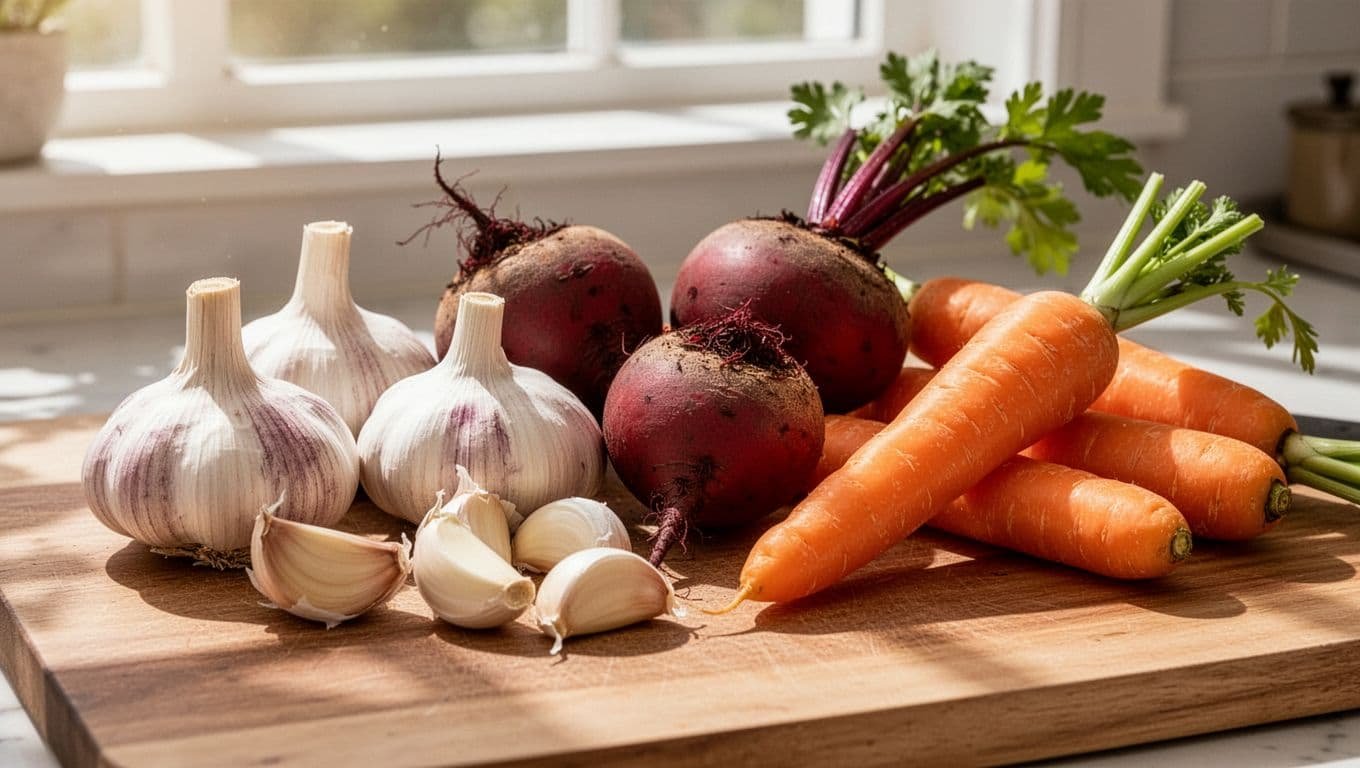
Garlic does more than add flavor. It contains sulfur compounds that help activate detox-related enzymes, so it can support the liver’s normal workload while making healthy meals taste much better. Use fresh garlic in sauteed greens, soups, roasted vegetables, or a quick vinaigrette.
Beets bring antioxidants and natural plant pigments that may help protect liver cells from oxidative stress. They also pair well with basic meals, which makes them easier to eat regularly. Roast them until tender, grate them into salads, or blend a small amount into a smoothie for color and earthiness.
Carrots are another smart pick because they provide carotenoids and other antioxidants that can support cell health. They’re one of the easiest liver cleansing foods to keep on hand, since they work raw, cooked, shredded, or roasted. Add them to soups, grate them into slaws, or roast them beside chicken or tofu.
Juices made with beets and carrots can be fine once in a while, but they are not magic. Whole vegetables usually give you more fiber and a steadier effect, which is better for fullness, blood sugar, and everyday liver support.
A simple way to use this group is to build one tray of roasted vegetables. Add beet wedges, carrot sticks, and whole garlic cloves, then roast with olive oil, salt, and pepper. You get flavor, color, and leftovers for days.
Whole vegetables beat “detox” drinks almost every time because they bring fiber, staying power, and fewer blood sugar spikes.
Lemons, berries, and grapes
Lemons and other citrus fruits can support hydration and give you vitamin C, which helps round out a diet built on whole foods. They won’t cleanse your liver on their own, but they can make healthy meals easier to enjoy. Squeeze lemon into water, whisk it into salad dressing, or finish roasted vegetables with a little citrus juice.
Berries such as blueberries, strawberries, and raspberries are rich in antioxidant compounds called anthocyanins. Those compounds may help protect against oxidative stress, and berries also give you fiber, which sugary juices do not. Spoon them over oatmeal, stir them into yogurt, or keep frozen berries for smoothies.
Grapes bring polyphenols, and red or purple grapes also contain plant compounds that have been studied for liver support. Research is still growing, but grapes fit well into a balanced eating pattern, especially when you choose the whole fruit instead of sweet grape juice. For a practical overview, see these dietitian-backed vegetables and foods for a healthier liver.
The key with fruit is simple: choose whole fruit first. You get more fiber, less sugar all at once, and better staying power. A bowl of berries with breakfast, lemon in your dressing, and a handful of grapes as a snack can do more for your routine than any bottle labeled “detox.”
Protein, fiber, and healthy fats that support liver health
Some liver cleansing foods help because they make everyday meals more balanced. When you eat more fiber, protein, and healthy fats, you usually stay full longer, snack less on ultra-processed foods, and keep blood sugar on a steadier track. That matters for your liver, because weight gain, poor blood sugar control, and heavy meals can all add stress over time.
Walnuts and oats for antioxidants and fiber
Walnuts and oats are simple staples, but they pull a lot of weight. Walnuts give you unsaturated fats, a little protein, and antioxidants. Oats bring soluble fiber, especially beta-glucan, which may help support cholesterol levels and smoother digestion. Together, they make a breakfast or snack that feels steady instead of heavy.
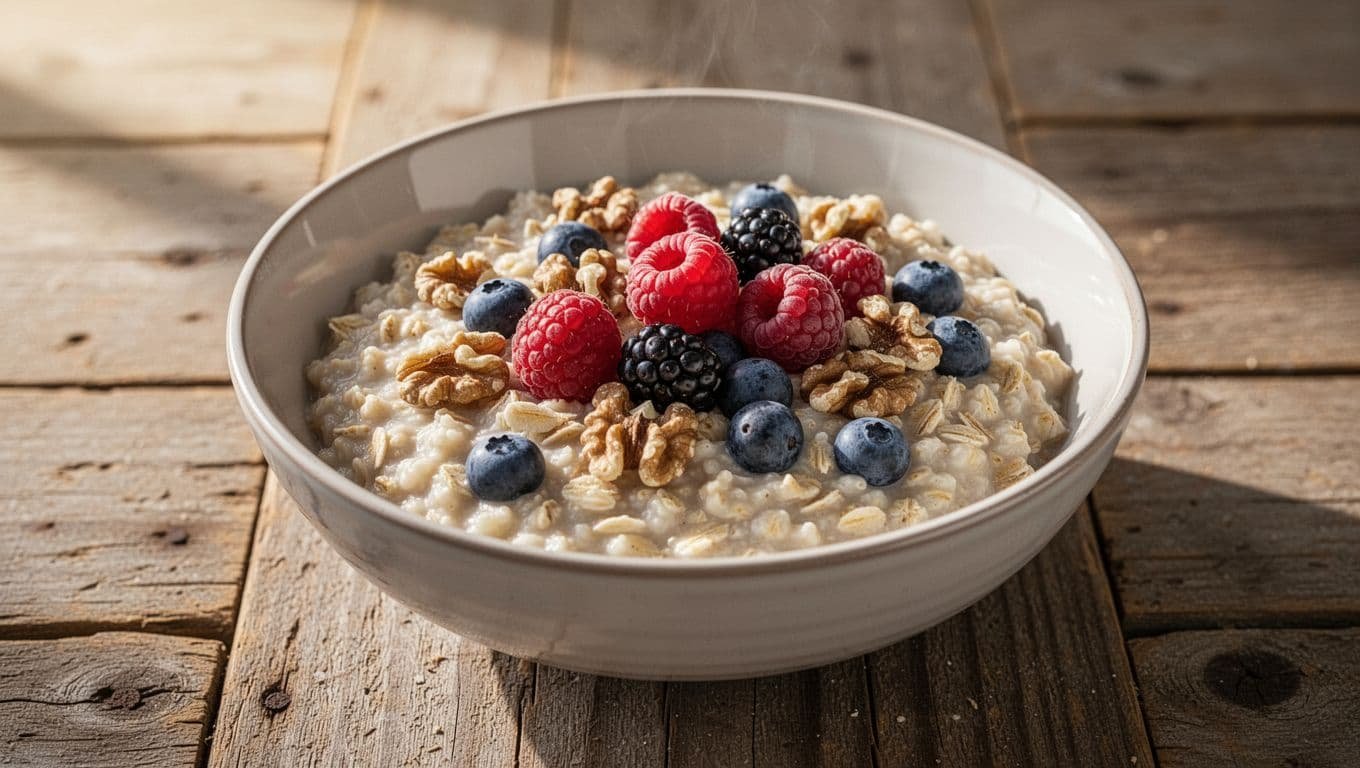
That mix also helps with fullness. Oats slow digestion, while walnuts add staying power, so you’re less likely to crash and reach for sugary snacks an hour later. According to OSU Extension’s guide to foods that fight inflammation, whole grains like oats can support a healthy eating pattern built around less processed foods.
You don’t need a big serving to make these foods useful. A few easy options fit into real life:
- Oatmeal with berries and a spoonful of chopped walnuts
- Plain yogurt topped with walnuts and a sprinkle of oats
- Rolled oats blended into a smoothie for extra fiber
If your mornings are rushed, overnight oats work well too. They take a few minutes to prep, and they give you a better start than a pastry or drive-thru breakfast.
Lentils, beans, and quinoa as smart swaps for heavy meals
Lentils, beans, and quinoa can take the place of meals that are high in saturated fat, refined carbs, or both. That swap matters more than any single “detox” food. When you trade a greasy fast-food meal for a bowl built on lentils, beans, or quinoa, you usually get more fiber, more plant protein, and better fullness with less strain on your routine.
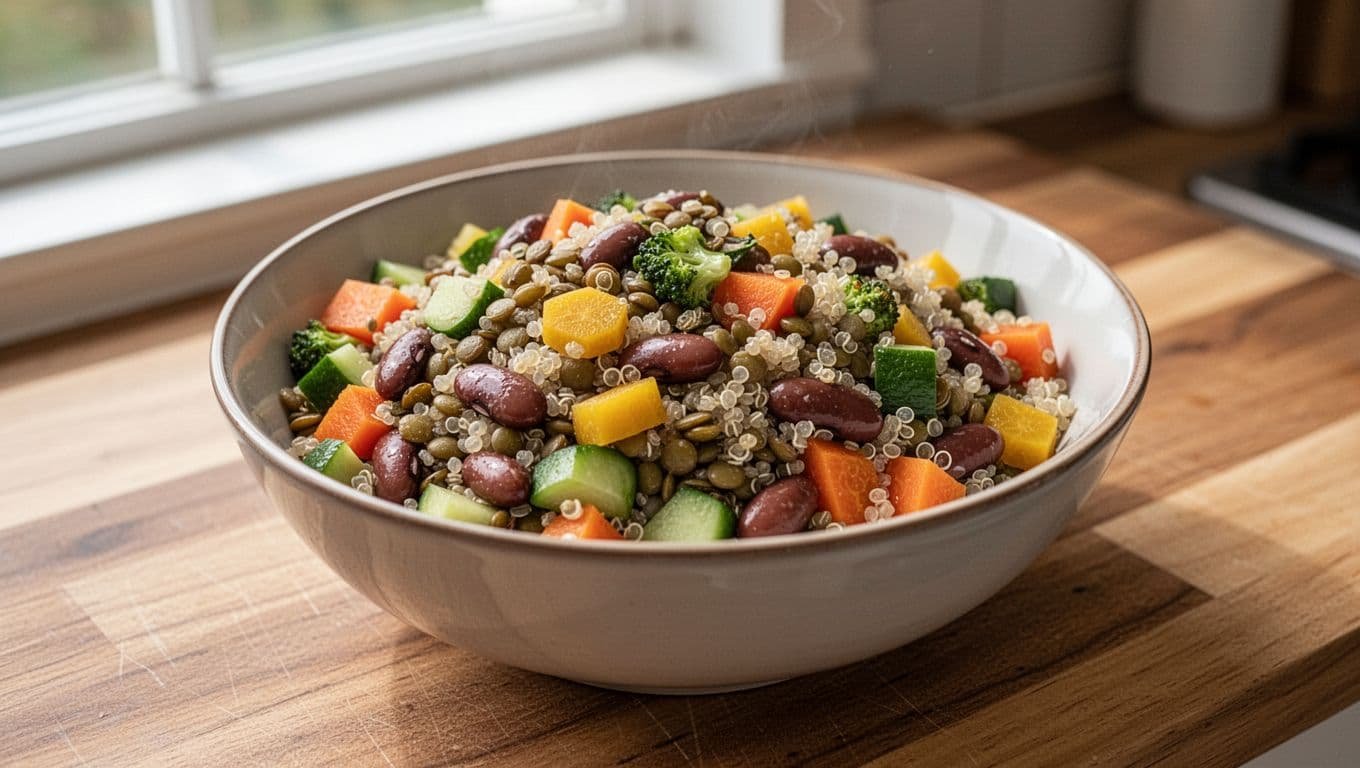
Lentils are one of the easiest places to start because they cook fast and work in soups, stews, and simple grain bowls. Beans do the same job in burrito bowls, chili, or salads, and they bring the kind of fiber that supports digestion and helps you stay satisfied. The University of Florida’s bean and lentil guide notes that beans, peas, and lentils provide protein and fiber in one package, which makes them a strong replacement for heavier processed meals.
Quinoa adds another practical option. It cooks faster than many whole grains, pairs well with vegetables and lean protein, and helps round out a meal without leaving you sluggish. Balanced meals like lentil soup with a side salad, a bean bowl with salsa and avocado, or a quinoa salad with roasted vegetables can support weight management, and that matters for liver health.
A simple rule helps here: build meals that satisfy you, not meals that wipe you out. If you need ideas for keeping plant-forward lunches more filling, these healthy work lunch ideas can make the switch easier. For people working on fatty liver, Baylor College of Medicine’s nutrition guide also points toward more fiber-rich grains, beans, and plant-based meals as part of a liver-friendly eating pattern.
Save the pin for later
Powerful spices, herbs, and oils to add without much effort
Some of the easiest liver cleansing foods are not full meals at all. They are the small extras you add while cooking. A spoonful of spice, a few herbs, or a drizzle of oil can add flavor and helpful plant compounds without changing your whole routine.
Turmeric for inflammation support
Turmeric is best known for compounds that have anti-inflammatory and antioxidant effects, especially curcumin. That does not make it a cure or a shortcut, but it can be a smart way to support a balanced diet. Recent research is still early, yet turmeric keeps showing up in nutrition discussions because of its role in meals built around whole foods.
Using it in food is the easiest place to start. You do not need large amounts, and you do not need to rely on supplements. A little goes a long way, especially when paired with savory dishes.
- Stir turmeric into soups for a warm, earthy flavor.
- Add a small pinch to rice while it cooks.
- Toss it with roasted vegetables and olive oil.
- Blend a little into a smoothie with fruit and yogurt.
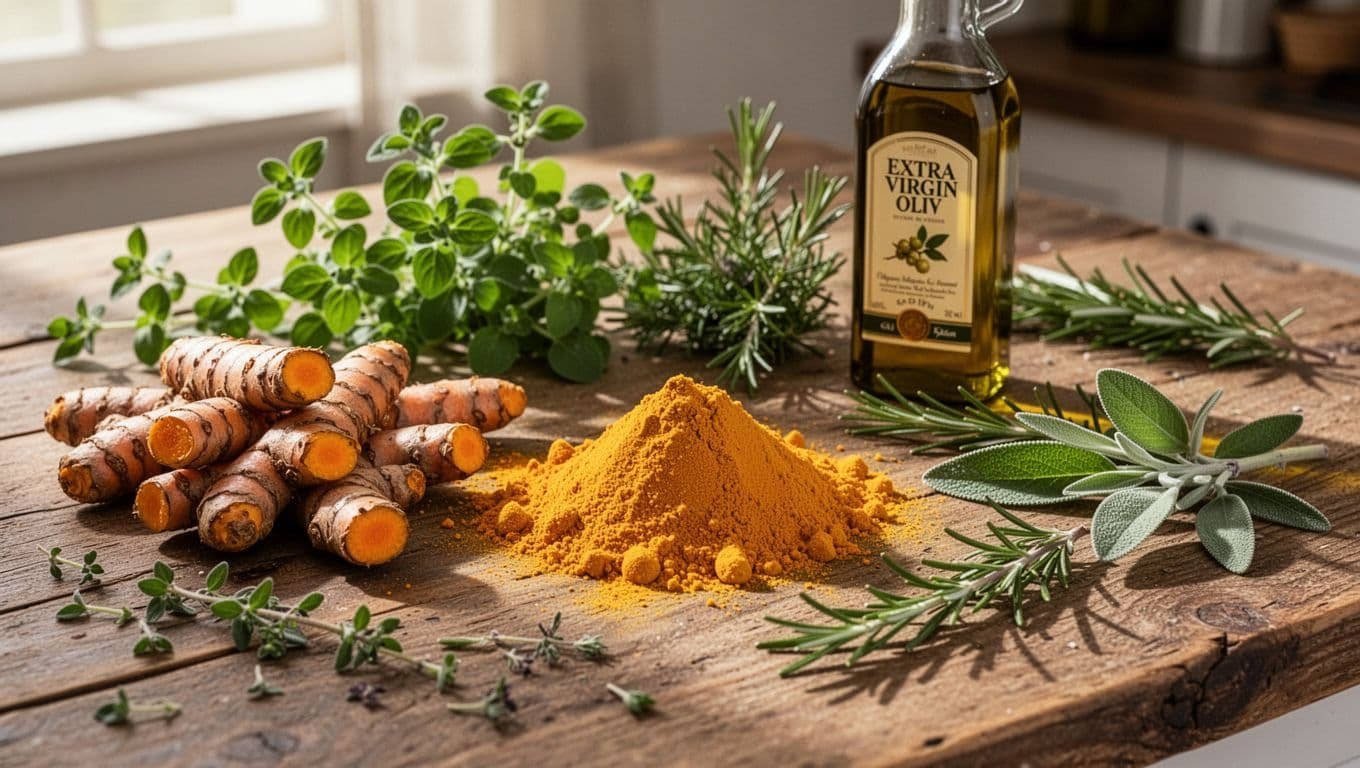
If you already like warm, simple meals, turmeric fits in almost unnoticed. For more ideas on meals that support lower inflammation overall, these anti-inflammation meals can help.
Herbs and olive oil that make healthy meals easier
Oregano, rosemary, and sage do more than make food smell good. They also contain polyphenols, which are natural plant compounds found in many liver cleansing foods. While research on these herbs for liver health is still limited, they fit well into a diet based on vegetables, beans, grains, and lean proteins. A recent review on oregano and rosemary in fatty liver research shows growing interest, but food use is still the most practical approach.
Olive oil works the same way. In moderation, it can be a better choice than heavily processed fats, especially when you use it to replace fried toppings or bottled dressings high in additives. Cleveland Clinic’s overview of liver-friendly foods also includes olive oil as part of a supportive eating pattern.
These ingredients make healthy meals easier because they add flavor fast. Try them in:
- Roasted vegetables, with olive oil, rosemary, and sage
- Marinades for chicken, fish, or tofu with oregano and garlic
- Salad dressings made from olive oil, lemon, and dried herbs
A simple meal often tastes better with these basics in place. When food tastes good, you’re more likely to keep eating in a way that supports your liver over time.
How to use these 15 liver cleansing foods in real life
Knowing the foods is helpful, but using them on a normal Tuesday matters more. The easiest way to eat more liver cleansing foods is to plug them into meals you already know, then repeat what works. Simple beats perfect every time.
An easy day of meals built around liver friendly foods
A liver-friendly day doesn’t need powders, juice fasts, or pricey groceries. It can look like basic food from your regular store, cooked in a way that keeps you full and makes healthy choices easier to repeat.
For breakfast, make a bowl of oatmeal with berries and a spoonful of chopped walnuts. Add a squeeze of lemon to your water or tea if you like. That gives you fiber, healthy fats, and antioxidants in one cheap meal.
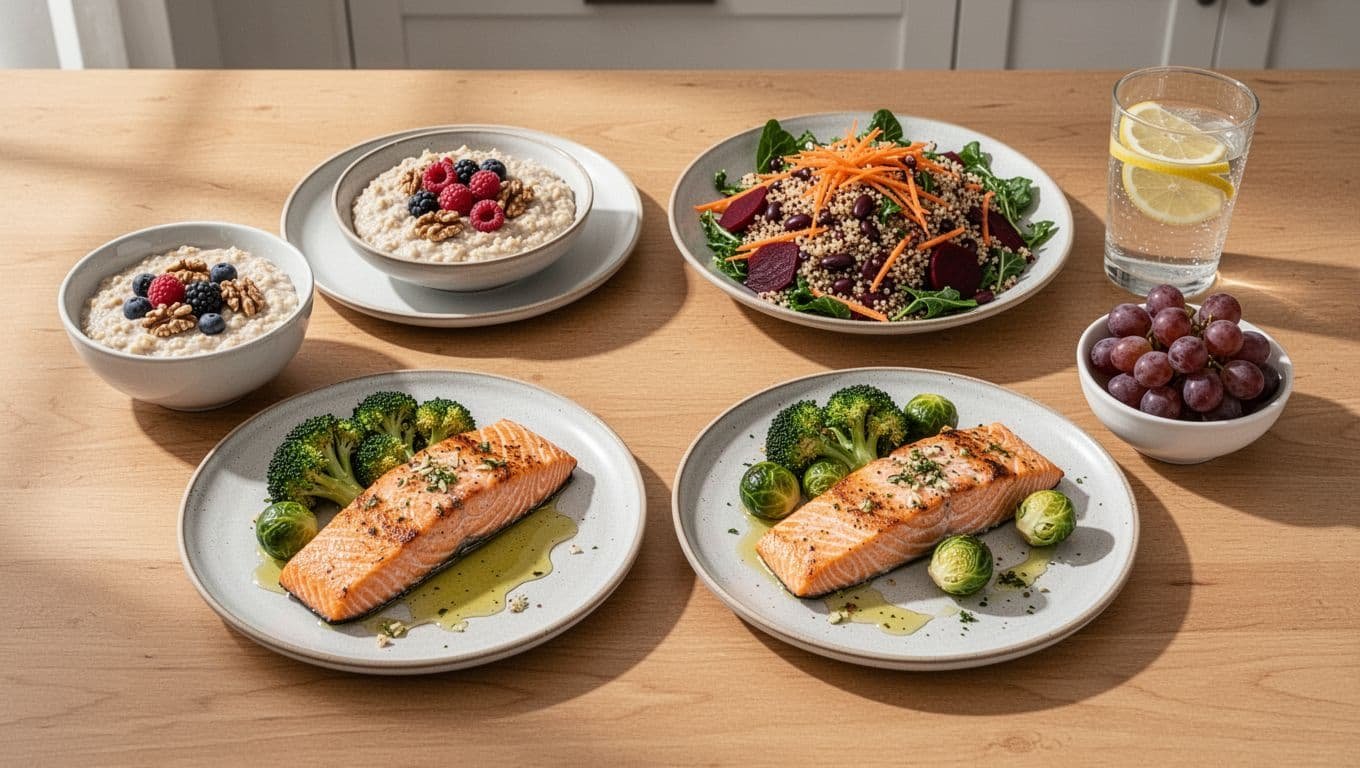
Lunch can be a grain bowl that uses leftovers. Start with quinoa or brown rice, then add leafy greens, beans or lentils, shredded carrots, chopped beets, and a quick dressing made with olive oil, lemon, and garlic. If you meal prep at all, this kind of bowl saves time and money.
Dinner can stay just as familiar. Roast broccoli and Brussels sprouts on a sheet pan with olive oil, garlic, and a pinch of turmeric. Serve them with baked chicken, salmon, or more beans if you want a plant-based plate. If you need more easy lunch ideas for the week, these healthy work lunch ideas fit well with the same foods.
For a snack, keep it boring in the best way: a handful of grapes, plain yogurt with berries, or carrot sticks with hummus. That kind of snack supports your routine better than the usual soda-and-chips combo.
A simple weekly approach helps too. Cook one grain, roast two trays of vegetables, wash greens, and keep fruit where you can see it. Then your liver cleansing foods stop being a list and start becoming your actual meals.
Small habits that protect your liver over time
Food matters, but your daily pattern matters just as much. Your liver tends to do better with steady habits than with short health kicks that fade in a week.
Start with the basics. Eat more whole foods most days, and let ultra-processed foods take up less space on your plate. You don’t need a strict rulebook. You just need more meals that look like real food.
Sugary drinks are another easy place to cut back. Soda, sweet tea, and oversized coffee drinks can pile on sugar fast, so swapping in water, sparkling water, or unsweetened tea helps more than many people realize. Current public guidance tied to World Liver Day also stresses balanced meals, whole grains, vegetables, and regular movement for long-term liver health.
Be careful with supplements, especially products sold as “detox” helpers. Some herbs and high-dose supplements can stress the liver instead of helping it. If you take medication or have a health condition, check with a clinician before adding them. Sleep and stress count too, because poor recovery can spill into cravings and blood sugar swings. If that pattern sounds familiar, these signs of high cortisol may help connect the dots.
The most useful habits are usually the least dramatic:
- Limit alcohol, or skip it more often.
- Drink enough water through the day.
- Sleep on a steady schedule when you can.
- Move more, even if it’s just walking after meals.
- Be cautious with supplements and energy drinks.
- Build meals around vegetables, whole grains, beans, fruit, and lean protein.
Small actions add up. Over time, they give your liver a lighter load and your body a steadier rhythm.
Conclusion
Your liver works best with steady support, and that’s the real takeaway from these liver cleansing foods. While no food can “detox” your body overnight, these 15 choices can fit into normal meals and help support your liver’s natural job over time.
So, focus on simple habits you can keep. Add more greens, berries, beans, oats, garlic, and healthy fats to meals you already eat, and cut back on alcohol, added sugar, and heavily processed foods when you can. Current nutrition guidance also points to the same pattern, which is a consistent diet built around whole foods.
Most of all, remember that small daily choices count. A better breakfast, a smarter snack, or one balanced dinner at a time can give your liver the support it needs.
Save the pin for later

- Healthy Air Fryer Recipes for Beginners - 21/09/2026
- Healthy Snacks for Late Night Cravings - 21/09/2026
- High Protein Meal Prep Ideas for Easy Weekly Meals - 21/09/2026

