A hard season can leave you tired, numb, and unsure of what comes next. Whether you’ve been dealing with burnout, grief, illness, loss, or a major life change, improving your life after a hard season starts with healing slowly, not forcing a quick recovery.
That means choosing small steps that make life steadier, kinder, and more hopeful again. If you need a place to start, this guide on getting your life back on track fits well with that process, because real progress often begins with simple habits and a few honest mindset shifts.
What a hard season does to your mind, body, and daily life
A hard season changes more than your mood. It can leave your whole system feeling off balance, like your mind, body, and routines are all running on low battery at the same time.
That’s why recovery can feel slow and uneven. Stress, grief, burnout, illness, or loss can drain energy, disrupt sleep, and make even simple choices feel heavier than they should. The good news is that these reactions are common, and they are signals that your body still needs care.
Common signs you are still recovering
You may look “fine” on the outside and still feel worn down on the inside. Constant fatigue, brain fog, short temper, low interest in things you used to enjoy, trouble sleeping, and feeling overwhelmed by normal tasks are all common after a hard season.
These signs do not mean you are weak or lazy. They usually mean your system has been under pressure for too long and hasn’t fully reset yet. In other words, your mind and body are asking for recovery, not criticism.

You might notice things like the following:
- Low energy even after a full night’s sleep
- Foggy thinking or trouble focusing on routine tasks
- Irritability that shows up faster than usual
- Less interest in hobbies, people, or plans
- Sleep problems, such as waking often or sleeping too much
- Feeling overwhelmed by errands, messages, or basic decisions
These patterns can also show up after trauma. The National Center for PTSD lists fatigue, sleep trouble, and emotional changes as common reactions after trauma, which is one reason recovery can feel so physical, not just emotional.
Why pushing harder usually backfires
When life has already taken a lot out of you, forcing yourself to do more can keep stress high. Your body stays braced, your mind stays crowded, and healing gets pushed to the side.
That is why “getting back on track” too fast often feels worse, not better. You may get a short burst of momentum, then crash harder because you never gave yourself enough room to recover. A steadier pace works better than perfection, especially when your nervous system is still trying to settle.
This is also where small support matters. If you need a starting point, a guide on recovering from emotional burnout can help you lower the pressure without giving up progress.
Recovery is not only about feelings. It also depends on rest, sleep, and giving your body time to calm down.
A hard season can affect your sleep, energy, focus, mood, motivation, and relationships all at once. That is why real recovery means more than “thinking positive.” It means slowing the pace, protecting your energy, and letting your mind and body catch up together.
Start by getting your basics back in order
When life has been heavy for a while, big goals can wait. The fastest way to feel steadier is to get the basics back in place first, because sleep, food, movement, and routine support everything else.
You do not need a perfect reset. You need a few dependable habits that make each day feel less shaky. Start there, and momentum usually follows.
Protect your sleep like it matters, because it does
Sleep is one of the first things to get messy after stress, grief, or burnout. A steady bedtime, less screen time at night, and a simple way to offload worries can help your brain slow down before bed.
Try to keep your sleep and wake times close to the same every day. That rhythm helps your body know what to expect, which makes rest easier to find. If your mind keeps racing, write down the thoughts that feel loudest before you lie down. Getting them out of your head can make them feel smaller.
A few small habits can help:
- Keep a regular bedtime, even on weekends.
- Turn off screens at least 30 to 60 minutes before sleep.
- Dim the lights in the evening.
- Keep a notebook nearby and write down worries, reminders, or tomorrow’s tasks.
- If your bedroom feels too busy, make it calmer and simpler.
Better sleep does not solve everything, but it makes hard things feel more manageable.
If sleep has been especially off, simple sleep hygiene habits can give you a useful place to start.

### Eat and move in ways that support energy
After a hard season, energy often drops before motivation returns. That is why regular meals and gentle movement matter more than strict rules or a perfect fitness plan.
Eat enough to stay steady. Skipping meals can make you feel more tired, foggy, and short-tempered, so try to build your day around simple, regular food and enough water. Then add movement that feels doable, like a short walk, light stretching, or a few minutes outside.
You do not need a workout to begin feeling better. You need enough motion to remind your body that it is still here and still working.
A few realistic options:
- Drink water when you wake up.
- Eat at roughly the same times each day.
- Take a 5 to 10 minute walk after a meal.
- Stretch your neck, shoulders, and back once or twice a day.
- Step outside for natural light when you can.
For more support, burnout recovery tips can help you keep the focus on low-pressure habits that restore energy.
Build a simple routine you can actually keep
A routine gives the day some edges. When life has felt chaotic, those edges can make things feel safer and less scattered.
Start with just a few anchors, like a wake time, meal times, and a wind-down habit at night. You can build around those later. For now, the goal is not to control every hour, it is to remove a little uncertainty from your day.
A basic routine might look like this:
- Wake up at about the same time each morning.
- Eat breakfast or another first meal within a predictable window.
- Take one short movement break during the day.
- Set aside a few minutes at night to slow down.
If you want a practical framework, how to create a daily routine and stick to it fits well here. A routine should support your life, not become another source of pressure.
Keep it small enough that you can repeat it on a tired day. That is where stability starts.
Set better boundaries so healing can actually hold
After a hard season, life often feels crowded. People need things, work keeps moving, messages pile up, and it gets easy to say yes just to keep the peace. That usually makes recovery harder, because your time, energy, and emotions stay in constant demand.
Boundaries help you stop leaking energy into places that keep you empty. They give your nervous system room to settle, and they protect the little progress you are trying to build.

### Say no without explaining everything
A lot of people over-explain because they want their no to sound polite enough. The problem is that long explanations often invite debate, guilt, or pressure to change your mind. A short, kind answer is usually enough.
You can say, “I can’t make it,” or “I need to pass this time.” You do not need to build a case for your limits. Clear is kind, and it often feels better to both people.
If guilt shows up, let it be there without obeying it. You are not being rude because you have a limit. You are being honest about what you can carry right now.
Try a few simple scripts:
- “I can’t take that on.”
- “Thanks for thinking of me, but I have to say no.”
- “I’m not available for that.”
- “I need to protect my time this week.”
For work-related pressure, healthy boundaries at work can help you think more clearly about what you owe and what you don’t.
Reduce what drains you most
Not every boundary needs to be dramatic. Start with the biggest energy leaks first, because that is where the damage adds up fastest. Overcommitting, doomscrolling, constant message checking, and staying in draining conversations too long can leave you feeling wrung out by noon.
Pick the one habit that costs you the most. Then cut it back in a way you can keep. Maybe you check messages only at certain times, leave one social event early, or stop answering work chats after hours.
This kind of cleanup matters because boundaries are not just about other people, they also protect your attention. When your focus is always getting interrupted, your mind never fully rests.
You may need to set limits in more than one area:
- Work: Stop answering non-urgent messages late at night.
- Family: Shorten visits that leave you emotionally drained.
- Friendships: Step back from one-sided conversations.
- Digital space: Mute apps, silence notifications, and limit endless scrolling.
A boundary does not have to be permanent to be useful. It just has to protect you long enough to recover.
If certain patterns keep pulling you back into old pain, building self-respect after toxic relationships can help you understand why firm limits matter so much.
Ask for help before you hit empty
Support works best when you ask early. Many people wait until they are exhausted, then feel too overwhelmed to explain what they need. By then, even simple help can feel hard to accept.
Ask before you crash. Let someone pick up groceries, watch the kids, proofread a task, or sit with you for an hour. Practical help saves energy, and emotional support keeps you from carrying everything alone.
Sometimes, you also need professional support. A counselor, therapist, or doctor can help if stress, grief, anxiety, or trauma still feels too heavy to manage on your own. That is not overreacting. It is a smart response to a hard season that lasted too long.
Support can look like this:
- Practical help: errands, meals, rides, childcare, or task follow-through.
- Emotional support: honest conversation, reassurance, or a calm presence.
- Professional support: therapy, counseling, medical care, or crisis support when needed.
If saying no has always felt hard, the power of saying no is a useful reminder that boundaries help reduce overwhelm instead of creating it.
When you protect your time, energy, and emotional space, recovery has a chance to stick. That is what boundaries do, they make room for the life you are trying to rebuild.
Rebuild confidence with small wins and better self-talk
Hard seasons do more than wear you out. They can make you doubt your judgment, second-guess simple choices, and talk to yourself in ways you would never use with someone else. Confidence does not always disappear in one moment, either, it often gets chipped away by delay, disappointment, and too many days that feel unfinished.
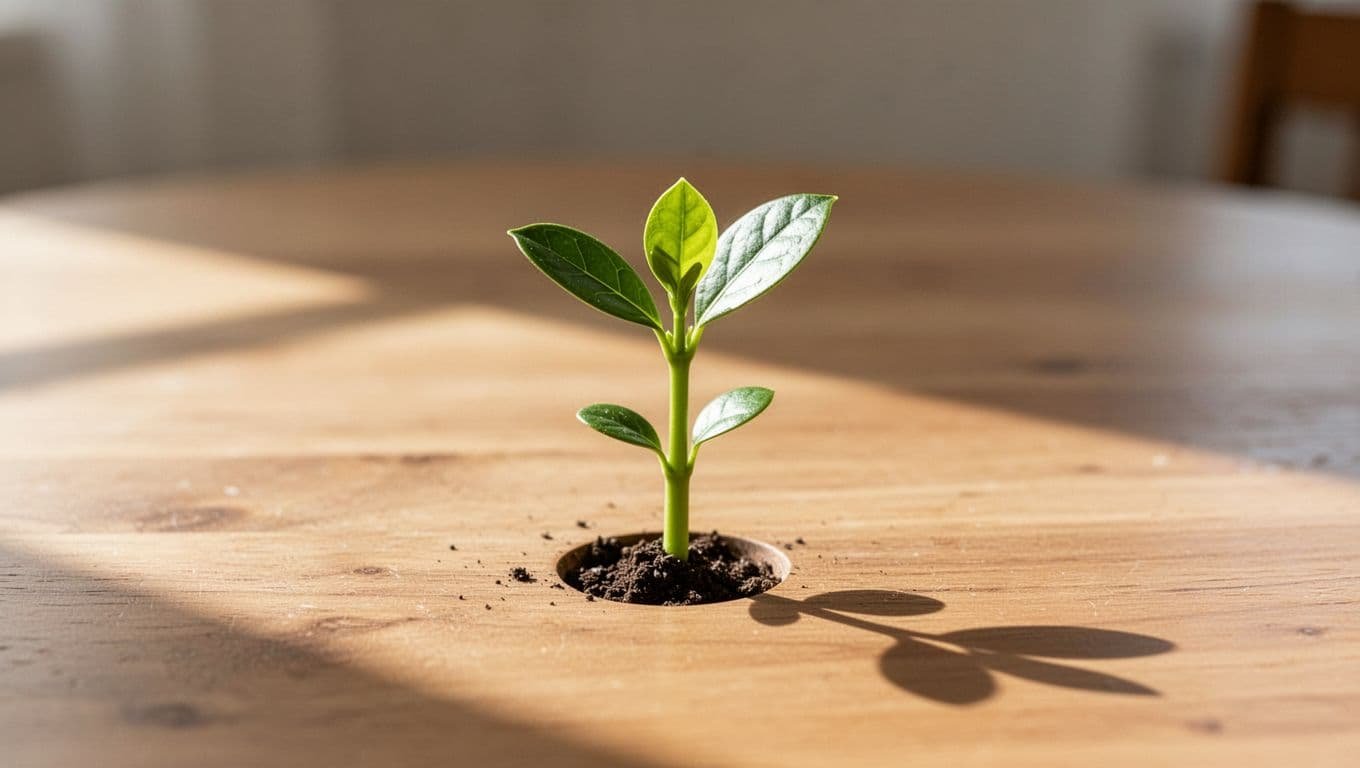
The good news is that confidence can be rebuilt without forcing a dramatic comeback. Small wins give you proof that you can still follow through, and better self-talk helps you stop turning every setback into a story about who you are. That combination matters, because confidence grows when your actions and your inner voice start working in the same direction.
### Choose goals that are small enough to finish
When life has knocked your confidence down, big goals can feel like another way to fail. Start smaller than you think you should. One email, one walk, one load of laundry, or one healthy meal is enough to begin.
The point is not to prove how much you can handle. The point is to finish something. Every finished task gives you a little more evidence that you can trust yourself again, and that matters after a season that made you feel scattered or stuck.
Try choosing goals that are clear, concrete, and easy to complete in one sitting:
- Send one important email.
- Take a 10-minute walk.
- Put one load of laundry away.
- Cook one simple meal.
- Clear one surface in your home.
Small wins matter because they create momentum. Research on confidence and small victories shows that completing manageable tasks can strengthen self-trust and make progress feel more real, which is one reason tiny steps often work better than big promises Psychology Today.
Confidence grows faster when you keep small promises to yourself.
If you need a next step that supports this process, stop second-guessing and make decisions with confidence can help you build more self-trust one choice at a time.
Replace harsh self-talk with honest self-talk
Hard seasons often leave people with a brutal inner narrator. You miss one task, and suddenly your mind says you are lazy, behind, or failing at life. That kind of self-talk does not motivate you, it just keeps shame in the driver’s seat.
Start by noticing the exact words you use with yourself. Then swap dramatic labels for language that is kinder and more accurate. You do not need fake positivity, just a more truthful voice.
For example:
- “I messed this up” becomes “I had a rough day, and I can try again.”
- “I never follow through” becomes “I finished this one thing, and that counts.”
- “I’m failing” becomes “I’m rebuilding, and that takes time.”
That shift matters because honesty lowers the pressure. It helps you see the situation clearly without turning every struggle into a verdict on your worth. Over time, that steadier voice makes it easier to act, because you are not spending so much energy fighting yourself.
A helpful check is this: would you say the same sentence to a friend in your situation? If not, it probably needs to change.
Track progress in a way that feels encouraging
Progress is easy to miss when life still feels slow. That is why it helps to record your wins in a simple way instead of relying on memory alone. A note app, a checklist, or a short weekly reflection can make growth easier to see.
Keep it plain. Write down what you did, not what you wish you had done. A few examples can shift your perspective faster than a vague sense of “I should be doing better.”
You might track:
- One thing you finished today.
- One moment you handled better than last week.
- One habit you repeated, even if it felt small.
- One sentence of credit for yourself.
A done list can be especially useful. At the end of the day, jot down three things you completed, even if they seem minor. Drinking water, answering one message, and taking a shower all count. Those small records add up, and later they become proof that you were moving even when it felt slow.
Tracking progress also helps you notice patterns. Maybe you feel better on days when you walk outside, or maybe your mornings go smoother when you avoid checking messages first thing. Once you see the pattern, you can build around it instead of guessing.
When confidence feels thin, the goal is not to hype yourself up. It is to give yourself evidence. Small wins and honest self-talk do that quietly, one day at a time.
Make room for joy, connection, and a future you can look forward to
Healing gets easier when life starts to hold more than pain. You still need rest and repair, but you also need moments that remind you who you are beyond what happened. Joy, connection, and hope are not extra rewards for getting better, they are part of getting better.
That often begins with small choices. A good meal, a calm conversation, a walk in the sun, or one plan on the calendar can give your days shape again. If you want a simple way to keep moving toward hope, building hope through daily actions fits this stage well, because hope grows when life starts to feel lived in again.

### Reconnect with safe people
After a hard season, you may not want a crowded social life. That’s fine. Start with safe people, the ones who feel steady, kind, and easy to be around. A trusted friend, family member, mentor, or support group can remind you that you don’t have to carry everything alone.
Keep the pressure low. Send a short text, make a quick call, or meet for coffee with an exit plan. You do not need a long, emotional conversation to rebuild connection. Sometimes a simple “thinking of you” message or a quiet hour together is enough.
If you feel emotionally flat or distant, how to reconnect after emotional detachment may help you understand why small contact can feel hard at first.
Add one thing that gives you life
Joy does not have to arrive as a big breakthrough. It often returns through one small thing that makes your day feel more human. Maybe that’s reading, gardening, sketching, baking, listening to music, or sitting outside for ten minutes.
Choose something that gives you a little spark, not another obligation. Volunteering can help too, especially if you want to feel useful without putting too much social pressure on yourself. Even a short walk in a park or a few pages of a good book can shift the tone of your day.
If you need a reminder that progress shows up in small ways, noticing small shifts in your recovery can help you spot the change that’s already happening.
Joy does not have to be loud to matter. A small good moment can change the shape of a hard day.
Plan for the next season, not the old one
A hard season can expose what no longer works. Maybe your workload is too heavy, a relationship drains you, or your habits keep you in survival mode. Healing gives you room to ask better questions about what you actually want your life to look like next.
That might mean changing expectations, setting different boundaries, or choosing a slower pace for a while. It might also mean letting go of the old version of success that only made sense before everything changed. Your future does not need to copy the past to be good.
If you want to think about meaning in a steadier way, how to make life feel more meaningful offers a useful lens. The goal is not to rebuild the same life, but to build one that fits the person you are becoming.
A future worth looking forward to usually starts with a few honest decisions:
- Keep the people who feel safe.
- Make time for one enjoyable habit.
- Leave room for rest.
- Protect the parts of life that make you feel alive.
That is how healing begins to feel less like recovery alone and more like a real life taking shape again.
Conclusion
Improving your life after a hard season starts with the basics. Sleep, food, movement, boundaries, small wins, and support give you a steadier foundation, and that foundation matters more than trying to fix everything at once.
Recovery is often slow and uneven, but it still moves forward when you keep showing up for yourself in small, honest ways. If you want a helpful next step, this step-by-step guide to recovering from setbacks fits right alongside this process.
Choose one small step today, and let that be enough for now.
Save the pin for later

- 60 Color Tattoos That Healed Beautifully - 25/09/2026
- 40 Most Painful Tattoo Spots - 24/09/2026
- 20 Tattoo Aftercare Mistakes That Ruin Fresh Ink - 23/09/2026

