One-pot pasta makes dinner easier fast, and it tastes even better when you load it with fresh spring vegetables. In May, US markets are packed with asparagus, peas, spinach, radishes, artichokes, and early zucchini, so it’s the perfect time to cook with what’s in season.
These one-pot pasta recipes keep cleanup low and flavor high because the pasta cooks with the vegetables, broth, and seasonings in the same pot. That means the starch helps build a silky sauce, while tender spring produce stays bright instead of turning soggy. If you want simple, flexible weeknight meals that make the most of the season, these 15 recipes are a great place to start.
Why one-pot pasta works so well with seasonal vegetables
One-pot pasta is a great match for spring produce because it keeps the whole dish moving at the same pace. The pasta cooks in broth or water, releases starch, and turns that liquid into a light sauce without a separate pan or extra steps. That means the vegetables cook right alongside the pasta, so their flavor stays in the pot instead of getting drained away.
It also gives you more control over texture. Sturdy vegetables can go in first, delicate greens can wait until the end, and quick-cooking vegetables only need a brief simmer. The result is simple: pasta that stays al dente, vegetables that stay bright, and dinner that comes together with less cleanup.
For this kind of cooking, spring vegetables are especially useful because they do not need heavy sauces or long cooking times. Their fresh taste carries the dish, so you can keep the seasoning light and still get a lot of flavor. If you want a broader primer on seasonal produce, the Seasonal Food Guide is a handy reference.
The best spring vegetables to use right now
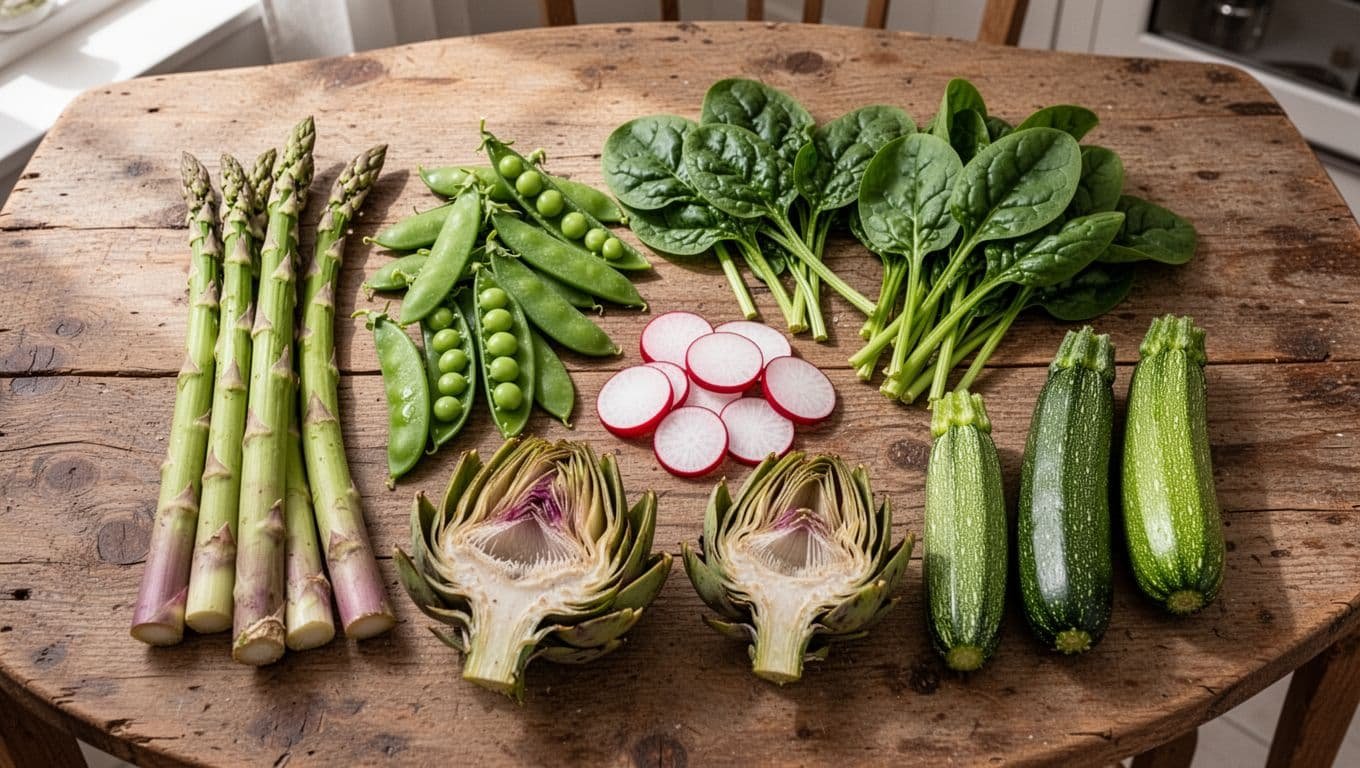
In May, US markets are at their best for asparagus, peas, spinach, and radishes. Artichokes are still around, and early zucchini is starting to show up, which gives you a nice mix of crisp, tender, and mild flavors.
- Asparagus adds a fresh, grassy bite and stays tender if cooked briefly.
- Peas bring sweetness and a soft pop that works well in creamy or brothy pasta.
- Spinach wilts fast and gives the dish a mild, earthy base without overpowering anything.
- Radishes add crunch and a peppery edge, especially if you want contrast in a lighter pasta.
- Artichokes add a soft, nutty flavor and a little richness.
- Zucchini brings a gentle flavor and a silky texture when sliced thin.
These vegetables work because they do not fight the pasta. They slip into the pot easily and taste like spring in every bite.
How to keep vegetables bright, tender, and not mushy
Timing matters most in one-pot pasta. Add sturdier vegetables like asparagus and sliced zucchini early enough to soften, but not so early that they lose shape. Delicate greens, like spinach, should go in near the end so they wilt instead of overcook.
Quick-cooking vegetables need even less time. Peas can go in during the last few minutes, and radishes are best when they still have a little crunch. If you are using artichokes, add them early enough to heat through and soften, especially if they are prepped and trimmed.
A good habit is to taste near the end of cooking. Check the pasta first, then the vegetables. You want the pasta to stay al dente and the vegetables to look vivid, not dull.
A short simmer does more for spring vegetables than a long boil ever will.
The pantry items that make every recipe easier
You do not need much beyond the vegetables themselves. A few everyday staples make one-pot pasta taste balanced and complete.
Start with these basics:
- Garlic and onion for a savory base
- Olive oil for body and flavor
- Broth or water to cook the pasta and build the sauce
- Lemon for brightness at the end
- Parmesan for saltiness and a light creamy finish
- Fresh or dried herbs like basil, parsley, dill, or thyme
- Salt and pepper to pull everything together
With those ingredients, fresh vegetables do most of the work. The pot does the rest, and that is why this method feels so easy on a busy night.
The 15 recipes, grouped by spring produce
Spring produce makes one-pot pasta feel easy and fresh at the same time. Grouping the recipes by vegetables helps you pick a dish based on what looks best at the market, and it also makes the swaps simple if one ingredient is out of season.
Each of these recipes works in a single pot, but they each bring a different mood to the table. Some are bright and lemony, some are creamy, and some lean on herbs or beans for a fuller meal. That variety keeps the roundup useful all season long.
Asparagus and pea pasta with lemon and Parmesan
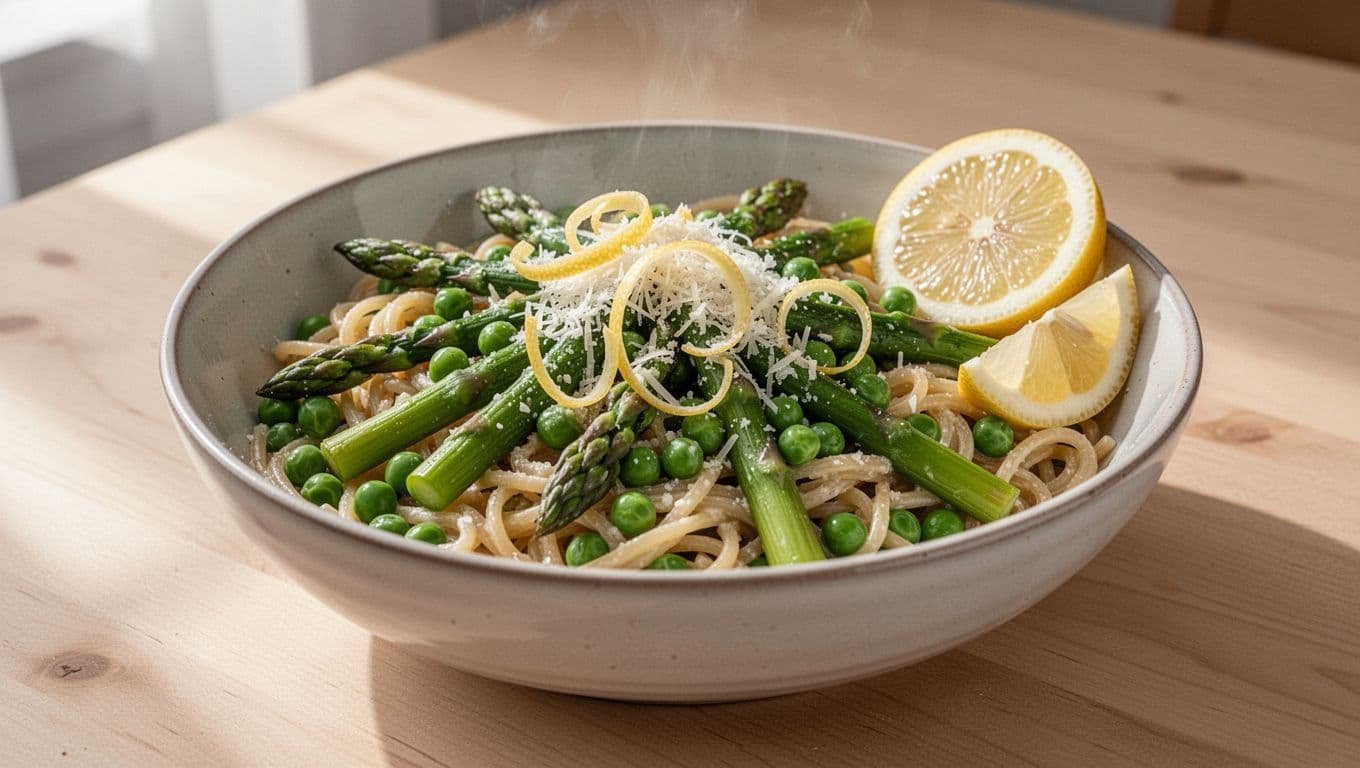
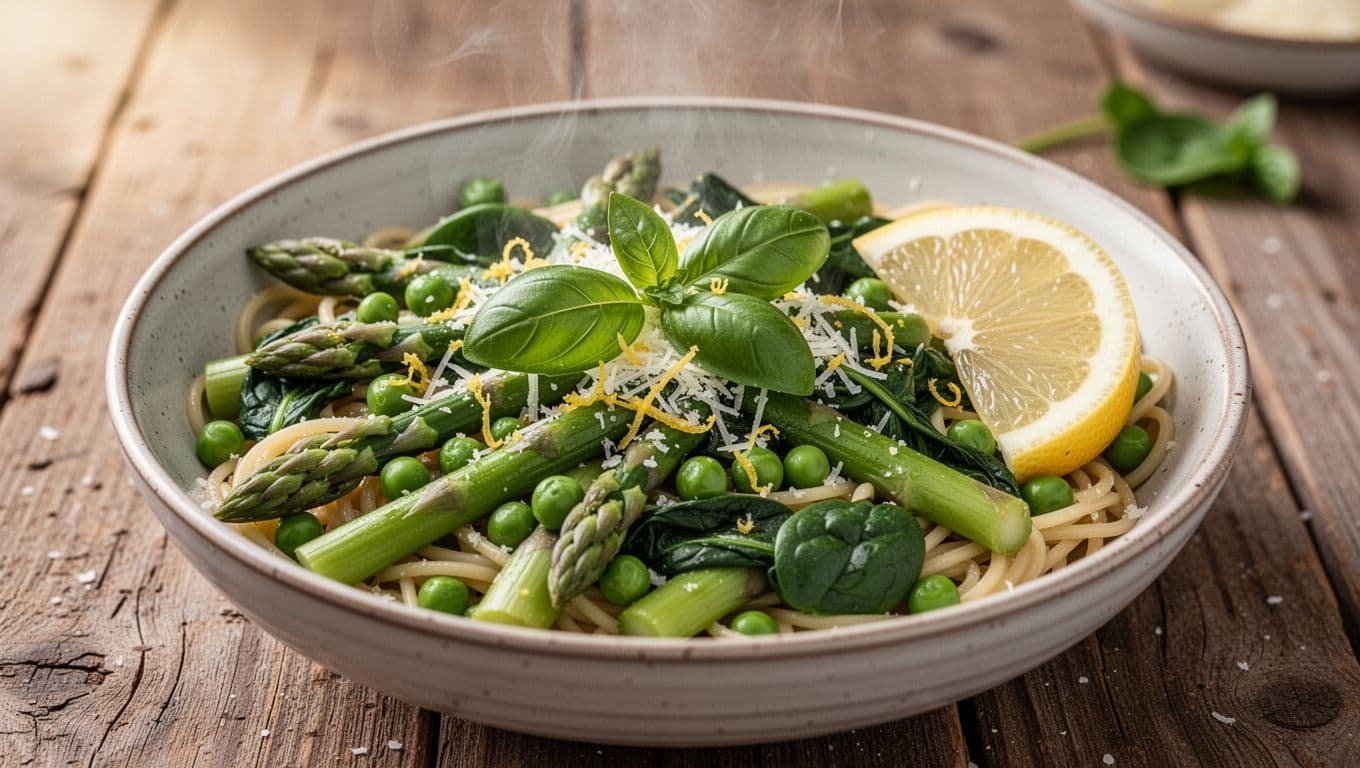
This is the spring pasta many people want first. Asparagus brings a clean, tender bite, while peas add a little sweetness that softens the whole dish. Lemon keeps it bright, and Parmesan gives the sauce a creamy finish without making it heavy.
The flavor is simple, but that is part of the appeal. You get a light, balanced pasta that feels fresh enough for warm weather and satisfying enough for dinner.
Creamy spinach and artichoke pasta
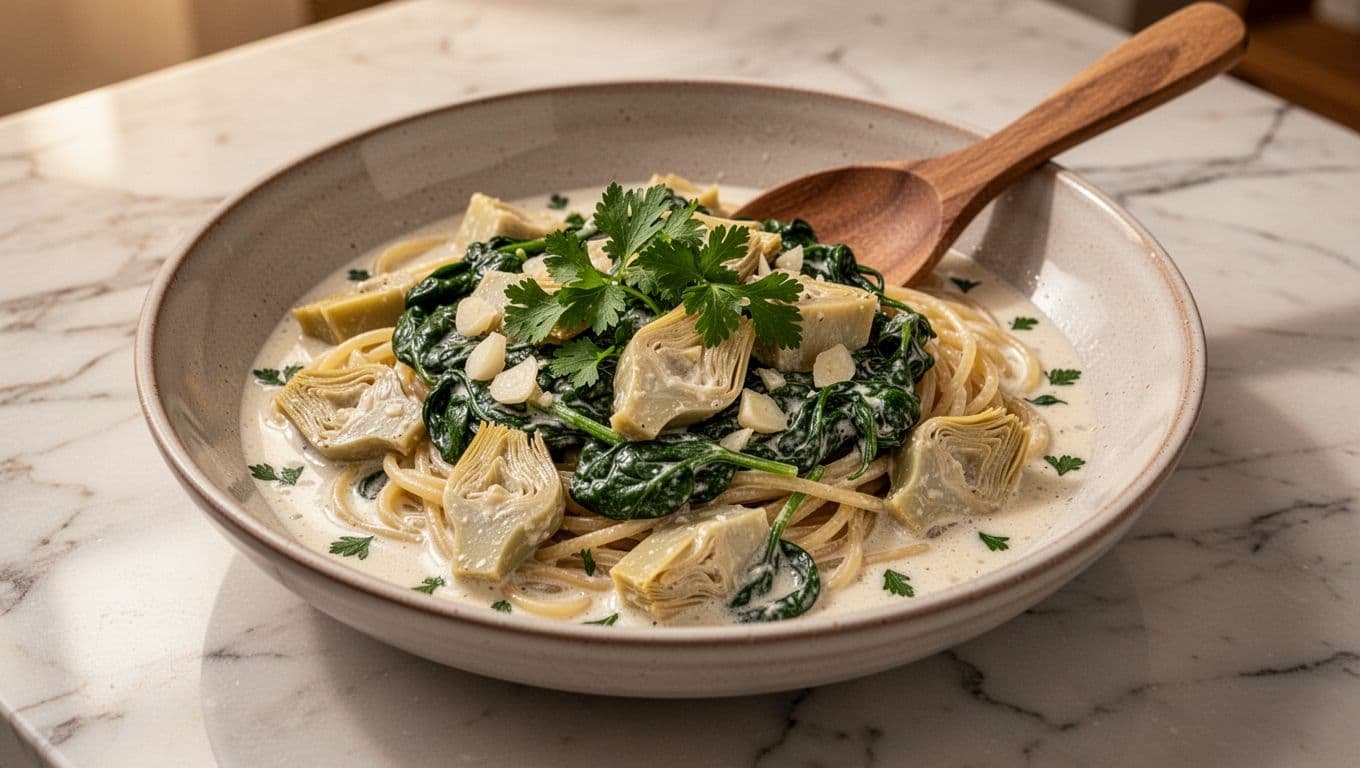
If you like spinach artichoke dip, this pasta gives you the same familiar flavor in a weeknight-friendly form. Artichoke hearts add a soft, savory bite, while spinach melts into the pot and keeps the dish green and fresh. Garlic ties everything together with a deep, cozy base.
A creamy sauce makes this one feel rich, but the one-pot method keeps it simple. It works especially well as a meatless dinner because the vegetables do so much of the work.
Zucchini pasta with garlic, basil, and white beans
Zucchini is mild, so it takes on flavor fast. In this pasta, it softens into the sauce while still holding a little texture, which keeps every bite interesting. Garlic adds warmth, basil adds freshness, and white beans make the meal more filling without weighing it down.
This is a strong choice for late spring or early summer, when zucchini starts showing up more often. It feels light enough for warm nights, but the beans give it enough substance to stand on its own.
Snap pea pasta with mint and ricotta
Snap peas bring the kind of crunch that wakes up a whole bowl of pasta. Their sweetness works well with mint, which adds a cool, clean finish that tastes especially fresh in spring. Ricotta rounds everything out with creaminess that stays light.
This recipe feels a little special, yet it’s still easy enough for a regular weeknight. The texture contrast is what makes it stand out, especially if you want something softer and brighter than a traditional cream sauce.
A handful of fresh herbs can change a simple spring pasta more than an extra sauce ever will.
Radish and spinach pasta with lemon butter sauce
Radishes are easy to overlook in cooked dishes, but they shine here. Thin slices keep their shape, and a short cook time takes the sharp edge off while leaving that peppery bite intact. Spinach adds color and soft texture, while lemon butter balances the flavor with a little richness.
This is a smart way to use spring radishes beyond salads. The result is light, quick, and just unexpected enough to feel new.
A simple way to mix and match
These recipes all follow the same idea, but the produce changes the whole dish. If you see asparagus and peas, go for something bright and lemony. If spinach, artichokes, or zucchini look best, pick a creamy or herb-heavy pasta instead.
For more ideas on what is fresh this time of year, the Seasonal Food Guide is a useful place to check before you shop. You can also pair these pasta recipes with a lighter meal from this one-pot soup idea if you want another easy dinner option later in the week.
More one-pot pasta recipes for busy weeknights
If you want dinner that feels easy but still tastes fresh, these next recipes fit the bill. They use simple spring vegetables, pantry staples, and one pot, so you can cook fast and clean up even faster.
The best part is how flexible they are. If you have asparagus today, peas tomorrow, or spinach that needs to be used up, you can mix and match without much planning.
Asparagus, mushroom, and thyme pasta
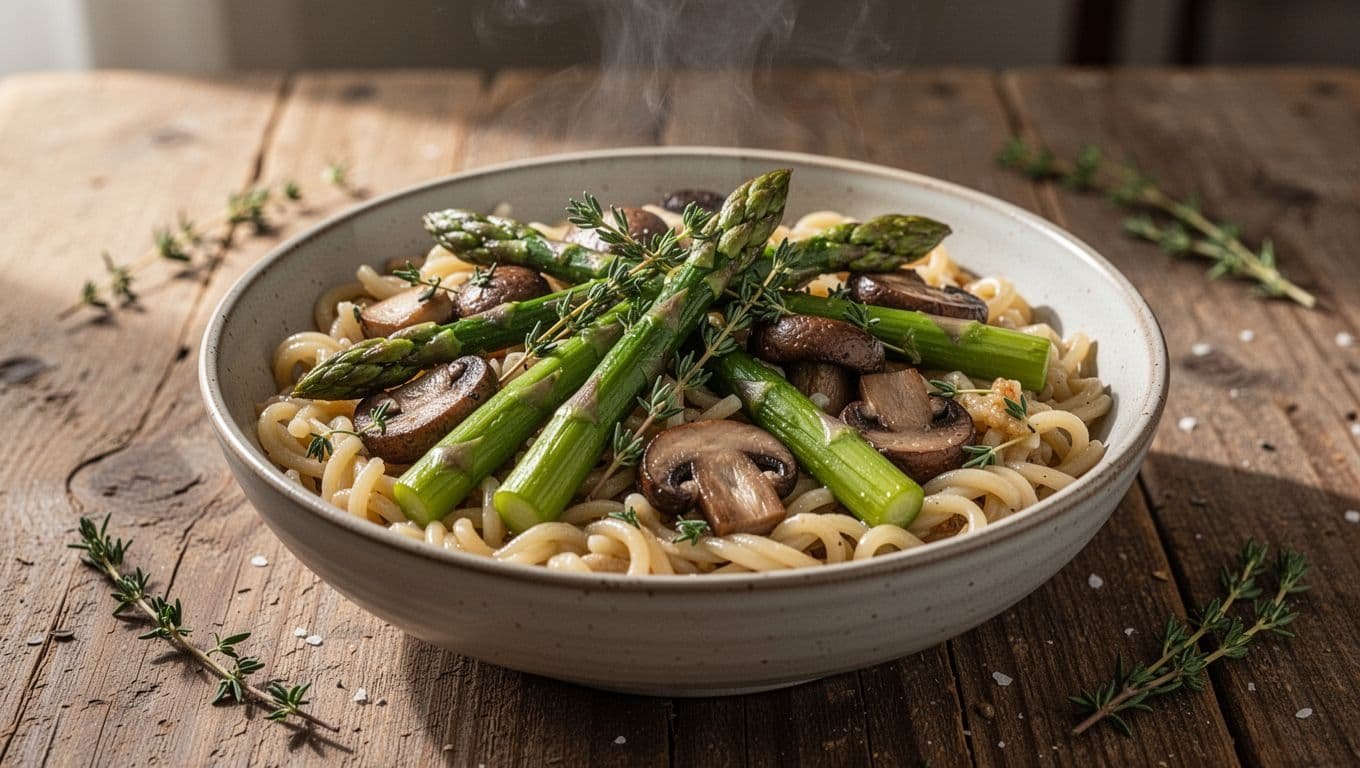
This pasta leans savory and earthy, which makes it a nice change from the brighter lemon-heavy spring dishes. Mushrooms add depth and a little richness, while asparagus keeps the bowl seasonal and fresh.
Thyme brings a cozy, herby note that works especially well on cool nights. You can let the mushrooms brown first for more flavor, then simmer everything together until the pasta is tender and the sauce turns silky.
Spring vegetable pasta with peas, carrots, and spinach
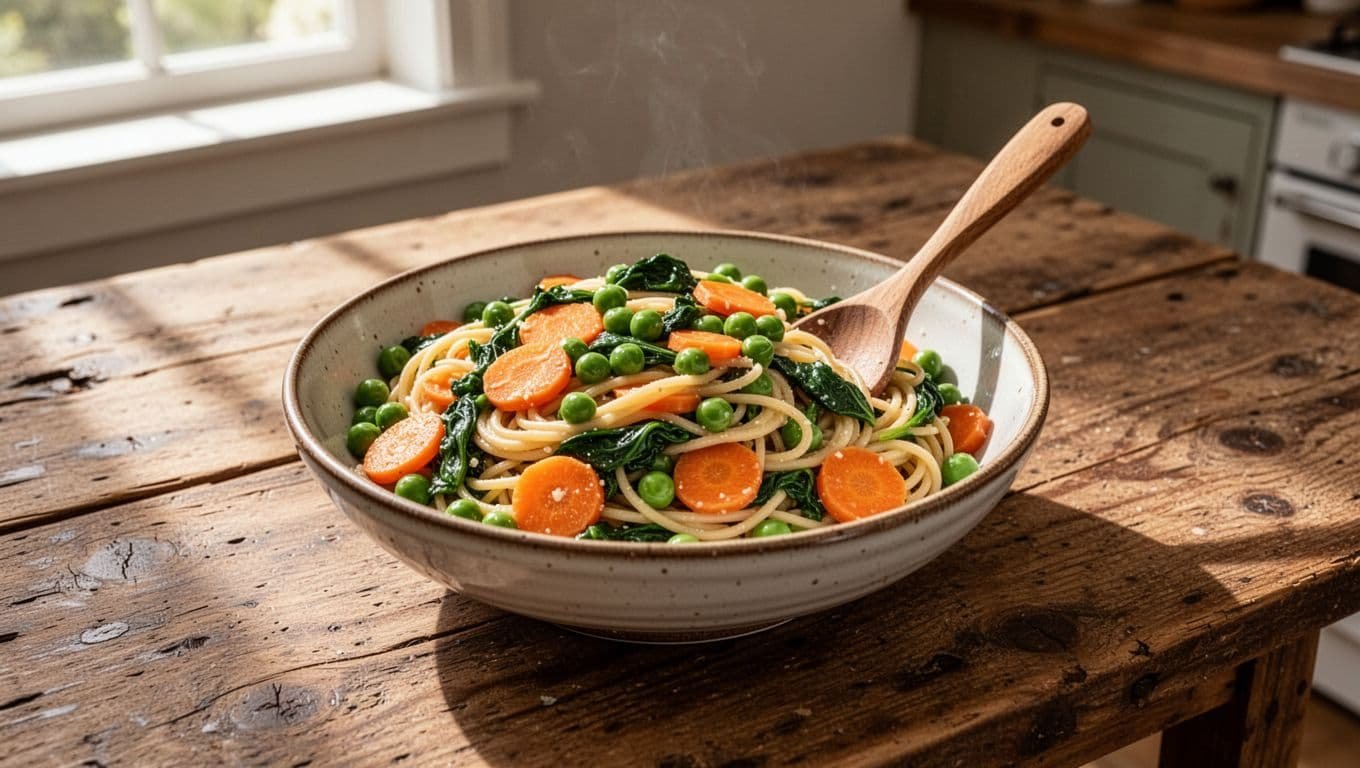
This one-pot pasta feels colorful, balanced, and family friendly. Peas add sweetness, carrots bring a little bite, and spinach wilts in at the end so the dish stays bright.
It’s also easy to adapt. If you have extra herbs, toss them in. If you only have one or two vegetables on hand, that works too, because the pasta and broth still build a complete meal.
Lemon asparagus pasta with chickpeas
This is a smart meatless dinner when you want something filling without feeling heavy. Chickpeas add protein and make the dish more satisfying, while asparagus and lemon keep the flavor light and fresh.
It also holds up well for lunch the next day. The chickpeas soak up the sauce, so leftovers taste just as good after a quick reheat. If you like meal prep, this one belongs in your rotation.
Zucchini and tomato pasta with fresh oregano
Zucchini gives this pasta a soft, mellow base, and tomatoes add juicy flavor without much effort. Fresh oregano ties it together with a warm herbal note that feels right for late spring and early summer.
Use canned tomatoes if fresh ones are not great yet, since they still give the sauce body. The whole dish comes together quickly, which makes it a strong weeknight option when you want dinner on the table fast.
Artichoke, pea, and spinach pasta with garlic cream sauce
Artichokes bring texture, peas add sweetness, and spinach melts right into the sauce. Together, they make a creamy pasta that feels hearty but still fresh enough for spring.
Garlic cream sauce gives the dish enough richness to feel like comfort food, while the vegetables keep it from tasting too heavy. If you want a pasta that feels a little more dinner-party worthy without extra work, this is a strong pick.
The easiest spring pasta recipes start with what you already have, then let the vegetables set the tone.
These five recipes give you a few more ways to use what’s fresh at the market or waiting in the fridge. Pick the one that matches your mood, then swap in similar vegetables when needed. That kind of flexibility is what makes one-pot pasta so useful on busy weeknights.
How to choose the right pasta shape and cooking method
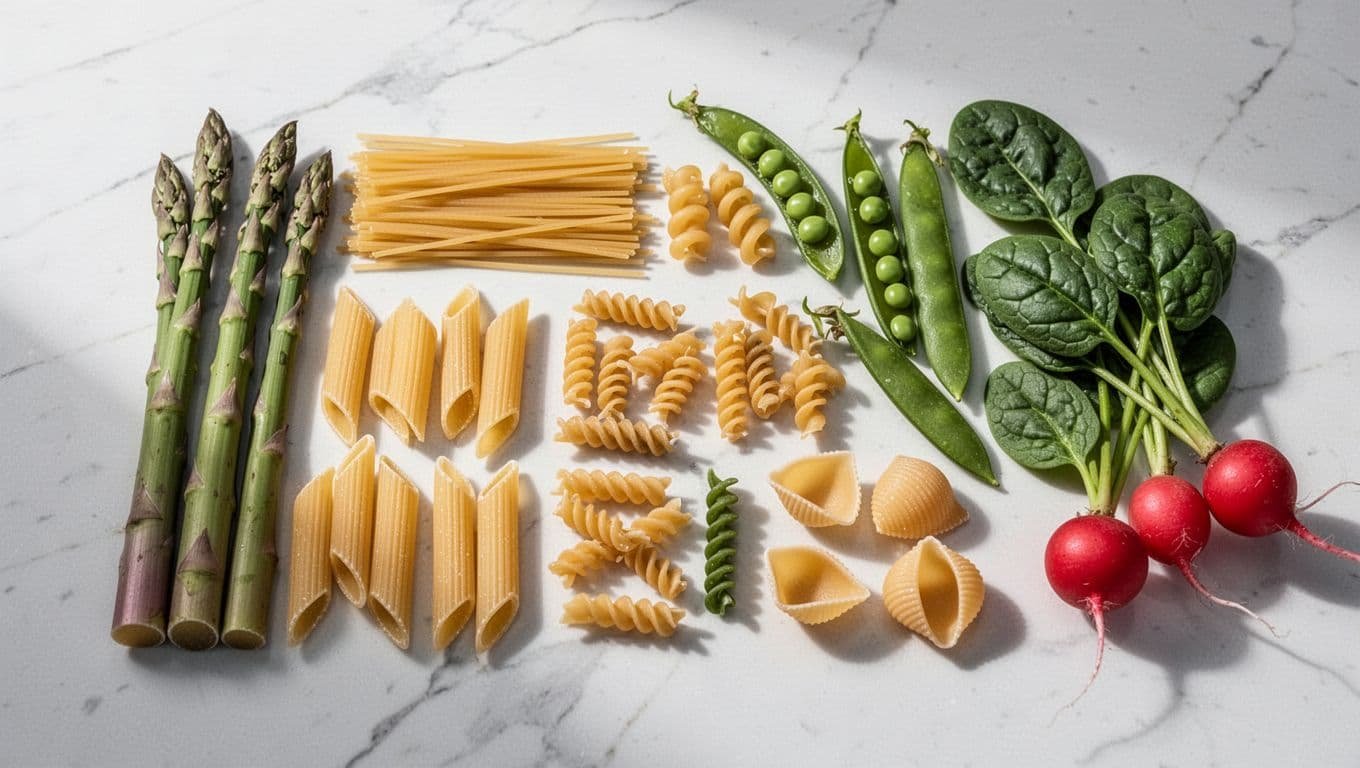
The pasta shape you pick changes how a one-pot recipe tastes and feels. Short shapes usually work best because they cook evenly, stir easily, and catch bits of vegetables and sauce in every bite.
That said, the cooking method matters just as much. A wide pot, enough liquid, and the right timing keep the pasta tender and the vegetables bright. If you match the shape to the sauce and the produce, the dish feels more balanced without any extra effort.
Why short pasta shapes usually work best
Short pasta is the easiest choice for one-pot cooking. Shapes like penne, fusilli, rotini, and shells sit well in the pot, so they cook at a steady pace and are easy to stir without breaking.
They also hold onto sauce better than long noodles. The curves, ridges, and hollow centers trap peas, bits of asparagus, melted cheese, and herbs, which gives you more flavor in each forkful. For a quick spring pasta, that matters.
Long noodles can still work, but they need more care. You have to stir them more often so they don’t clump, and they can be awkward in a pot filled with vegetables. If you want a safer choice, start short and keep it simple. As Pasta Primavera with spring vegetables shows, shorter shapes like penne or rotini fit spring vegetables well.
A good rule is to match the pasta size to the vegetable size. Small peas, thin asparagus slices, and chopped zucchini pair naturally with short shapes. Bigger pasta can work too, but the bite feels more even when everything is close in size.
When to use broth, water, or a light cream base
The liquid you cook with shapes the whole dish. Broth adds the most flavor and is the best choice when you want a savory base without much effort. Vegetable broth works especially well with spring vegetables because it supports their taste instead of covering it.
Water works when you want the vegetables and herbs to stay front and center. It is a fine backup if you are short on broth, but you may need a little more salt and seasoning at the end. Use it when the pasta already has a lot of flavor from garlic, Parmesan, lemon, or herbs.
A little milk or cream makes sense when you want a softer, richer sauce. That works well with spinach, artichokes, or mushrooms, since those vegetables handle a creamy finish. For a lighter spring pasta, keep the cream base small so it doesn’t drown out the fresh vegetables.
If the vegetables are delicate, keep the liquid light and the seasoning clean.
Easy ways to add protein without changing the recipe
You can turn a simple pasta side into dinner with one small add-in. Chickpeas, white beans, shrimp, and chicken all fit well in one-pot pasta because they heat through quickly and bring extra substance.
- Chickpeas add a soft bite and work well in lemony or herby pasta.
- White beans blend into creamy sauces and make the dish feel fuller.
- Shrimp cook fast, so they are a good match for asparagus, peas, and spinach.
- Chicken gives you a more filling meal and pairs well with broth-based or creamy pasta.
Keep the protein size in line with the pasta. Small, even pieces mix in better and help every serving feel complete.
Simple finishing touches that make each bowl taste fresh
The last minute of cooking is where one-pot pasta turns from good to great. Fresh herbs, citrus, cheese, and a little pasta water can wake up the whole bowl and make the flavors taste brighter.
These final touches also keep the recipes flexible. You can use what you have on hand, adjust the salt at the end, and make each bowl feel finished without adding more work.
Add herbs and citrus at the end for the biggest flavor boost
Fresh herbs and lemon are best added right at the end because their flavor stays sharp and clean. Basil, parsley, dill, and mint lose their pop if they simmer too long, so stir them in after the heat comes off.
Lemon works the same way. A little zest adds fragrance, and a squeeze of juice wakes up the whole dish. Together, herbs and citrus make spring vegetables taste brighter and more alive.
Keep it simple and easy to remember:
- Add basil for sweet, soft freshness.
- Use parsley for a clean, green finish.
- Try dill with peas, spinach, or salmon-style flavors.
- Use mint when you want a cool lift with snap peas or zucchini.
- Finish with lemon zest and juice for instant brightness.
If the pasta tastes flat at the end, herbs and citrus usually fix it fast.
Use cheese and starchy pasta water to build a light sauce
Cheese and pasta water are the easiest way to make one-pot pasta feel silky without making it heavy. Parmesan melts into a light, salty sauce, while ricotta or a little cream cheese adds softness and body.
A splash of the cooking liquid helps everything come together. That water has starch in it, so it binds the cheese and seasonings to the pasta instead of leaving them at the bottom of the pot.
For the smoothest finish, do this:
- Turn off the heat before adding cheese.
- Stir in a small splash of pasta water.
- Add more liquid only if the sauce looks tight.
- Taste before adding extra salt, since cheese already adds plenty.
This method works well with spring vegetables because it coats them without hiding their flavor. For a creamier pasta, a Pasta Primavera Recipe is a good example of how lemon, Parmesan, and herbs can finish a bowl well.
What to serve with one-pot pasta for a full meal
One-pot pasta already does most of the work, so the best sides stay simple. A crisp green salad adds crunch and freshness, while crusty bread gives you something to swipe through the sauce.
If you want a fuller table, roast a tray of vegetables or set out fruit after dinner. Melon, berries, or citrus work well because they keep the meal light and seasonal.
Easy pairings that fit spring pasta:
- A green salad with lemon vinaigrette
- Warm crusty bread or garlic toast
- Roasted asparagus, broccoli, or carrots
- Fresh fruit for a simple finish
These sides keep dinner low-effort and balanced. You get a bowl of pasta that feels complete, plus just enough extras to make the meal look and taste polished.
Conclusion
One-pot pasta is one of the easiest ways to make the most of fresh seasonal vegetables without adding extra cleanup. When you start with what looks best at the market, the dish almost builds itself around bright asparagus, peas, spinach, zucchini, or whatever is at its peak.
The real strength of these recipes is how flexible they are. You can swap vegetables, change the herbs, and adjust the cheese or broth to fit what you have on hand, while still keeping the flavor fresh and balanced.
That makes these meals a smart choice for busy nights, since they stay simple, quick, and full of spring flavor.
Save the pin for later

- Healthy Air Fryer Recipes for Beginners - 21/09/2026
- Healthy Snacks for Late Night Cravings - 21/09/2026
- High Protein Meal Prep Ideas for Easy Weekly Meals - 21/09/2026

