You know the feeling; you lie down or sit still for a minute, and your mind starts tapping its foot. Your body may feel wired, your thoughts may race, and even simple things can feel hard to settle into. That’s restlessness, and it can show up as physical tension, mental noise, or an emotional edge you can’t shake.
A restless spell doesn’t always mean something is wrong, but it does mean your system wants attention. Stress, too much screen time, poor sleep, caffeine, and a crowded schedule can all make it harder to feel calm, especially at night when your mind gets louder. If nights are often the hardest part, simple bedtime habits to reduce nighttime worry can help set a softer pace before sleep.
The good news is that you don’t have to wait for the feeling to pass on its own. A few calm-down moves can ease the moment, while steadier routines can make restlessness less sharp over time, especially when paired with evening habits for better mental health.
What restlessness can feel like, and why it happens
Restlessness often starts as a small, nagging discomfort. Your body feels awake when you want calm, and your mind keeps circling the same loop. It can feel like a loose wire buzzing under the skin, hard to ignore and even harder to settle.

The body clues that often show up first
The first signs usually show up in the body before they fully show up in your thoughts. You might fidget without meaning to, tap your foot, pace the room, or keep shifting in your seat. Some people feel it in their legs, which can make sitting still feel almost impossible.
Tension is another common clue. Your jaw may tighten, your shoulders may rise, and your breathing may turn shallow or quick. When that happens, your body is acting like it needs to move, even if nothing around you is changing.
Watch for these early signs:
- Pacing or foot tapping that feels hard to stop
- Clenched jaw or tight shoulders
- Shallow breathing or a chest that feels a little locked up
- Restless legs that beg for movement
- Trouble sitting still during work, meals, or quiet time
When your body keeps asking for motion, it often means your nervous system is stuck in “go” mode.
A quick body check can help. If you notice the signs early, you can respond before the feeling gets louder. A short walk, slower breathing, or a stretch can take the edge off before the restlessness spreads.
The hidden mental and emotional triggers
Restlessness is often tied to what your mind is carrying. Worry can keep your thoughts in motion, even when your body is still. Unprocessed feelings can do the same, especially if you have pushed down stress, frustration, or sadness for too long.
Too much screen time can also crowd out quiet. When your attention jumps from one post, message, or video to the next, your mind loses room to settle. Over time, that constant input can leave you feeling keyed up and oddly unsatisfied.
Other common triggers include:
- Stress from deadlines, money, or relationships
- Too much caffeine, which can make your body feel jumpy
- Lack of sleep, which lowers your ability to stay calm
- Boredom, especially when your brain wants more stimulation
- Anxiety or emotional tension, which can sit under the surface for hours
- Feeling overwhelmed, when too many demands pile up at once
If your mind feels crowded, small habits can help clear space. Simple steps to quiet your mind can make the noise less sharp, and how to calm your nervous system at home can give your body a clearer signal to slow down.
What to do when restlessness hits in the moment
When restlessness shows up, start with the body. Your mind often follows where your body leads, so small, steady actions can lower the heat before the feeling grows louder. The goal is not to force calm. The goal is to give your system a softer signal.
A few minutes is enough to change the tone of the moment. Breathe slower, move a little, and reduce the noise around you. If your thoughts still feel busy, name what you’re feeling in plain words. That simple act can make the feeling less sharp.
Use your breath to slow the rush

Slow breathing tells your nervous system that the moment is safe enough to soften. When you breathe out longer than you breathe in, your body often starts to ease off the alert mode. That is why something as simple as “in for four, out for six” can help.
Keep it easy:
- Sit or stand in a comfortable position.
- Breathe in through your nose for a count of four.
- Breathe out slowly for a count of six.
- Repeat for a few rounds without trying to perfect it.
If counting feels distracting, just make the exhale longer than the inhale. The NHS breathing exercises for stress page also suggests keeping the breath gentle and unforced. That matters, because strain can make restlessness feel worse.
Long exhales calm the body better than rushed breathing.
Move your body before your mind gets louder
Restlessness often needs an exit. Light movement gives that energy somewhere to go, which can stop it from looping inside your head. You do not need a workout. You just need motion.
Try one of these:
- Take a short walk around your home or outside.
- Stretch your neck, shoulders, back, and legs.
- Dance in one room for a minute or two.
- Shake out your hands, then roll your shoulders.
Even small movement can change the rhythm of the moment. If you feel stuck at a desk or on the couch, stand up first. For restless feelings tied to stress or relationship tension, soothing anxious attachment triggers can also help you settle the emotional side of the experience.
Create a quieter space around you
A restless mind loves clutter, bright screens, and too many open tabs at once. So lower the input. Dim your screen, mute extra notifications, and step away from background noise if you can.
A calmer space helps your body stop scanning for more. You can also drink a glass of water, because dehydration can make you feel more off-balance than you realize. If the air feels heavy, step outside for fresh air or take a warm shower. Both can reset the mood without asking much from you.
Naming the feeling helps too. Say it plainly: “I’m restless right now.” That small sentence creates distance between you and the sensation. It gives the feeling a shape, so it stops feeling like the whole room.
Simple daily habits that make restlessness less intense
Restlessness often builds in small pieces. A short night of sleep, a skipped lunch, or a third cup of coffee can push your body closer to the edge. Small daily habits help keep that edge softer, so your mind has less to fight against.

Sleep, food, and caffeine matter more than people think
Poor sleep can make everything feel louder. Your thoughts race faster, your body feels more tense, and small stressors can feel bigger than they are. When sleep stays uneven, restlessness has more room to grow.
Food plays a part too. If you skip meals, your blood sugar can dip, and that can leave you shaky, irritable, or on edge. A steady breakfast, lunch, and dinner help your body stay more even through the day.
Caffeine is helpful in small amounts, but too much can tip you into jitters. That wired feeling can show up as a fast heartbeat, fidgeting, or a mind that won’t settle. The Mayo Clinic notes that cutting back on caffeine can help when anxiety-like symptoms show up.
A few simple habits make this easier:
- Keep a regular sleep schedule, even on weekends.
- Eat something within a few hours of waking up.
- Pair coffee with food, not an empty stomach.
- Stop caffeine earlier in the day if you feel shaky.
- Drink water throughout the day, especially if you forget to eat.
Small changes are easier to keep, and steady habits calm the body better than perfect ones.
Build a routine that gives your mind something to hold on to
A routine gives your day a frame. When you wake up at the same time, stretch for a minute, and get some sunlight soon after, your body starts to expect calm in familiar places. That sense of rhythm can make restlessness feel less random.
Morning and evening anchors work well because they are simple. You might start the day with light movement, a glass of water, and a few lines in a journal. At night, you could dim the lights, put your phone away, and take a slow walk around the room.
If you want a steadier wind-down, evening habits for better mental health can help shape a calmer close to the day. The point is not a perfect routine. The point is a repeatable one.
Use journaling to spot your patterns
Journaling helps you catch the pattern before it runs the day. When you write down when restlessness shows up, you start to see what feeds it. Maybe it happens after too much screen time, after a missed meal, or when you feel rushed.
Keep your notes short and plain. A few lines are enough to show a pattern without turning it into homework.
Try these prompts:
- What happened right before I felt restless?
- What did I notice in my body?
- What helped, even a little?
Over time, those notes can point to simple fixes. Maybe you need more food earlier in the day, less caffeine after lunch, or a short walk before bed. That kind of awareness makes restlessness easier to manage, one day at a time.
When restlessness may be a sign you need deeper support
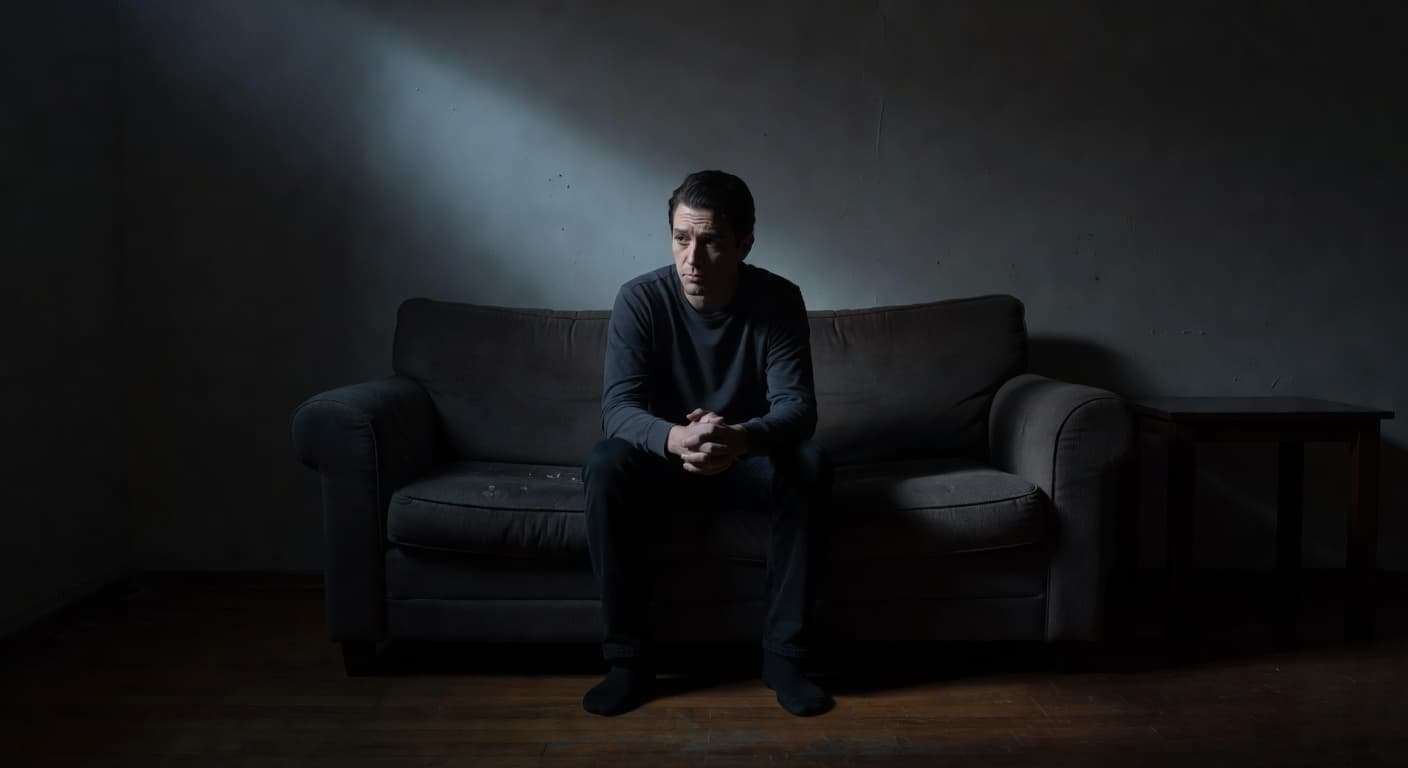
Sometimes restlessness is just a rough patch. Other times, it keeps knocking on the door long after stress should have eased. If the feeling starts to follow you through the day, it may be pointing to something deeper, not just a busy week.
Signs it is more than a passing mood
A restless mood usually fades after you move, rest, or change your environment. Deeper restlessness tends to linger. It may show up as constant worry, a tight chest, racing thoughts, panic, or the feeling that your body will not settle no matter what you do.
Pay attention if it starts to affect your sleep, work, or relationships. Maybe you cannot focus long enough to finish simple tasks. Maybe you snap at people more than usual, or you lie awake night after night with no real relief.
Common warning signs include:
- Feeling anxious most days
- Trouble resting for long periods
- Panic or a racing heart
- Poor sleep that keeps repeating
- Difficulty functioning at work or home
- Feeling worn down, numb, or unlike yourself
Restlessness can also come with anxiety, burnout, grief, ADHD, depression, or another health issue. Feeling restless is sometimes part of a bigger pattern, especially when it comes with fatigue, irritability, or trouble focusing.
If restlessness keeps showing up in the same heavy way, treat it like a signal, not a flaw.
How to ask for help without feeling overwhelmed
Start small. Tell one trusted person what has been going on, or write down your symptoms before you speak. A short note can help when your mind feels crowded and words feel hard to find.
Then make one simple appointment, either with a doctor or a mental health professional. You do not need a perfect explanation. You only need enough information to say, “This keeps happening, and I want to understand why.”
If burnout feels close to home, getting support for emotional exhaustion can be a good next step. The goal is steady support, not a dramatic fix.
Conclusion
Restlessness is a signal, not a failure. When it shows up, start with the body first, slow your breath, move a little, and lower the noise around you so your mind can follow.
Over time, small habits make the biggest difference. Better sleep, steadier meals, less caffeine, and simple routines can keep that restless edge from building up. If you want a gentler starting point, small self-care habits to lower stress can make daily calm easier to hold onto.
If the feeling keeps coming back or starts to affect your work, sleep, or mood, reach out for support. A restless day can soften when you meet it with patience, care, and one steady step at a time.
Save the pin for later

- 60 Color Tattoos That Healed Beautifully - 25/09/2026
- 40 Most Painful Tattoo Spots - 24/09/2026
- 20 Tattoo Aftercare Mistakes That Ruin Fresh Ink - 23/09/2026

