I used to notice the same thought returning whenever stress hit: assume the worst, tense my shoulders, and rush to fix a problem before understanding it. One day, I paused long enough to choose a different response. The old pattern didn’t disappear overnight, but repetition showed me that change was possible.
“Rewiring your brain” is a simple way to describe neuroplasticity, the brain’s ability to change its connections through repeated experiences. Your brain can strengthen new patterns in adulthood, but the process takes steady practice rather than instant results or magic. Small, consistent actions matter, which is why making new habits stick is central to lasting change.
As you work on this, attention, habits, sleep, exercise, learning, and stress control all support one another. The following practical, science-informed steps will show you how to replace automatic responses with patterns that better support the life you want.
What It Really Means to Rewire Your Brain
When I first heard the phrase “rewire your brain,” I pictured a dramatic mental reset. In reality, change happens through repeated experiences that gradually strengthen some neural connections while weakening others. You can influence this process through daily habits, but you can’t transform your brain with one positive thought or a single productive morning.
Neuroplasticity changes how your brain responds

Neuroplasticity is your brain’s ability to adapt its structure and function. According to the National Library of Medicine’s explanation of neuroplasticity, learning, repetition, the environment, and physical activity can influence neural connections.
Each time you practice a skill or repeat a response, related brain networks become easier to activate. A habit is like a path through tall grass. The more often you walk it, the clearer it becomes. A neglected path may eventually grow over, although older patterns can still become active under pressure.
That explains why your first response to stress often feels automatic. Your brain has practiced it many times. Rewiring means giving it a different response and repeating that choice until the new pathway becomes more familiar.
Rewiring is gradual, not a mental reset
Your brain doesn’t erase every old pattern and install a new personality. Instead, new learning competes with established habits. You may still feel anxious before a presentation, reach for your phone when bored, or expect failure after a mistake.
The difference appears in what you do next. You might notice the anxious thought, take one slow breath, and prepare rather than panic. With enough repetition, that pause becomes easier to access. The emotional trigger may remain, but your response gains more flexibility.
Research also connects neuroplasticity with learning, memory, aging, and recovery after brain injury, as described in this review of neuroplasticity and brain function. This doesn’t mean every change is positive. Repeated worry, constant distraction, and poor sleep can strengthen patterns you want to reduce.
Your attention helps decide what gets stronger
What you repeatedly notice receives more mental practice. If you scan every conversation for criticism, your brain becomes quicker at finding possible rejection. If you pause to identify facts, options, and useful actions, you train a broader response.
Start with one pattern you want to change. Name the trigger, choose a small replacement behavior, and practice it in the same situation each day. For example, when you catch yourself saying, “I always fail,” replace it with, “What is one step I can take now?” That small interruption gives your brain a new route to practice.
How to Rewire Your Brain Through Daily Habits
I notice my mind wanders fastest when I try to change too much at once. A shorter practice works better. By repeating one deliberate response each day, you give your brain focused experiences that can strengthen a new mental path.
Use Focused Attention to Strengthen a New Mental Path
Attention acts like a spotlight. Whatever you place inside its beam receives more mental practice, while competing signals fade into the background. When you repeatedly focus on a new response, you make that response easier to access the next time a familiar trigger appears.
Choose one behavior and practice it for 5 to 10 minutes. Keep your phone in another room, silence notifications, and remove anything else that invites quick checking. Distraction makes learning harder because your attention keeps switching before the new pattern has time to settle. These habits for better concentration can make short practice sessions easier to protect.

Use this grounding exercise when stress pulls your attention in several directions:
- Label what is happening: “I am feeling anxious,” or “I am avoiding this task.”
- Take one slow breath, making the exhale slightly longer than the inhale.
- Give your attention to one clear next step, such as opening the document or writing one sentence.
The goal isn’t to create a perfectly calm mind. Your goal is to notice where your attention went and guide it back. Each return is another repetition for the mental path you want to strengthen.
Replace Automatic Thoughts Instead of Fighting Them
Trying to force away an unwanted thought can make it feel louder. When you command yourself not to think about failure, your mind must first search for the very idea you want to avoid.
Instead, notice the thought and examine it. Ask whether it is fully true, what evidence supports it, and what a fairer statement would say. Replace “I always fail” with, “This is difficult, but I can practice one part.” That statement stays honest while giving you room to act.
Positive thinking shouldn’t deny real problems or pretend pain doesn’t exist. Pair the balanced thought with a useful action. After saying, “I made a mistake, but I can correct the next step,” review one detail, ask for feedback, or try again. Repetition teaches your brain that a difficult thought can lead to a constructive response.
Train Your Brain With Exercise, Sleep, and New Challenges
I used to treat exercise and sleep as separate from mental growth. Now I see them as the conditions that help new habits take root. When you move regularly, rest well, and practice unfamiliar skills, you give your brain better material for change.
Why Exercise Helps the Brain Adapt
Regular movement increases blood flow and supports brain chemicals linked with mood, attention, and learning. Physical activity also influences brain-derived neurotrophic factor, or BDNF, a protein involved in the growth and maintenance of nerve cells. Research on exercise and BDNF helps explain why movement can support neuroplasticity.
You don’t need an extreme workout plan. Start with an activity you can repeat without dreading it:
- Take a brisk walk after lunch.
- Ride a bicycle for 20 minutes.
- Dance to a few favorite songs.
- Complete a simple strength-training routine.
Consistency matters more than occasional heroic effort. Once your routine feels stable, add variety by changing your route, increasing resistance, or trying a different activity. However, consider your current health, injuries, and fitness level. If you have medical concerns or aren’t sure about exercise limits, ask a clinician for guidance.
Protect Sleep So Your Brain Can Consolidate Learning

Sleep is active recovery, not wasted time. While you rest, your brain processes information, strengthens useful connections, and helps regulate attention and emotion. Chronic sleep loss can make learning, emotional control, and clear thinking harder, even when your motivation remains strong.
Build a predictable sleep rhythm with a few practical changes. Keep your wake time steady, dim the lights before bed, and limit caffeine late in the day. Make your bedroom quiet, dark, and cool. These bedtime routines for better sleep can help your body recognize when it is time to slow down.
One poor night won’t erase your progress. Still, ongoing insomnia, loud snoring, gasping during sleep, or persistent daytime fatigue deserves medical attention. A healthcare professional can help identify sleep disorders or other causes.
Choose Skills That Are New, Difficult, and Meaningful
Passive entertainment can fill time, but active learning asks your brain to pay attention, make errors, and adjust. Choose one skill that sits just beyond your current ability, then divide it into small drills you can practice regularly.
You might use your non-dominant hand for a simple task, take a new route through your neighborhood, learn a language, play an instrument, or join a class. Increase the difficulty as the basics become easier. Novelty alone creates a brief spark, but challenge plus repeated practice turns experience into skill.
Calm Your Nervous System Before You Try to Change a Pattern
I used to treat stress as a signal to push harder. That approach made old reactions stronger because my body stayed tense while I tried to think differently. Before you change a habit, create enough calm to notice your choices. A regulated body gives your attention more room to work.
Habit research shows that repeated behaviors can become automatic, especially when the same cue keeps triggering the same response. You can read more about the neuroscience of habits and use that insight to interrupt your familiar pattern before it takes over.
Try a Short Breath and Awareness Reset
A brief reset can help you create space between a trigger and your next action. Practice it once or twice a day, then use one slow breath when stress appears in real life.
- Sit or stand comfortably. Let your shoulders drop, place both feet on the floor, and rest your hands naturally.
- Breathe in gently through your nose. Avoid pulling in a large breath or forcing the pace.
- Exhale a little longer than you inhaled. For example, breathe in for four counts and out for six.
- Notice your body. Pay attention to your jaw, chest, stomach, hands, and feet without judging what you feel.
- Name the experience in plain language, such as, “I am feeling tense,” “I am worried,” or “I am having the thought that I will fail.”
- Choose the next useful action. You might send one email, wait before replying, drink water, or step outside for two minutes.

The goal is not perfect calm. The goal is enough steadiness to choose your response.
If you feel dizzy, panicked, short of breath, or uncomfortable, return to normal breathing and stop the exercise. You never need to force a breathing technique.
Use Supportive Relationships to Reinforce Change
Social connection supports emotional health and keeps your mind engaged. Tell a trusted person which habit you’re changing and what kind of encouragement would help. You could practice with a friend, join a support group, or work with a therapist or coach.
Encouragement reduces the feeling that you must rely on willpower alone. Accountability also makes repetition easier because someone can remind you of your intention when an old response returns.
Professional help matters when a pattern involves trauma, self-harm, substance use, or symptoms that disrupt daily life. A qualified mental health professional can help you change safely, especially when the pattern began as protection during a difficult experience.
A Simple 30-Day Plan for Rewiring Your Brain
I used to rely on motivation whenever I wanted to change a habit. That approach failed whenever I felt tired or stressed. A better plan is to shape your surroundings, repeat one small behavior, and review your progress each week.
Use the next 30 days as a practice period, not a deadline for becoming a different person. Research suggests habit automaticity often takes longer than a month. One systematic review found that health habits commonly require two to five months to become automatic, with wide differences between individuals. Read the research on habit formation for a fuller explanation.
Make the New Behavior Easier Than the Old One
Your environment constantly gives your brain cues. A phone on your desk invites checking. Exercise shoes beside the door make movement easier to begin. Since habits often depend on context, change the setting before demanding more willpower from yourself.
Remove obvious cues for the behavior you want to reduce. Keep your phone outside the bedroom, sign out of distracting apps, or use app limits during focused work. At the same time, place helpful tools where you can see them. Leave a journal beside your coffee maker, prepare exercise clothes before bed, or keep a book on your pillow.
Attach the new action to something you already do. After brushing your teeth, write one sentence in your journal. After opening your laptop, take three slow breaths and identify your first task. This approach gives the new behavior a stable starting point.
Write an if-then plan before the situation occurs:
If I reach for my phone during focused work, then I will take three breaths and return to the next task.
Make the replacement small enough to complete when motivation drops. For more ideas, these cognitive reboot methods can help you reduce distractions and restore focus.
Know What Progress Should Look Like
Progress rarely feels dramatic. During the first month, you may notice a trigger sooner, pause before reacting, recover faster after a setback, or practice more often. Those changes show that your response is becoming more flexible.
Some habits take weeks or longer to feel automatic, and progress won’t follow a perfectly straight line. Missing one day doesn’t erase previous practice. Return at the next opportunity instead of turning a lapse into abandonment.
Once a week, review three questions:
- What improved?
- What got in the way?
- What small change will I try next?
Use your answers to adjust the environment or shrink the behavior. A habit tracker can show practice, but it cannot measure your worth. Your value doesn’t rise or fall with a perfect streak.
Common Mistakes That Make Brain Change Harder
I used to assume slow progress meant I lacked discipline. In reality, my plan was too demanding and too vague. Brain change becomes easier when you remove friction, repeat one clear behavior, and give the process enough time.
Trying to change everything at once

Changing your sleep, diet, exercise routine, mindset, and productivity habits in the same week sounds ambitious. However, scattered effort leaves little attention for any one behavior. When the plan becomes exhausting, you may abandon all of it.
Choose one pattern that matters most right now. Define the situation that activates it and select a replacement that takes less than five minutes. For example, if you check your phone whenever work feels difficult, place the phone across the room and take one breath before returning to the task.
Small actions give your brain repeated practice. Research on habit formation and behavior change also supports simple routines that fit naturally into daily life.
Relying on willpower instead of clear cues
Willpower changes from one hour to the next. Your environment stays in place, offering the same reminders and temptations. A vague intention such as “I will be more mindful” gives your brain no clear starting point.
Attach the new habit to an existing event. After you pour your morning coffee, sit for one minute and notice your breathing. When you open your laptop, write down the first task before checking messages. These cues turn an abstract goal into a visible action.
Also, replace an unwanted habit instead of leaving an empty space. If stress usually leads to scrolling, keep a notebook nearby and write one sentence about what you feel. The new response needs practice in the same setting where the old response appears.
Expecting fast results and treating slips as failure
A new habit rarely becomes automatic in a fixed number of days. Research by Phillippa Lally and colleagues found that automaticity varied widely, with an average of about 66 days and a range of 18 to 254 days. Your timeline may differ because difficulty, context, and consistency all matter.
Missing one practice session doesn’t erase your learning. The bigger mistake is turning one lapse into a permanent return to the old pattern. Write a recovery rule before you need it: “If I miss a day, I will resume with the smallest version at the next opportunity.”
For more help with repeated behavioral patterns, use these strategies for stopping the same mistakes. Progress becomes easier to recognize when you measure quicker recovery, not perfect performance.
Conclusion
I once thought changing my brain required a dramatic breakthrough. Now I see it as a path that becomes clearer with each small step. Your brain changes through what you repeatedly notice, practice, and reinforce, so begin with one pattern, one replacement action, and one daily practice.
Support that practice with the basics that help learning take root: regular movement, consistent sleep, meaningful learning, calm breathing, and supportive connection. Progress may look like noticing a trigger sooner, pausing before an old reaction, or returning to your routine after a difficult day. You can also use these daily habits for emotional strength to support steadier responses when stress appears.
When I picture lasting change, I see a familiar trail becoming easier to follow because I walk it again and again. If serious or persistent anxiety, depression, trauma, self-harm, or other mental health concerns affect your life, seek help from a qualified mental health professional.
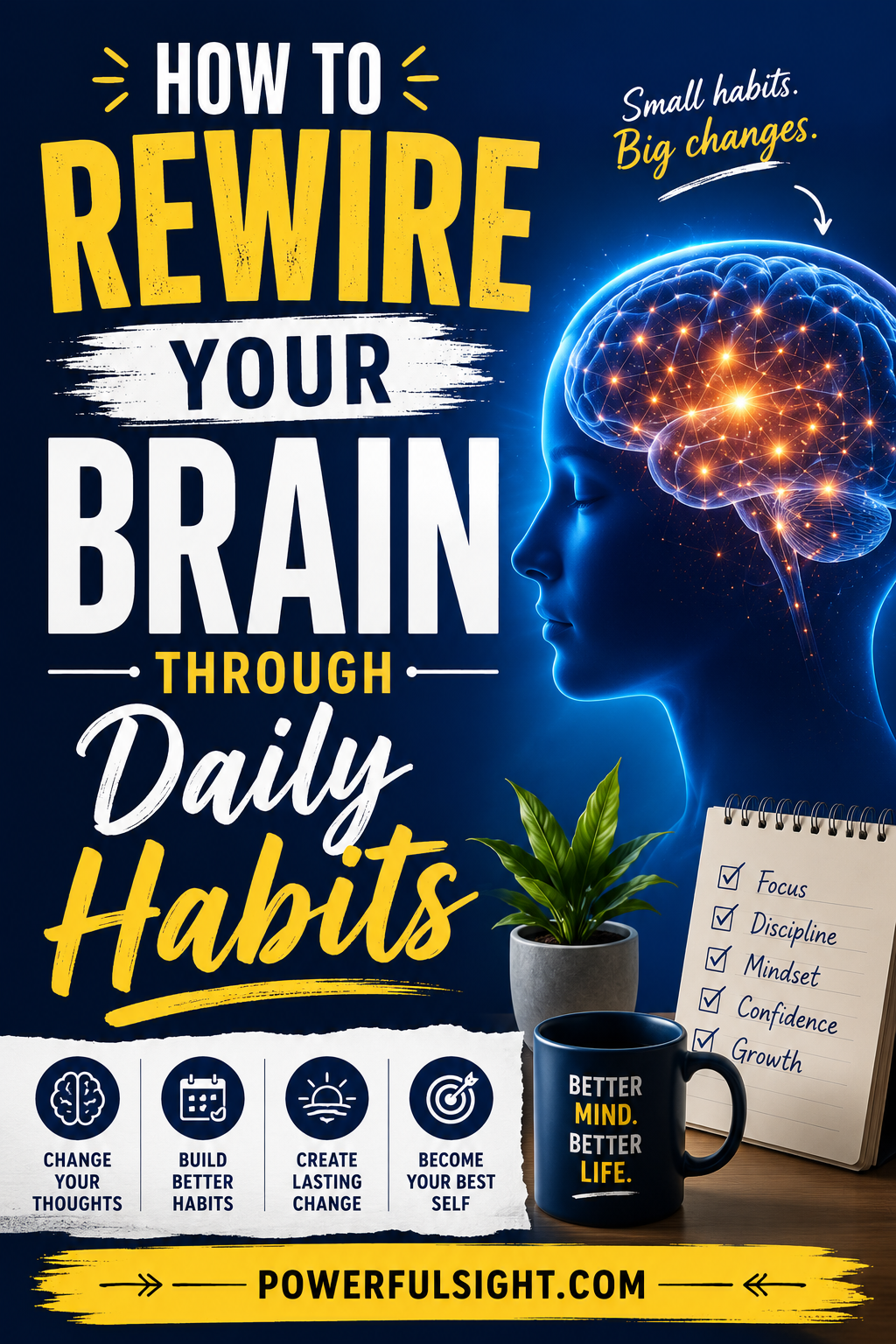
Save the pin for later

- 60 Color Tattoos That Healed Beautifully - 25/09/2026
- 40 Most Painful Tattoo Spots - 24/09/2026
- 20 Tattoo Aftercare Mistakes That Ruin Fresh Ink - 23/09/2026

