Fall gives you a natural chance to reset your routines, finish useful projects, and make room for experiences you’ve been putting off. Cooler days and quieter evenings can make it easier to focus, care for your health, reconnect with people, or spend time on a creative hobby.
Productive activities don’t have to feel like work. A walk through changing leaves, a homemade meal, a decluttered room, or a finished book can support your energy and focus without filling your schedule with pressure.
This list includes 90 productive things to do in fall for different moods, budgets, energy levels, and schedules. Choose a few that fit your life instead of trying to complete them all, then start with the ideas that feel most useful right now.
Key Takeaways
- Use fall as a natural reset point for routines, goals, and unfinished projects.
- Choose practical activities that support your health, home, finances, relationships, or creativity.
- Build momentum with small actions, such as decluttering one area or taking a short outdoor walk.
- Plan focused work blocks, regular breaks, and a simple evening reset to protect your energy.
- Seasonal milestones can support new habits through the fresh start effect, when a new chapter makes change feel more achievable (research on fresh starts).
90 Productive Things To Do In Fall Outdoors
Fall makes outdoor productivity easier because cooler weather supports movement, observation, and simple seasonal projects. You don’t need a gym membership or a full weekend free. A short walk, a local market visit, or a focused nature activity can add fresh air and useful momentum to your routine.
Build Energy With Simple Fall Movement
Use these ideas to stay active while enjoying the season. Before heading out, check the forecast, wear layers and shoes with good traction, and bring water when you’ll be away from home.
- Take a long walk in a park or forest. Choose a route with changing scenery, and leave your phone in your pocket so you can notice the sounds and colors around you.
- Go on a fall hike. Pick a trail that matches your experience and available daylight. Tell someone your route if you’re hiking alone.
- Explore a new neighborhood. Walk a few streets you’ve never visited and notice local architecture, gardens, or small businesses.
- Ride a bike. Plan a short loop on a familiar trail, or cycle to a nearby errand when road and weather conditions are suitable.
- Create a regular daylight walking habit. Start with a 15-minute walk during lunch three days a week. A repeatable schedule works better than waiting for a large block of free time.
- Plan a fall picnic. Pack a simple meal, a warm drink, and a blanket. Choose a sheltered park and check for local rules about food, fires, and reservations.
- Volunteer for a park cleanup. Join an organized event or collect litter along an approved route. Wear gloves and follow instructions for sharp or hazardous items.
- Visit a pumpkin patch. Walk the grounds, choose a pumpkin for a seasonal project, and support a nearby farm while spending time outdoors.
Turn Nature Into a Seasonal Project
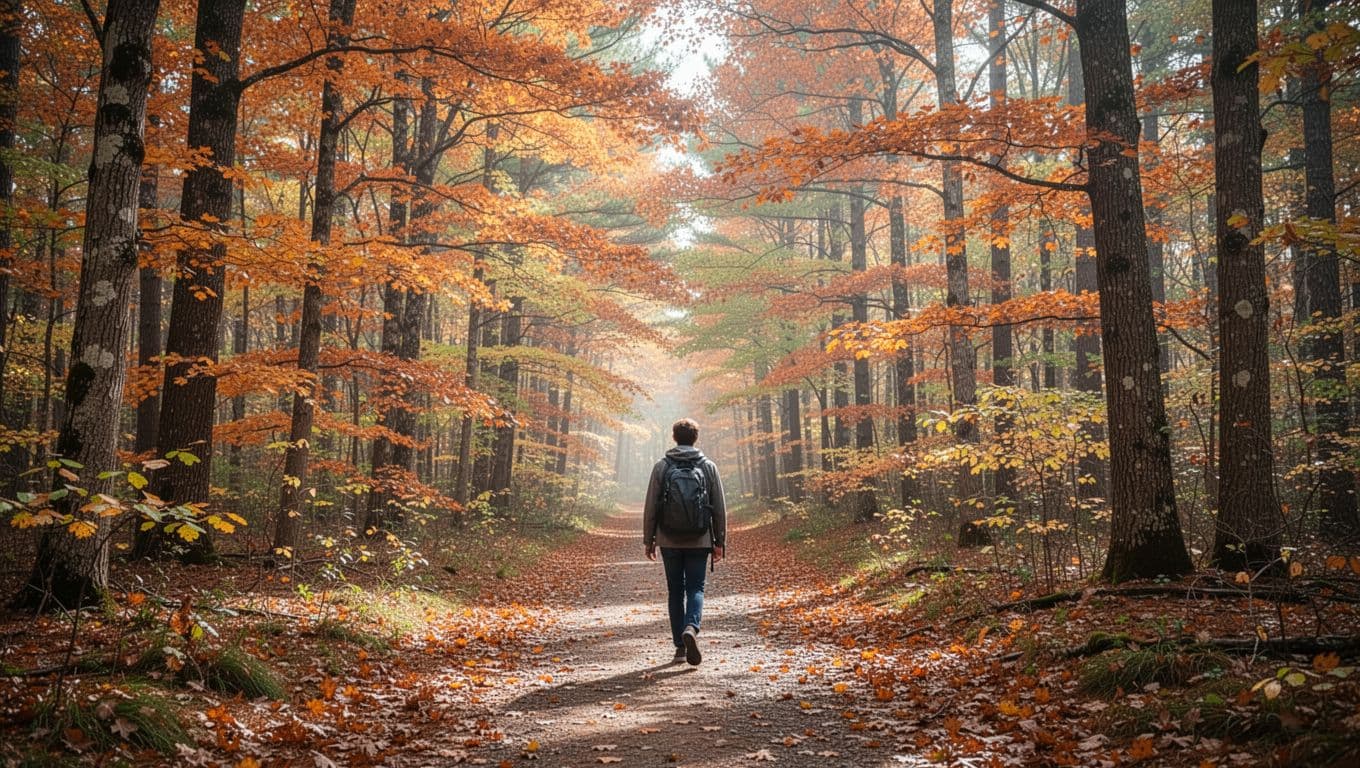
Nature-based activities can give your outings a clear purpose. Research has associated outdoor activity with lower fatigue and more energy, although your experience will vary (systematic review of outdoor health benefits).
9. Photograph changing leaves. Choose one tree or trail and photograph it each week. Compare the images later to track the season.
10. Identify local trees. Use a field guide or a reputable plant-identification app. Study leaf shape, bark, and seed pods without removing living parts.
11. Look for mushrooms without touching or picking them. Take photographs from a safe distance, and avoid eating anything you find outdoors.
12. Collect fallen leaves for crafts. Gather dry leaves from permitted areas, then press them between book pages before using them in cards or artwork.
13. Gather pinecones for decor. Check local collection rules first, and choose only fallen, clean cones. Let them dry fully before bringing them indoors.
14. Pick apples or pears. Visit a local orchard, bring a reusable bag, and turn the outing into a planned food-preparation project.
15. Visit a farmers market. Buy seasonal produce and set a goal to prepare one new fall meal that week.
At home, organize your photos and notes in one folder by date and location. Add a sentence about the weather, what you noticed, or what you want to investigate next time.
Productive Fall Activities for a Cleaner, Calmer Home
Fall is a practical time to reset your home in small stages. Choose one task at a time, set a short timer, and stop before the project becomes overwhelming. A calmer space can make daily routines easier to follow, although it won’t guarantee higher productivity.
Reset Your Space Without Spending Much
You can organize more effectively without buying new containers. Start with one room, gather loose items, and sort them into keep, donate, recycle, and discard piles. Then give everyday items a fixed home.
16. Declutter one room. Set a 20-minute timer and focus on visible surfaces, floors, or one drawer. Use baskets you already own to collect items that belong elsewhere.
17. Sort one closet. Group clothing by type, such as sweaters, jeans, shoes, and workout clothes. Remove anything damaged, uncomfortable, or untouched for a year.
18. Build a fall capsule wardrobe. Keep a practical group of layers that work together, then store summer pieces in clearly labeled bins.
19. Donate usable clothing. Check local charity rules before dropping anything off. Many organizations accept clean, wearable items but reject stained, wet, or damaged clothing.
20. Remove duplicates. Keep the best version of repeated kitchen tools, cables, toiletries, or office supplies. Recycle or responsibly dispose of anything that cannot be donated.
21. Label storage. Use paper labels, masking tape, or a marker on existing boxes. Clear labels prevent you from opening every container to find seasonal items.
22. Organize digital files. Create simple folders for taxes, work, household records, and personal documents. Delete obvious duplicates and use consistent file names.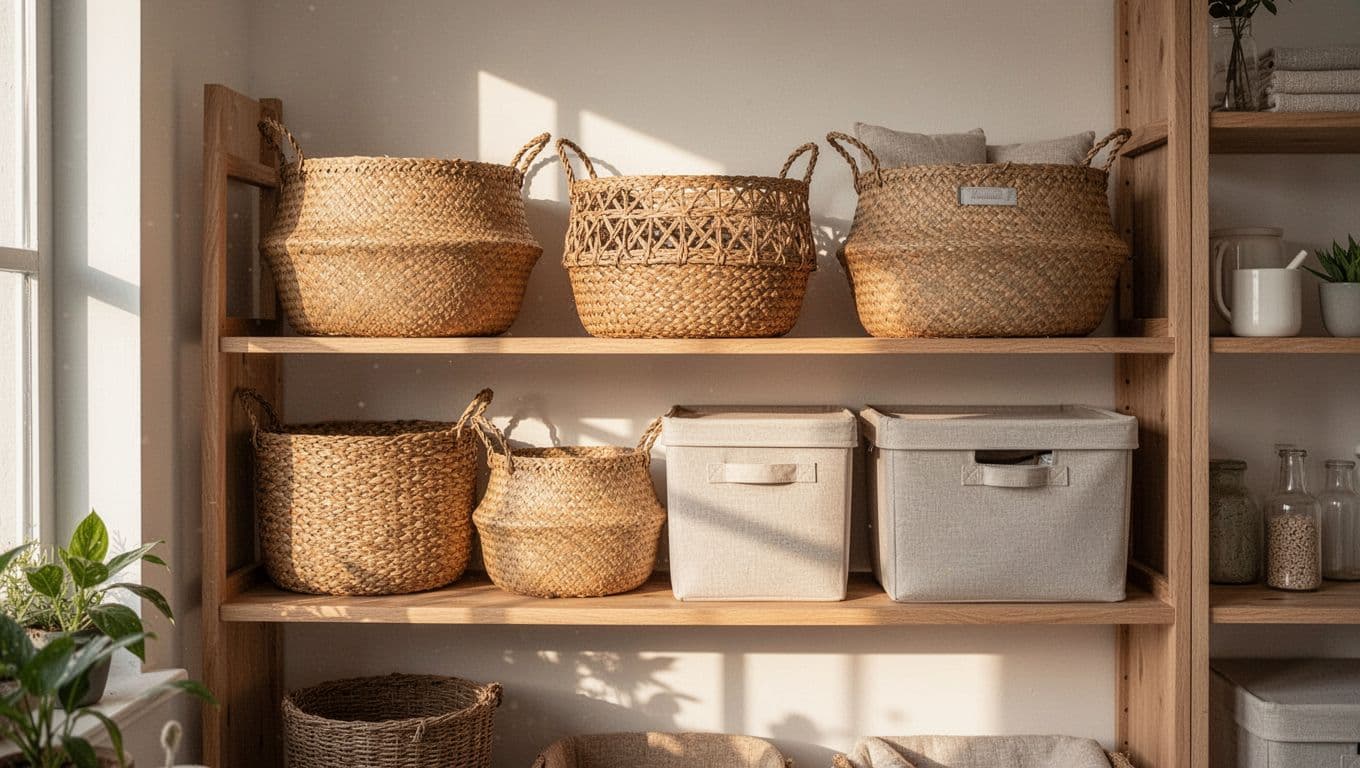
23. Back up photos. Copy important images to an external drive or a trusted cloud service. Check that the backup opens before deleting anything from your phone.
Prepare Your Home for Colder Weather
A seasonal reset should also cover cleaning, food storage, and basic safety. For additional seasonal cleaning ideas, use this fall cleaning and organizing guide as a reference, then adapt the tasks to your home.
24. Deep-clean the kitchen. Wipe cabinet fronts, clean the stovetop, wash the microwave, and clear crumbs from appliance edges. Follow every cleaning product label, and never mix chemicals.
25. Clean the windows. Wash interior glass and wipe sills, screens, and tracks. If exterior windows require ladders or awkward reaches, ask someone to help or hire a professional.
26. Replace air filters. Check your system’s recommended filter size and replacement schedule. A clean filter supports normal airflow, but follow the manufacturer’s instructions for your specific equipment.
27. Test smoke and carbon monoxide alarms. Press each test button, replace batteries when needed, and check the expiration or replacement guidance on the unit.
28. Clean out the refrigerator. Discard expired food, wipe shelves, and group ingredients by use. Keep foods cold while cleaning and follow local guidance for disposal.
29. Plan easy seasonal meals. Choose a few simple recipes using ingredients you already have, then write a short shopping list. This can reduce last-minute decisions on busy evenings.
30. Stock healthy snacks. Portion nuts, fruit, yogurt, or whole-grain options where you’ll see them. Store perishable foods safely and check expiration dates before buying more.
31. Create a cozy reading corner. Clear one chair, add a lamp, and keep a book or e-reader nearby. Store a blanket in an existing basket so the space stays easy to reset.
32. Prepare a home maintenance checklist. Include gutters, window drafts, plumbing leaks, heating equipment, and outdoor faucets. Schedule qualified professionals for electrical, gas, roof, or other unsafe repairs rather than attempting them alone.
Fall Productivity Ideas for Work, School, and Personal Goals
Fall routines work best when they give your day structure without filling every minute. Choose a few priorities, protect your attention, and leave space for rest, family needs, and unexpected tasks.
Make Shorter Days Work in Your Favor
Shorter daylight hours can support a steady routine when you plan around them. Keep consistent sleep and work or study times, then use your morning for decisions that might otherwise drain your attention later.
Natural light can help your workspace feel more comfortable during darker mornings. Set up a distraction-free desk near a sunny window, keep your phone out of reach, and use a lamp when daylight fades.
Start each morning by writing the day’s most important task, two smaller tasks, and any fixed appointments.
Then add a focused outdoor break around midday. A 10- or 20-minute walk can give remote workers a clear boundary between meetings, while students and parents can use a walk between classes or after school pickup.
Use time blocks to assign tasks to realistic parts of your day instead of keeping everything on an open-ended list. The Pomodoro technique uses 25 minutes of focused work followed by 5 minutes of rest, with a longer break after four rounds. Adjust the timing if longer study blocks or shorter tasks suit you better.
Use Fall to Finish What You Started
A fresh start doesn’t require a brand-new goal. Choose one unfinished project that would make your life easier by winter, then define the next physical action. “Finish my course” is vague, but “watch the next lesson and complete its quiz” gives you a clear starting point.
Use these productive fall activities to create forward motion:
33. Set three fall goals. Choose one work or school goal, one personal goal, and one practical goal.
34. Break each goal into weekly steps. Give every week one action that moves the goal forward.
35. Create a monthly calendar. Add exams, work deadlines, appointments, family events, and planned rest before filling open spaces.
36. Plan the week every Sunday. Review unfinished tasks, choose your priorities, and leave a flexible block for surprises.
37. Use time blocks. Reserve specific periods for deep work, classes, errands, email, and recovery.
38. Clean up your task list. Delete stale tasks, combine duplicates, and move low-value items to a later list.
39. Close unused browser tabs. Save useful pages in a clearly named folder, then keep only the tabs needed for your current task.
40. Organize your email. Archive old messages, unsubscribe from unwanted lists, and flag only emails that require action.
41. Update your resume. Add recent responsibilities, measurable results, and new skills while the details remain fresh.
42. Refresh your portfolio. Replace outdated samples and write a short explanation of your role in each project.
43. Learn one useful software skill. Pick a feature that helps with your work, classes, budgeting, design, or scheduling.
44. Prepare for year-end deadlines. List holiday work, final projects, benefits paperwork, travel plans, and important renewals.
45. Organize school materials. Create folders for each class and move notes, readings, and assignments into their proper places.
46. Remove one obstacle. Ask for missing information, repair your printer, download needed software, or schedule help.
47. Set a simple deadline. Choose a date that creates momentum, then revise it when work, health, or family demands change.
Flexible goals keep one difficult day from becoming a failed season. If a parent completes one resume section, a student organizes one class folder, or a remote worker finishes one portfolio sample, progress still counts.
Healthy and Restorative Things to Do in Fall
Productivity includes choices that protect your health, attention, and emotional energy. Use fall to build supportive habits without expecting yourself to change everything at once. A few steady adjustments can make busy days feel more manageable.
Create a Routine That Supports Your Energy
A flexible routine can give your day a reliable shape. For example, you might wake at the same time most mornings, spend 10 minutes outside in daylight, stretch, and eat a balanced breakfast. Then schedule one focused work block before lunch, take a short movement break, and prepare a healthy lunch with protein, vegetables, and whole grains.
Morning light may help support sleep timing and alertness, especially as fall days become shorter. Research on daylight and circadian rhythms also highlights why regular light exposure matters. Still, your ideal routine depends on your work schedule, health, family responsibilities, and natural sleep pattern.
In the evening, dim the lights, finish demanding tasks, and create a calm wind-down. Read, journal, or practice slow breathing before bed instead of trying to solve every problem at night. Start with one habit, such as a consistent wake time, then add another after it feels manageable.
### Make Cozy Habits Work for You
Cozy activities can support intentional rest when they help you recover for the next day. Reading before bed, writing in a journal, enjoying a warm drink, or taking a screen-free break can lower stimulation and give your mind room to settle.
Try these healthy fall habits:
48. Create a consistent bedtime that gives you enough time for sleep, even if weekends need some flexibility.
49. Plan balanced lunches so you aren’t relying on rushed snacks during busy afternoons.
50. Prepare warm soups with vegetables, beans, lentils, or lean protein for an easy seasonal meal.
51. Drink more water by keeping a refillable bottle near your desk or favorite chair.
52. Schedule annual appointments and ask your healthcare professional which screenings fit your needs.
53. Stretch in the morning with gentle movements that feel comfortable for your body.
54. Try beginner yoga through a slow class or simple routine, stopping if a movement causes pain.
55. Take screen-free breaks during the day, even if you only sit by a window for five minutes.
56. Write in a journal to clear your thoughts and identify one practical next step.
57. List daily gratitude with one specific detail, such as a helpful conversation or sunny walk.
58. Practice breathing exercises by slowing your exhale and choosing a method that feels calming.
59. Read before bed with a paper book or an e-reader that doesn’t keep you scrolling.
60. Spend time in daylight through a morning walk, outdoor errand, or lunch near a bright window.
61. Create a relaxing evening routine that includes tidy-up time, warm lighting, and quiet activities.
62. Make a personal plan for seasonal stress by listing warning signs, supportive people, coping activities, and professional resources.
Restorative downtime leaves you better able to handle important responsibilities. Avoiding a task usually creates more tension, so pair rest with one small action, such as replying to an email before reading for 20 minutes. If low mood, anxiety, or sleep problems persist, contact a qualified healthcare professional for support.
Creative and Learning Projects for a More Meaningful Fall
Creative projects give your fall routine a useful change of pace. Choose one small activity, finish it, and let the process build patience, confidence, and practical skills. For more inspiration, browse these fall craft ideas before gathering supplies.
Learn Through Hands-On Seasonal Projects
- Bake an apple pie. Start with one beginner recipe and measure every ingredient before mixing. Baking improves planning, accuracy, and patience.
- Make pumpkin soup. Begin with a simple recipe using canned pumpkin or leftover roasted squash. Practice safe knife handling, careful seasoning, and portion planning.
- Try a new seasonal recipe. Choose one affordable dish featuring apples, squash, beans, or root vegetables. Use ingredients you already have first to reduce food waste.
- Create a fall playlist. Start with five songs that match your preferred autumn mood, then organize them by energy or activity. This builds curation and basic digital organization skills.
- Press colorful leaves. Place clean, dry leaves between sheets of paper inside a heavy book. Use leaves collected from permitted areas, avoid moldy specimens, and turn them into bookmarks or framed art.
- Make a fall wreath. Begin with a plain cardboard or grapevine base, then add dried leaves, pinecones, or fabric scraps. Avoid taking live plants, and secure small pieces carefully if children or pets are nearby.
- Decorate a pumpkin. Start with a washable paint pen or stickers instead of carving. Painting develops hand control, while avoiding sharp tools makes the project easier to share.
- Make beeswax candles. Begin with a small beginner kit and follow its heating instructions. Keep wax away from open flames, use a double boiler, protect your work surface, and never leave hot wax unattended.
Natural materials add character, but inspect them for insects, moisture, and mold before bringing them indoors.
Turn Learning Into Something You Can Use
- Knit or crochet. Start with a short video lesson and one small project, such as a dishcloth or coaster. Repeated stitches improve coordination and teach you to follow a sequence.
- Paint a seasonal scene. Choose a small canvas and sketch one tree, porch, or landscape before adding color. Painting strengthens observation and helps you practice proportion.
- Start a craft project. Pick one project that can be finished in two or three sessions. Completing a small piece builds follow-through and gives you a clear result.
- Make homemade bird feeders. Begin with a pinecone, unsalted seed, and a safe hanging spot. Clean natural materials first, avoid spoiled food, and check local guidance about feeding wildlife.
- Learn basic photography. Start by photographing one tree at different times of day. Practice focus, framing, and natural light while preserving family memories or seasonal details.
- Take a free online class. Choose one short lesson in budgeting, spreadsheets, cooking, or another useful skill. Write down one idea, then practice it the same day.
- Read a book on a new subject. Begin with one chapter and keep brief notes in a notebook. Choose a topic that supports your goals, such as personal finance, nutrition, history, or design.
Check ingredient labels for food allergies, keep oven mitts nearby, and supervise children around heat, wax, needles, and scissors. A finished project can also become one of your creative goals for the year, especially when you record what you learned and what you want to try next.
Social, Family, and Community Activities That Feel Productive
Shared activities can give your fall routine more purpose without making every weekend feel like an obligation. Choose plans that include a simple goal, such as learning something, completing a project, supporting a local group, or creating a memory together.
Plan Seasonal Fun Without Last-Minute Stress
Use a four-part plan for brunches, game nights, festivals, pumpkin carving, and Halloween preparations:
- Choose a date and backup plan.
- Set a budget for food, tickets, decorations, and transportation.
- Assign clear tasks, such as cooking, shopping, setup, cleanup, or bringing games.
- Prepare supplies early, especially costumes, pumpkins, craft materials, and allergy-safe food.
- Host a fall brunch. Serve a few affordable dishes, ask guests to bring one item, and include coffee, tea, or cider. Check for food allergies before finalizing the menu.
- Plan a family game night. Choose games for different ages and attention spans. Keep one short indoor option ready if younger children lose interest.
- Organize a neighborhood potluck. Use a shared sign-up sheet to prevent duplicate dishes. Include vegetarian, allergy-friendly, and nonalcoholic choices so more neighbors can participate.
- Visit a fall festival. Check admission fees, parking, weather plans, and accessibility details before you go. Set a spending limit for food, games, and seasonal purchases.
- Attend a local market. Give each person a small budget or a useful shopping goal, such as buying produce for a shared meal.
- Explore a museum. Pick one exhibit and ask everyone to share a favorite object afterward. For a rainy day, choose a museum with accessible parking, elevators, seating, and indoor activities.
- Take a city walking tour. Look for a guided history, architecture, or food tour, then choose a shorter indoor route if the weather changes.
- Visit a historic site. Read about the location beforehand and turn the trip into a family research project. Check whether the site has ramps, rest areas, and indoor exhibits.
- Plan a pumpkin-carving night. Prepare patterns, washable markers, safe tools, table coverings, and cleanup bags in advance. Painting or decorating pumpkins is a useful alternative for children and anyone who prefers not to use carving tools.
- Make Halloween decorations. Use cardboard, paper, fabric scraps, or recycled containers. Keep small parts, sharp tools, and candles away from young children and pets.
- Prepare costumes early. Set a budget, check what you already own, and test makeup or accessories before the event. Choose comfortable options for people sensitive to certain fabrics, masks, or noise.

Give Back in Small, Practical Ways
Community support doesn’t require a large donation or a weekly commitment. Look for legitimate local organizations through city websites, food banks, libraries, established nonprofits, or verified volunteer directories. Contact the organization first, check its current needs, and offer useful items rather than unwanted clutter. For example, local volunteer groups may list food pantry, event, or donation roles through Cleveland volunteer opportunities.
89. Volunteer at a food drive. Sort donations, pack boxes, or take a short collection shift. Ask whether the group needs time, specific foods, or gift cards before shopping.
90. Check on an older neighbor. Offer groceries, a brief phone call, leaf raking, or help arranging a repair. Respect privacy and never enter a home without clear permission.
91. Organize a clothing donation. Collect only clean, wearable clothing that matches the charity’s current guidelines. Avoid treating a donation center as a place to discard damaged items.
92. Create a seasonal bucket list with friends or family. Choose affordable activities, assign dates, and include indoor choices for rainy weekends. A shared list gives everyone a small goal and makes planning easier. Use the same approach described in this guide on how to make new habits stick, keep the first step simple and schedule it before motivation fades.
How to Choose the Right Productive Fall Activities for You
The best productive fall activities fit your actual life, not an ideal schedule. Consider your available time, energy, budget, location, weather, and current goals before choosing what to do. A free outdoor walk may suit one person, while another may benefit more from organizing a room or completing an online lesson.
Start with one activity from each area each week:
- One outdoor activity, such as a walk, hike, or farmers market visit.
- One home task, such as cleaning a drawer or preparing a seasonal meal.
- One work or learning goal, such as updating your resume or taking a lesson.
- One wellness habit, such as stretching, journaling, or improving your bedtime routine.
- One social or creative activity, such as hosting dinner or making a fall craft.
Match Activities to Your Time and Energy
Match the task to the day you have. A short activity can keep your routine moving when work runs late or your energy drops. On a moderate weekday evening, you might prepare soup, sort digital files, read a chapter, or complete a 25-minute study session.
Use this quick comparison to choose without overloading your schedule:
| Activity type | Good choices |
|---|---|
| 10-minute task | Take a short walk, clear one drawer, reply to one email, or stretch. |
| Weekday activity | Cook a simple meal, organize a closet section, or practice a useful skill. |
| Weekend project | Deep-clean a room, visit an orchard, complete a craft, or plan a community activity. |
| Ongoing habit | Walk after lunch, review goals weekly, or prepare lunches in advance. |
When a full version feels too demanding, choose the minimum version. Take a 10-minute walk instead of planning a long hike. Organize one drawer instead of tackling the entire closet. Read five pages rather than committing to an hour.
Build a Fall Plan You Can Actually Finish

Use a simple four-step method: choose, schedule, prepare, and review.
- Choose three to five activities that support your priorities. Keep your list short, and select options that fit your budget and location.
- Schedule each activity on your calendar. Check the forecast before planning outdoor tasks, and assign an indoor backup for rainy days.
- Prepare supplies ahead of time. Set out walking shoes, buy needed ingredients, download course materials, or place donation bags near the door.
- Review your progress each weekend. Keep activities that help, adjust those that take too much time, and replace plans that no longer fit.
Busy work, illness, bad weather, or low motivation can change your week. Move an outdoor activity indoors, shorten the task, or reschedule it without treating the change as failure. These goal setting tips that actually work can also help you keep plans realistic.
A productive fall should support your health, responsibilities, relationships, and rest. Your plan should make life easier, not create another source of pressure.
Conclusion
Fall productivity works best when it supports your real life instead of adding pressure. Movement, home organization, focused work, self-care, creativity, and time with others can all help you use the season well. The strongest results come from choosing activities that match your energy, schedule, budget, and current priorities.
Choose three meaningful activities to schedule this week. You might plan a daylight walk, organize one area of your home, and finish a small creative or work project. Save the rest of these fall ideas for later so your list stays useful rather than overwhelming. If you want to carry this momentum into the new year, these goal setting strategies can help you turn seasonal progress into realistic next steps.
A productive fall doesn’t require a perfect routine. Small actions, repeated consistently, can make the season feel more focused, healthy, and satisfying.
Save the pin for later

- 60 Color Tattoos That Healed Beautifully - 25/09/2026
- 40 Most Painful Tattoo Spots - 24/09/2026
- 20 Tattoo Aftercare Mistakes That Ruin Fresh Ink - 23/09/2026

