The night before a new school day, you stand in front of your closet, smooth your hair, and hope you’ll feel fresh, confident, and put together when you walk through the doors. A glow up before school can help, but it isn’t about changing who you are, losing weight, buying expensive products, or copying an influencer’s routine.
The best results come from small habits that make you feel cared for: getting enough sleep, practicing simple hygiene, using gentle skincare, and choosing neat hair and clothes that fit your style. You’ll also build steadier energy and confidence with routines that work for different ages, budgets, skin types, hair types, and personal preferences. For more ideas, use these back-to-school self-care routine tips alongside the simple seven-day plan below.
Build Healthy Daily Habits for a Glow Up Before School
The biggest changes usually come from basic habits repeated consistently. A fresh appearance starts with clean skin, healthy teeth, neat hair, fresh clothes, and enough rest. You don’t need a long routine or expensive products to look and feel put together.
Build a simple morning and evening hygiene routine
Keep your morning routine short enough to follow on busy school days. Use this simple checklist:
- Brush your teeth for about two minutes.
- Wash your face gently with lukewarm water and a mild cleanser.
- Apply deodorant if you need it.
- Comb, brush, or style your hair in a way that feels comfortable.
- Check your clothes for stains, wrinkles, loose buttons, or missing school items.
- Pack essentials such as homework, water, lunch, medication, and personal care products.

At night, remove makeup if you wore it, then wash your face gently. Shower after heavy sweating, sports, or a hot day, but you don’t need to shower several times daily. Brush your teeth again, clean under your nails, and put on fresh sleepwear.
Wash your hair according to your hair type, scalp needs, and activity level. Some people need frequent washing, while others do better with more time between washes. Fresh socks and clean clothes also make a noticeable difference. Hygiene should feel caring, never shame-based. If you want a calmer start, try these productive morning habits for students.
Make sleep your easiest school-year glow-up
Sleep can improve your focus, mood, energy, and the way you look in the morning. Tired eyes, dull skin, and low patience are harder to manage when you regularly stay up too late.
The CDC recommends 9 to 12 hours per 24 hours for children ages 6 to 12 and 8 to 10 hours for teens ages 13 to 18. You can review the CDC’s recommended sleep hours for your age group.
Instead of forcing an early bedtime in one night, move it earlier by 15 to 30 minutes every few evenings. Keep your bedtime and wake time steady, including on weekends when possible. A calm, cool bedroom can help, as can placing your phone away from the bed.
Avoid caffeine late in the day and skip large meals right before sleep. During the final 30 to 60 minutes, choose a relaxing activity such as reading, gentle stretching, or listening to quiet music. With better rest, natural confidence feels easier because you have more patience, clearer thinking, and energy for the school day.
Create a Gentle Skincare Routine That Protects Your Skin
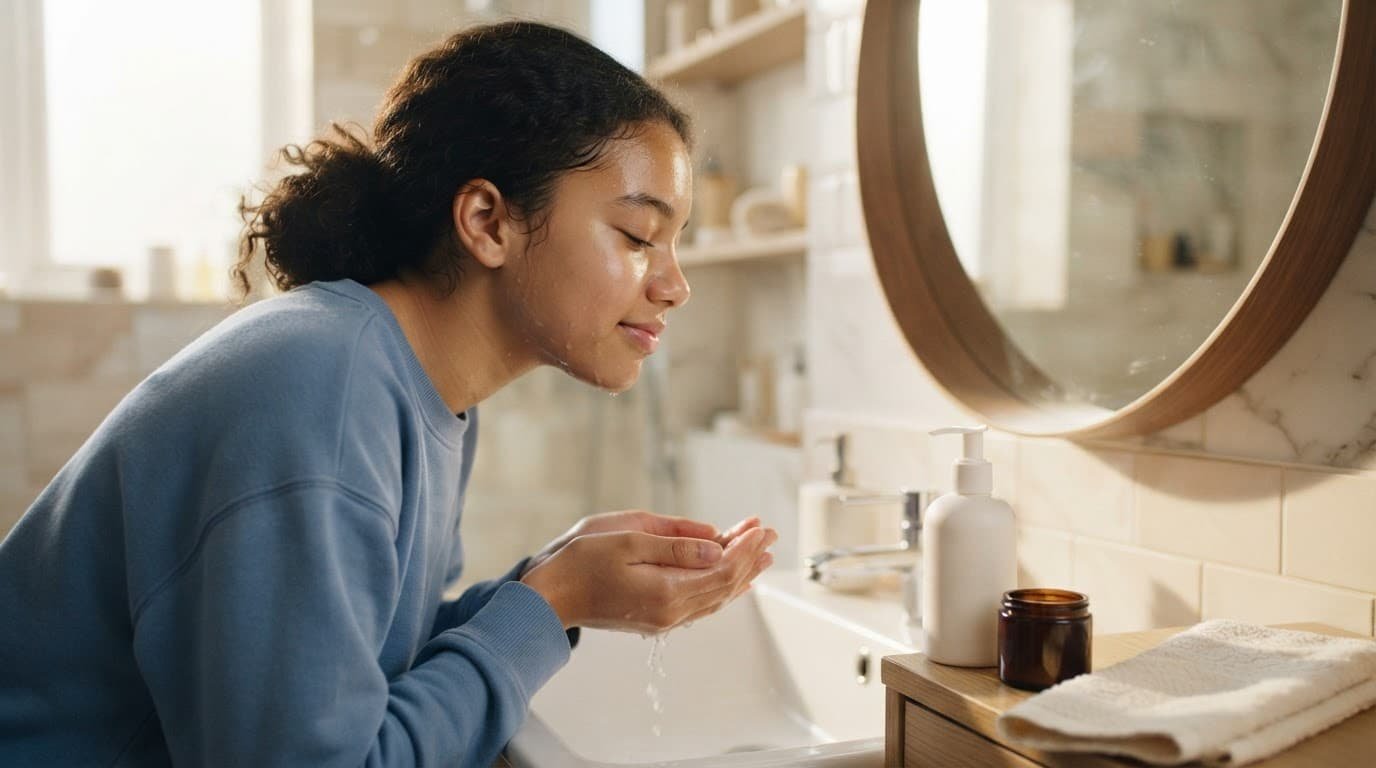
A good glow-up routine should leave your skin comfortable, not tight, stinging, or covered in too many products. For tweens and teens, the American Academy of Dermatology recommends starting with three basics: a gentle cleanser, a fragrance-free moisturizer when needed, and broad-spectrum, water-resistant sunscreen with SPF 30 or higher. You can read the AAD’s simple skincare guidance for teens for more details.
Choose skincare based on what your skin actually needs
Your skin may change with weather, hormones, stress, sports, and products. Start by noticing how it feels after washing:
- Dry skin often feels tight, rough, or flaky. Use a gentle cleanser and apply a fragrance-free moisturizer while your skin is slightly damp.
- Oily skin may look shiny, especially around the forehead, nose, and chin. Choose a lightweight, non-comedogenic moisturizer instead of skipping moisturizer altogether.
- Combination skin is oily in some areas but dry in others. Apply lighter amounts where you get shiny and more moisturizer to dry patches.
- Sensitive skin may burn, itch, turn red, or react easily. Choose fragrance-free products with short ingredient lists, and avoid rough scrubs and strong scents.
Wash with lukewarm water and your fingertips. Harsh alcohol-based products, abrasive brushes, and hard scrubbing can irritate your skin and make redness or breakouts worse. Introduce one new product at a time, then give your skin a chance to adjust. When appropriate, patch-test a small amount on an inconspicuous area first.
Your routine doesn’t need retinol, vitamin C serums, exfoliating acids, or anti-aging products to work. Those products can create irritation when younger skin doesn’t need them. If a product burns, causes swelling, or triggers a strong rash, stop using it and tell a parent or guardian. Seek medical help quickly if swelling affects your eyes or breathing, or if the reaction is severe.
Handle breakouts without turning them into a confidence problem
A breakout may not disappear before the first day of school, and healthy skin doesn’t need to look perfect. Acne and changing skin are normal parts of growing up, and neither one makes you less attractive.
Keep your hands away from pimples because picking and squeezing can cause scars and dark marks. Change your pillowcase regularly, remove makeup before bed, and wash your face gently after sweating. If a health professional has recommended an acne treatment, follow the directions instead of applying extra product for faster results.
Avoid switching products every few days. Most treatments need time, and using several strong ingredients at once can leave your skin sore and irritated. Older teens with ongoing, painful, scarring, or upsetting acne should speak with a parent, guardian, pharmacist, or dermatologist. Professional advice is safer than copying a random viral routine.
Refresh Your Hair, Clothes, and Personal Style Without Overspending
A glow up before school can come from caring for what you already own. Clean clothes, healthy hair, and a few personal details often look more polished than an expensive wardrobe or a complicated makeover. Choose what helps you feel comfortable, confident, and like yourself.
Find a school outfit that feels comfortable and confident
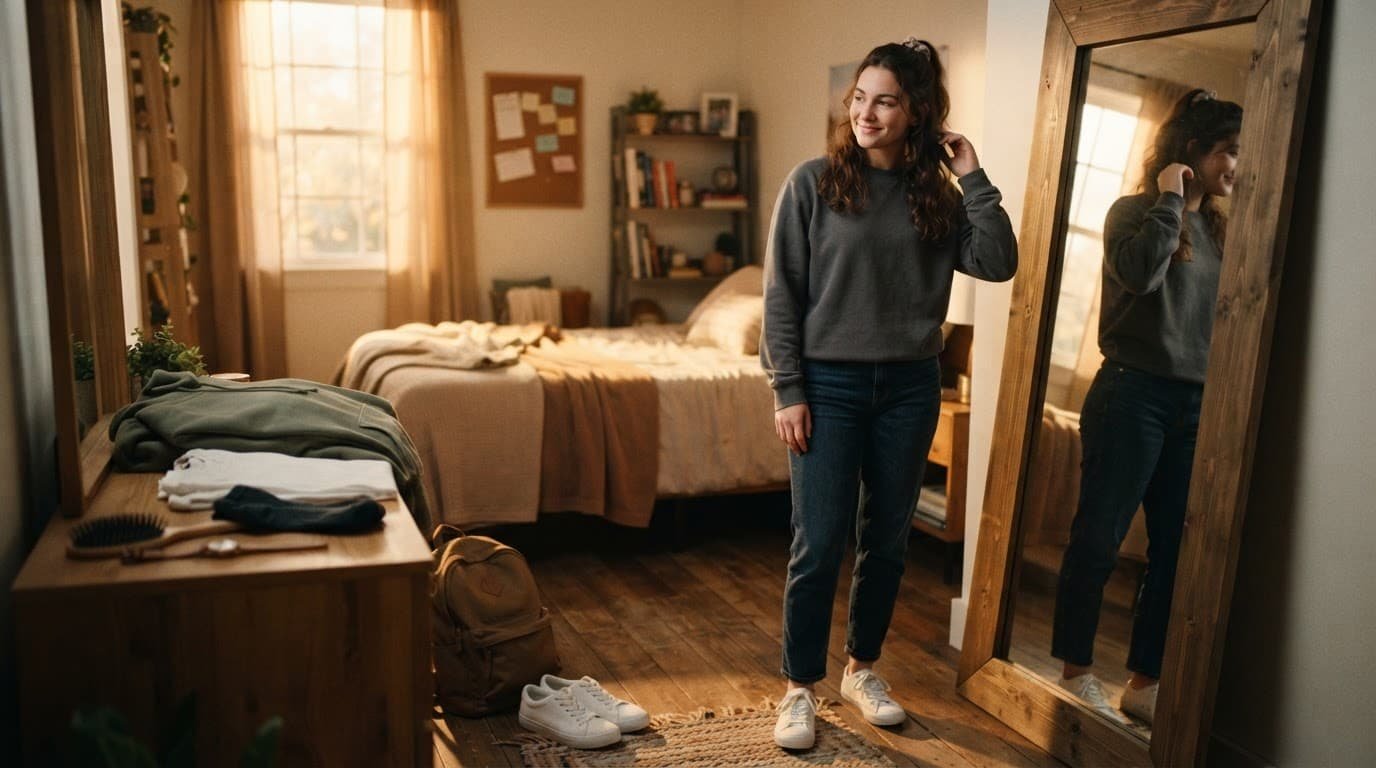
Use this simple outfit formula when planning what to wear:
- Start with one comfortable base, such as jeans, leggings, trousers, a skirt, or school-approved shorts with a clean shirt.
- Add one useful layer, such as a cardigan, hoodie, sweater, or lightweight jacket for changing weather.
- Wear clean shoes with tidy shoelaces.
- Finish with one personal detail, such as a favorite accessory, colorful socks, a hair clip, or a style of jewelry you enjoy.
Try the complete outfit on before school begins. Sit, bend, walk, raise your arms, and carry your backpack to check whether everything feels easy to move in. Also confirm that the outfit follows your school’s dress code without making you feel uncomfortable.
You don’t need a completely new wardrobe. Plan two or three reliable outfits, then rotate them with different layers or accessories. Check each piece for stains, wrinkles, loose buttons, and worn-out areas. Wiping your shoes, cleaning your glasses, and keeping your backpack tidy can make an everyday outfit look more cared for.
Choose colors, cultural styles, hairstyles, and accessories that help you recognize yourself in the mirror. Personal style should support your confidence, not pressure you to compare your body, budget, hair texture, or wardrobe with someone else’s. For more confidence tips, explore these ideas on how to be more charming and confident.
Keep hair styling simple on busy mornings
Wash your hair according to how oily, sweaty, or dirty it becomes, along with your hair texture and activity level. Straight hair with an oily scalp may need more frequent washing, while dry, curly, coily, or thick hair may need less frequent washing. If your hair is dry or long, conditioner can help with moisture and detangling.
When hair is wet, use a wide-tooth comb and start at the ends before moving upward. A neat ponytail, braid, bun, headband, defined natural texture, or clean, brushed hair can all look ready for school. Pick the option that feels comfortable and takes a realistic amount of time.
The American Academy of Dermatology recommends limiting frequent heat styling and using low or medium heat when you do use hot tools. Avoid hairstyles that pull painfully at your scalp, and take breaks from tight ponytails, buns, braids, or extensions. You can read the AAD’s healthy hair care tips for more guidance.
If you’re considering a new cut, chemical treatment, or major style change, ask a trusted stylist or adult for advice first. A good school hairstyle should look neat while leaving your scalp and hair feeling healthy.
Fuel Your Body and Build Confidence From the Inside Out
Looking awake and feeling confident are easier when your body has steady fuel. Regular meals, water, enough sleep, and enjoyable movement can help you feel more alert without turning your glow-up into a strict diet or workout plan.
Use movement to feel more awake and positive
Movement can lift your mood, improve posture, and help your body feel ready for the day. It also supports better sleep at night, especially when you balance activity with enough rest. The Dietary Guidelines for Americans connect regular physical activity with benefits such as better fitness, cognition, and mood.
You don’t need a long workout to feel the difference. Try one option that fits your schedule:
- Stretch beside your bed after waking up.
- Walk for 10 minutes before school or after dinner.
- Dance to one favorite song while getting ready.
- Bike, play a sport, or take the stairs when practical.
- Follow a short workout that feels energizing rather than exhausting.

Choose activities you actually enjoy. A walk with music, a casual game with friends, or a few minutes of stretching still counts as caring for your body. Movement should never be punishment or a way to earn food. If you’re sick, injured, dizzy, or unusually tired, rest and tell a trusted adult when you need help.
Food gives your morning the same steady support. When you can, choose meals or snacks that combine carbohydrates, protein, fruits or vegetables, and water. Oatmeal with yogurt and fruit, a peanut butter sandwich with a banana, or crackers with cheese and grapes are simple examples. Breakfast can improve focus and energy for some students, but don’t feel ashamed if you can’t eat early. Pack a snack for later or eat when your appetite arrives.
For more practical ideas, try these simple movement habits for well-being.
Practice confidence before the first bell rings
Confidence often begins before you enter the classroom. Pack your supplies, review your schedule, charge any needed device, and check where you need to go. Preparation removes small decisions that can make a nervous morning feel heavier.
Prepare one friendly sentence, compliment, or question for a classmate. You might say, “I like your backpack,” ask where the next class is, or mention something about the assignment. Stand comfortably, relax your shoulders, make natural eye contact, and speak clearly. Smile when it feels genuine, then greet someone first if you feel ready.
Everyone feels awkward sometimes, especially in a new class or after a long break. Confidence grows through practice, kindness, preparation, and self-respect. It can look bright and outgoing, but it can also look calm, quiet, and genuine.
Follow an Easy Night-Before and First-Day Glow-Up Plan
A calm school morning begins the night before. Check tomorrow’s schedule, pack your backpack, charge needed devices away from your bed, fill your water bottle, and prepare lunch items. Choose comfortable clothes, set one alarm, wash your hair if needed, complete your short skincare routine, and get to bed on time.
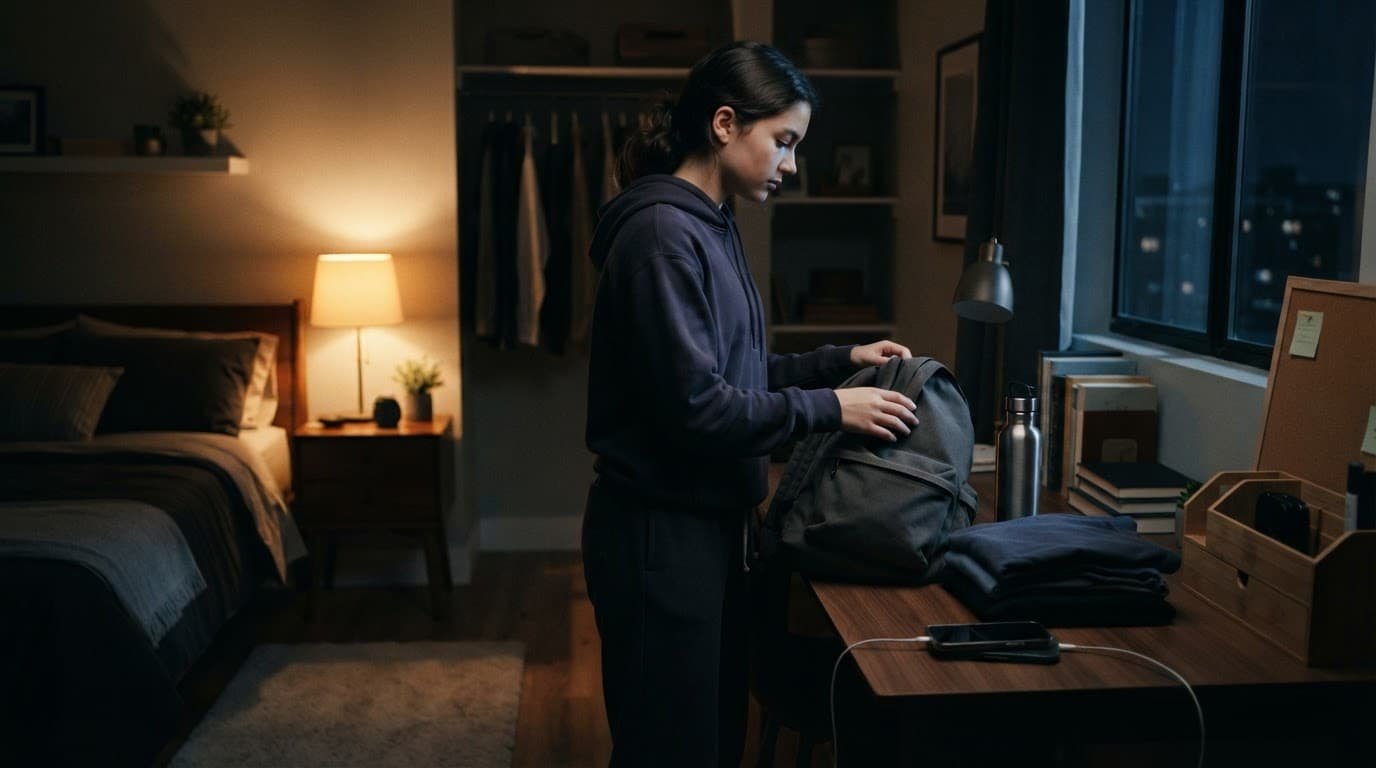
If you have a full week, use one small focus each day: reset your sleep schedule, organize laundry and clothes, care for your hair, simplify skincare, add enjoyable movement, prepare school supplies, then take a proper rest day. You can also find more healthy morning routine ideas if you want help building a routine that fits your age and schedule.
Use a five-minute backup routine when you are running late
Start with the needs that affect comfort and health, then handle appearance in the simplest way:
- Brush your teeth, even if you can only complete a quick but thorough brushing.
- Wash your face gently or rinse it with lukewarm water if you don’t have time for cleanser.
- Apply deodorant, put on clean clothes, and choose underwear and socks that feel comfortable.
- Fix your hair with a simple style, such as a ponytail, braid, headband, bun, or brushed natural texture.
- Grab your water bottle, lunch, backpack, homework, medication, and any required school supplies.
- Leave safely, without running through traffic or skipping an important health need.
Apply sunscreen after gentle cleansing when you can, especially if you’ll spend time outside. Choose a broad-spectrum sunscreen and follow its label directions. Teen skin-care guidance can help you choose a basic option without piling on unnecessary products.
If you use a shared bathroom, keep a small toiletry bag with your toothbrush, deodorant, cleanser, and hair items. Uniforms make mornings easier because you can prepare one clean set the night before. With limited money, clean clothes, brushed teeth, tidy hair, water, and enough sleep will always matter more than new products.
Know when a glow-up tip is unsafe or unnecessary
Use this safety check before trying a dramatic trend:
- Avoid skin bleaching, harsh DIY mixtures, excessive exfoliation, and products that burn or sting.
- Don’t follow extreme diets, skip meals, lose sleep, or use supplements marketed for fast beauty changes.
- Stop painful hairstyles, tight extensions, or heat practices that pull at your scalp or damage your hair.
- Skip adult anti-aging routines unless a healthcare professional recommends a specific product.
Talk with a trusted adult or healthcare professional about severe acne, painful rashes, ongoing tiredness, eating concerns, or emotional distress. Your routine should help you feel cared for, not pressure you to look like someone else.
Conclusion
The most noticeable glow before school comes from feeling rested, clean, comfortable, prepared, and kind to yourself. Protect your sleep, keep hygiene simple, use gentle skincare and sunscreen, wear clothes that feel good, eat and drink regularly, move in ways you enjoy, and practice small acts of confidence before the first bell.
You don’t need to change everything in one week. Choose two or three habits to start, such as preparing your outfit at night, drinking water with breakfast, or following a short evening routine. As those habits become easier, you can add more support where you need it. These school confidence and self-care tips can also help you feel ready to connect with classmates and handle new situations.
School is a place to learn, connect, and grow, not a daily beauty contest. Your real glow comes from caring for yourself and showing up as the person you already are.
Save the pin for later


- 25 Gothic Tattoo Ideas for a Bold, Dark Look - 21/09/2026
- 34 Black Fine Line Tattoo Ideas for a Delicate Look - 21/09/2026
- 23 Micro Tattoo Ideas for Women With Meaning - 21/09/2026

